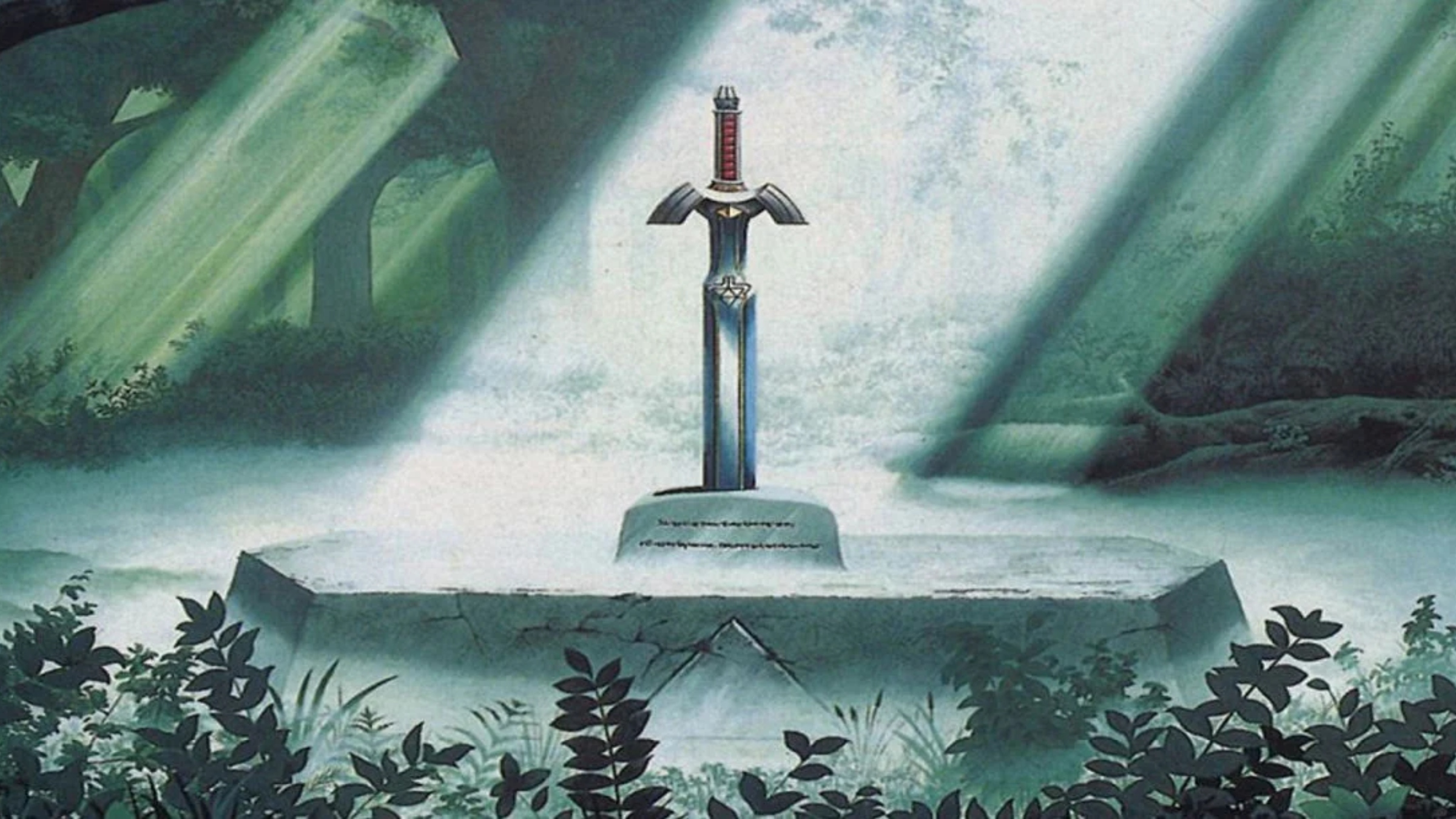
What truly sets The Legend of Zelda apart from other fantasy games is its masterful storytelling. The series skillfully uses pieces of its history without getting weighed down by excessive detail, allowing each game to feel fresh while still contributing to the overall world of Hyrule. It often retells or reimagines established legends to fit new stories, keeping things interesting and dynamic.
A great example of this worldbuilding technique can be seen in The Legend of Zelda: A Link to the Past, released 34 years ago for the Super Nintendo. This game was crucial in establishing the Zelda series as a lasting Nintendo favorite. It included a single, intriguing piece of backstory about an ancient battle, which has been revisited and expanded upon in later games. This initial lore has profoundly influenced how the entire series handles its history and storytelling ever since.
The Imprisoning War In Link To The Past Has Been Revisited Several Times
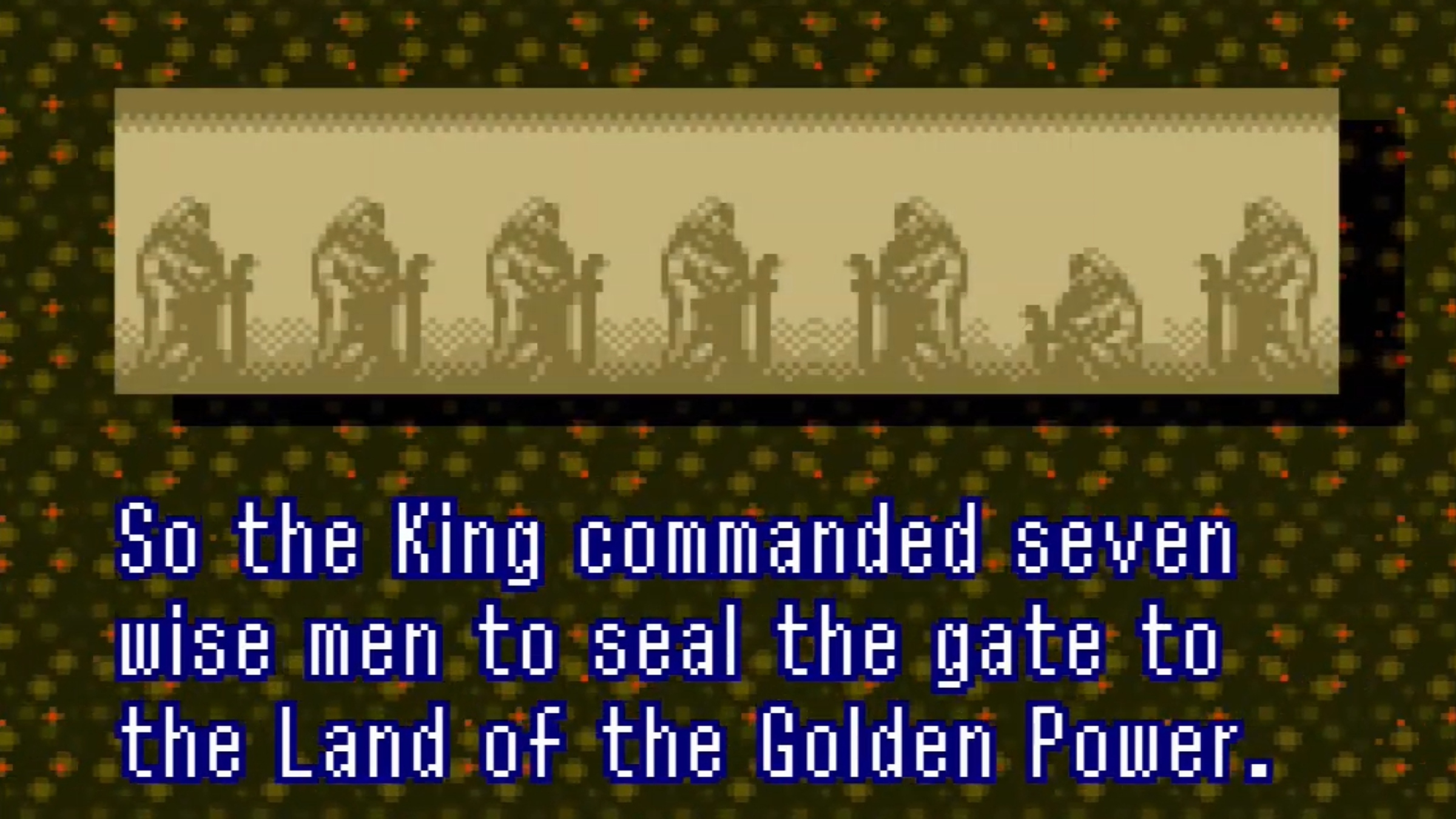
As a huge Zelda fan, I always thought the backstory revealed in A Link to the Past was a game-changer. The first two games showed us a bigger world and hinted at stories spanning generations, but it was the ‘Imprisoning War’ that really started building the incredible lore we know today. The game’s opening cinematic tells us about this huge conflict, which happened long before the events we play through. Apparently, Hyrule’s armies were tricked into going to this dark, warped version of their world – the Dark World – all in a search for the Triforce. It’s such a cool piece of history that explains so much!
This land, once a holy place, fell into darkness because of Ganon. His power began to corrupt those who desired it, turning them into his servants. To protect Hyrule, seven sages sealed the realm away during a great war, cutting it off from the world. The events of A Link to the Past center around the villain Agahnim’s attempts to break this seal, adding urgency to Link’s quest by revealing that defeating Ganon is a struggle that spans generations.
The idea of a great war to imprison the evil Ganondorf has been a recurring and inspiring theme throughout the Legend of Zelda series. We first see it fully realized in Ocarina of Time, which shows the original battle between Link and Ganondorf and how the Sages worked with Zelda to trap him. Twilight Princess revisits this concept with a flashback, revealing that in another timeline, Ganondorf was banished to the Twilight Realm by the Sages. Even the earliest game in the series, Skyward Sword, explores a similar idea, with Link trying to contain the evil Demise. This concept was recently revisited in Breath of the Wild and forms the central storyline of Hyrule Warriors: Age of Imprisonment. This consistent reimagining shows how flexible and well-developed the series’ lore has become over time.
How A Link To The Past’s Lore Set The Stage For Zelda’s True Scope
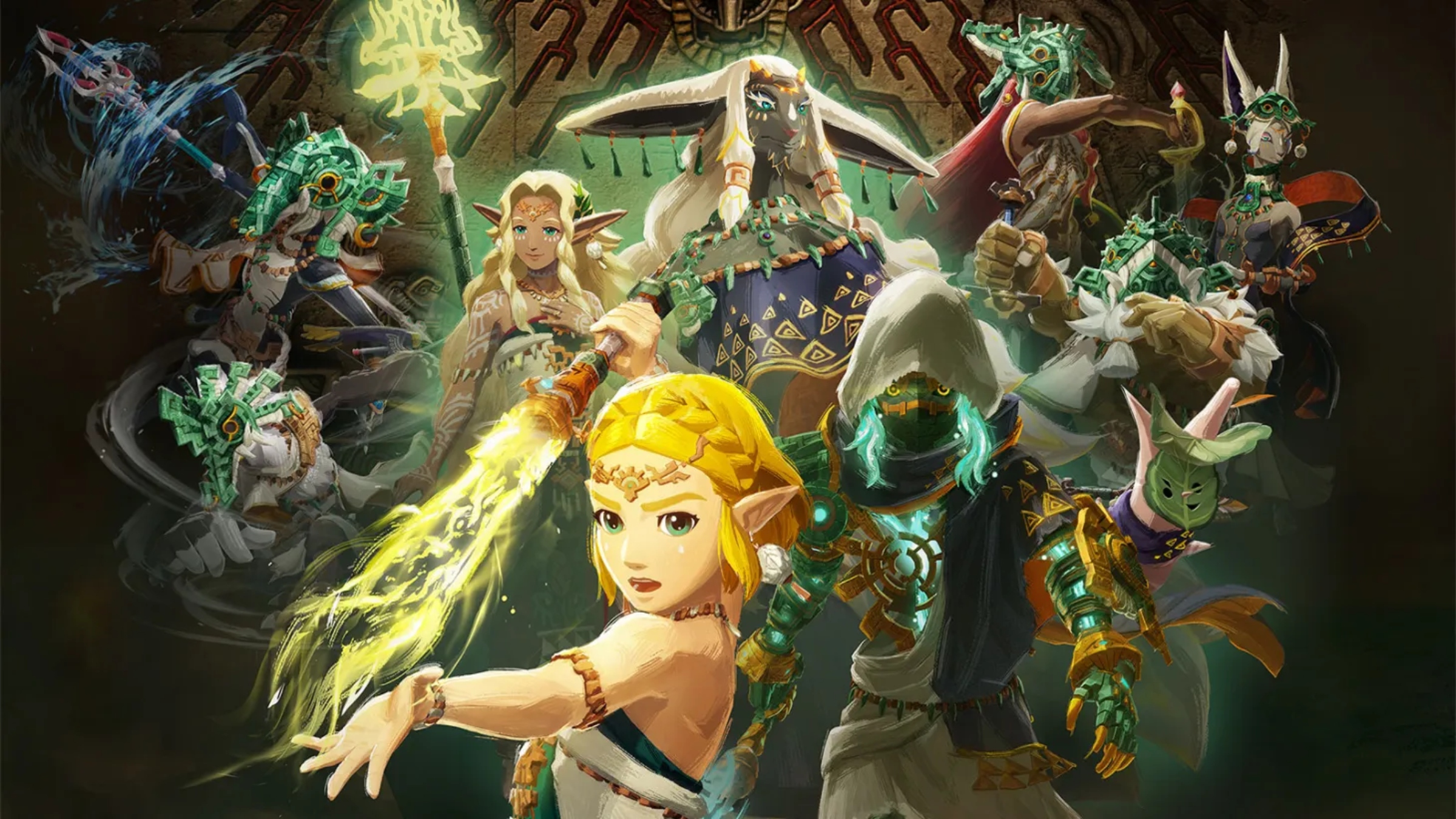
In A Link to the Past, the idea of the Imprisoning War was a simple way to establish the game’s story and its core mechanic of switching between Hyrule and the Dark World. Nintendo clearly liked this concept, because later games continued to feature variations of the war as a significant event across different timelines created by the events of Ocarina of Time and its impact on Hyrule’s history.
The way games began referencing events that later became central plots in other titles significantly shaped the lore of The Legend of Zelda. Later games explored this idea too – Ocarina of Time used the Imprisoning War as the basis for its ending, and Wind Waker built its reimagined Hyrule around the same conflict. It’s fascinating to consider the Imprisoning War as a fixed point in Zelda history, appearing in all versions of the timeline. This war became a core part of the setting – a conflict that always happens, though in different forms, throughout Hyrule’s history. This contributes to the feeling that each Zelda game isn’t necessarily a direct sequel, but rather a new telling of an ancient, repeating legend.
The Imprisoning War was key to establishing the idea that significant events in the Zelda timeline could be retold in different ways across various games. For example, it could be portrayed as a great victory in Ocarina of Time, a detailed backstory segment in Twilight Princess, or even the main story of a game like Hyrule Warriors: Age of Imprisonment. While earlier games like Zelda II: The Adventure of Link hinted at repeating cycles of heroes, the Imprisoning War truly solidified the concept that the Zelda story is cyclical, with certain characters and events constantly recurring.
The Imprisoning War was a crucial turning point for the Legend of Zelda series. It began the tradition of connecting games through a shared history of Hyrule, making each new adventure feel like a piece of a larger story rather than a standalone experience. This established the recurring themes of reincarnation and endless conflict that have become central to the series’ mythology, and profoundly shaped how the franchise developed its own lore over time.
Read More
- Elon Musk’s Mom Maye Musk Shares Her Parenting Philosophy
- GBP CNY PREDICTION
- Mark Zuckerberg & Wife Priscilla Chan Make Surprise Debut at Met Gala
- Forza Horizon 6 Car List So Far: Confirmed Highlights, Cover Cars, DLC, and Rewards
- 10 Greatest Manga Endings of All Time
- Elon Musk’s Ex Ashley St. Clair Reveals When Romance Became “Weird”
- 10 Best Free Games on Steam in 2026, Ranked
- Hollow Knight: Silksong Guide – All 30 Lost Flea Locations
- 38 Years Later, Murder, She Wrote’s Most Overlooked Episode Still Pulls Off TV’s Greatest Crossover
- 20 K-Dramas That Nailed the Perfect Ending
2026-04-14 19:16