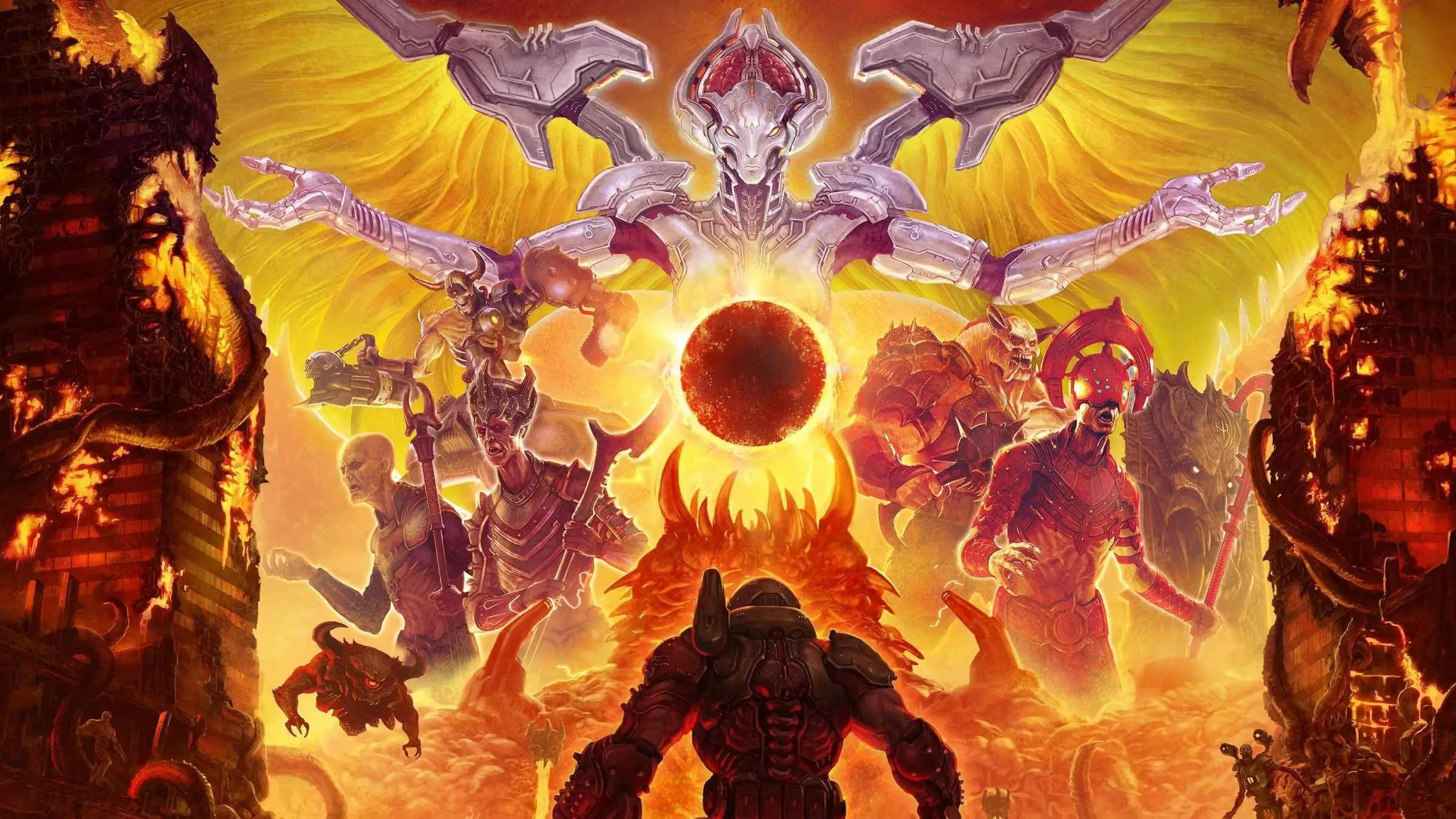
First-person shooter games have constantly changed over time, and titles like Doom: The Dark Ages have tried a simpler approach. While this has resulted in a fun experience, some older games offered features that felt more satisfying. One game, released over five years ago, stands out for its mechanics that really pushed players to become skilled FPS players to win decisively.
Most first-person shooter (FPS) games focus on quick action and becoming skilled with weapons to complete missions or compete online. However, not all FPS games feature diverse enemies and interesting ways those enemies interact with the player, forcing you to adapt your tactics during combat. The recent Doom games stand out by consistently offering engaging ways to tackle enemy encounters, whether through intense shooting or challenging environmental puzzles.
Doom: Eternal’s Combat Still Feels Extremely Fluid 6 Years Later Through Its Speed
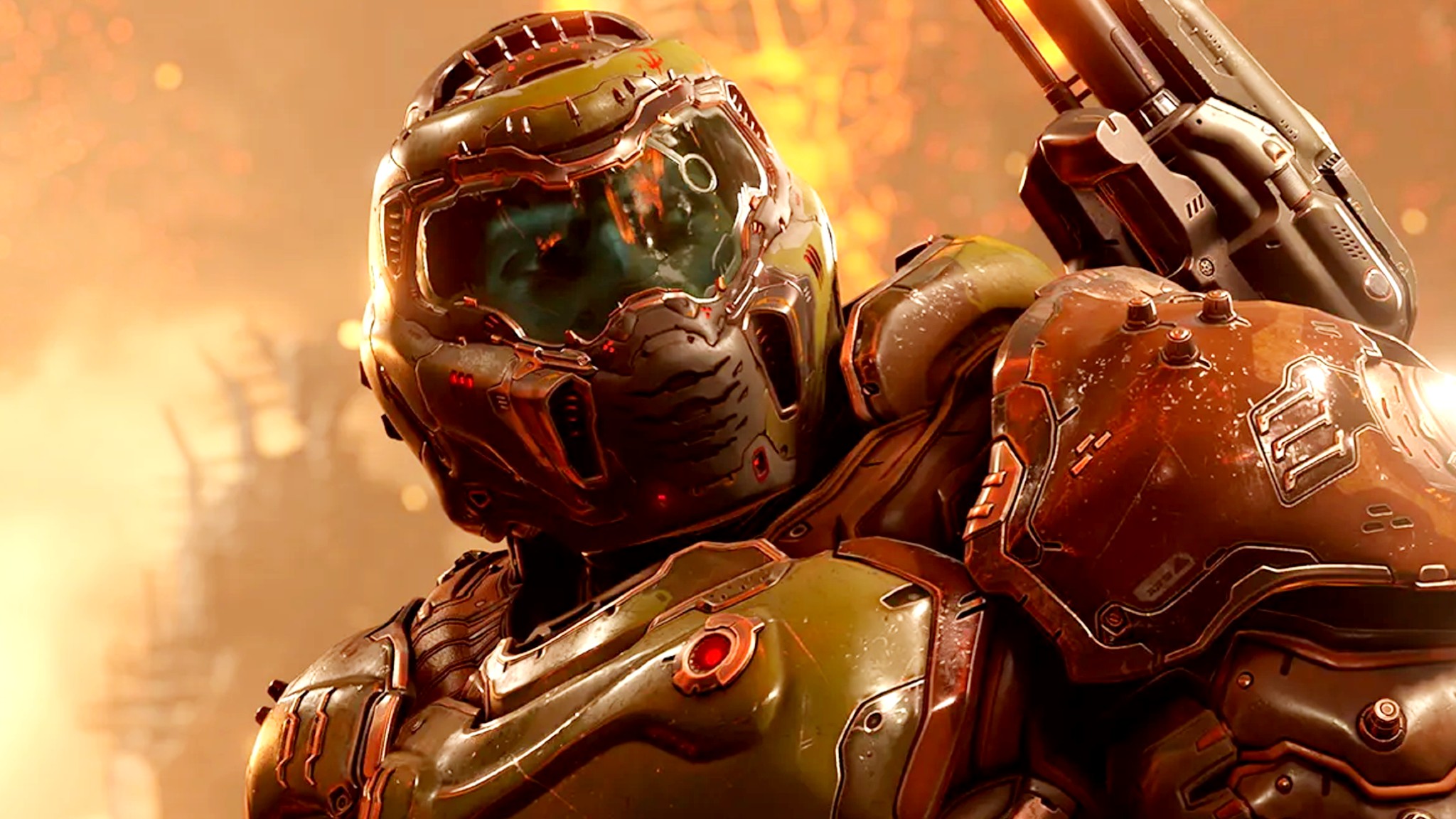
Even now, Doom: Eternal boasts some of the most thrilling combat in the first-person shooter genre. It throws a constant wave of enemies at you, demanding skillful play from the Doom Slayer. What makes the combat so effective is that each enemy is designed to be taken down in a specific way, encouraging you to switch weapons and move seamlessly through each fight. For instance, the cyborg Doom Hunter floats on a platform that’s especially vulnerable to energy weapons like the Plasma Gun.
The combat in Doom: Eternal is designed around quickly switching between strategies, letting players focus on one enemy or challenge at a time, even when facing many threats. Enemies move incredibly fast, and the Doom Slayer can keep up with a huge range of movement options, like double jumps and quick dashes, as well as abilities built into the weapons. While some players might find constantly switching weapons to be complicated, mastering these systems is actually quite rewarding.
Several features made the combat in Doom: Eternal stand out, like the Super Shotgun’s grappling hook, which let you quickly pull yourself towards enemies for easy Glory Kills and resources. The Chainsaw also functioned almost like a teleport, instantly bringing you close to weaker foes and providing a huge ammo boost when you had enough fuel. These mechanics worked together seamlessly, challenging players to master complex skills while always providing clear information and ways to succeed in this thrilling and powerful first-person shooter.
The Fortress Of Doom Was The Perfect Way To Space Out Missions & Secrets
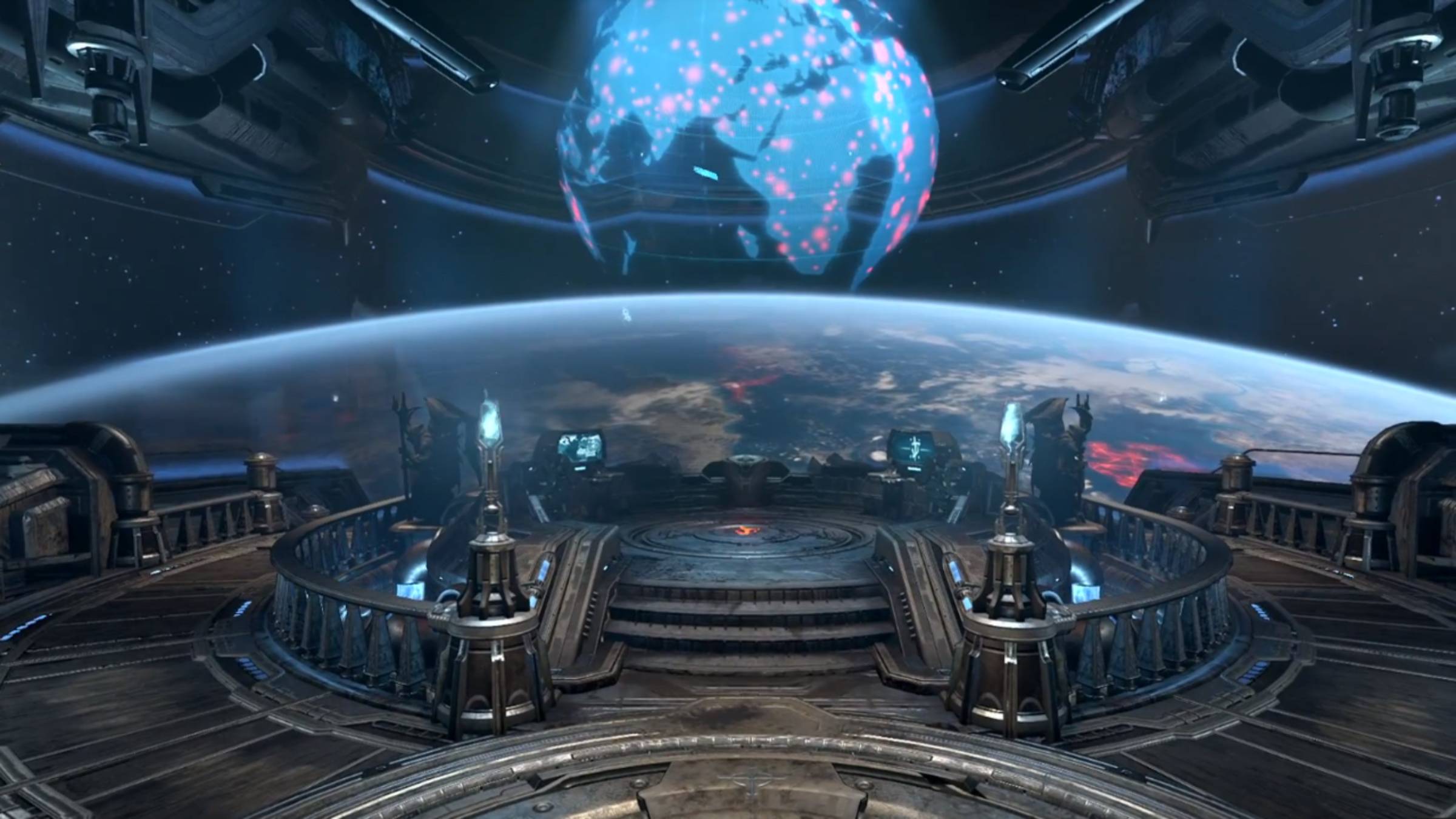
Beyond its intense combat, Doom: Eternal was well-organized thanks to the Fortress of Doom. This central hub allowed players to rest between missions, but also played a role in the game’s story. As you advanced, new sections of the fortress would open up, revealing secrets and providing access to helpful upgrades.
In the Fortress of Doom, players could unlock the Unmaykr weapon by finding Empyrean Keys hidden in challenging areas called Nests throughout the levels. You could also collect Sentinel Batteries during gameplay to purchase upgrades within the Fortress, making you more powerful for future fights. Beyond that, the game featured hidden collectibles that revealed secrets and offered fun Easter eggs to discover as you completed missions.
No More Glory Kills Or Other Combat Mechanics Made Doom: The Dark Ages Feel Somewhat Stale
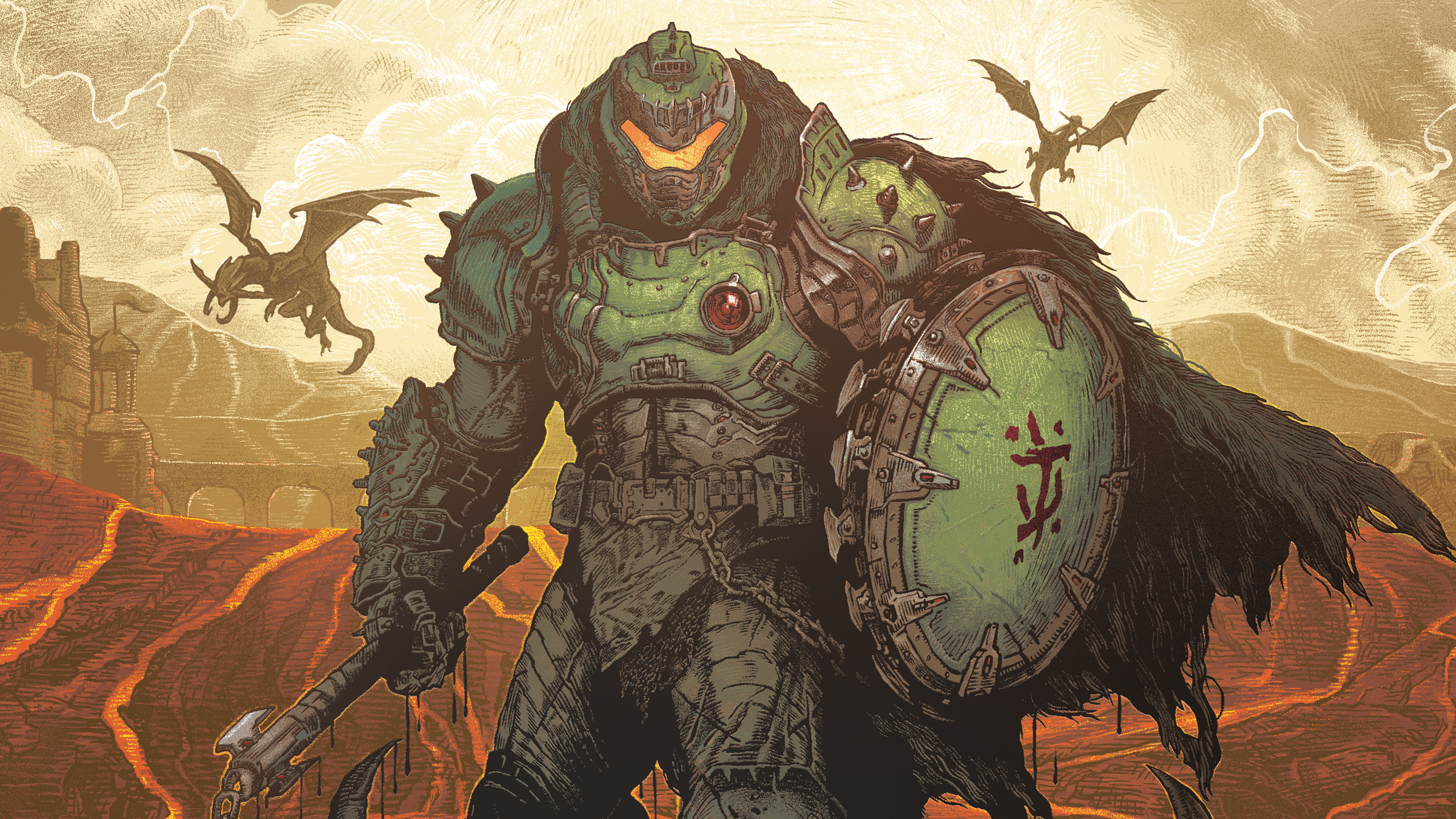
Compared to Doom: Eternal, Doom: The Dark Ages aimed for a more realistic feel. It focused on classic run-and-gun gameplay instead of the fast-paced action of the previous game. This was intentional, designed to make the player feel powerful and sturdy like a tank, rather than quick and agile like a fighter jet. While this approach has both advantages and disadvantages, it resulted in a simpler game with fewer complex mechanics. Most notably, the elaborate “Glory Kills” were removed, replaced with faster, more straightforward finishing moves similar to those found in other first-person shooters.
While Doom: The Dark Ages emphasizes powerful, weighty attacks instead of fast movement like double jumps or dashes, it doesn’t quite hit the mark. The new shield throws and projectile parries aren’t enough to replace the fast-paced weapon swapping and strategic combat of Doom Eternal. Facing large groups of enemies can be tough, as there’s less enemy variety and you don’t need to change your tactics as much.
Unlike previous installments, Doom: The Dark Ages prioritizes exploration over fast-paced combat, resulting in a more straightforward mission design. While still a strong Doom game, it doesn’t quite reach the same level of refined gameplay and intricate systems that made Doom Eternal so impressive, even years later.
Which game’s combat do you like more, Doom: Eternal or Doom: The Dark Ages? Share your thoughts in the comments, or discuss it with other fans on the ComicBook Forum!
https://comicbook.com/gaming/list/every-significant-innovation-in-fps-games/embed/#
Read More
- The Super Mario Galaxy Movie: 50 Easter Eggs, References & Major Cameos Explained
- Surprise Isekai Anime Confirms Season 2 With New Crunchyroll Streaming Release
- 10 Best Free Games on Steam in 2026, Ranked
- ‘Project Hail Mary’: The Biggest Differences From the Book, Explained
- Starfield (PS5) Review – A Successful Cross-Console Voyage
- Sydney Sweeney’s The Housemaid 2 Sets Streaming Release Date
- Silver Rate Forecast
- All 7 New Supes In The Boys Season 5 & Their Powers Explained
- Skate 4 – Manny Go Round Goals Guide | All of the Above Sequence
- Frieren: Beyond Journey’s End Gets a New Release After Season 2 Finale
2026-03-23 04:15