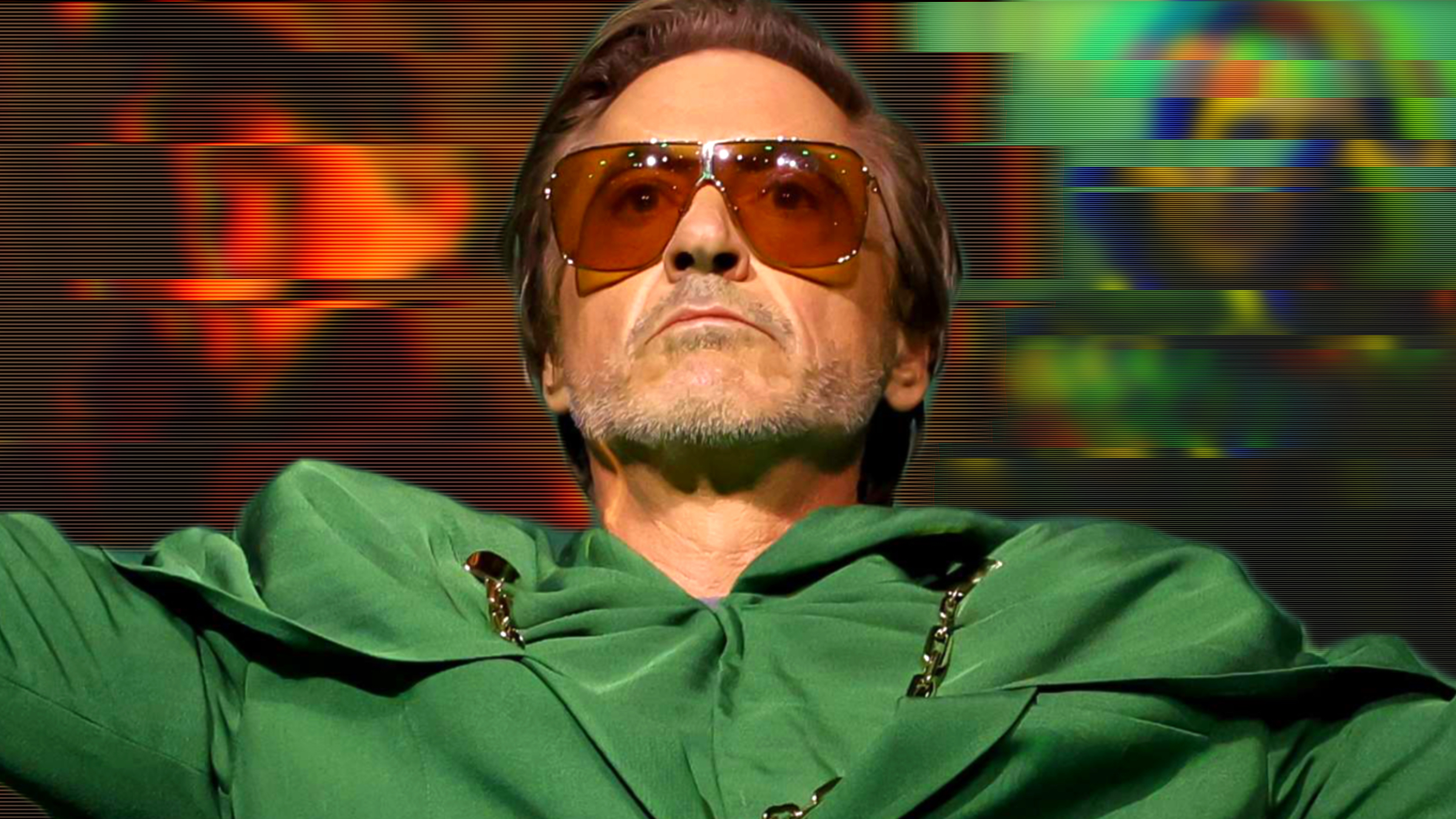
Marvel’s Multiverse Saga hasn’t quite lived up to expectations. It started by exploring alternate versions of familiar heroes and villains – a concept first hinted at in the 2019 film Avengers: Endgame with the two Captain Americas. However, the multiverse has increasingly become a way to simply reintroduce characters from older Marvel projects that weren’t originally connected to the main cinematic universe. Avengers: Doomsday seems poised to fully embrace this trend by uniting the original X-Men movie cast with the established MCU Avengers.
It’s clear why Marvel changed direction with its plans. Their initial ideas relied too heavily on Jonathan Majors as Kang the Conqueror, and weren’t resonating with audiences. Switching gears to focus on nostalgia seems like a smart move, given the huge success of films like Spider-Man: No Way Home and Deadpool & Wolverine. This year’s Avengers: Doomsday is likely to be one of the biggest blockbusters. However, this shift means another show – a classic sci-fi series – explored a compelling version of the multiverse nearly five decades before Marvel did.
Doctor Who Embraced the Multiverse 56 Years Ago
Interestingly, Doctor Who didn’t intentionally set out to explore multiple universes. It happened somewhat by chance. In 1970, writer Don Houghton proposed a four-part story called “Inferno,” based on the real-life Project Mohole – an attempt to drill deep into the Earth’s crust. The project was stopped for unclear reasons, with some suggesting vague “security concerns.” This mystery naturally sparked Houghton’s imagination, leading to a story about a dangerous experiment with radioactive energy that turned people into primitive creatures. However, Doctor Who required a seven-episode story, not just four.
The show’s writers came up with a clever idea to deepen the storyline. After being unexpectedly regenerated, the Third Doctor, played by Jon Pertwee, was sent into exile on Earth, allowing for a regular supporting cast like Liz Shaw (Caroline John) and the Brigadier (Nicholas Courtney). To explain this, they created a story about a failed experiment with the TARDIS that transported the Doctor to a parallel universe – one that was unsettlingly similar to, and dangerous like, Nazi Germany. This led to a dramatic finale where the ‘Inferno’ project threatened to destroy the world by breaking through the Earth’s surface.
In retrospect, “Inferno” stands out as remarkably inventive. The idea of a parallel universe is similar to what you see in Star Trek‘s Mirror Universe – it’s a classic dark world where things are subtly but disturbingly off. However, “Inferno” is special because this alternate reality isn’t just a different place; it warns the Doctor about potential disasters and gives him the knowledge he needs to save his own universe. He doesn’t simply visit another dimension as an observer, but returns transformed and with new abilities.
The Inferno Universe Became Even Better
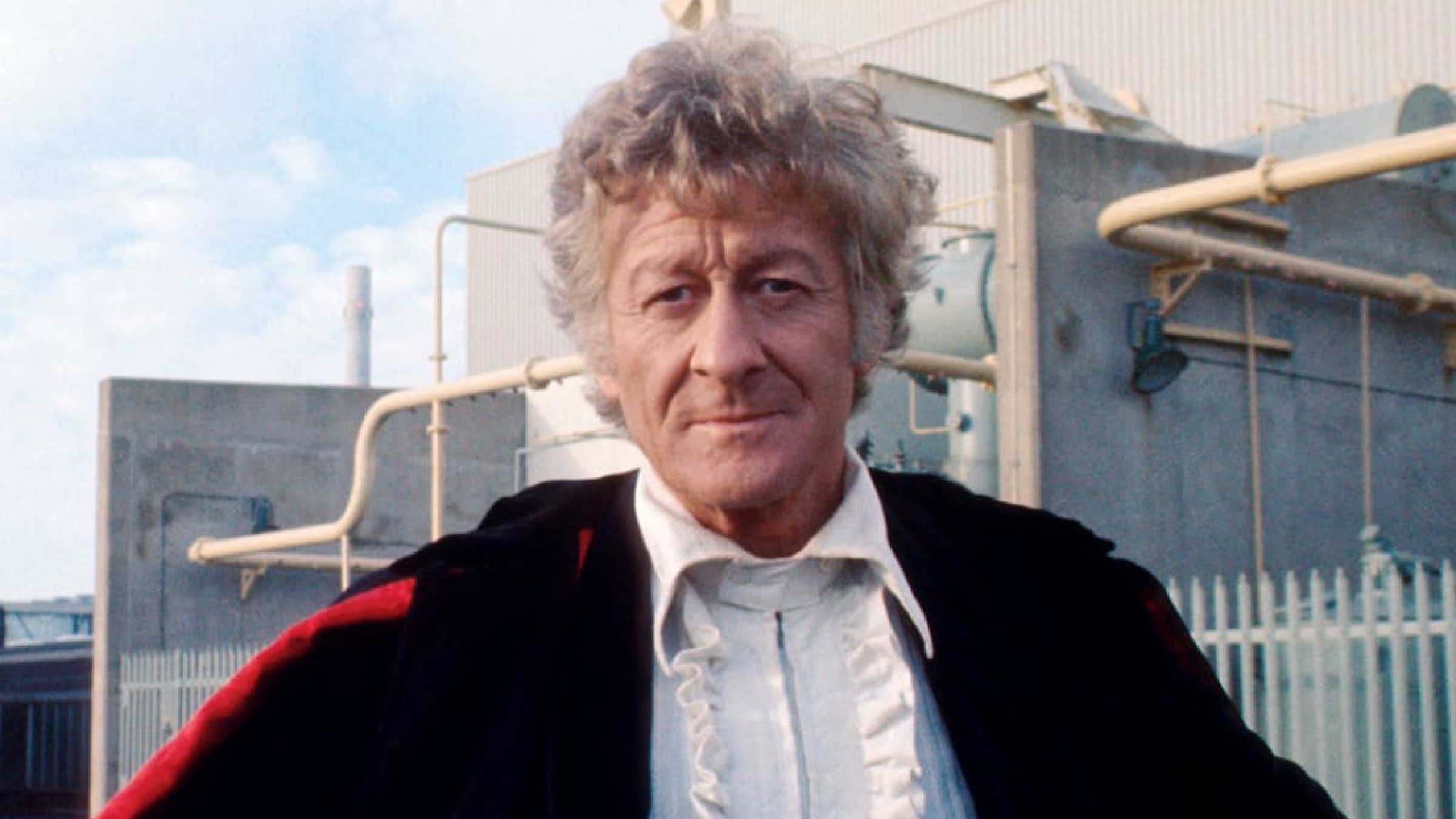
Interestingly, one character was missing from the alternate reality shown in the ‘Inferno’ storyline: the Doctor himself. For years, fans believed this version of Earth was what things would be like if the Doctor hadn’t existed. However, in 1991, author Paul Cornell offered a different explanation in the novel Timewyrm: Revelation. Though Doctor Who wasn’t on television anymore, the story continued in a series of books. In Cornell’s novel, the Doctor’s fight with a creature called the Timewyrm led him on a journey into his own mind, where he encountered psychic echoes of his former selves and uncovered hidden truths about his past.
The Doctor’s biggest discovery during the Inferno incident was understanding his own connection to it. He realized he had been present in that timeline and, while there, saw a picture of the dictator controlling fascist Britain – a figure the Time Lords had once tried to force him to become before banishing him to Earth. The Inferno timeline wasn’t caused by his absence, but by his exile, and that alternate version of himself was developing into someone very similar to the Master. This revelation deeply disturbed the Doctor, as he was horrified by the potential for darkness within himself.
The Doctor Who episode “Timewyrm: Revelation” used the concept of multiple universes partly as a throwback to a storyline from 1970. However, it also gave those alternate realities real significance by using them to reflect aspects of the Doctor’s personality. While not the central theme, this approach was much more impactful than how Marvel initially handled the multiverse in 2019. Doctor Who proved itself innovative once again, delivering a compelling multiversal story almost five decades before Marvel’s Endgame, and it’s something Marvel could have learned from.
Read More
- Green Game Jam returns with 70 games teaming up to tackle the climate crisis
- PI PREDICTION. PI cryptocurrency
- Gold Rate Forecast
- Black Clover Confirms Special Chapter After Manga Finale
- Brent Oil Forecast
- USD HKD PREDICTION
- USD JPY PREDICTION
- USD AUD PREDICTION
- USD CHF PREDICTION
- USD PHP PREDICTION
2026-06-15 16:14