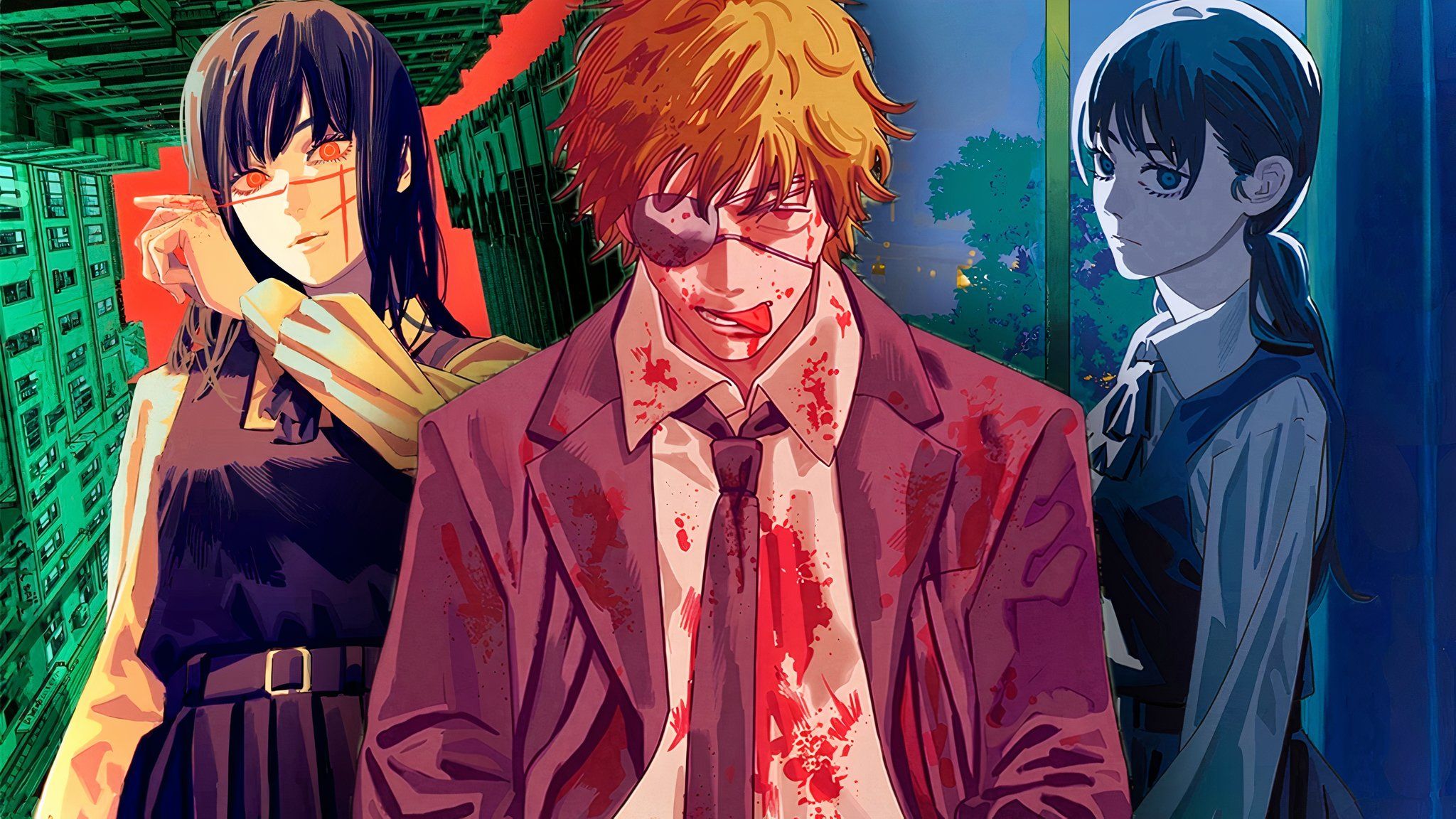
Ever since the manga finished on March 24th, fans have had very different reactions to the ending. While some enjoyed it, many disliked it, and others felt a complex mix of emotions they couldn’t quite explain. All of these feelings are valid, as art is open to interpretation. However, a lot of the strongest criticism towards the second part seems to stem from a misunderstanding of what made it special.
Despite a lack of widespread engagement, many misunderstand the core ideas behind Fujimoto’s Chainsaw Man. Actually, Part 2 is even more intellectually stimulating than the highly praised first part – though it deviates from typical shonen manga tropes – and stands out as one of the best-written manga series in recent years.
Really appreciating the brilliance of Chainsaw Man Part 2 means being open to its challenging and often subtle themes. The story doesn’t explicitly explain everything, so you need to look deeper to understand it.
Chainsaw Man Part 2‘s Real-World Commentary is Unmatched By Any Modern Manga
I’ve noticed a funny running joke within the Chainsaw Man fanbase. Whenever someone praises the series for its “themes,” you’ll often see others respond with just “themes and such.” It’s a playful way of pointing out how fans sometimes focus on the idea of deep themes in Chainsaw Man without really being able to articulate exactly what they are. It’s become a bit of an inside joke about overpraising Fujimoto’s work!
It’s understandable to be worried about this, but it mainly matters because the ideas in Part 2 are often very complicated. The difficulty is that many of Fujimoto’s points in Part 2 connect to real-world issues and current events, and without recognizing those issues, it’s hard to grasp what Fujimoto is trying to say.
Desensitization and Misinformation
A key idea for understanding the later parts of Chainsaw Man Part 2 is how people become numb to violence and tragedy. After the intense conflict of the Chainsaw Man Church Arc, the world feels desensitized to war. Dead bodies are a common sight, and people largely ignore them, going about their daily lives as if everything is normal.
It’s easy to recognize a parallel in everyday life – people often seem numb or indifferent to the terrible events they see on the news and social media.
The issue runs deeper than just surface-level events. A core problem within the story is the difficulty in knowing what’s actually true, or who to trust. This idea is central to the controversial final chapter of Chainsaw Man, which presents a reality for Denji that feels so unbelievable, it’s hard to accept. Yet, despite how improbable it seems, it’s presented as genuine.
What really struck me about Denji’s story is how brilliantly it shows his confusion leading up to the fight with War. He’s getting pulled in so many different directions, with everyone trying to tell him their version of the truth. Honestly, it gets to the point where I wasn’t even sure who to believe, and I think that’s exactly the point! It really puts you in his shoes, feeling totally lost and manipulated.
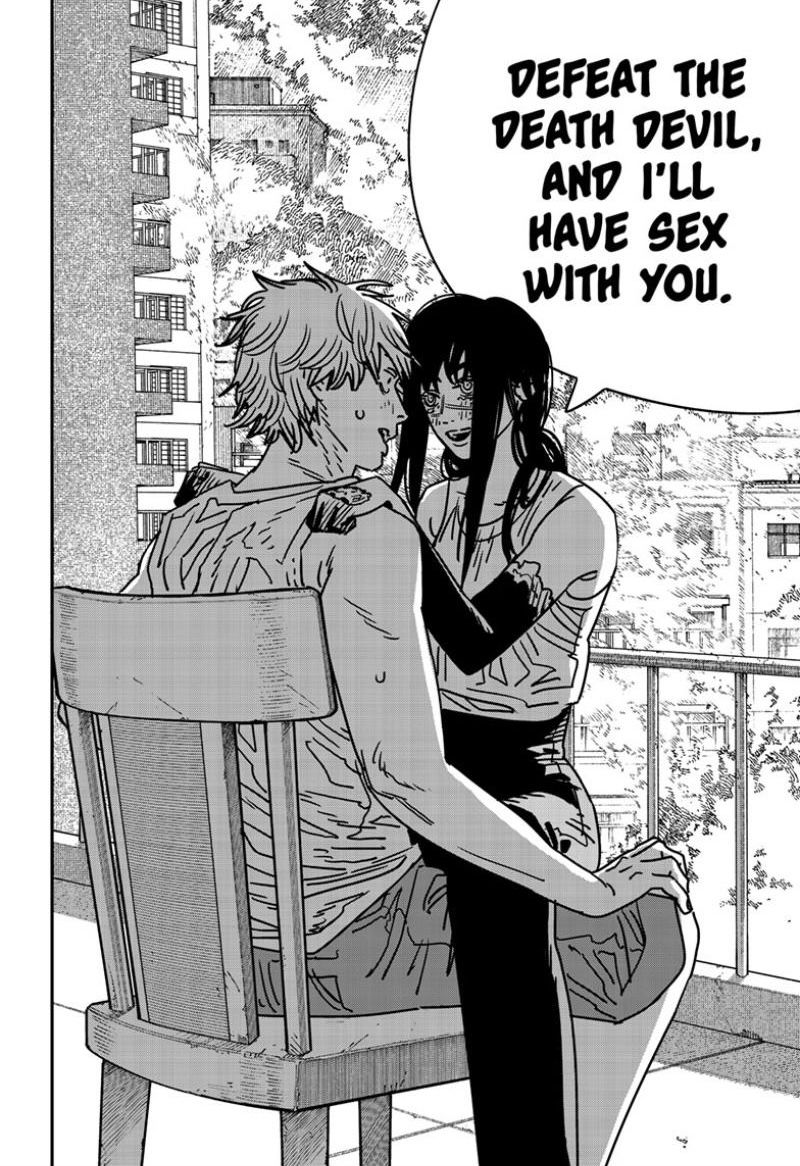
It’s especially relevant today to examine this story, because the internet gives us so much information – often conflicting viewpoints from across the political landscape. The story even shows how someone like Fumiko uses attraction to try and manipulate Denji, mirroring how easily young people can be influenced by social media personalities who play on their desires.
Ageism and The Abuse of Power by Governments
One of the most blatant is the problem of ageism, especially in governments.
Part 2 of Chainsaw Man really highlights the value of youth and the unique viewpoints young people offer – those who haven’t been weighed down by years of social pressures. This is especially clear in the aptly titled ‘Aging Devil Arc’.
We often assume older people are wiser, but Chainsaw Man challenges that idea. Part 2 of the series actively tries to dismantle these expectations. In the story, older characters who enter the world of Aging lose hope and become stuck, believing that’s the only way to find peace. However, Denji’s determination and creative thinking are what ultimately allow him to overcome this fate and move beyond it.
Denji is still very innocent and his sudden idea in Aging’s World to build a machine that runs forever isn’t realistic. However, his energetic spirit and determination to keep fighting, even when things look hopeless, are qualities of youth that are truly admirable.
Honestly, what I love about Denji is that everyone else just accepts how terrible things are, but he refuses to! He actively fights against it, completely shaking things up and changing everything. It’s such a powerful, rebellious move, and it’s what makes his story so compelling to me.
The ‘Aging Devil’ arc features compelling symbolism, notably through Tadashi Hasegawa, the Former Minister of Finance. Despite appearing as a frail elder at a key government meeting, he secretly holds the most influence and ultimately controls Public Safety’s choices. Ironically, Hasegawa is completely controlled by the Aging Devil, sacrificing everything to extend his lifespan. This highlights a potent idea: even entire governments can be manipulated by the personal fears of a single, powerful person.
War Is Defeated By Empathy
I’ve noticed that Fujimoto often critiques those in power – governments especially – and he really drives this home through his portrayal of the War Devil, Yoru. It’s a powerful way he gets his point across.
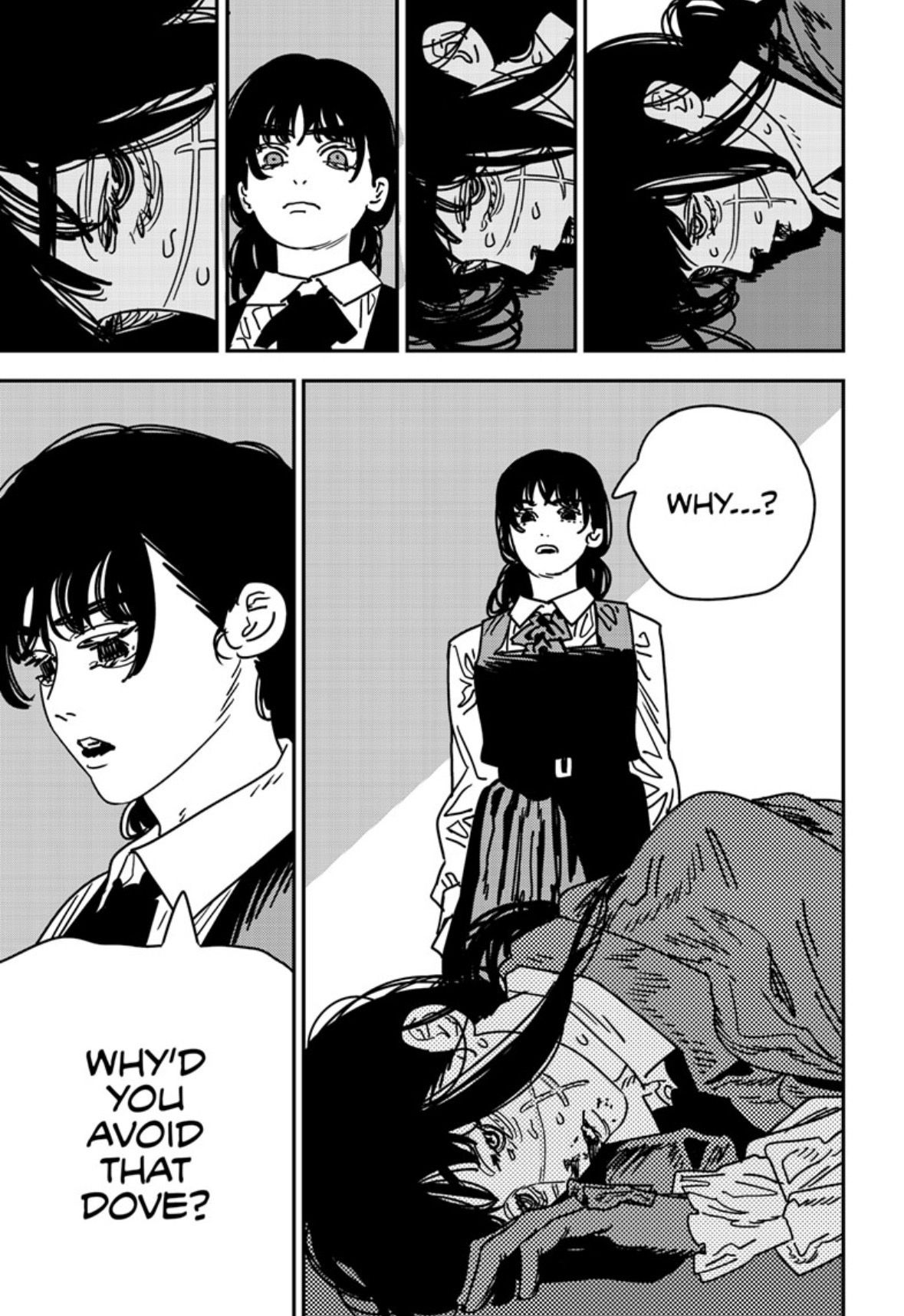
The second part of the manga Chainsaw Man concludes with a surprisingly simple way to stop the fighting. During the final battle, Yoru is about to kill Denji when a dove—a well-known symbol of peace—flies onto the scene. This causes Yoru to lose control and crash, effectively ending the conflict.
Yoru admits she purposely steered clear of the dove, understanding Asa’s fondness for birds, and that’s why she didn’t harm it.
The core idea is this: War experienced life through the mind of a human (we’ll learn more about Asa later), forcing her to understand the perspectives of her enemies – and that understanding ultimately caused her defeat. Yoru feels for Asa, and consistently, War – both in the story and in reality – is overcome by empathy.
Unlike the character Yoru, who is compelled to understand others’ perspectives, real-life villains rarely see things from anyone else’s point of view.
Morality is Subjective
I’m absolutely fascinated by how Chainsaw Man constantly explores the idea that there’s no real ‘right’ or ‘wrong’ – it’s not about objective morality at all! What the manga really shows, throughout both parts, is that what we consider good and evil is just what most people believe is right, and even those who are super confident in their beliefs can be totally off base. It’s a really thought-provoking theme!
It’s not just leaders who are flawed. Throughout the second part of the story, an entire church congregation thinks they’re doing good, only to discover they’ve been manipulated by a demonic force. That’s a clear statement about the dangers of blindly following any authority, and a strong critique of moral failings.
Unlike many other action-packed manga, the villains in Chainsaw Man aren’t simply ‘evil’ – the line between good and bad is much more blurred.
Typically, the antagonists in the story are simply the devils Denji battles, and these conflicts aren’t usually focused on clear-cut morality.
Throughout the first part of the story, Denji’s targets are usually chosen by Public Safety until he figures things out for himself. He only realizes Makima is dangerous when he understands she’s the type of person who would eliminate all poorly made films—a rather unusual standard for judging someone’s morality. This pattern continues in the second part, and Public Safety now appears even more as an opposing force.
Denji’s conflicts aren’t usually about what’s morally right or wrong. Instead, his battles often happen because of the natural consequences of his actions, or simply because he’s trying to help someone he cares about. This explains his difficulty choosing sides before the final fight, and why he maintains a friendship with Yoru, even after discovering she’s a dangerous devil intent on global destruction.
Honestly, the ending of this manga completely blew me away! It’s just… both Yoru and Asa are cracking up at the fact they both accidentally killed their dads! But then Yoru hits Asa with this incredible line while driving her home: ‘What you see as sins? They don’t even register for a devil.’ It really hit me – good and bad aren’t universal truths, it all comes down to how you look at things, you know? It’s all about perspective.
Chainsaw Man Part 2’s True ‘Villain’ Is a Lack of Parental Guidance
Although Yoru ultimately serves as the final villain in Chainsaw Man Part 2, the story doesn’t have a clear, traditional antagonist. Yoru is a complex character, and the story is designed to make readers feel uncertain about their feelings towards them for a large part of it.
There’s a good reason for that approach. The story in Part 2 intentionally reflected how different groups in the real world try to influence people by offering their own perspectives on what’s true, playing on themes of misinformation and differing beliefs.
Fujimoto seems to be highlighting how constantly overwhelmed young people are by information online. People from different political groups often see themselves as the good guys, portraying their opponents as villains. They spread these ideas through viral content, often confusing kids with conflicting messages. This is clearly shown in the conflict between Public Safety and , where both sides are trying to eliminate “villains” but often act like them in the process. Denji is caught in the middle, pulled in every direction as each side tries to recruit him.
Denji is, at his core, a typical 17-year-old suddenly burdened with immense power he doesn’t understand. Without any real direction in life, he focuses on what seems most appealing: achieving fame and finding romantic connections. He genuinely believes these things will bring him happiness, because everything else in his world feels chaotic and meaningless.
Denji isn’t interested in big issues like politics or saving the world. He enjoys fighting devils and just wants to have a good time, avoiding anything unpleasant. However, he constantly feels like something is still lacking in his life. The core of his unhappiness is that he grew up without parental guidance. Instead, he’s manipulated by others who only care about what they can get from him, not his own happiness.
Denji drifts through life without direction, constantly pursuing temporary pleasures that ultimately leave him feeling unfulfilled. Because of this, Pochita essentially has to act as a firm parent, pushing him to grow up and find real-world stability – telling him, in effect, “I care about you, but you need to get a job and face reality, even if it means a tough push.”
Throughout the story, Pochita fills a paternal role for Denji, offering the support and guidance he lacked growing up – a stark contrast to Makima, who represented a harmful, substitute maternal figure. Pochita consistently steps in when Denji is at his lowest, acting as his protector. Therefore, it makes sense that Pochita ultimately makes a difficult choice for Denji, as he never learned how to make such decisions independently.
Denji ultimately achieves a relatively normal life – considering the world he lives in – thanks to a final sacrifice from Pochita, who acted as a father figure to him.
Part 2 explores the impact of absent or lost fathers, particularly through Asa’s story. We see how the death of Asa’s father deeply affected her, causing lasting emotional pain that physically manifests as a serious health problem.
Asa-Yoru Is Actually One of the Best-Written Shonen Protagonists of All Time
One of the biggest misinterpretations of the ending of Chainsaw Man is the criticism of Asa-Yoru. Asa-Yoru is a brilliant character concept that doesn’t receive enough recognition. The idea of the hero and villain being the same person is incredibly interesting, particularly within the complex world of Devils that Fujimoto created.
In the second part of the story, we see Asa and Yoru, who share one body, becoming increasingly connected. Asa, who starts as a timid and isolated person, learns to fight and gains confidence. At the same time, Yoru, a proud devil who believes everyone should obey her, begins to understand the value of connection and equality, and even starts to feel empathy for Asa.
Their relationship stays deeply unhealthy throughout, with Yoru gaining power while Asa’s control over her diminishes, eventually leading to chaos. This culminates in the controversial scenes involving consent, where Yoru uses Asa’s body to have sex with Denji, despite Asa’s objections.
It was surprisingly bold for a popular action manga like Chainsaw Man to address such a complex issue. In fact, the consequences of just that one scene could have filled an entire manga on its own, and author Fujimoto clearly thought through all the details.
Some fans wished Fujimoto had delved deeper into Asa’s emotions, but he actually created a more impactful outcome by gradually reducing her role in the story. As she witnesses Yoru’s increasingly terrible actions, Asa slowly loses her will to fight. She even tells Denji this herself. Towards the end, when she briefly regains control of her body, she manages to temporarily stop Yoru and reveals her plans, telling Denji, “I managed to kick Yoru out for now,” but unfortunately, she quickly loses control again.
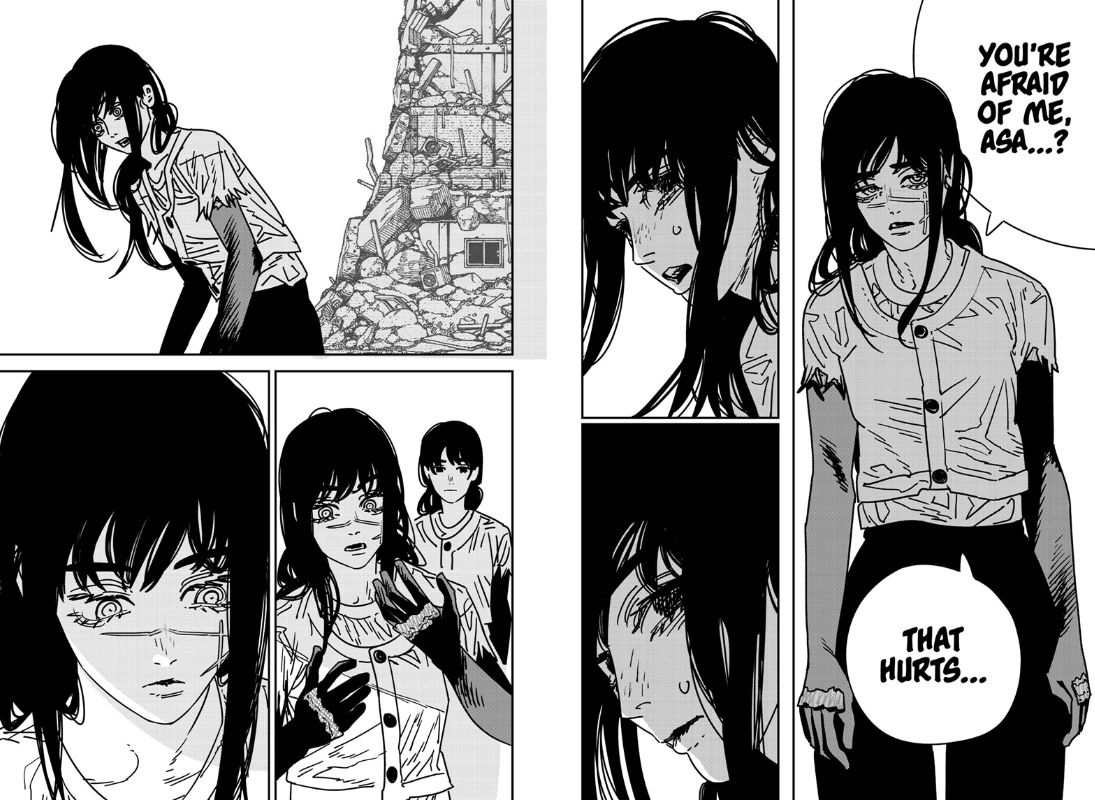
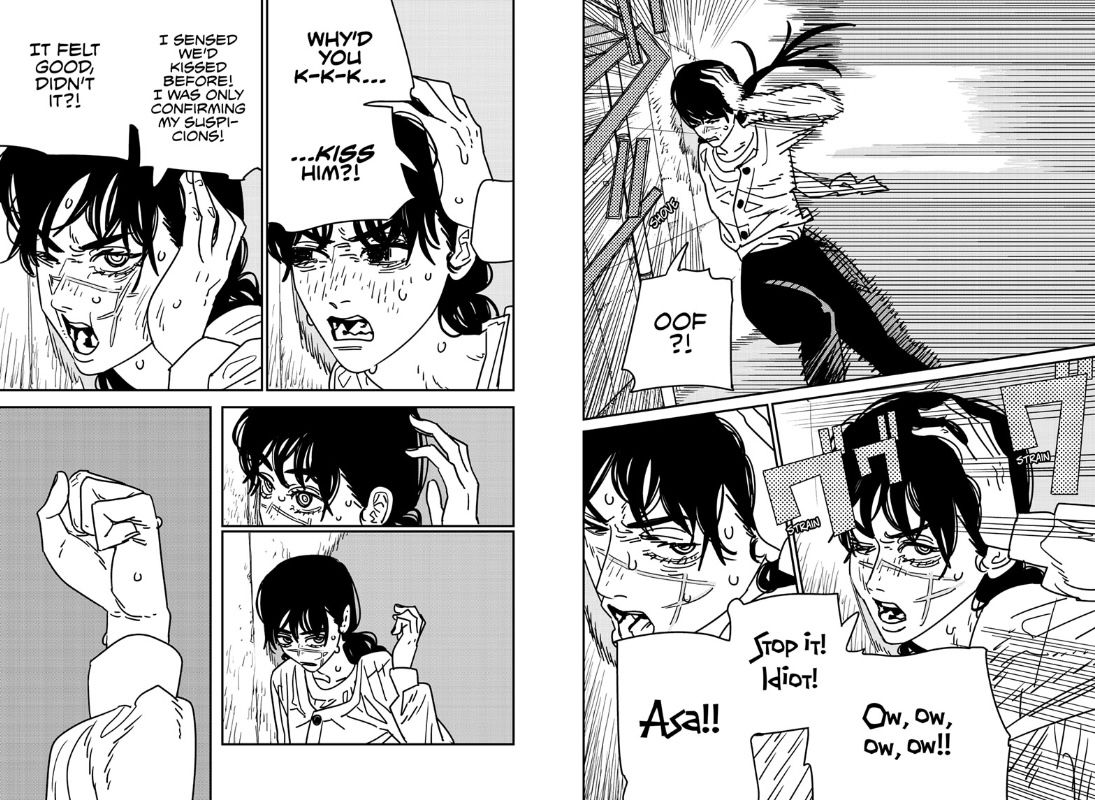
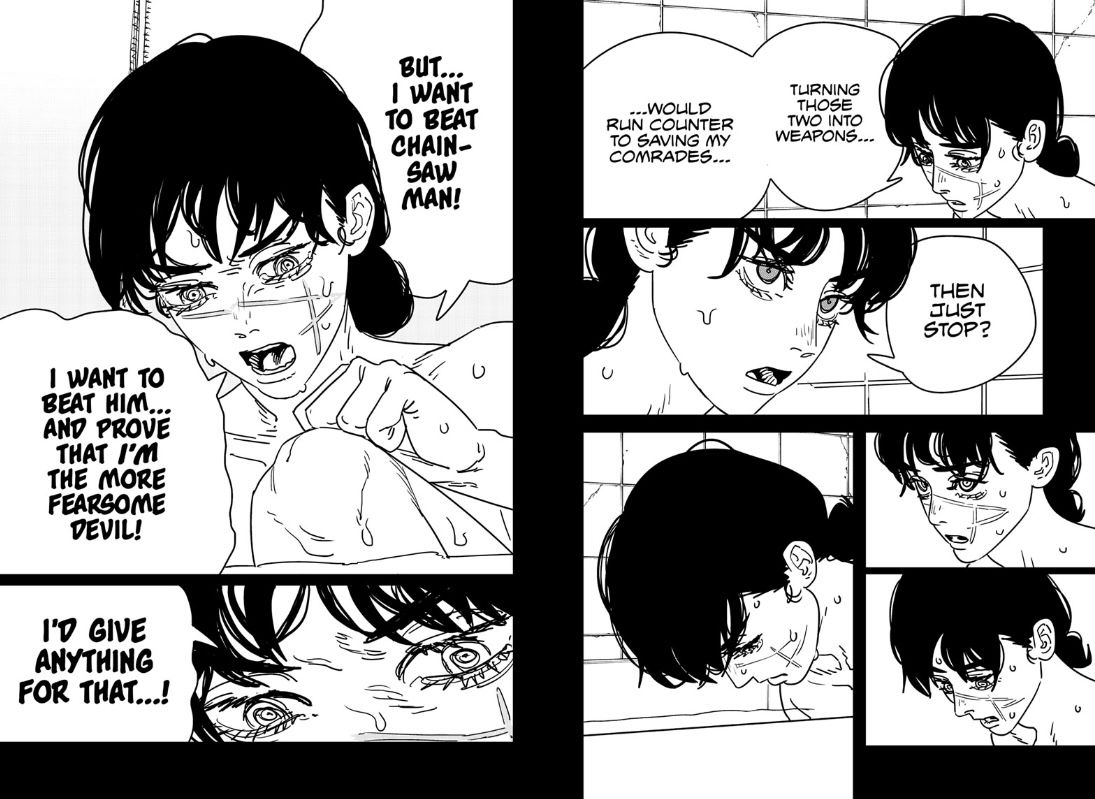
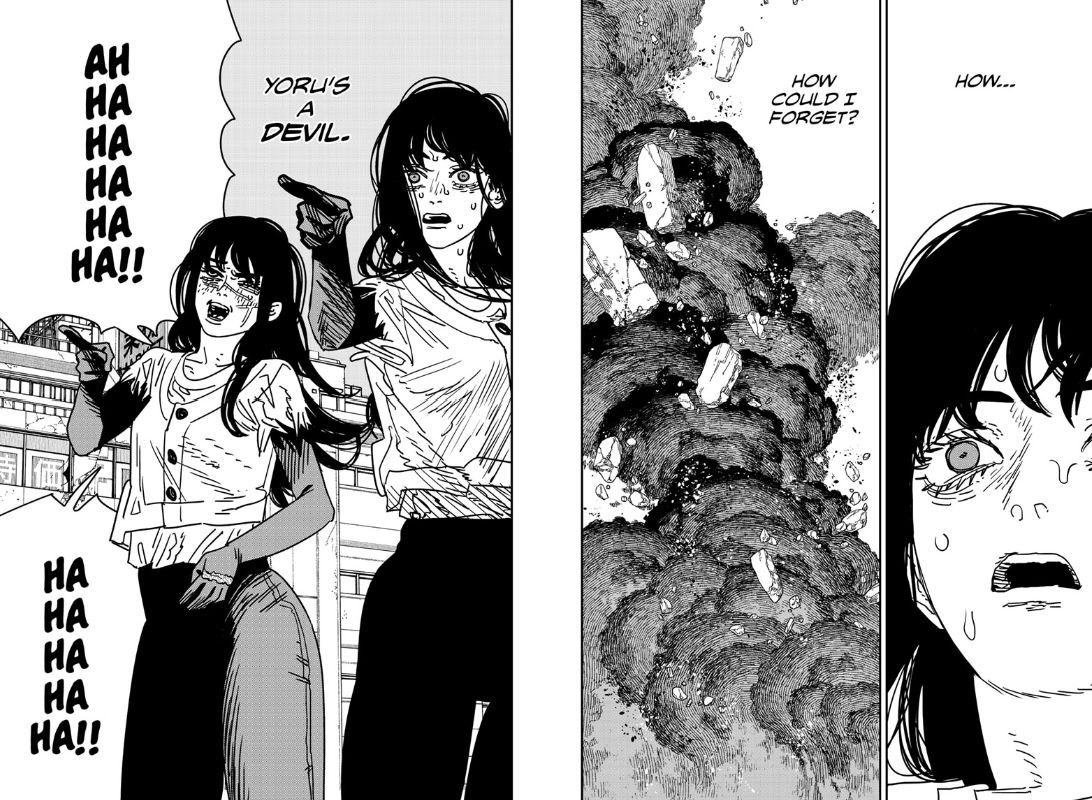
In the final battle of the series, Asa takes a backseat, not because she’s unimportant, but because it’s essential for her personal growth. Beyond dealing with past trauma, Asa struggles with pride and self-centeredness. Only when she relinquishes control and accepts that she doesn’t dictate her own story can she truly confront the painful experiences that shaped her life.
Fujimoto skillfully delves into Asa’s inner world with remarkable realism and nuance. Her tendency to stumble, in particular, reveals a great deal about her character. We discover that Asa became fixated on a specific fall she took in an alleyway before her father died, and this trauma manifested as a subconscious urge to trip and fall.
This is similar to how real-life fixations and psychological issues develop. Often, a deeply upsetting experience is repressed in someone’s mind, and their difficulty confronting it shows up as a physical reaction. This can become an illogical fear, a strong sexual interest, or, like with Asa, something they simply can’t explain.
I thought Fujimoto really nailed it when Asa was forced to confront her biggest fear head-on – and it manifested as the actual Falling Devil. This arc was incredible, not just for the amazing artwork – some of the best in the whole series, honestly – but because it felt like a turning point. It was both deeply symbolic and totally wild. And it seemed like Fujimoto wasn’t finished exploring the idea of ‘falling’ just yet.
Right before the final, decisive battle, Yoru achieves her greatest power by overcoming the Falling Devil, which also destroys the intense fear that defined Asa. This victory effectively defeats Asa, both in a physical sense and as a representation of her inner struggles.
Asa can only regain her advantage over Yoru and help Denji defeat the War Devil once she conquers her own internal fear of falling.
Some fans say Asa felt sidelined, but her story is actually quite subtle and meaningful. When it seems like she’s absent, it’s because Yoru, who is in control of her body, is always present. Sometimes, the best way to respect a female character is to let her exist within the story without forcing her to be the center of attention, especially if she’s already been a part of things all along.
You know, it was really cool seeing Denji catch Asa when she almost tripped during soccer! It stopped her from getting super embarrassed like she did before. And then, get this – when Asa called Denji ‘Chainsaw Man,’ it wasn’t about literally bringing Pochita back, but it felt like it did. It reminded Denji – and me, honestly – that he’s got the potential to be a real hero deep down. It was a really touching moment!
Asa’s story isn’t focused on self-rescue, but on rescuing someone else. Similarly, Denji’s role in Part 2 wasn’t about saving the world, which goes against what many fans expect from typical action stories.
Chainsaw Man Part 2 Is Manga’s Most Self-Aware Subversion of Traditional Shonen
I’ve noticed most shonen stories are all about chasing dreams and becoming the best – like the strongest fighter or a pirate king. But Chainsaw Man really flips that idea on its head. It seems to be taking those classic stories apart and asking a really interesting question: what if actually getting what you want turns out to be a terrible thing?
This is a profound observation about happiness. It suggests that the joy isn’t necessarily in reaching your goals, but in the process of dreaming and striving. We’re often told that success and possessions will bring happiness, but that’s not always true. The story of a character who can instantly achieve anything highlights how flawed that idea is, and their resulting unhappiness powerfully demonstrates this point.
Denji begins his story with absolutely nothing, making it easy to get excited about his goals. However, as he accomplishes more, he realizes those achievements don’t actually bring him lasting happiness. He discovers that it wasn’t the successes themselves that mattered, but the hope and belief in a better future – that’s what truly improved his life.
A central idea drives the plot of Chainsaw Man, but the story also frequently challenges and even makes fun of typical tropes. A key example is its focus on personal desires over traditional values like friendship and self-sacrifice. Unlike most heroes in similar stories, Denji isn’t motivated by a desire to do good or help others. He wants to be seen as a hero purely for selfish reasons – to gain popularity and attract women.
A great example of this is when Denji famously chose to save a cat over a man while battling the Cockroach Devil in chapter 102 of Chainsaw Man. This decision later caused problems for him when he met Fakesaw Man – the man’s brother, who has a deal with the Fire Devil.
Denji frequently wrestles with feelings of being a flawed person. He carries guilt over his father’s death, blames himself for Aki’s passing, and ultimately despises himself after the death of Fakesaw Man’s brother. Despite these burdens, Denji isn’t simply selfish or uncaring. He’s a boy who grew up without clear guidance on what’s right and wrong, and his biggest desire is to be loved.
The focus on the main character’s independence isn’t a rejection of teamwork in Chainsaw Man. Instead, the show excels at challenging expectations by presenting strong arguments against common beliefs.
In the climax of Part 2, Yoru cleverly mocks the typical “power of friendship” trope. She scolds Pochita for not grasping the value of connections. Usually, a shonen hero will deliver a dramatic speech to the villain, explaining how their isolation will lead to defeat. The hero then unleashes a powerful attack, fueled by the bonds they’ve forged, which is strong enough to finally overcome the villain.
The series Chainsaw Man also expertly plays with expectations. The climactic fight between Pochita and Yoru is a wild ride, constantly hinting at escalating power levels, only for the author, Fujimoto, to unexpectedly change course. Fans who followed the series weekly will remember the intense debate about Yoru’s supposedly “moon-level” attack, which was immediately undermined in the following chapter, proving that predicting Fujimoto’s next move is impossible.
What always grabbed me about Chainsaw Man right from the beginning, and honestly kept me hooked through all 232 chapters, was how unpredictable it was. It just never felt safe, and that’s what made it so amazing!
Chainsaw Man’s Ending Delivers a Message That Is Deliberately Hard For Fans to Swallow
Looking back, the most impactful and complete way Chainsaw Man challenged typical stories was through Denji’s unconventional character arc – he didn’t really follow a straight path of growth.
I noticed a lot of fans were disappointed that Denji didn’t seem to change much throughout the story. He couldn’t even bring himself to erase Pochita, even though Pochita ultimately had to make that choice for him – and for good reason. But looking back, I realized Denji’s story wasn’t a typical hero’s journey about growth. It felt more like a deep look at a normal kid who finally got everything he wished for, and how that power wasn’t actually what he truly needed, even if he didn’t realize it himself.
However, Denji isn’t completely unchanged. He’s grown significantly since the beginning of the story. For example, when he helped a girl who was about to fall without wanting anything back, it showed he’d developed a bit more of a sense of right and wrong.
The ending of Chainsaw Man suggests the story wasn’t focused on what the protagonist consciously learned, but rather on the experiences that changed him on a deeper, almost instinctive level. This aligns with the manga’s overall goal: to have a lasting emotional impact on readers. Initial reactions to the ending aren’t as important as the long-term effect the entire series has on them – how it changes them when they reflect on the whole experience.
The story’s overall effect is what truly resonates, not any single, dramatic moment. Denji wasn’t transformed by one specific event, but gradually shaped by everything he experienced. It wasn’t until he had lost everything and moved past it that the real significance of even the smallest changes became clear.
Viewers weren’t expecting a drastically changed Denji, and that’s not what they’ll get. Instead, they’ll see just one panel of him with a knowing smirk as Asa leaves, a moment that finally reveals the full impact of everything he’s been through.
The ending of Chainsaw Man wasn’t just upsetting because of what happened to Denji; it shocked fans by completely subverting their expectations, mirroring the abruptness of Denji’s own experience.
Something I’ve noticed about the discussions surrounding the ending of Chainsaw Man is that a lot of the criticism misses a core point: the story seems to be saying that pain, sadness, and a sense of longing are just part of being human. It’s like, even if you manage to achieve everything you’ve ever wanted, there will always be something else, something just out of reach, that you’ll desire. It’s a bittersweet truth the series seems to be exploring.
True happiness isn’t about achieving specific goals. Once you reach a goal, you’re left wondering what comes next. That’s the difficult question the series Chainsaw Man constantly explores, and it doesn’t offer an easy answer.
Denji always remained a normal boy, even while striving to be a hero, and that’s perfectly fine. The author, Fujimoto, isn’t suggesting Denji is incapable of growth, but rather that he didn’t need to change. The responsibility of saving the world shouldn’t have fallen solely on Denji’s shoulders, especially considering the difficulties of finding happiness in a harsh world, even with the power he gained from Pochita.
Although the ending of Chainsaw Man might seem cheerful, even like a Disney movie, the series isn’t truly optimistic. Many fans are struggling with the fact that the ‘happy ending’ isn’t actually fulfilling. Denji ends up in the same difficult situation he began in – poor, fighting devils, and still manipulated by powers beyond his control.
This isn’t a flaw in the writing itself; it’s a thoughtful look at a core aspect of what it means to be human.
I’m completely hooked on Chainsaw Man, and what’s amazing is that it’s not about escaping reality at all! It actually brings fantasy crashing down to earth with a world and characters that feel incredibly real. At its heart, it’s the story of a guy just desperately trying to be something more, to build a better life. But the really powerful thing is realizing, along with him, that maybe becoming a hero isn’t always possible, and that’s… okay. It’s a surprisingly honest message.
Even after everything Denji experienced over 233 chapters, he didn’t actually accomplish much. And that was intentional. His constant pursuit of his dreams, rather than the achievements themselves, was the source of his frustration.
Similarly, Chainsaw Man was designed to avoid a neat, happy ending. The story’s message is that Denji can’t simply overcome his problems and find lasting happiness; instead, happiness only comes through embracing life, with all its difficulties and imperfections.
Even if pursuing your dreams doesn’t always lead to happiness, it’s still worth doing. The ending of Chainsaw Man is deliberately ambiguous, encouraging fans to continue imagining their own interpretations and keep the story alive in their minds long after finishing it.
The manga’s conclusion also touches on how society fixates on dramatic events and the way political debates often rely on fear. It suggests that predictions of disaster, like those made by Nostradamus, rarely come true.
Right when it seems like everything is about to end for Denji, mirroring all the warnings he received, things surprisingly return to normal. This doesn’t dismiss the importance of real-world problems, but highlights how, particularly for someone young and inexperienced like Denji, situations that feel catastrophic often aren’t as bad as they seem.
Devils Are a Necessary Evil In Chainsaw Man’s Worldview
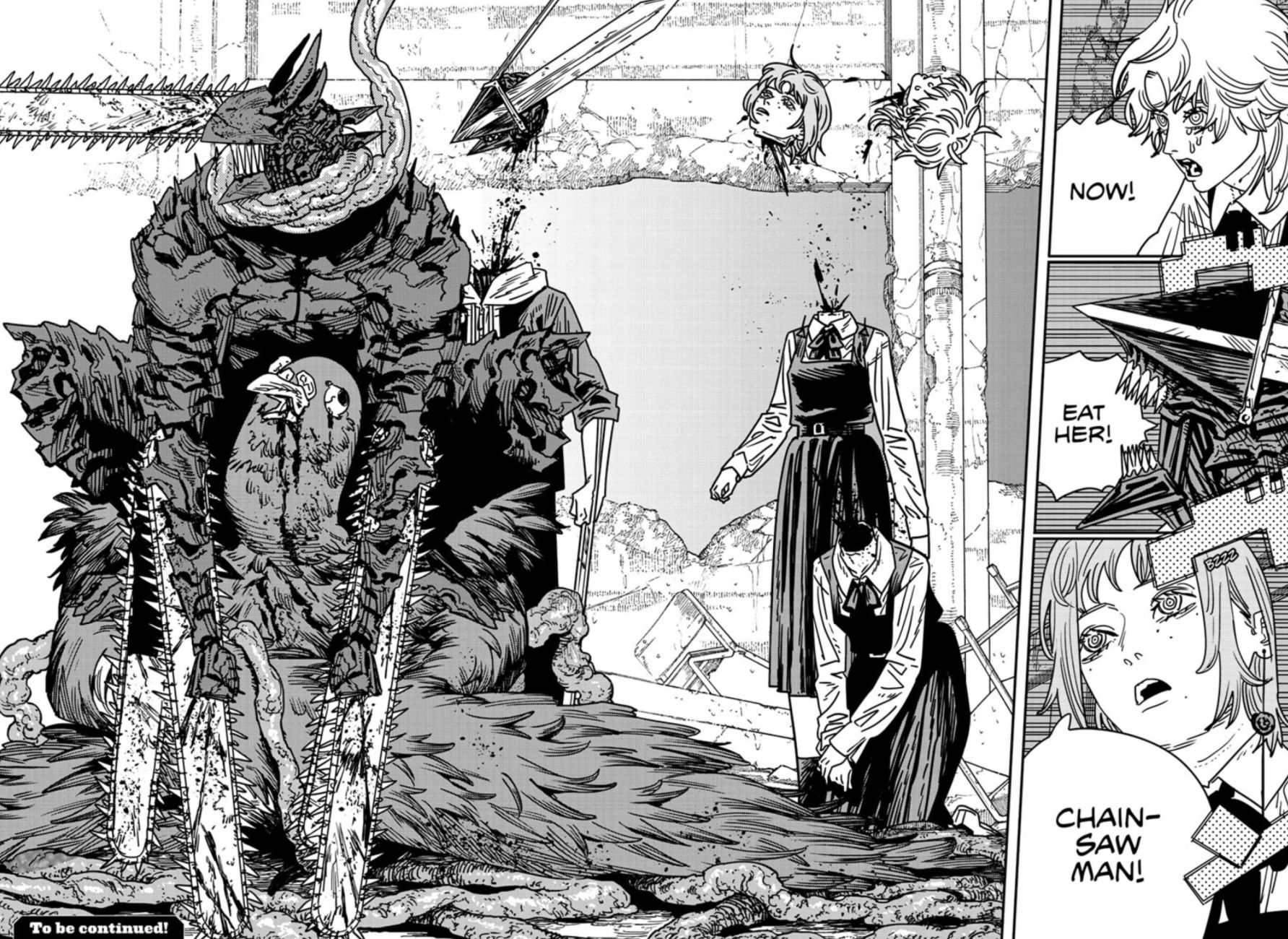
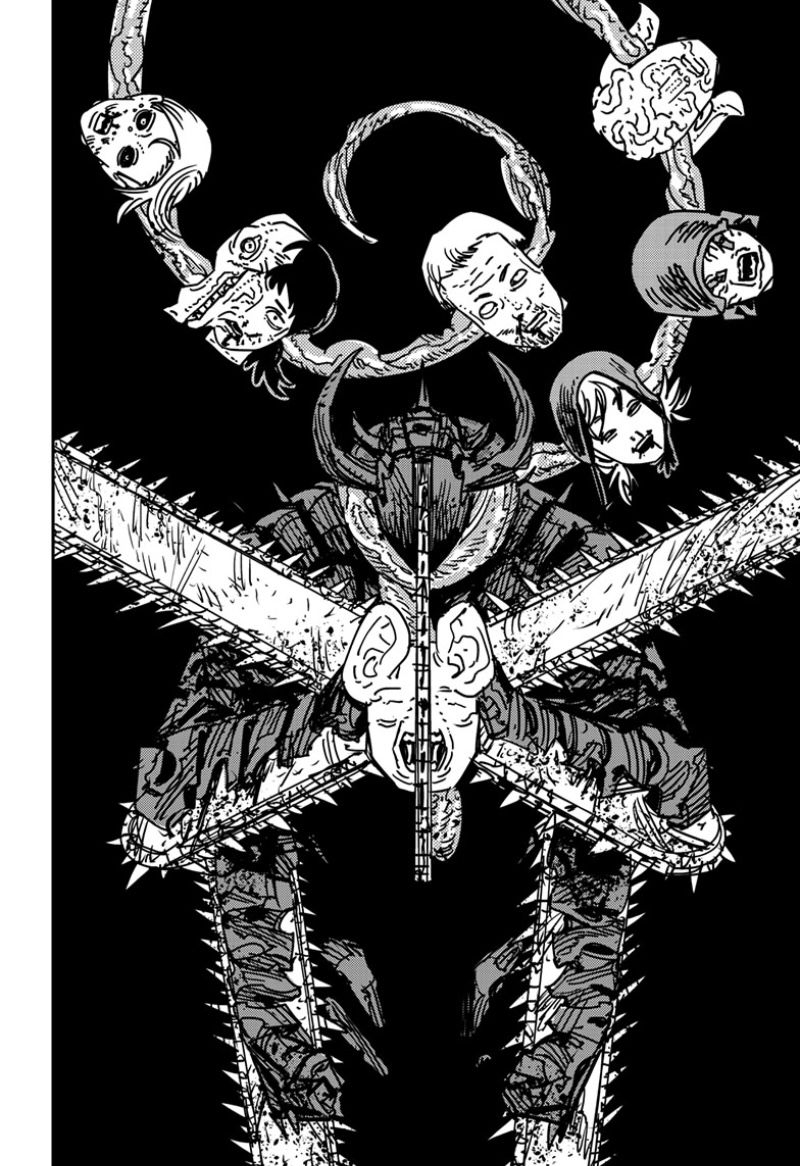
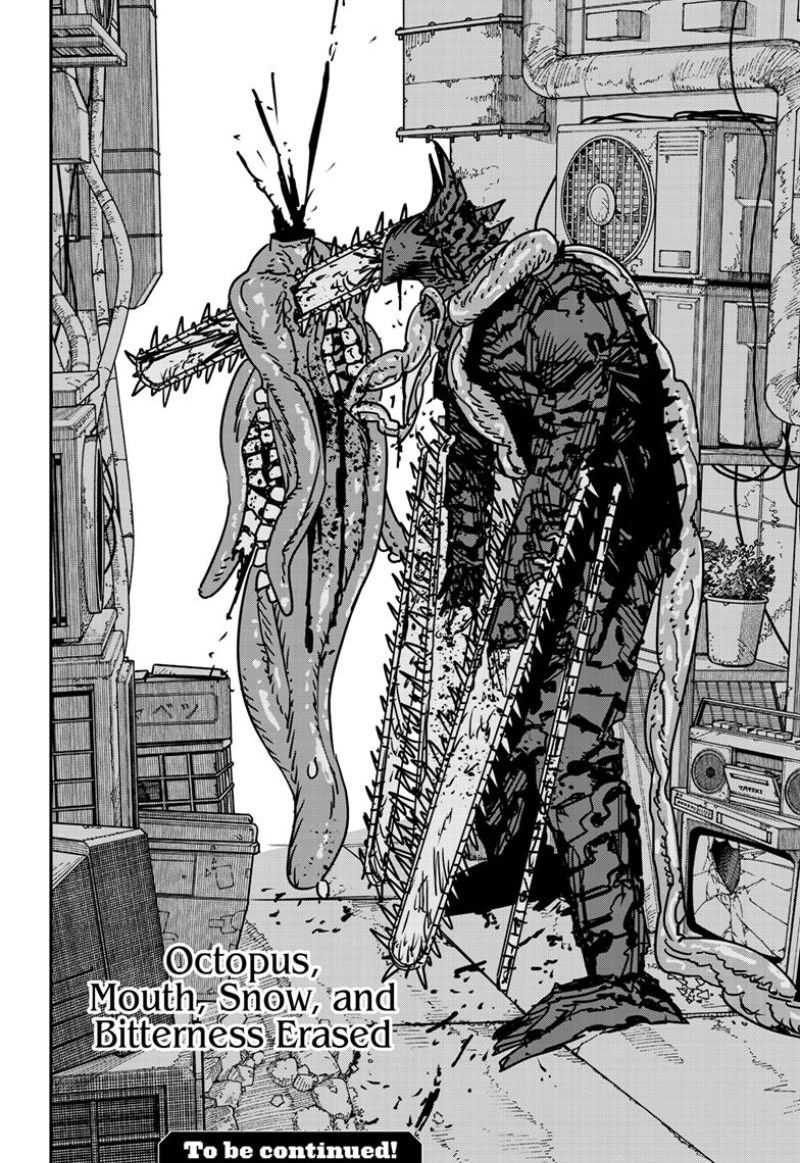
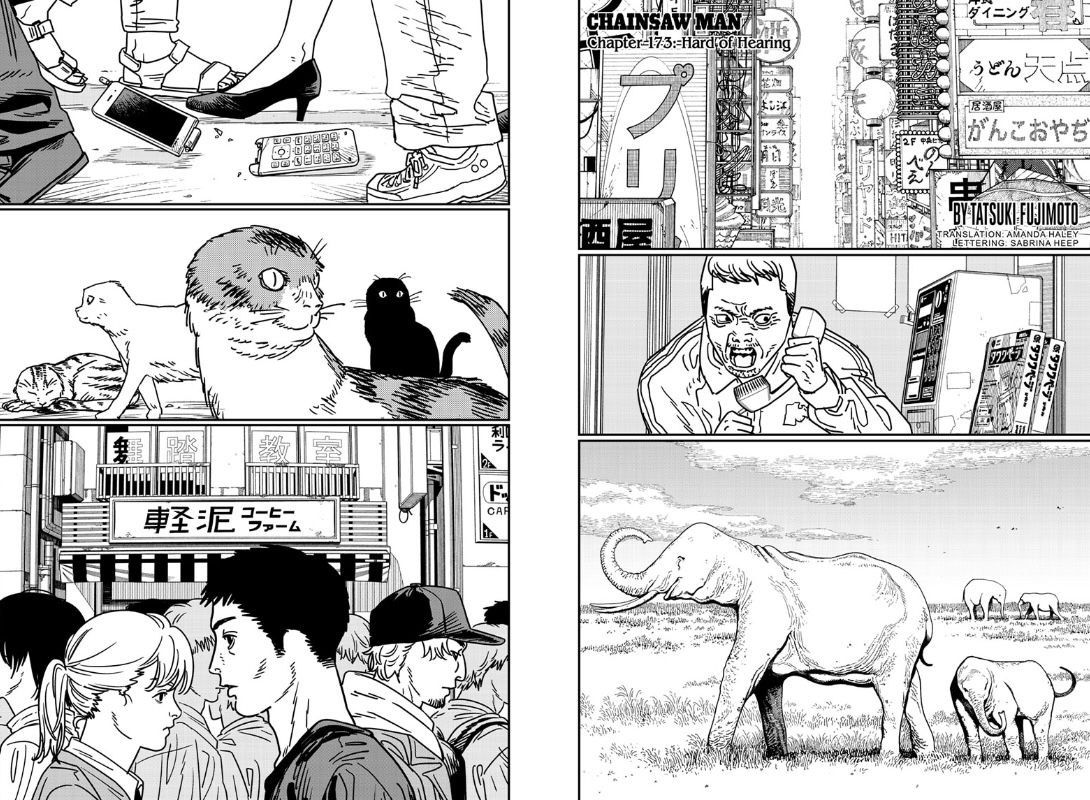
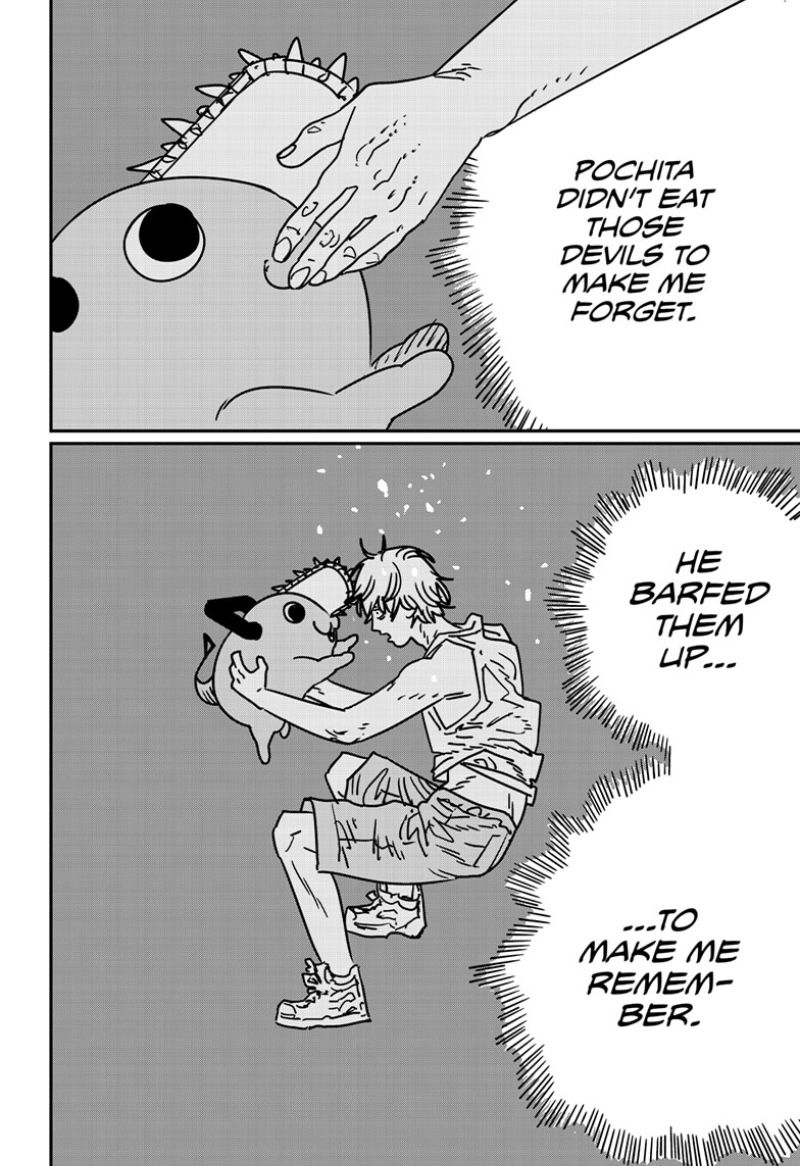
Part 2 of Chainsaw Man tackles themes that resonate with today’s world while also delving into enduring questions about the human condition. It shows that simply pursuing wealth and possessions isn’t enough, and examines how that impacts the meaning of life itself.
Denji keeps searching for a simple path to happiness, but real happiness and suffering are two sides of the same coin – you can’t have one without the other, just like you can’t have heaven without hell.
The real issue isn’t just that Chainsaw Man is powerful – though that’s certainly a challenge for Denji. The bigger problem is Pochita’s ability to eliminate Devils, which threatens the entire world.
Just as pain is an inseparable part of life, so are devils inseparable from a peaceful world.
Fujimoto’s manga reads like a fascinating exploration of a deep philosophical idea.
If reaching a single goal guaranteed happiness, we should be able to find a clear path to universal contentment. However, Chainsaw Man repeatedly demonstrates that this isn’t how happiness works. This idea was particularly evident in Part 1, when Makima attempted to control the world and impose a “happy” existence on everyone. But as Denji pointed out, a world completely devoid of even unpleasant things – like “bad movies” – wouldn’t actually be a desirable place to live.
Honestly, a world without Devils just feels…empty. What I love about Chainsaw Man is that it’s not about wiping them out completely, but about people and Devils learning to live with each other. And that makes total sense, because the story shows us that trying to erase Devils altogether actually caused way more problems and even increased humanity’s fear – it created a total mess!
Chainsaw Man embodies a unique character—someone who is both human and devilish in nature. He’s taken the idea of embracing demonic power to the ultimate level, becoming fused with a devil and gaining immense strength. Devils fear humans the most when those humans have no fear themselves, and that’s exactly what makes Chainsaw Man so dangerous.
The ending of Chainsaw Man Part 2 was surprisingly sudden, especially for a popular manga aimed at younger audiences. This unexpected conclusion has upset many fans, who are having trouble understanding it and some are even refusing to accept it. However, Chainsaw Man suggests that life isn’t always perfect and that we need to embrace both the positive and negative aspects.
What makes Chainsaw Man so brilliant is that even a disappointing ending wouldn’t ruin its core idea – it would actually reinforce it.
Chainsaw Man Part 2’s Strengths Far Outweigh Its Flaws
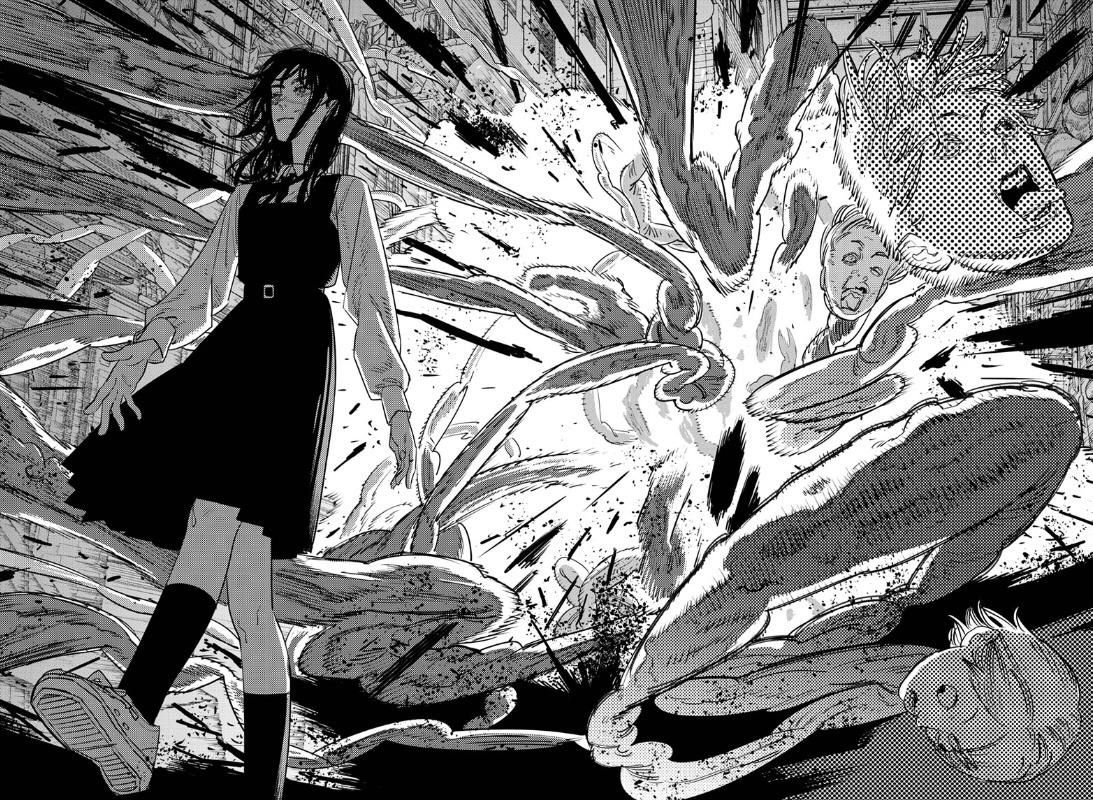
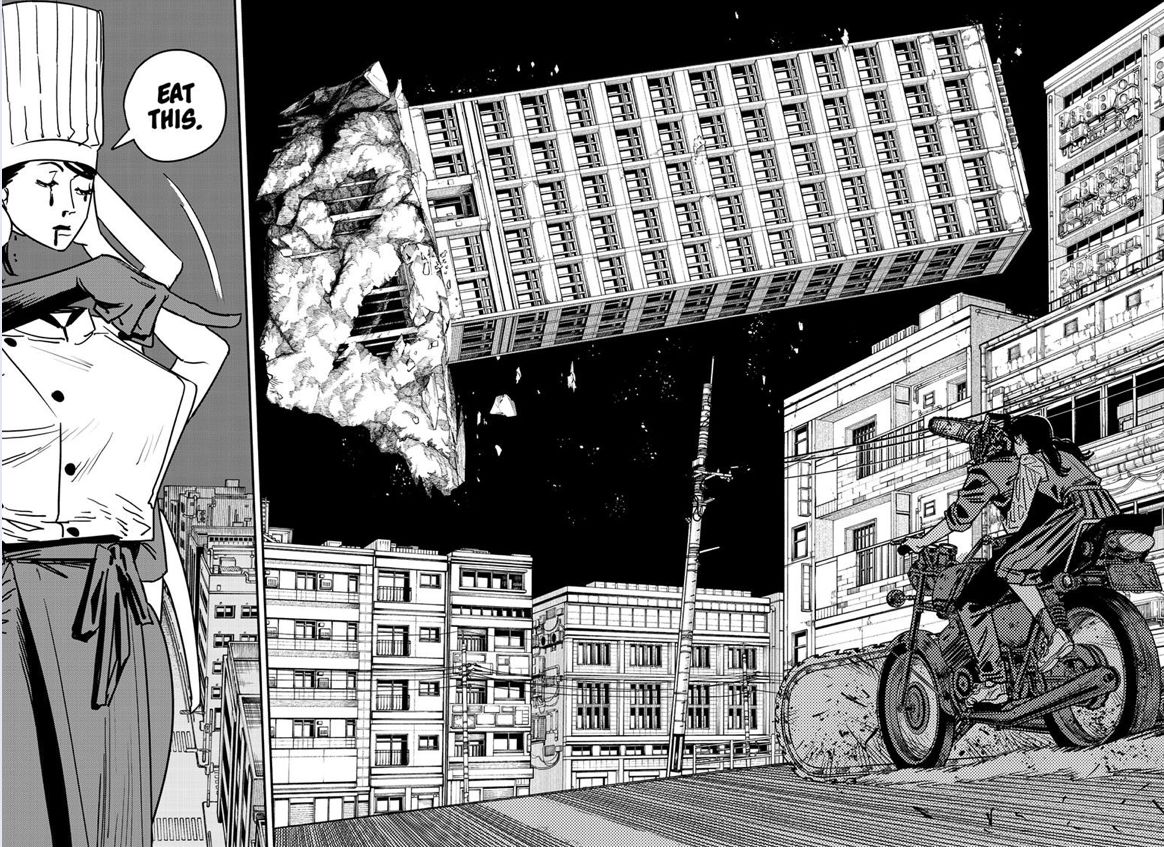
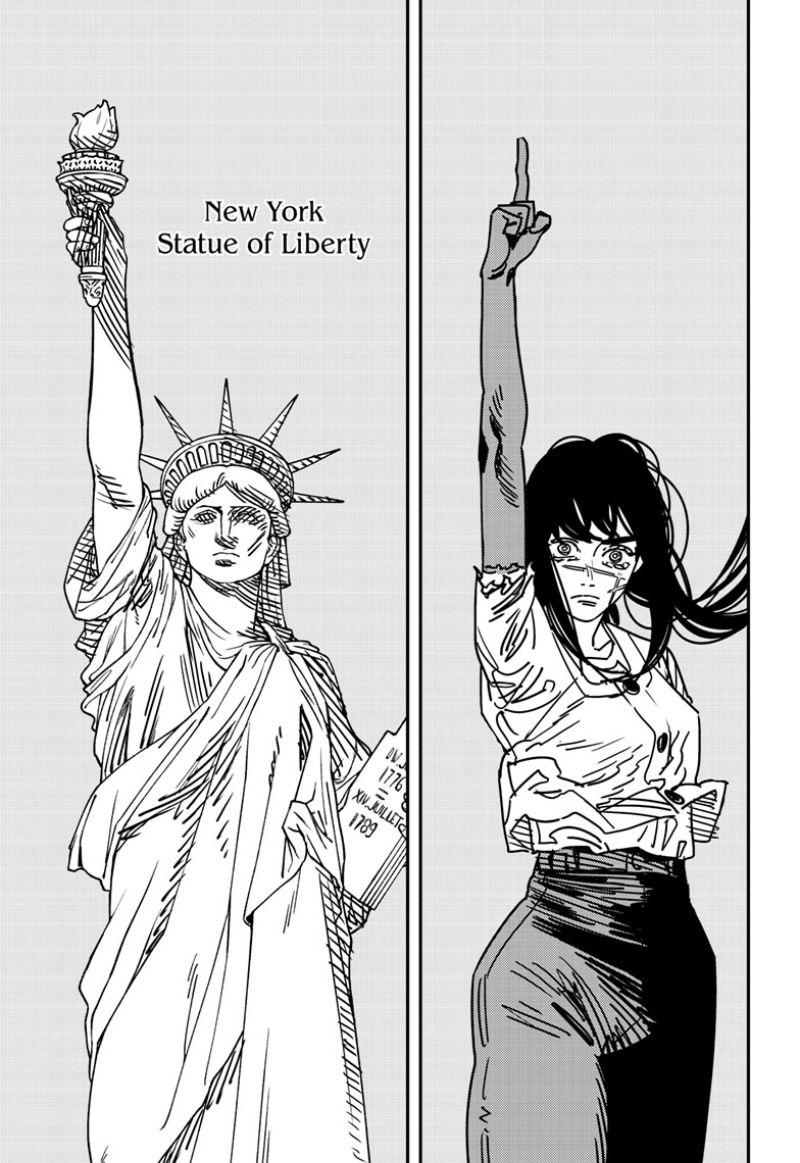
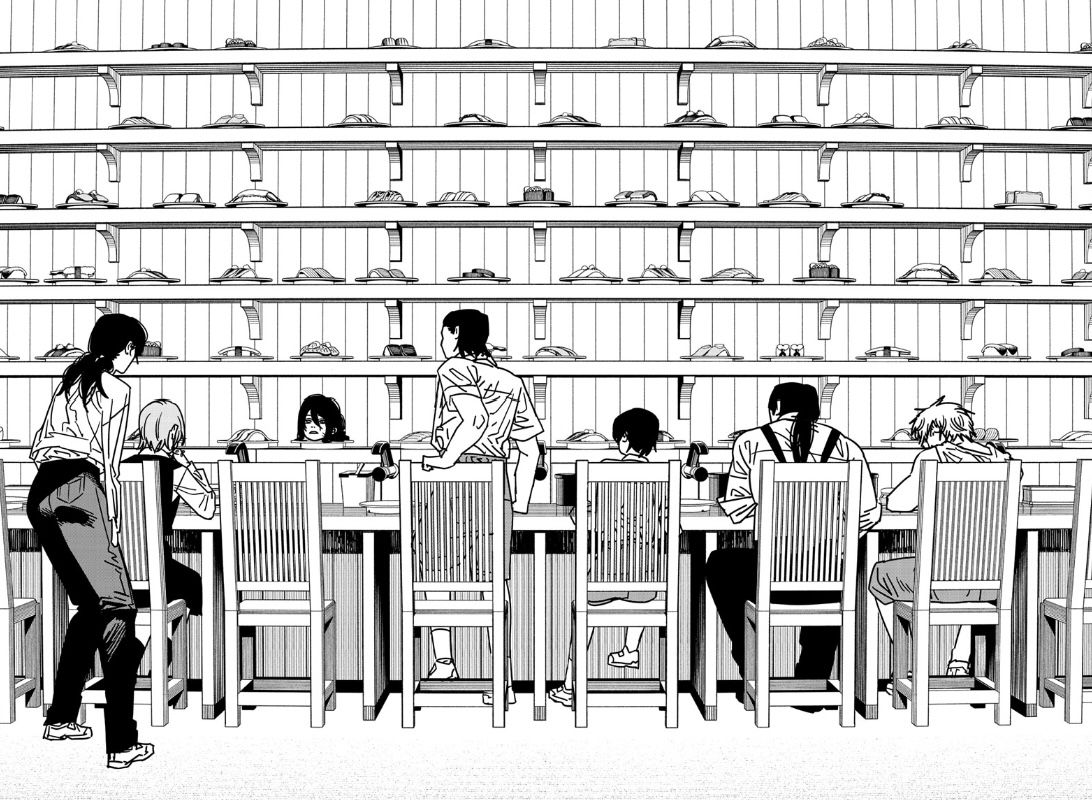
The second part of Chainsaw Man is a truly impressive addition to shonen manga and deserves a closer look. However, it’s not without flaws. Many fans agree that the artwork was strongest in the first half of Part 2 and became less detailed as the story progressed.
However, it was clear he’d made significant progress, even though he wasn’t spending as much time on each drawing as he used to.
The artwork in the second half of Chainsaw Man Part 2 has a distinct style that’s uniquely Fujimoto’s – it really stands out from other popular manga. While there were some small errors and a decrease in detail as the story progressed, the simpler art style doesn’t diminish the story’s overall brilliance.
Similar to how Denji’s life returns to normal even after terrible events, the end of the world doesn’t truly happen. It’s more of a reset than a final ending.
People face a choice: they can accept life’s difficulties and become resigned, like the tree-like beings in the Aging Devil’s world, or they can fight against them relentlessly, like Denji. And similar to Denji’s endless struggle, even if we end up back where we started, we might not fully remember what we’ve learned, but the experience will have changed us nonetheless.
You can read the complete Chainsaw Man manga in English on Viz Media, Manga Plus, and the Shonen Jump app.
Read More
- Gold Rate Forecast
- 10 Most Powerful Versions of Superman, Ranked
- GBP CNY PREDICTION
- 007 First Light: Release Date, Story, Gameplay, Cast, Editions, and Platforms
- Superman’s 7 Best Power-Ups, Ranked
- 10 Best Free Games on Steam in 2026, Ranked
- Forza Horizon 6 Car List So Far: Confirmed Highlights, Cover Cars, DLC, and Rewards
- 10 Greatest Wii U Games of All Time, Ranked
- What happened to Soldier Boy in The Boys?
- CNY JPY PREDICTION
2026-05-31 00:50