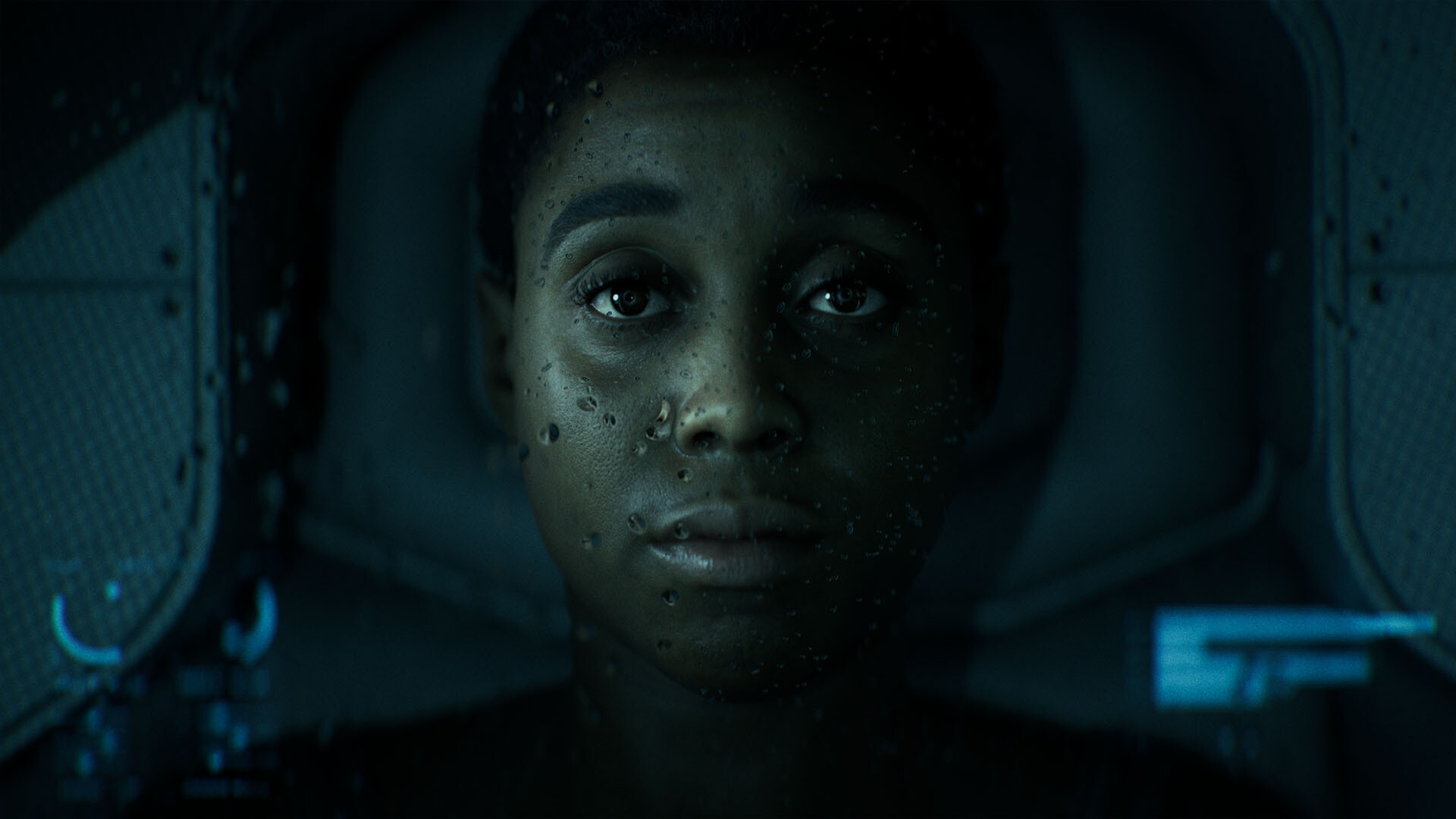
You’ll quickly notice that Directive 8020 feels different from the other games in The Dark Pictures Anthology. As you begin exploring the colony ship Cassiopeia, you see Simms floating while repairing her boots and Carter carefully tending to his bonsai tree. Suddenly, a loud thump shakes the ship, but the two technicians don’t seem overly worried. They calmly debate whether to investigate the noise themselves or check with the ship’s AI, Oracle, first. Whatever you choose – because you’re the one making the decision – you immediately take direct control of Carter, navigating the ship from a standard third-person perspective, opening doors and walking through hallways.
You’re probably wondering how much control we’ll have in Directive 8020 – I certainly was. This new installment seems to be Supermassive Games’ most technically complex yet, but I’m already sensing a conflict between the freedom to move around and the need for a compelling story. The big question is: can they combine the upcoming survival-horror elements with their usual, story-focused interactive gameplay?
The biggest issue with the game’s controls becomes clear during the stealth sections. These parts often feel repetitive, with the same patrol routes, dialogue, and gameplay loop of sneaking, fixing power, opening doors, and then sneaking again. It’s an undeniably predictable formula.
Beyond the real-time controls and futuristic setting, this game breaks from its predecessors in other ways. After each of the eight episodes, the Curator’s presence becomes less prominent, and summaries of what happened are presented differently. The game is designed primarily for solo players; while there’s no collaborative story mode at the start, a multiplayer party mode will be available later. The switch to Unreal Engine 5 enhances the game’s visual style, but the initial sections, with their dark and shadowy environments, feel heavily influenced by Dead Space rather than building on the series’ established anthology format.
The most significant change – controlling the character from a third-person perspective in real-time – creates a familiar, almost automatic way of playing, similar to games like The Last of Us or Alan Wake 2. You’ll be used to actions like walking, crouching, and using a flashlight. However, this also fundamentally changes the horror experience; instead of just reacting to scares, you’re now actively involved in creating them. By combining this with the series’ signature difficult choices – presenting you with binary dilemmas – Directive 8020 aims to blend familiar controls with the psychological consequences of those choices, potentially taking the Dark Pictures formula to a new level.
The biggest issue with the game’s controls becomes apparent during the frequent stealth sections. These areas quickly fall into a repetitive pattern of patrolling enemies, repeated dialogue, and predictable tasks like rerouting power and unlocking doors. It’s clear that stealth isn’t Supermassive’s area of expertise, and it’s a bit of a letdown that it’s such a large part of the game. While the game tries to create a sense of being hunted, I rarely felt truly vulnerable, even though, unlike previous games, you can die outside of scripted moments. The enemies are also reminiscent of the Clickers from The Last of Us, both in how they look and how they behave.
Although the old-fashioned stealth mechanics actually hurt the feeling of being vulnerable, the game successfully creates a sense of exposure through its central ideas of trust and paranoia.
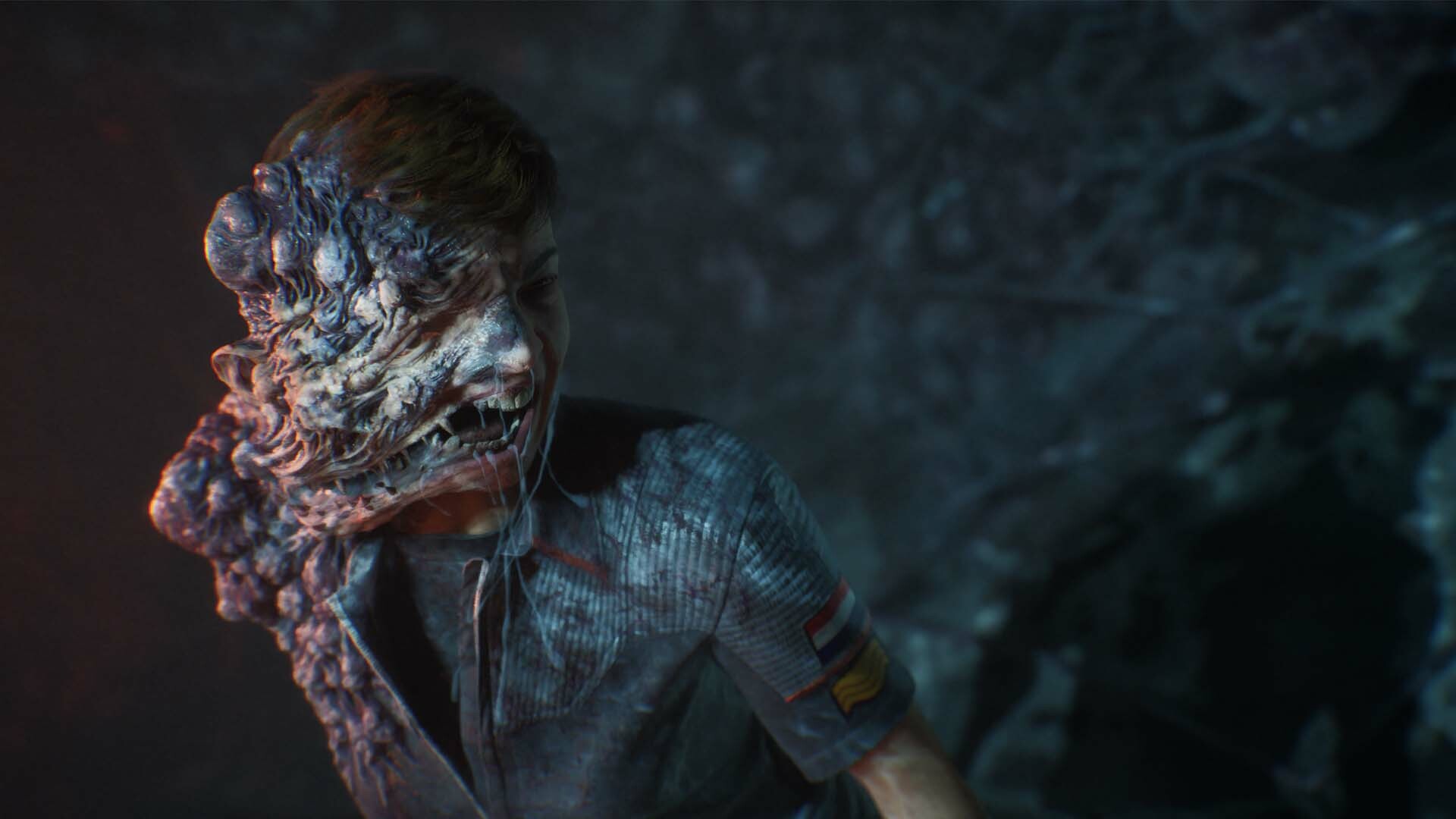
The game shines when it focuses on character interactions and relationships. Seeing how characters react to each other and where their loyalties lie creates genuinely impactful moments, especially as the story progresses and tough choices need to be made.
An alien threat that can perfectly copy anyone on my spaceship quickly made me suspicious of everyone. I found myself carefully watching every conversation, facial expression, and movement, trying to figure out who was still human. Even messages and voice communications felt untrustworthy. Considering the characters’ existing relationships and past traumas, even a simple awkward moment could mean someone was an imposter with a hidden motive. The game did a great job of building both emotional connections and a constant sense of paranoia, making me question everything and everyone throughout my experience.
However, it’s hard to know if I encountered mimics without realizing it. While this might be intentional on their part, consider this: if I did interact with one without knowing, wouldn’t someone eventually discover an alien had infiltrated our group? Conflicts sometimes happen, but they’re unusual. I was constantly worried about being deceived, but surprisingly, it didn’t seem to happen very often.
I often tried to figure things out by carefully questioning characters, but it was rarely clear what was really going on. Plus, characters acted inconsistently, sometimes being direct and forceful, and other times becoming more subdued, which made me think they were hiding something. However, the game never confirmed or denied my suspicions, leaving me constantly guessing and unsure if I was being misled. Throughout the experience, I felt like I had a unique, all-seeing perspective – especially in the beginning, before the other characters realized there were shapeshifters in their midst.
This also affected how I connected with some of the characters, as I unknowingly let my own biases influence my reactions to them. For example, there’s a character I didn’t trust, and when I made choices that put them in a difficult situation, the game didn’t clearly show my internal conflict or hesitation.
Honestly, the crew of the Cassiopeia aren’t bad at all – I actually really liked them. The game shines when it takes a breather and focuses on how these characters interact. Seeing their relationships tested and figuring out who’s loyal to who is seriously engaging. If the story keeps a good pace, those big choices you make later on really hit hard, emotionally. It’s a great feeling!
Despite its goals, Directive 8020 isn’t particularly complicated in terms of gameplay, atmosphere, or characters. This actually makes it the easiest game in The Dark Pictures Anthology to pick up and play, though it might not feel as unique or memorable as the others.
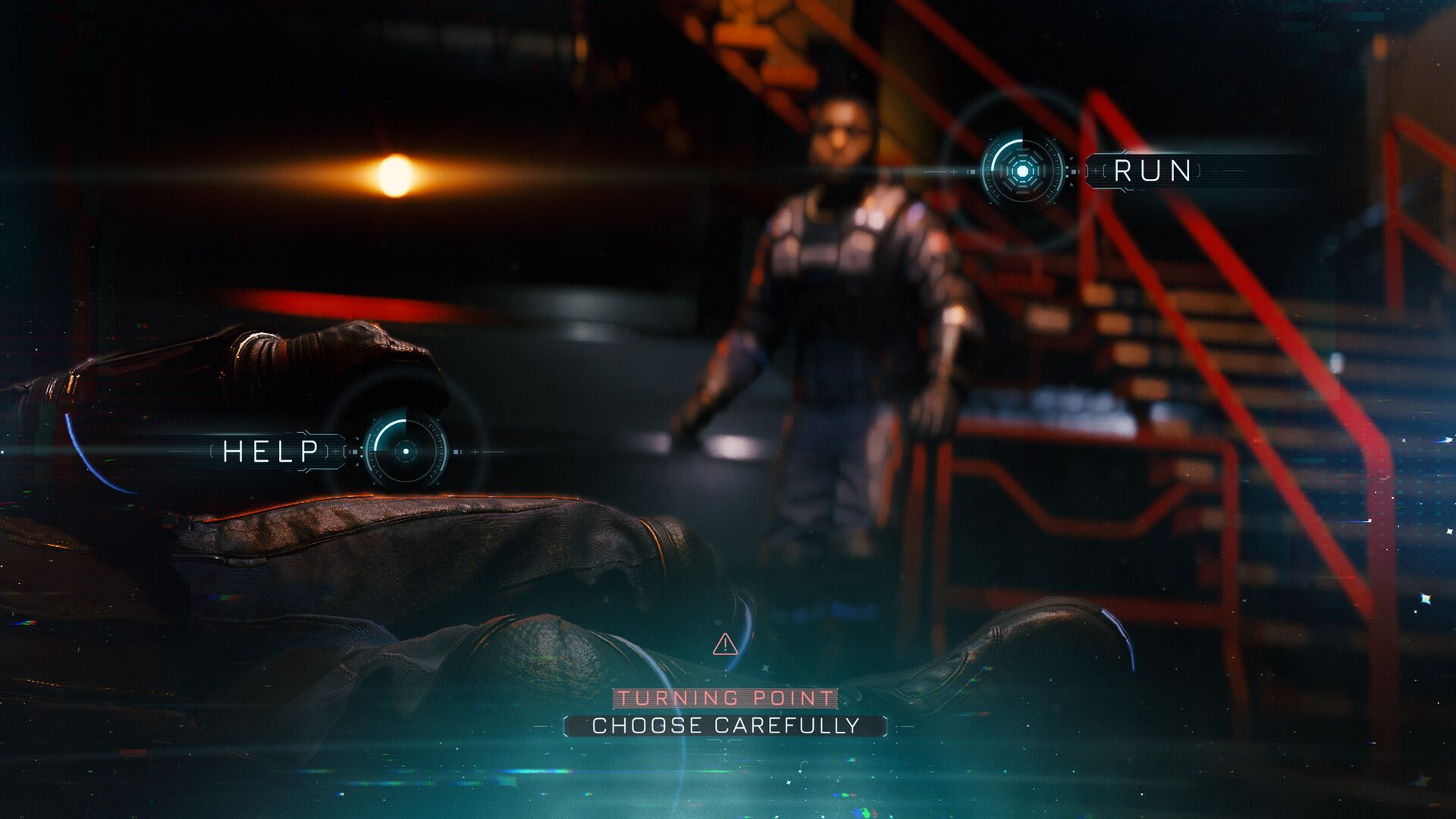
Even if a character I like dies, the game Directive 8020 lets me use a ‘Turning Points’ system to go back and replay important scenes, potentially saving them. While it’s easy to choose which moments to revisit thanks to a clear timeline, I found this feature disrupted my experience during my first playthrough. I personally prefer the pressure of making choices that stick, as being able to rewind time made me second-guess my initial reactions and feel less invested in my decisions.
Turning Points feels more like an optional extra than a central part of the game’s design. It’s similar to replaying a role-playing game and deliberately choosing to be a difficult character – just to see how the game reacts. While it’s not how I’d normally play, it can be enjoyable to try a different approach within the game. However, I find the game Directive 8020 most engaging when I play naturally and react to things as they happen, rather than overthinking my actions.
If you prefer not to change the story at all, a Survivor Mode without Turning Points is a great way to play. Alternatively, Turning Points are more enjoyable when playing with a friend. The game’s co-op mode makes them especially fun, as you’re less focused on the ‘right’ story and can freely discuss and debate what happens. My friend and I found replaying moments much more engaging when we were also having lively conversations about the plot.
Going back to key moments isn’t just about seeing what could have happened; it lets you guide conversations and gradually change each character’s personality. As you develop these traits, you also fill a ‘Destiny’ meter for each character, unlocking two unique paths for them. These paths affect how their story unfolds, their relationships with others, and ultimately, their fate – it’s more nuanced than simply deciding who lives or dies. While I like this system, similar to ‘Turning Points’, it really needs several playthroughs to fully grasp how it works.
Despite its goals, Directive 8020 isn’t particularly complicated in terms of gameplay, story, or characters, making it the easiest Dark Pictures Anthology game to pick up – though it feels less unique as a result. This isn’t necessarily a bad thing; it’s the most ambitious and modern game in the series, confidently moving away from what came before. However, this comes with a trade-off: while it’s more immediately engaging, it loses some of the special qualities that previously defined the Anthology.
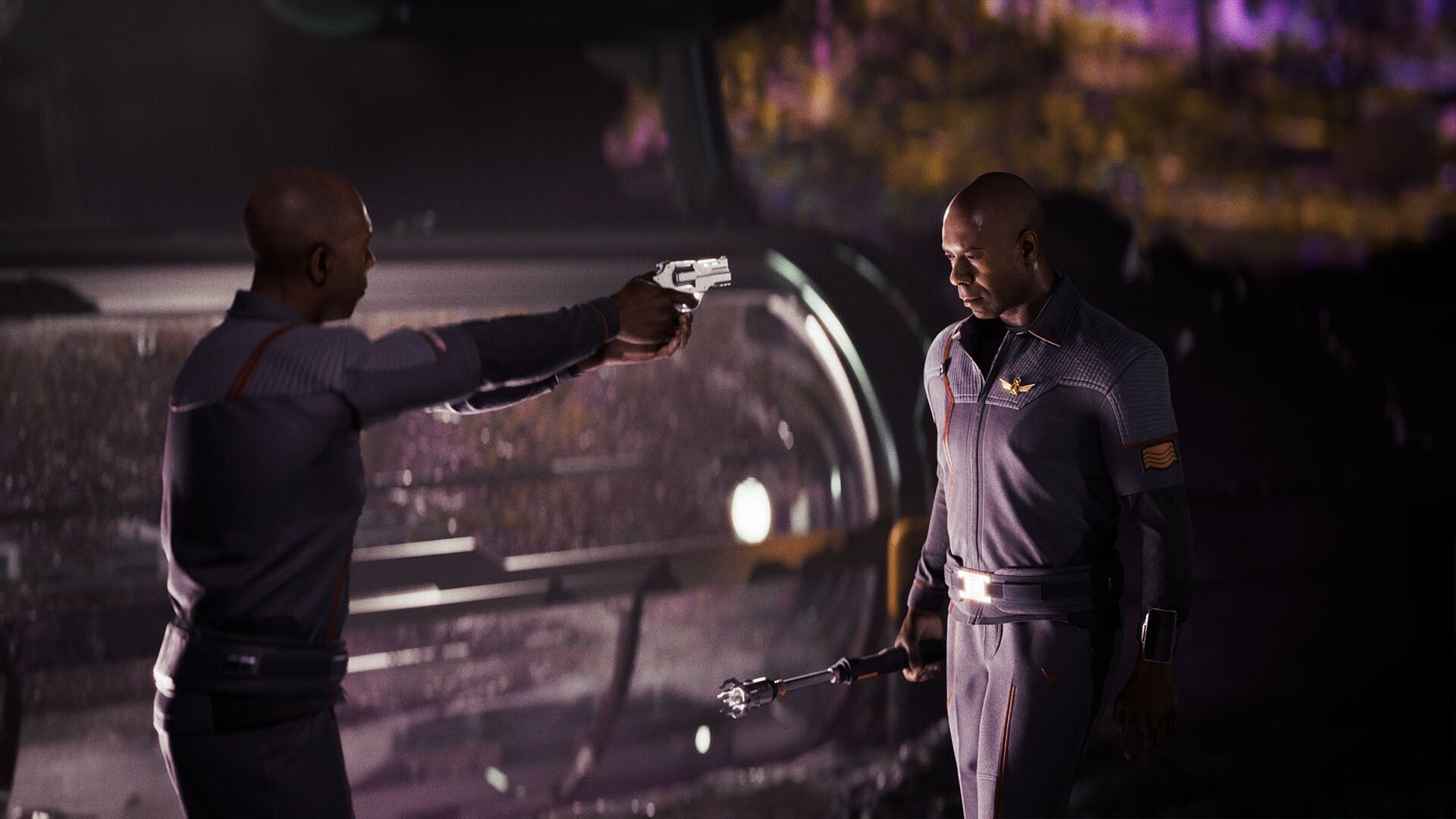
Sometimes, the character faces don’t quite move right, and the game can hitch or stutter a bit, which really pulls you out of the moment. It’s especially noticeable because I spend so much time trying to read what characters are thinking from their expressions and how they act.
Despite its flaws, I want to highlight what this game does well. When it’s at its best, it creates a truly thick and unsettling atmosphere, largely thanks to fantastic sound design. From deep, echoing sounds to sharp, impactful cues, and a score that uses classic horror elements – like dissonant strings – without feeling cliché, the game excels. It’s in these quieter, character-focused moments that it truly shines, and Supermassive confidently delivers its themes of mistrust and paranoia.
While the game aims high, it doesn’t always quite succeed, especially when it comes to stealth sections which often feel less tense than intended. Sometimes, awkward character animations and occasional performance issues detract from the immersion – this is particularly noticeable because understanding characters’ expressions is key to the gameplay. Overall, the game’s core idea of hidden mimics doesn’t fully come to fruition. They’re supposed to be hiding among us, but in my experience, they didn’t reveal themselves very often.
Despite some flaws, Directive 8020 is a significant and exciting advancement for The Dark Pictures Anthology. It boldly changes what the series is known for, opting for a more engaging, in-the-moment experience.
This game was reviewed on PlayStation 5.
Read More
- FRONT MISSION 3: Remake coming to PS5, Xbox Series, PS4, Xbox One, and PC on January 30, 2026
- Best Controller Settings for ARC Raiders
- Taylor Sheridan’s Gritty 5-Part Crime Show Reveals New Final Season Villain
- The Boys Season 5, Episode 5 Ending Explained: Why Homelander Does THAT
- Mark Zuckerberg & Wife Priscilla Chan Make Surprise Debut at Met Gala
- The Boys Season 5 Officially Ends An Era For Jensen Ackles’ Soldier Boy
- ‘The Bride!’ Review: Jessie Buckley Breathes Life into a Monstrous Mess
- Invincible Season 4 Episode 4 Post-Credits Unveils a Demonic Return & More
- Welcome to Demon School! Iruma-kun season 4 release schedule: When are new episodes on Crunchyroll?
- From season 4 release schedule: When is episode 2 out on MGM+?
2026-05-14 16:15