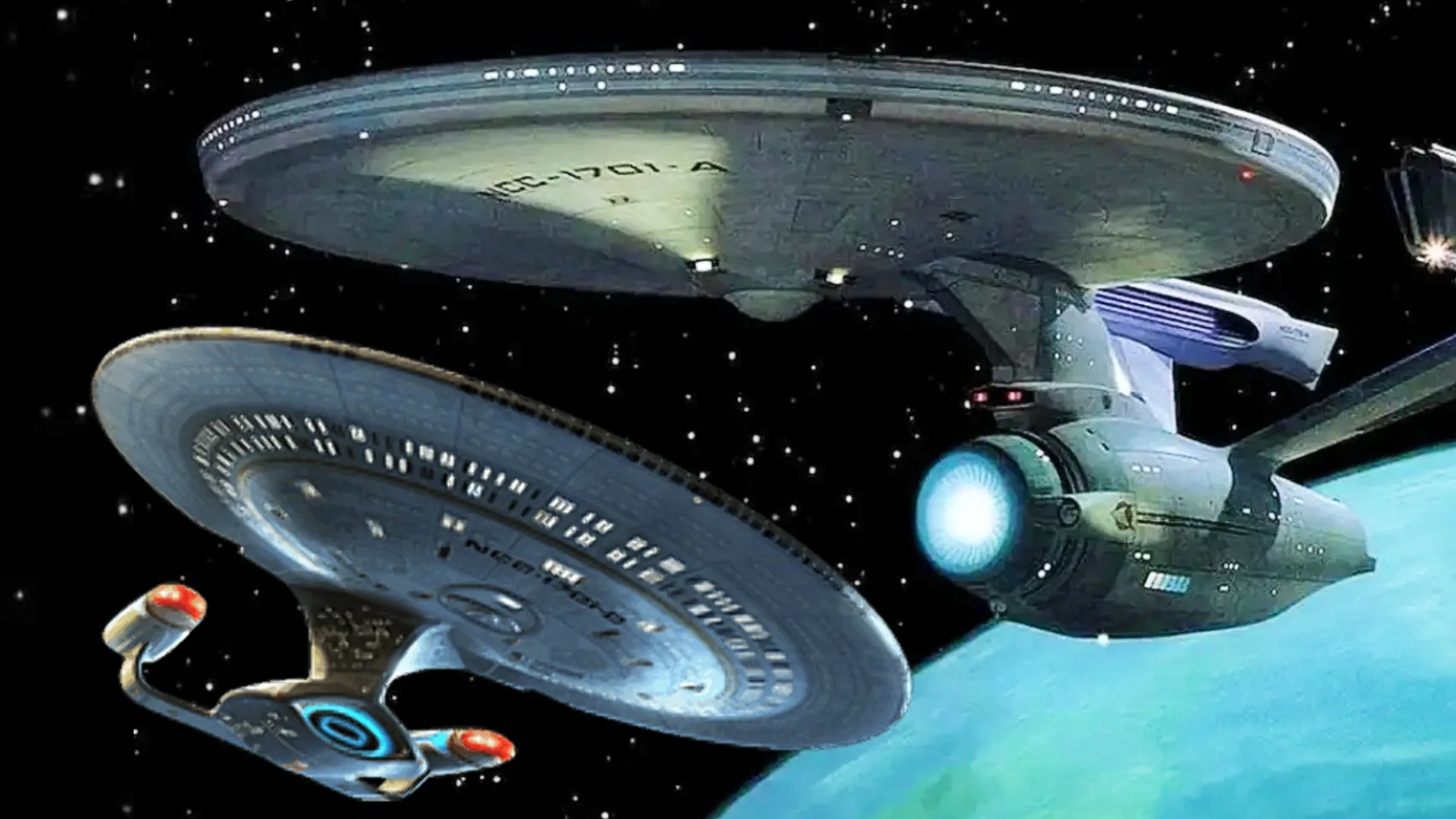
For six decades, the Enterprise from Star Trek has been the defining spaceship in science fiction. While Star Wars gave us the Millennium Falcon, Doctor Who the TARDIS, and Firefly the Serenity, the Enterprise has endured through many versions, different designs, and changing priorities both in its creation and within the show’s story. It’s served as a symbol, a warship, and a vessel for exploration, representing both hope and power in the world Gene Roddenberry created. The Enterprise is central to Star Trek‘s past and future, and its legacy will likely continue even after the series ends.
The Enterprise, at its core, has always had the same basic design: a saucer section, warp drive, nacelles, and weapons. While details have changed over the years since its first appearance in 1966, the fundamental structure has remained consistent. This makes ranking the different versions largely a matter of personal preference. If we were only considering things like power or combat effectiveness, the ships would simply be ranked by when they were launched – a straightforward, if uninteresting, approach. Each update naturally incorporated new technology and reflected the evolving needs of the Federation’s flagship. Therefore, a meaningful ranking needs to focus on more subjective qualities – how cool they look, their overall aesthetic, and the feeling they evoke. Those are the elements that truly define a ship’s quality.
13) NCC-1701-J – Star Trek: Enterprise
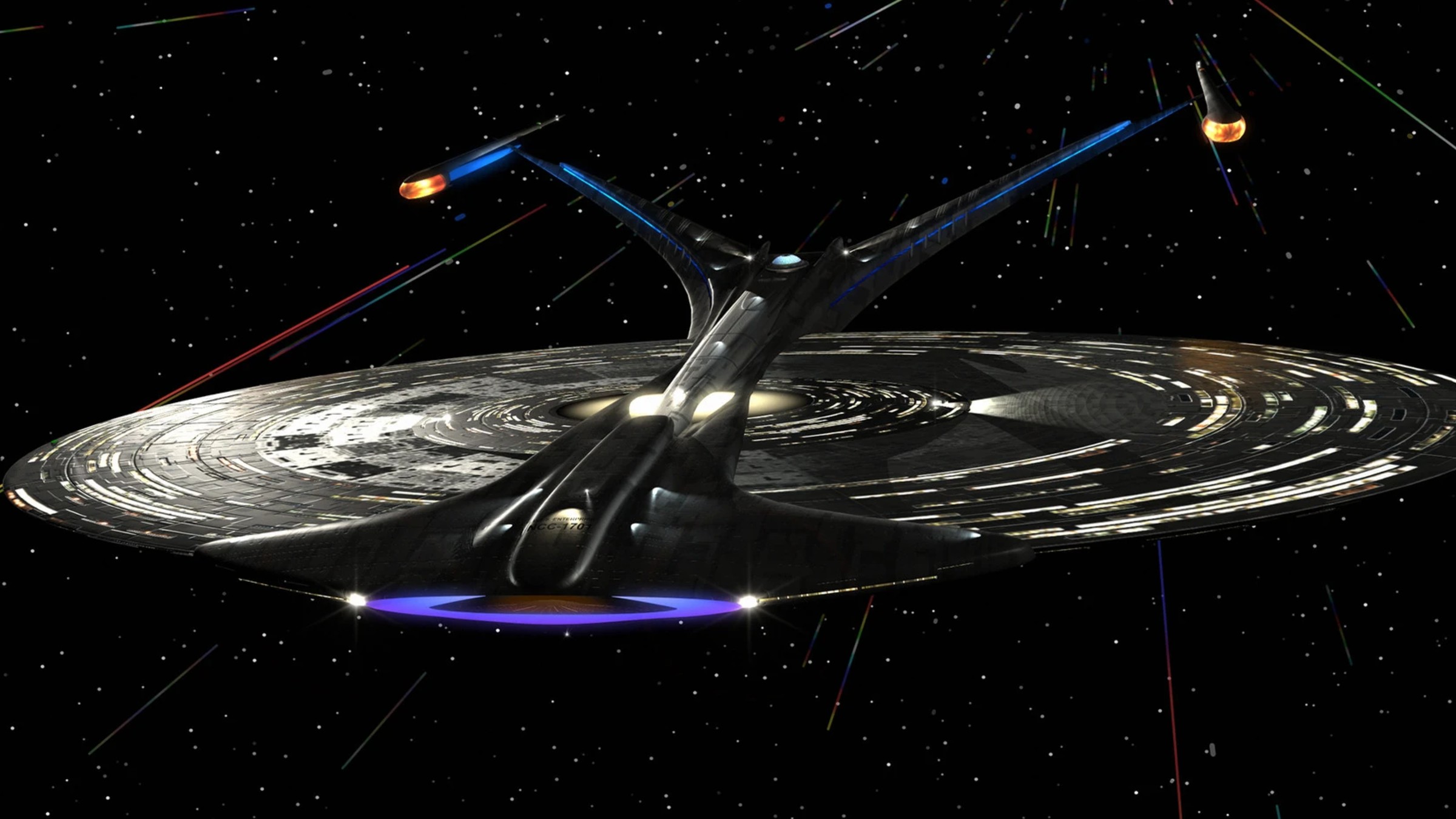
As a lifelong Star Trek fan, I have to say the future Enterprise from the Enterprise episode “Azati Prime” is, visually, the low point of the entire franchise for me. It’s clearly meant to look like it’s from the 26th century, and it falls into that frustrating trap of futuristic designs becoming too complicated. That saucer section, shaped like a vinyl record, just doesn’t seem functional, and honestly, it feels…alien. It’s huge, I’ll give it that – it makes every other Starfleet flagship look tiny – and I appreciate that the designers tried something different, but the overall shape just feels too much like a fish for my liking. It just doesn’t quite work.
12) NCC-1701-B – Star Trek: Generations
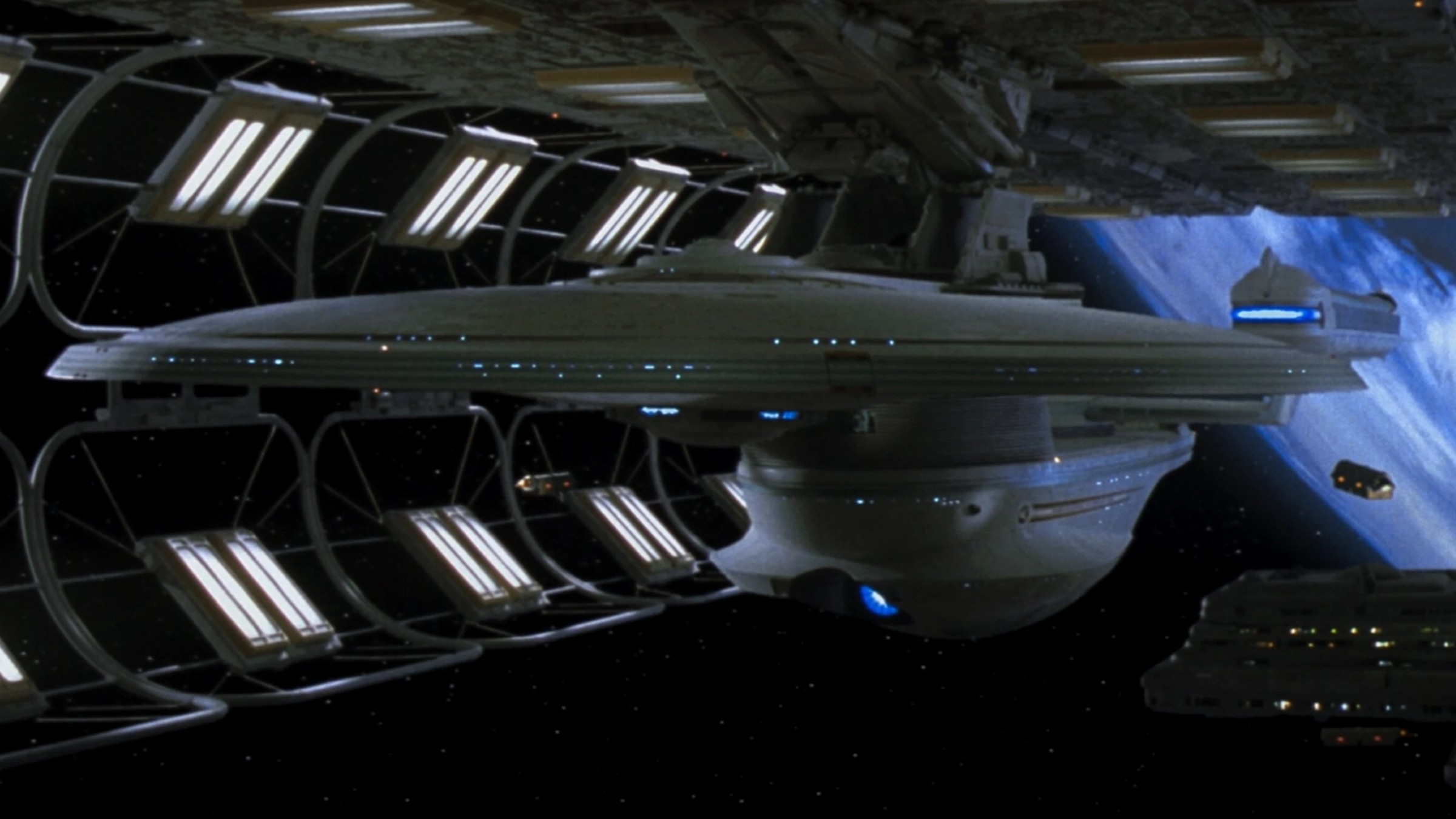
The Enterprise-B often gets criticized, partly because it’s linked to the events surrounding Captain Kirk’s apparent death in Generations. But honestly, it’s not a particularly attractive ship either. Its design – with a wider engine section and a disc-shaped saucer – makes it look stubby, even though it’s quite long. As a modified version of the early Excelsior ship from the Original Series movies, it has a distinctly 1980s look, reminiscent of The Search for Spock and other sci-fi films of that time. By the time Generations came out, it already seemed dated. Adding to its unfortunate reputation, the Enterprise-B’s only major mission ends in disaster, its captain, Harriman, isn’t very successful, and the ship is ultimately deemed unfit for service.
11) The NX-01 – Star Trek: Enterprise
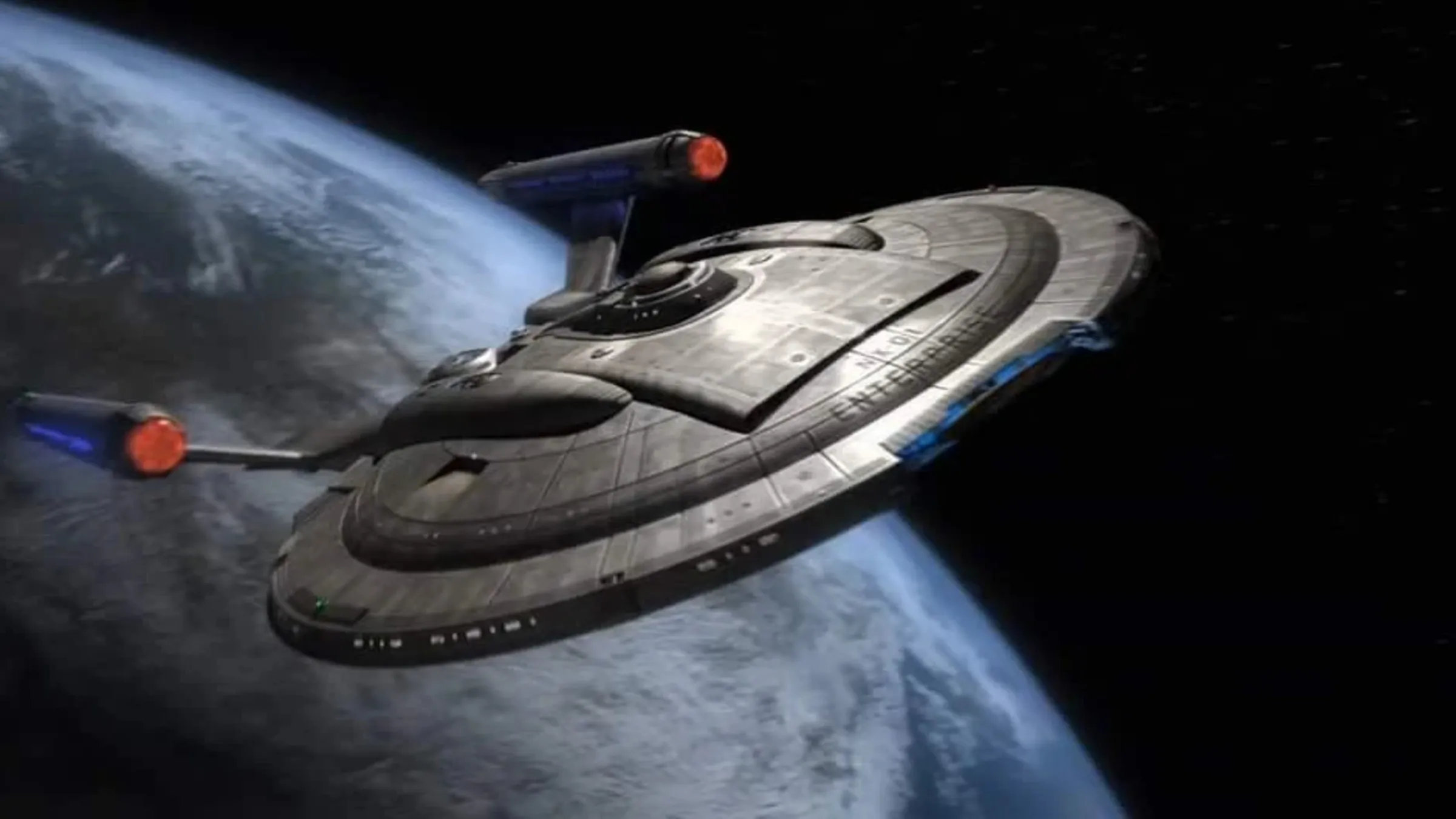
Though officially the USS Enterprise XCV 330 is considered the first starship – originally a discarded design idea from the classic series – very little is known about it. Because of this, most fans now see the NX-01 Enterprise, captained by Jonathan Archer, as the true first ship. While the NX-01 was advanced for its time, its design – resembling the Akira-class with nacelles connected to the main saucer and lacking a traditional warp drive – doesn’t quite feel fitting for a flagship. It’s a decent ship, but perhaps not grand enough to be considered the first of Starfleet’s most iconic vessels, though it does make sense for the early days of space exploration.
10) Kelvin Timeline NCC-1701 & NCC-1701-A – Star Trek (2009) & Sequels
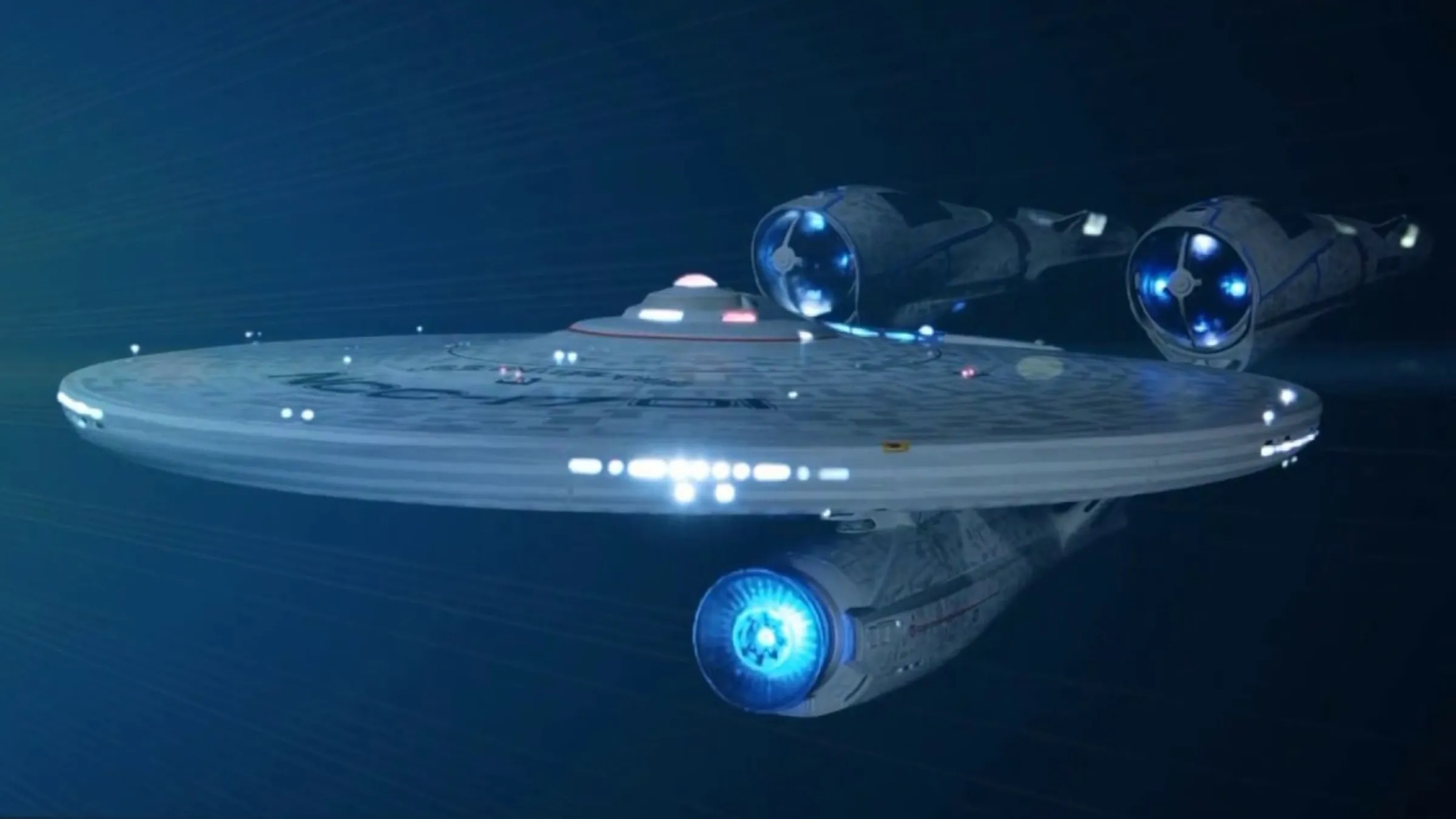
The Enterprise from the Kelvin timeline movies feels like a familiar but off-kilter version of the original. It captures the general feel and gets most details correct, but its design is a bit heavier and more rounded than the classic ship. While J.J. Abrams tried to disguise this with visual effects, it’s clear this is a remake that doesn’t quite match the original. The sequels made some minor adjustments, labeling it the Enterprise-A, but the differences aren’t significant enough to consider them separate designs. Therefore, I’m treating both versions as essentially the same.
9) NCC-1701-F – Star Trek: Picard
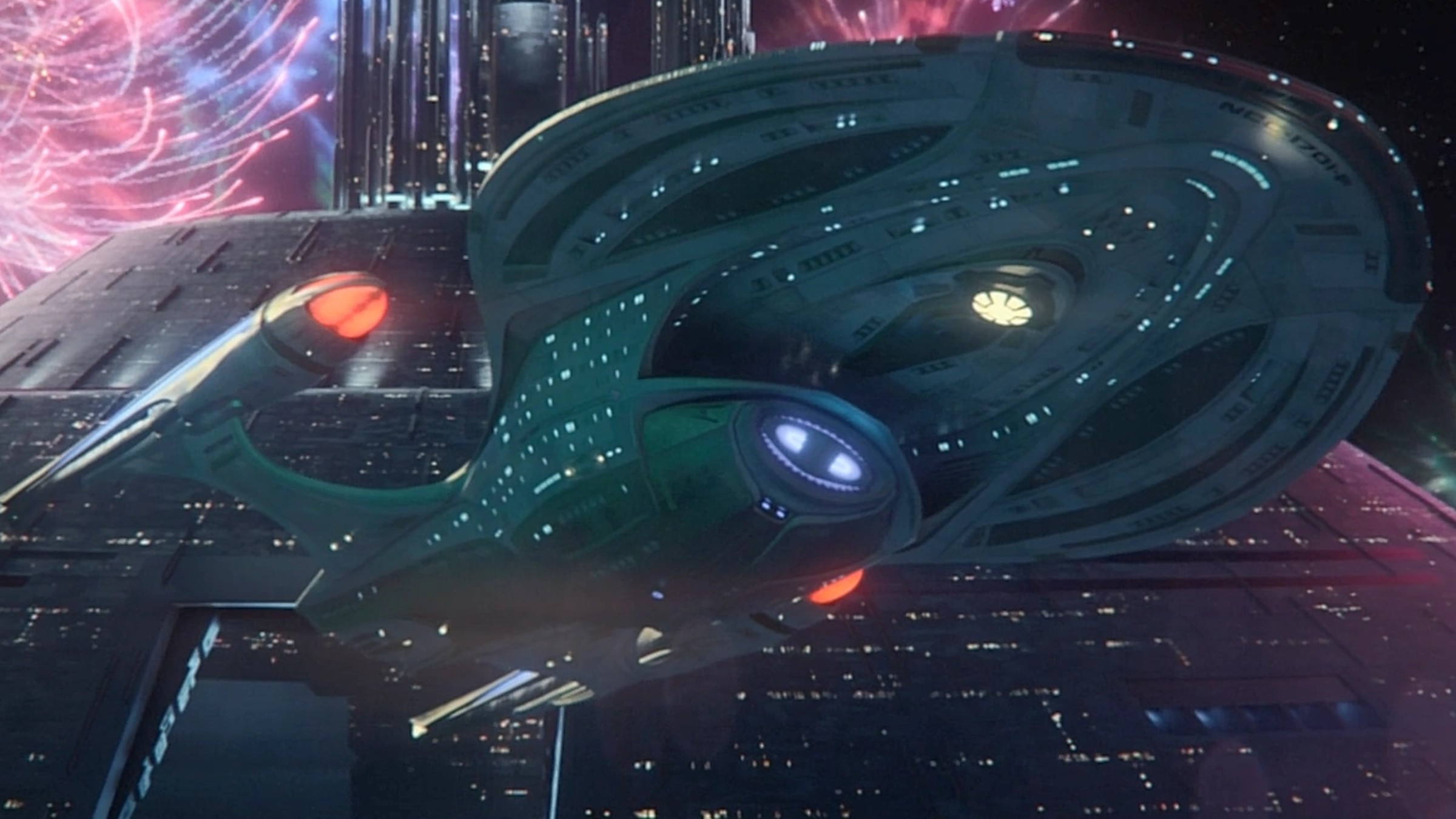
The Odyssey-class Enterprise F first appeared in the game Star Trek Online in 2386. By the time it appeared in Picard, it had served for 15 years and was nearing the end of its service life. Commanded by Admiral Elizabeth Shelby (played by Elizabeth Dennehy), who was later killed by the Borg, the ship was introduced due to its popularity in the game and has certainly made an impression. However, its design feels more reminiscent of the Voyager than previous Enterprise ships, and the shape of its nacelles isn’t for everyone. Ultimately, it’s another flagship that feels a bit too elaborate.
8) NCC-1701-G – Star Trek: Picard
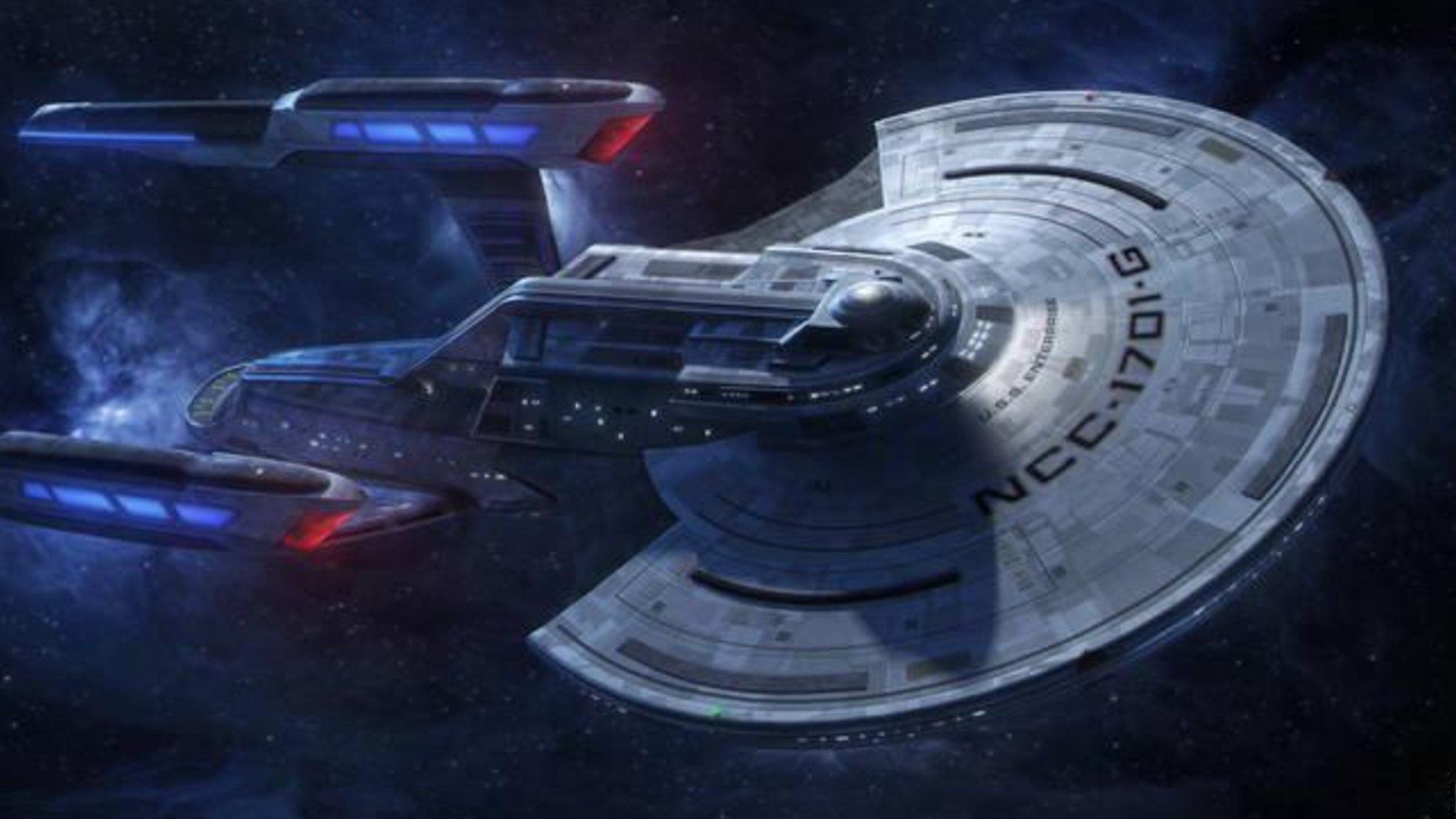
The Enterprise-G isn’t quite as impressive as some other Starfleet vessels, and it’s a bit of a controversial entry. Originally, it was designed as the Titan-A and repurposed for the show, which diminishes some of its impact. Plans for stories continuing after Picard, focusing on Captain Seven of Nine commanding the ship, were unfortunately never developed. Aside from that, while visually appealing, the Enterprise-G’s design feels slightly overdone due to its unfinished saucer section, and it doesn’t have the same iconic presence as other famous starships. While fans of the Picard series generally like it, it doesn’t quite rank among the very best.
7) “All Good Things” NCC-1701-D – Star Trek: Next Generation
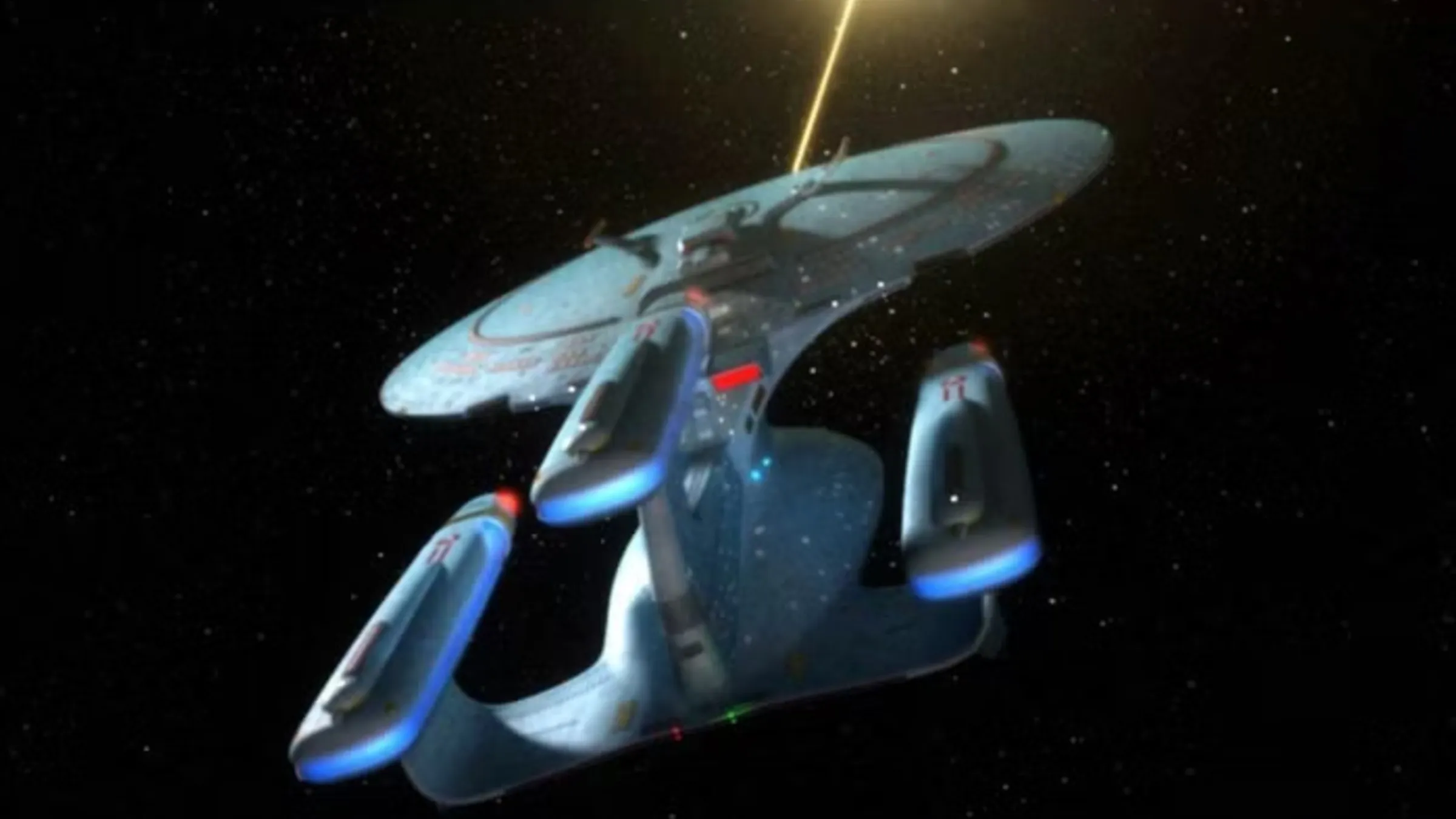
The original Enterprise-D is a classic, but the future version in “All Good Things” feels a bit overdone. Although Admiral Riker’s ship is technically superior – faster, more heavily armed, and commanded by a skilled officer – the added features like the third warp nacelle and incredibly powerful weapons feel like unfair advantages. It’s an impressive design, but ultimately comes across as more of a novelty than a practical starship.
6) NCC-1701-C – Star Trek: The Next Generation
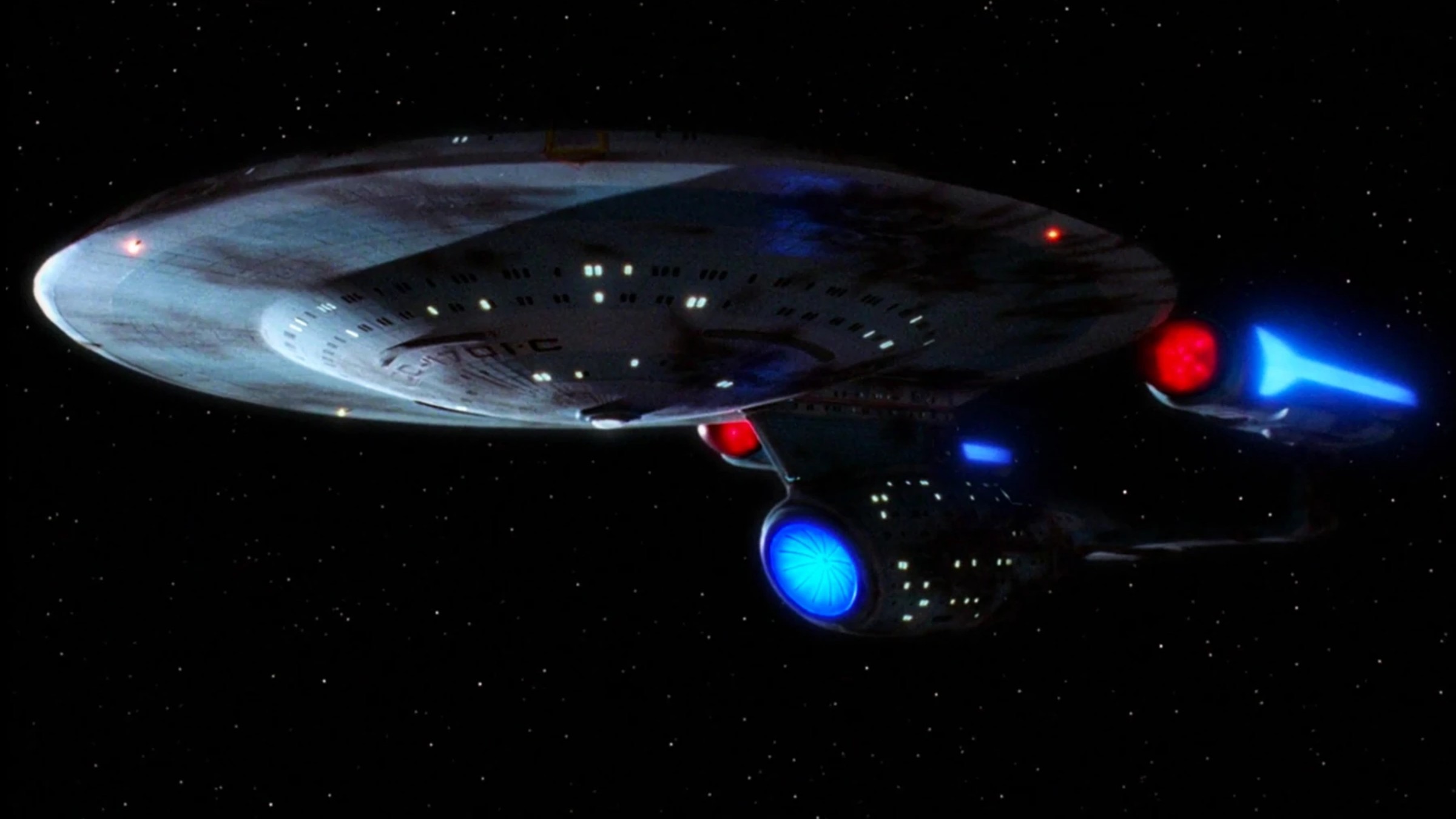
Though appearing briefly in just one episode of Star Trek: The Next Generation (“Yesterday’s Enterprise”), the Enterprise-C has a unique story. Captained by Rachel Garrett, it’s best seen as a design link between the ships of Captain Kirk and Captain Picard. This means its appearance is a mix of those earlier vessels – it has more angled features than the well-known Enterprise-D, and a stardrive section similar to Kirk’s ships. Despite being destroyed by the Romulans at Narendra III while protecting a Klingon station, the Enterprise-C remains one of the most visually appealing ships in the Star Trek fleet.
5) NCC-1701-E – Star Trek: First Contact – Nemesis

The Enterprise-E represented a significant departure from the beloved Enterprise-D, featuring a completely new design intended to make it appear more streamlined and modern. They succeeded – the E looks much faster and sportier compared to the larger, more stately D. While ships with the distinctive neck design are usually considered more visually appealing, the E stood out for its sheer coolness. Its design is actually the most militaristic of all the Star Trek flagships, which was fitting given the growing danger posed by the Borg and the escalating Dominion War (though it surprisingly didn’t participate much in that conflict). It’s a shame we never saw what happened when Worf became captain of the E.
4) NCC-1701 – Star Trek: Discovery/Strange New Worlds
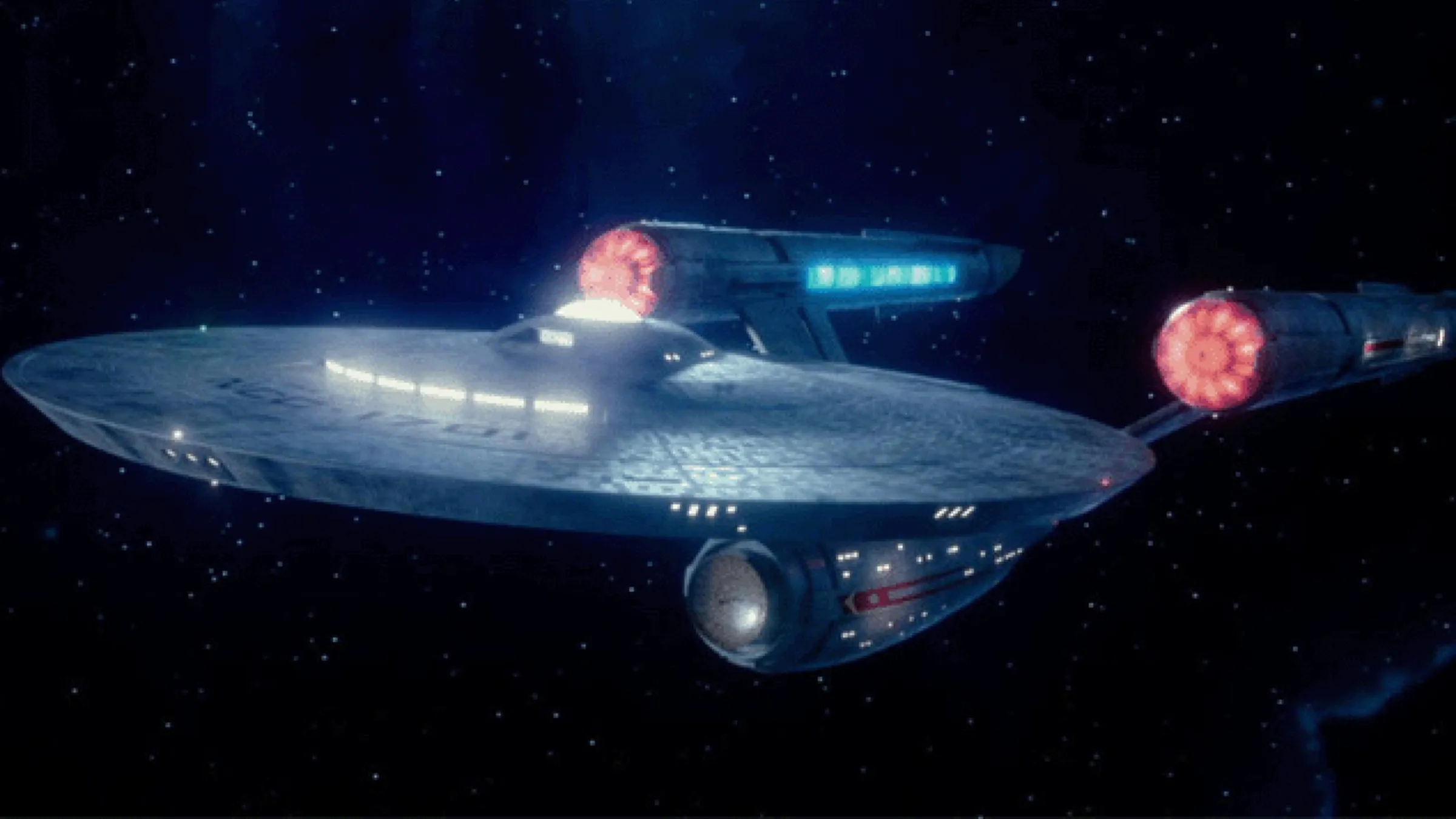
The Discovery version of the Enterprise isn’t a radical departure from the original. While it’s been visually updated for contemporary audiences—incorporating design elements from the Motion Picture refit—it, like Strange New Worlds, skillfully blends the old and the new. The ship appears bigger than the one from The Original Series, which creates a minor continuity issue, but it’s easily overlooked because of its impressive appearance.
3) NCC-1701 – Star Trek: The Original Series
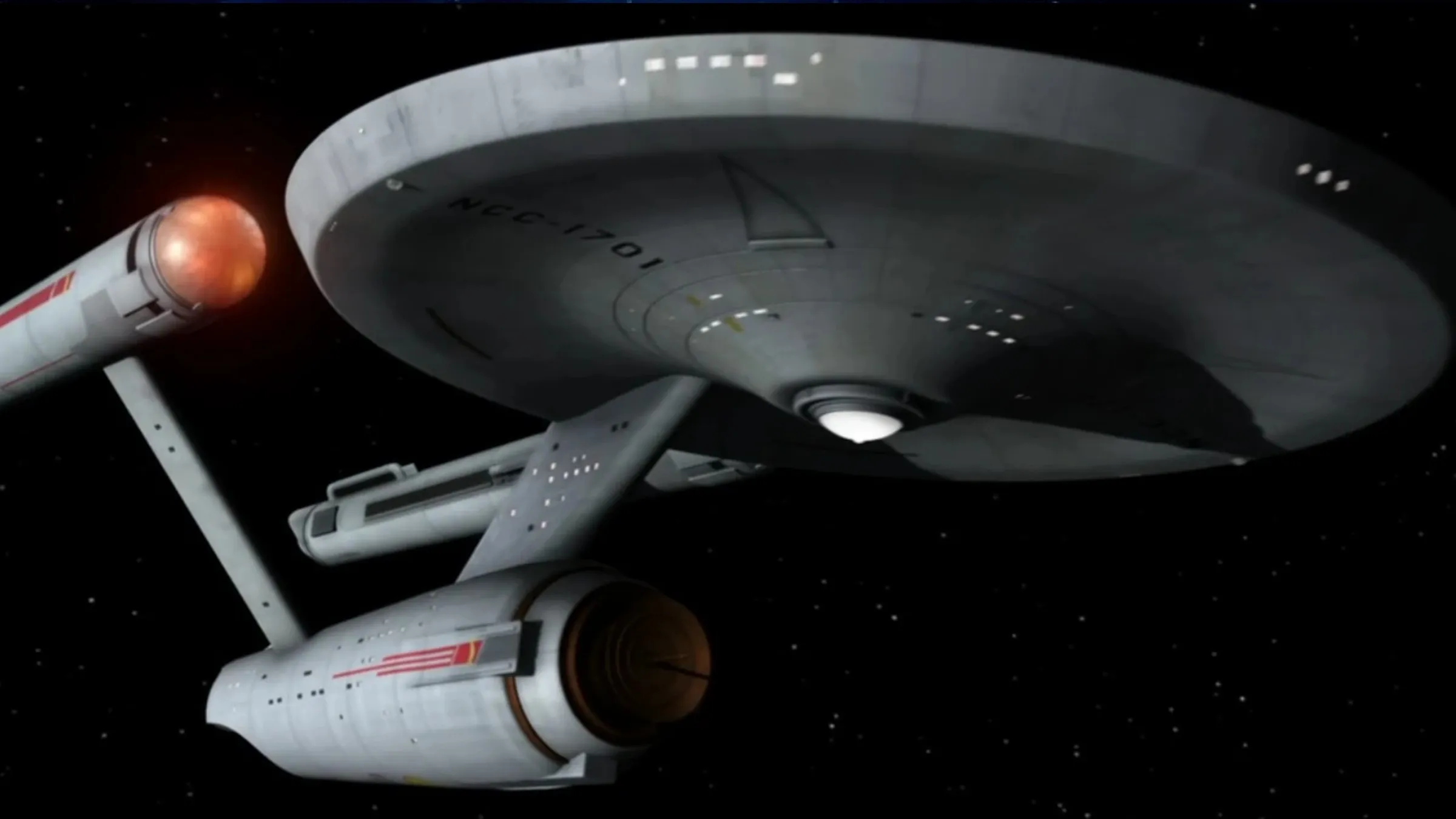
The orange, dome-shaped engines are one of the most famous parts of Star Trek’s design, but they also strongly reflect the style of 1960s science fiction, placing the original Enterprise as the third most impressive ship in the franchise. It’s a stunning and memorable vessel that proves less can be more. While the simple design was partly due to budget constraints, it resulted in a beautifully distinct and instantly recognizable shape.
2) NCC-1701-A – The Original Series Movies
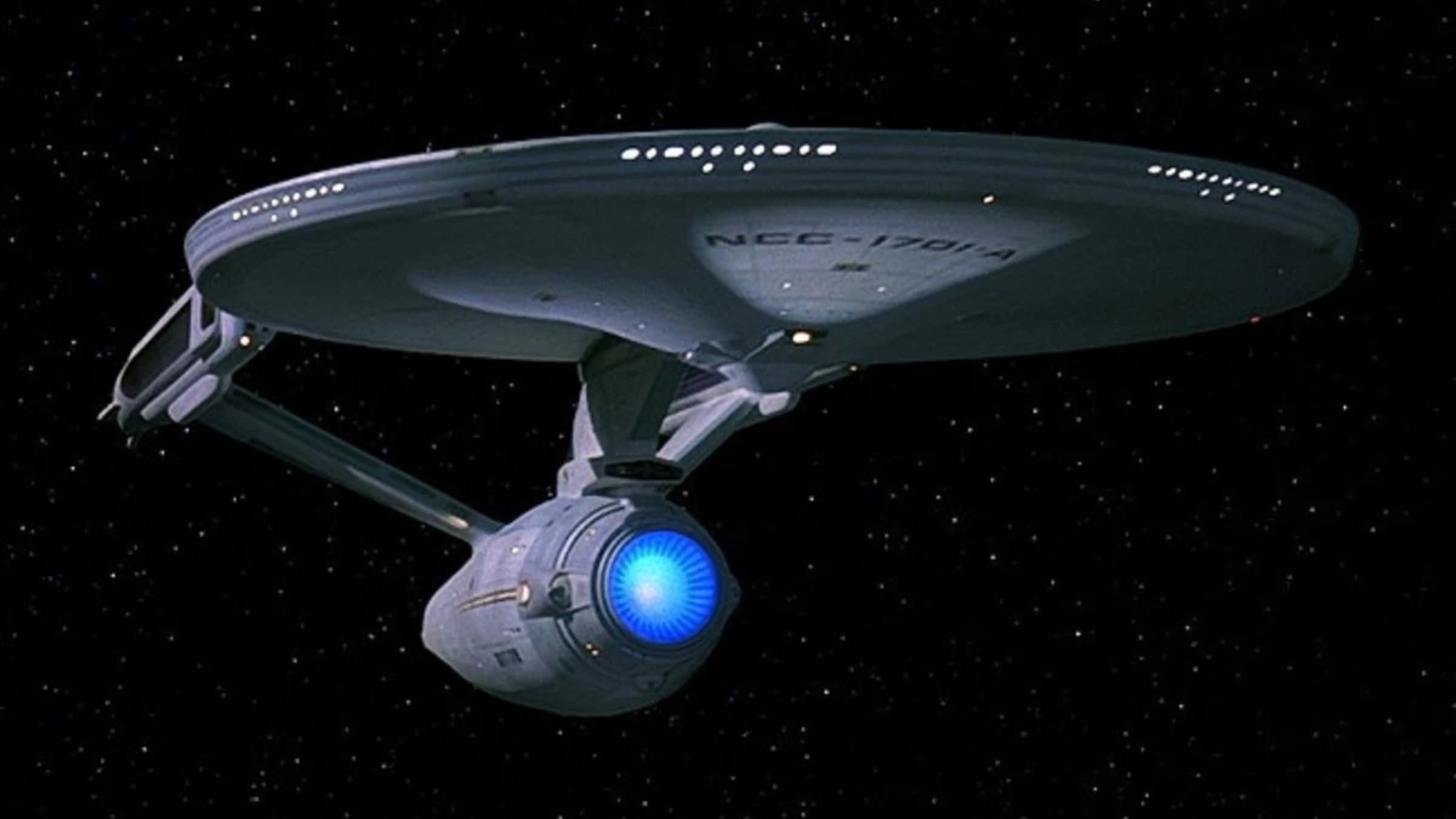
Everyone says the original is always best, but the updated Enterprise from the first Star Trek movie was a fantastic improvement. It took the ship out of the dated 1960s and gave it a more modern look. The new nacelles and angled supports are sleeker, and the blue accents are a cool change from the original orange and gold. That’s the power of having a design legend like Ralph McQuarrie work on it! Despite a few initial issues, the redesign makes it a strong contender as the best version.
1) NCC-1701-D – Star Trek: The Next Generation
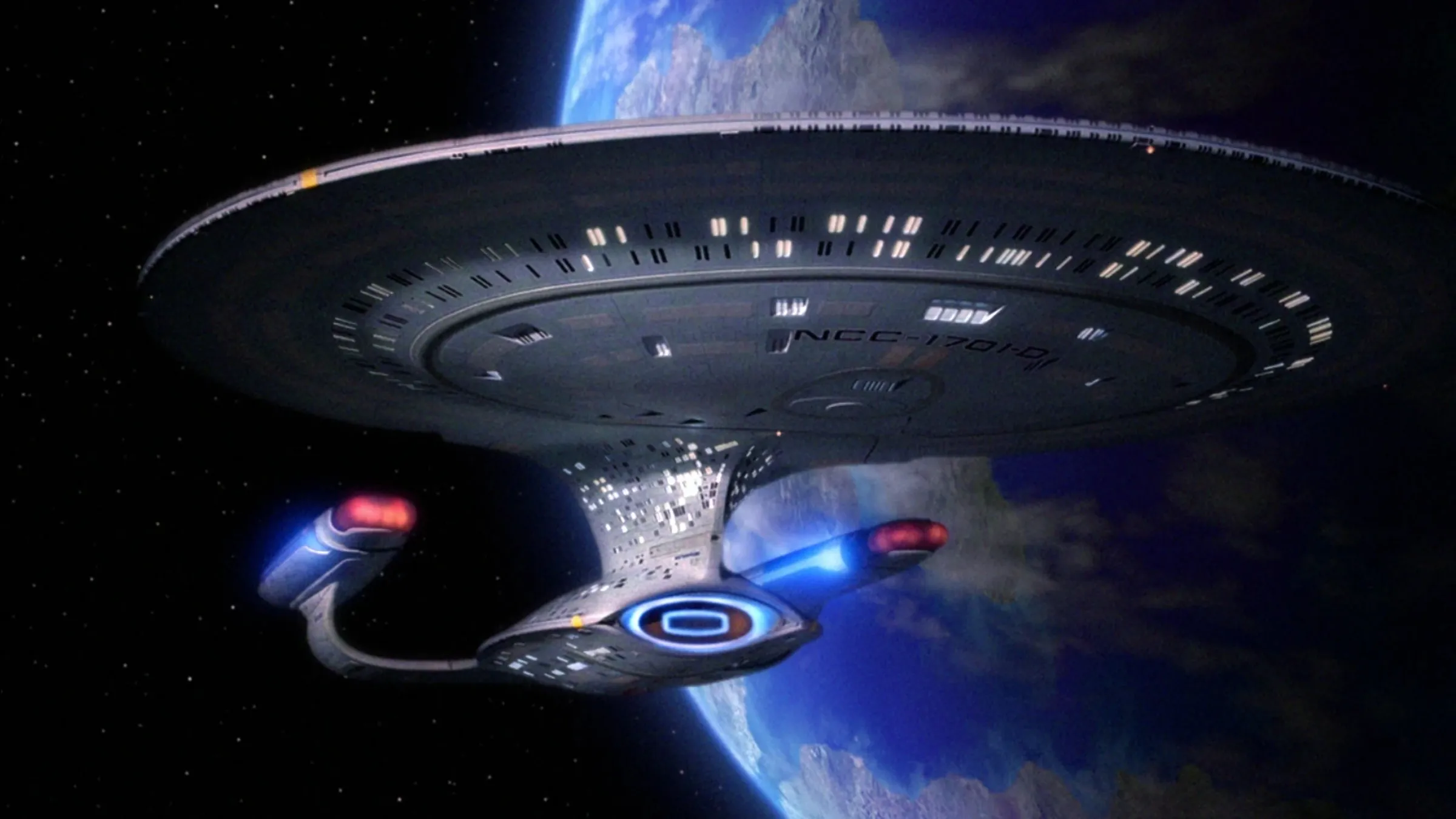
In a tight competition, the Next Generation Enterprise emerged victorious over the Original Series designs. This new flagship reimagined the iconic vessel for a modern audience, notably featuring a much larger saucer section that gave it a distinctive, somewhat top-heavy appearance. The red and blue accents on the warp nacelles became a signature design element, and the unique deflector shield added a significant upgrade. Despite being surpassed in size by later ships, the Enterprise-D still feels elegant, powerful, and immense. It’s the pinnacle of Enterprise-class starships and a testament to Starfleet engineering. What sets the Enterprise-D apart is how well it has held up over time, a result of being designed as much for aesthetic appeal as for practical function.
Read More
- Best Controller Settings for ARC Raiders
- Meet the cast of Good Omens season 3: All the actors and characters
- Mark Zuckerberg & Wife Priscilla Chan Make Surprise Debut at Met Gala
- Nippon Sangoku Is The Best New Post-Apocalyptic Anime of Spring 2026
- Review: Final Fantasy Tactics: The Ivalice Chronicles (PS5) – Still the Benchmark for Turn-Based Tactics
- 7 Great Marvel Villains Who Are Currently Dead
- FRONT MISSION 3: Remake coming to PS5, Xbox Series, PS4, Xbox One, and PC on January 30, 2026
- Welcome to Demon School! Iruma-kun season 4 release schedule: When are new episodes on Crunchyroll?
- Elon Musk’s Mom Maye Musk Shares Her Parenting Philosophy
- The Boys Season 5 Officially Ends An Era For Jensen Ackles’ Soldier Boy
2026-05-19 01:12