
The Planet of the Apes franchise is unique in its ability to constantly reinvent itself. Starting with the 1968 film, based on Pierre Boulle’s 1963 novel La Planète des singes, the series was a huge success, earning $33 million on a $6 million budget. What stood out wasn’t just the idea of talking apes, but the film’s thoughtful commentary on important issues like racism, organized religion, and the fears surrounding nuclear war, all explored through science fiction. Over the past 58 years, the original film has grown into a large franchise with a worldwide box office total of over $2.45 billion, including a television show, animated series, comic books, and numerous reboots.
The Planet of the Apes series is heading in a new direction. While Kingdom of the Planet of the Apes earned around $397 million globally and was intended to launch a new saga set long after the films featuring Caesar, 20th Century Studios has chosen Matt Shakman (known for WandaVision and The Fantastic Four: First Steps) to direct a different Planet of the Apes movie. This new film won’t follow the story of Kingdom, essentially starting the franchise over. Before this new chapter begins, here’s a ranking of all the Planet of the Apes films, from least to most enjoyable.
10) Battle for the Planet of the Apes
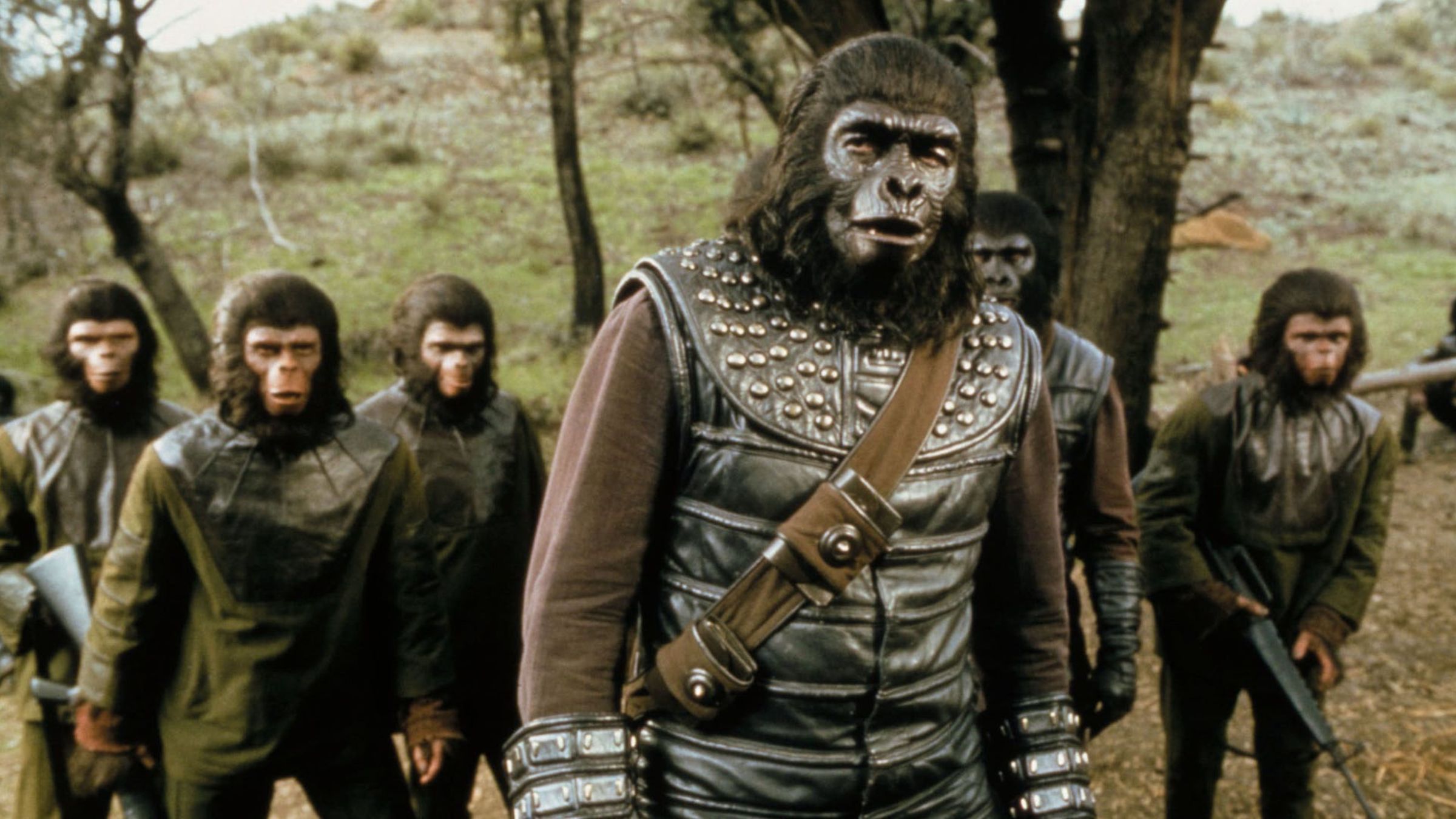
As a big fan of the Planet of the Apes series, I always felt a little let down by Battle for the Planet of the Apes. It wrapped up the original run, but you could really tell it was made on a shoestring budget – only $1.7 million! That meant the big, planet-wide war they’d been hinting at ended up being this small-scale fight in the California desert. And while the movie tried to show a shaky peace between the humans and Caesar’s apes (Roddy McDowall was great, as always), it just didn’t have the same thought-provoking themes that made the earlier films so special. It felt like they were trying to do a lot with very little, and it unfortunately showed.
Rather than delve into the difficult questions of humans and apes living together, the movie focuses on a simple fight against a hostile gorilla group led by General Aldo (Claude Akins) and a group of mutated humans. These villains mainly serve as a reason for the heroes to team up. Although the script for Battle for the Planet of the Apes still touches on the idea of whether humanity is doomed to destroy itself, weak visuals and a hurried plot make this 1973 film the least memorable of the entire series.
9) Beneath the Planet of the Apes
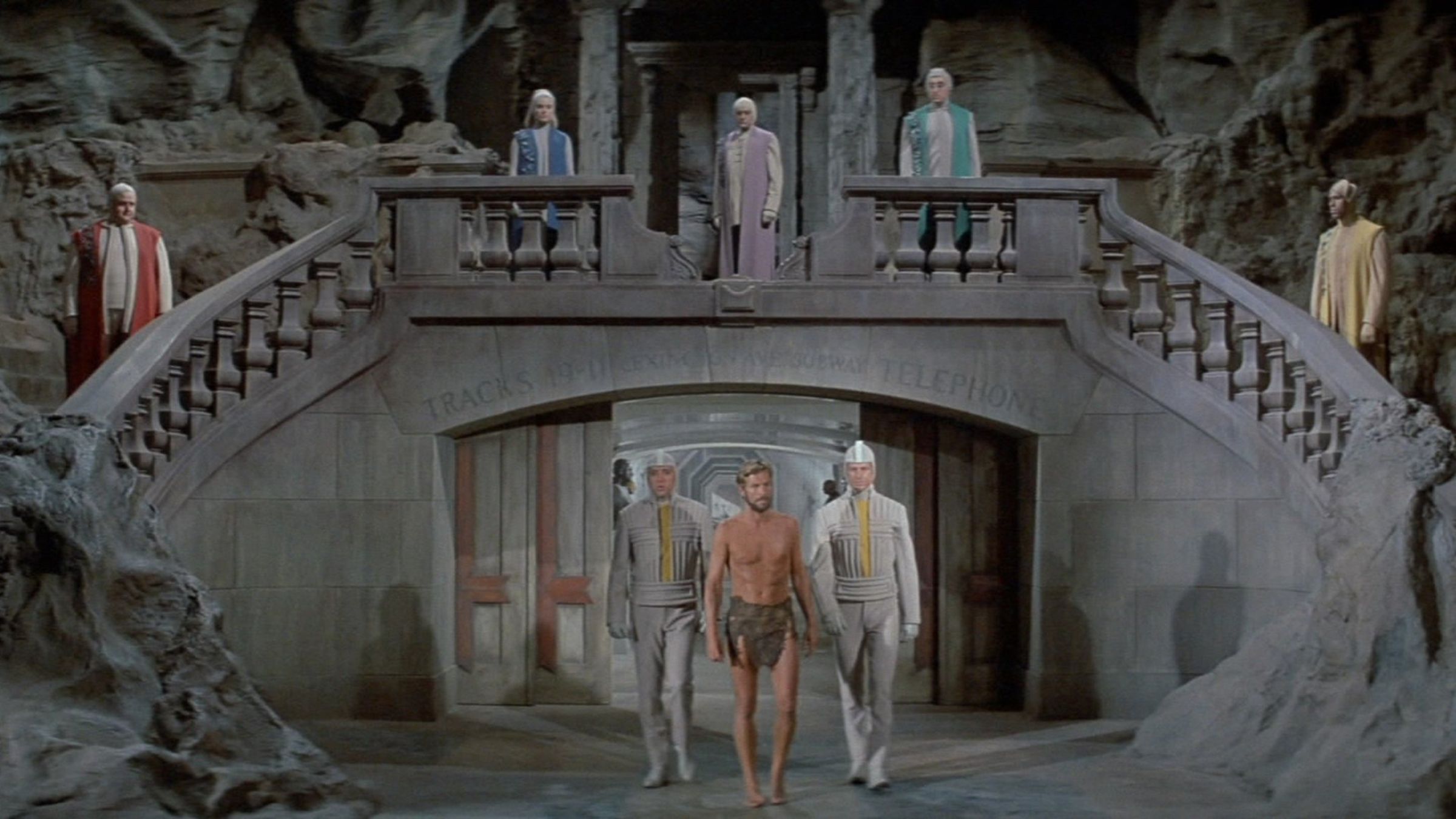
Following the huge success of the first Planet of the Apes film, 20th Century Fox quickly began work on a sequel, Beneath the Planet of the Apes. However, the film suffered from budget cuts and creative limitations. The story is similar to the original, with a new astronaut, John Brent (James Franciscus), sent on a mission to find George Taylor (Charlton Heston). The plot eventually takes a strange turn, leading to an underground world inhabited by telepathic mutants who revere a functioning doomsday device.
The shift in Beneath the Planet of the Apes from exploring racial themes to delivering a blunt anti-nuclear message feels forced and doesn’t connect with viewers as well as it could. Because Charlton Heston wanted to move on from the series, the writers had him destroy the planet with a powerful device in the ending, leading to a bleak conclusion. This drastic choice then created major challenges for future films, forcing them to come up with increasingly complex storylines.
8) Planet of the Apes (2001)
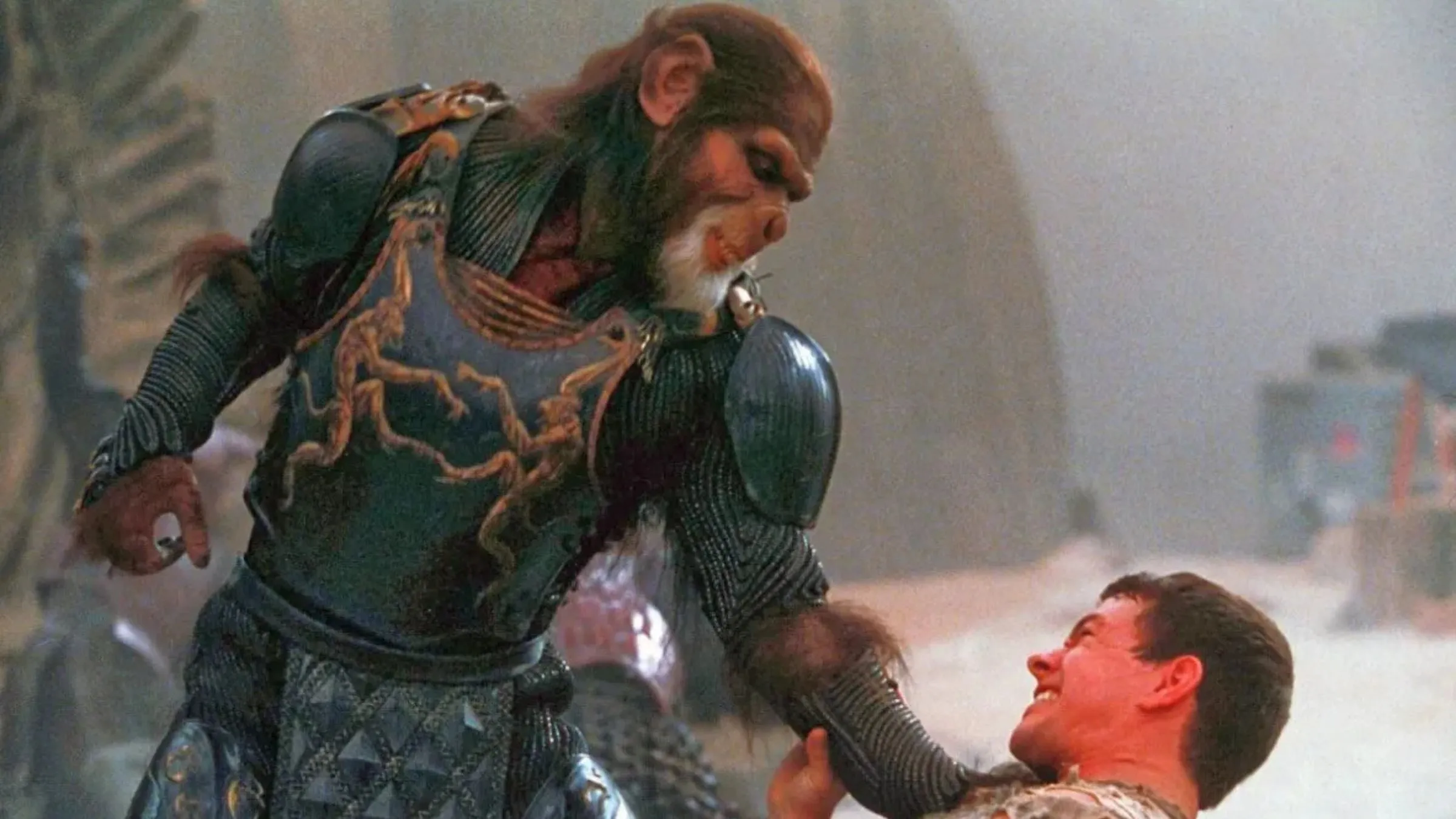
Tim Burton’s 2001 version of Planet of the Apes demonstrates that even impressive special effects can’t save a weak story. The film had a large $100 million budget and featured incredible makeup work by Rick Baker, allowing actors like Tim Roth to create powerful performances. However, these visual successes are wasted on a script that lacks the insightful social criticism that made the original novel and film so impactful.
The movie Planet of the Apes centers on astronaut Leo Davidson (Mark Wahlberg) crash-landing on the planet Ashlar, where he joins a human uprising against intelligent apes who have captured them. This remake focuses more on action and spectacle than on the thought-provoking themes of the original, turning a beloved sci-fi story into a typical summer blockbuster. The film falls apart completely at the end with a confusing time-travel twist that doesn’t make sense and feels like a forced attempt to copy the shocking ending of the 1968 film. This alienated viewers and effectively ended any chance of future sequels.
7) Escape from the Planet of the Apes
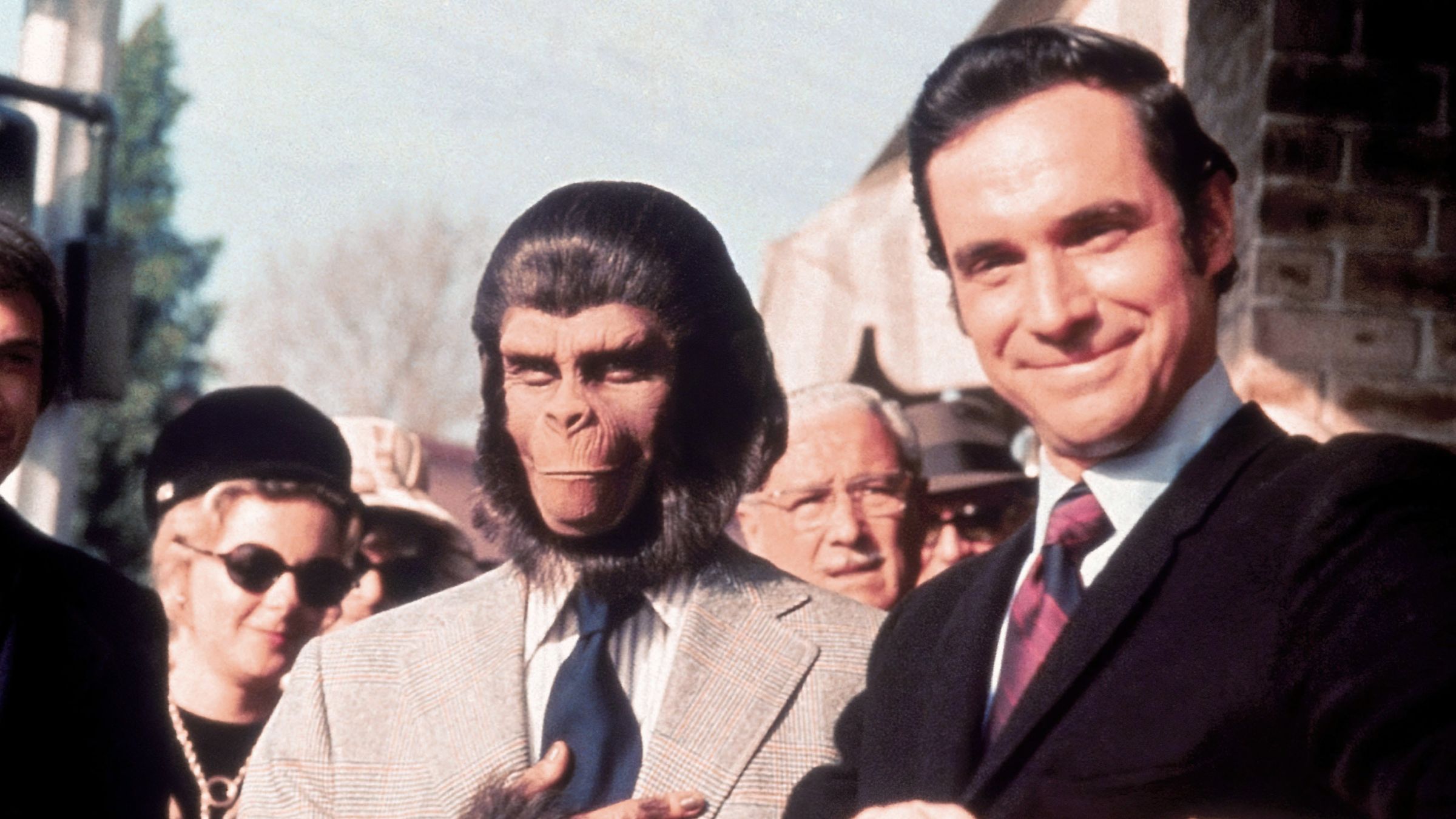
Escape from the Planet of the Apes sends chimpanzee scientists Zira and Cornelius to 1973 Los Angeles. The story’s time travel element wasn’t originally planned, but became necessary because the movie’s budget was cut by $2 million. This forced director Don Taylor to film on location instead of building expensive sci-fi sets. Despite the lower budget, the change allowed the film to cleverly satirize society by showing the talking apes reacting to the strange world of celebrity culture at the time.
Though it starts as a comedy, Escape from the Planet of the Apes quickly turns into a tense political thriller when the U.S. government sees the pregnant chimpanzees as a danger to humanity’s future. The film then focuses on isolating the main characters, leading to a shocking and violent scene at an old shipyard. By prioritizing character interactions and the growing fear within government institutions over large-scale action, the 1971 film created a strong, dark atmosphere that helped the Planet of the Apes series continue despite having a limited budget.
6) Conquest of the Planet of the Apes

Director J. Lee Thompson used the intense emotions of the 1965 Watts riots as inspiration for Conquest of the Planet of the Apes, making it the most politically charged film in the original Planet of the Apes series. The story is set in a controlling future, 1991, where a disease has eliminated pets, and humans now use primates as forced labor.
Despite a limited $1.7 million budget, the film cleverly uses the stark, modern architecture of the University of California, Irvine, to create the look of a menacing city controlled by a fascist government. The story carefully shows how Caesar becomes increasingly radicalized after seeing the suffering of others, like Armando (Ricardo Montalbán), and begins to plan a violent revolt against the oppressive rulers. Instead of typical action movie choreography, the fight scenes are filmed with shaky, documentary-style cameras to feel gritty and realistic. This 1972 film boldly explores difficult themes of race and the ethics of revolution, resulting in a bleak and thought-provoking experience that heavily influenced the recent reboot series.
5) Kingdom of the Planet of the Apes

The new film, Kingdom of the Planet of the Apes, takes place centuries after apes became the dominant species. While visually impressive, it feels like a familiar story in the series. Director Wes Ball used a $160 million budget to create a stunning world where nature has taken over human cities, and the special effects are incredibly realistic thanks to the Wētā FX team. The story centers on a young chimpanzee named Noa (Owen Teague) who crosses paths with Proximus Caesar (Kevin Durand), a power-hungry leader who has twisted the peaceful beliefs of the original ape leader to build an empire by the sea.
Kingdom of the Planet of the Apes does a great job of building a complex world with different ape tribes and showing how leaders can use stories to control people. The movie’s middle section slows down a bit, and the human characters aren’t as well-developed as the apes. However, it successfully brings back the epic feel of the earlier Planet of the Apes films and sets up a promising new series of stories. It’s disappointing that 20th Century Studios decided to end the planned trilogy, even though the movie did reasonably well in theaters.
4) Rise of the Planet of the Apes

Rise of the Planet of the Apes brilliantly revived the Planet of the Apes series by focusing on compelling characters instead of just special effects. Director Rupert Wyatt reimagined the franchise’s beginnings with a story rooted in current genetic studies, centering on a scientist, Will Rodman (played by James Franco), who unintentionally boosts the intelligence of apes while trying to find a cure for Alzheimer’s.
The 2011 film is a huge success largely due to Andy Serkis’s incredible performance as Caesar. He brilliantly portrays Caesar’s transformation from a cherished pet to a resentful leader using only his physical acting and subtle facial expressions. The film’s ending, with the apes escaping across the Golden Gate Bridge instead of attacking humans, perfectly embodies the themes of the entire Caesar trilogy. Ultimately, the movie connects the science fiction disaster to a personal story about failed fatherhood and mistreatment, bringing thoughtful ideas to a large-scale blockbuster.
3) Planet of the Apes (1968)
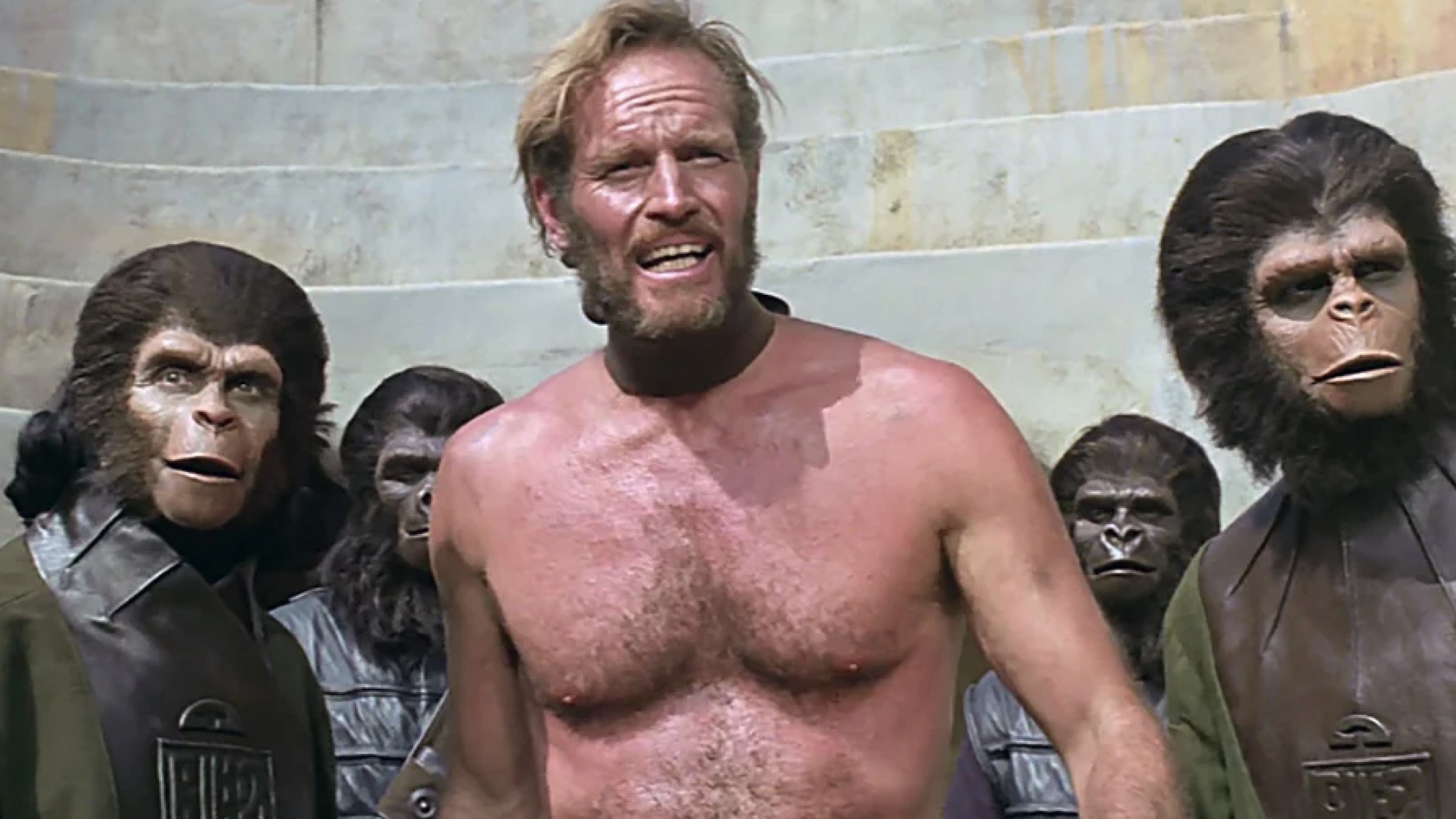
Franklin J. Schaffner’s 1968 film, Planet of the Apes, is still considered a hugely influential movie that changed science fiction filmmaking. Despite a relatively low budget of $5.8 million, the film’s incredibly realistic ape makeup – designed by Academy Award winner John Chambers – made its world of ape society feel completely believable.
The film Planet of the Apes centers on astronaut George Taylor, who faces harsh physical and mental challenges while held captive by a strict, religious society led by Dr. Zaius. Through its unique premise of reversed evolution, the movie sharply criticizes issues in 1960s America, including racism, distrust of intelligence, and the dangers of unwavering religious belief. The film expertly builds a sense of dread, leading to one of cinema’s most famous and shocking twists: the terrifying discovery of humanity’s own destruction. Despite decades of improved special effects and remakes, the closing scene’s powerful message continues to resonate with audiences.
2) War for the Planet of the Apes

Unlike typical summer action movies, War for the Planet of the Apes feels more like a gritty western set in the snow, and it powerfully concludes the story of Caesar. Director Matt Reeves spent $150 million to create a harsh and desolate world, centering the film on a relentless and draining conflict between the remaining ape groups and a ruthless military unit led by the intense Colonel (Woody Harrelson). The film makes a bold choice to move away from constant action, instead deeply exploring Caesar’s emotional and mental decline as his desire for revenge puts everything he’s created in danger.
The visual effects in War for the Planet of the Apes are incredibly realistic, perfectly integrating the computer-created apes into the live-action scenes with details like fur and breath visible in the cold air. The film also unfolds like a grand, sweeping epic, carefully dismantling the heroic image of its main character and ultimately offering a moving look at the burdens of leadership during a time of crisis.
1) Dawn of the Planet of the Apes

Dawn of the Planet of the Apes is a standout achievement in recent reboot films, functioning as a powerfully tragic story in the style of Shakespeare. The film explores a conflict that feels both unnecessary and unavoidable. Set ten years after a deadly virus greatly reduces the human population, the story focuses on the uneasy relationship between Caesar’s growing ape community and a struggling group of human survivors led by Malcolm (Jason Clarke).
As a movie fan, I was really struck by how director Reeves approached this first installment. He didn’t just jump into action; he took the time to make you understand both sides – the apes and the humans – their fears, their beliefs, everything. It wasn’t about good guys versus bad guys, but about different perspectives. The conflict between Caesar and Koba was especially powerful, showing that even apes can fall into the same traps of betrayal and hatred that we humans do. And with a huge budget of $170 million, the filmmakers really brought the ape world to life, creating a truly immersive experience that still looks fantastic today. Ultimately, the movie is a really moving look at how prejudice and miscommunication can destroy any chance of peace, and honestly, that message feels incredibly important even now.
Read More
- Best Controller Settings for ARC Raiders
- Review: Final Fantasy Tactics: The Ivalice Chronicles (PS5) – Still the Benchmark for Turn-Based Tactics
- Nippon Sangoku Is The Best New Post-Apocalyptic Anime of Spring 2026
- Mark Zuckerberg & Wife Priscilla Chan Make Surprise Debut at Met Gala
- 10 Greatest Manga Endings of All Time
- The Witcher 3 Officially Reveals Stunning New Ciri Figure Coming 2026
- The WONDERfools ending explained: What happened to the Child of Eternity?
- 7 Great Marvel Villains Who Are Currently Dead
- FRONT MISSION 3: Remake coming to PS5, Xbox Series, PS4, Xbox One, and PC on January 30, 2026
- Elon Musk’s Mom Maye Musk Shares Her Parenting Philosophy
2026-05-19 22:14