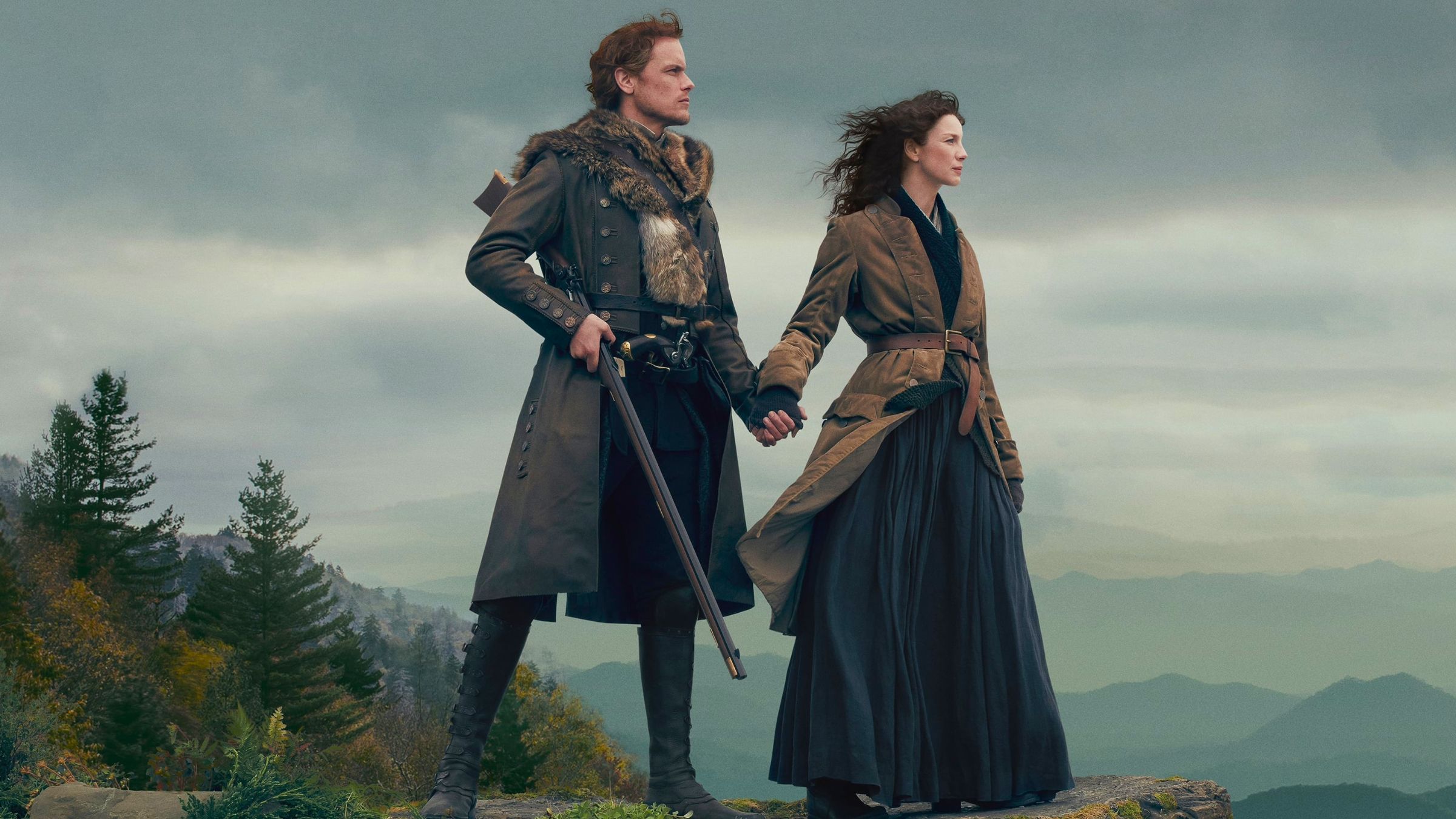
Over eight seasons and two hundred years of story, Outlander became a significant television series. While the show evolved, changing locations, moods, and even how stories were told, it largely maintained its core identity. It traveled from England to Scotland, then France, and finally America, adding new characters and storylines, all without losing sight of what made it special. This consistency helped keep viewers engaged, even as the plots became more complex and less streamlined compared to the earlier seasons. However, at times, this approach led to too many storylines and a lack of focus on the central themes.
Which season of Outlander tells the most compelling and focused story? We’ve ranked all the seasons from weakest to strongest. The ongoing tale of Jamie and Claire still resonates with viewers, and it’s interesting to examine why, considering how each season builds upon the last.
8) Season 8
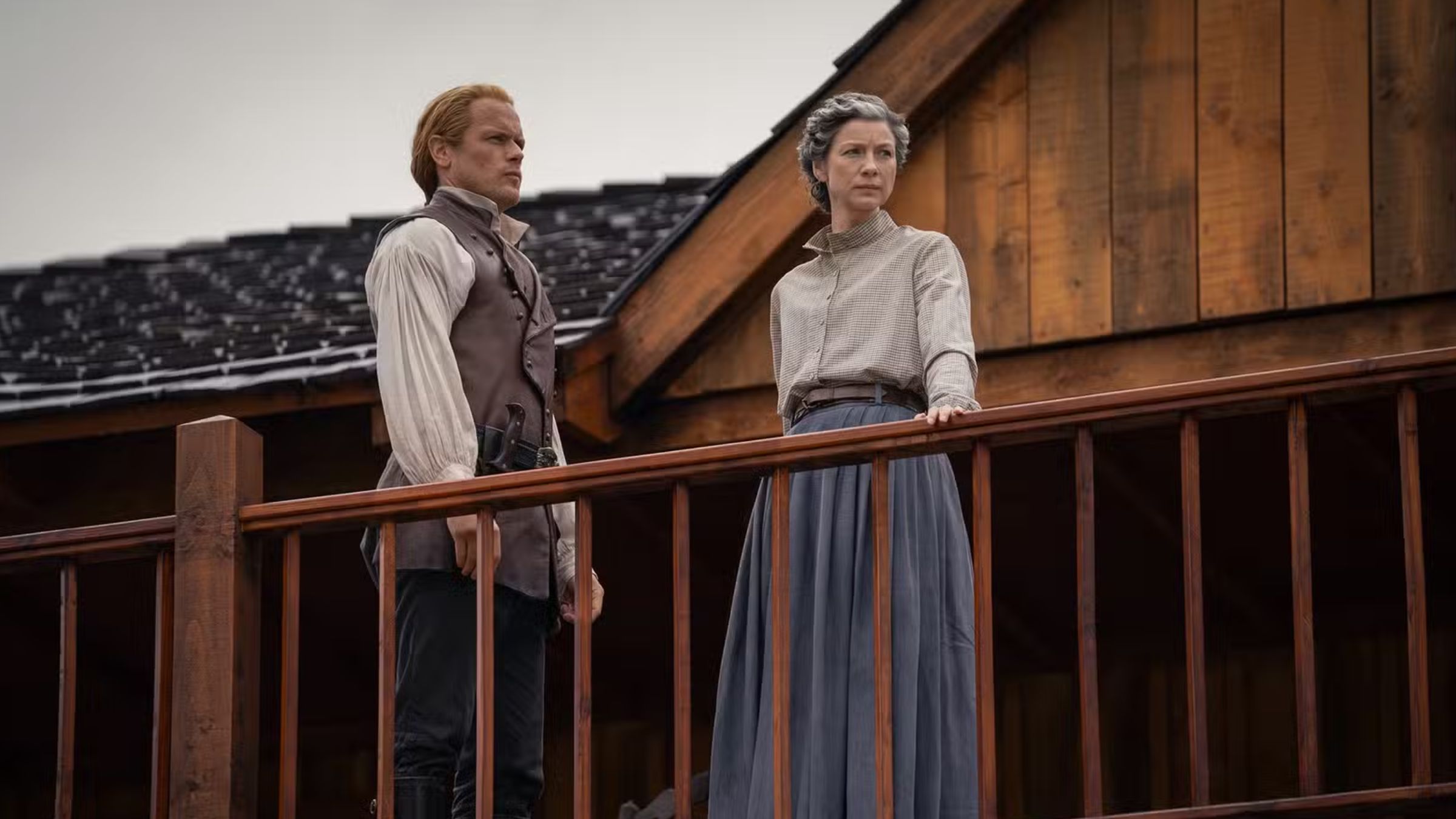
As a huge Outlander fan, I was really looking forward to the final season, but honestly, it didn’t quite live up to expectations – except for the very last episode. The biggest issue, for me, wasn’t the story itself, but how it was told. They tried to tie up way too many loose ends at once – everything from what was happening at Fraser’s Ridge to the Revolutionary War aftermath, plus all the character storylines and consequences from past seasons. I get that everything needs to be resolved, but it felt rushed. And when it wasn’t rushed, it just…slowed down, which really messed with the season’s flow.
This season feels like Outlander rushing to finish unfinished storylines and stretching the relationship between Jamie and Claire for dramatic effect in the finale. Unfortunately, the show has lost some of its original spark. Characters like Amaranthus and Fanny resolve their arcs too quickly, without believable development. While the season had potential, it doesn’t quite succeed in its delivery.
7) Season 7
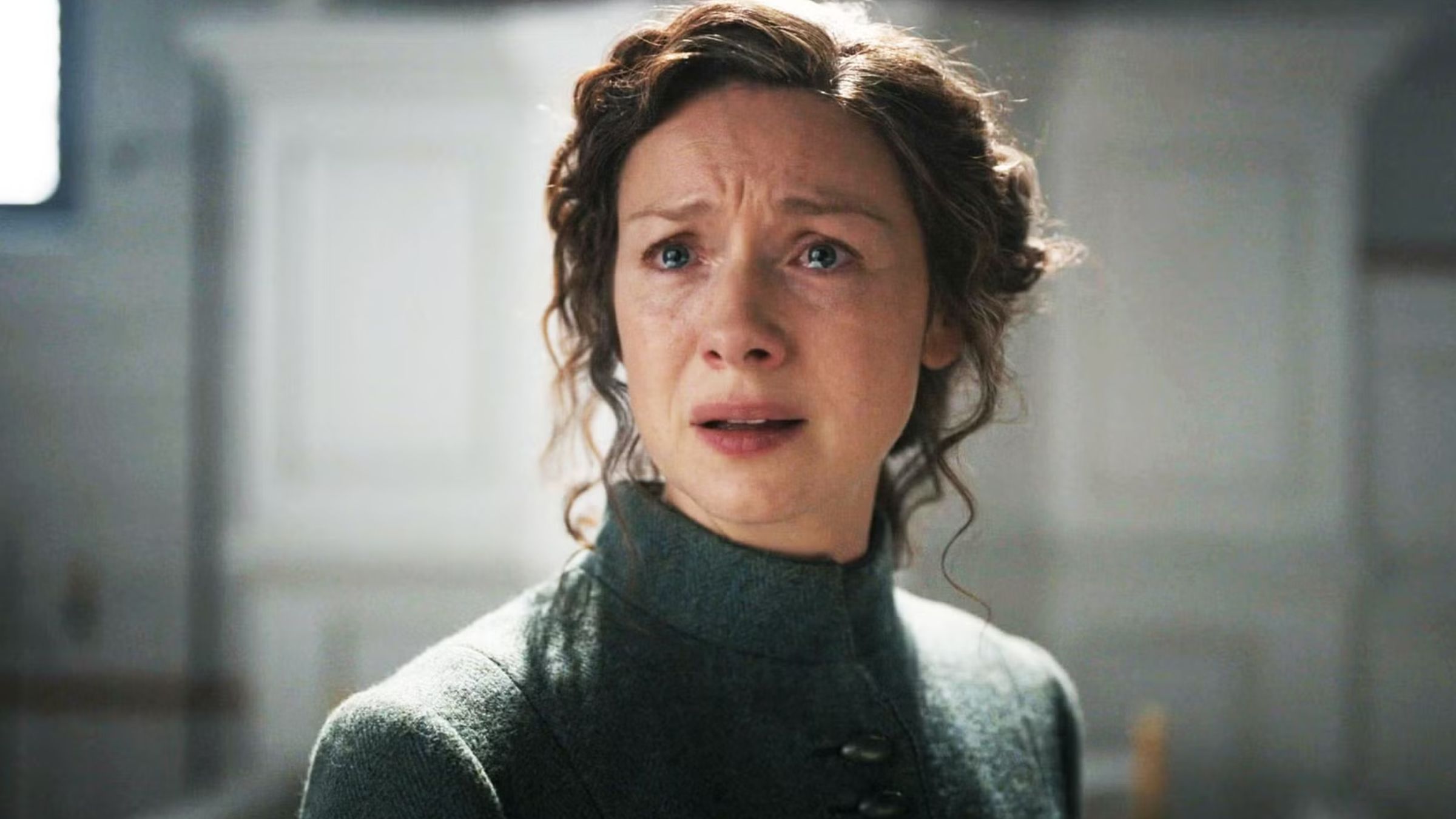
While Season 7 is a bit of an improvement over what came after, it marks a turning point where the show loses its consistent pace and clear direction. It starts to feel quite different from the Outlander you might remember. The season attempts to cover a large part of the American Revolution and manage storylines from multiple time periods, which unfortunately spreads the focus too thin. Nothing truly stands out as the main story; everything feels like it’s vying for attention.
The show isn’t lacking storylines, but it throws too many at the audience without clearly establishing which ones are the most important. This means significant conflicts, like the one involving Brianna, Roger, Jemmy, and Rob Cameron, or Claire’s murder accusation, don’t feel as impactful as they could. Basically, Season 7 has some strong episodes, but it struggles to maintain that quality consistently, often feeling disjointed.
6) Season 6
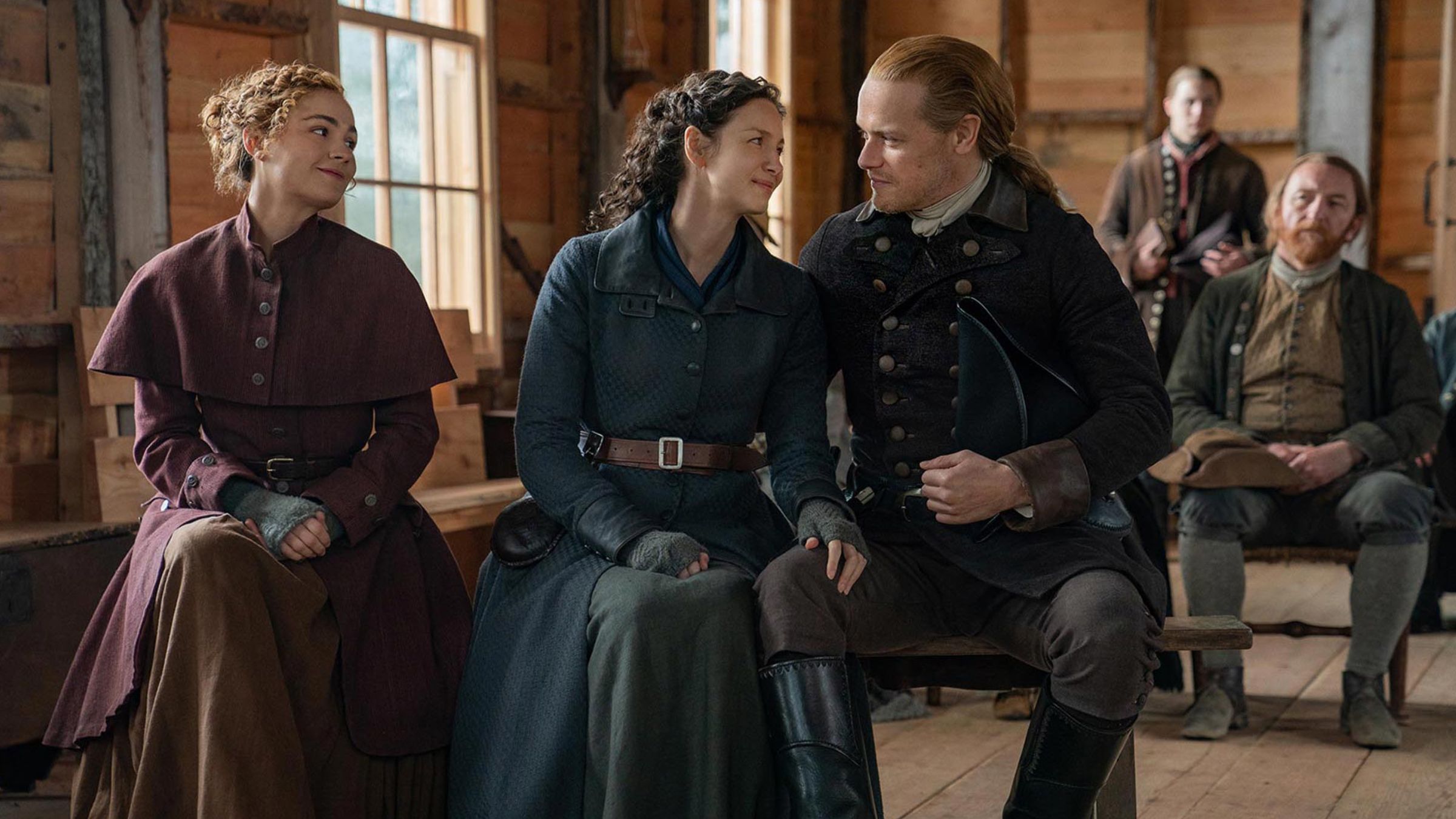
Season 6 mainly focuses on establishing the new setting introduced in the previous season, and deliberately slows down the overall story to do so. While this approach works, it means there isn’t much significant plot development. The season largely takes place at Fraser’s Ridge, concentrating on local issues and relationships rather than the larger Revolutionary War. It feels like a pause, preparing the way for future events, and creates a more intimate and self-contained feel.
These episodes create a noticeably darker mood, and some of the conflicts are compelling – like Claire’s withdrawal after the events with Malva Christie and the strain on her marriage to Jamie caused by Tom Christie. While the season is strong in exploring character relationships and setting up future storylines, it doesn’t quite reach the level of the best seasons. It’s memorable for its atmosphere, but that atmosphere also makes it feel a bit different from what fans typically love about Outlander – less focused on the central plot and more on mood.
5) Season 4
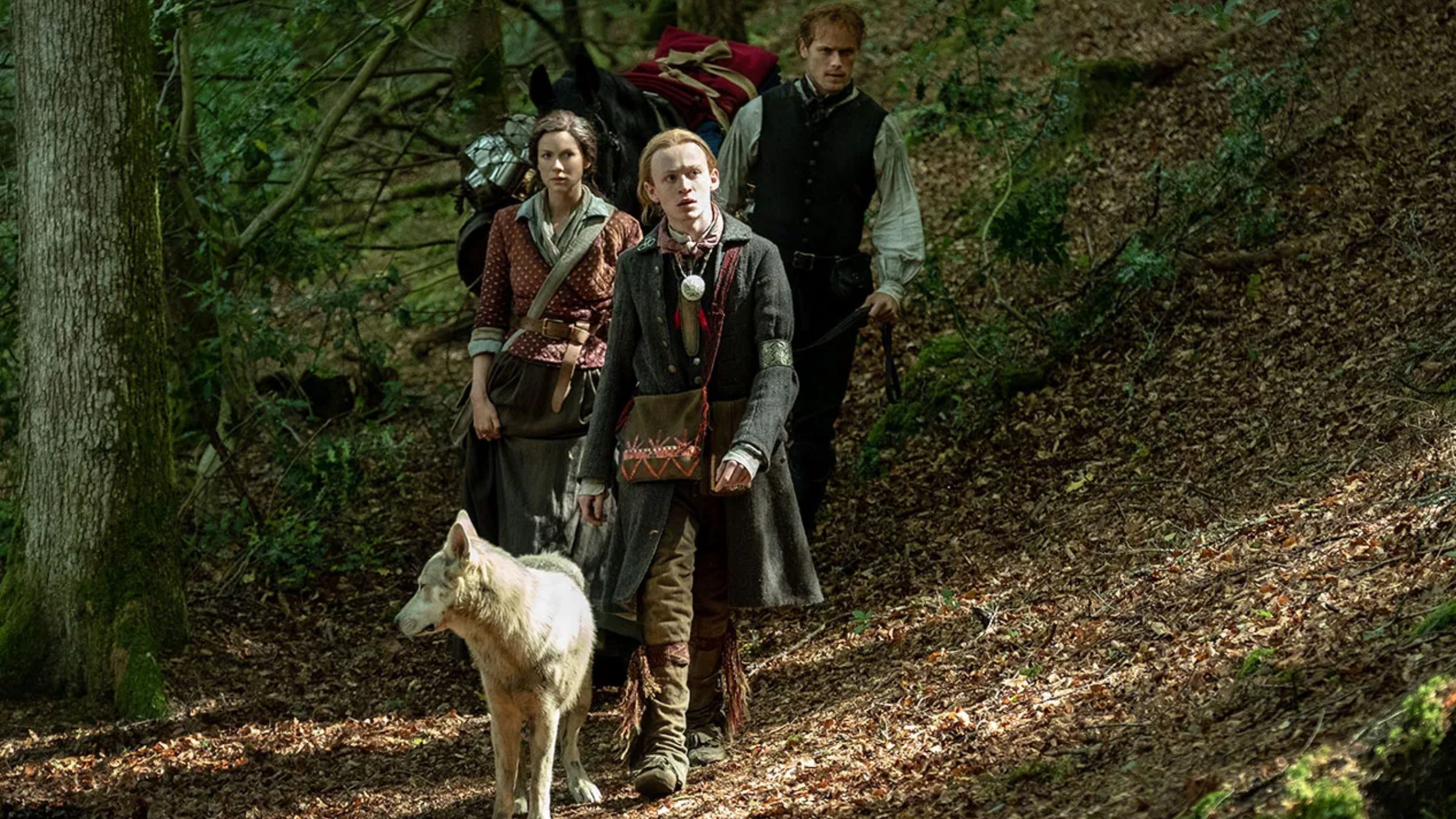
By Season 4 of Outlander, the show remains generally strong – the plot moves at a good pace and hasn’t lost its way. However, some cracks are starting to show. The season focuses on establishing Fraser’s Ridge as a new central location, but the show seems to be still finding its footing in telling stories within this new setting.
Okay, let’s talk about this season. Claire and Jamie’s story after the shipwreck? Really compelling stuff, and I have to say, Stephen Bonnet is a fantastic villain – a genuinely effective addition. However, the storyline with Brianna and Roger felt a little disconnected, like it wasn’t quite weaving into the main plot as seamlessly as it could have been. It’s not a dealbreaker, and that’s why it lands where it does in my rankings. The season has a solid foundation, great ideas, but honestly, with a little more attention paid to developing all the storylines consistently, it could have been truly exceptional.
4) Season 5
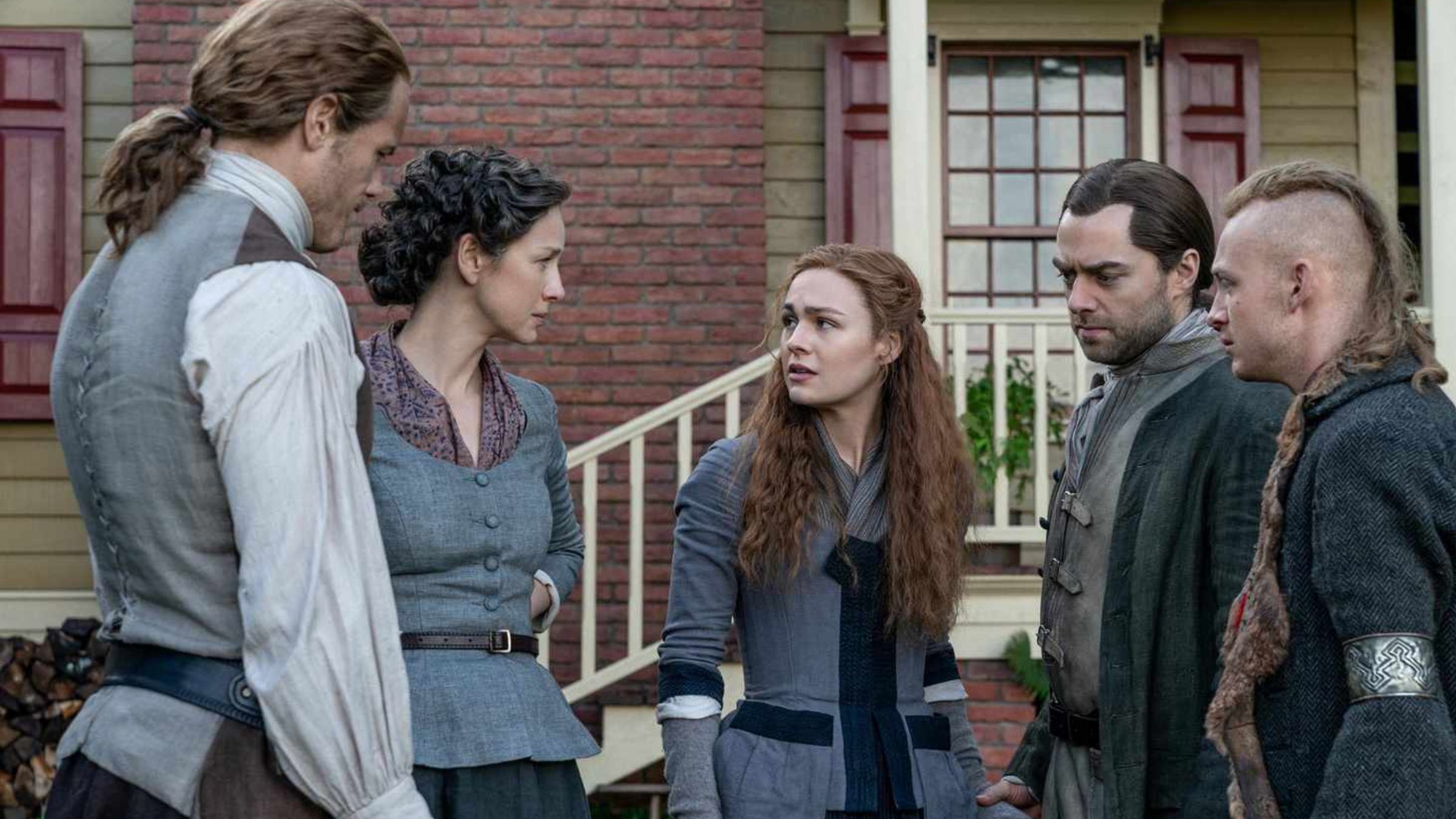
Throughout the series, the location changes, and this season focuses on the challenges Jamie and Claire face as they navigate the political landscape of America and the difficult choices needed to survive. This season feels more impactful than previous ones, as Jamie and Claire become more involved in events that directly affect those around them. The conflict between the British Crown and the growing rebellion puts Jamie in a difficult position, and the return – and tragic death – of Murtagh is a particularly moving part of the story.
The main problem is that the season relies too heavily on sudden, shocking events to create emotional impact. While these moments can be effective, the show often uses them as a shortcut instead of developing conflicts naturally. For example, Claire’s kidnapping and Roger’s near-hanging feel like attempts to shock the audience rather than logical progressions of the story. Although Season 5 is stronger thematically than later seasons, its quality varies quite a bit throughout.
3) Season 3
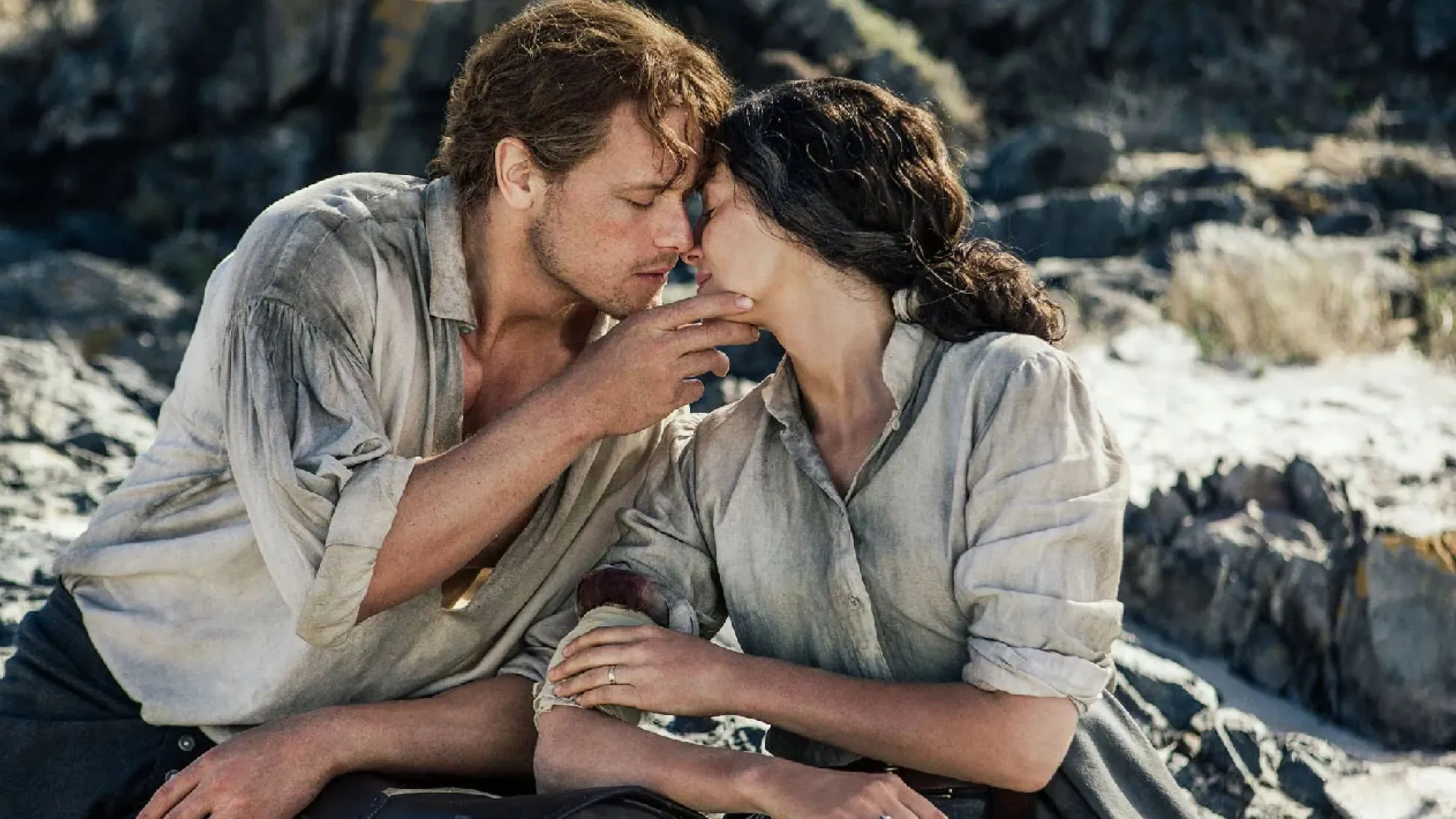
The first three seasons of Outlander are often considered the show’s best, and Season 3 marks a turning point. It addresses a core challenge: how to keep viewers engaged when the main characters are separated by a significant amount of time. The solution isn’t simply a jump forward in time, but a complete shift in how the story is told. This allows for genuine character development and prevents the plot from falling into predictable patterns.
This season features dramatic events like a pirate voyage, the wedding of Fergus and Marsali, Claire’s pregnancy while separated from Jamie and adjusting to life in the 20th century, and Jamie’s incredible survival after the Battle of Culloden, culminating in their long-awaited reunion. The introduction of William into Jamie’s life adds further emotional depth to the story. While the season takes its time at points, it’s ambitious and ultimately successful in strengthening the core relationships and maintaining a focused narrative.
2) Season 2
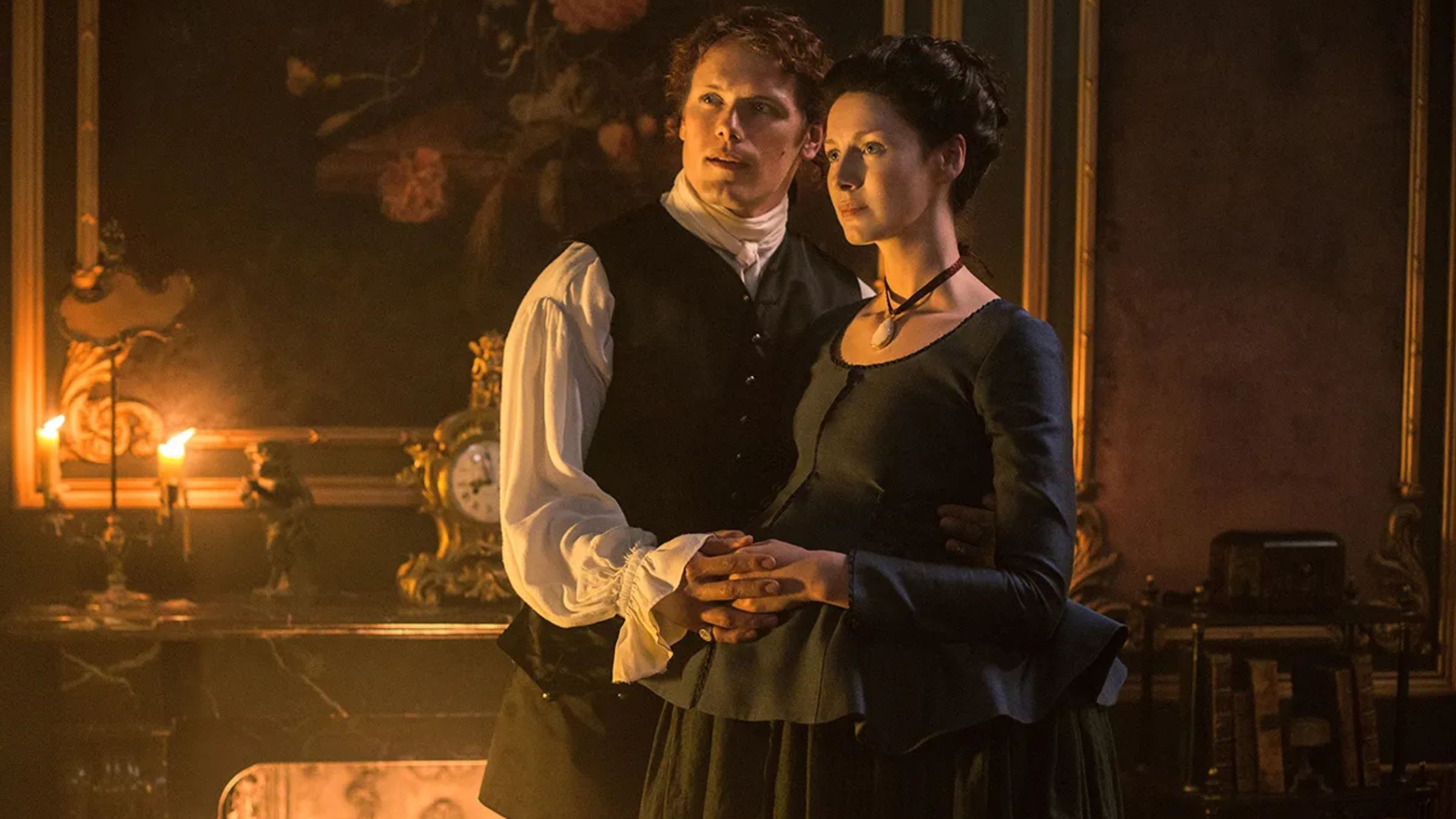
Season 2 of Outlander takes the story in a new direction while still feeling true to itself. The shift to France—a completely new setting and visual style—changes how Jamie and Claire interact with the world. They’re no longer just reacting to events; they’re actively involved in a larger political struggle, trying to change history. What makes this season stand out is that every choice the characters make has immediate and noticeable consequences, making it a particularly gripping part of the series.
Season two introduces the intriguing Master Raymond and delves into more intense emotional storylines, notably the dramatic duel between Jamie and Jack Randall, and Claire’s heartbreaking first pregnancy. While these moments pack a powerful punch, the show sometimes rushes the development leading up to them, making the impact feel less natural within the overall story. Despite this, the season feels focused and purposeful, a quality that isn’t always maintained in later seasons.
1) Season 1
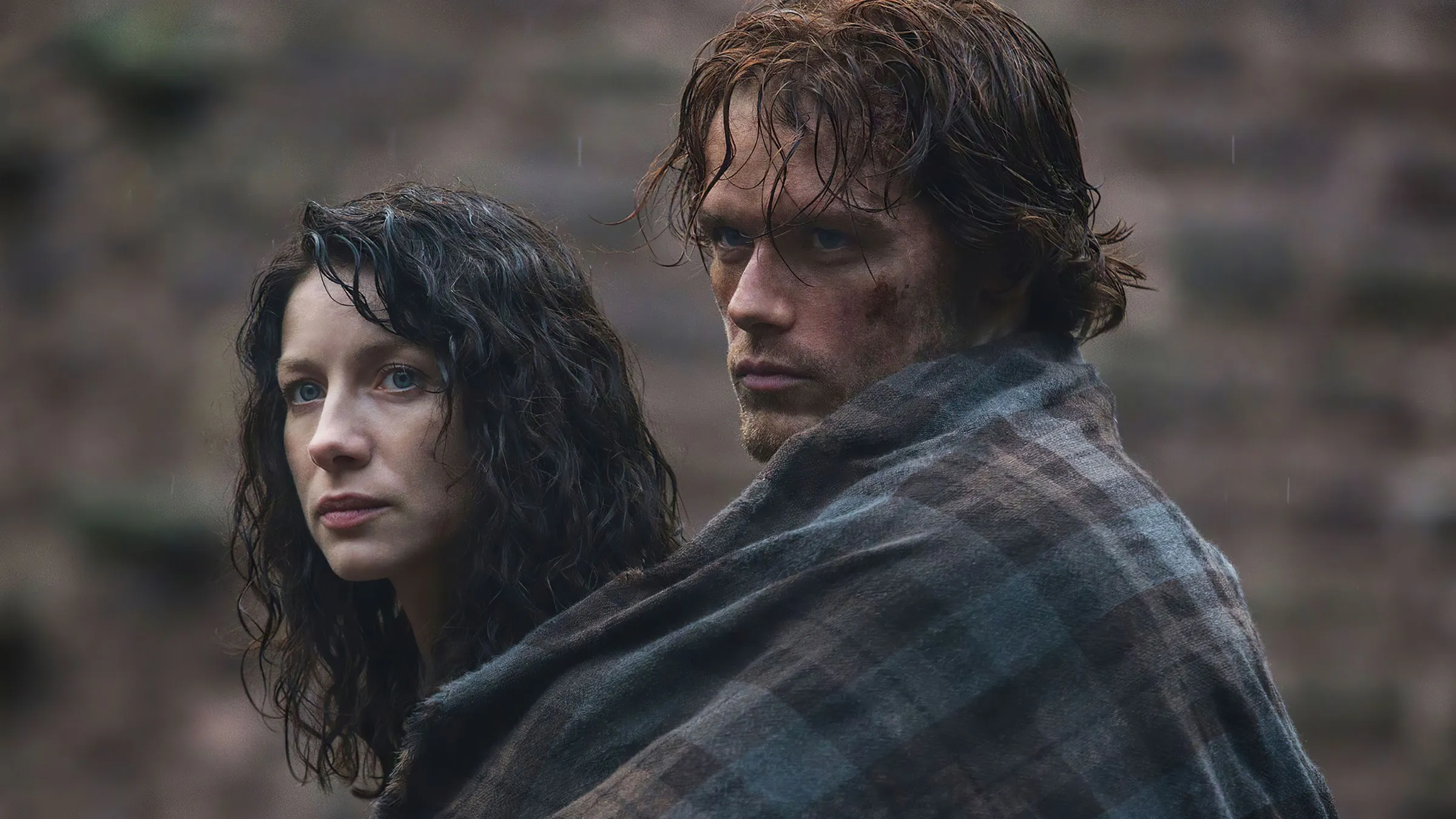
Season 1 is incredibly special – it’s hard for any other season to compare. It’s where the show truly begins, captivating audiences and becoming the season many revisit even after the series ends. All the charm of Outlander is strongest here, and it avoids the complexities that come with later storylines. The premise is straightforward but powerfully engaging: Claire finds herself in the past, struggles to adapt, and develops an irresistible connection with Jamie.
Season 1 stands out because of its sharp focus and immersive atmosphere – Scotland almost feels like another character. The season excels at developing characters and building the core romance, offering memorable moments, action, and consistent emotional depth. It’s the most streamlined and confident part of the show, where Outlander truly finds its rhythm and voice.
Read More
- Best Controller Settings for ARC Raiders
- Review: Final Fantasy Tactics: The Ivalice Chronicles (PS5) – Still the Benchmark for Turn-Based Tactics
- Nippon Sangoku Is The Best New Post-Apocalyptic Anime of Spring 2026
- Mark Zuckerberg & Wife Priscilla Chan Make Surprise Debut at Met Gala
- 10 Greatest Manga Endings of All Time
- The Witcher 3 Officially Reveals Stunning New Ciri Figure Coming 2026
- The WONDERfools ending explained: What happened to the Child of Eternity?
- 7 Great Marvel Villains Who Are Currently Dead
- FRONT MISSION 3: Remake coming to PS5, Xbox Series, PS4, Xbox One, and PC on January 30, 2026
- Elon Musk’s Mom Maye Musk Shares Her Parenting Philosophy
2026-05-20 00:42