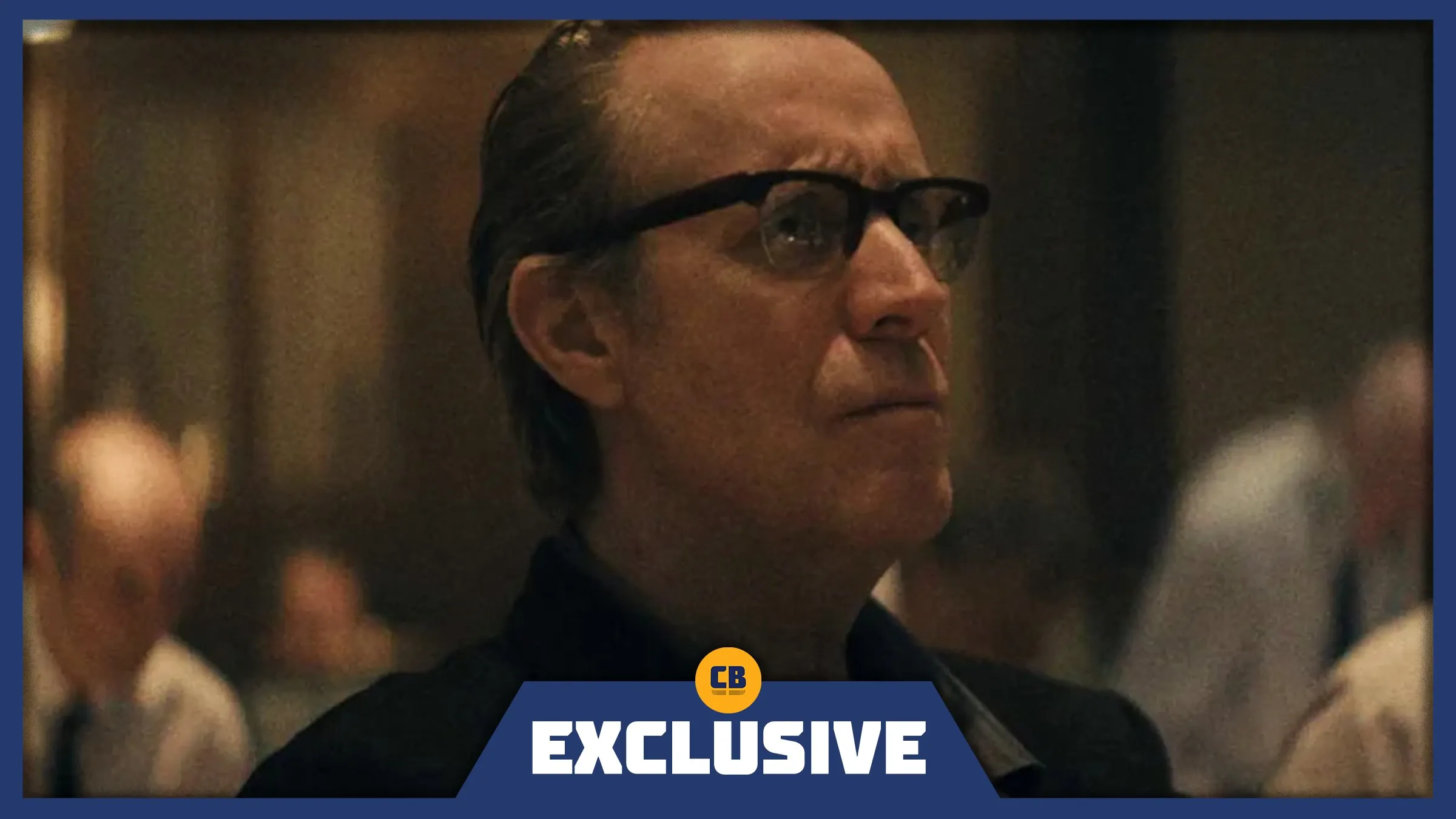
Expanding the world of For All Mankind, the new series Star City presents an alternate history where the Soviet Union won the space race. Created by Ben Nedivi, Matt Wolpert, and Ronald Moore, this tense political thriller moves the story behind the Iron Curtain, exploring the fear and risks within the Soviet space program. Cosmonauts, engineers, and intelligence officers are all under intense scrutiny, and must be careful what they say and do – mistakes can be deadly. The series centers around the Chief Designer (played by Rhys Ifans), a brilliant but secretive figure who leads the program and has his own hidden goals.
In a recent interview with ComicBook, Nedivi, Wolpert, and Ifans discussed their approach to portraying the Soviet side of the story, the hidden actions of the Chief Designer, building suspense, and how everything will lead to a dramatic season finale.
Look, after doing ‘For All Mankind,’ we knew we couldn’t just repeat ourselves. With ‘Star City,’ we really wanted to explore a different angle. The big question was: what does Russia feel like after winning the Space Race? How does that victory shape their national identity and worldview? We wanted to delve into the Russian psyche and show a side of the story we hadn’t seen before, a Russia brimming with confidence and a very different set of priorities.
Matt Wolpert explained that a key goal was to make the show stand out, and that goal stemmed from their research into the Soviet Space Program. This program was remarkably secretive – the facility where everything was built, known as Star City, wasn’t even on maps. The launch site in Kazakhstan was deliberately chosen for its remote location. This isolation was intentional; if something went wrong – and accidents, including explosions that caused many deaths, did happen – it could be kept secret for years. The program’s secrecy meant these incidents remained unknown for decades.
The core concept of this hidden program heavily influenced the kinds of stories we wanted to create. Those involved couldn’t reveal their jobs or even be seen openly in Moscow, and they were constantly worried about who might be eavesdropping. There was constant surveillance from people in Star City. It felt like a compelling setting to explore personal, human dramas within a strict, controlling system.
Rhys, it’s interesting to play a character with such complexity. He’s dedicated to the Soviet Union, but also seems to be pursuing his own hidden agenda.
Rys Ifans found the role appealing because characters facing difficulties are always a good challenge for an actor. As he put it, the character is a brilliant, curious visionary forced to work within a system motivated only by self-interest. The space race between the U.S. and the Soviet Union wasn’t driven by a genuine desire for scientific discovery or higher goals; it was simply about being first. But the Chief Designer, the character Ifans plays, is motivated by something deeper. He’s driven by the same sense of wonder he felt as a child, looking at the moon and wanting to know what was beyond.
Like Matt and Ben, did you do any research or preparation for this role? Did you study the historical context or speak with anyone who had connections to Russia during that period?
I did a lot of research on Sergei Korolev, the inspiration for the character of the Chief Designer, and the era he lived in. It wasn’t just about the space program; I wanted to understand what life was like in the Soviet Union. The U.S.S.R. was a challenging place to live, and Star City, where the cosmonauts trained, was even more intensely monitored. It was a secret city, essentially a closed-off industrial town, with constant surveillance. Everyone there was under immense scrutiny. But even in such an oppressive environment, people are resourceful and playful. Humans naturally like to push boundaries and break rules, and they did so even in Star City. I recall reading that alcohol was prohibited in Star City, but ironically, a key ingredient in rocket fuel was alcohol, and a lot of it ended up being consumed anyway.
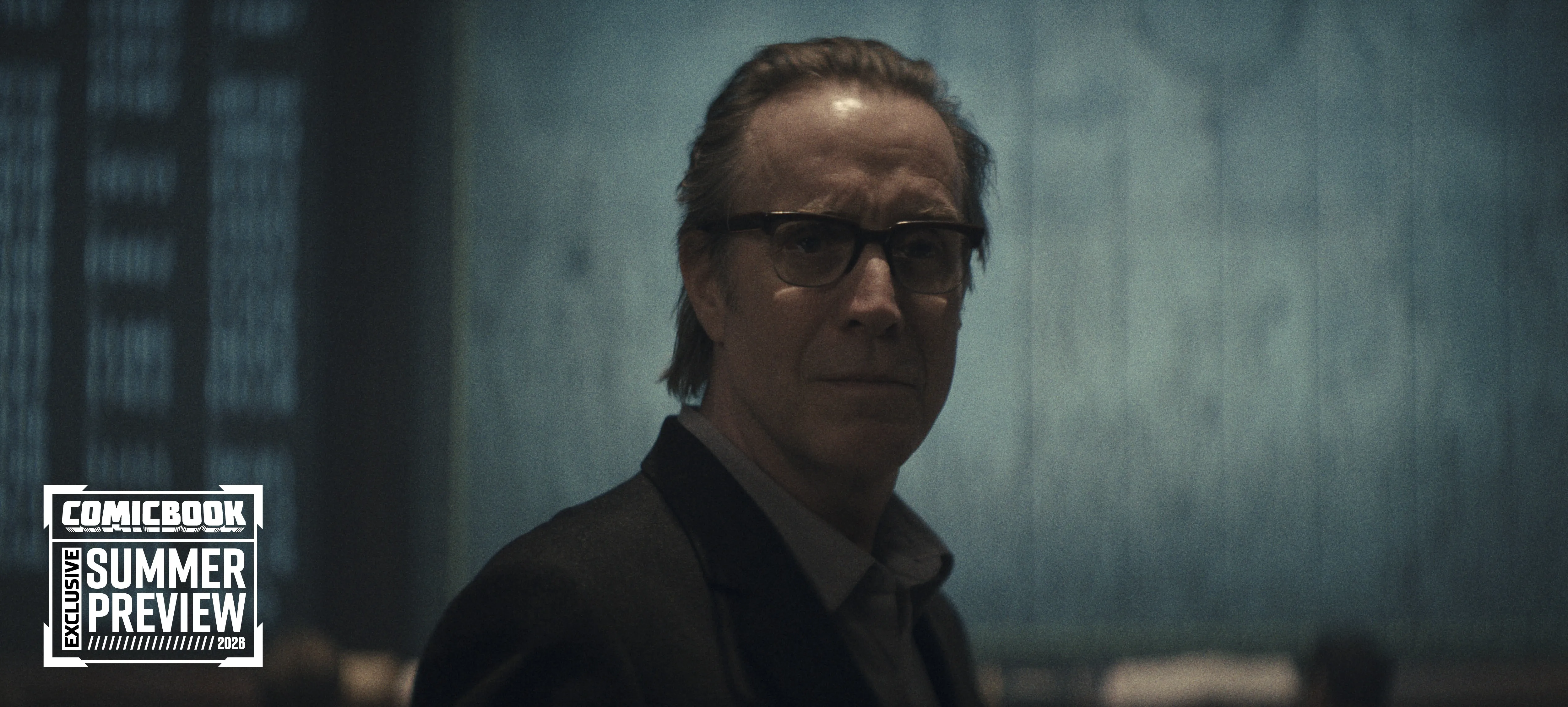
The show is full of dramatic twists, secrets, and conspiracies, with a strong undercurrent of espionage. It’s building to a really intense climax – almost like everything is about to erupt. Can you tell us what viewers can expect as the season comes to a close?
The situation is incredibly tense, almost like a powder keg waiting to explode. From the very beginning, we see the huge risks the lead designer takes with his secret mission, and the stakes are incredibly high. As the mission gets closer to happening, it becomes clear it’s heading towards disaster. It’s a perfect example of everything happening within the Soviet space program – the drive for incredible achievements alongside the immense dangers, both in space and on Earth. We really explore how the danger didn’t stop when the cosmonauts launched; in fact, the risks on the ground were arguably even greater. We’ll be delving into the consequences of these missions, both during flight and upon return, especially towards the end of the season.
I think truly innovative people often frustrate others. I hope audiences will be intrigued, even question what these visionaries are trying to achieve. It’s those who take big risks and do the seemingly impossible who drive progress. Without them, we’d be stuck in the past.
Read More
- Gold Rate Forecast
- 10 Most Powerful Versions of Superman, Ranked
- GBP CNY PREDICTION
- 10 Best Free Games on Steam in 2026, Ranked
- 007 First Light: Release Date, Story, Gameplay, Cast, Editions, and Platforms
- Superman’s 7 Best Power-Ups, Ranked
- Forza Horizon 6 Car List So Far: Confirmed Highlights, Cover Cars, DLC, and Rewards
- 10 Greatest Manga Endings of All Time
- DOGE PREDICTION. DOGE cryptocurrency
- The Boys Officially Sets Up 4 Supes for Jensen Ackles’ Soldier Boy Spinoff
2026-05-30 18:10