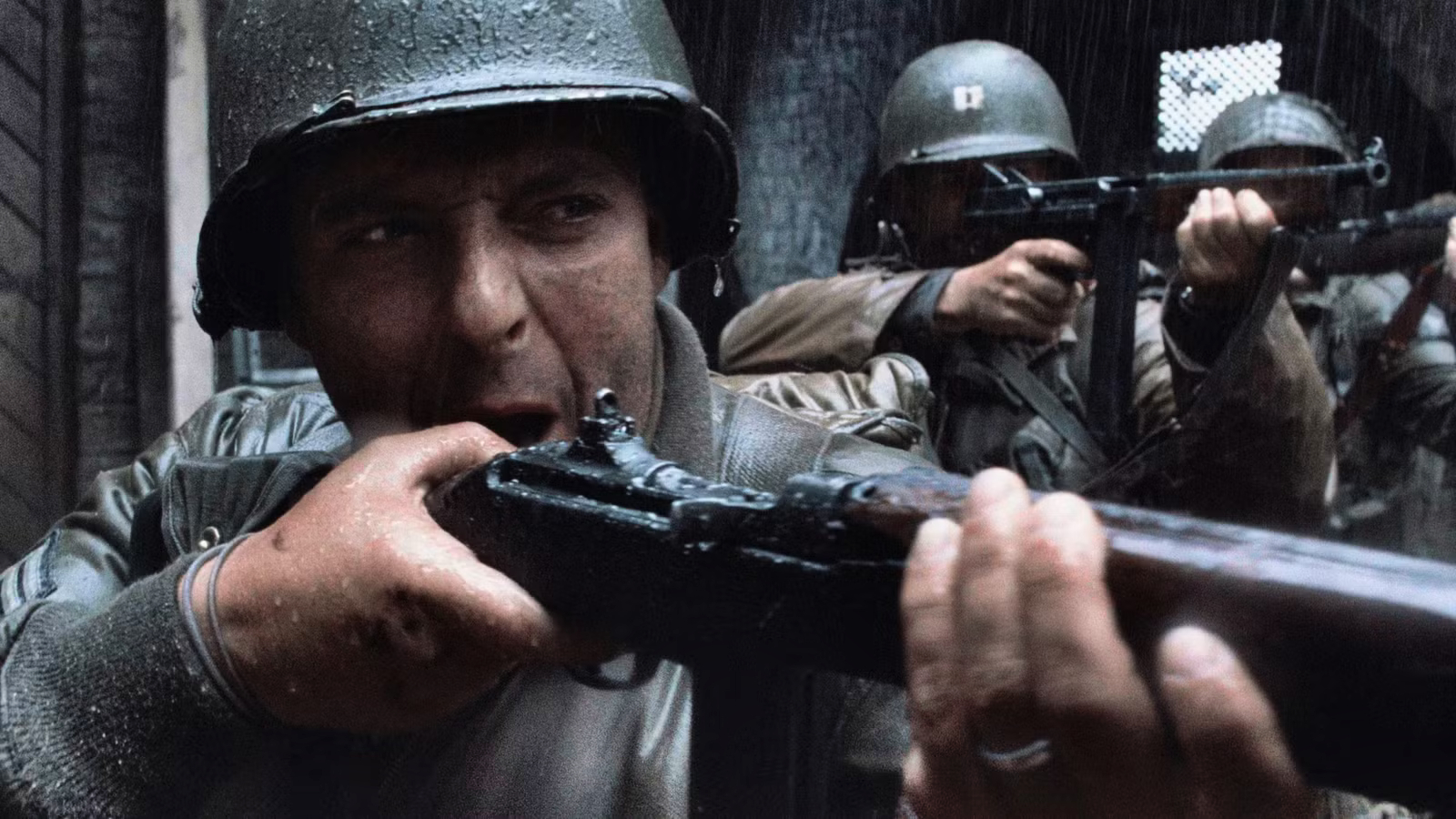
Memorial Day is a time for Americans to honor those who died while serving in the military. It’s also common to see more people watching war movies around this holiday – they can be a powerful way to process feelings about loss and tragedy. While many war films exist, a few stand out for their realistic and impactful portrayals of the horrors of war, and one film, in particular, has left a lasting impression on how we understand its true cost.
Steven Spielberg’s 1998 film, Saving Private Ryan, revolutionized war movies and filmmaking as a whole. It received widespread acclaim, winning numerous Golden Globes and Oscars in 1999 and grossing almost $500 million worldwide. However, its lasting impact on both cinema and culture is what truly stands out today, especially with growing global tensions that feel reminiscent of a potential third World War.
Saving Private Ryan Made War (Traumatically) Realer Than Any Movie Before It
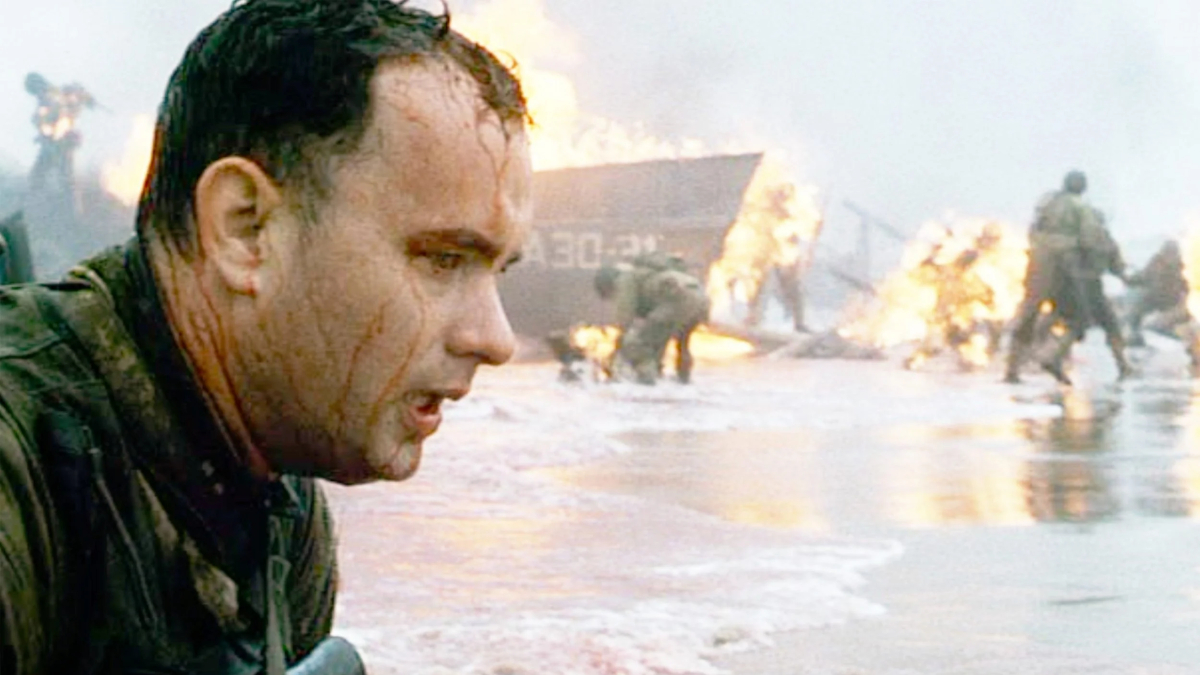
The opening of Saving Private Ryan remains a landmark achievement in war film history, praised for both its filmmaking techniques and its powerful impact on viewers. Set on D-Day, June 6, 1944, the sequence immediately immerses the audience in the chaotic Allied invasion of Normandy and the devastating consequences for the soldiers involved. Rough weather forced landing boats off course and into intense enemy fire. The film focuses on the harrowing experiences of soldiers at Omaha Beach, where countless lives were lost before the Allies could secure a foothold. We quickly connect with Captain John H. Miller (Tom Hanks) and his squad as they fight for survival, and the intense battle creates an immediate bond between the audience and the characters. The sequence depicted the brutal realities of World War II combat with a level of graphic detail and realism never before seen on screen, showcasing the horrific injuries and deaths soldiers faced.
The iconic Omaha Beach scene in the film was shot on Ballinesker Beach in Ireland with a massive team of around 1,500 people. This included 400 crew members, 1,000 soldiers from the US and Irish armies acting as extras, and professional actors. To realistically depict the casualties of war, several dozen amputees and paraplegics were used alongside over 1,000 incredibly detailed mannequins serving as corpses. The production went to great lengths to ensure authenticity, even working with the original US Army boot manufacturer from WWII and using the last available dye from that period for the costumes. Filming this single sequence took about a month and cost $12 million – equivalent to the budget of an entire independent film.
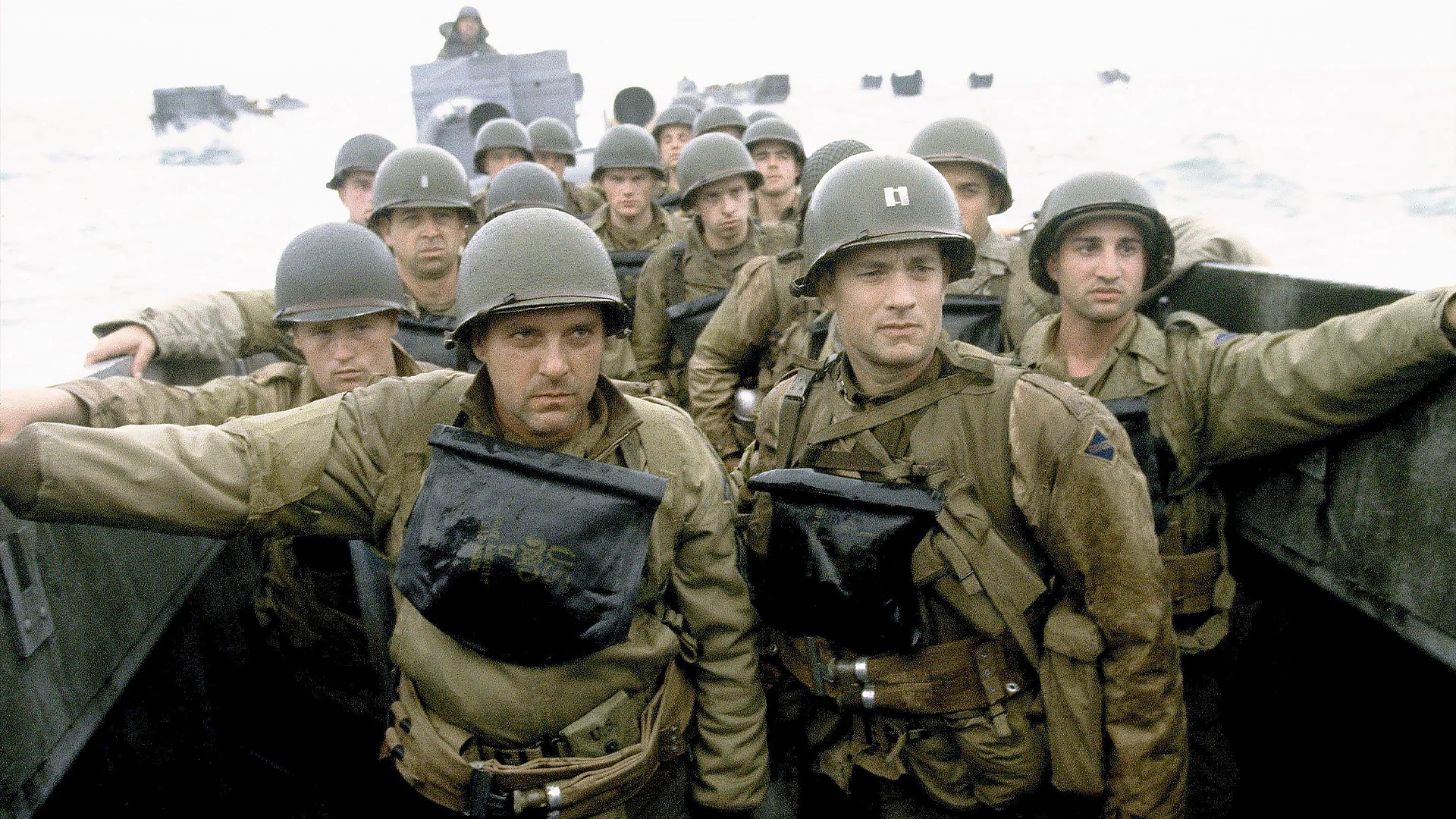
The film was a huge gamble and a massive project, but it paid off spectacularly. From the very beginning, audiences were completely captivated, and Spielberg revolutionized how war is depicted on screen. Saving Private Ryan pioneered a new, immersive style of filmmaking, placing the camera right alongside the soldiers and putting viewers in the heart of the battle. This approach has become the standard for war movie combat scenes, especially after Spielberg and Hanks further refined it in their 2001 HBO series Band of Brothers, which is widely considered the best war TV show ever made.
Saving Private Ryan Never Forgot the Drama Beneath the War
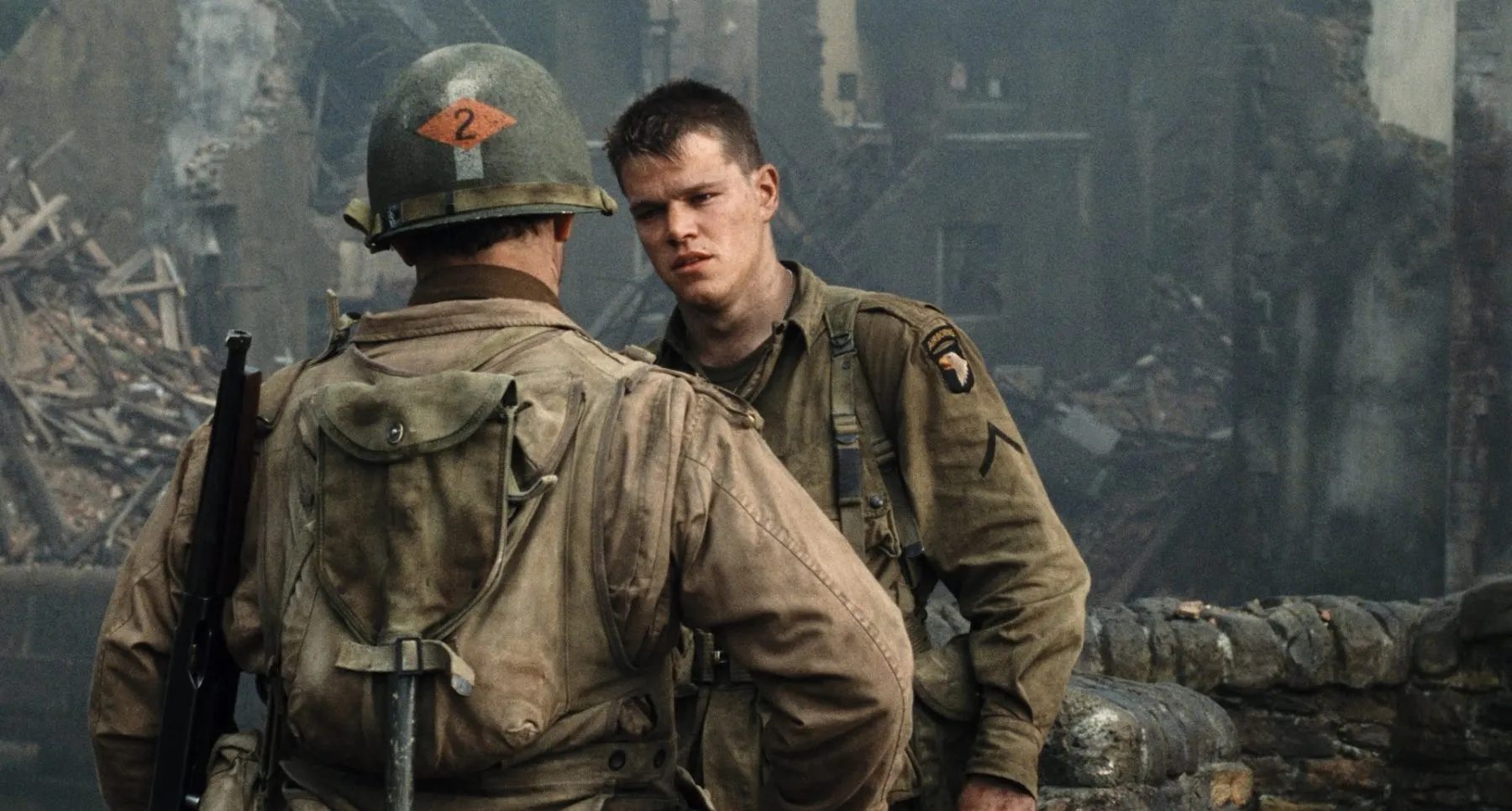
While Saving Private Ryan is famous for its realistic and disturbing depiction of D-Day, its emotional story is just as impactful. The film follows Captain Miller as he’s tasked with finding the last surviving brother of the Ryan family (Matt Damon), a mission that forces his weary squad back into danger. Beyond the action, the film deeply explores the psychological toll of war on soldiers, moving away from typical heroic portrayals to reveal the fear, trauma, and loss experienced by the often very young men who fought in World War II. It shows that their courage wasn’t about a lack of fear, but about persevering despite it.
The film explores sacrifice as a path to spiritual redemption amidst the horrors of war. Captain Miller and his men risk their lives to save Private Ryan, and this act elevates all the soldiers – including those portrayed by actors like Vin Diesel, Ed Burns, and Tom Sizemore – beyond simply fighting a war. The story suggests that true heroism isn’t about winning, but about the selfless sacrifice of life for a meaningful purpose. The final scene – contrasting a young Ryan with the now-elderly Ryan visiting the grave of the soldier who saved him – powerfully illustrates this idea. By living a full life, Ryan honors the sacrifices made by his comrades and, in a way, earns their bravery.
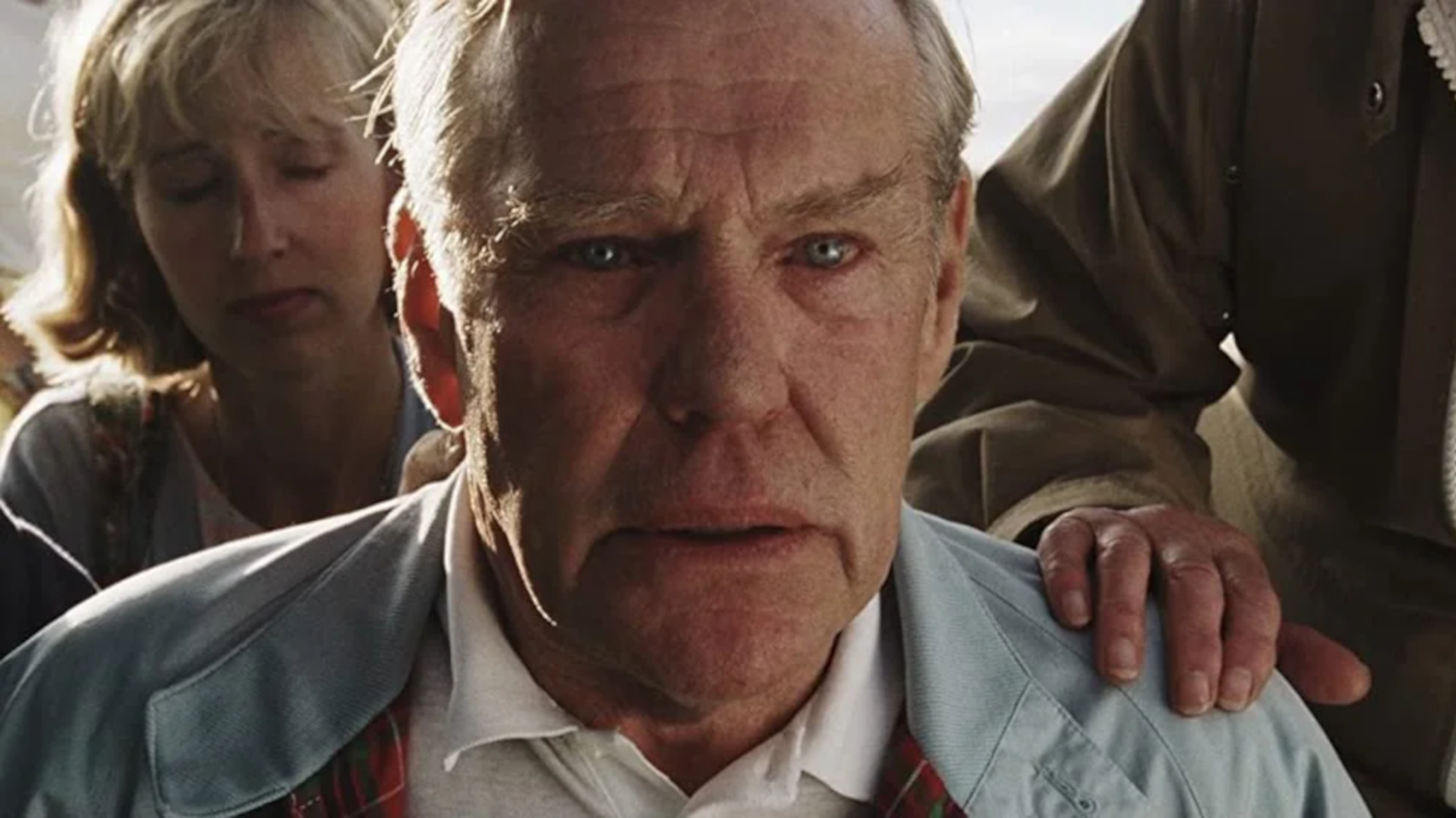
Saving Private Ryan powerfully showed the harsh realities of war, and importantly, it highlighted the emotional and psychological toll on soldiers, treating their inner lives as just as vulnerable as their physical bodies. The film’s heartbreaking conclusion encouraged viewers to find meaning and purpose beyond the trauma of war. While other war movies have since explored similar themes, none have achieved the same comprehensive impact or emotional resonance as Spielberg’s masterpiece.
The success of films like Saving Private Ryan and The Thin Red Line in 1998 reignited Hollywood’s interest in war dramas, after a period focused on smaller independent films and spy thrillers. Suddenly, major actors sought roles in these films, hoping to earn awards recognition. This trend has continued ever since, with acclaimed directors consistently exploring the harsh realities of war (Fury, Warfare) or the emotional and mental impact on soldiers (The Hurt Locker, American Sniper). Despite all these newer films, Saving Private Ryan remains a powerful and popular film, even topping streaming charts as recently as Memorial Day 2026.
A new, highly-regarded film, potentially an awards contender, is coming out soon, and some are calling it a spiritual predecessor to Saving Private Ryan. This means the classic Saving Private Ryan will likely remain a popular topic of conversation for a while. You can watch it on Paramount+, and join the discussion about Spielberg’s movies on the ComicBook Forum!
Read More
- Gold Rate Forecast
- 10 Most Powerful Versions of Superman, Ranked
- GBP CNY PREDICTION
- 10 Best Free Games on Steam in 2026, Ranked
- 007 First Light: Release Date, Story, Gameplay, Cast, Editions, and Platforms
- Forza Horizon 6 Car List So Far: Confirmed Highlights, Cover Cars, DLC, and Rewards
- 10 Greatest Manga Endings of All Time
- Black State Trailer Showcases Ray-Traced Reflections and DLSS 4 Performance
- Hazbin Hotel Creator Teases a Long Awaited Big Bad That Sets Up A Huge Change
- Forza Horizon 6 PC Issues: Fix Crashes, Stuttering, Steam Errors, and Game Pass Problems
2026-05-30 01:13