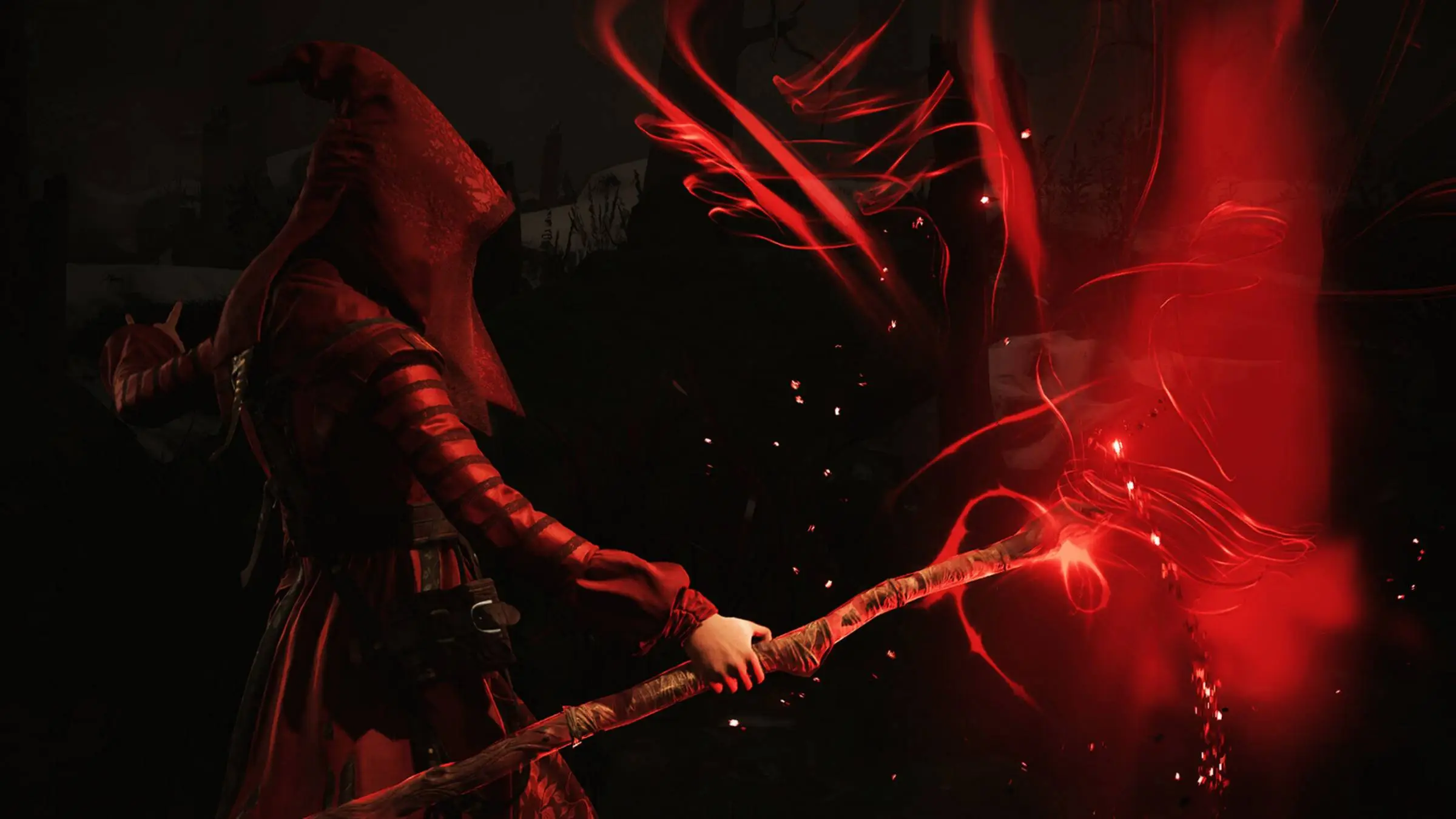
I just watched the reveal trailer for 1666: Amsterdam, and it’s seriously cool – all about witchcraft and mystery! They even dropped a demo prologue out of nowhere, which was awesome to play. But honestly? The story in the demo left me with mixed feelings, and I’ve seen a lot of other players saying the same thing. It feels like they’re trying something really big and different with this game, and while it’s ambitious, it definitely needs to deliver on its promises before everyone is fully on board. I’m still excited though – I think it has potential!
While we haven’t seen much of the unique gameplay in 1666: Amsterdam yet, its core elements seem inspired by other successful games. The currently available prologue doesn’t offer enough hands-on experience to know how players will interact with the game’s blood magic and witch rituals showcased in trailers. It’s still unclear if the game will focus primarily on narrative, similar to Hellblade: Senua’s Sacrifice, or feature more intricate gameplay systems.
1666: Amsterdam Introduces Many Bold Story Elements Through Its Limited Demo
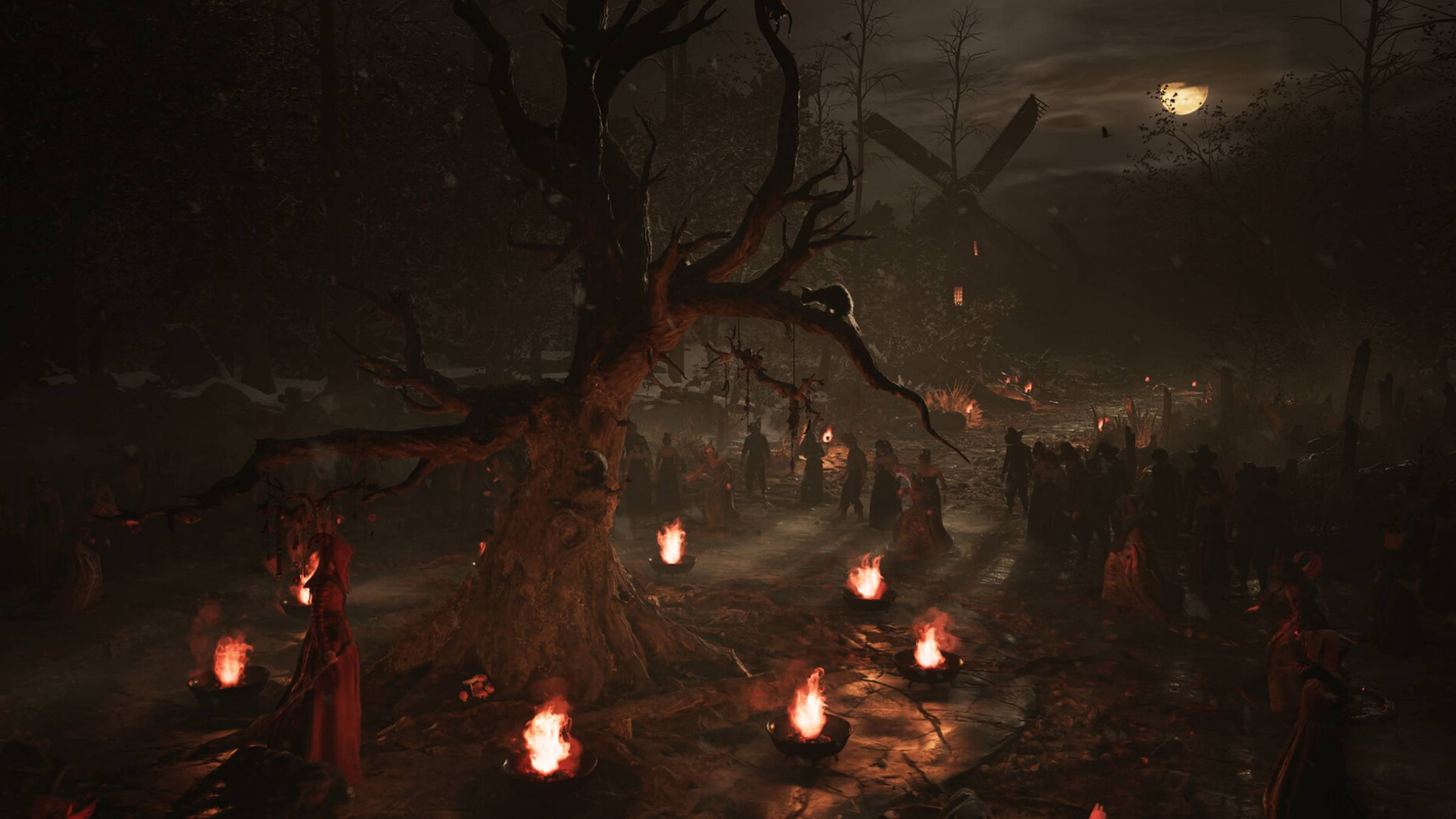
The beginning of 1666: Amsterdam is quite complex, with time jumps that weren’t shown in the initial trailer. The game starts in 1666, as players likely anticipated, and introduces Noa who’s involved in a mysterious ritual reminiscent of witchcraft stories. Noa possesses supernatural abilities and is known as a “Collector,” using her powers to carry out the ritual in unsettling ways.
The demo begins with ancient rituals involving animal sacrifice, blood, and fire before abruptly shifting to the present day. Players take on the role of a nameless young woman attending university. She appears to be related to a character named Noa, hinted at by her family history and a mysterious letter. Exploring the university library reveals this connection, triggering another time jump—this time to Amsterdam in 1999 during the holiday season. This marks the third section of the game’s introductory sequence.
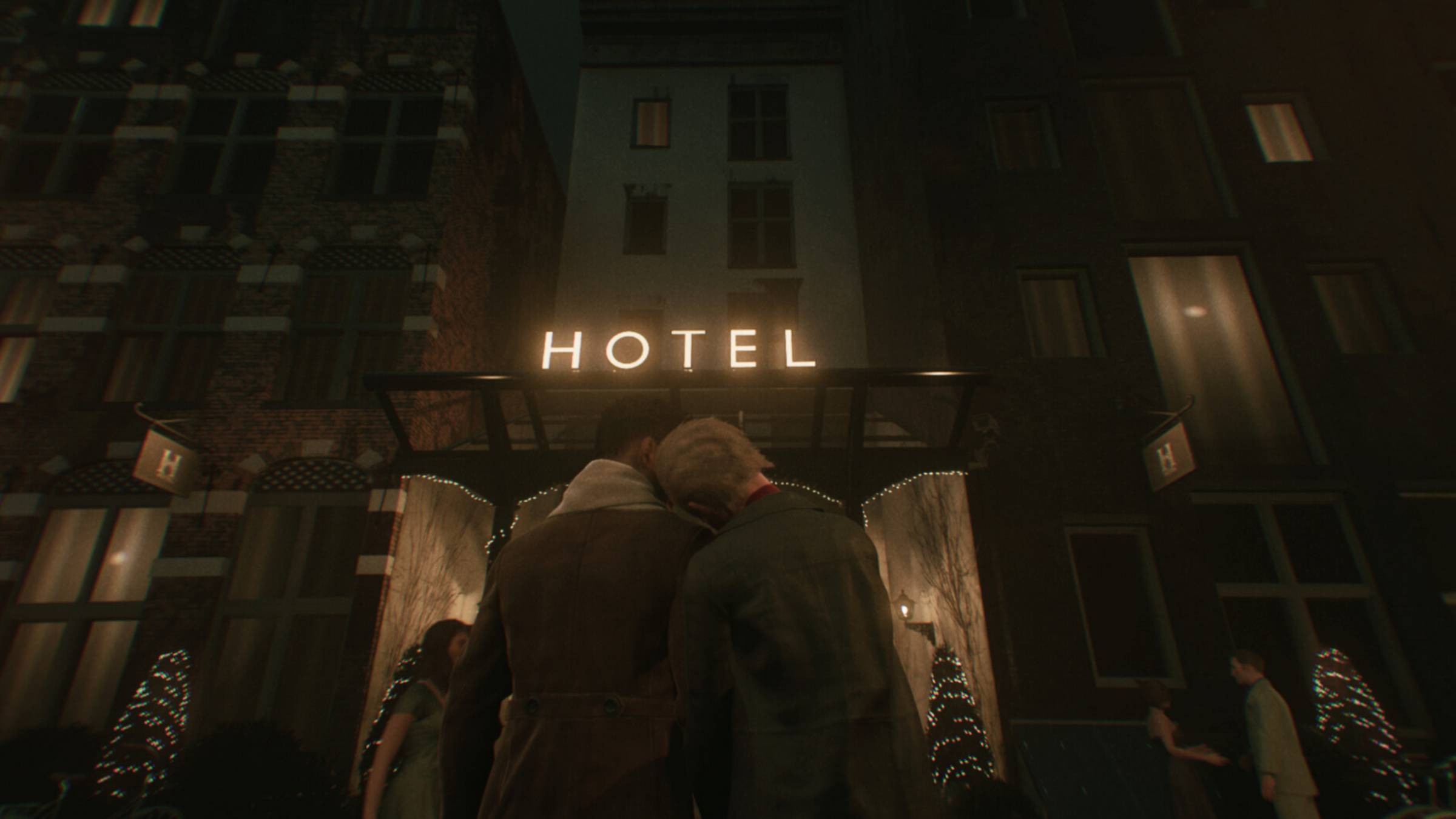
On New Year’s Eve, a young couple explores Amsterdam and eventually finds a private moment together. This scene reveals that the man is the father of a student from the present day – the events we’re witnessing are what was described in the decoded letter. As the scene unfolds, it becomes clear that the woman with him is involved with a witch society and is performing a ritual with him during this flashback.
Shifting Timelines Takes Inspiration From Other Great Action-Adventure Titles
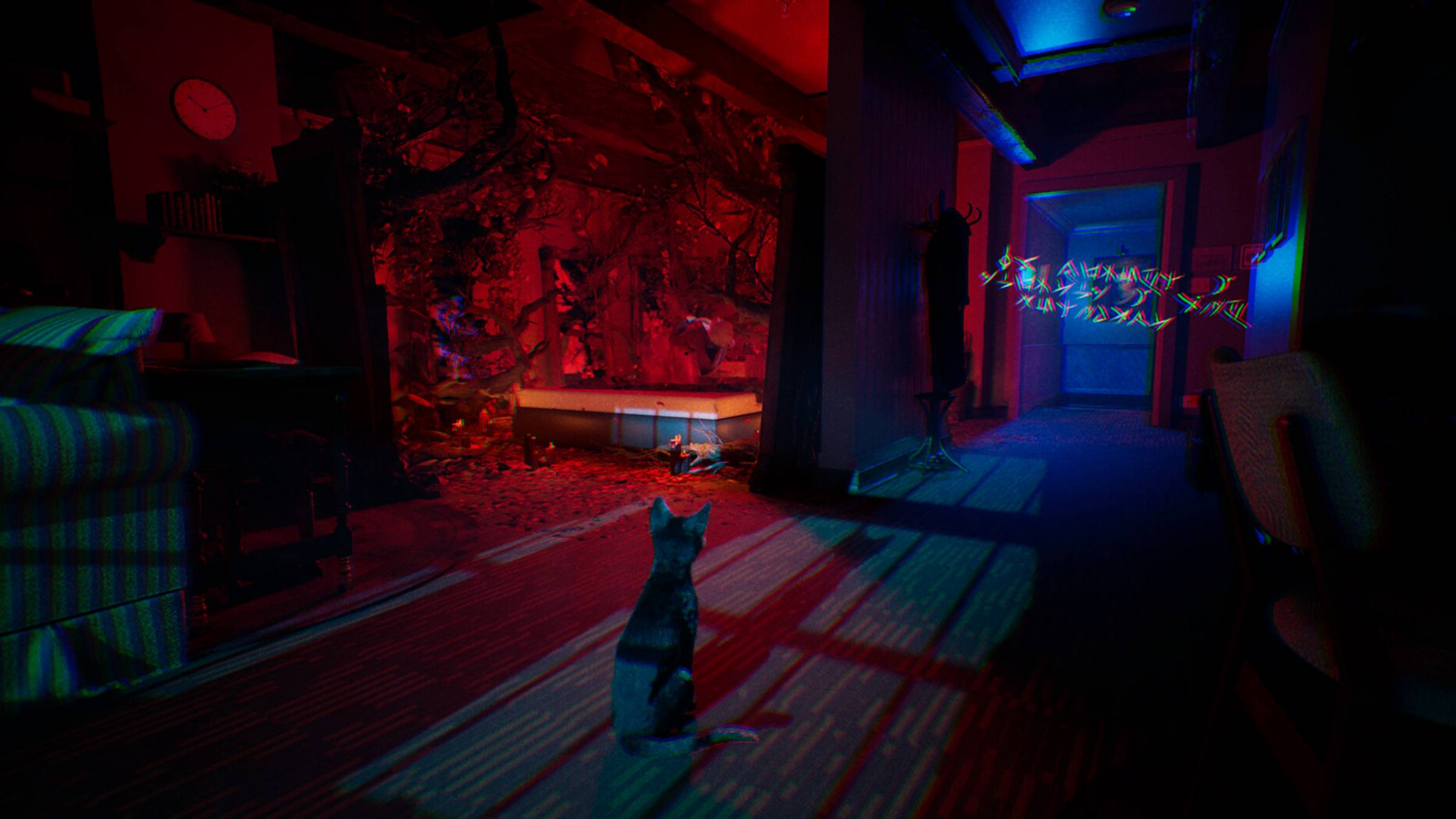
While 1666: Amsterdam doesn’t reinvent the action-adventure genre with its time travel, it borrows successful elements from other games. Like the older Assassin’s Creed titles, it frequently jumps between the past and future. It also shares similarities with games like Chrono Trigger, which are well-known for their clever use of time manipulation. Even after the initial story seems to conclude, the game throws in one last time jump: players control a human disguised as a cat, returning to 1666 to reunite with Noa.
The game’s pacing feels uneven, and characters across different time periods don’t play very differently from each other. Each timeline feels like a separate story, making it unclear where the main focus of the game will be. While many players anticipate spending most of their time in 1666, the game could divide its gameplay into surprisingly diverse chapters that weave together several mysteries.
Fan Criticisms Show That AI-Generated Content Or Linear Design Might Lessen Excitement
Players noticed AI-created artwork in the opening section of 1666: Amsterdam, and the game’s developer, Panache Digital Games, has apologized. The developers say they only intended to use AI for promotional content, but players found it had made its way into some of the game’s art. Panache Digital Games assures everyone that the final Early Access version and full release will be completely free of AI-generated assets, letting the game live up to the promise shown in its demo.
Many players have criticized 1666: Amsterdam for feeling restrictive. Each section focuses heavily on cutscenes with limited gameplay and exploration, allowing little freedom beyond what’s needed to complete the main story. While this design choice was likely deliberate, players reasonably expected more open-ended gameplay from a game promising action, adventure, and a vast, historically rich world. Though not the most linear game ever created, the game’s 1999 and modern time periods offer quite limited environments to explore.
The 1666 setting is much more captivating than the other time periods in the game. Characters in those other eras lack the abilities and compelling stories of the 1666 timeline, and their gameplay feels less engaging. If the game uses these other periods briefly, it probably won’t be a problem, but constantly switching between timelines could distract players from the most enjoyable parts of the game.
Read More
- Green Game Jam returns with 70 games teaming up to tackle the climate crisis
- PI PREDICTION. PI cryptocurrency
- USD HKD PREDICTION
- Brent Oil Forecast
- USD CHF PREDICTION
- USD JPY PREDICTION
- USD PHP PREDICTION
- Eva Longoria Reunites With Tony Parker 15 Years After Cheating Scandal
- EUR HKD PREDICTION
- USD THB PREDICTION
2026-06-15 18:23