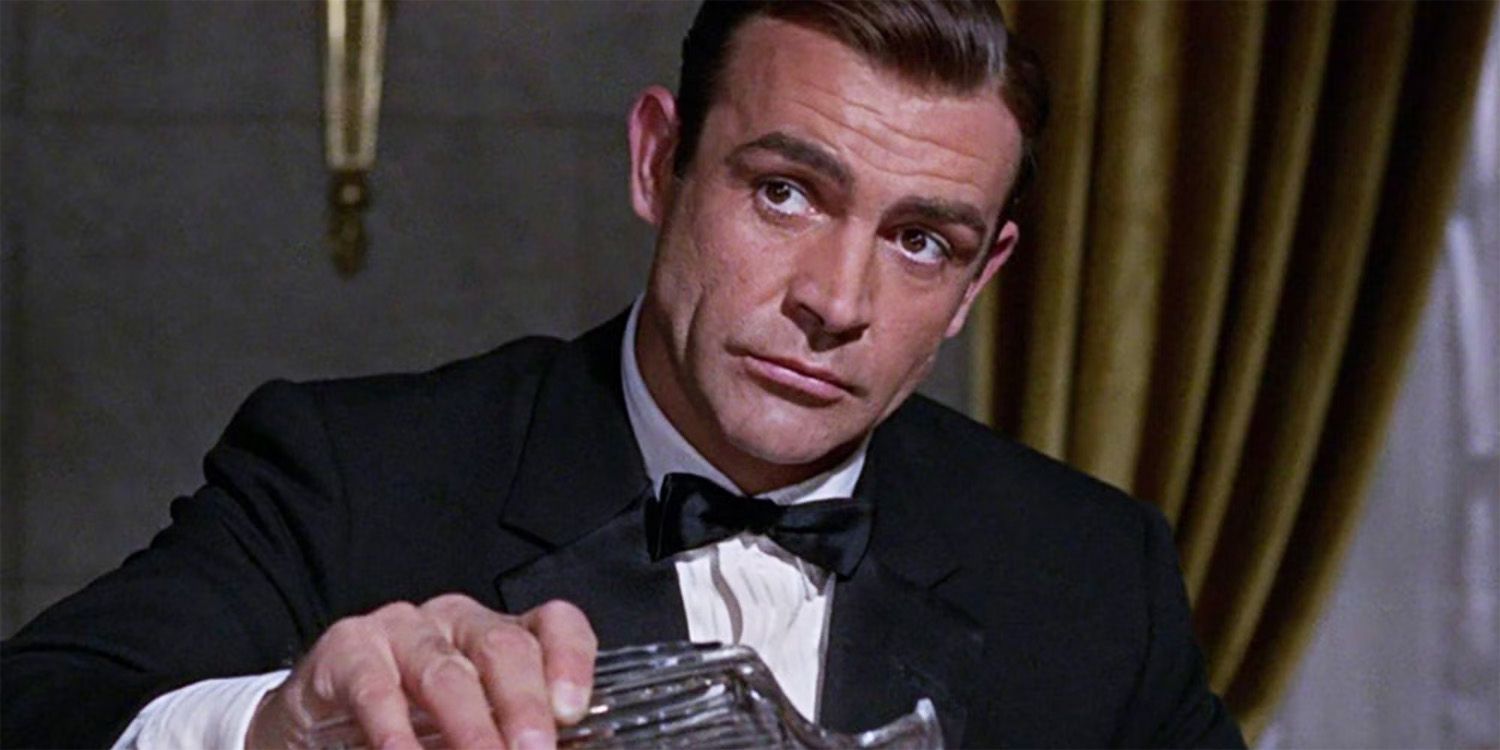
Sean Connery became the definitive James Bond in 1962, starring in films like Dr. No and Thunderball and setting the standard for all who followed. While he’s often praised for his portrayal of 007, his films also had a broader impact. One movie, though controversial, was particularly important because it significantly changed the direction of spy films.
The James Bond film series, with over twenty films made, is the most influential spy franchise ever created. It established the popular image of espionage and has constantly evolved, moving between serious, suspenseful thrillers and over-the-top action. This change in style began with a pivotal moment in a 1965 film, and spy movies haven’t been the same since.
The Sean Connery Bond Era Defined Spy Cinema
Sean Connery originated the role of James Bond in 1962, bringing Ian Fleming’s iconic spy to life on the big screen. The first film, a Cold War thriller, sent Bond to the Bahamas following the death of a fellow agent. There, he faced the villain Dr. No and discovered SPECTRE, a criminal group aiming to gain power through global chaos. SPECTRE became Bond’s primary enemy throughout the series, led by the increasingly outlandish Ernst Stavro Blofeld. As the franchise continued, the films became more and more over-the-top, fantastical, and less grounded in reality, much like a comic book series.
The early James Bond films starring Sean Connery drew heavily from the visual style of Alfred Hitchcock’s North by Northwest. These films felt more like exciting detective stories than over-the-top action movies, focusing on exotic locations and mystery. Bond was first presented as a ruthless and calculating character, staying true to how Ian Fleming originally wrote him. As the series became more popular and aimed for a wider audience, it began to include more gadgets and futuristic technology. While technological elements were present from the start, they became much more prominent in Thunderball.
Thunderball Changed Spy Movies Forever
Sean Connery played James Bond for the fourth time in the 1965 film Thunderball. Unlike previous movies, Thunderball starts with a surprising action sequence: Bond fighting enemies and then making a quick escape using a jetpack. While the rest of the opening felt familiar, the jetpack scene was a jarring change of pace. Audiences were used to gadgets like realistic masks and advanced technology, but the jetpack felt like a sudden leap into something completely different.
The jetpack scene wasn’t unrealistic – jetpacks actually existed and were used in the 1960s. The problem wasn’t the technology itself, but how it was included in the story. It felt like the director and studio were more fascinated by the cool gadgets than by creating a compelling narrative. Previous gadgets had always served a clear purpose within the plot and fit the time period. This felt showy, self-indulgent, and ultimately didn’t add anything to the story – yet audiences enjoyed it. Afterwards, the series moved away from its detective roots, relying increasingly on gadgets in each new film.
Prior to Thunderball, spy movies generally aimed for realism, often set during or immediately after World War II. Films like The Man Who Knew Too Much offered an escape, but remained relatively grounded. Even the early James Bond movies, while fictional, felt somewhat believable. Whether viewers enjoy Thunderball often depends on their preference; some see it as a refreshing change, while others consider it the point where the series became overly fantastical.
The film Thunderball marked a turning point for James Bond, creating a clear difference between realistic spy stories and the over-the-top action of Moonraker. Since then, audiences often know what kind of Bond film they’ll enjoy based on how much the plot relies on gadgets. Before 1965, spy films were usually more like Hitchcockian mysteries, focusing on suspense and intrigue rather than action. After Thunderball, that slower, more mysterious style became less common and appealed to a smaller audience.
Why Thunderball Is An Essential Spy Movie
Whether you loved it or not, Thunderball changed spy movies forever. Before, these films focused on mystery and secret investigations. After Thunderball, villains became more straightforward and less mysterious. The focus shifted from finding the bad guys to defeating them using clever gadgets and action. Audiences enjoyed this new style, but it quickly became overused, pushing aside the slower, more intellectual approach to spycraft.
The film sparked a major debate among spy fiction enthusiasts: does focusing on cool gadgets and style overshadow a good story and believable characters? Many classic James Bond films prioritized intriguing plots over technology, but the Mission: Impossible series shows that you can successfully blend both elements.
Read More
- FRONT MISSION 3: Remake coming to PS5, Xbox Series, PS4, Xbox One, and PC on January 30, 2026
- The Boys Season 5, Episode 5 Ending Explained: Why Homelander Does THAT
- Taylor Sheridan’s Gritty 5-Part Crime Show Reveals New Final Season Villain
- ‘The Bride!’ Review: Jessie Buckley Breathes Life into a Monstrous Mess
- Welcome to Demon School! Iruma-kun season 4 release schedule: When are new episodes on Crunchyroll?
- From season 4 release schedule: When is episode 2 out on MGM+?
- Mark Zuckerberg & Wife Priscilla Chan Make Surprise Debut at Met Gala
- Invincible Season 4 Episode 4 Post-Credits Unveils a Demonic Return & More
- How to Build Water Elevators and Fountains in Enshrouded
- Why There’s No Ghosts Tonight (Nov 27) & When Season 5, Episode 7 Releases
2026-05-13 16:14