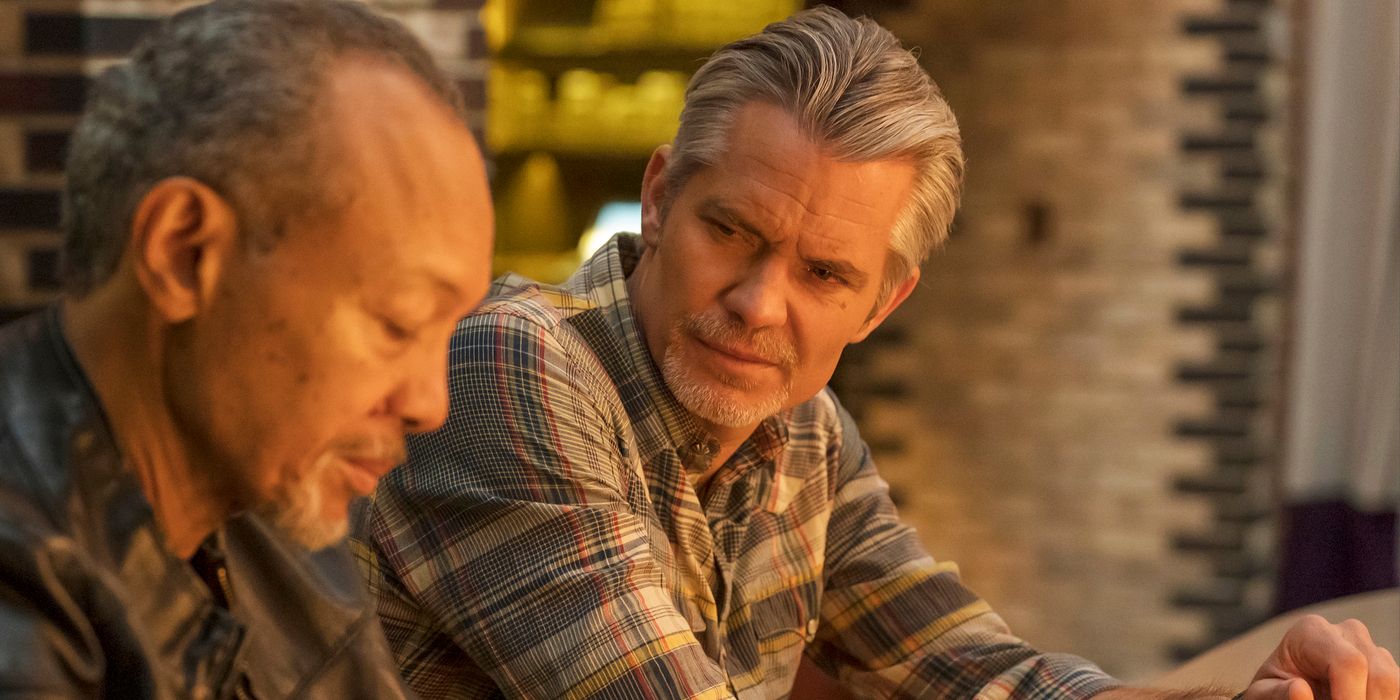
When it first aired on FX, the show was celebrated for its realistic approach, letting its main character change and develop over time. Timothy Olyphant’s portrayal of Raylan Givens showed a man burdened by his past. Although antiheroes like Tony Soprano and Walter White were once popular on television, that trend had begun to fade.
What truly sets a good remake apart is its ability to grow up, and Justified: City Primeval does exactly that. Instead of relying on flashy action, it focuses on the characters’ inner lives. The villains aren’t larger-than-life figures, but complex people with real flaws. Their conflicts reveal the decay of old systems and the challenges of finding justice in a world where the traditional Western hero is fading. City Primeval isn’t just a continuation of the story; it’s a thoughtful farewell to a classic TV character.
Justified: City Primeval Continues Raylan Givens’ Story
City Primeval recognizes that its connection to Justified isn’t about simply pleasing fans. Instead, it carries forward the same gritty atmosphere, realistic dialogue, and complex moral dilemmas. The new series doesn’t offer a celebratory return for its main character, but a stark and focused exploration of how time changes everything.
He feels authentic and grounded, and his behavior feels current. While he still maintains a quick, guarded demeanor that often wins out in conflicts, it’s now mixed with a sense of vulnerability. He doesn’t always rely on intimidation to get his way; he’s willing to compromise, think things through, and ask questions. He’s still capable, but the idea that he’s unbeatable is no longer true.
While taking inspiration from Elmore Leonard’s City Primeval: High Noon in Detroit, the show doesn’t feel obligated to constantly replicate the style of the original Justified. It retains the distinctive way characters speak, but the pace is more measured, clear, and melancholic. Instead of trying to recreate the initial excitement of Justified, it focuses on how audiences, genres, and characters evolve. This approach gives TV revivals a sense of purpose, implying that revisiting a familiar story is only worthwhile if it offers a fresh perspective.
The show has a small but dedicated audience, suggesting viewers are truly invested rather than just looking for quick excitement. People aren’t interested in sensationalism anymore; they want authenticity. This show delivers, confidently concluding its story by bringing the central character to a place of self-awareness and acceptance of his flaws.
Timothy Olyphant Returned as a Modern Western Icon
When Timothy Olyphant puts on Raylan Givens’ hat again, he doesn’t simply recreate the character’s confident, gunslinging persona. Instead, he embodies an actor aware of the fleeting nature of things. This new Raylan is more thoughtful, hesitant to act, and cautious. This restraint only intensifies his core presence.
Timothy Olyphant’s portrayal reveals what remains when someone loses their confidence. Raylan, once proud and quick to act, now seems unsure of himself. His confrontations with Clement Mansell aren’t just about right and wrong; they show a desperate attempt to maintain a facade. He realizes violence doesn’t solve problems, only postpones them.
Playing alongside his actual daughter, Vivian, as his on-screen daughter Willa, Timothy Olyphant portrays a man confronting the impact of his life’s work. His struggles as a father make him more relatable, revealing the human side beneath the legendary Lone Ranger image.
Olyphant’s character fits into a growing trend on TV: older heroes dealing with life after their prime. We’re seeing this with actors like Sylvester Stallone, Gary Oldman in Slow Horses, and Kevin Costner in Yellowstone, where shows are increasingly exploring the emotional weight of aging. However, unlike those characters, Olyphant maintains a sense of composure without becoming bitter.
Timothy Olyphant’s subtle performance – his quiet expressions, wry humor, and hints of sadness – grounds City Primeval in a sense of genuine emotion. The show steers clear of over-the-top drama, instead relying on Olyphant’s nuanced acting to carry entire scenes. This Raylan Givens isn’t a forceful figure; he quietly observes, understands, and carefully breaks down situations with a restrained approach.
For me, that final performance really captured the whole point of the show: true coolness now isn’t about being tough or aggressive, it’s about holding back. It feels like a quiet goodbye as TV moves on from its obsession with antiheroes. The actor played that familiar type of character one last time, but he did something fascinating – he took it apart. He showed us how someone can choose respect over showing off, and how things don’t always have to be completely finished to feel right. With Raylan’s calm and collected attitude, it wasn’t a dramatic ending, but a peaceful acceptance – and it feels like the end of an era.
Justified Reinvented the Neo-Western
As a movie and TV fanatic, I’ve always loved Westerns – they just keep coming back, but rarely by simply retelling the same old stories. Instead, they reimagine them. Think about Justified – it used to be set in those backwoods Kentucky hills, but when it’s updated, it moves to Detroit. A city beaten down by tough times, corruption, and just plain hardship. It’s a total shift from the wild frontier to an urban landscape, but surprisingly, the heart of the Western stays the same: guys with courage, a sense of justice, and that interesting line between what’s legal and what’s just plain getting revenge.
Detroit feels like a fresh start, but one where old rules don’t apply and people have to rely on their own sense of right and wrong to get by. Raylan, already tired of strict rules, finds that the city’s decay reflects his own feelings. Instead of quick gunfights, he now faces tense talks in back alleys and legal battles in court.
The conflicts in this story echo past struggles where doing the right thing felt straightforward. Director Michael Dinner portrays Detroit as a place stripped of morality, with its bright lights creating shadows reminiscent of scenes from classic Western saloons.
As a movie fan, I really appreciate how this film breathes new life into the genre without feeling like a cheap imitation. It’s not just a simple update of the story’s setting, but a real clash of ideas – you’ve got order pitted against chaos, good battling corruption, and genuine hope facing total cynicism. Honestly, this adaptation of Leonard’s novel gets that central conflict, and it’s brilliantly done.
Born and raised in Detroit, Leonard wrote crime novels featuring detectives who relied on their gut feelings and personal morals, often clashing with official rules. His novel, City Primeval, isn’t a departure from typical genres, but rather a natural progression of the Western genre itself.
Moving the story to a new location helps shake off any overly sentimental feelings about the original setting, which could hinder a fresh start. Without familiar surroundings, both the character Raylan and the audience are compelled to accept change. Detroit serves as a place where old legends are either reimagined for a new era or fade away. While the moral conflicts of a Western remain relevant, they need a changing backdrop to stay compelling.
Justified: City Primeval Is a Proper Sequel
FX’s approach with City Primeval demonstrates a smart strategy that many networks miss: successful revivals should build on the original, not simply recreate it. Instead of just revisiting the past, FX commissioned a creative continuation of the story, which really sets it apart from other revival attempts.
Unlike some reboots that try too hard to match what fans expect, or shows like Frasier that lean too much on the past, City Primeval avoids these issues by acknowledging that things change. It neatly wraps up its stories, proving that even ongoing TV series can offer satisfying conclusions.
FX is approaching this project cautiously, staying true to its brand. The network consistently values strong storytelling, well-developed characters, and a unique creative voice over flashy effects. City Primeval fits this approach – it’s meant to be a thoughtful piece of art, not just a big spectacle. The creators see this series not as a reboot of an old idea, but as a final, meaningful installment in an ongoing dialogue between television and a classic character type.
What really sets FX apart is its faith in writers, actors, and viewers. Unlike some networks that rely on predictable formulas, FX gives its shows space to develop naturally. The pacing, structure, and ideas in City Primeval demonstrate that trusting the audience’s intelligence is more rewarding than simply repeating familiar tropes.
Ultimately, the show’s success proves why Justified resonates so strongly with viewers. No other series has captured the unique style of Elmore Leonard – his distinctive pacing, dry humor, realistic portrayal of morality, and cool, detached perspective. City Primeval honors that style without simply recreating it as a nostalgic tribute.
FX and Timothy Olyphant have concluded the story not with a big, flashy finale, but with a quiet, respectful ending. Justified: City Primeval thoughtfully wraps up twenty years of storytelling, focusing on themes of getting older, what we leave behind, and the power of holding back.
This show proves that creativity and respect aren’t mutually exclusive, moving beyond simple nostalgia to embrace a more mature perspective. Through details like Timothy Olyphant’s weary expression and the show’s measured pace, we see a generation passing. The focus shifts from the myth of a notorious outlaw to the quieter, more human story of a man still seeking peace even after his glory days are over. Rather than trying to recapture past success, the show reimagines what greatness can be.
Found an error? Send it so it can be corrected.
Read More
- 10 Most Powerful Versions of Superman, Ranked
- Gold Rate Forecast
- GBP CNY PREDICTION
- 10 Best Free Games on Steam in 2026, Ranked
- 007 First Light: Release Date, Story, Gameplay, Cast, Editions, and Platforms
- Superman’s 7 Best Power-Ups, Ranked
- Forza Horizon 6 Car List So Far: Confirmed Highlights, Cover Cars, DLC, and Rewards
- 10 Greatest Manga Endings of All Time
- DOGE PREDICTION. DOGE cryptocurrency
- The Boys Officially Sets Up 4 Supes for Jensen Ackles’ Soldier Boy Spinoff
2026-04-18 16:39