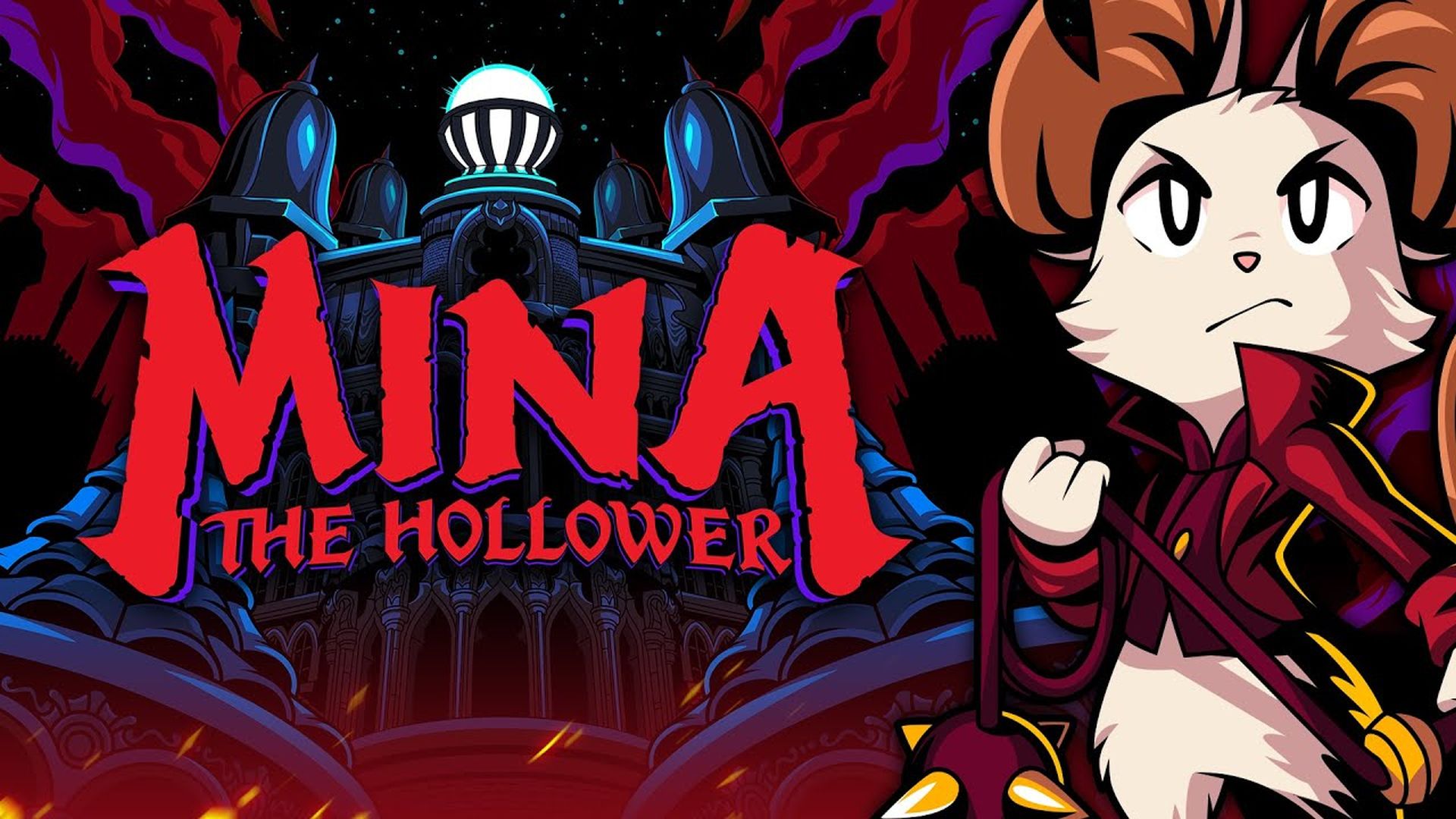
It’s easy to get caught up in the nostalgia for classic retro games, often forgetting how frustrating they could be with outdated gameplay and difficult controls. That’s why I really appreciate Shovel Knight, Yacht Club Games’ first title. It perfectly captures the best parts of those older games, but with updated controls and a fantastic overall design. It also includes extra-tough challenges for players who want them, striking a great balance between old and new while being incredibly charming.
The studio’s latest game, Mina the Hollower, is noticeably more difficult than previous titles. Like Link’s Awakening, it uses a top-down perspective and classic movement style, but it presents players with tougher challenges that require more precision.
Overall, Mina the Hollower is a game of extremes. When it shines, it’s truly excellent, but when it falters, it can be incredibly frustrating – more so than most games I’ve played lately.
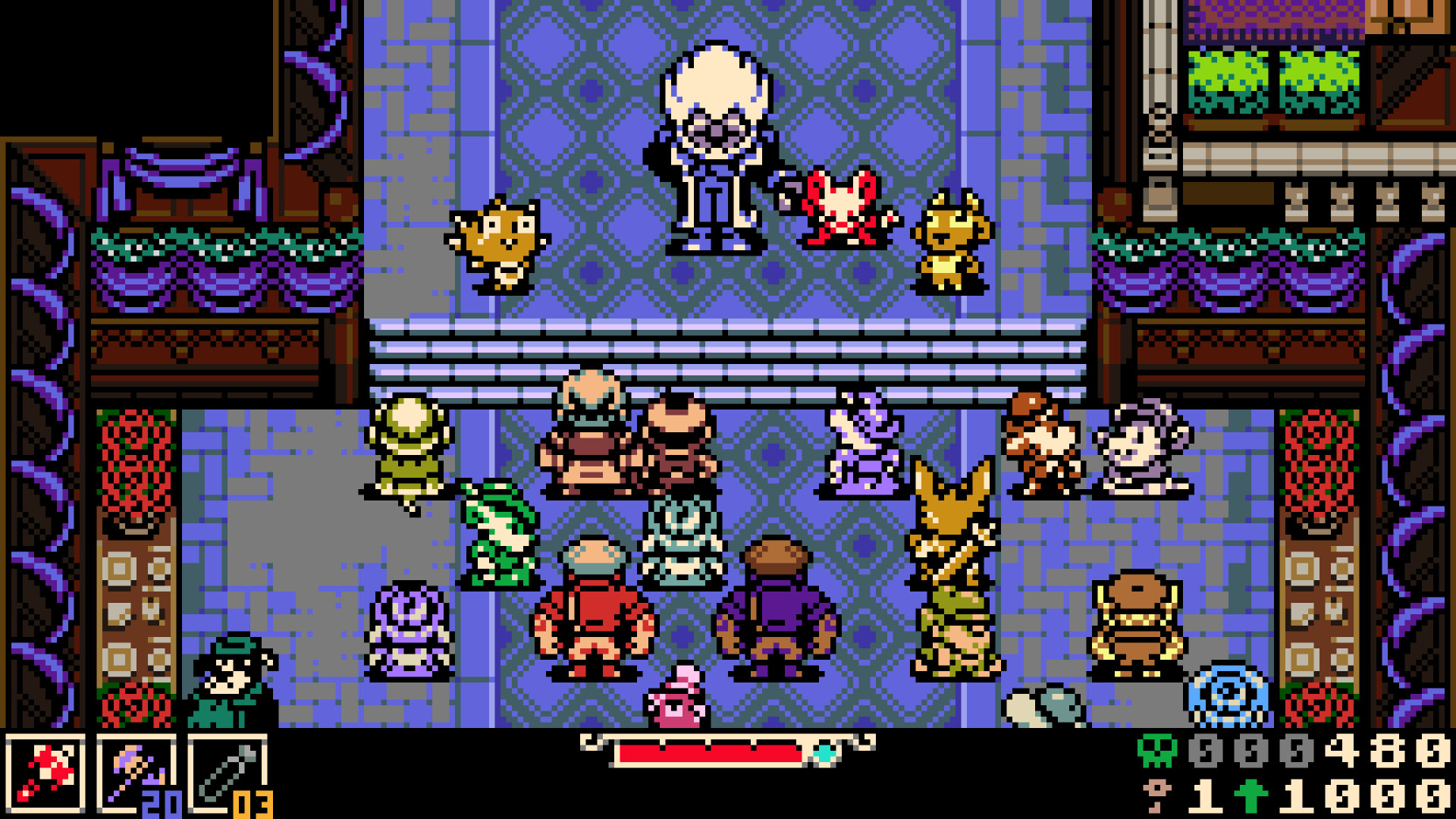
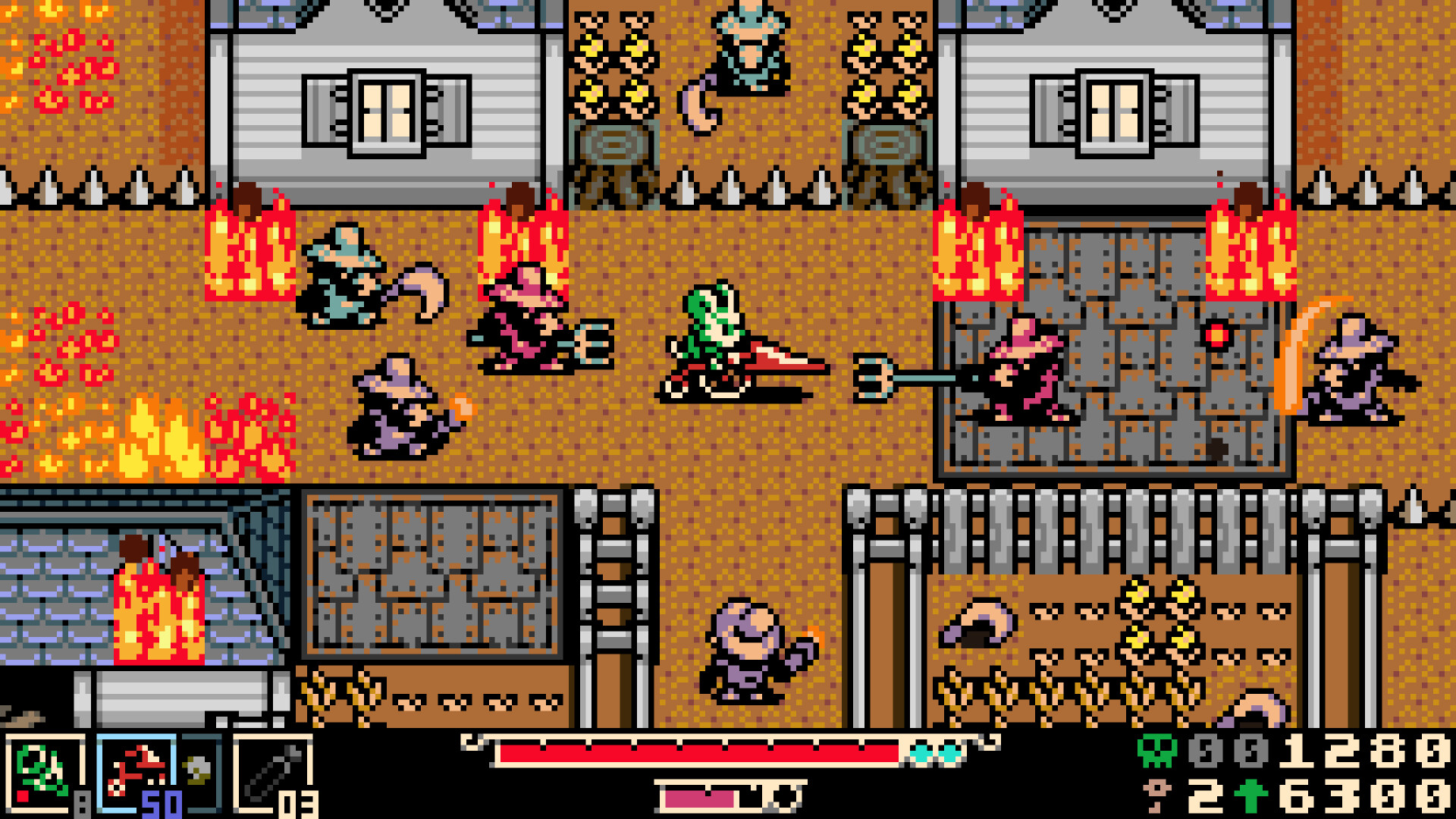
Even though some of this might seem dark, it’s still filled with the delightful personality that fans expect from Yacht Club Games. The charming 8-bit style really enhances the experience and looks fantastic.
The story begins with Mina, a skilled inventor called a Hollower, traveling to Tenebrous Isle at the request of Baron Lionel. Her inventions, Spark Generators, have suddenly stopped working, causing widespread problems. Just as she finishes writing about this, her ship is attacked by a giant kraken. After waking up on the beach, Mina battles through a burning city and past guards to reach Ossex, the island’s main city. Surprisingly, she finds Lionel calmly attending the opening of a new orphanage, seemingly unconcerned by the chaos.
Things get even stranger when she discovers Thorne, the Baron’s ex-chief of security, has turned against them. He’s gathered a group of followers to damage the island’s generators, but his motives are unclear. Meanwhile, Lionel is acting strangely, and Thorne claims his actions are justified. As all this unfolds, the island itself seems to be descending into chaos.
The game is captivating, with conversations that shift smoothly between serious moments, playful humor, and bizarre situations. You’ll face a giant, haunted house trying to destroy you, and witness strange occurrences like farmers and animals slowly turning into tomatoes. There’s even a thoughtful, talking leaf that sadly passes away after you intentionally step on it – its friends will hold a funeral, complete with leaf-themed jokes! You can even collect its remains as a collectible item.
Despite some dark themes, the game is full of the delightful personality Yacht Club Games is famous for. Its charming 8-bit style is consistently impressive, and the level of detail in the world of Ossex is amazing – you’ll find yourself pausing just to appreciate things like the roof tiles and the gravel. And that’s just one part of the larger island! Nox’s Bayou lives up to its name with swampy landscapes and changing water levels, while Septemburg captures the feeling of Autumn, unless you’re busy dodging attacks from its crazy inhabitants. Finally, the Queensbury Crypt offers a journey through graveyards that leads to a once-grand, now-decayed underground dungeon.
Everything looks fantastic, and that attention to detail is consistent throughout the game. From the map and character designs to the small animations and the interesting people you meet in Ossex, it’s all beautifully done. It’s surprisingly enjoyable just to stop and watch the characters go about their day.
While clearly influenced by classic games, the game’s art style manages to feel unique. Though some areas, like the Southern Outskirts, aren’t particularly interesting to navigate, the fantastic chiptune music does a lot to create the right mood and atmosphere without distracting from the gameplay. The game has a strong old-school horror feel, which perfectly complements the main character, Mina, who acts like a modern Van Helsing, attempting to control a monster-filled island.
Instead of a challenging fight where you carefully manage your health and depend on your skill, it’s become a clumsy back-and-forth of hitting the enemy, taking damage, and then pausing to heal.
The most important thing to know about Mina the Hollower is that it looks fantastic. However, the gameplay itself isn’t quite as strong.
The gameplay, including fighting and moving around, feels similar to classic Legend of Zelda games, especially The Minish Cap with all the jumping. Enemies are quicker than you might expect, and it takes a little getting used to knowing when to hide underground or jump to avoid attacks. But once you do, it’s really rewarding to dodge an enemy and whip them, or perfectly block an attack to launch a counter with your shield. The extra weapons, called Sidearms, add even more fun – like a little helper that floats around, eats enemies, and then explodes! That’s a definite plus.
Okay, so while everyone’s grabbing the basic throwing axes, you’ll find a bunch of other ‘sidearms’ – like a fishing rod (seriously?), a throwable portal that’s more about escaping than fighting, or even a bicycle mount that just feels…weird. They aren’t terrible, but some are definitely less useful when you really need to take something down. It’s a bit frustrating early on because if you die, you lose whatever sidearm you had – unless you unlock an upgrade later. Running back without a good secondary weapon can be a pain! Luckily, the passive bonuses from Trinkets help a lot. There’s one Trinket, in particular, that spawns a little healer when you’re low on health, and it’s amazing when combined with a mandrake that pushes enemies away. That combo really saves my skin!
The healing system in Bloodborne is particularly well-designed. What makes regaining health so enjoyable? Is it the speed of using Blood Vials to quickly jump back into combat, even if it means potentially losing a good position, especially during boss fights? Or is it the way the recoverable health mechanic rewards aggressive play, encouraging you to stay in the fight even while taking damage? If you appreciate both of these aspects, you’re definitely not alone!
Mina’s healing potions try to work similarly, but aren’t nearly as fun to use. When you take damage, hitting an enemy gives you a bit of recoverable health – not a temporary boost. You can restore this health with a potion, but you need to create some distance to safely use it. However, enemies can close in quickly and interrupt the healing, making it more trouble than it’s worth. Often, using a weapon that healed you a small amount while dodging through enemies felt more useful, at least until it ran out of charges. And once Mina’s main health bar is empty, it’s game over.
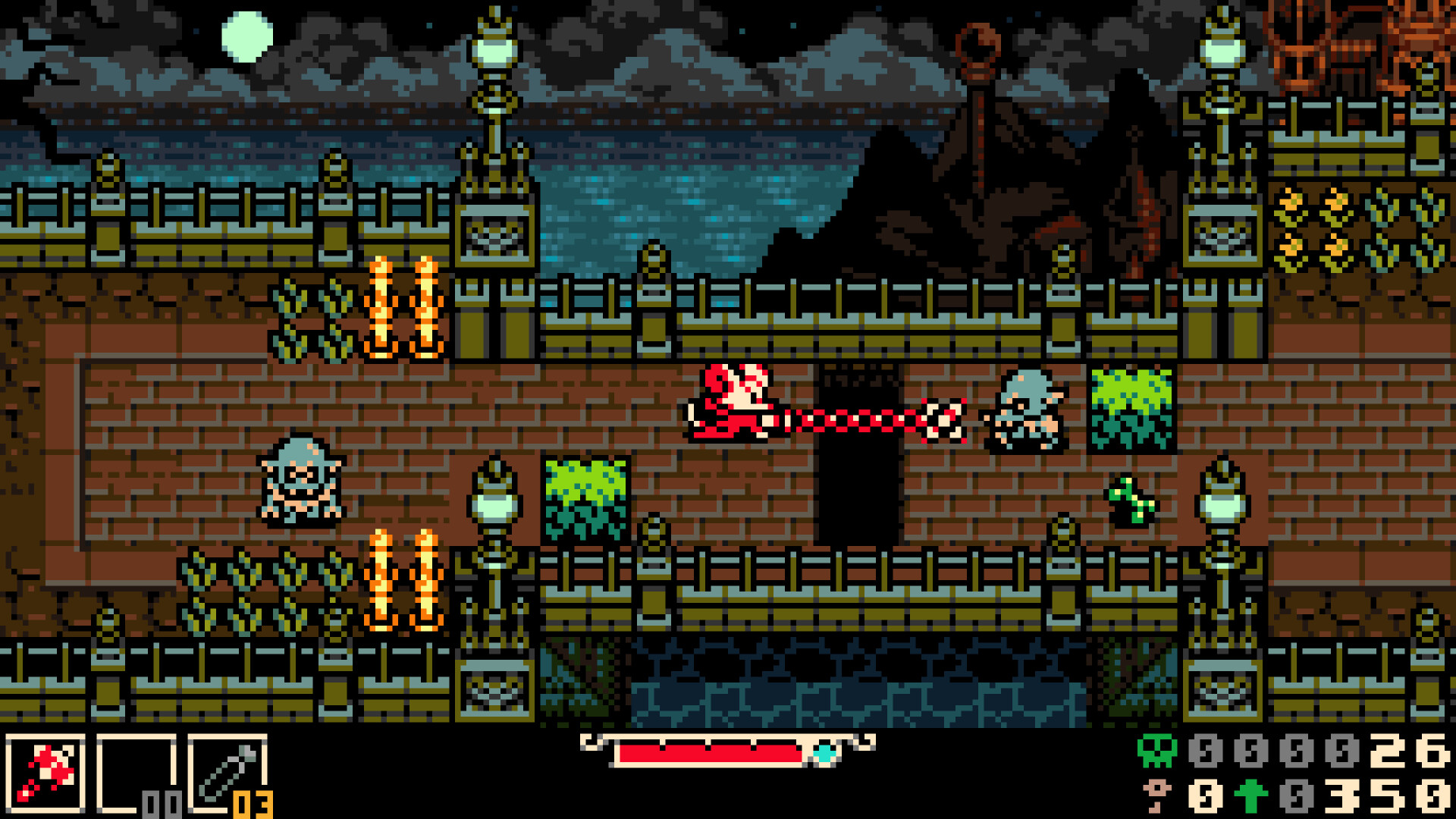
As a fan, it really feels like the developers thought these pits were crucial to making the game difficult – like removing the damage they cause would make everything way too simple. But honestly, the way they’ve handled it feels like a chore, and I always get anxious when I enter a room with a lot of dangerous drops. It just isn’t fun!
Instead of a challenging fight where I carefully balance dealing damage, regaining health, and using my skills to survive, it’s become a clumsy cycle of getting hit, attacking briefly, and then pausing to heal. It’s no surprise enemies are so aggressive – this must be frustrating for them too!
Okay, so the level design in Mina the Hollower is really well done. Once you get past the starting area – which is fine for learning the ropes – the levels are genuinely good. What I really loved was how the look of each area tied into how you actually played it. Like, you’d see a dense forest and know there was probably a burrowing path hidden somewhere, or a cleverly hidden entrance you could break open to find a new section. Each area also found cool new ways to use Mina’s abilities – swimming through the swamp was awesome, and timing your jumps with the wind felt really satisfying.
The game suffers from areas that try too hard with unnecessary features. Septemburg is a good example. The idea of strong winds affecting jumps is fine, and adding lightning seems logical. But then it introduces lightning rods players have to wait by – like a red light, green light game – unless they have a specific item. The level then piles on both of these mechanics, and throws in an indestructible boss that chases you. To top it off, the path to the boss can send you all the way back to the start if you stumble.
The game gets frustrating when you’re trying to find your way through dark areas with a glowing character. While the light helps you see where to jump, it also accidentally pushes you into bottomless pits. You have so little control that it feels completely random, and I was relieved to discover this section was optional. Even when you do have more control, there are just too many dangerous pits and obstacles constantly trying to knock you in.
Everyone’s experience will be a little different when it comes to leveling up and deciding which areas to tackle first. At the beginning of the game, after meeting Lionel, everything felt incredibly difficult – most enemies could defeat Mina with just a few attacks.
I finally got around to disabling fall damage in the settings, which helped a lot at first. But then I realized the game resets you to the beginning of an area whenever you fall, even in places that aren’t about jumping. The punishment feels excessive – like the developers thought the pits were crucial to the difficulty and didn’t want turning off damage to make the game too easy. The fix feels like a chore and makes me anxious whenever I enter a room with a lot of potential falling spots.
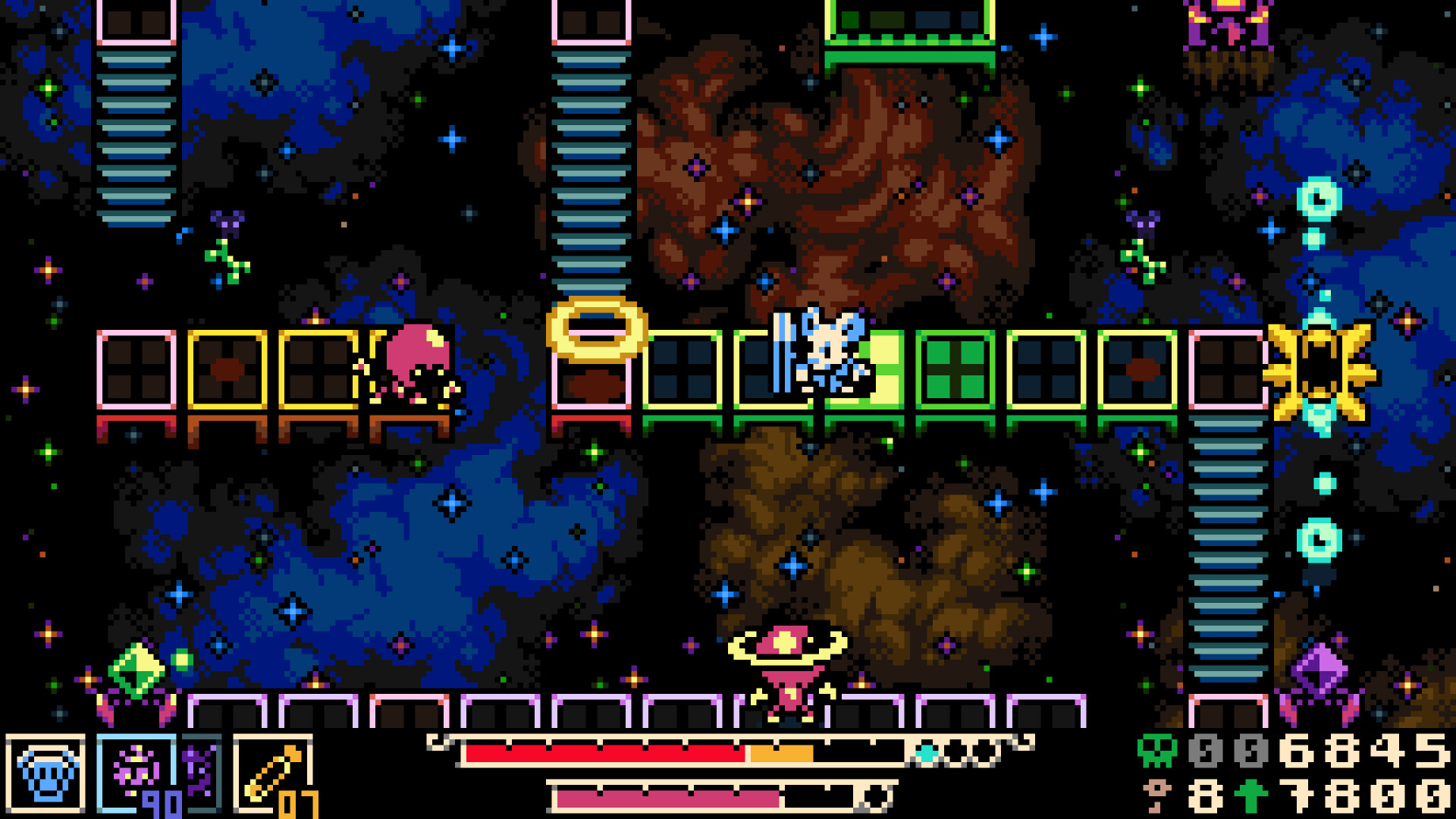
The sections with the Spark Generators are particularly challenging. You have to climb them quickly, diving into the circuits to clear obstacles and stay ahead of an incoming energy wave. If the wave hits you, you fall all the way back down. Moving side-to-side can be awkward, especially when you need to line up perfectly to access a circuit. To make things worse, enemies that push you back or otherwise bother you reappear, adding frustration to what should be the final challenge of an area. I really didn’t miss you guys, honestly.
Everyone’s experience will be a little different when it comes to leveling up and deciding which areas to tackle first. Early on, after meeting Lionel, everything feels incredibly difficult – enemies can defeat Mina very quickly. You won’t do much damage or have enough healing items, and if you die twice without getting your Spark back, you’ll permanently lose the resources needed to level up, which are already hard to earn. You’ll likely need to spend some time fighting weaker enemies to improve your attack and defense until leveling up feels less of a grind and more natural as you explore, especially once you find more resources. Alternatively, you can enable a modifier that gives you more resources from enemies to speed things up.
It’s funny – I found a shop in Ossex that had really good deals on health upgrades, healing potions, Sparks, and Trinket slots, but I didn’t discover it until quite late in the game. Honestly, I wasn’t even upset about missing it at first. What really frustrated me was how many Bones were needed to get the trains working again!
Maybe I expected too much from Mina the Hollower, considering how much I enjoyed Shovel Knight.
Despite a few frustrating parts – like repetitive sections, a clunky healing system, and needing to level up through grinding – I was completely hooked on Mina the Hollower. I kept wanting to see what happened next. The game has a lot of delightful touches, such as battling the blacksmith’s brother to unlock upgrades or making silly faces with Mina in a mirror, hoping for a surprise. Even the creepy circus clown, with its dark jokes, eventually became endearing.
Perhaps my expectations for Mina the Hollower were too high, considering how much I enjoyed Shovel Knight. It’s still a solid retro action-adventure game with plenty to explore, enjoyable boss battles, interesting weapons, and a charming style that many players will appreciate. While a few key improvements would make it truly exceptional, being very good is an accomplishment in itself.
This game was reviewed on PC.
Read More
- Gold Rate Forecast
- 10 Most Powerful Versions of Superman, Ranked
- 10 Best Free Games on Steam in 2026, Ranked
- GBP CNY PREDICTION
- Forza Horizon 6 Car List So Far: Confirmed Highlights, Cover Cars, DLC, and Rewards
- 10 Greatest Manga Endings of All Time
- Forza Horizon 6 PC Issues: Fix Crashes, Stuttering, Steam Errors, and Game Pass Problems
- 007 First Light: Release Date, Story, Gameplay, Cast, Editions, and Platforms
- XLM PREDICTION. XLM cryptocurrency
- PI PREDICTION. PI cryptocurrency
2026-05-28 21:51