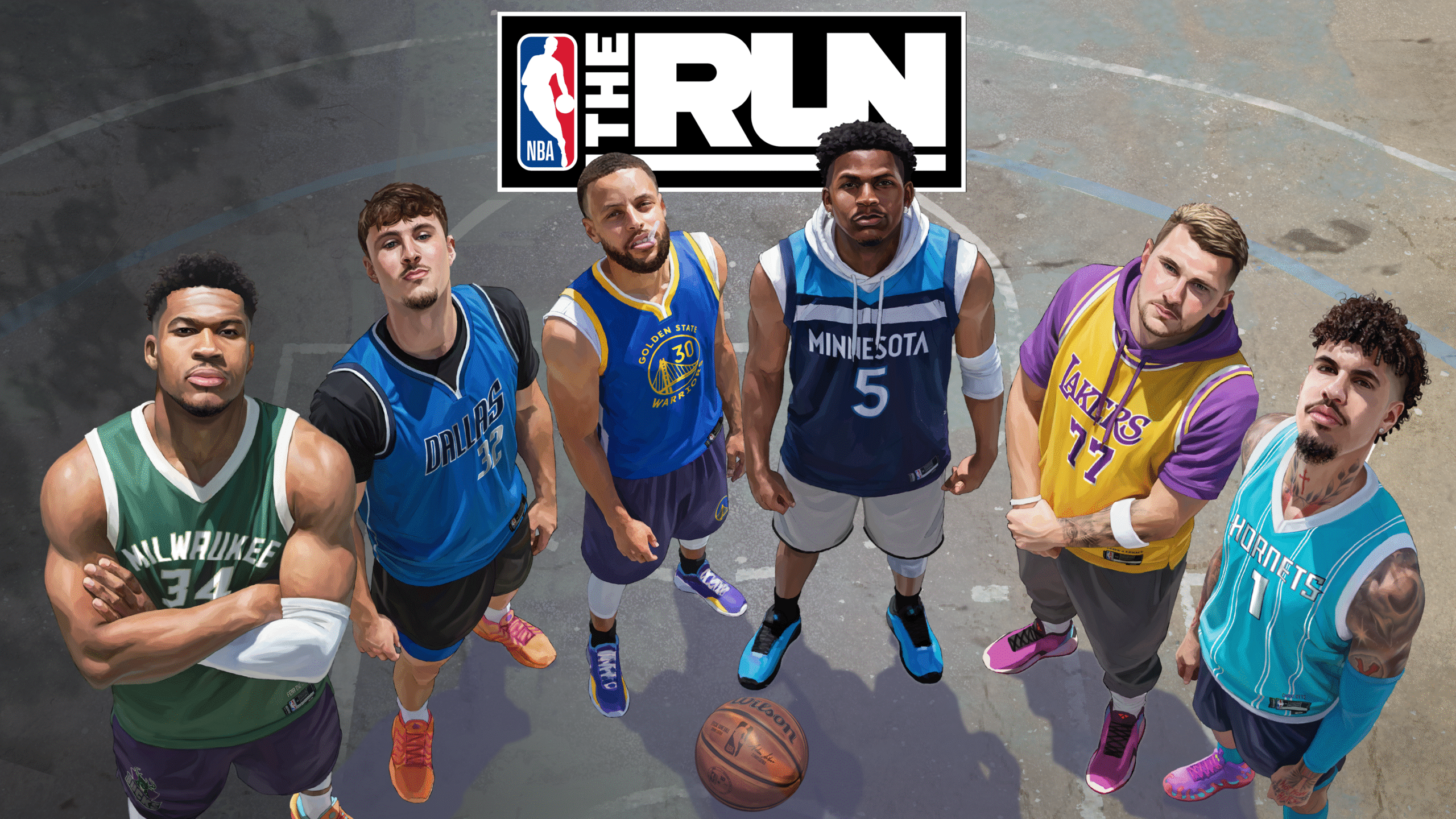
Play By Play studio feels that sports games have become too focused on realistic simulations and are aiming to bring back fun, more relaxed gameplay. Their first step is reviving the arcade basketball style, heavily inspired by classics like NBA Street Vol. 2, with a new game called NBA: The Run. This game features exaggerated player styles and fast-paced action, but still feels authentic thanks to real NBA players and courts. While it includes exciting elements like flaming hoops and power-ups earned through momentum, the core gameplay is surprisingly realistic and easy to pick up.
Unlike some online multiplayer games that rely on over-the-top features like flying cars or silly cards, NBA: The Run aims to keep you hooked with precise controls and smooth movements. But does it actually succeed in doing so?
The controls in NBA: The Run are very responsive, making every move feel precise and intentional – whether you’re passing, dribbling, or going for a slam dunk. The game gives you a real sense of control. However, there’s a slight disconnect visually at first. For example, your player seems to instantly grab loose balls, and jumps don’t always feel quite right, with the player’s path sometimes adjusting mid-air.
Initially, the somewhat ‘bouncy’ animation style in The Run might seem a little unusual, but it’s a deliberate choice. The developers prioritized smooth, continuous movement over perfectly realistic animations. This means passes, jumps, and dunks won’t always start from precisely the right position, but the game’s flexible animations will subtly correct these imperfections, ultimately making it more fun and easier to play.
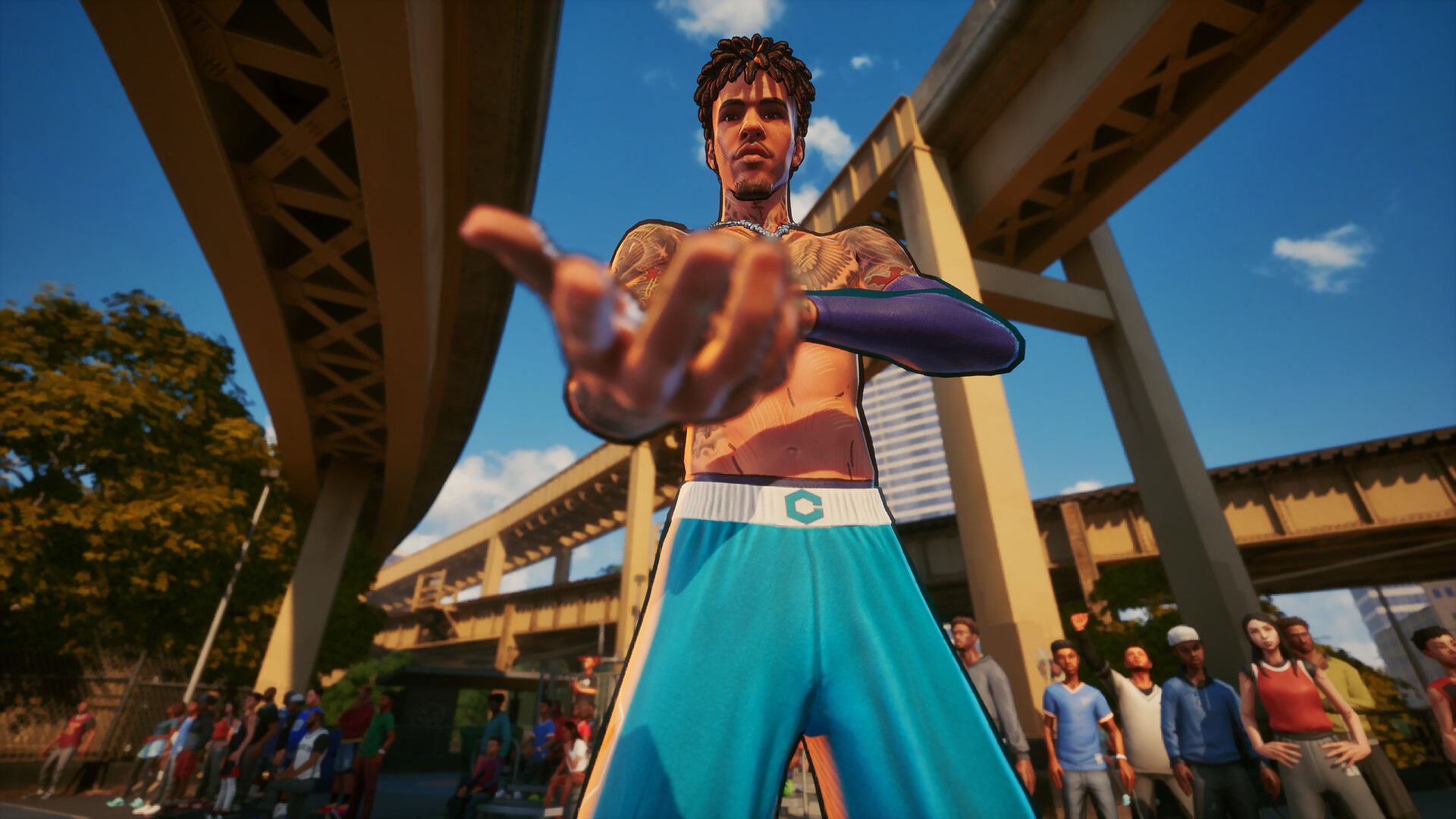
As a fan, I have to say the controls are amazing! They feel so good to use – everything is really responsive, and it makes each action feel intentional and satisfying.
I love how fast-paced NBA: The Run is! Games are quick, usually just two or three minutes, and a whole tournament doesn’t take much longer than fifteen minutes. It’s all about constant action and doesn’t bog you down in long possessions. They really want you to jump in and play a bunch of short matches, kind of like Fortnite – you don’t need to be a pro to have fun. It’s way more welcoming than some of those other sports games that can feel really complicated when you’re playing online.
So, Play By Play is aiming for that easy-to-pick-up-and-play multiplayer feel, but when it comes to how characters work in their game, The Run, they’re actually taking inspiration from old-school arcade games. I’m talking about stuff like Tecmo Bowl and Ice Hockey from the late 80s. What I remember most about those games is that each player wasn’t just a generic sprite – they actually had different builds, strengths, and speeds, which made a big difference in how you played!
In NBA: The Run, players are built around specific roles – like Steph Curry being a great shooter, Victor Wembanyama a strong defender, and Giannis Antetokounmpo a powerful driver. While not every player fits neatly into these categories, it’s key to balance the strengths and weaknesses of your three-player team. Don’t build your team around a specific style of play though! Each game has random rule changes (like allowing alley-oops from beyond the arc, unlimited energy, or only scoring one point per basket). Because of this, a well-rounded team that can handle anything will perform better than a team focused on just one skill.
These gameplay rules add fun variety, pushing players to use all aspects of the game instead of just focusing on skills like shooting or driving to the basket. However, they can also make certain player types much stronger than others. For instance, if a rule rewards outside shooting, it heavily favors players who excel at that – and without a tall, defensive center like Victor Wembanyama on your team, you’ll likely struggle.
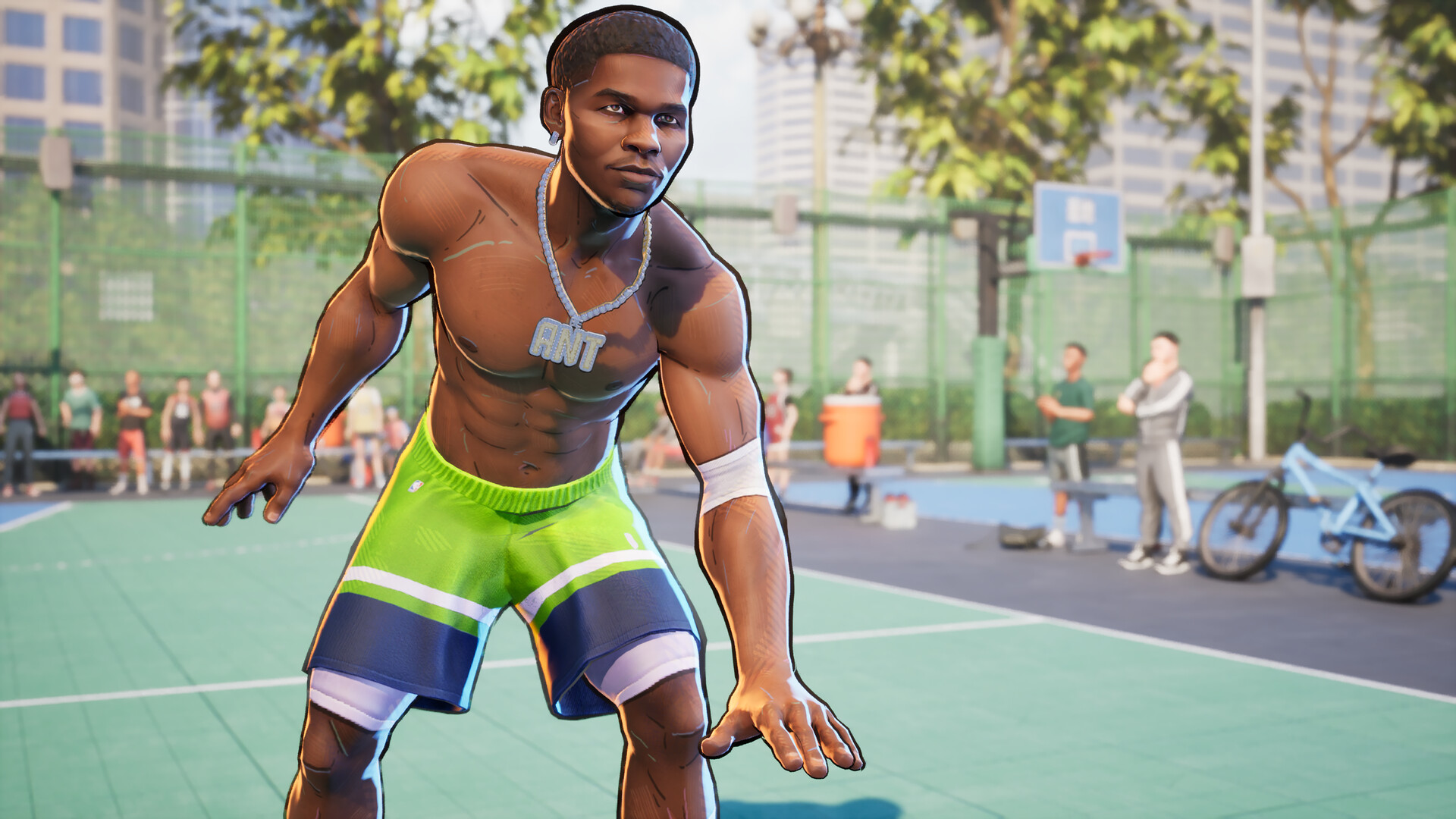
“In NBA: The Run each athlete is moulded around an archetype.”
Despite some randomness, the game is enjoyable, especially when attacking. The offense feels smooth and rewarding, enhanced by exciting visual effects like screen shake and quick player movements controlled with a simple thumbstick gesture. However, playing defense isn’t as satisfying. Swiping to block feels inaccurate, guarding isn’t very intuitive, and the game often relies too much on AI to help when your player is out of position. Switching defenders isn’t fast enough to be truly effective.
The game aims for a balanced approach between offense and defense, but doesn’t quite achieve it. A key issue is the lack of manual player switching, which feels like a mistake in the game’s design and restricts your ability to effectively counter attacks.
Defending is made even harder by a few visibility issues. The camera sometimes struggles to keep up with the fast-paced action, and when the key is crowded with players, it’s easy to lose track of who you’re controlling. While changing the opposing team’s colors to grayscale helps a little, it doesn’t completely solve the problem. Some courts, like the concrete one in The Philippines’ Tenement Court, make it difficult to tell players apart, even with the colored rings around your athlete’s feet.
Although the fast pace is meant to be part of the game’s style, it can sometimes make it hard to follow what’s happening on the court. In its focus on constant movement, NBA: The Run sometimes becomes confusing.
The game doesn’t have many game modes right away, but the developers plan to add more after it launches. In Solo Mode, you control all three players on your team and compete against another team controlled by a single player. Squads Mode is different – you only control one player at a time, and two other players fill out your team. Finding matches in Squads Mode can take a bit longer, and it requires teamwork, but it ultimately becomes more fun than playing Solo.
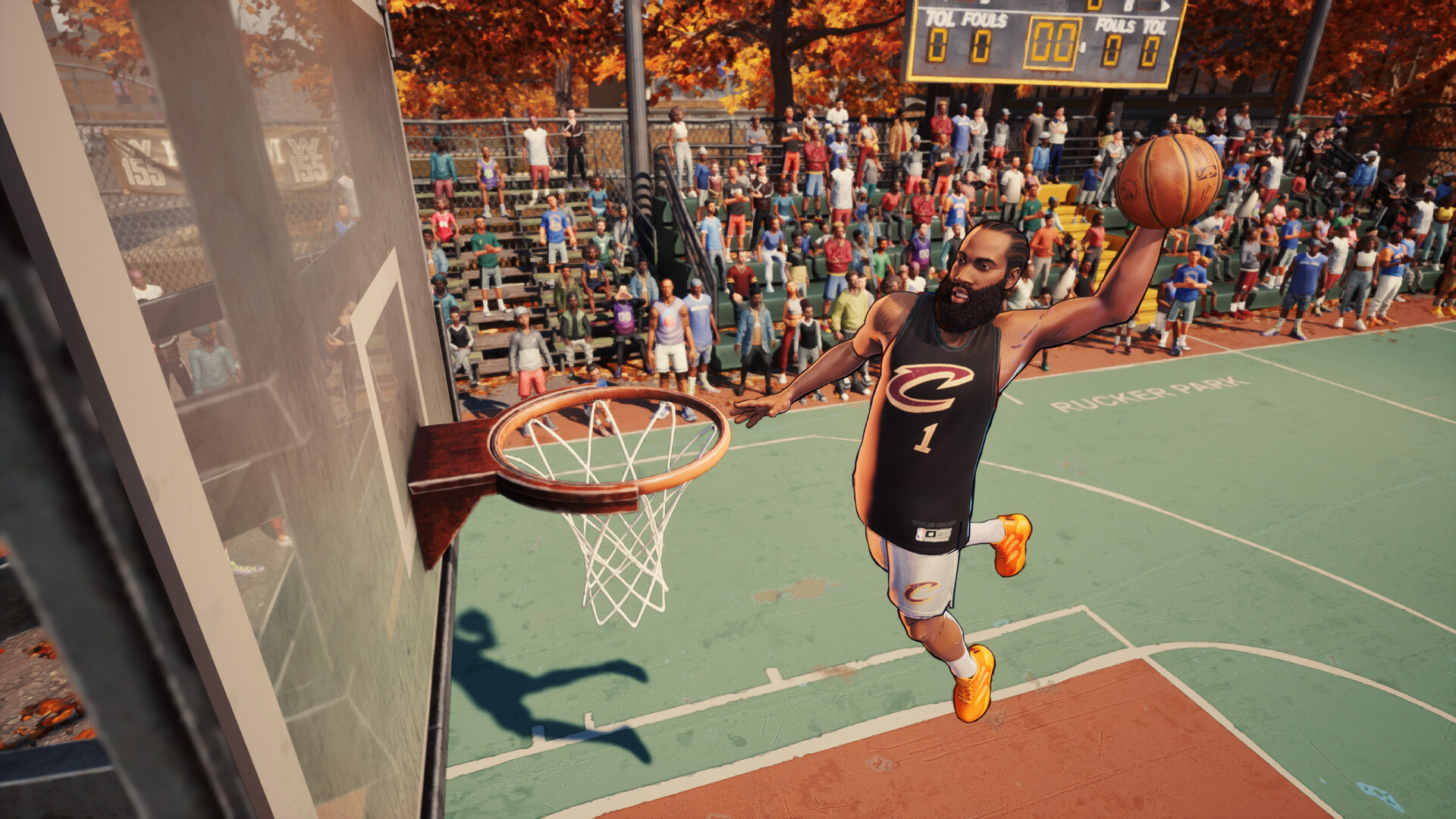
“While the chaos is an intentional design choice, on-court readability suffers too much.”
A strong team spirit develops between tournaments because you consistently play with the same two partners, win or lose. Over time, you learn to adapt to each other’s playing styles, creating a cohesive unit. Winning feels good, knowing you achieved it as a team, but this shared feeling isn’t actively reinforced within the game itself. While The Run aims to be a social experience, it lacks essential communication tools. Without features like voice chat or even simple, pre-set callouts – common in games like Rebound – the game’s potential for true teamwork is limited. It encourages collaboration, but doesn’t fully enable it.
The game definitely focuses on giving players a satisfying experience. You progress by how well you play, and it doesn’t ask for any extra money at the start. NBA: The Run wants you to work your way up and feel good about your achievements. However, improving your speed and earning in-game currency mostly depends on winning games. Since cosmetic items can be a bit expensive considering how quickly you earn things, the game could become repetitive if you keep losing.
Despite some initial flaws like imperfect defense, tricky visuals, and few game options, NBA: The Run feels authentically arcade-like thanks to its quick controls, realistic movement, and fast-paced gameplay. Play By Play has created a good base for the game, and it’s clear they plan to expand on it in the future.
Even though NBA: The Run isn’t a realistic basketball simulation, it still feels like playing basketball. And you don’t have to be an expert to appreciate that capturing the energy and excitement of the game is more important than perfect realism.
This game was reviewed on PlayStation 5.
Read More
- Green Game Jam returns with 70 games teaming up to tackle the climate crisis
- PI PREDICTION. PI cryptocurrency
- USD HKD PREDICTION
- USD CHF PREDICTION
- USD THB PREDICTION
- USD MYR PREDICTION
- Top 5 New Anime of 2026 So Far, Ranked
- Brent Oil Forecast
- USD JPY PREDICTION
- USD PHP PREDICTION
2026-06-16 22:17