
The series finale of a popular sci-fi show, which aired on May 23, 2010, remains highly debated, and many fans are still upset by it after 16 years. It’s well known that endings are tough – shows like How I Met Your Mother and Stranger Things also received criticism for how they concluded their stories. While How I Met Your Mother‘s issues stemmed from the choices its characters made, Stranger Things better illustrates the common pitfalls of sci-fi series finales.
Science fiction is famous for being creative, exciting, and full of complicated storylines. However, this can make for a tricky ending, as everything needs to come together in a way that feels complete and answers all the questions. Many shows, including the recent finale of Stranger Things, have been criticized for disappointing endings. In fact, the TV show Lost, which was hugely popular over fifteen years ago, received a lot of backlash for its finale, and people are still talking about it today.
Lost’s Ending Was Incredibly Controversial
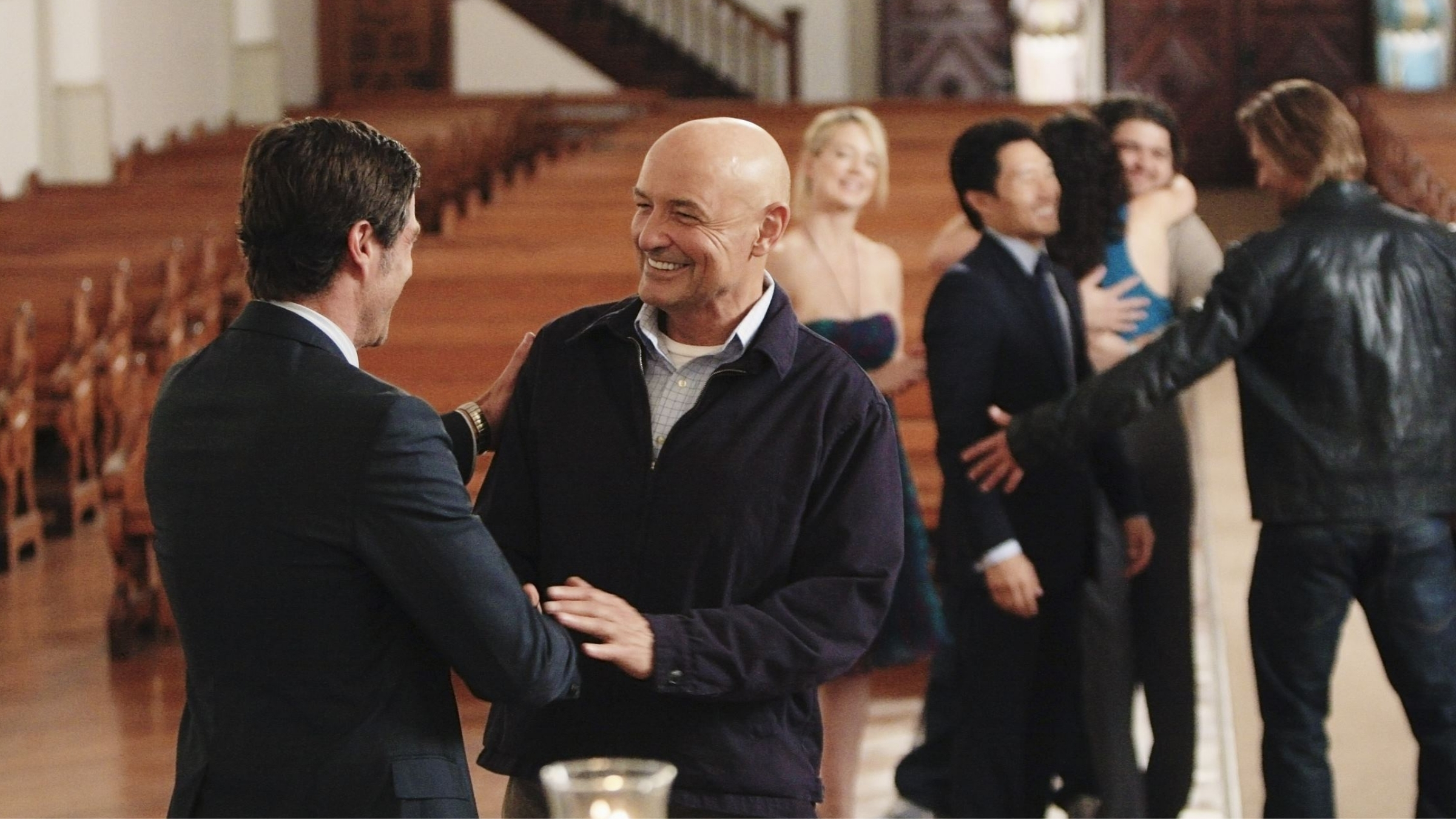
For six seasons, Lost kept viewers hooked with its complex and often confusing storylines – think polar bears in the tropics and time travel, just to name a few. Because of this, and because it’s always hard to end a TV show well, fans were really anxious about the series finale. A lot of people feared the show wouldn’t be able to explain everything clearly, or that even if it did, the answers wouldn’t feel good enough.
One common criticism of Lost is that it raised a lot of questions but didn’t always provide clear answers. This was a major point of contention with the series finale, especially regarding the explanation of the “Sideways” – a storyline that many viewers believed represented an alternate reality throughout the final season.
The show’s ending revealed the events were leading to a transition to the afterlife, bringing most of the characters together for their final moments. This sparked immediate and strong negative reactions from fans, many of whom felt it implied the characters had been deceased all along.
The Controversy Largely Stemmed From Misunderstandings
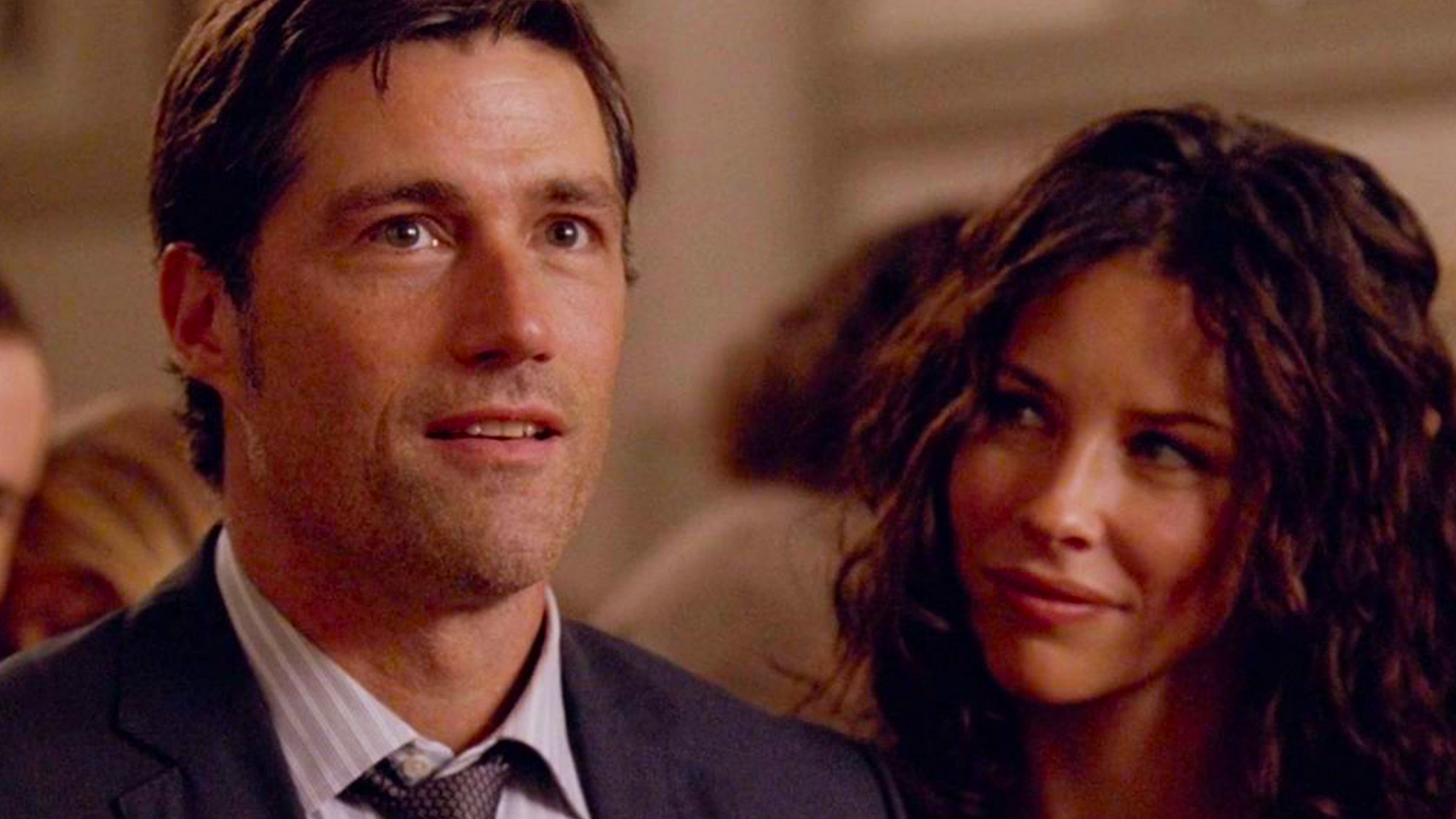
Many fans disliked the storyline about the “Sideways” representing a sort of afterlife waiting room, and this dissatisfaction was amplified by it being the show’s ending. However, much of the criticism stemmed from a misunderstanding. While a lot of viewers believed the characters had been dead since the plane crash, that wasn’t actually what the show was portraying.
The show Lost deliberately emphasized that the experiences shown over its six seasons were real and happened while the characters were alive. For example, Jack’s father, Christian Shephard, explicitly told Jack, “Everything that’s ever happened to you is real,” while the episode title “Whatever Happened, Happened” reinforced this idea. The intention was to show that the characters weren’t actually dead the entire time.
It’s unfortunate the ending of Sideways didn’t resonate more with viewers, because it actually depicts a touching vision of the afterlife. The idea is that loved ones who have passed away wait in a transitional space to greet and accompany you when it’s your time to go. Seeing characters like Benjamin Linus reunited with his daughter Alex, even after her tragic death, and familiar faces like Charlie return, was a particularly moving part of the finale.
Despite this, a lot of people watched the final episode, didn’t quite understand what it meant, and decided they didn’t like the show at all. Unfortunately, that negative impression has stuck around for the past 16 years.
Lost Remains An Underappreciated Show

Despite its flaws – and the fact that it left some mysteries unanswered, like the meaning of the statue with the broken foot – Lost was a truly remarkable show and deserves more recognition. It consistently delivered a thrilling and captivating story, supported by an incredible cast.
The final episode negatively impacted how people remembered the entire show, and even now, it’s still the main source of criticism. Hopefully, viewers will eventually rewatch the series, understand its core themes, and appreciate it more than they did when it first aired in 2010.
Read More
- Mark Zuckerberg & Wife Priscilla Chan Make Surprise Debut at Met Gala
- Elon Musk’s Mom Maye Musk Shares Her Parenting Philosophy
- 10 Greatest Manga Endings of All Time
- GBP CNY PREDICTION
- Forza Horizon 6 Car List So Far: Confirmed Highlights, Cover Cars, DLC, and Rewards
- Ranking the 5 Best Spring 2026 Anime So Far (Mid-Season Update)
- Review: Final Fantasy Tactics: The Ivalice Chronicles (PS5) – Still the Benchmark for Turn-Based Tactics
- 10 Best Free Games on Steam in 2026, Ranked
- Miranda Kerr Shares “Quick” Procedure She Got Before Met Gala 2026
- Elon Musk’s Ex Ashley St. Clair Reveals When Romance Became “Weird”
2026-05-23 17:40