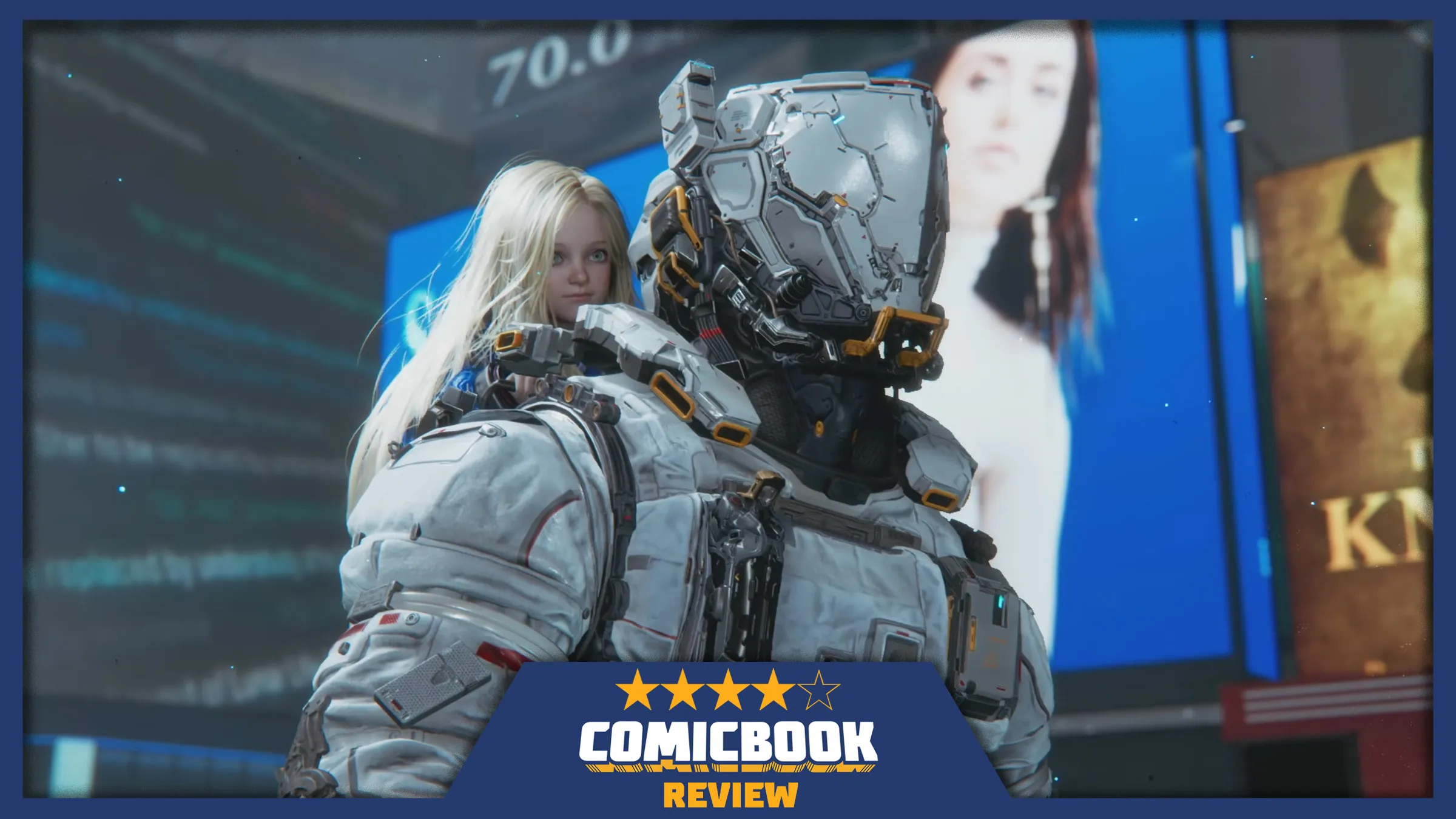
Capcom struggled during the PlayStation 3 and Xbox 360 era. While they had some standout titles like Dead Rising, Asura’s Wrath, and Dragon’s Dogma, the company was mostly known for failing to keep its popular franchises strong. This was especially clear with the direction of Resident Evil and Lost Planet, which both experienced issues within a single console generation. That’s why the recent announcement of Pragmata is so interesting – it feels like a game that could have come straight from those earlier, more turbulent times. However, this isn’t meant as a criticism. Pragmata actually showcases Capcom’s strongest design elements, and it has the kind of ambitious scope seen in big-budget games from the early days of HD gaming.
Okay, so the combat in Pragmata is really interesting. At first glance, it looks like your typical third-person shooter, but there’s a cool twist. You don’t just shoot robots until they’re destroyed. You also have to hack them while you’re fighting! It’s like a mini-game where you move a cursor around using the controller buttons to break into their systems. If you manage to hack a bot, they take way more damage, but it’s not a permanent thing – they can shake off the hack after a while. So hacking isn’t just a side thing, it’s something you have to keep doing throughout every fight, which makes it a really core part of the gameplay.
Rating: 4/5
| Pros | Cons |
|---|---|
| Excellent and unique combat that rewards multitasking, quick thinking, and smart build experimentation | Its story falters because of its weak main antagonist and two generic protagonists |
| Beautifully layers in new enemy types, upgrades, weapons, and skills to ensure players continually get stronger as the game gets more complex | Going back to the base after dying and to buy upgrades can be tedious |
| Meaty campaign offers just enough to do before and after hitting credits |
Pragmata‘s Hacking Is Surprisingly Deep
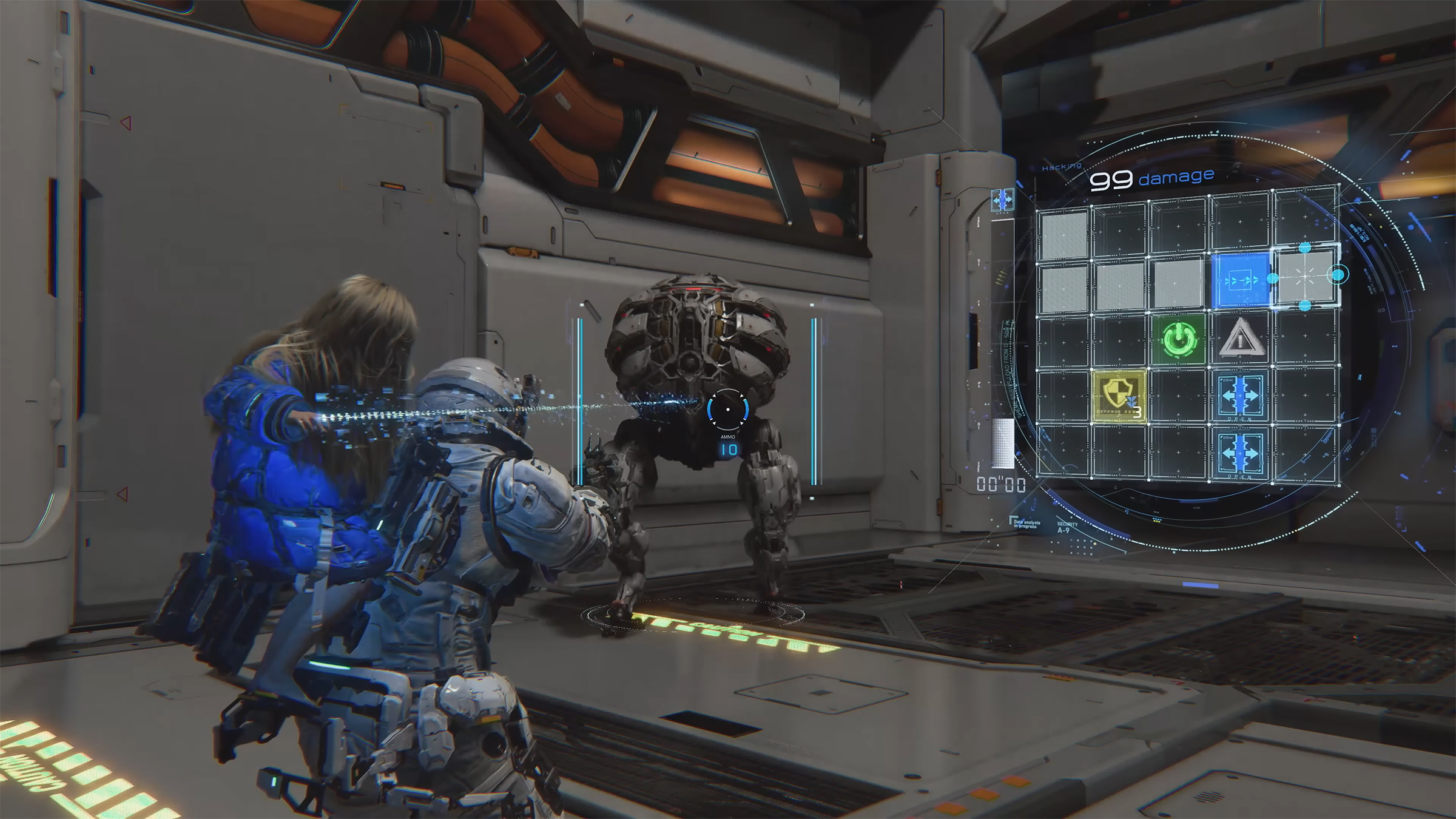
At first, the game’s unique grid-based movement seems like a simple addition to the shooting. However, it quickly becomes central to everything Pragmata does well. Moving the cursor around the grid isn’t just about getting from point A to point B—it’s a strategic layer in itself. Certain spaces on the grid can hinder you, slowing you down or causing damage, while others provide benefits like passive boosts or activate powerful items. Because you can’t revisit the same space twice, you need to quickly plan the best path, deciding whether to prioritize speed or risk taking damage. Sometimes it’s worth enduring damage to reach a goal, but other times, doing so could be fatal.
The game’s hacking mechanics are surprisingly deep and strategic, but what really makes it special is that everything happens live. Choosing the right path through the system is already challenging, and it’s even more intense when you’re also trying to avoid enemy attacks. The game rewards players for staying aware and switching between tasks, preventing repetitive or stale gameplay.
The fast-paced switching between hacking and shooting is a standout feature of the game, but it’s not the whole picture. Players also need to be accurate with their shots, targeting hidden weak points, and make smart decisions about when to hack, when to shoot, and when to use the surprisingly agile dodge to avoid getting hit. This blend of strategy, skill, and quick reactions is what makes Pragmata consistently exciting and different from other shooters.
Pragmata‘s Power Ramp Is Excellently Paced and Balanced
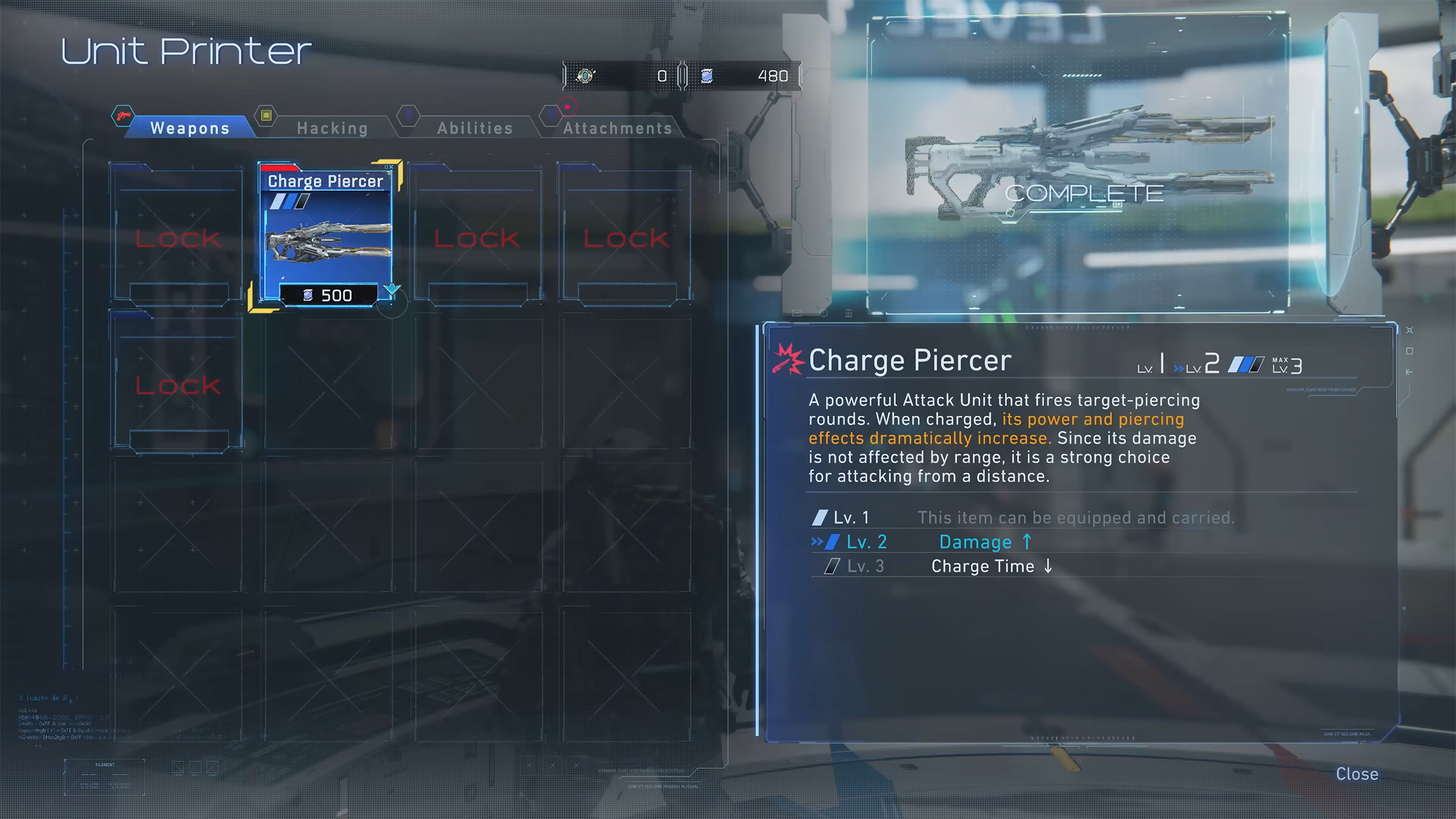
The game starts with overly simple fights and limited resources, which doesn’t reflect how complex and engaging it becomes. As you progress, you unlock new weapons, perks, and hacking tools that give you a lot of freedom in how you play. You can specialize in powerful hacking abilities or focus on quickly building up enemies for dramatic takedowns. The game keeps things fresh by consistently introducing new enemy types and gameplay mechanics, preventing it from ever feeling repetitive.
The game masterfully balances action and challenge, especially within its dedicated challenge rooms. These rooms test your skills and offer rewards for success, which then feed into a robust upgrade system. This system is cleverly designed to enhance the overall experience, providing upgrade materials throughout the world. These materials allow players to become more powerful, helping them overcome the difficult campaign while also encouraging exploration and making levels less restrictive. As the game becomes more complex, players steadily grow stronger, creating a satisfying sense of progression that continues even after the story ends. This well-tuned escalation of power is reminiscent of the pacing in Resident Evil 4, highlighting how effectively Pragmata keeps you engaged.
The only real drawback to the gameplay loop is having to return to base for upgrades. Dying sends you back there too, and while checkpoints are helpful, manually returning to the action after each defeat adds unnecessary time to a game that’s otherwise fast-paced. It would be better if Pragmata had standard checkpoints and allowed upgrades at warp stations, not just at base, but these are minor issues that don’t significantly detract from the enjoyable core gameplay.
Pragmata‘s Story Is Easily its Weakest Part
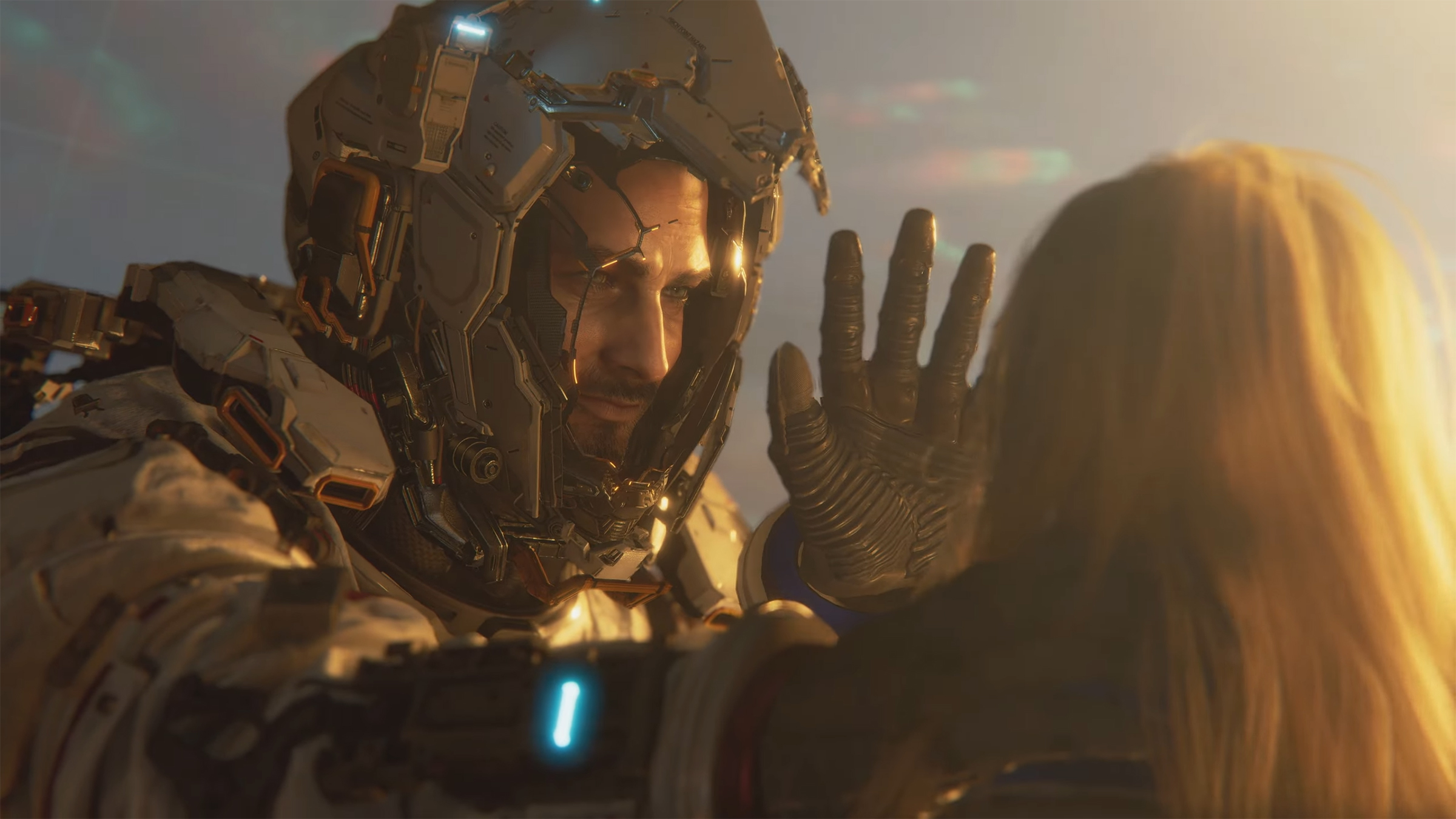
Much of Pragmata feels like a PlayStation 3 game that’s been updated with modern graphics, but it also carries over some of the common issues from that era. The main character, Hugh, is incredibly bland – a typical, likable but unremarkable protagonist with no real personality flaws. And the character Diana, a younger companion players are responsible for, feels like a last-minute addition inspired by the success of The Last of Us.
There’s nothing wrong with a character being a parent, but in Pragmata, it highlights the game’s weak writing. The interactions between the characters, though occasionally charming, usually involve one character patiently explaining basic concepts while the other overreacts. Their relationship lacks conflict and depth, resulting in a blandly sweet connection that doesn’t allow for meaningful exploration of themes or create any dramatic tension.
While Pragmata draws inspiration from games with strong duo dynamics like BioShock Infinite, God of War (2018), and The Last of Us, it misses a key element: the crucial role conflict played in making those games’ stories so compelling. The game initially suggests a character arc for Hugh similar to Alan Grant from Jurassic Park – someone who doesn’t like children – but unfortunately, this potential for growth never materializes, ultimately harming the narrative.
The story in Pragmata doesn’t manage to overcome the game’s fundamental flaws. While it hints at the dangers of prioritizing profits and overly depending on artificial intelligence – potentially leading to disaster – these themes aren’t fully explored in the gameplay or story itself, mostly appearing in optional details. AI is a timely and unsettling villain, but, like recent Mission: Impossible movies demonstrate, it’s difficult to build a compelling story around something so lacking in human qualities. By the time the game reveals who’s responsible for everything, it feels rushed and their reasons aren’t convincing, making the story easily forgettable. However, the final boss fight, with its impressive, *Final Fantasyinspired design, is visually spectacular.
During a difficult period for Capcom in the seventh console generation, they released the largely overlooked game Dark Void. It was clearly designed to capitalize on popular trends at the time, featuring cover-based shooting, a drab, mostly brown color scheme, and a generic hero character voiced by the frequently-heard Nolan North.
Pragmata feels like the game Capcom could have made back when Dark Void was released – a much stronger offering. It’s a single-player, third-person shooter, but what sets it apart is its complex, real-time hacking system. Instead of simply copying other popular games, Pragmata confidently adds layers of mechanics, upgrades, and enemies, resulting in a carefully crafted and original experience. This innovative approach is what distinguishes the current Capcom from its earlier, more troubled years. While the story relies on some familiar and overused tropes from that console generation, Pragmata embodies the kind of creative spirit that is often missing in today’s big-budget games.
A PS5 copy of Pragmata was provided by the publisher for the purpose of this review.
What do you think? Leave a comment below and join the conversation now in the ComicBook Forum!
https://comicbook.com/gaming/feature/resident-evil-requiem-mercenaries-mode-combat-too-good/embed/#
Read More
- After 11 Years, Black Clover Officially Ends With Final Release (& Crowns a New Wizard King)
- Welcome to Demon School! Iruma-kun season 4 release schedule: When are new episodes on Crunchyroll?
- Gemma Arterton spy thriller Secret Service based on hit novel gets release date confirmed on ITV
- 7 Most Brutal Avengers Villains, Ranked by Threat Level
- The Boys Season 5, Episode 2’s Soldier Boy Ending Twist Changes Everything for Homelander & Butcher
- ‘You Can Play Your Purchased Games As Usual’: Sony Breaks Silence on PS5, PS4 Game Expiry DRM
- The Boys Season 5, Episode 5 Ending Explained: Why Homelander Does THAT
- 10 Best Free Games on Steam in 2026, Ranked
- 10 DC Comics That Perfectly Redefined Iconic Characters
- Apex soundtrack: Every song featured in the Netflix thriller
2026-04-13 18:14