Because the developers of Crimson Desert, Pearl Abyss, have been rapidly releasing updates and fixes, we’re taking another look at the game.
Since the game has changed since its release on March 19th, we wanted to take another look and share our current thoughts on the open-world experience.
Read on for our thoughts.
As some of you know, I’ve played Crimson Desert before. I quickly went through the entire game – it’s incredibly large – and didn’t really enjoy it. This was shortly after it came out on March 19th.
I’m revisiting Crimson Desert because it’s gotten much better lately. I’ve been playing it on and off for weeks and have noticed a real improvement in the overall experience.
Pearl Abyss has released several significant updates that have improved the game’s overall quality and made it more enjoyable to play.
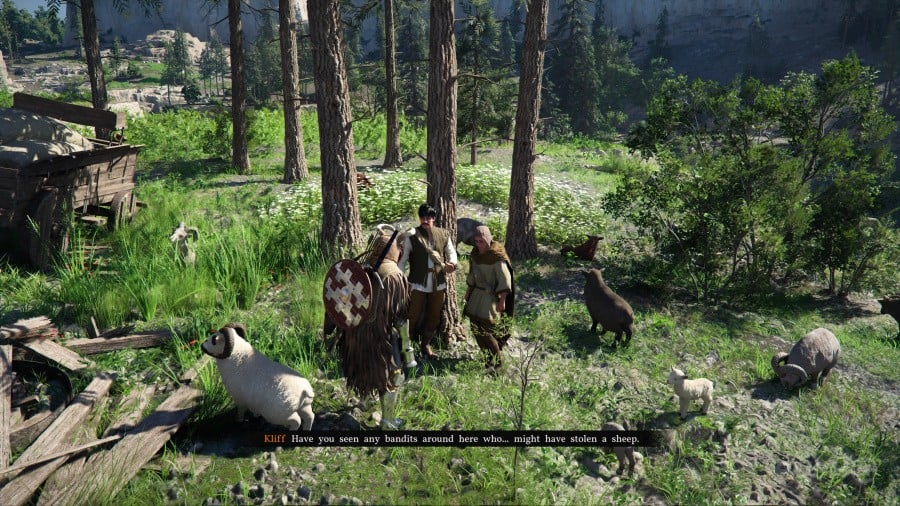
We’ve added difficulty options and completely overhauled the menus to make them easier to use. Tutorials are now more polished, controls are more responsive, and the graphics have been improved. Plus, we’ve fixed several bugs that were preventing players from progressing.
Listing all the changes would take forever, so here’s the gist: Crimson Desert is now a lot more accessible and easier to pick up and play, without a ton of frustrating obstacles.
I continue to agree with the points I made in my first review. The game still feels like an early access version, and it has a number of strange and confusing design choices.
Now that I’ve had a chance to play Crimson Desert without restrictions, I finally understand the hype. I see why people were so enthusiastic after just a few hours, even before fully exploring the game. This fantasy adventure is incredibly immersive—it can truly take over your life, something very few single-player games achieve.
Even with all the recent changes, it can still feel confusing and doesn’t try to make things easier for the user.
The game features a massive open world, and even after playing for over 100 hours and completing the main story, I’ve still only explored a portion of it. There’s a lot left to discover!
The game still struggles with its initial opening; even playing through it a second time, it feels disconnected. While the story doesn’t really connect the quests in a meaningful way – a problem that continues throughout the game – that’s not really why people are playing Crimson Desert anyway.
It’s a bit disappointing, honestly. The main story has glimpses of a good plot, particularly when it delves into political intrigue.
You take on the role of the leader of the Greymanes, a group of brave mercenaries from the north. Your mission is to restore your clan to its former glory after it was devastated by the Black Bear barbarians.
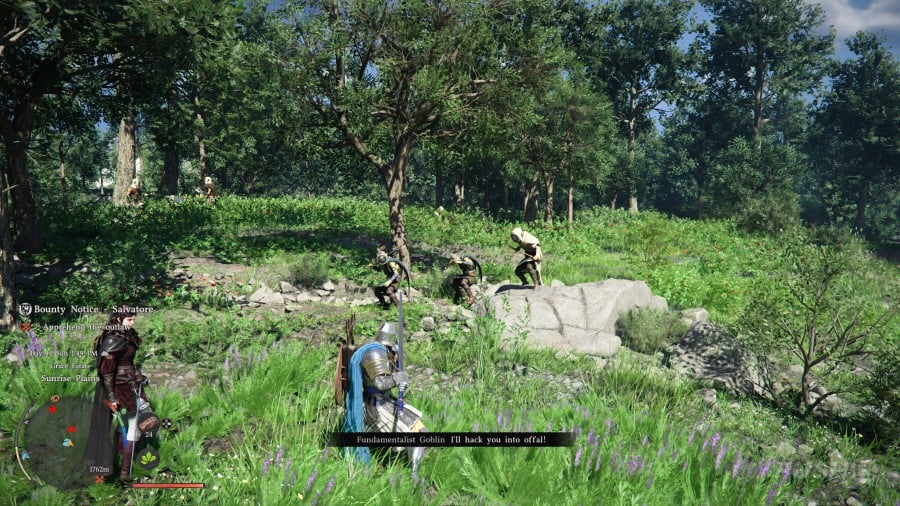
To achieve their goal, the hero Kliff and his diverse group of companions need to gain favor with those in power. Players will complete risky tasks for local leaders, fighting bandits and taking back important areas. It’s rewarding to watch the Greymanes slowly rise to prominence again.
The game’s story struggles because, beyond a few key missions, we don’t learn much about what makes the characters, like Kliff, tick. Conversations feel short and awkward, and important details are often just hinted at rather than clearly explained.

The story also suffers from separate plotlines that don’t connect for a long time. For example, Kliff dies at the very beginning, but a mysterious, almost god-like figure brings him back to life with very little explanation.
Kliff keeps this a secret from everyone, including his trusted friends, and life continues as normal even though he suddenly has incredible, otherworldly powers.
The story doesn’t quite make sense, and it feels like a lot of the plot points were added late in the game’s development, after it was already well underway.
Crimson Desert is a remarkably complex game with a lot going on. It features numerous factions, each with unique stories, a detailed system for managing your camp, and a huge number of hidden secrets to discover in its open world.

Seriously, if I tried to list everything there is to do in Crimson Desert, this review would be ridiculously long – we’re talking potentially over 10,000 words! I’ve put 50 to 100 hours into it already, and it still feels like there’s so much more to explore. It’s just… endless, honestly.
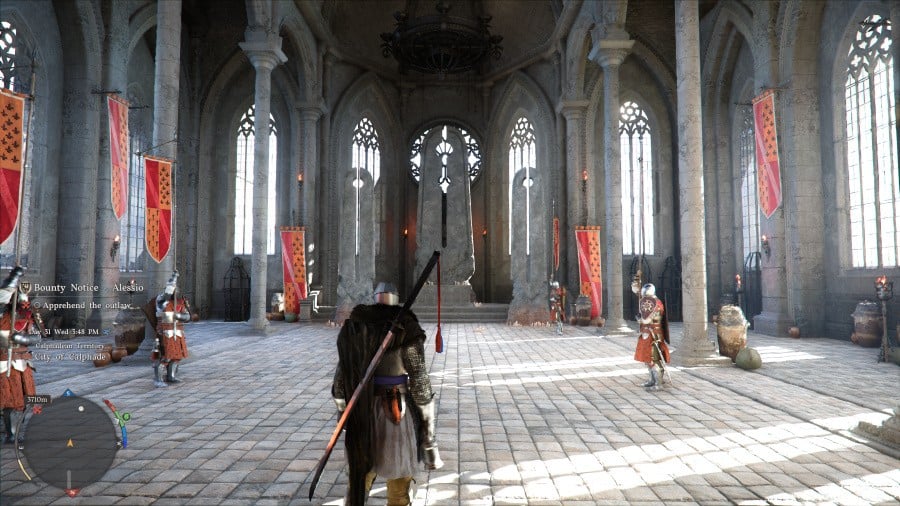
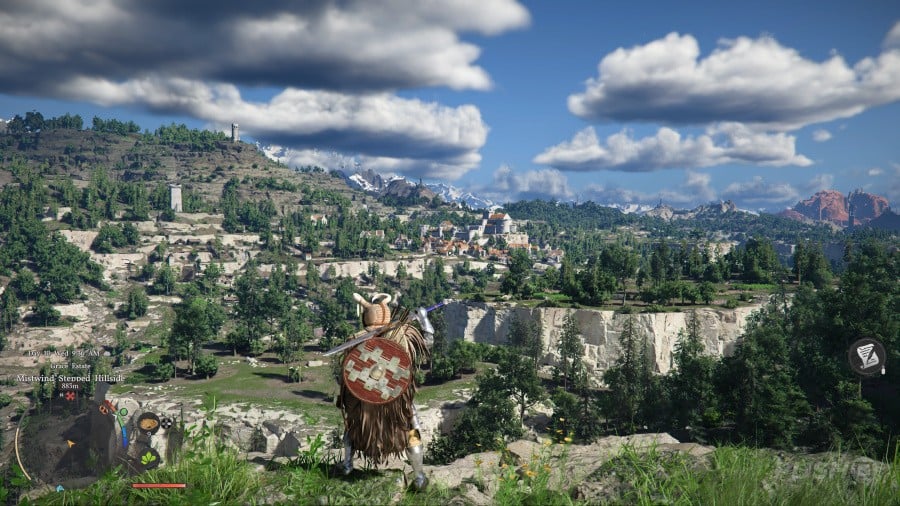
Honestly, what really makes this game special, like all the best open-world games, is the world itself. I think Pywel is genuinely one of the most amazing and immersive worlds I’ve ever experienced in a game – technically, it’s really impressive, but more than that, it just feels real.
The level of detail in this game – from the animals and plants to the weather and lighting – is as impressive as Red Dead Redemption 2, which is widely considered one of the best games ever made. As for how big the game world is, it’s comparable to massively multiplayer online games that have been constantly updated and expanded over many years.
This is a truly remarkable place, and it’s incredibly fun to just choose a path and start exploring. The beautiful views are worth the walk all on their own.
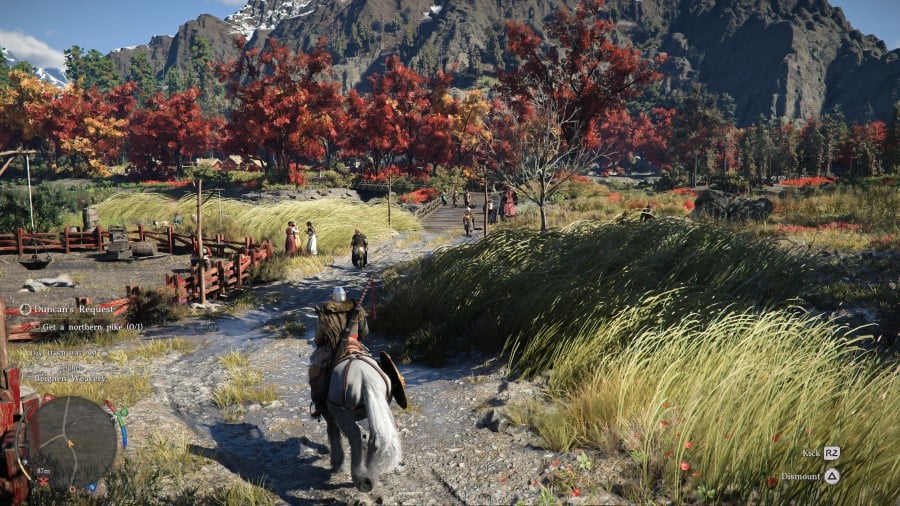
I’m completely confident that the game shines when you freely explore its world. While it doesn’t reach the same heights as Elden Ring, it’s still a captivating experience.
Crimson Desert is a really impressive open-world game, and that’s why its flaws become really noticeable. When you’re not exploring the open world, you’ll likely be doing side quests, and unfortunately, many of them aren’t very good.
Kliff feels very similar to Pearl Abyss’ other game, Black Desert Online, largely because of how much time you spend simply traveling between points on the map. The game relies heavily on collecting items, and the characters you meet rarely offer compelling stories or interesting details.
These quests are mostly repetitive and uninteresting, and you might only tolerate them because the game world itself is so immersive and captivating.
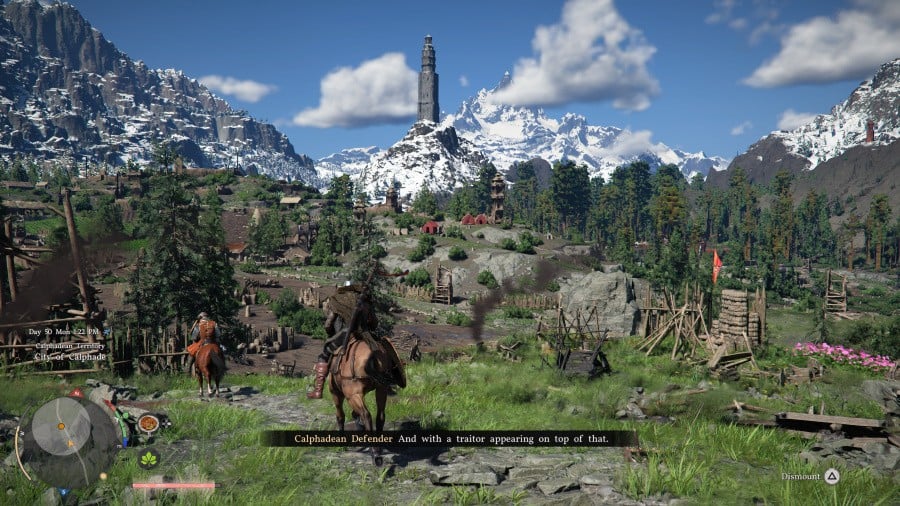
Sometimes, the quests in Crimson Desert are shockingly bad – even worse than simple, repetitive tasks. I honestly don’t understand how some of them passed quality control and made it into the final game.
Surprisingly, one of the best examples of this happens right in the game’s main story. I won’t give away any details, but there’s a whole chapter dedicated to taking back a castle that’s been captured.
Kliff teams up with the local militia to create an attack plan, using the Greymanes as their frontline soldiers. This leads to an incredible action-packed battle where you fight through enemy camps, driving back the invaders in a large-scale, fast-paced war reminiscent of the Dynasty Warriors series.
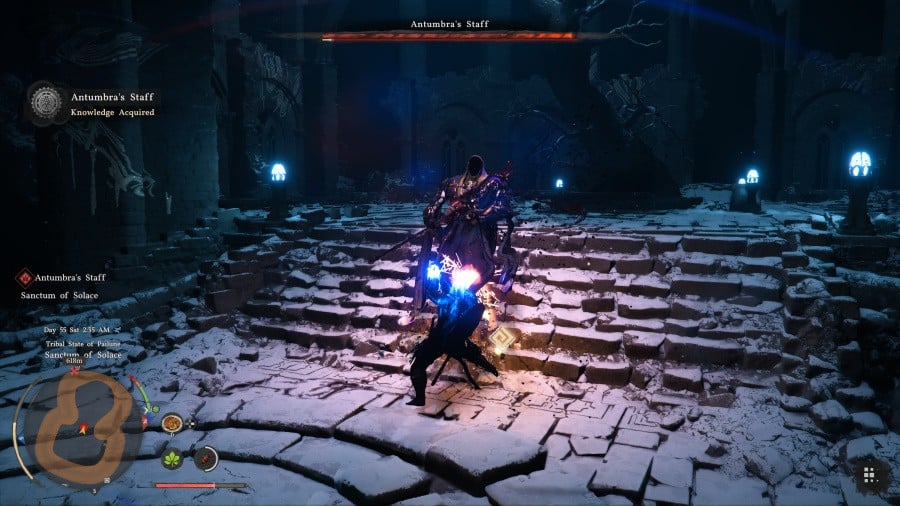
The game features fantastic cutscenes, culminating in an exciting boss battle within the castle’s collapsing tower. This is the type of storytelling and progression Crimson Desert should focus on.
Then, the game moves into a new chapter with a lot of energy, but it naturally slows down the pace a bit. You travel north to a charming village, talk with your friends, and then discover you can listen in on other people’s conversations.
The game frequently introduces mechanics that feel unfinished and don’t work well. For example, the eavesdropping feature forces you to stand in a very specific location and listen to incredibly slow, unskippable dialogue between characters.
Once you’ve gathered the information, you’ll need to show it to a guard to get into a hidden underground base. You’ll have to do this three times, repeating the exact same conversation each time, which can be frustrating because it’s unclear why you’re repeating yourself from a story standpoint.
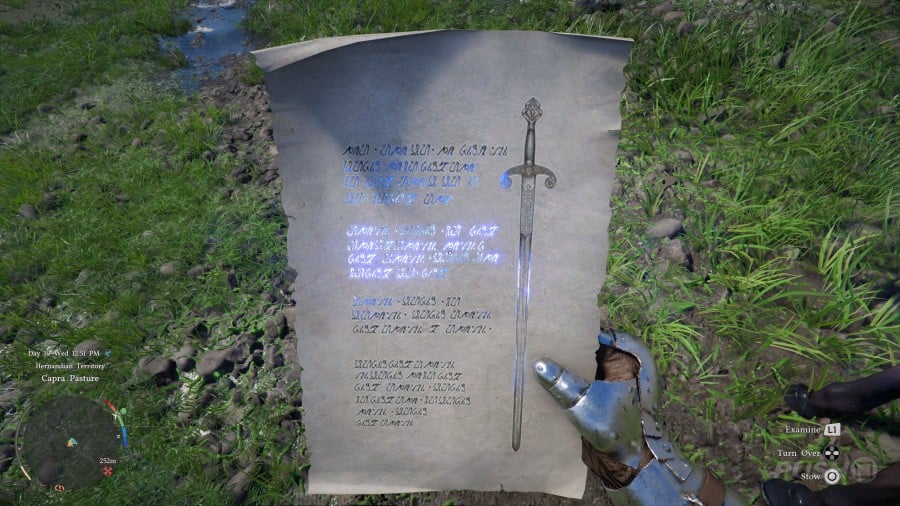
The story feels like a rough draft – it doesn’t really make sense, and the game makes you watch a lot of it just for a character named Kliff to talk to someone he seems to already be familiar with. I almost quit playing because of it.
After the intense warfare of the last chapter, this feels like a completely fresh start, almost like an early, incomplete version of the game – and it’s surprisingly amazing.
It’s rare for quests to suddenly become this bad, but the fact that it can happen at all was surprising and a little confusing.
Crimson Desert really needs to be streamlined – the whole game feels bloated. They could remove hundreds of quests and activities without affecting what makes it fun. It’s clear Pearl Abyss tried to include everything during development, and that actually slows down the game’s pace in frustrating ways.
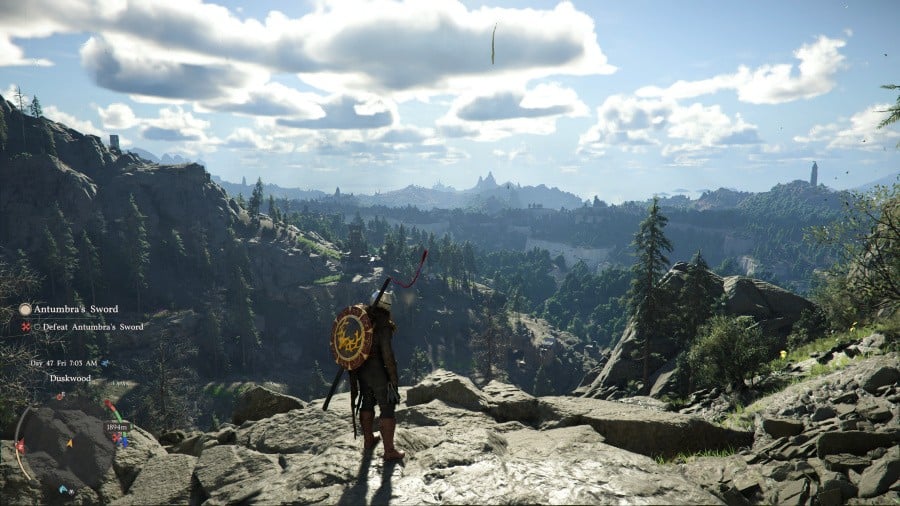
Honestly, my biggest issue with the game is that it tried to do too much. If it had just focused on being a really open, free-roaming experience – kind of like Dragon’s Dogma where you just go and explore – it would have been amazing. Maybe even a masterpiece, if they’d trimmed back some of the story stuff.
It doesn’t seem to know when to stop, constantly attempting to do too much. It aims for the depth of games like Red Dead Redemption 2, but lacks meaningful character growth. It tries to be a compelling war story, but gets bogged down in tedious tasks and loses momentum. Ultimately, it never truly focuses on what it does best.
I’m really starting to love the combat in this game! It took a while to really get going – honestly, it took me dozens of hours to unlock everything through skills and the story – but once it all clicked, it became so much fun. It’s a system that encourages you to experiment, and it’s really rewarding when you find something that works.
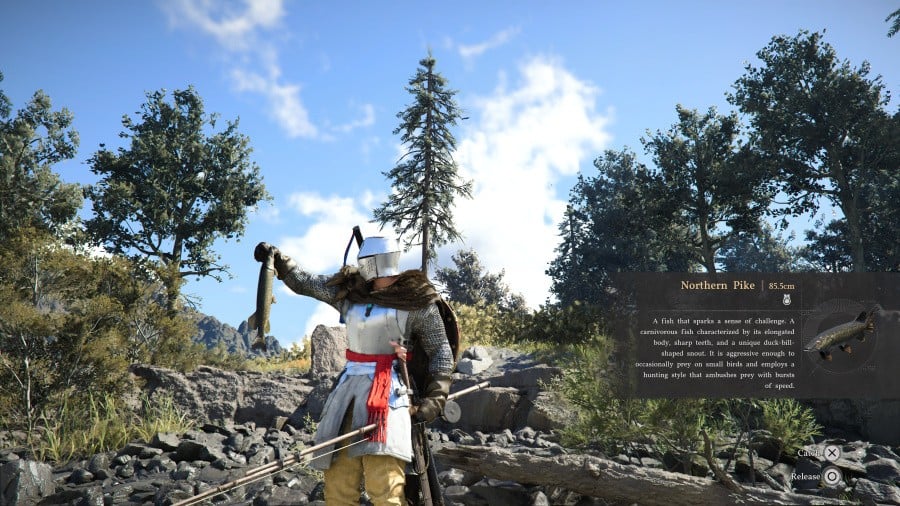
Crimson Desert is a surprisingly engaging action game that blends fast-paced combat with special ability use. While boss fights are excellent, the game could benefit from more diverse enemy types throughout the rest of the experience.
Kliff is a fantastic swordsman with a surprising passion for wrestling. This combination results in a really entertaining and unusual fighting style. He can quickly switch from powerful greatsword attacks that clear out groups of enemies to delivering devastating wrestling moves – like a clothesline strong enough to break a tree – to single targets.
The game starts rough, and unfortunately, it doesn’t get much easier as you invest more time. However, once you unlock powerful abilities and devastating attacks, it becomes incredibly satisfying, offering some of the most exciting and engaging combat the genre has to offer.
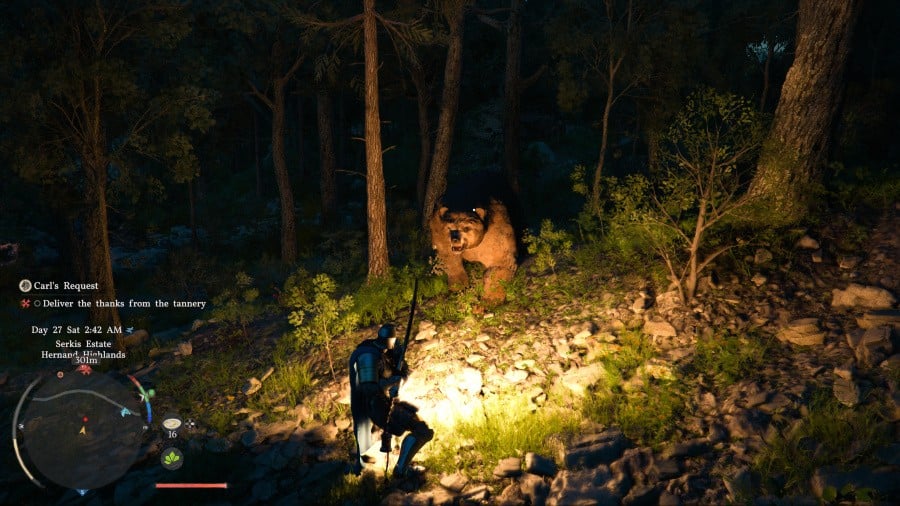
The game can feel a bit disconnected, especially during boss fights. It’s sometimes hard to clearly see what’s happening, and the animations don’t always flow smoothly. This can make battles feel random and reliant on just absorbing damage, rather than skillful play and well-designed combat.
The main issue preventing combat from being truly excellent is the frame rate. Although demanding battles cause the frame rate to dip, even these occasional drops are noticeable and detract from what is otherwise a fantastic part of the game.
Pearl Abyss has made significant improvements to Crimson Desert’s performance on both PlayStation 5 and PlayStation 5 Pro. Recent updates have boosted how the game runs quite a bit, though it’s not flawless yet. Hopefully, they’ll continue to make it even better.
Read More
- 10 Greatest Manga Endings of All Time
- Review: Final Fantasy Tactics: The Ivalice Chronicles (PS5) – Still the Benchmark for Turn-Based Tactics
- Mark Zuckerberg & Wife Priscilla Chan Make Surprise Debut at Met Gala
- GBP CNY PREDICTION
- Elon Musk’s Mom Maye Musk Shares Her Parenting Philosophy
- Forza Horizon 6 Car List So Far: Confirmed Highlights, Cover Cars, DLC, and Rewards
- Ranking the 5 Best Spring 2026 Anime So Far (Mid-Season Update)
- Miranda Kerr Shares “Quick” Procedure She Got Before Met Gala 2026
- The WONDERfools ending explained: What happened to the Child of Eternity?
- Hollow Knight: Silksong Guide – All 30 Lost Flea Locations
2026-05-22 21:39