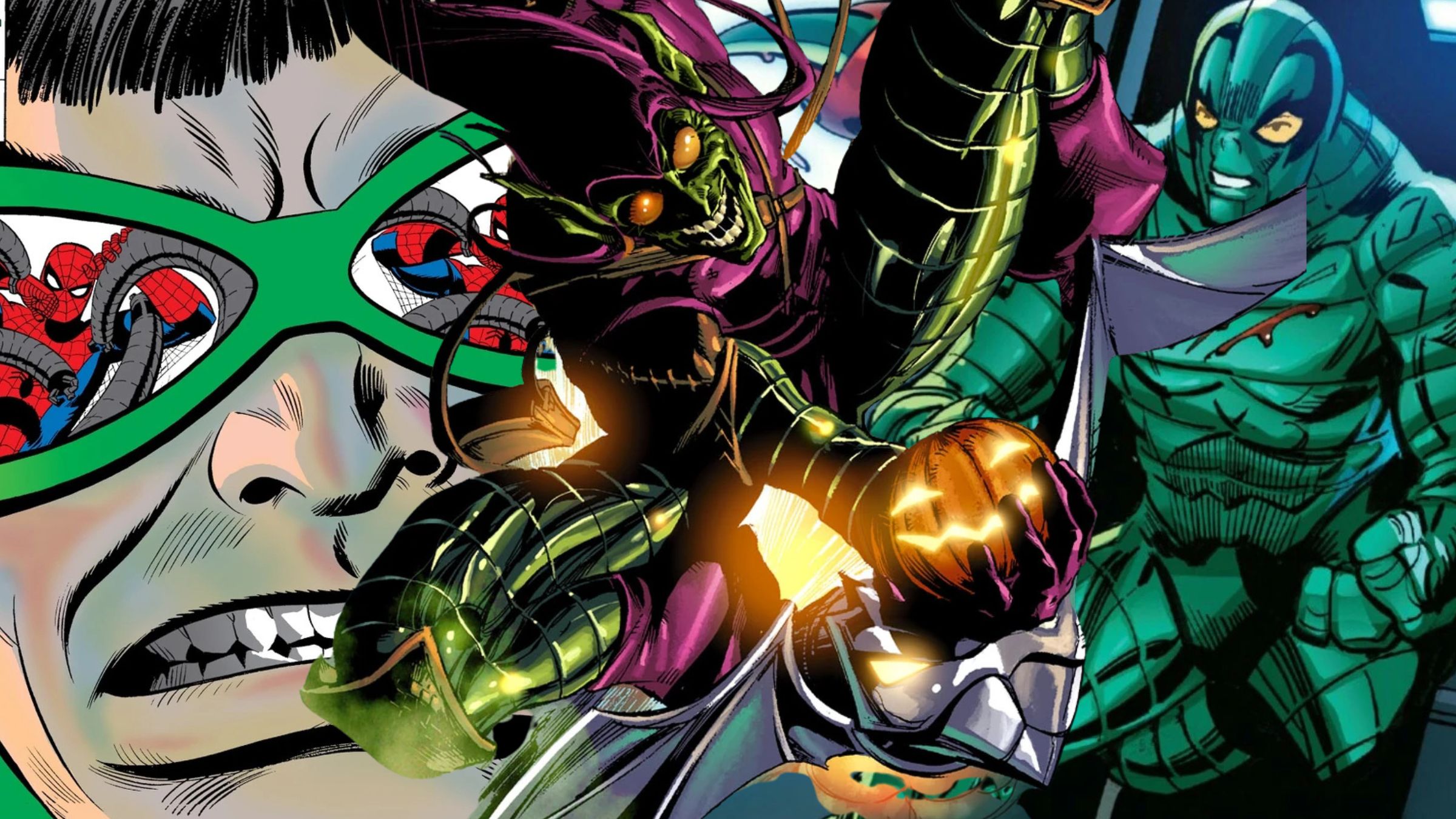
Spider-Man really came into his own in the 1970s, experiencing some of his most famous adventures and facing off against legendary villains. First appearing in 1962’s Amazing Fantasy #15 as a high school student gaining powers from a radioactive spider, he initially struggled to balance his personal life with being a superhero. But by the 70s, he had grown into the role, left school behind, and was establishing himself as a key hero in the Marvel Universe, all while battling some truly unforgettable foes.
Let’s revisit some of the most memorable villains Spider-Man faced during the 1970s.
10) Tarantula
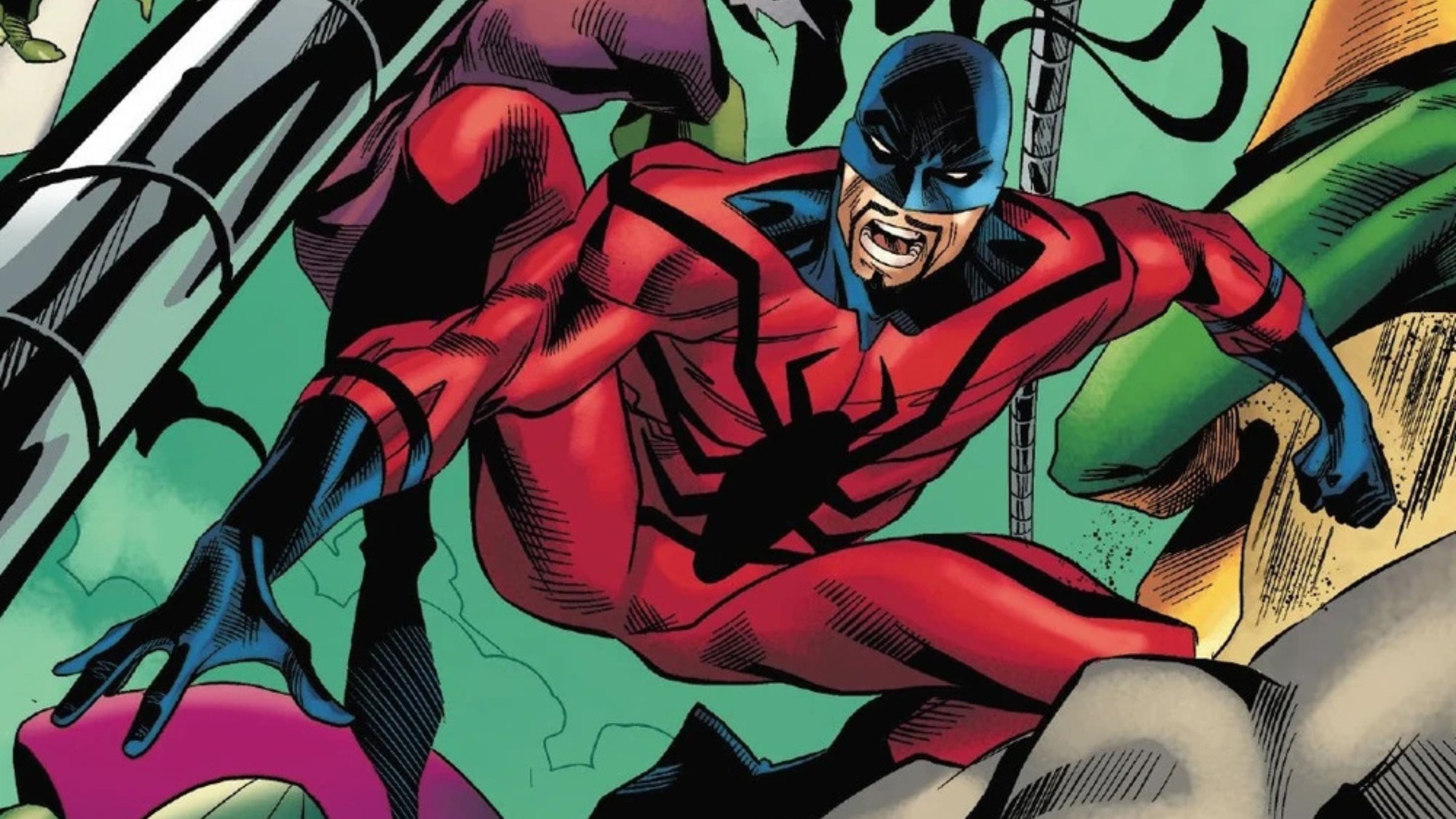
Tarantula isn’t a well-remembered Marvel villain, but a brief appearance in the trailer for Spider-Man: Brand New Day – mirroring his first comic book appearance in Amazing Spider-Man #134 (1974) – sparked renewed interest. Created by Gerry Conway and Ross Andry, Tarantula was a South American revolutionary who fought using poison-tipped spikes on his gloves and boots. He’s best known for battles with both Spider-Man and the Punisher. What made Tarantula stand out was his realistic motivation for committing crimes, a trait many Spider-Man villains shared during the 1970s.
9) Shocker

Shocker first appeared in 1967, but he truly became a major threat to Spider-Man in the 1970s. Unlike many of Spider-Man’s more dramatic villains, Shocker was a relatable, blue-collar criminal – a self-taught safe cracker who used vibranium gauntlets to commit robberies, rather than pursuing world domination. He boosted his reputation by joining teams like the Masters of Evil and the Sinister Six, and he often worked for Spider-Man’s recurring enemies. Interestingly, even after his recent death, Spider-Man admitted that he considered Shocker a classic villain he secretly respected.
8) Scorpion

Scorpion first appeared in 1965 and really became a notable villain in the 1970s. Initially, he was a character partially created by J. Jonah Jameson, but experiments that gave him his powers also caused brain damage, leading to increasing instability and rage. This psychological damage fueled his criminal behavior, and the 1970s saw him develop into a more complex and dangerous character. His appearances in other comic book titles during this decade further solidified his reputation. While he became an even more formidable foe as the new Venom in the 2000s, his peak as a villain arguably occurred in the 1970s.
7) Hammerhead
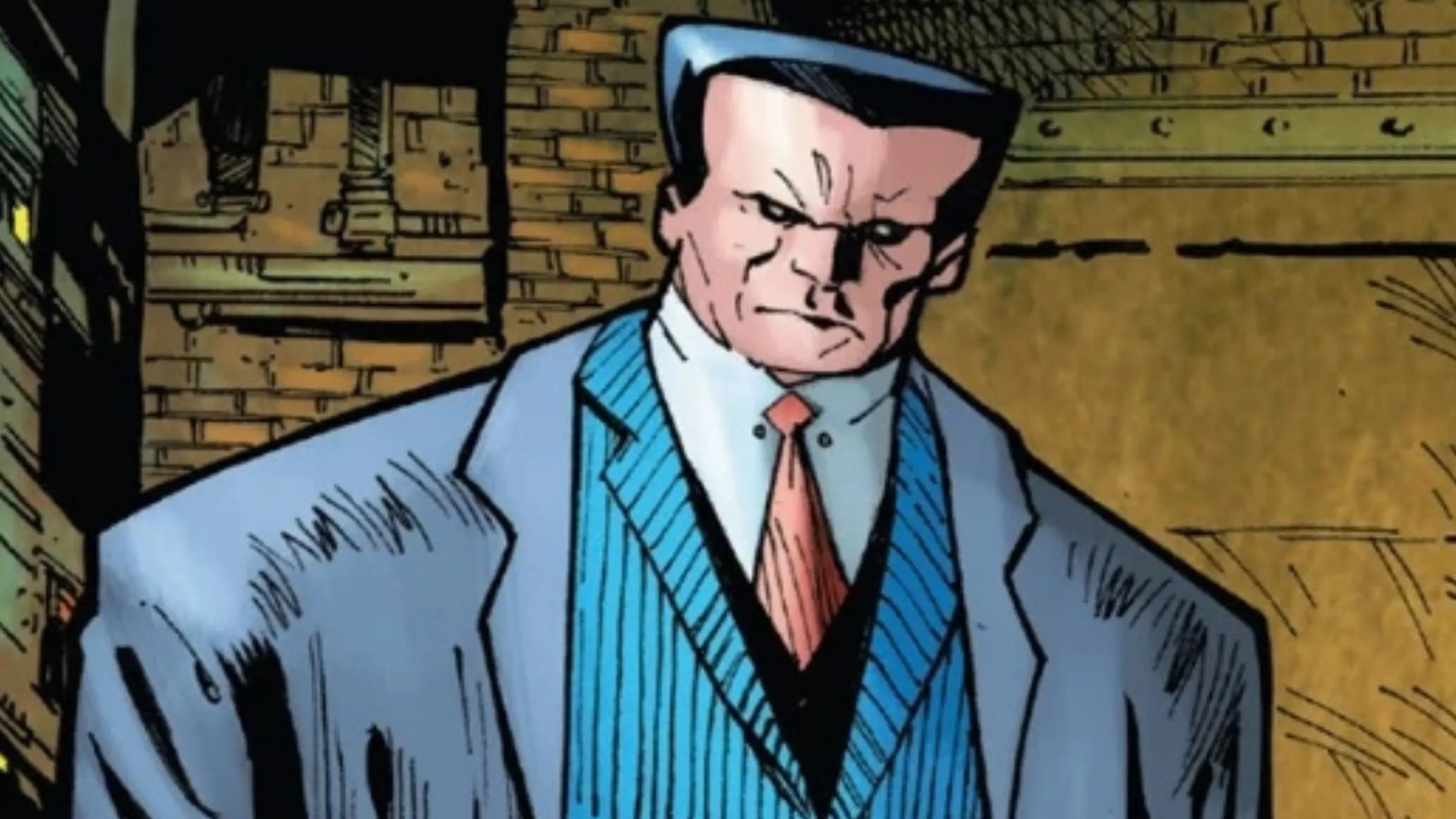
Hammerhead first appeared in The Amazing Spider-Man #113 in 1972, created by Gerry Conway and John Romita Sr. He immediately played a significant role as a villain in a three-part story arc. Originally a small-time criminal, Hammerhead suffered a head injury that was repaired with a steel alloy, quickly allowing him to rise through the ranks and become a powerful crime boss. He clashed with the Maggia organization, sparking a major gang war that became a defining feature of Spider-Man comics in the 1970s. His look was inspired by the gangsters of 1920s films, making him a particularly striking and memorable villain of the era.
6) Mysterio
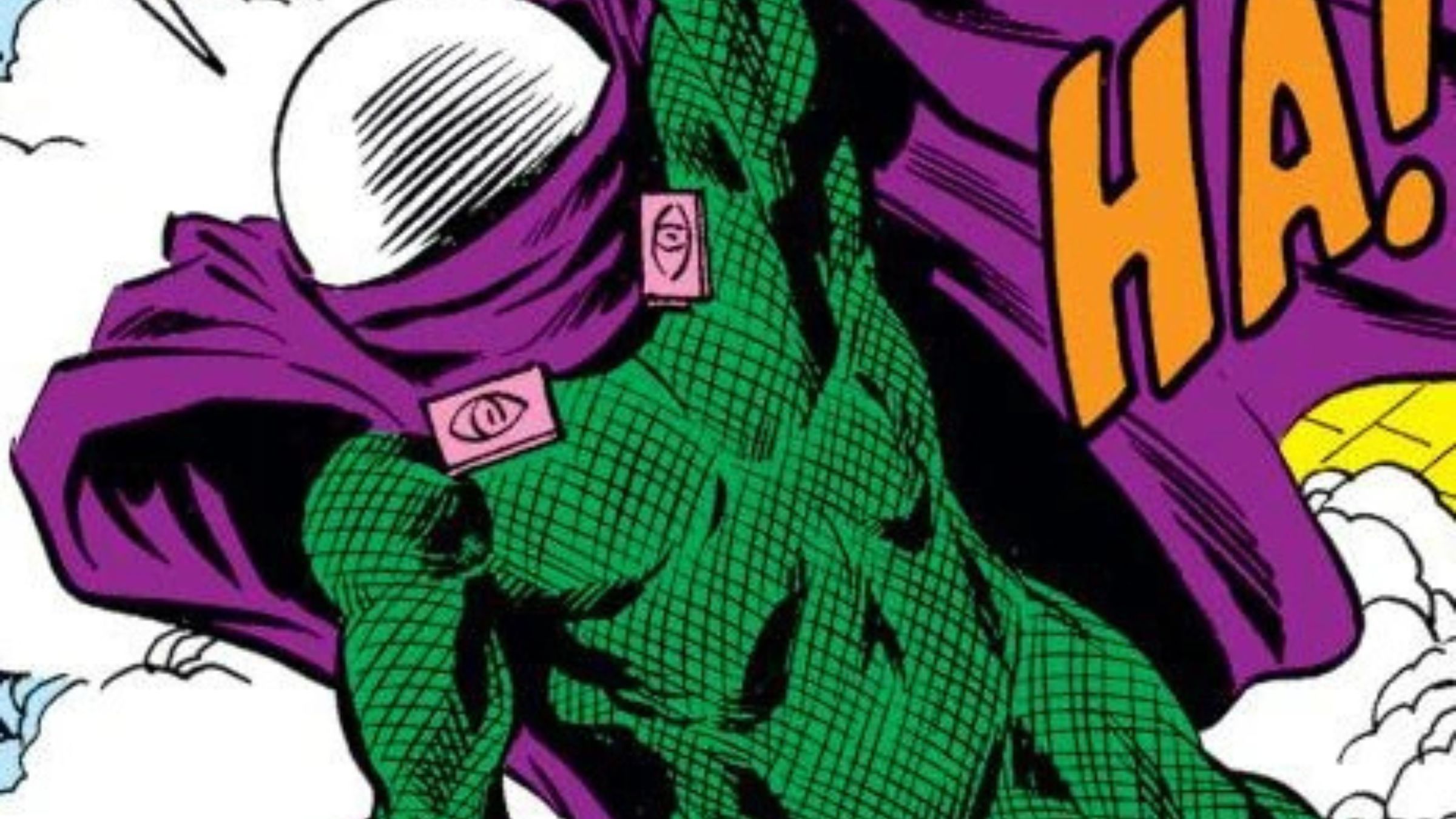
Mysterio was among Spider-Man’s earliest foes in Marvel Comics, first appearing in the 1960s. He became an even greater threat in the 1970s, experiencing a significant comeback in 1975 when a new operative, Daniel Berkhart, took over. Berkhart was trained by the original Mysterio, Quentin Beck, and hired by J. Jonah Jameson to ruin Spider-Man’s reputation. Interestingly, Beck didn’t disappear; this created a unique dynamic. Mysterio stood out from other villains because he focused on psychological tactics rather than direct physical attacks. His design and technology, particularly the fishbowl helmet and holographic illusions, also paid homage to classic science fiction.
5) Wilson Fisk
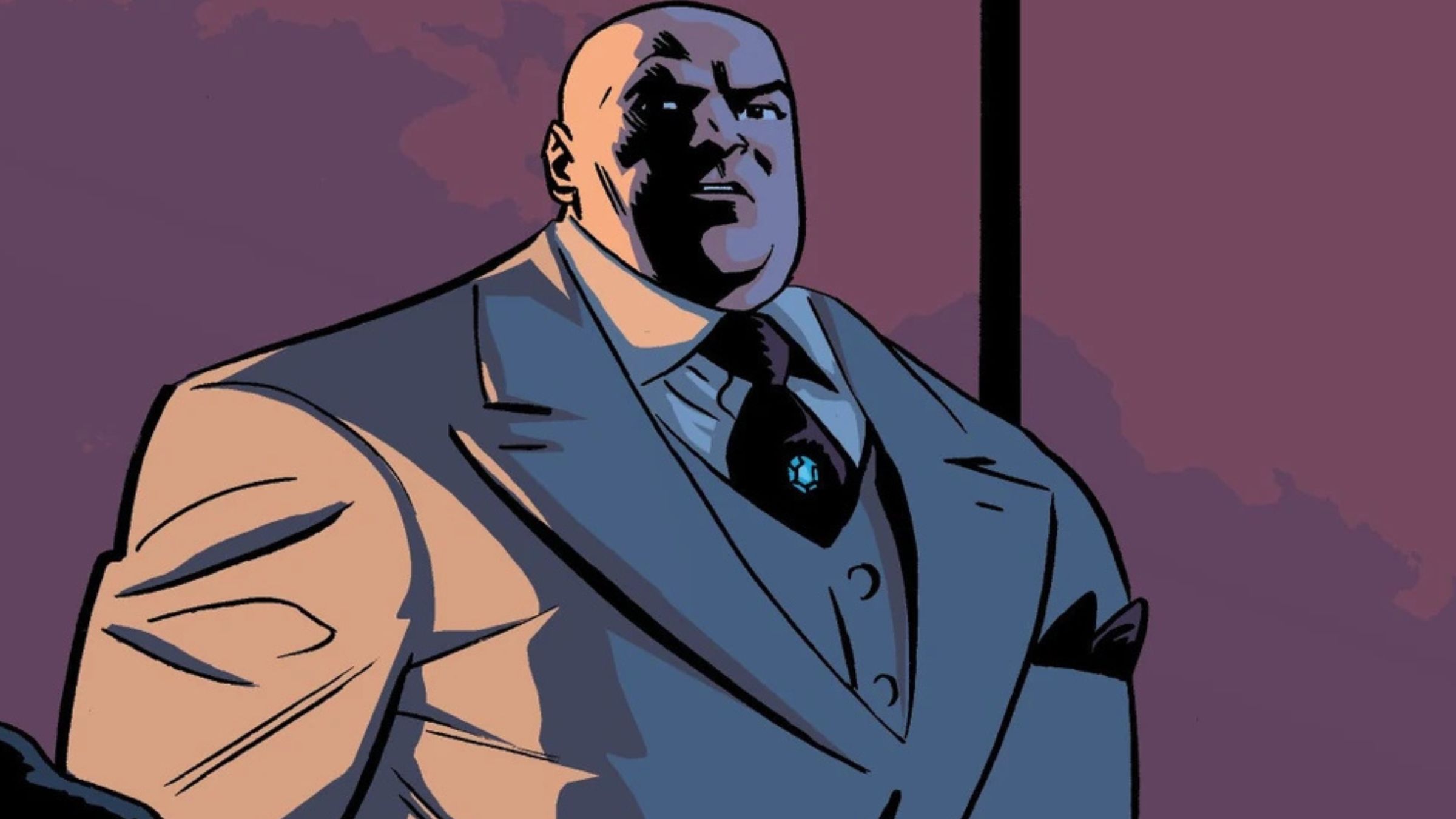
Wilson Fisk, better known as Kingpin, is a major enemy of Daredevil, but he actually first appeared in an Amazing Spider-Man comic in 1967. For much of the 1970s, he was a villain specifically for Spider-Man. What set Kingpin apart from other criminals in those comics was that he ran his criminal organization like a legitimate business, keeping everything so secretive that he was incredibly difficult to catch. While he later became a key enemy for Daredevil in the 1980s, Marvel had already established him as a powerful figure in Spider-Man comics during the 70s. In many ways, Kingpin set the standard for crime bosses in Marvel comics going forward.
4) The Jackal
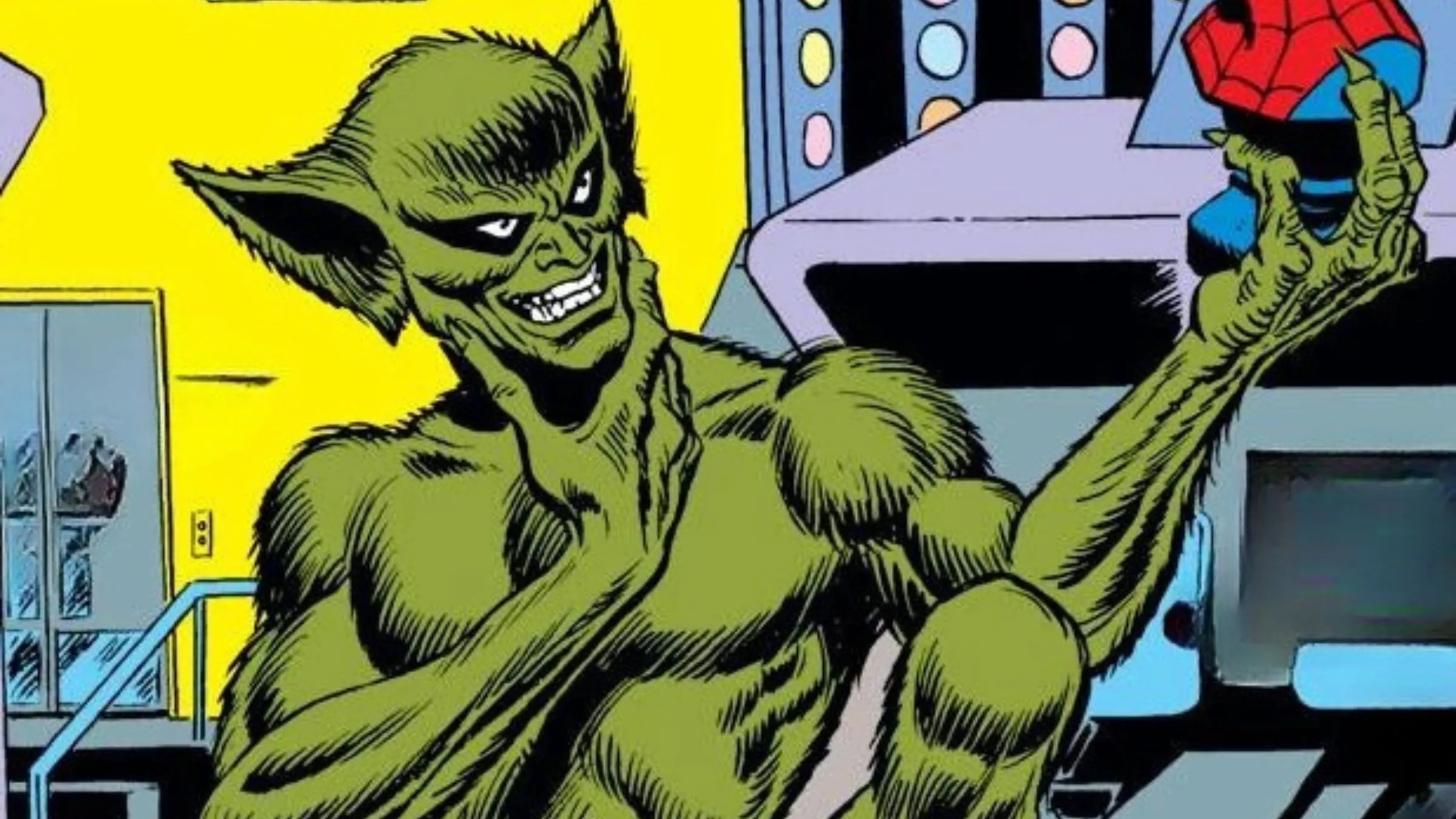
The Jackal first appeared in The Amazing Spider-Man #129 and played a key role in launching the infamous Clone Saga, a storyline many Spider-Man fans dislike. But before that controversial saga, there was an earlier Clone Saga in the 1970s – a story readers generally enjoyed. This original storyline ran from issues #129 to #151 and hinted that Peter Parker might actually be a clone. Jackal also introduced the Punisher to the Marvel Universe, tricking Frank Castle into believing Spider-Man was a criminal. Ultimately, Jackal had a lasting impact on Spider-Man, arguably more so than most villains of that era.
3) J. Jonah Jameson
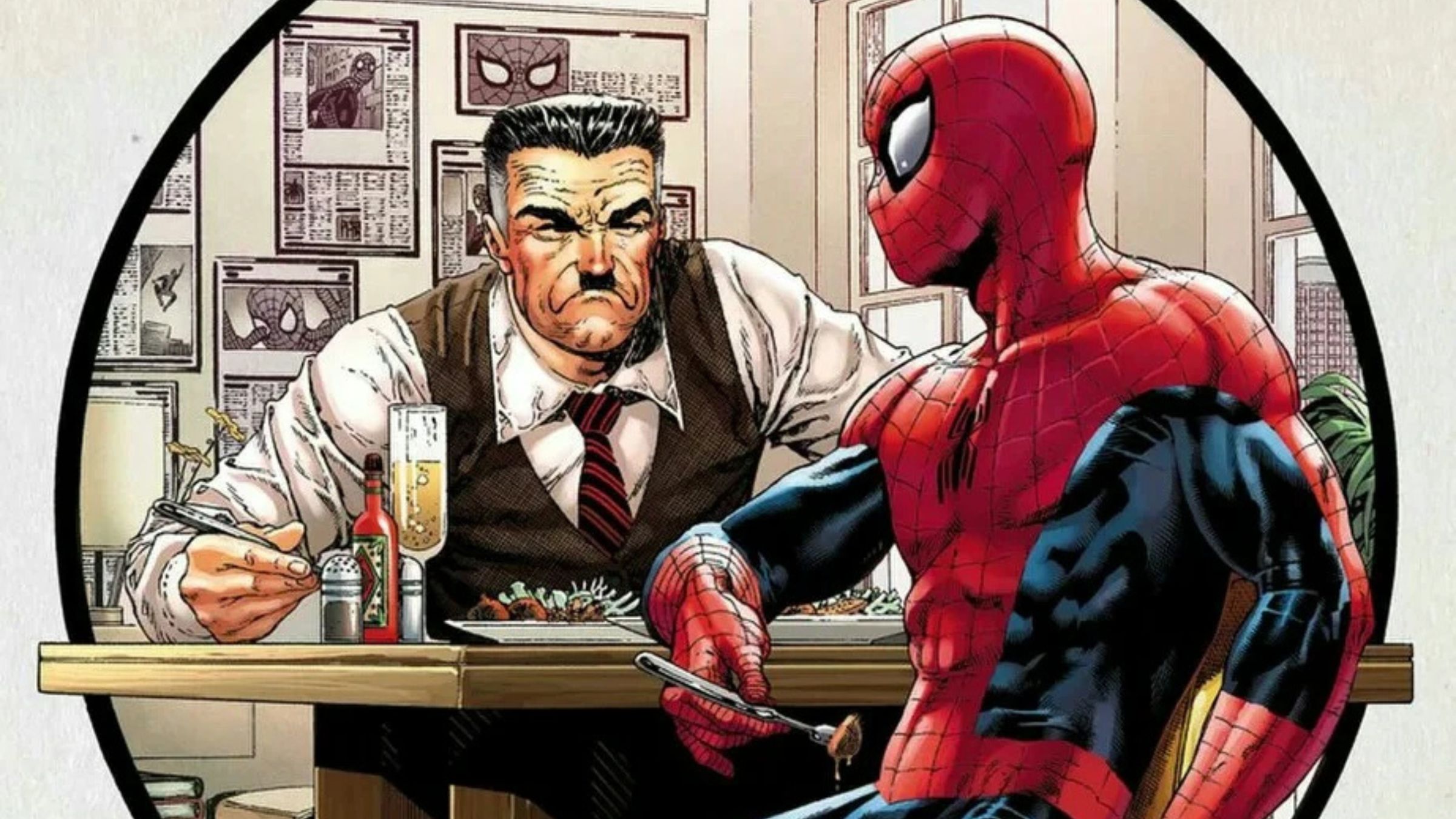
J. Jonah Jameson has been a fixture in Spider-Man comics since the very beginning, appearing in The Amazing Spider-Man #1. He’s a well-known character who’s often both a helpful ally and a frustrating enemy. For much of the 1970s, he was primarily an antagonist – though not a typical villain – and his actions could have landed him in jail if exposed. He’s best known for constantly criticizing Spider-Man in his newspaper, the Daily Bugle. He also frequently teamed up with villains like Mysterio and Scorpion, and even the Spider-Slayers, consistently making life difficult for Spider-Man.
2) Doctor Octopus

Doctor Octopus first appeared in The Amazing Spider-Man #3 in 1963, created by Stan Lee and Steve Ditko, and quickly became one of Spider-Man’s most iconic enemies. Throughout the 1970s, he was a central figure in many memorable storylines, including leading the Sinister Six – a team of villains he originally formed in the 1960s. Like Spider-Man’s alter ego, Peter Parker, Doctor Octopus is a genius, but he lacks the strong moral compass that holds Peter back. Often considered Spider-Man’s greatest foe alongside the Green Goblin, Doctor Octopus consistently challenged Spider-Man and made him one of the most compelling villains of the 1970s.
1) The Green Goblin
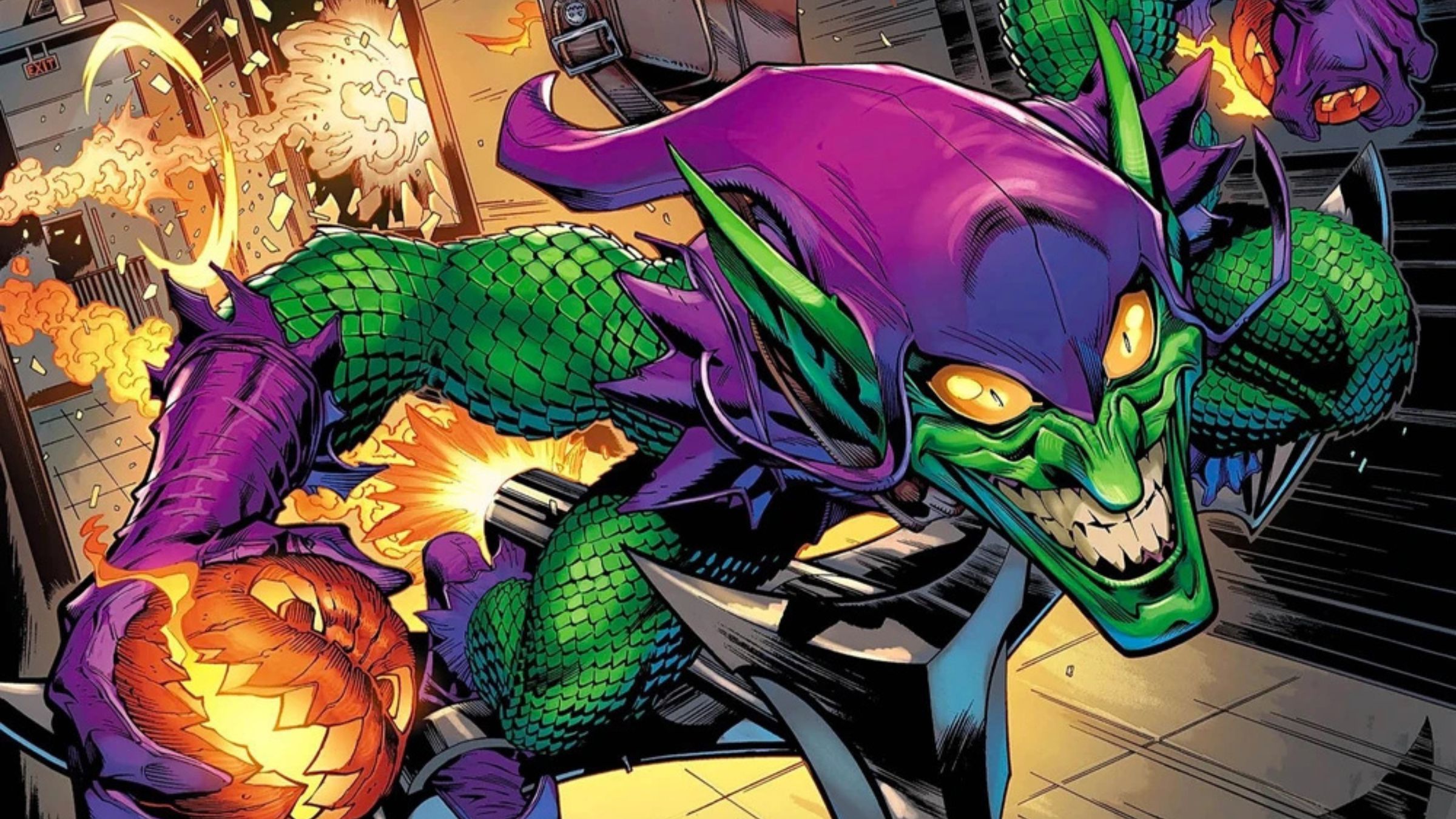
In the 1970s, the Green Goblin stood out as Spider-Man’s most impactful villain, despite a period of absence early in the decade. First appearing in 1964 as Norman Osborn, the Green Goblin quickly became known for his psychological torment of Spider-Man. This was dramatically illustrated in 1973 with the tragic death of Gwen Stacy at Norman’s hands. Though Norman seemingly died after this event, the conflict continued as his son, Harry Osborn, later became the new Green Goblin, creating years of further challenges for Peter Parker.
What do you think? Leave a comment below and join the conversation now in the ComicBook Forum!
Read More
- The Super Mario Galaxy Movie: 50 Easter Eggs, References & Major Cameos Explained
- Surprise Isekai Anime Confirms Season 2 With New Crunchyroll Streaming Release
- ‘Project Hail Mary’: The Biggest Differences From the Book, Explained
- 10 Best Free Games on Steam in 2026, Ranked
- Silver Rate Forecast
- All 7 New Supes In The Boys Season 5 & Their Powers Explained
- Sydney Sweeney’s The Housemaid 2 Sets Streaming Release Date
- Skate 4 – Manny Go Round Goals Guide | All of the Above Sequence
- Frieren: Beyond Journey’s End Gets a New Release After Season 2 Finale
- Preview: Sword Art Online Returns to PS5 as a Darker Open World Action RPG This Summer
2026-04-13 00:13