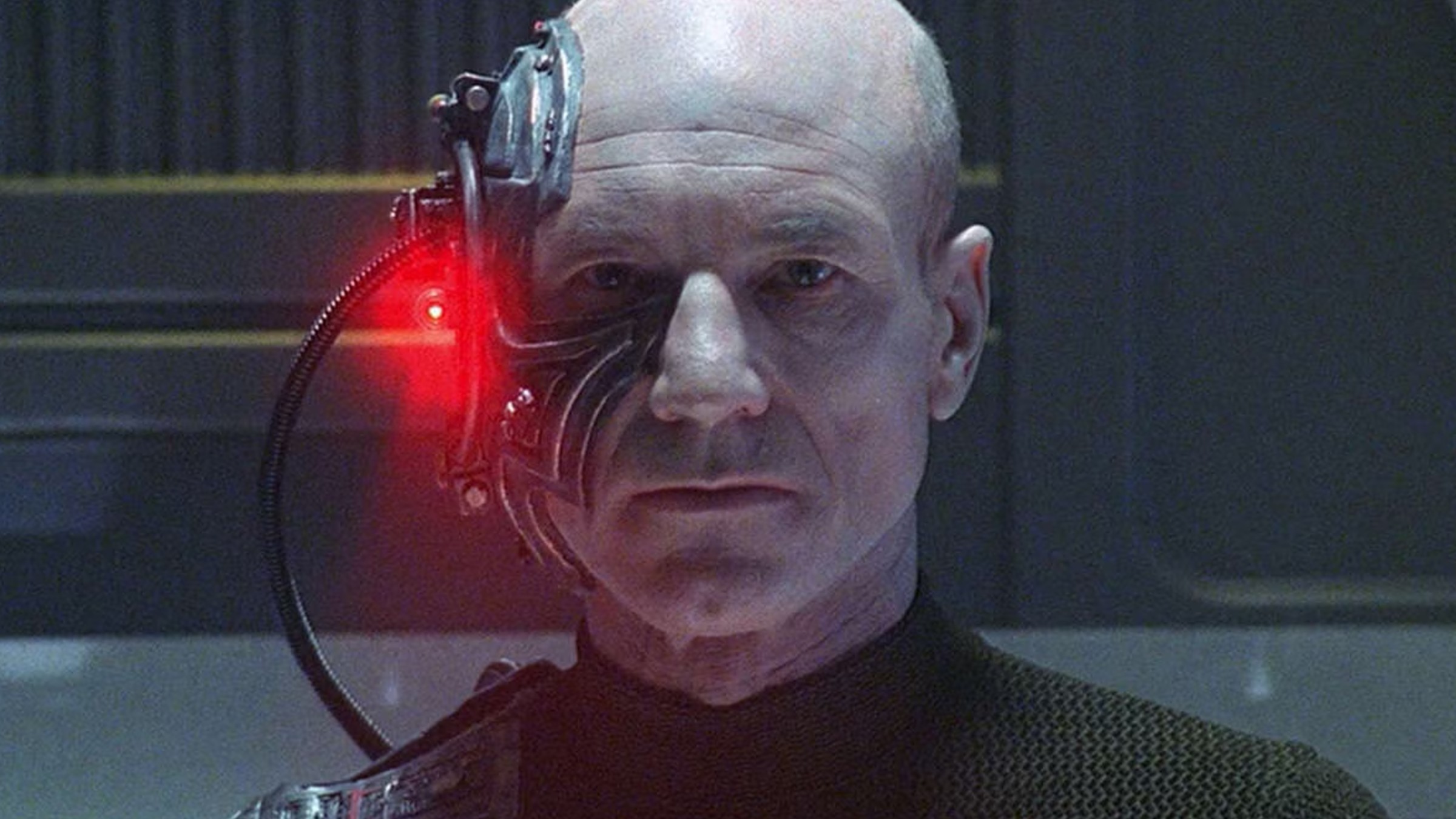
As a lifelong Star Trek fan, I have to say the Borg have been genuinely terrifying for over thirty years. They first showed up in The Next Generation episode “Q Who,” and immediately felt like an unstoppable force. It wasn’t about conquering planets or stealing resources with them; it was about something far scarier – complete assimilation. They wanted to erase who you are, replacing it with cold, robotic perfection. Honestly, in 2026, that concept feels a little too close to home. But beyond the dread they inspire, the Borg have been responsible for some of the best episodes in Trek history – Picard’s assimilation, the entire First Contact storyline, and so many incredible moments during Voyager. In my opinion, very few Star Trek villains have ever reached their level of impact.
Over time, the Borg lost their initial mystique and became a more predictable, and less threatening, enemy. More importantly, their flaws became increasingly obvious. Their motivations became unclear, their strategies didn’t always make sense, and their rigid hierarchy seemed illogical, all of which undermined their supposed goal of ‘perfection.’ It’s now hard to ignore the inconsistencies in their character and actions.
7) Borg Cubes Are Terribly Designed
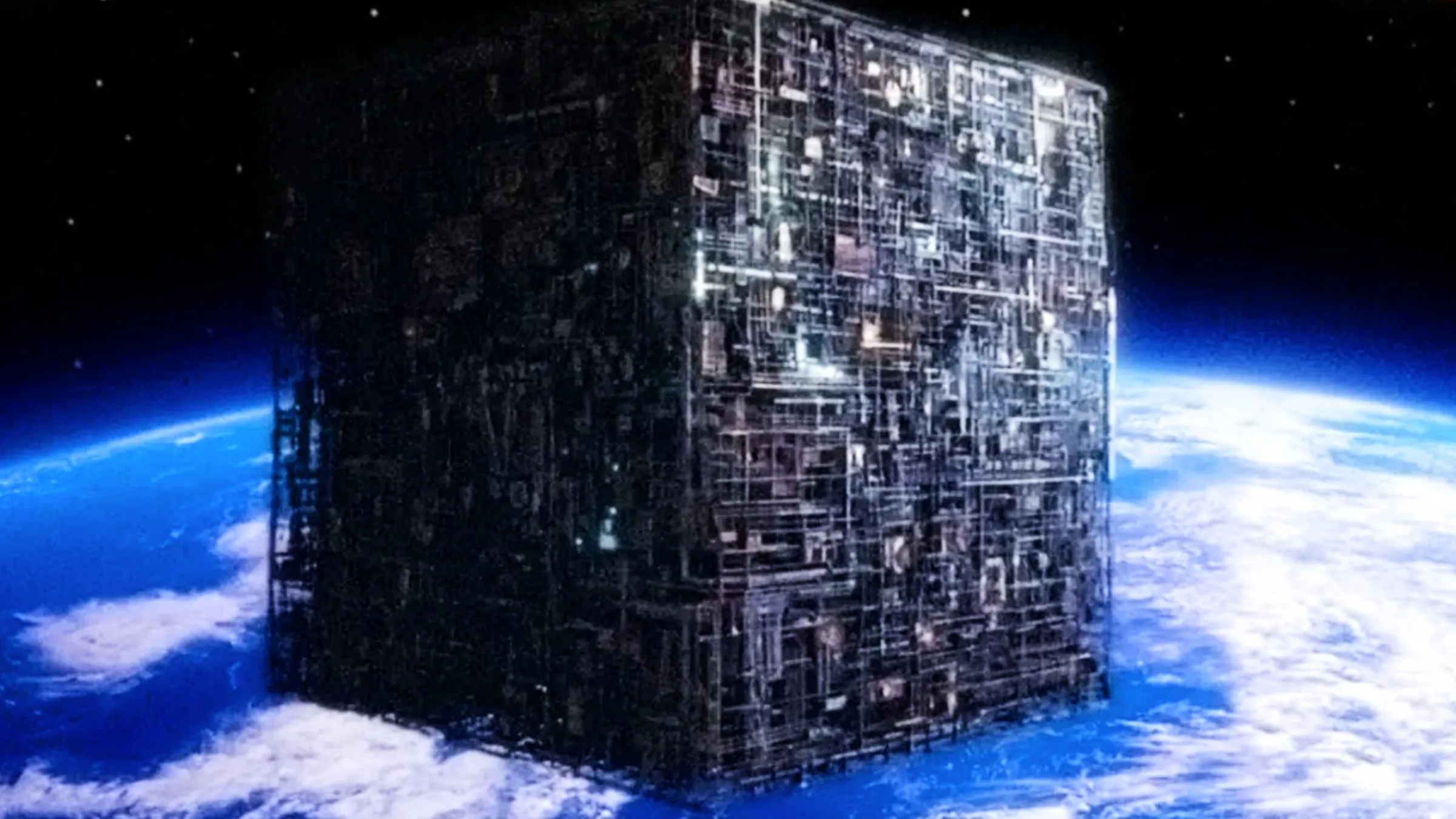
Considering the Borg’s focus on efficiency and achieving perfection, their ships’ basic cube shape is surprisingly strange. While aerodynamics aren’t important in space, physics still applies, and a cube is a poor design for distributing energy and maintaining structural strength. Most Starfleet ships have features like energy-deflecting hulls or specialized nacelles, but the Borg simply use large, unshielded boxes.
It might be arrogance, but the Borg seem to prioritize imposing appearances over practical design in their cubes. While the idea of a decentralized structure suggests no critical weaknesses, examining the inside of Borg cubes shows a surprisingly disorganized and inefficient layout – a logistical mess, really. This clashes with the image of a highly logical, collective species. Furthermore, their energy usage is surprisingly wasteful, which doesn’t make sense for a hive mind that’s constantly optimizing for survival. It’s almost as if they’re deliberately showing off, despite the flaws.
6) The Seven of Nine Long Game
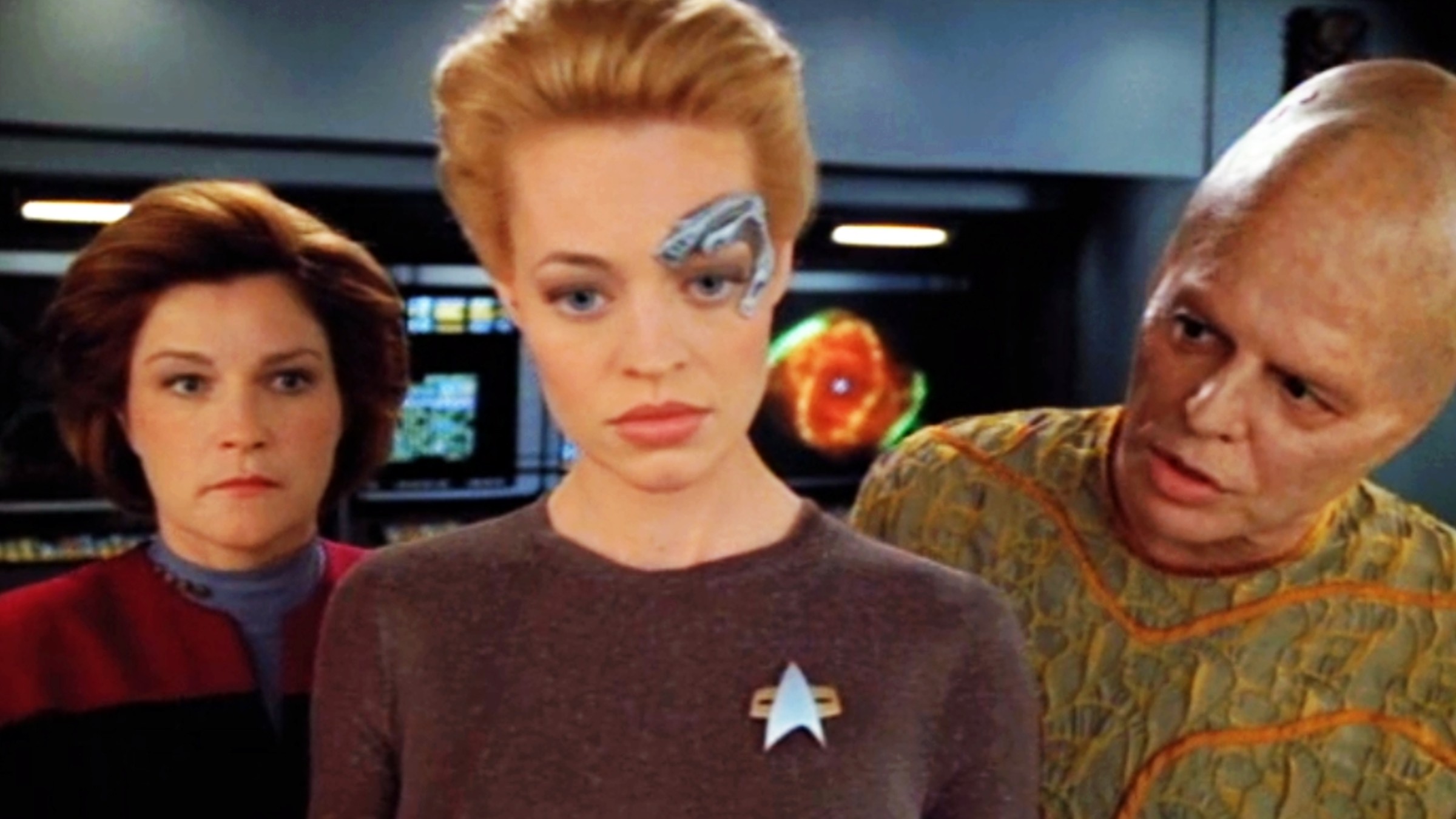
The Voyager episode “Dark Frontier” reveals the Borg didn’t truly lose Seven of Nine. Instead, letting her go was a deliberate strategy. They intended for Seven, as someone who had been disconnected from the Collective, to infiltrate the Federation and gather intelligence. This information would allow the Borg to overcome humanity – their biggest challenge – by unleashing a virus into Earth’s atmosphere, effectively assimilating the entire planet.
This plan was, at best, a poor decision, and at worst, utterly foolish. By letting Seven of Nine rediscover her individuality, the Borg Queen recklessly bet against everything the Borg supposedly consider weak: human feelings and independent thought. Letting Seven live with the Voyager crew for so long unfortunately turned her into a weapon against the Borg themselves. In the end, this misguided long-term strategy only led to the Borg losing a crucial transwarp hub and having their entire network severely damaged by a virus – all because of Seven. Frankly, trusting a former drone to stay loyal while influenced by humanity shows the Borg never truly understood the very people they studied for so long.
5) They All Look Different
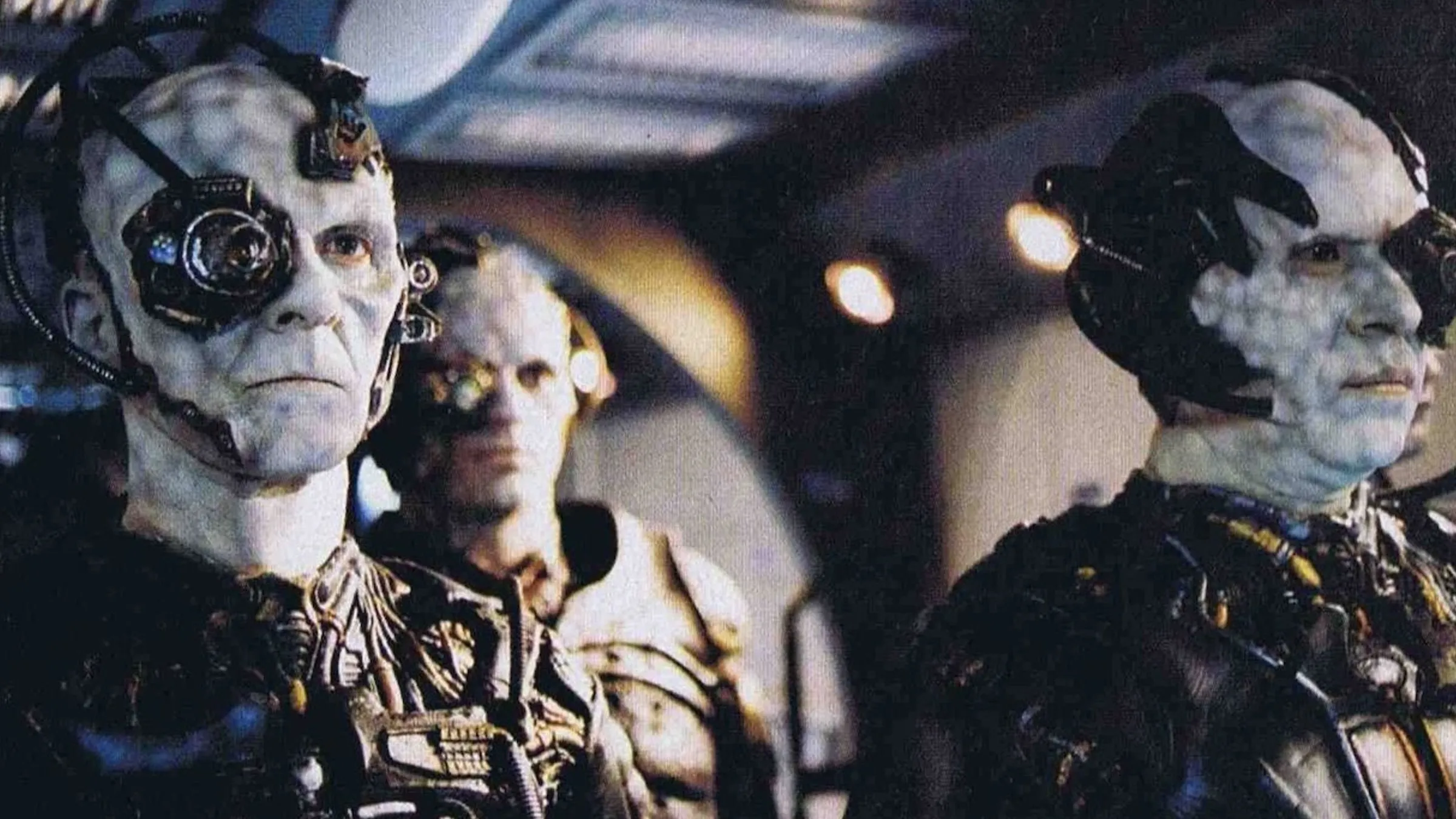
The Borg are famous for valuing conformity, famously stating, “You will be assimilated. Resistance is futile.” They aim to eliminate individuality and achieve a unified, collective consciousness – a perfect order. It’s ironic, then, that each Borg drone appears to be a strangely individual, almost steampunk-inspired creation.
As a sci-fi fan, I’ve always had one big issue with the Borg. They’re all about perfect order and efficiency, right? So why is their assimilation process so… messy? You’d think they’d have a standard kit – one set of upgrades for maximum efficiency. Instead, you get drones with wildly different modifications – implants on one eye, massive claws on some, delicate sensors on others. It looks scary, sure, adds to the horror, but logically? It’s baffling. You’d expect specialized units with similar builds, but the Borg end up looking like a chaotic collection of individuals – which is ironic, considering they supposedly despise individuality!
4) The Borg Queen (& Their General Origin, to be Honest)
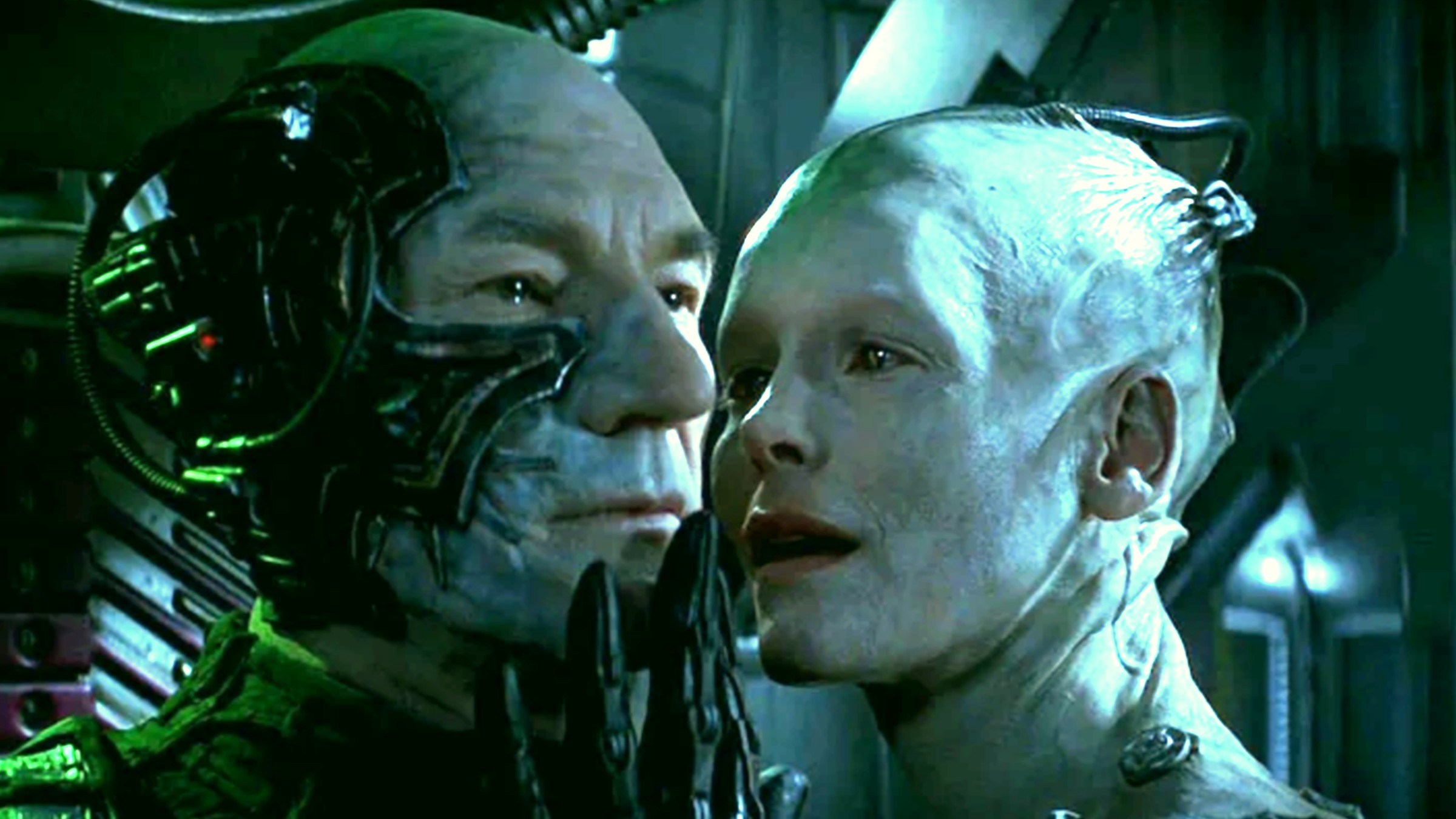
The introduction of the Borg Queen in Star Trek: First Contact significantly changed the Borg, and many argue it damaged the original concept. While Alice Krige was fantastic in the role, it created a logical problem. The Borg were initially frightening because they represented a relentless, unstoppable force – an idea, not a single being. Giving them a Queen with a personality, emotions, and a penchant for dramatic speeches turned them into just another empire led by a stereotypical villain. Furthermore, the Queen’s role wasn’t consistent; she began as an expression of the collective, but later episodes of Voyager showed her directly commanding the drones.
The Borg’s beginnings are unclear, but it’s believed they started as a humanoid species that tried too hard to perfect themselves, ultimately losing their individual identities. However, this transformation seems intentional, not accidental, which makes their need for a Queen confusing. This is especially true considering the Queen isn’t perfect – she has flaws just like any individual. If the Queen is meant to be a collective consciousness, why does she have personal motivations, like her fascination with Data or her strong dislike of Captain Janeway?
3) They Let Voyager Escape
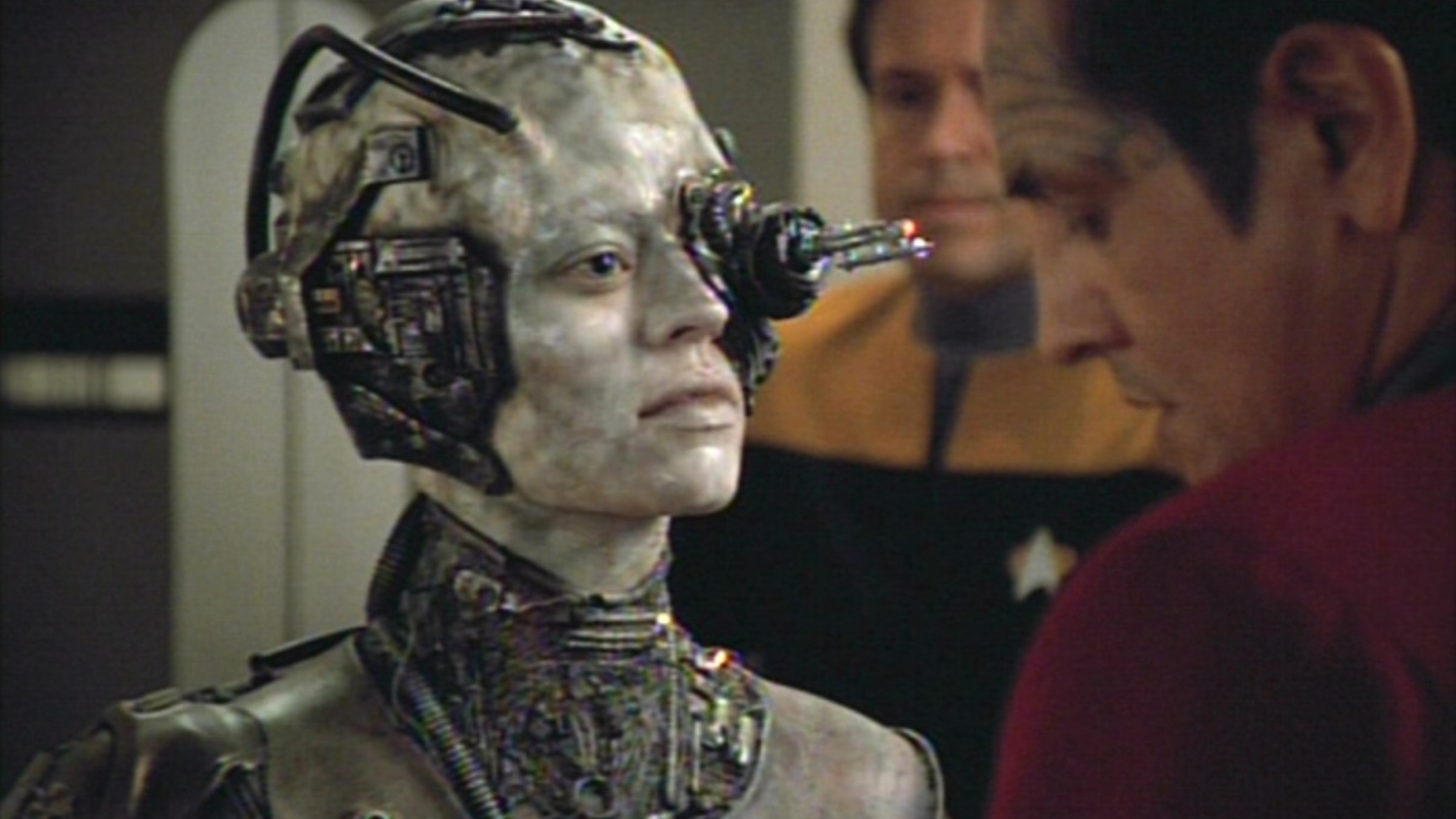
A particularly unbelievable instance of ‘plot armor’ in Star Trek happens in the Voyager episodes “Scorpion.” In these episodes, Voyager teams up with the Borg to fight a new, powerful enemy called Species 8472. The Borg, facing a serious threat themselves, agreed to a temporary peace. But once Species 8472 was defeated, the Borg surprisingly allowed Voyager to leave without any further conflict – a rather convenient outcome given their usual behavior.
Although the Borg briefly tried to integrate Seven of Nine into their collective, it doesn’t explain why they didn’t immediately send numerous cubes to overwhelm Voyager once the war with Species 8472 ended. The Borg started that war because Species 8472 had advanced technology, and that need wouldn’t simply disappear. Since Voyager used technology to defeat Species 8472, it’s even more illogical that the Borg would ignore a chance to acquire those same technologies.
The Borg aren’t concerned with concepts like honor or agreements. Their very nature drives them to assimilate anything unique, especially a ship with advanced technology and knowledge of their territory. Letting such a vessel escape is a major strategic blunder, raising questions about how effective the Borg actually are.
2) Not Assimilating The Enterprise on First Meeting
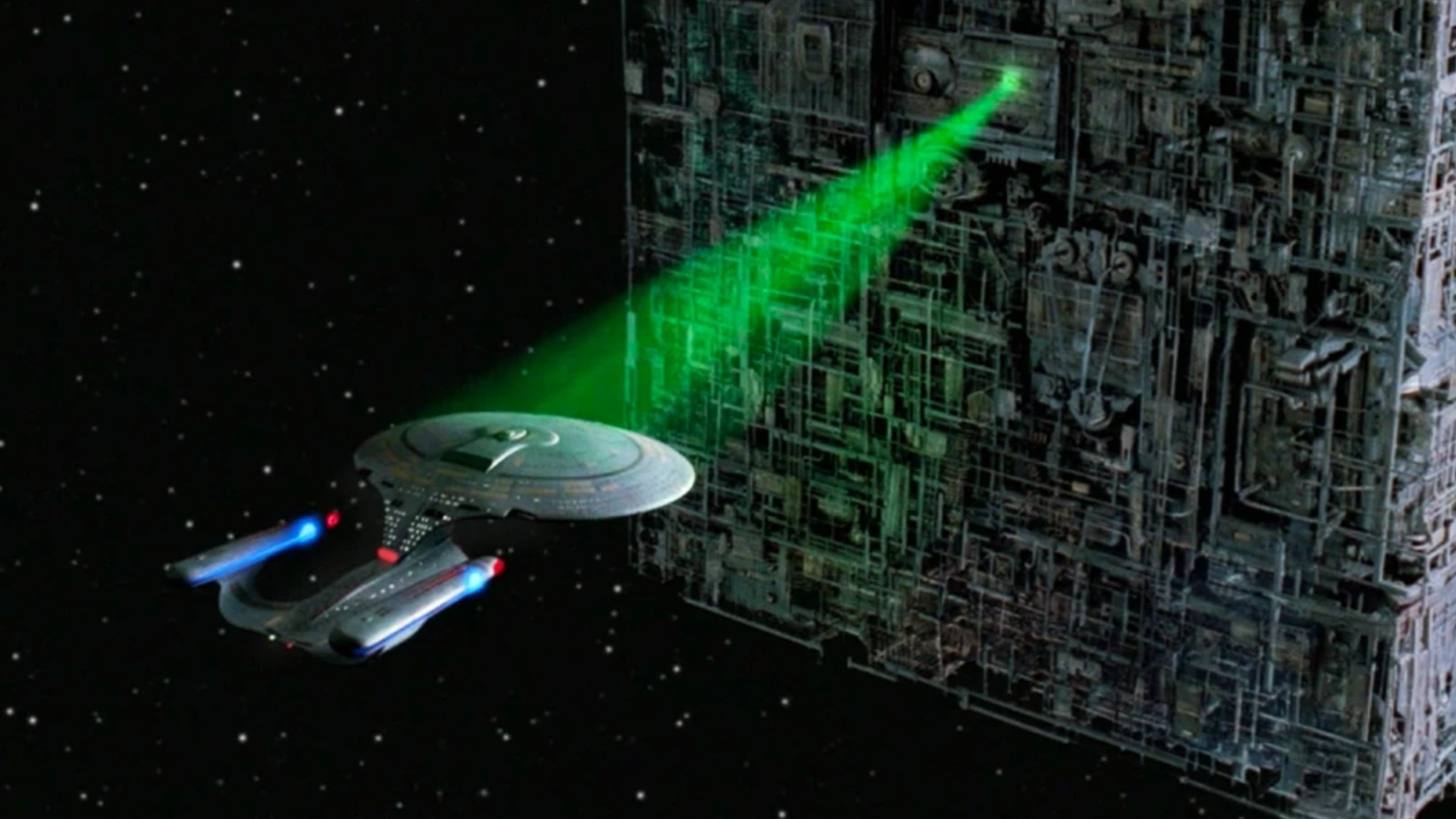
When Q first presents the Enterprise-D with the Borg in the episode “Q Who,” the Borg act quite differently than the relentless, zombie-like collective often imagined. At first, they weren’t interested in people at all. Q explains they simply search for technology to assimilate, like scavengers. They board the ship, completely disregard the crew, and begin dismantling parts of the engineering section. While this behavior was later changed in subsequent stories, the reason for their initial indifference in “Q Who” was never explained.
It’s important to note that “Q Who” wasn’t the Federation’s initial contact with the Borg. Earlier episodes of Star Trek: Enterprise (“Regeneration”) and events in Star Trek: Generations (featuring the El-Aurian refugees) demonstrate the Borg were known and active long before Picard’s time. While it was one thing to retroactively change the timeline, introducing even earlier encounters between the Borg and the Federation created confusion, especially regarding why the Borg didn’t seem interested in the Enterprise crew during “Q Who.” The fact that the Collective already possessed information about humans and their predecessors centuries before makes their lack of interest even harder to understand.
1) Ignoring the Easiest Way To Take Down Earth
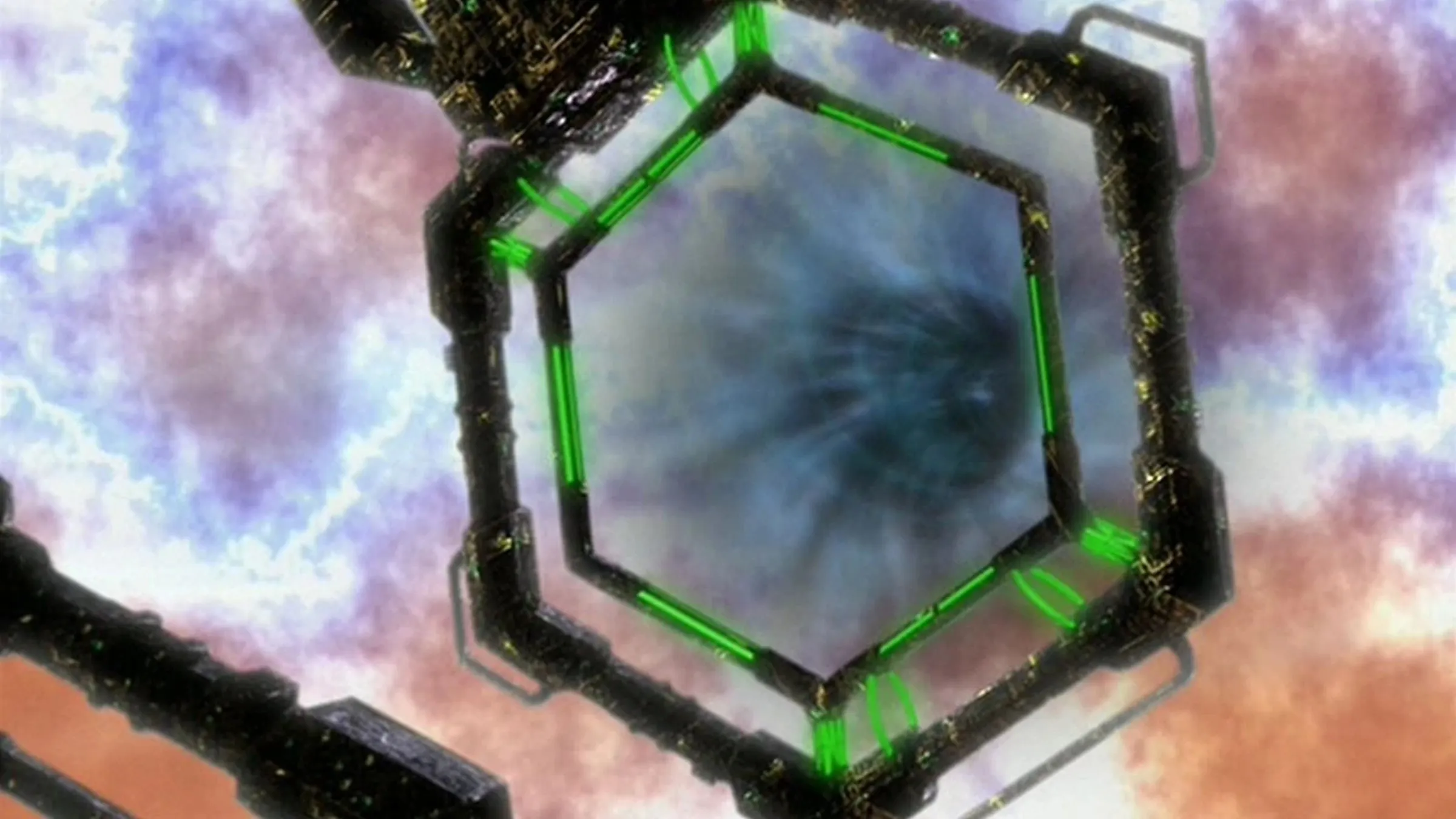
One of the biggest criticisms of the Borg is that, despite wanting to destroy humanity, they didn’t seem to use the most obvious method. They possessed a galaxy-wide network of transwarp conduits for incredibly fast travel, and surprisingly, one of these conduits was always located in the Alpha Quadrant, very close to Earth, as revealed in the episode “Endgame.”
It’s hard to understand why the Borg didn’t simply send a massive fleet to easily conquer Earth. One popular idea is that they were ‘farming’ humans and the Federation for their technology, but this doesn’t quite fit with the Borg’s usual goals. The Borg Queen specifically told Seven of Nine they had a more complex plan for assimilation, which contradicts the ‘farming’ theory – even though this plan was never mentioned again on Voyager. There was never a good reason within the show’s story for why the complicated plan revealed in the Endgame episode wasn’t used sooner.
What do you think? Leave a comment below and join the conversation now in the ComicBook Forum!
Read More
- Best Controller Settings for ARC Raiders
- FRONT MISSION 3: Remake coming to PS5, Xbox Series, PS4, Xbox One, and PC on January 30, 2026
- Mark Zuckerberg & Wife Priscilla Chan Make Surprise Debut at Met Gala
- Meet the cast of Good Omens season 3: All the actors and characters
- Review: Final Fantasy Tactics: The Ivalice Chronicles (PS5) – Still the Benchmark for Turn-Based Tactics
- Nippon Sangoku Is The Best New Post-Apocalyptic Anime of Spring 2026
- 7 Great Marvel Villains Who Are Currently Dead
- Welcome to Demon School! Iruma-kun season 4 release schedule: When are new episodes on Crunchyroll?
- Wistoria: Wand and Sword Season 2 release schedule: When are new episodes out?
- The Boys Season 5 Officially Ends An Era For Jensen Ackles’ Soldier Boy
2026-04-28 03:41