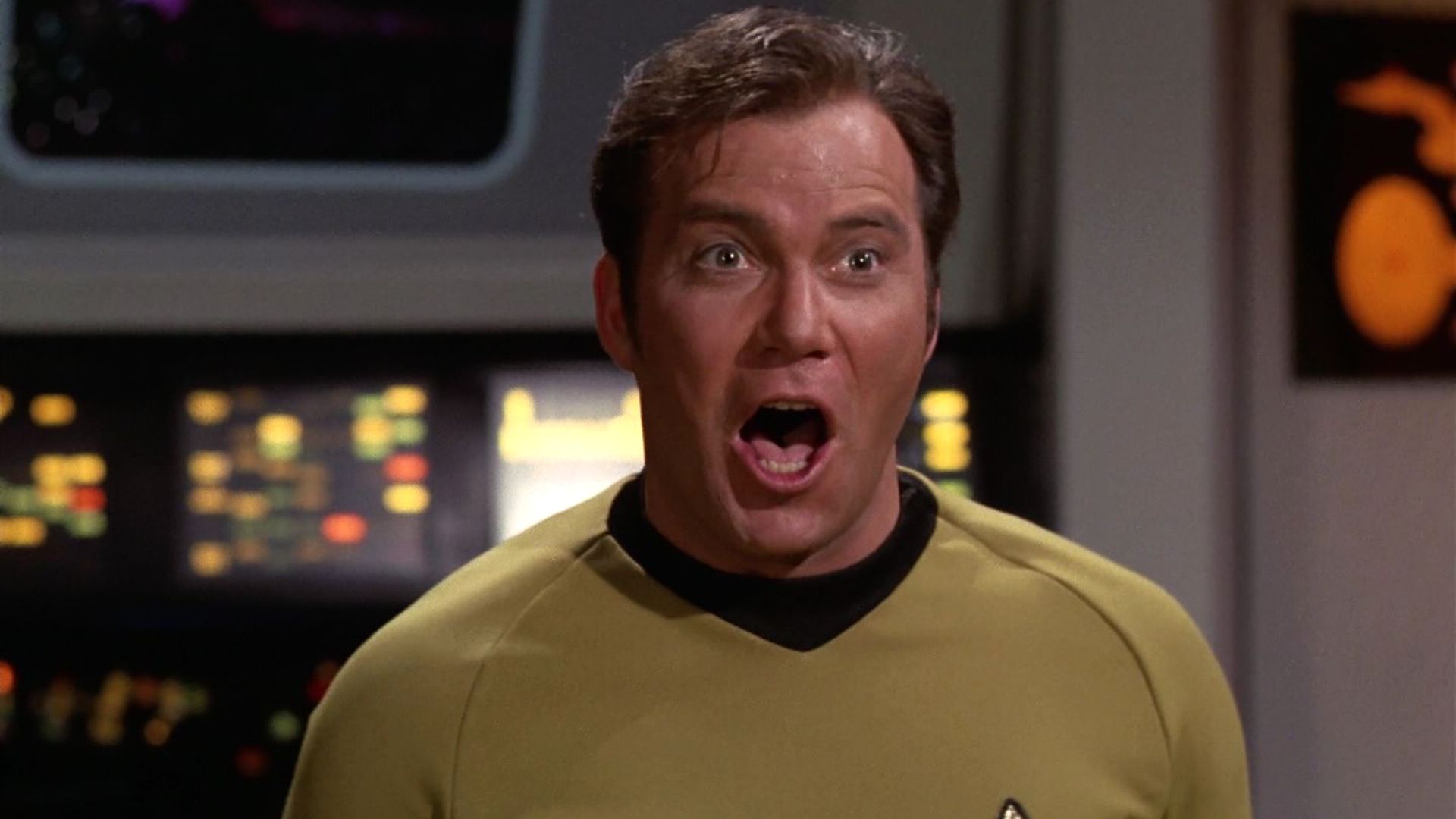
Reports of the end of Star Trek have always been premature. The sci-fi series, created by Gene Roddenberry, consistently finds a way to return. In 2026, Star Trek will celebrate its 60th anniversary, remembering the debut of Star Trek: The Original Series on NBC on September 8, 1966. No one could have predicted then that Star Trek would become such a lasting phenomenon.
Over the years, Star Trek has gone through several changes, largely guided by a few key executive producers who oversaw both the TV shows and movies. Gene Roddenberry, the show’s creator, along with Gene L. Coon and Fred Freiberger, were in charge during the original NBC series. Roddenberry also started the Star Trek film series, but it was producers Harve Bennett, Leonard Nimoy, and director Nicholas Meyer who really made it a success.
Gene Roddenberry first created Star Trek: The Next Generation in 1987. After his death in 1991, Rick Berman led the franchise, adding three spin-off TV series and films featuring the original TNG cast. More recently, in 2017, Alex Kurtzman took charge of Star Trek for Paramount+, and Star Trek: Discovery sparked a revival that included six new TV shows and a streaming movie.
Star Trek has been canceled and revived three times, contributing to its incredibly complex history—which already includes over a thousand TV episodes and fourteen movies, with more on the way. Here’s a look at each time the show seemed to end, but ultimately returned to boldly go where no one has gone before.
Star Trek After NBC Canceled It In 1969
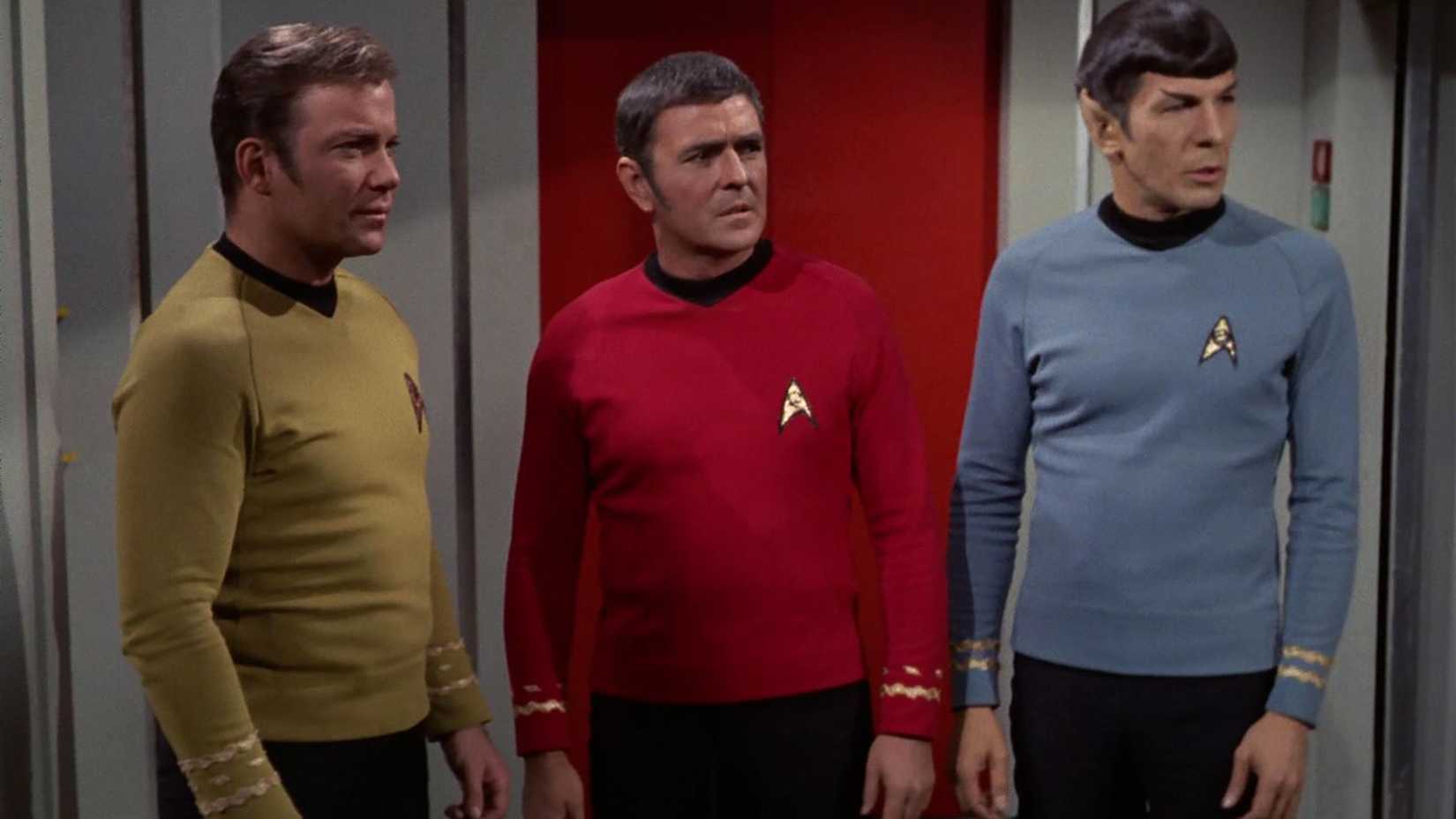
After three seasons, NBC moved Star Trek to Friday nights – a time slot notorious for low viewership – and ultimately canceled the show starring William Shatner and Leonard Nimoy. The final episode, “Turnabout Intruder,” aired on NBC on June 3, 1969, and it seemed like the series was over for good.
Surprisingly, after the original Star Trek series ended, it found a huge new audience through reruns. This popularity, along with a cartoon series and the first Star Trek fan conventions in the 1970s, convinced Paramount to ask Gene Roddenberry to bring the show back.
Originally, Paramount planned Star Trek: Phase II as the main show for their new TV network. However, it was turned into a movie in 1979, becoming Star Trek: The Motion Picture. The film did well enough to launch a series of Star Trek movies, with six more films featuring the original cast released between 1982 and 1991.
Although the original Star Trek series left NBC, it never truly ended. Instead, it gained a dedicated fanbase while off the air. When Star Trek returned to television in 1987, it became even more successful.
Star Trek After Rick Berman’s Era Ended In 2005
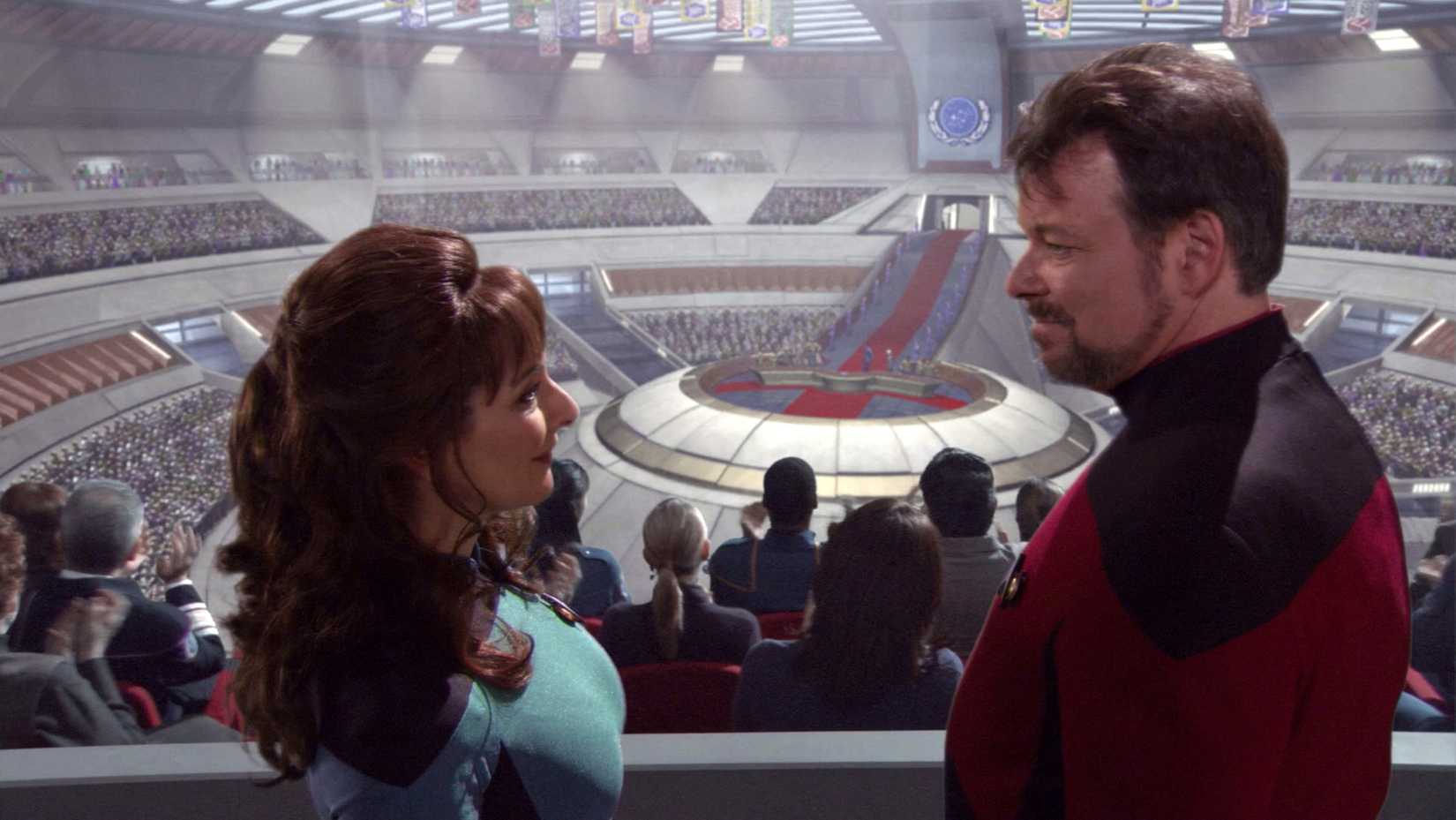
When Star Trek: The Next Generation first aired in 1987, it faced some early challenges. Several writers left the show, and longtime Star Trek fans weren’t immediately accepting of the new series. Despite these difficulties, TNG was given the chance to improve and eventually found its footing.
Michael Piller, the executive producer, created a successful approach to developing Captain Jean-Luc Picard (Patrick Stewart) and the crew of the USS Enterprise-D, making them characters that viewers deeply connected with. Star Trek: The Next Generation became the most popular show in television syndication and was also a critical and audience favorite, ultimately becoming one of the most celebrated science fiction series ever made.
With Rick Berman as executive producer, the huge popularity of Star Trek: The Next Generation resulted in several follow-up series. Star Trek: Deep Space Nine and Star Trek: Voyager greatly broadened the 24th-century universe, introducing many memorable characters. Berman and Brannon Braga’s last series, Star Trek: Enterprise, went back in time to explore the beginnings of Starfleet and the United Federation of Planets.
Beginning in 1994, the focus of the Star Trek films shifted to the crew of Star Trek: The Next Generation, and they starred in four movies. The first, Star Trek Generations, brought together Captain Kirk and Captain Picard. While Star Trek: First Contact was considered the high point of these films, Star Trek: Insurrection didn’t perform as well. The poor performance of Star Trek: Nemesis in 2002 ultimately ended the film series featuring the Next Generation crew.
Many fans consider the period between 1987 and 2005, when Rick Berman was in charge, to be the best era of Star Trek. However, while Berman oversaw a significant expansion of the franchise, some argue that the shows became too similar, leading to a decline in audience interest. Changes within the Paramount corporation also contributed to the end of Star Trek productions in 2005.
After Star Trek: Enterprise ended, it seemed the television series was over. But in 2009, J.J. Abrams successfully brought Star Trek back to life with a new movie. He went on to direct and produce two more films – Star Trek Into Darkness in 2013 and Star Trek Beyond in 2016 – which ultimately paved the way for the show’s return to television in 2017.
Star Trek After 10 Years On Paramount+ Under Alex Kurtzman
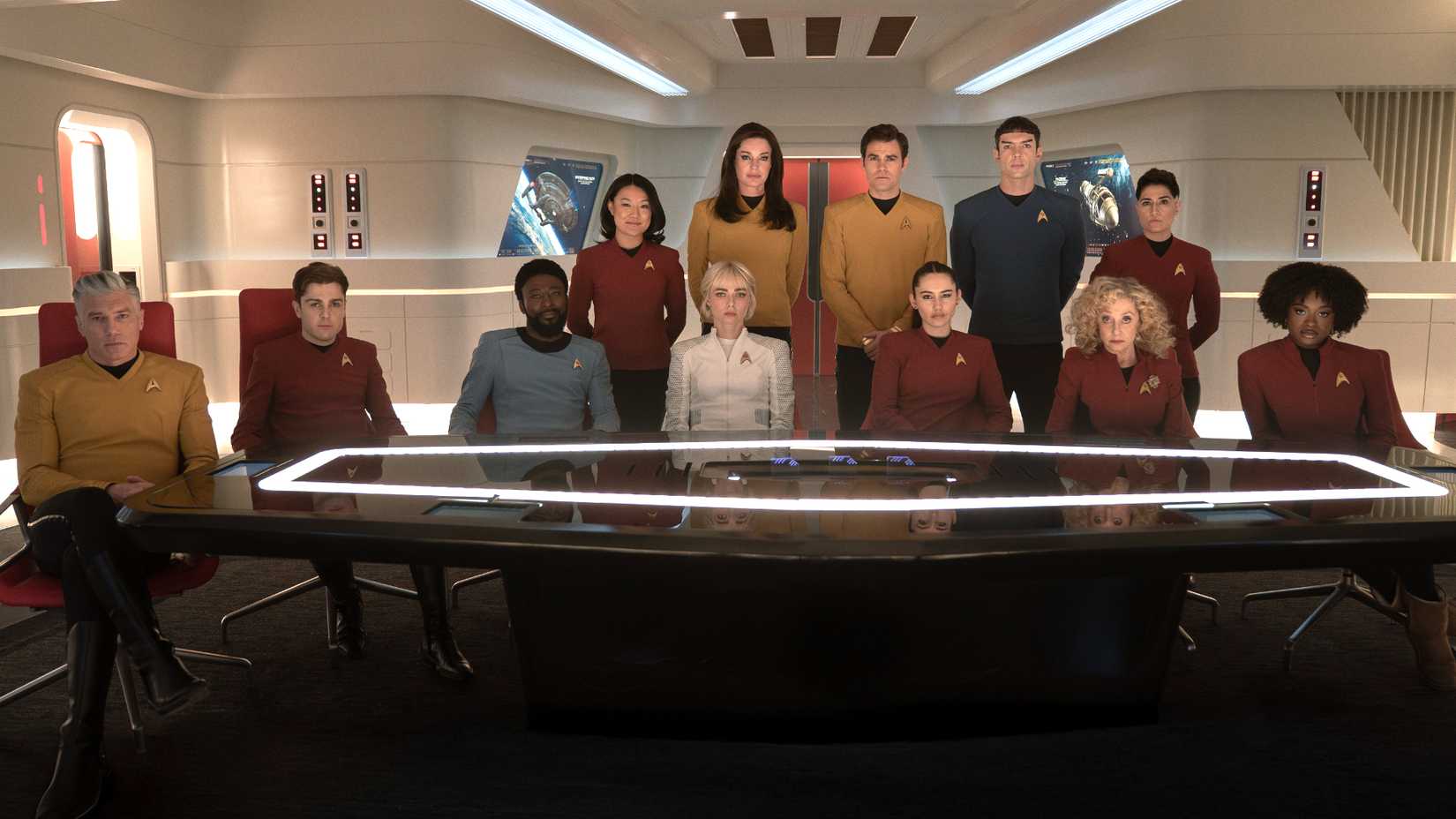
The arrival of Star Trek: Discovery in 2017 marked a turning point – and a controversial one – for the franchise, breaking a 12-year gap since the last Star Trek TV show. Led by Alex Kurtzman, Discovery looked and felt very different from previous Star Trek series created under Rick Berman. While it sparked a lot of debate, Star Trek: Discovery ultimately signaled the start of a new chapter for the show.
Beyond simply adding more shows – five new series followed Star Trek: Discovery on Paramount+ – Alex Kurtzman’s Star Trek really stood out because of how different each series was. Unlike the Rick Berman era, where the shows started to feel too similar, Kurtzman’s Star Trek embraced variety. Another key feature was its commitment to diversity and LGBTQ+ representation.
Recent Star Trek series have all brought something new to the franchise. Discovery delivered action-packed, ongoing storylines, building on what Deep Space Nine started in the 90s. Picard thoughtfully explored themes of aging and looking back on the past. Meanwhile, the animated shows Lower Decks and Prodigy pushed the boundaries of Star Trek animation. Lower Decks proved the series could be genuinely funny, and Prodigy successfully aimed to attract a new, younger audience.
Star Trek: Strange New Worlds found a successful combination for Paramount+ by balancing self-contained adventures with compelling character development and a willingness to try new things. In contrast, Star Trek: Starfleet Academy aimed to attract younger viewers, but despite featuring well-known actors, it was canceled after just two seasons.
As a huge Star Trek fan, it’s a little bittersweet knowing that the current run of shows with Alex Kurtzman at the helm is wrapping up. It looks like 2027 will bring the final seasons of both Star Trek: Starfleet Academy and Star Trek: Strange New Worlds on Paramount+, marking the end of a ten-year period. Apparently, Kurtzman’s contract as executive producer ends at the close of 2026, and honestly, it’s making me wonder what’s next for Star Trek on TV. It’s a bit up in the air right now!
The team at Paramount Skydance, now in charge of Star Trek, appears to be taking a break from new releases. However, Star Trek isn’t going away for good—a new movie is already planned, and we can expect more TV shows in the future.
As Spock famously stated, “I’ve been dead before.” And much like that, Star Trek never really disappears – it always returns to television after a short break.
Read More
- Gold Rate Forecast
- 10 Most Powerful Versions of Superman, Ranked
- GBP CNY PREDICTION
- 10 Best Free Games on Steam in 2026, Ranked
- 007 First Light: Release Date, Story, Gameplay, Cast, Editions, and Platforms
- Superman’s 7 Best Power-Ups, Ranked
- Forza Horizon 6 Car List So Far: Confirmed Highlights, Cover Cars, DLC, and Rewards
- 10 Greatest Manga Endings of All Time
- DOGE PREDICTION. DOGE cryptocurrency
- The Boys Officially Sets Up 4 Supes for Jensen Ackles’ Soldier Boy Spinoff
2026-04-19 01:10