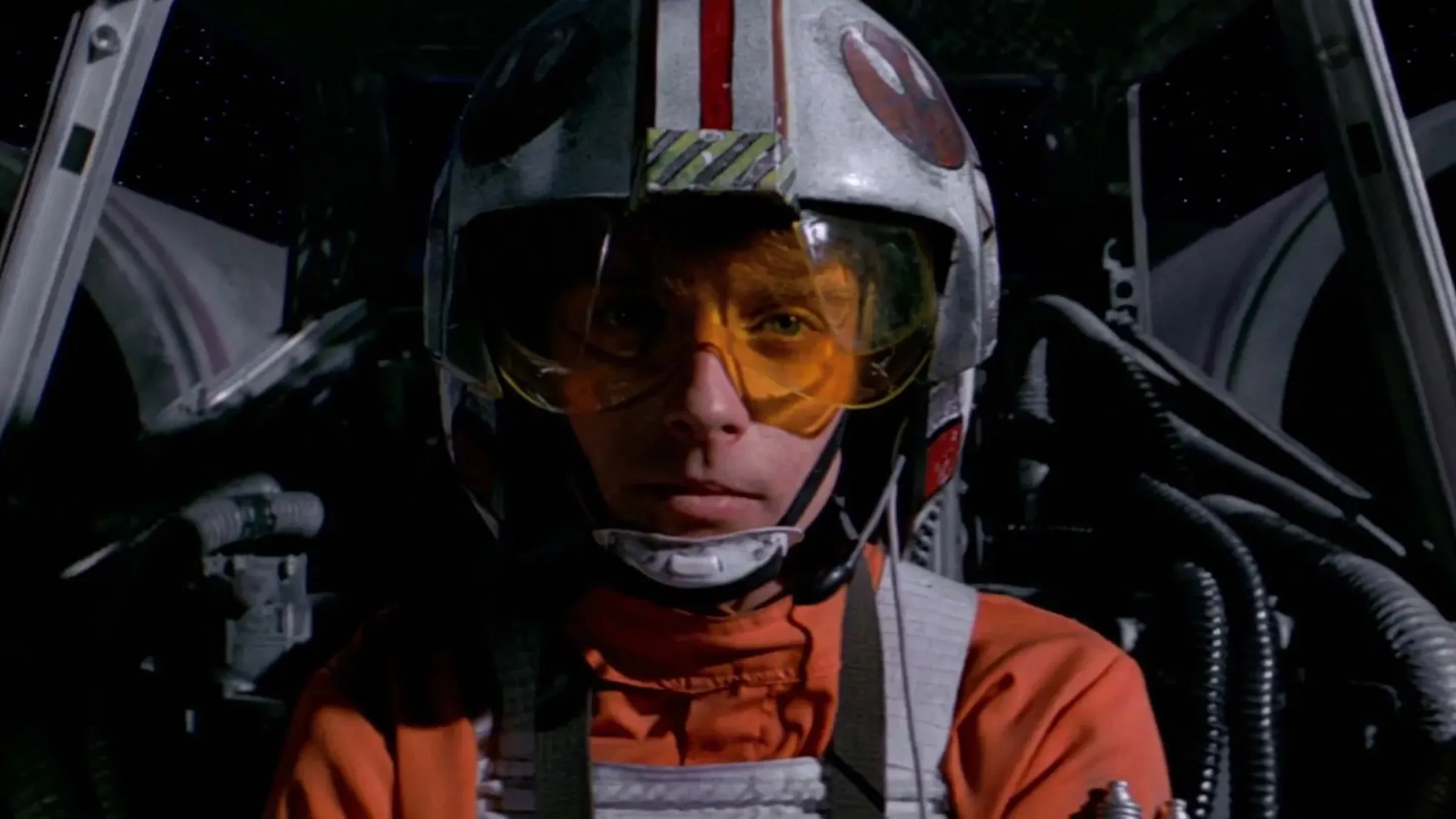
The true heroes of Star Wars aren’t always the Jedi or pilots we see on screen. The people who worked tirelessly behind the scenes deserve a lot of credit for bringing the films to life. While George Lucas created the Star Wars universe, he couldn’t have done it alone. Alan Ladd Jr. at 20th Century Fox took a risk on Lucas’s unique vision, and John Williams’ unforgettable music deeply connected the films with audiences. But perhaps the most overlooked hero was Marcia Lucas, who played a key role in shaping some of the franchise’s most memorable scenes.
Marcia Lucas was a highly respected film editor and George Lucas’s wife during the making of Star Wars. She worked on several of George’s early films, including THX 1138 and American Graffiti, and frequently collaborated with director Martin Scorsese. Although she wasn’t originally assigned to edit Star Wars, she took over after George Lucas had to let John Jympson go. This change proved incredibly beneficial, as Marcia played a key role in shaping Star Wars into the groundbreaking hit it became.
Marcia Lucas Had a Tremendous Impact on Star Wars
When Marcia started working on Star Wars, she was immediately given a huge challenge: editing the Battle of Yavin, the film’s exciting finale. This scene featured groundbreaking visual effects that no one had ever tried before, and it was incredibly complex. She had to sift through miles of footage – tens of thousands of feet – piecing together shots of pilots communicating and spaceships battling. It took about two months, but her efforts were worth it. The Death Star trench run is now considered one of the most thrilling scenes in cinema history, providing Star Wars with a truly unforgettable ending.
The Battle of Yavin was incredibly important for the success of Star Wars. That action sequence needed to be perfect to leave audiences thrilled. It was a complex undertaking, but Marcia Lucas did an outstanding job – her Academy Award was truly earned. Almost 50 years later, the trench run remains a legendary scene in Star Wars and film history, revolutionizing how aerial battles are shown on screen. The action is clear and builds perfectly to Luke’s destruction of the Death Star, and we see just enough of the Rebel pilots to feel invested in their struggle. These small details made supporting characters like Biggs, Wedge, and Garven Dreis (Red Leader) beloved by fans, giving a human face to the Rebellion’s fight against the Empire. The Battle of Yavin wasn’t just about exciting action; it took the time to make viewers care about the people involved.
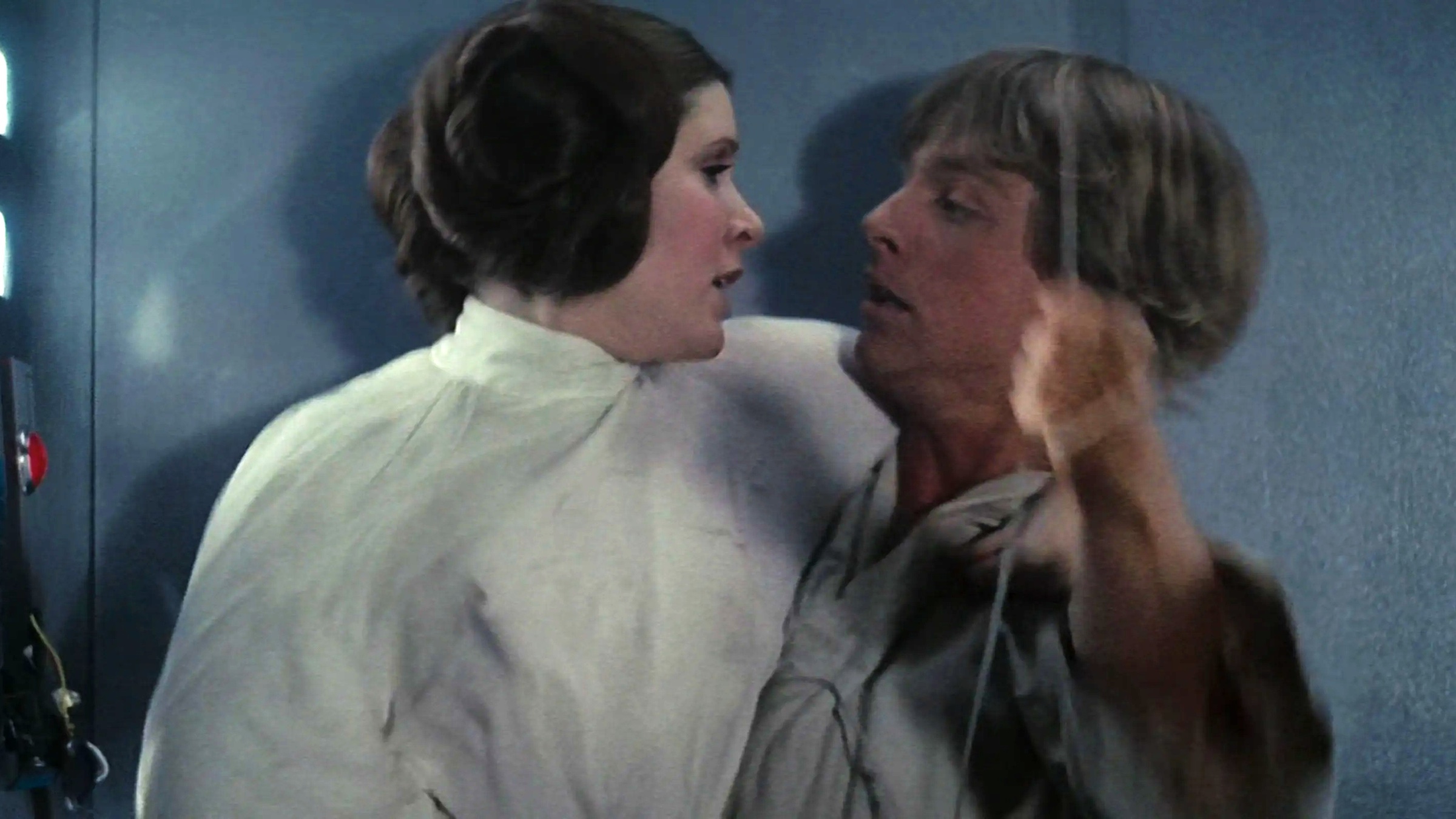
Marcia Lucas had a special talent for recognizing the power of small, meaningful moments in film. While she was involved in the famous Death Star attack sequence, she also fought to keep scenes that are now beloved classics. Two examples are the sweet kiss Leia gives Luke before they swing across the gap, and the funny moment where Chewbacca frightens the little mouse droid. George Lucas originally wanted to cut these scenes, but Marcia convinced him they were important. Mark Hamill described her as the “warmth and heart” of the films and someone George could rely on for feedback. He recalled that George was worried people were laughing at Leia’s kiss during test screenings, but Marcia pointed out they were laughing because it was charming and surprising.
Today, it’s hard to imagine Star Wars without those little moments. While they aren’t as grandiose as a lightsaber duel or a space battle, they played just as meaningful a role in making the film a record-breaking success. It’s easy to forget now, but Star Wars was a massive risk when it premiered in 1977. Some people thought the concept was too odd to work. George’s incredible imagination built a fascinating universe and mythology, but Marcia’s input kept things grounded in relatable human emotion. The levity of Chewbacca spooking the mouse droid and the sweetness of Leia kissing Luke helped enhance the connection audiences made with the characters, making it easier to buy into a galaxy far, far away with things like the Force. Star Wars might take place in a faraway world, but the people who inhabited it felt like real people.
How Marcia Lucas Influenced Lucasfilm After Star Wars
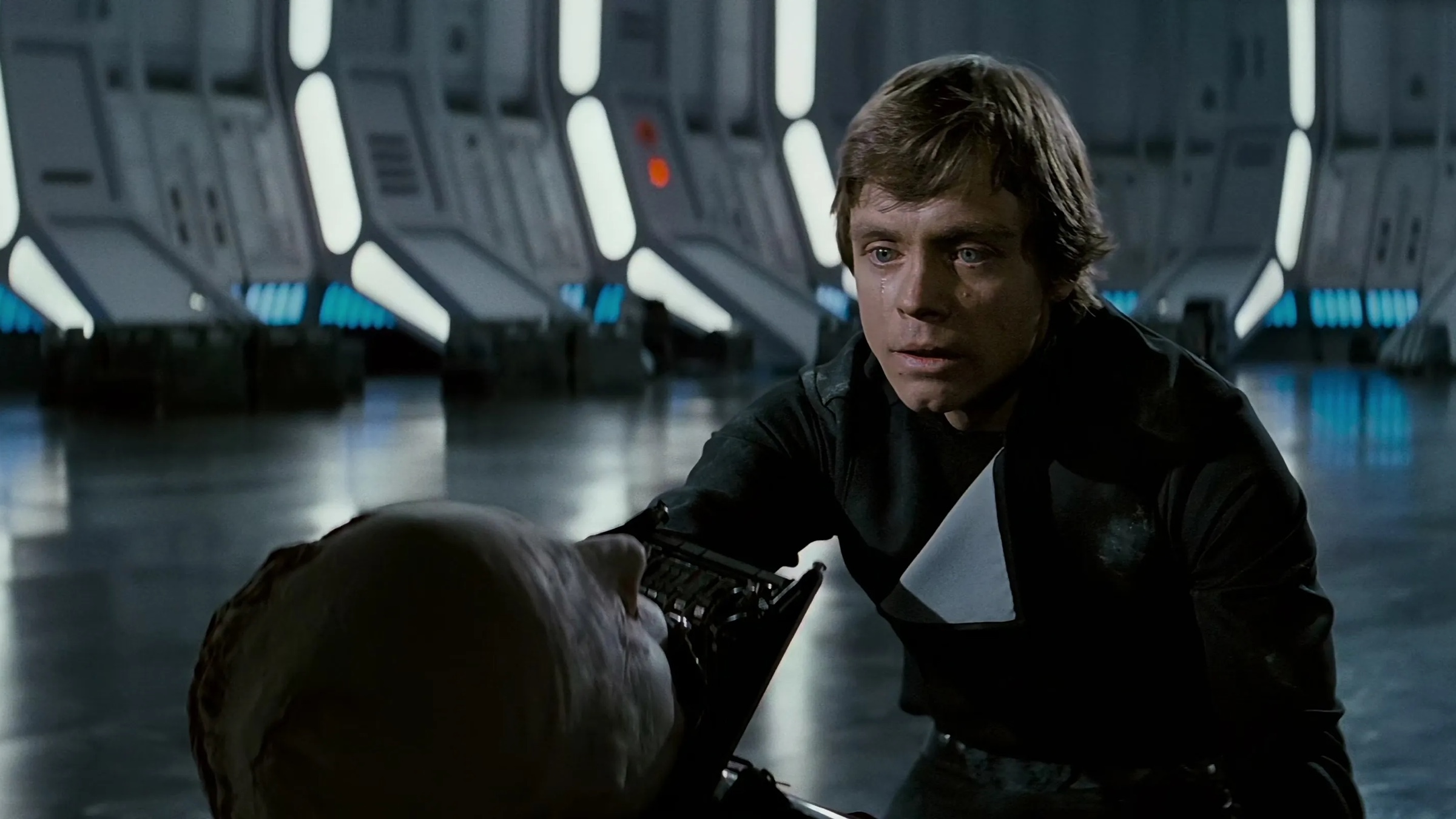
Marcia Lucas was a key reason for the incredible success of Star Wars. While she always gave credit to George Lucas for his vision as writer and director, her contributions were essential in shaping the film into the iconic story we know today – and George himself recognized that. Marcia continued to work with Lucasfilm after the first Star Wars movie, though she wasn’t involved in editing The Empire Strikes Back. She did return for Return of the Jedi, working on the emotional scenes involving characters – a skill she’d clearly demonstrated in the original film. George Lucas even noted she handled the “dying and crying” scenes, which makes sense given her talent for impactful character moments, like Luke’s heartbreaking goodbye to Anakin – a scene that remains one of the most powerful in the entire saga.
I’ve always been amazed by Marcia’s impact on both Star Wars and Indiana Jones. She had such a gift for understanding what makes characters relatable and memorable. I remember learning that she was the one who suggested the extra scene at the end of Raiders of the Lost Ark, where Marion asks Indy for a drink after everything that happened with the Ark. It’s such a sweet moment that really solidified their relationship! It showed me that great filmmaking isn’t just about explosions and special effects; it’s about those character connections. That’s what made Lucasfilm’s movies so special to my generation, and I think Marcia’s contributions, even though she wasn’t always the one writing or directing, were a huge part of that. She really helped those characters shine, and she inspired so many of us to pursue creative work.
Many believe editing was key to making Star Wars a success, with a dedicated team crafting an exciting science fiction hit. While Paul Hirsh and Richard Chew also contributed significantly as editors, Marcia Lucas played a particularly crucial role. It’s hard to single out one editor – filmmaking is collaborative – but Marcia’s work on the film’s thrilling climax was especially impactful, and she skillfully maintained the emotional core of the story. Considering A New Hope launched both Star Wars and Lucasfilm, some argue Marcia deserves recognition as a foundational figure in the entire franchise.
Read More
- Green Game Jam returns with 70 games teaming up to tackle the climate crisis
- Gold Rate Forecast
- PI PREDICTION. PI cryptocurrency
- USD BRL PREDICTION
- USD HKD PREDICTION
- Black Clover Confirms Special Chapter After Manga Finale
- Brent Oil Forecast
- USD CHF PREDICTION
- USD THB PREDICTION
- USD AUD PREDICTION
2026-06-14 21:47