
Steven Spielberg’s body of work is so impressive that it’s hard to argue against him being one of the greatest directors ever. He’s created iconic films across many genres – from groundbreaking classics to massive box office hits and culturally significant dramas – achieving more essential movies in his career than most filmmakers. What truly sets him apart isn’t just the length of his career, but his consistent ability to create important films, even during times when other directors might have focused on just one project at a time.
Many filmmakers have a single standout year, and some might have two or three throughout their career. Steven Spielberg had several. What’s truly remarkable is his ability to release multiple, incredibly diverse films within a short period, consistently delivering work that was both impactful and high-quality. His range of talent and continued success are almost unbelievable.
Steven Spielberg’s Biggest Difference Was Never Staying in a Comfort Zone

1989 highlighted something that would become typical of Steven Spielberg’s work: his unwillingness to stick to just one kind of film. He released Indiana Jones and the Last Crusade, delivering exactly what audiences wanted – adventure, comedy, exciting action, and a fantastic duo in Harrison Ford and Sean Connery. Many fans still rank it as the best movie in the Indiana Jones series because it truly captures what makes the character so beloved while also feeling fresh and original.
Spielberg released the hit film Indiana Jones alongside Always in the same year. While everyone was excited about Indiana Jones, Always was a more subtle and heartfelt supernatural love story. Though it wasn’t as popular, this pairing demonstrates a pattern throughout Spielberg’s career: he consistently chose to experiment with new ideas rather than simply repeating what had already worked. This willingness to take risks with different types of projects ultimately contributed to his long and successful career.
1989 showed Spielberg’s willingness to experiment, but four years later he achieved something remarkable. Many directors strive for years to create one truly iconic film, yet he released two in just one year. His reputation and acclaim have continued to grow ever since.
Few Directors Have Ever Matched His Peak Years

1993 saw the release of Jurassic Park, a film that quickly became a classic. It revolutionized visual effects in Hollywood and set a new benchmark for big-budget movies. The film’s suspense, impressive visuals, and compelling characters appealed to a wide audience, even those who didn’t usually enjoy science fiction – which explains its lasting popularity and the massive franchise it created. Soon after, Schindler’s List arrived and became known as one of the most important and highly regarded historical dramas ever made.
The difference between these two films perfectly highlights what makes Steven Spielberg such a remarkable director. One was a big-budget blockbuster meant for wide appeal, while the other was a powerful and somber portrayal of a horrific moment in history. While most filmmakers excel at either creating spectacle or handling sensitive stories with nuance, Spielberg proved he could do both—and simultaneously. He skillfully balanced grand entertainment with deeply thoughtful filmmaking.
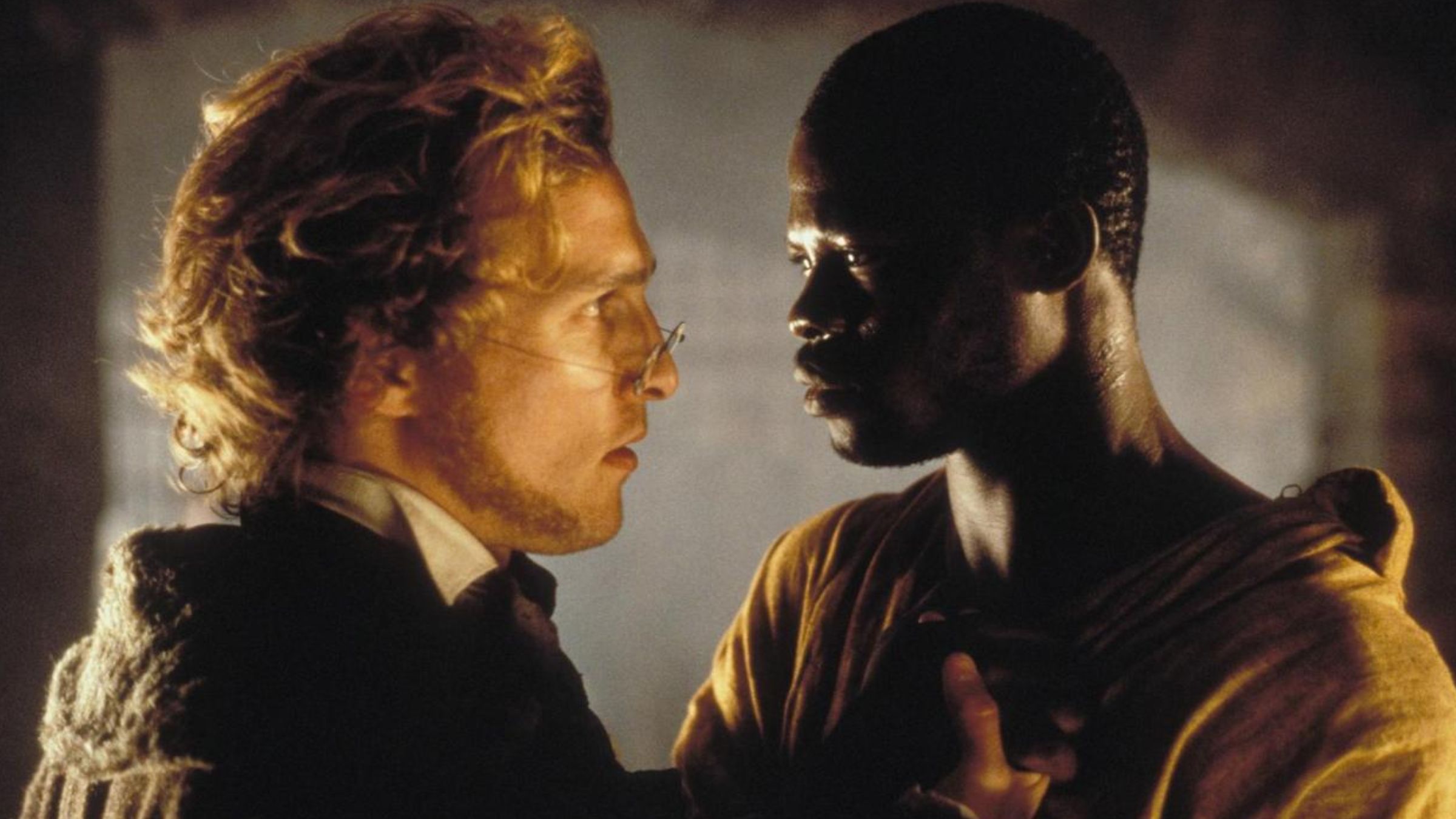
As time went on, in 1997 Spielberg demonstrated again that he wasn’t choosing between making blockbuster movies and more challenging, artistic films. He released The Lost World: Jurassic Park, which had huge expectations following the success of the first Jurassic Park. Though it’s not considered as iconic, the movie was still a massive hit, proving Spielberg could turn almost any story into a global phenomenon. Remarkably, he also released Amistad that same year – a serious historical drama about the transatlantic slave trade. This combination highlighted his ability to balance popular entertainment with important, thought-provoking projects, showing his constant drive to explore new territory and his incredible creative curiosity, even with films that might not always get the attention they deserve.
It’s surprising how often people forget about 2002 for Steven Spielberg, because Minority Report is truly one of the best science fiction films of recent years. Despite being a fantastic blend of police procedural, action, and thought-provoking commentary on technology – issues that are still relevant now – it doesn’t get mentioned as often as it should. The film tackles important questions about surveillance and privacy while remaining a gripping and exciting thriller.
I remember being blown away by Spielberg’s range a few months after Minority Report when Catch Me If You Can came out. It was such a fun, lighthearted movie, and Leonardo DiCaprio and Tom Hanks just had incredible chemistry! It really showed how easily he could shift gears as a director. What starts as a really entertaining story about cons and chases actually becomes surprisingly moving, exploring themes of identity and feeling alone – which is probably why it’s become a favorite for so many of us fans. Looking at both films from 2002, I think they really represent Spielberg at his absolute creative best.
His Greatest Strength Was Maintaining That Standard

After years of experimenting, he finally found his niche as a director and consistently delivered successful films. This approach was evident in his 2005 release, War of the Worlds, a science fiction adaptation of a classic story. Rather than focusing on large-scale effects, Spielberg created a truly suspenseful and frightening film by emphasizing the characters’ constant sense of fear and helplessness.
Spielberg’s next film, Munich, took a very different approach, delving into the consequences of the terrorist attack at the 1972 Olympics without offering easy resolutions. Instead of focusing on heroic actions, the movie thoughtfully explored the ethical implications of violence and seeking revenge. This resulted in one of his most sophisticated and thought-provoking films to date. Releasing it shortly after War of the Worlds highlights what makes Spielberg’s body of work so distinctive.
By 2011, Steven Spielberg had already established himself as a filmmaking legend, but he was still eager to try new things. He took on The Adventures of Tintin as a way to experiment with motion-capture animation – a technique he hadn’t used extensively before. This allowed him to create incredibly dynamic and imaginative action scenes, like the thrilling, extended chase through Bagghar that felt groundbreaking in its camera work. Just months later, he released War Horse, which demonstrated his versatility. Where Tintin was fast-paced and technologically driven, War Horse was a character-focused drama emphasizing emotional depth.

Spielberg had an incredibly productive six-year period, completing two films released close together. However, what’s truly remarkable isn’t just how much he did, but the range of his work. While many directors – like Christopher Nolan, Quentin Tarantino, Wes Anderson, and Martin Scorsese – have a signature style that appears in all their films, Spielberg consistently shifted between genres – from adventure and sci-fi to drama, suspense, animation, and romance – and remained successful in every one.
This period in his career is a clear demonstration of Spielberg’s filmmaking genius. Most directors either create truly innovative work, achieve widespread popularity, or earn high praise from critics. Spielberg uniquely excelled at all three, and consistently. It’s rare to find any filmmaker who maintained such a high level of success for so many years – in fact, it’s virtually unheard of.
Read More
- PI PREDICTION. PI cryptocurrency
- USD THB PREDICTION
- USD CHF PREDICTION
- Brent Oil Forecast
- USD BRL PREDICTION
- USD MYR PREDICTION
- USD HKD PREDICTION
- USD MXN PREDICTION
- USD JPY PREDICTION
- EUR TRY PREDICTION
2026-06-18 00:44