
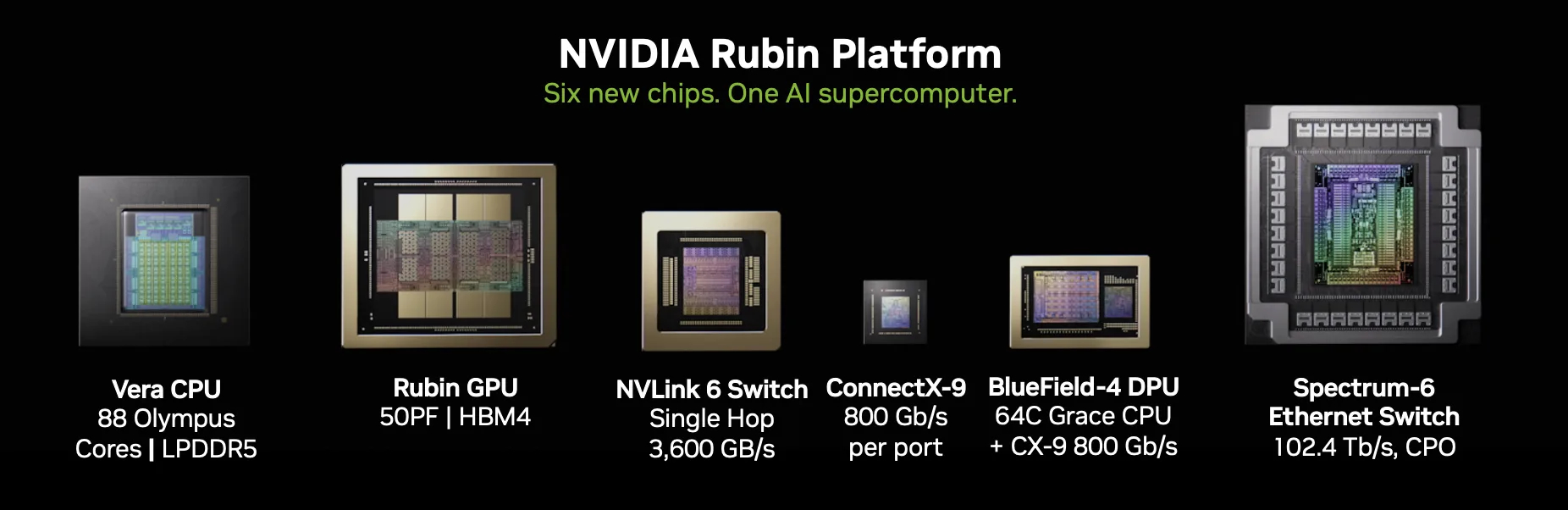
NVIDIA is now the most valuable company globally, largely thanks to the success of its GPUs in powering AI datacenters. Continuing its rapid innovation, NVIDIA recently announced the Rubin platform at CES 2026, featuring six new chips, including the Vera CPU and the Rubin GPU.
NVIDIA’s Rubin platform is designed to dramatically improve AI computing, making it more affordable and efficient. According to NVIDIA, it can reduce the cost of running AI tasks by a factor of ten and requires four times fewer GPUs for training complex AI models, compared to their current Blackwell hardware used in many data centers.
Here come the screeching brakes, heard loudest by those who couldn’t care less about AI.
The PC market faced significant challenges last year, and those issues are still ongoing. Artificial intelligence companies are buying up massive amounts of memory, leaving limited supply and driving up prices for everyone else. Building a new computer now requires a substantial investment in RAM, and even major PC manufacturers are feeling the impact of this shortage.
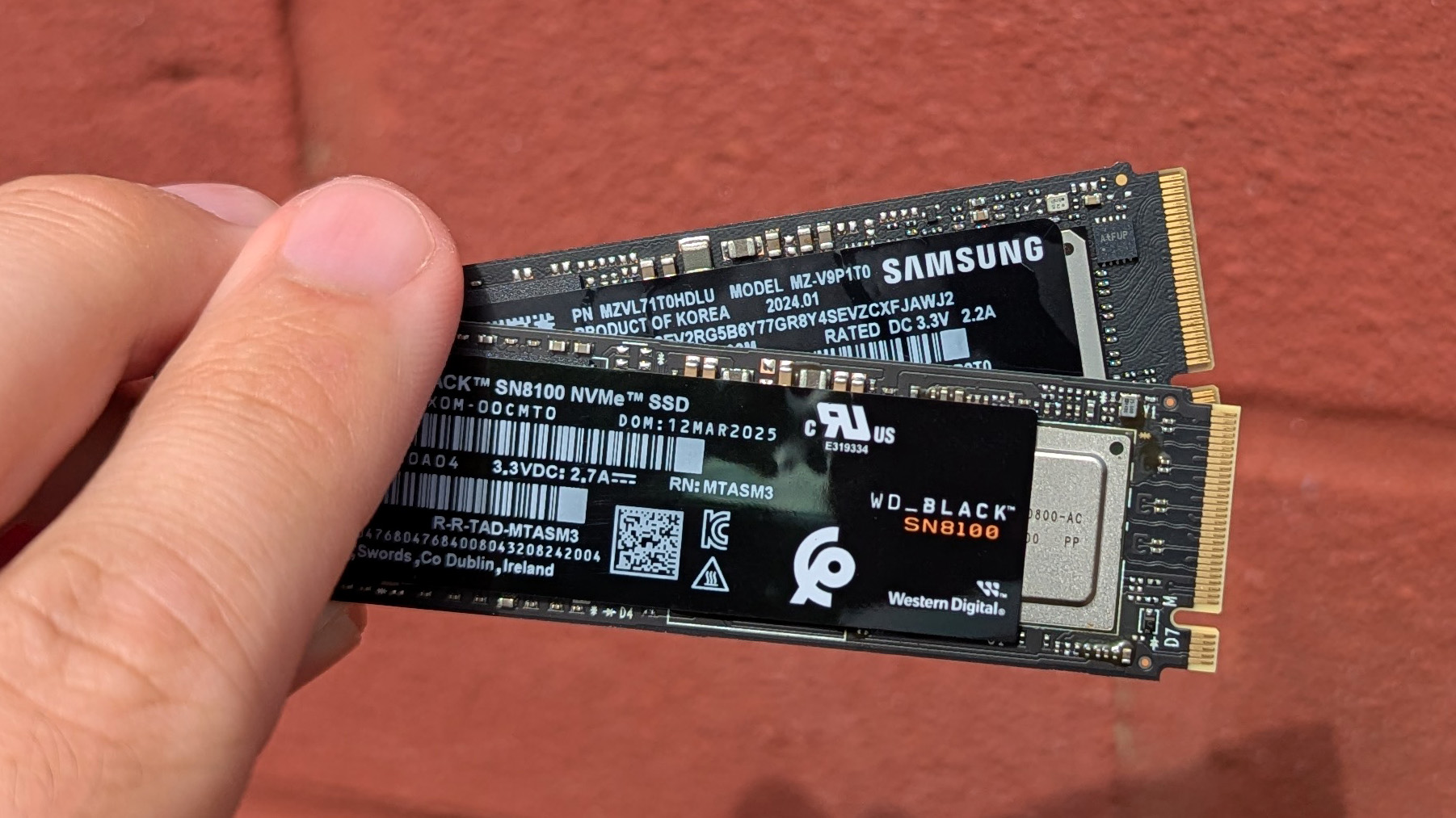
We’re already seeing a lack of available SSDs, and it’s connected to a shortage of NAND – the type of memory chips they use. NAND supplies were starting to get tight before this, leading to the current problem.
With the arrival of the Vera Rubin servers, we’re now anticipating a shortage of storage space. This is because Vera Rubin’s innovative memory technology dramatically increases data processing speed, meaning more storage will be needed.
According to Citi, Vera Rubin servers are expected to require a massive 1,152 terabytes of extra SSD storage to handle new NVIDIA inference processing. If these predictions are accurate, it could create significant storage challenges.
If NVIDIA’s servers ship with approximately 30,000 Vera Rubin units in 2026 and 100,000 units in 2027, that would require about 34.6 million terabytes of NAND storage in 2026 and 115.2 million terabytes in 2027.
In 2026, 34.6 million terabytes of NAND storage will account for about 2.8% of worldwide demand. By 2027, that number jumps to 115.2 million terabytes, representing 9.3% of global demand. According to Citi, this significant increase suggests the current shortage of NAND will worsen. This will likely lead to higher prices for consumer solid-state drives (SSDs).
For months, industry experts have warned about a potential shortage of NAND storage, and now it appears that shortage is happening. Could this lead to a future where we rely even more on paying for cloud computing services?
(via WCCFTech)

Read More
- Best Controller Settings for ARC Raiders
- FRONT MISSION 3: Remake coming to PS5, Xbox Series, PS4, Xbox One, and PC on January 30, 2026
- Mark Zuckerberg & Wife Priscilla Chan Make Surprise Debut at Met Gala
- Meet the cast of Good Omens season 3: All the actors and characters
- Nippon Sangoku Is The Best New Post-Apocalyptic Anime of Spring 2026
- Review: Final Fantasy Tactics: The Ivalice Chronicles (PS5) – Still the Benchmark for Turn-Based Tactics
- 7 Great Marvel Villains Who Are Currently Dead
- Welcome to Demon School! Iruma-kun season 4 release schedule: When are new episodes on Crunchyroll?
- Wistoria: Wand and Sword Season 2 release schedule: When are new episodes out?
- The Boys Season 5 Officially Ends An Era For Jensen Ackles’ Soldier Boy
2026-01-13 18:39