It’s frustrating when a fantastic show starts to decline, and that happened with series like Game of Thrones, The Boys, and Stranger Things. While Stranger Things always looked impressive, it began to suffer from predictability. As the show went on, major characters were rarely allowed to die, which lessened the impact of the increasingly dangerous situations. Even though the story tried to create a sense of urgency and impending doom for the town of Hawkins, it didn’t feel like the characters were ever truly at risk, and the final season didn’t resolve this issue.
The show wasn’t short on danger – Vecna was incredibly cruel, the Upside Down offered countless ways to die, and the Mind Flayer was a terrifyingly powerful enemy. However, it became clear that the main characters would always be safe, while those around them were expendable. The creators, the Duffer Brothers, received criticism for this pattern, but their new project takes a different approach.
Warning: Spoilers ahead for The Boroughs.
The Boroughs Takes Bigger Risks With Its Characters Than Stranger Things Ever Did
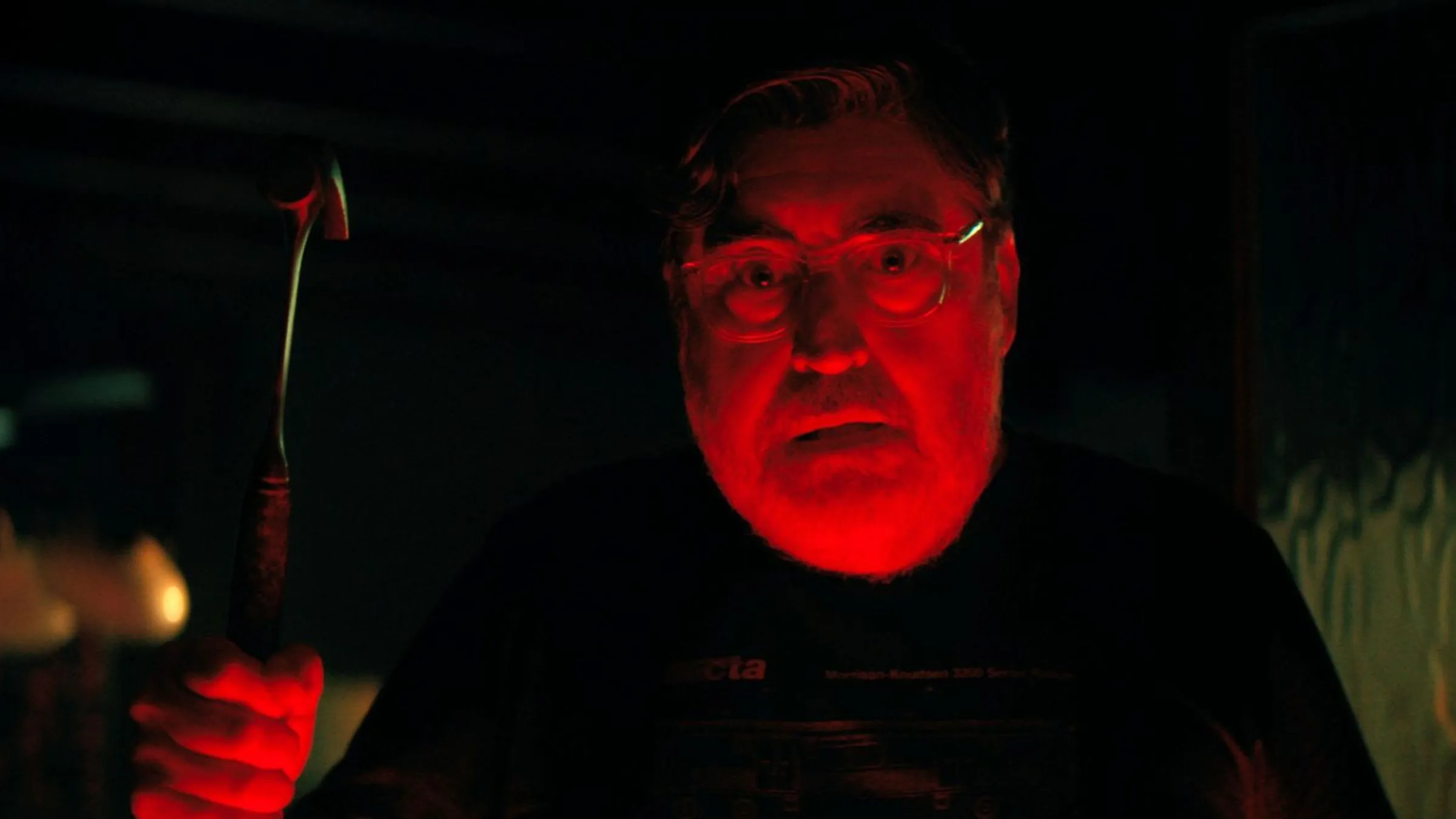
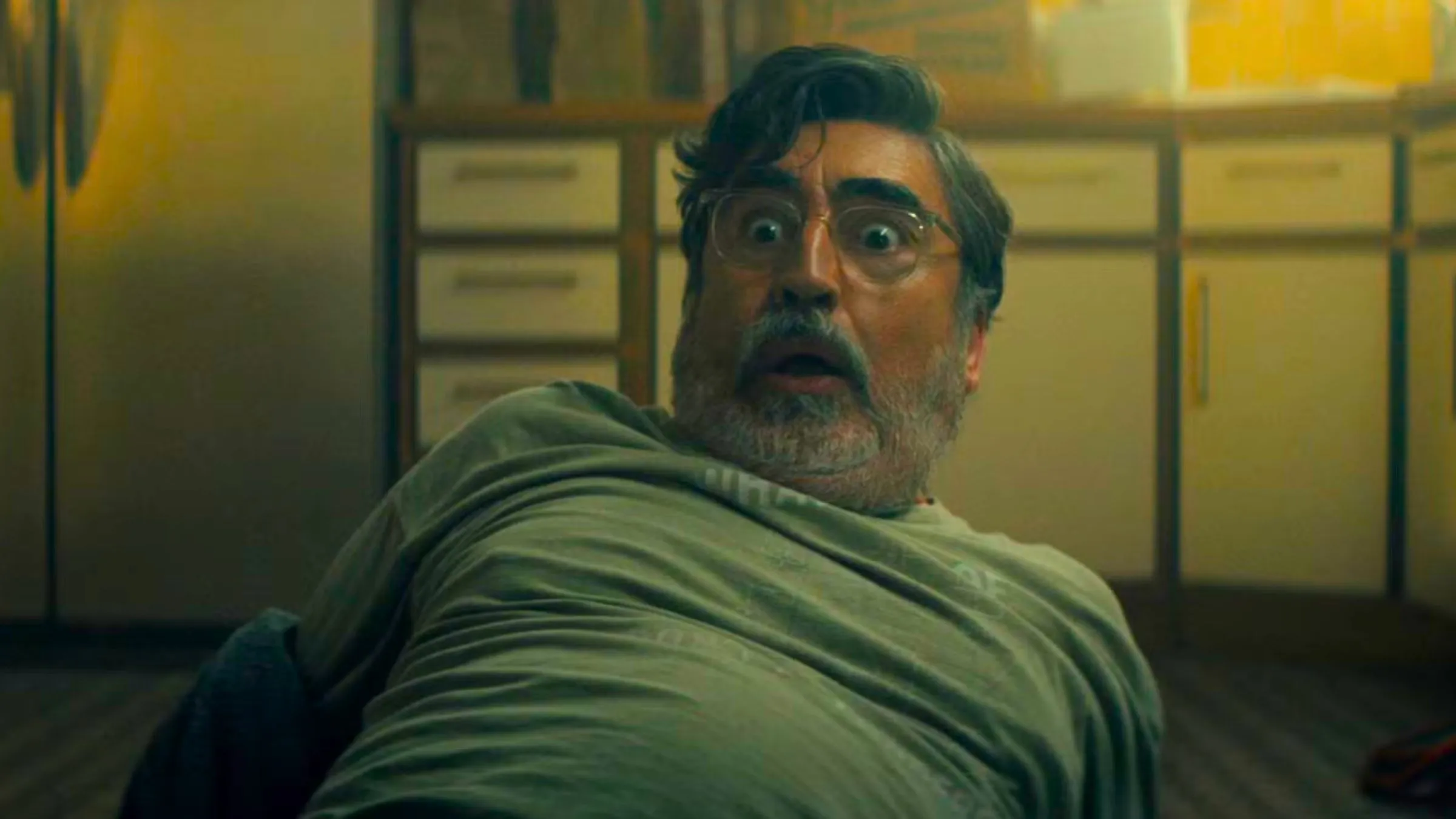
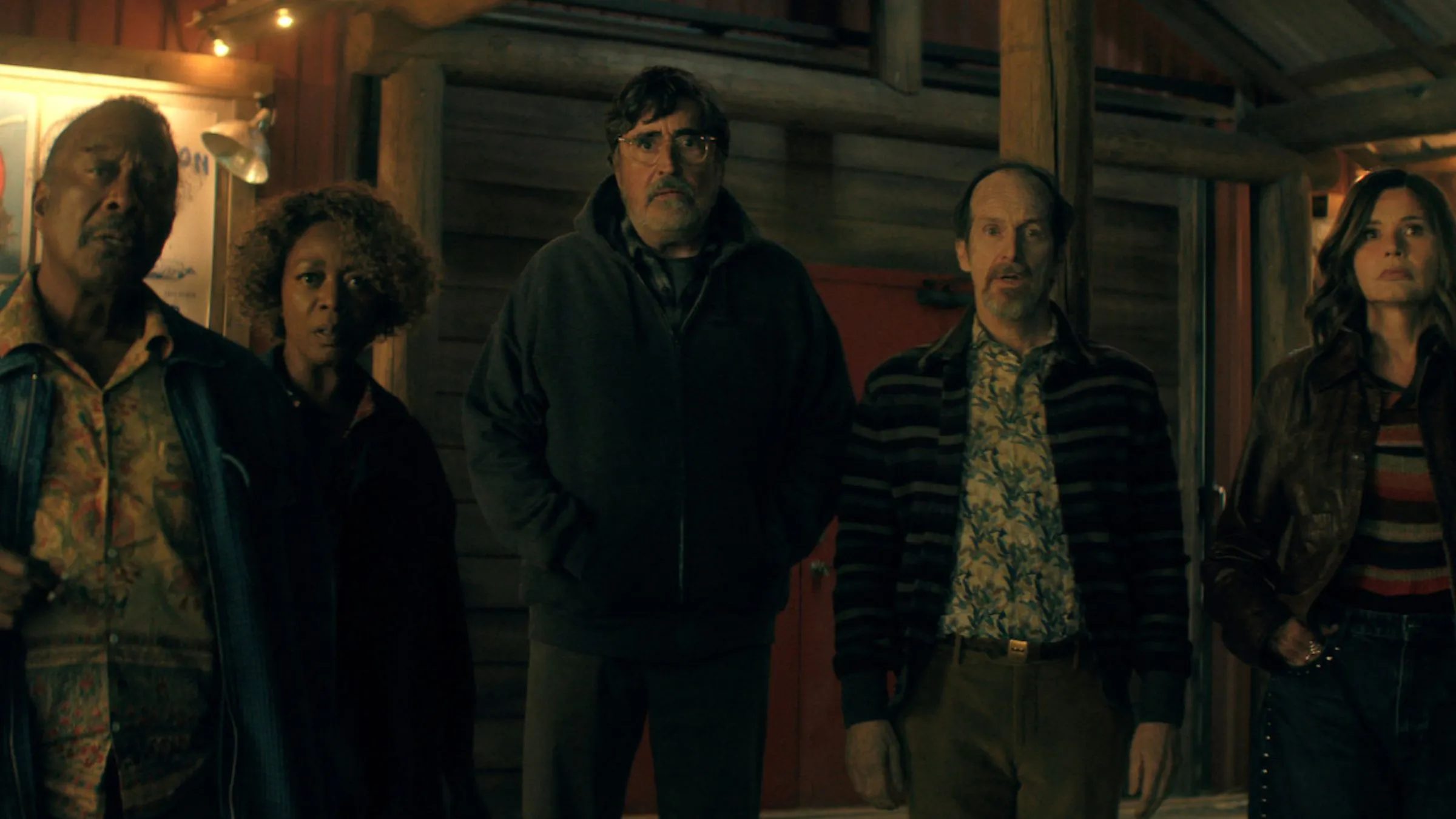
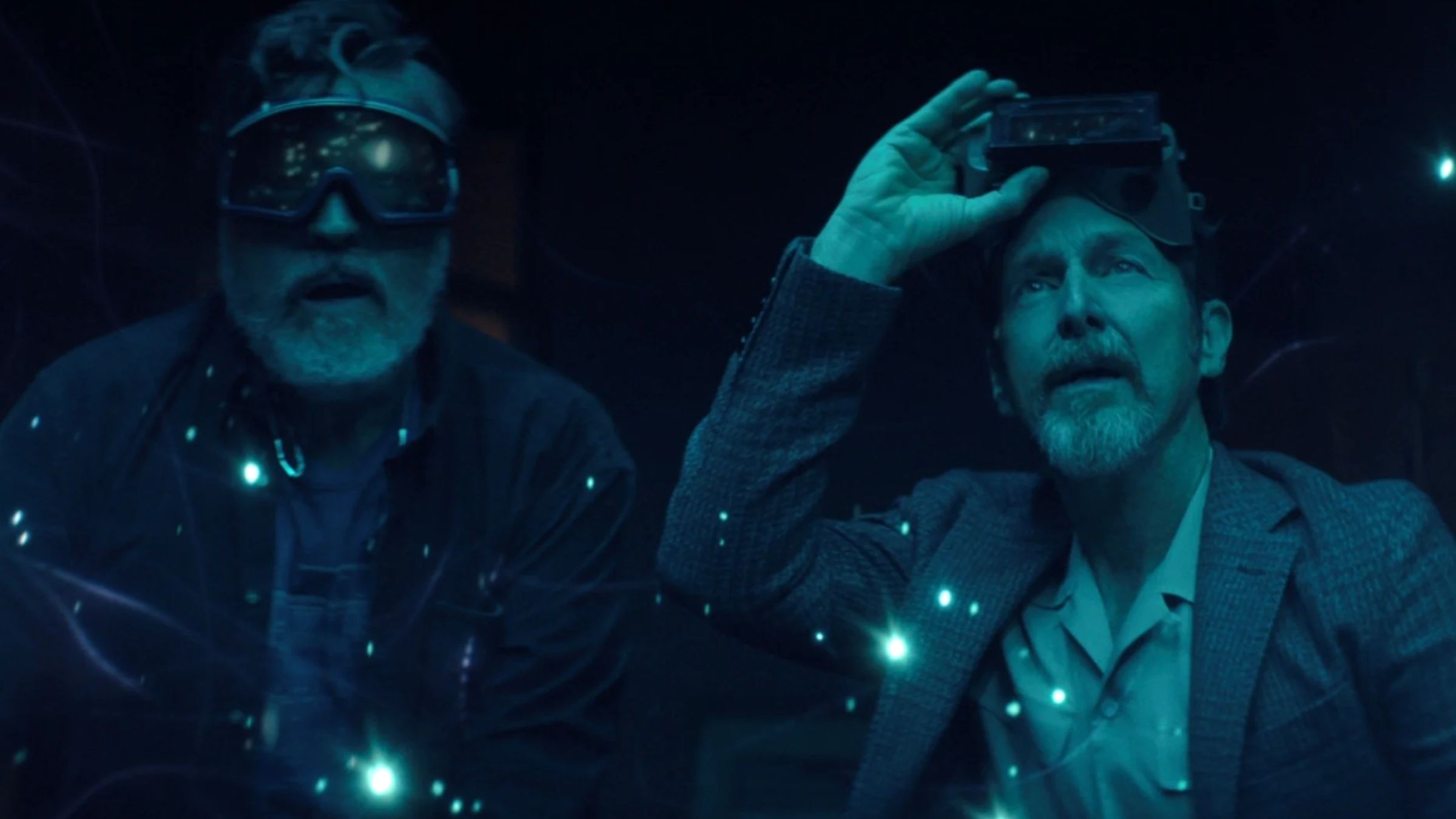
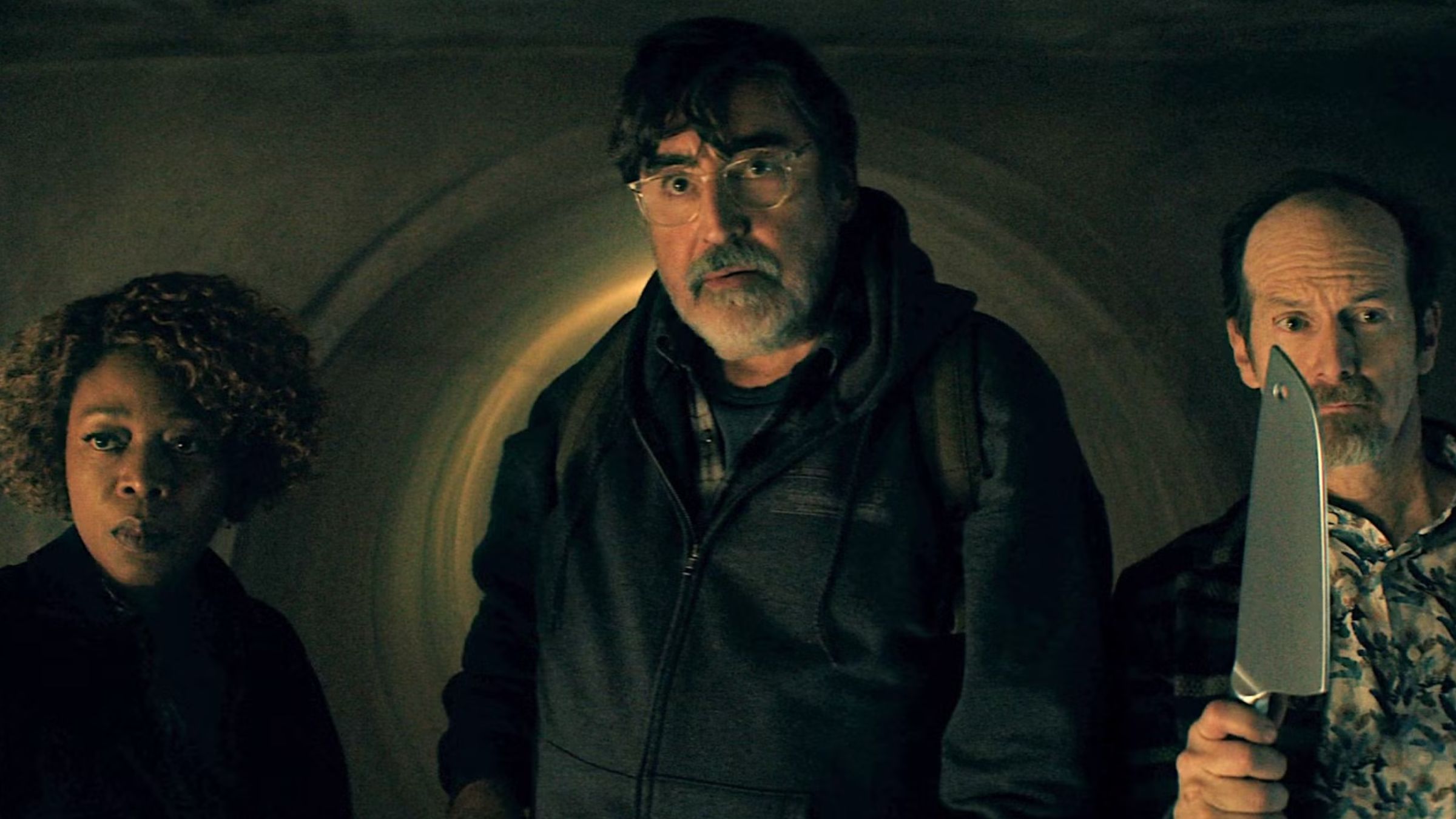
The Duffer Brothers’ new show centers around a group of seniors in a New Mexico retirement community who encounter bizarre, supernatural happenings within their building. It shares a lot of similarities with their previous hit, Stranger Things, combining mystery, horror, and science fiction. However, The Boroughs quickly establishes that no character is safe, regardless of their importance to the plot. While it hasn’t been renewed for a second season yet, the eight-episode first season is full of peril and features two significant character deaths.
The series immediately establishes a somber mood with the early death of Grace, signaling that no character is truly safe. While it’s easy to dismiss her death at first since she isn’t a central figure, the show quickly proves otherwise. The unexpected death of Jack, a very likable character, is truly shocking and forces both the characters – particularly Sam, who witnesses it – and the audience to realize this isn’t a typical story. The pattern continues with Edward’s death in episode four; though not a main character, he was important to the unfolding mystery.
This shift fundamentally alters how you experience the rest of the season—not because sadness automatically improves a show, but because it introduces genuine unpredictability. Game of Thrones is a prime example; despite its imperfections, it instantly captivated audiences by its willingness to kill off important characters. Comparing The Boroughs to Stranger Things highlights this contrast. In Stranger Things, viewers eventually realized the show had limits: characters could face hardship and intense emotional struggles, but certain boundaries were rarely crossed.
Throughout the final season, many viewers worried a main character would die, as it was the show’s ending. However, it quickly became clear the show was more interested in creating scares than actually killing anyone off – Steve’s close call being a prime example. Even Eleven’s fate was left uncertain, and Max’s storyline strongly hinted at a character’s death that never happened. The showrunners even introduced characters like Eddie seemingly just to have someone die without it feeling too shocking or random. When looking at the series overall, it’s clear this has been a pattern – many characters were brought in only to be killed off shortly after.
It makes sense that Stranger Things shifted towards nostalgia and hope, but given the show’s epic scope and doomsday feel, it felt unrealistic that all the characters would survive. The Boroughs recognizes that killing off key characters early on is crucial for a good horror story. It immediately creates a sense of danger and forces viewers to pay close attention. This makes the audience much more invested, curious, and emotionally connected. When scenes feel genuinely risky, because the show seems willing to take chances, it elevates the entire experience – and that’s especially important in the horror genre.
The Boroughs Feels Like a More Mature Version of Stranger Things
Both shows are really enjoyable, but people can’t help but compare them. Some viewers are already calling The Boroughs a version of Stranger Things, but with an older cast. Even one of the show’s creators had to point out that the two shows exist in different worlds. Despite this, the comparisons continue, and when you look closely, it’s clear why The Boroughs is ultimately more effective.
One of the things that sets The Boroughs apart is how realistically it portrays death. Unlike some shows that use overly dramatic goodbyes to manipulate viewers’ emotions, The Boroughs simply shows the consequences of loss and moves forward. This approach makes the tragedies feel more impactful and genuine. Importantly, these deaths aren’t just for shock value; they tie directly into the series’ central themes. This is a contrast to Stranger Things, where losses sometimes feel temporary. The Boroughs, however, focuses on elderly characters confronting aging, isolation, and death, making each loss deeply meaningful and thought-provoking.
Eventually, Stranger Things began to rely too heavily on references to the 1980s, nostalgic callbacks, and dramatic moments. While these elements were initially enjoyable, they eventually became a predictable pattern that detracted from the story. It’s not about dismissing the show’s success, but comparing it to The Boroughs highlights how the Duffer Brothers could have approached Stranger Things with a greater focus on character development. The Boroughs prioritizes the inner lives, fears, and vulnerabilities of its characters over simply recreating iconic scenes or relying on nostalgia.
Ultimately, what makes The Boroughs work so well is its understanding of a key principle that Stranger Things lost sight of: threats only feel real if there’s a genuine sense of danger. Creating monsters, disasters, or villains isn’t enough if the characters always escape unharmed. This actually reduces tension, particularly when the show tries to feel incredibly dangerous. When viewers realize there are no real consequences, they stop caring as much about what happens, and the show ends up being remembered more for this flaw than for its good qualities.
Read More
- GBP CNY PREDICTION
- Elon Musk’s Mom Maye Musk Shares Her Parenting Philosophy
- Forza Horizon 6 Car List So Far: Confirmed Highlights, Cover Cars, DLC, and Rewards
- 10 Greatest Manga Endings of All Time
- Elon Musk’s Ex Ashley St. Clair Reveals When Romance Became “Weird”
- 38 Years Later, Murder, She Wrote’s Most Overlooked Episode Still Pulls Off TV’s Greatest Crossover
- Mark Zuckerberg & Wife Priscilla Chan Make Surprise Debut at Met Gala
- Hollow Knight: Silksong Guide – All 30 Lost Flea Locations
- 20 K-Dramas That Nailed the Perfect Ending
- 10 Best Free Games on Steam in 2026, Ranked
2026-05-27 02:11