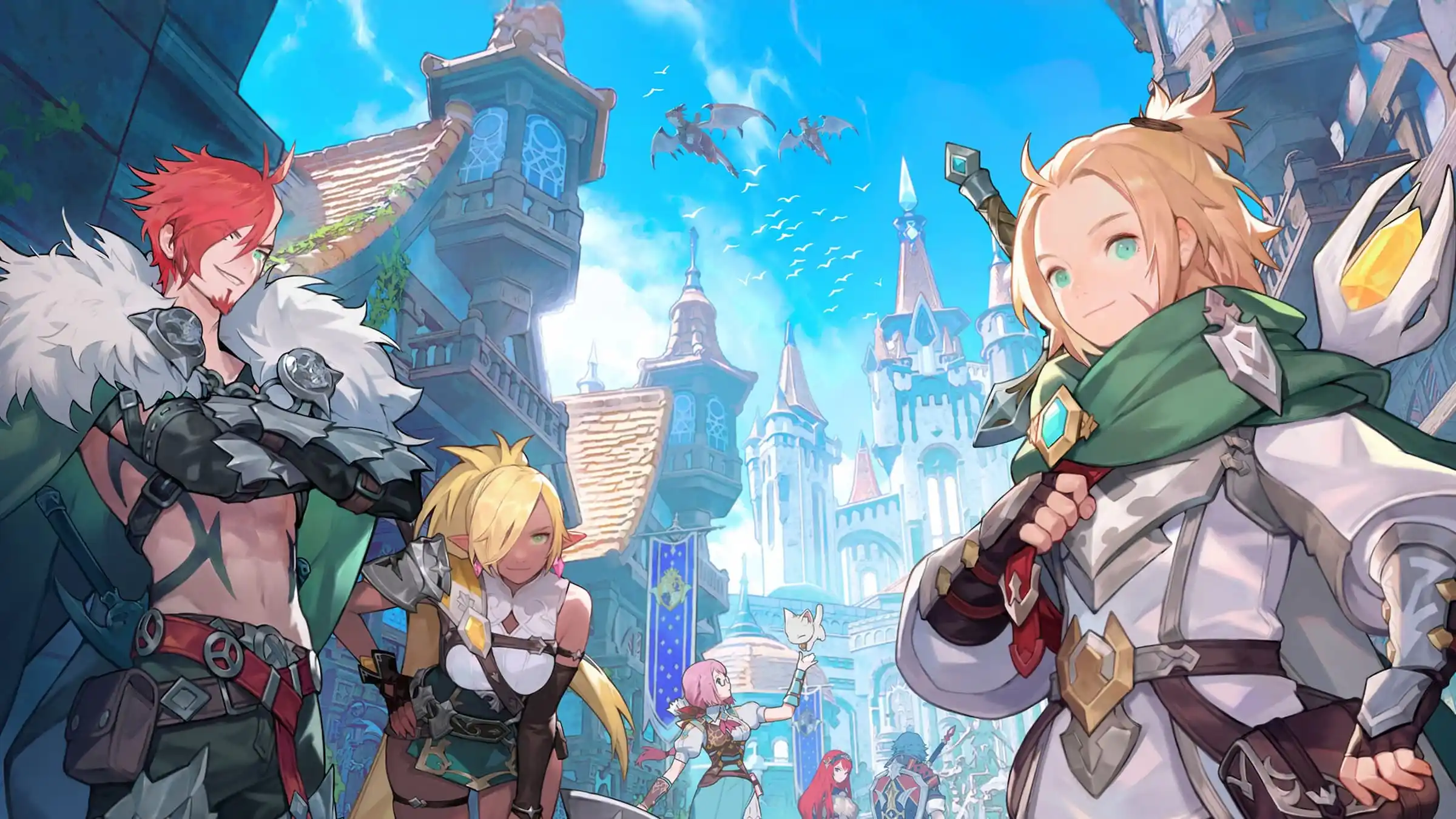
I’ve always been drawn to the concept of gacha games more than the games themselves. They often boast stunning anime-inspired visuals, expansive fantasy settings, exciting battles, and compelling stories. These games, heavily influenced by Japanese RPGs and anime, can be some of the most beautiful experiences in gaming today. However, the constant need to log in daily, limited energy, time-sensitive offers, and focus on getting players to spend money eventually become frustrating. It’s hard to truly immerse yourself in these worlds when the game seems designed to either make you grind endlessly or encourage you to spend money on new characters.
That’s why Dragon Sword Awakening really stood out to me. Originally planned as an online game with in-app purchases, it’s now becoming a complete, single-player RPG without any of those extra costs. People are already calling it the “Genshin Impact without the gacha,” and that’s a pretty accurate way to describe the hype. We’ve seen a lot of interest this year in big, anime-inspired games like Arknights: Endfield and Neverness to Everness, but a dedicated offline RPG with the same level of polish and scope feels like exactly what players are looking for – and Dragon Sword Awakening could be it.
Dragon Sword Awakening Looks Like the Anime RPG Fans Have Been Asking For
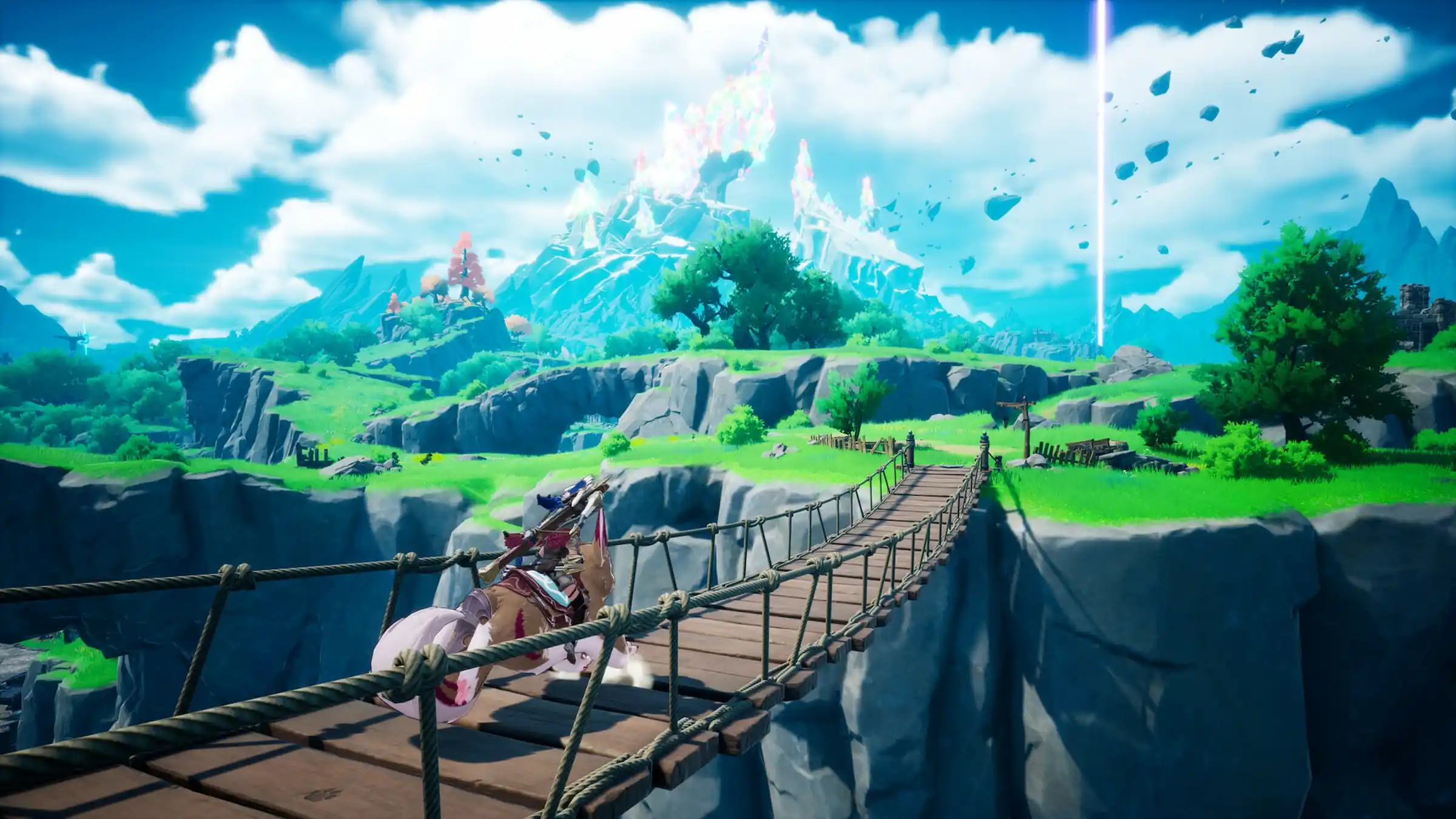
Dragon Sword Awakening will feel instantly familiar to anyone who enjoys modern anime role-playing games – it strongly resembles Genshin Impact. The game boasts a huge open world, beautiful fantasy landscapes, quick and exciting battles, and a diverse group of characters. The world itself is particularly striking. Created using Unreal Engine 5, the Continent of Orbis is a large, anime-inspired fantasy environment with plenty to discover, including fields, caves, dungeons, hidden treasures, and coastlines.
What really sets this game apart is that it doesn’t rely on the typical money-making tactics found in similar games. Unlike others that push limited-time events or rotating offers, it seems to prioritize a pure focus on adventure and discovery. This change alone makes it unique in a crowded market. I’m especially excited that it’s a gacha game without the constant pressure of microtransactions, fear of missing out, or endless grinding. Many modern gacha games try too hard to be ongoing forever, constantly competing for players’ time. But Dragon Sword Awakening is offering a new approach to the genre.
The game’s story feels wonderfully traditional. You play as Lute, a young boy journeying to Orbis, the first human kingdom. He teams up with a mercenary named Johnny and an Elf called Castella, and together they become caught up in a huge conflict. A Dragon, responsible for near-total destruction sixty years ago, is returning, and they must stop it. Unlike many modern games that are constantly updated with new content, this game is a complete, self-contained adventure with a clear beginning and end, structured like a classic fantasy RPG.
The Combat System Could Be the Genre’s Biggest Surprise
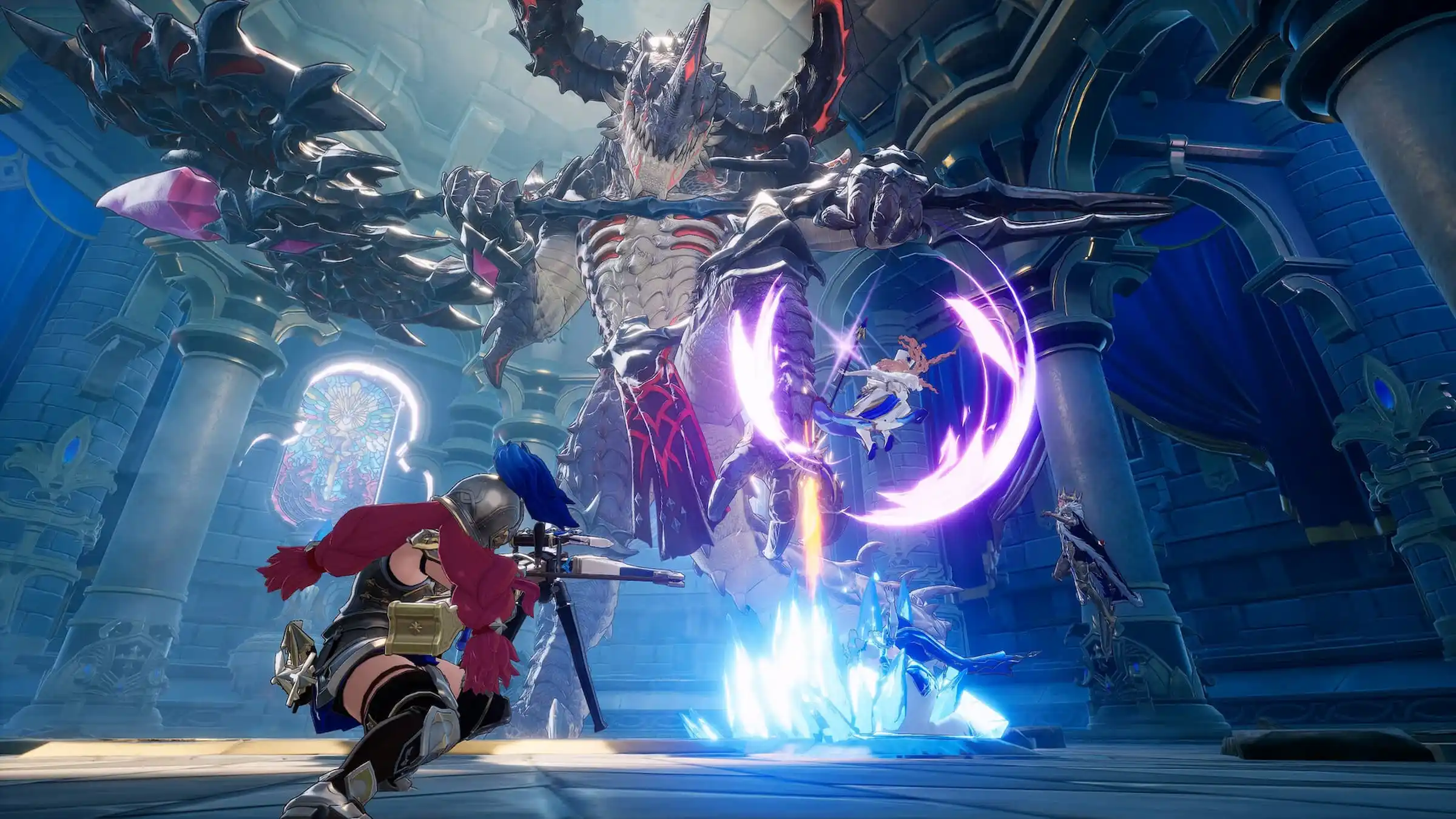
Although many are currently praising the game’s decision to avoid in-app purchases, the combat system in Dragon Sword Awakening has the potential to be its biggest strength. The game focuses on using status effects, coordinating your team, and pulling off impressive combo attacks by frequently switching between heroes. With 19 playable characters, each offering a distinct playstyle, Dragon Sword Awakening offers a level of strategic depth reminiscent of popular gacha games, but refined for a single-player experience.
Dragon Sword Awakening offers surprisingly complex combat. It’s not just about the heroes themselves; players can combine different status effects, use active skills, and unleash powerful combo attacks triggered by ‘signal skills’. A standout feature is the ‘Switching Signal’ mechanic, which focuses on trying out different team combinations and strategies rather than relying on powerful characters or strict cooldown timers. This approach could give the game a lot more strategic depth than you might initially think.
The game features helpful companions and allies called Familiars who join you on your adventures and aid in battle. Beyond fighting, you can enjoy relaxing life-sim activities like cooking with ingredients you find, helping the people you meet, and exploring the towns of Orbis. These features make the world feel vibrant and lived-in, rather than just a series of places to fight and complete quests.
A Gacha-Free Future Could Change the Entire Genre
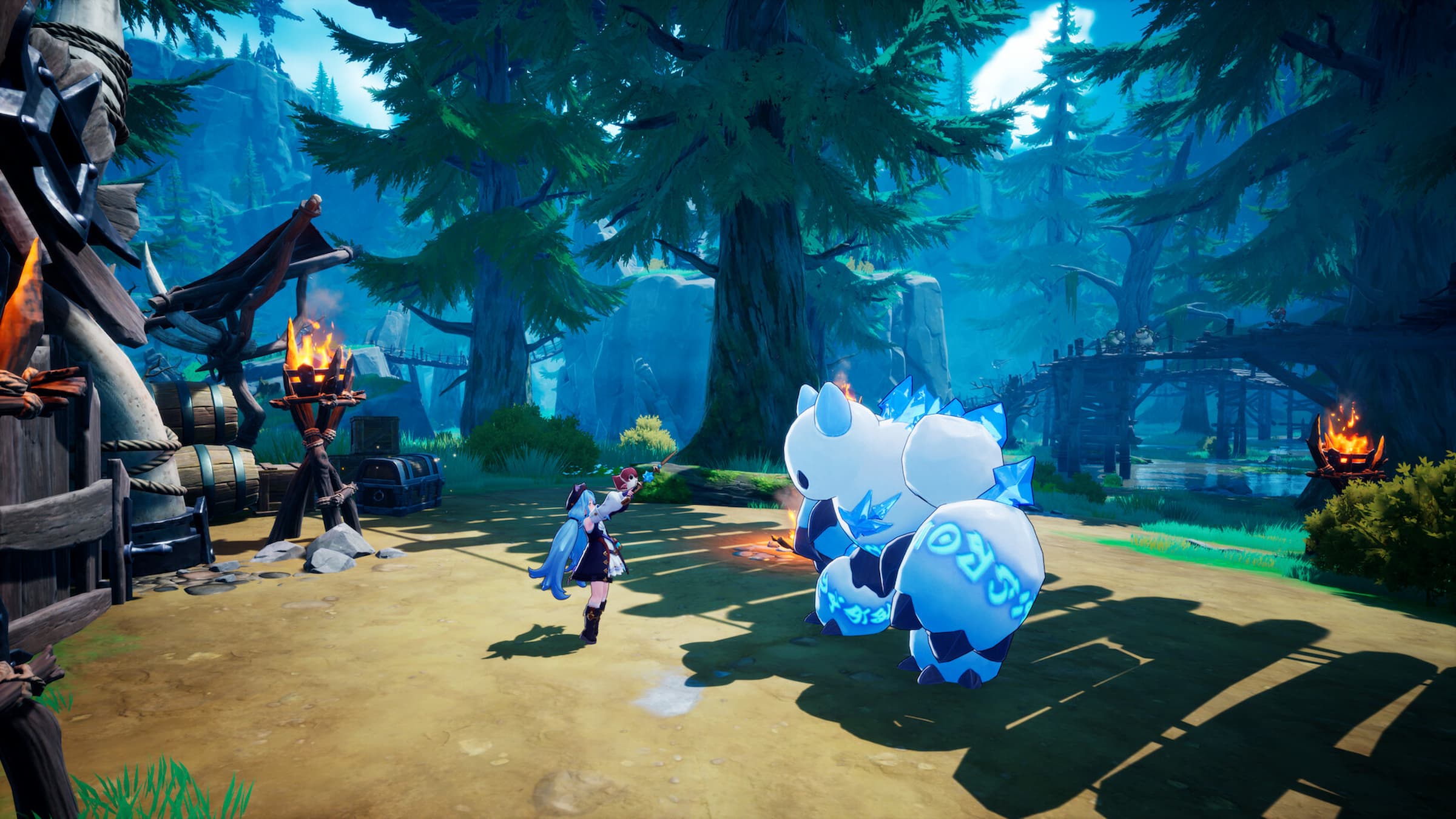
Dragon Sword Awakening stands out because it suggests a new direction for anime-inspired RPGs and games that use the ‘gacha’ system. For a long time, these games have focused heavily on making money through things like limited-time offers, energy limits, and constant grinding. Even good games can become frustrating, as players end up spending more time dealing with complicated systems than actually having fun. This is why I haven’t been able to fully enjoy games like Arknights: Endfield and Neverness.
Honestly, I was starting to get burned out on gacha games. So many of them look amazing at first – huge anime worlds, awesome battles – but then it just turns into endless grinding and feeling like you have to spend money to keep up. That’s why Dragon Sword Awakening is such a breath of fresh air. It’s got all the things I love about those big, flashy anime RPGs – the beautiful open world, the cool cutscenes, the fast-paced combat – but it gets rid of all the frustrating microtransactions. Instead of constantly trying to unlock characters with random pulls, I can actually just enjoy exploring, fighting, and getting into the story. It’s a really nice change of pace.
The game’s story draws heavily from classic RPGs, evoking a sense of nostalgia. The return of the Dragon after decades, Lute’s quest across the world of Orbis, and the hunt for six legendary Heroes all feel familiar yet are presented with stunning modern visuals. Dragon Sword Awakening seems to be exactly what many anime RPG fans have been hoping for, and if it lives up to its potential, it could inspire other developers to reimagine the gacha genre. While it may stray from traditional gacha elements, its origins are clearly rooted there, and it offers a fresh perspective on how the genre could evolve.
What do you think? Leave a comment below and join the conversation now in the ComicBook Forum!
Read More
- Gold Rate Forecast
- 10 Most Powerful Versions of Superman, Ranked
- GBP CNY PREDICTION
- 10 Best Free Games on Steam in 2026, Ranked
- 007 First Light: Release Date, Story, Gameplay, Cast, Editions, and Platforms
- Superman’s 7 Best Power-Ups, Ranked
- Forza Horizon 6 Car List So Far: Confirmed Highlights, Cover Cars, DLC, and Rewards
- 10 Greatest Manga Endings of All Time
- DOGE PREDICTION. DOGE cryptocurrency
- Black State Trailer Showcases Ray-Traced Reflections and DLSS 4 Performance
2026-05-10 01:13