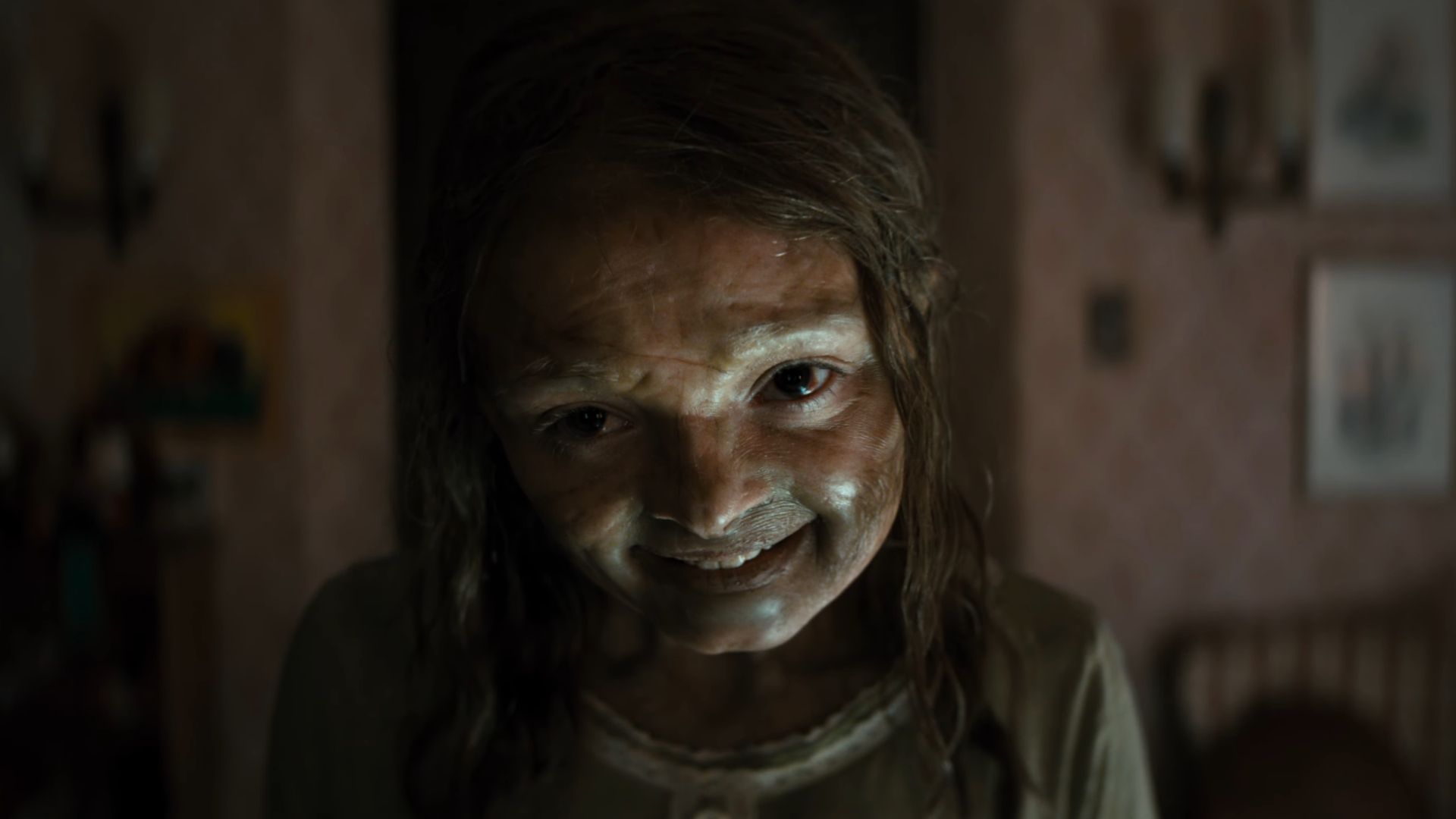
The Mummy franchise has had its ups and downs, from the classic film starring Boris Karloff to the more recent, unsuccessful attempt at a shared universe in 2017. Despite this, people continue to be drawn to these movies. With another Mummy film planned for 2026, directed by Lee Cronin, and a sequel to the popular Brendan Fraser Mummy movies in development, the quality of films in this series remains inconsistent.
The Mummy has been a popular movie monster for nearly a hundred years, appearing in scary horror films, funny comedies, and even big action movies with stars like Tom Cruise. Unfortunately, Cruise’s recent attempt to relaunch the character and create a larger movie universe wasn’t successful at the box office.
Each ‘Mummy’ film tried something new, and the best ones succeeded with impressive special effects, strong performances, and compelling stories. However, the weaker entries either simply rehashed old ideas without adding anything fresh, or suffered from noticeable plot problems and unconvincing visual effects that distracted viewers.
Lee Cronin directed the 2026 Mummy film, but it leaned heavily into the style of his Evil Dead Rise movies rather than traditional mummy films – a unique approach. While different, it didn’t quite satisfy fans or meet studio expectations, especially with a new Mummy movie starring Brendan Fraser on the horizon.
Great Mummy movies attract both horror and adventure lovers. The most successful ones delve into Egyptian myths, ancient curses, and even romantic storylines, truly embracing the rich lore surrounding the creature instead of just using it as a scary element.
The Mummy (2017)
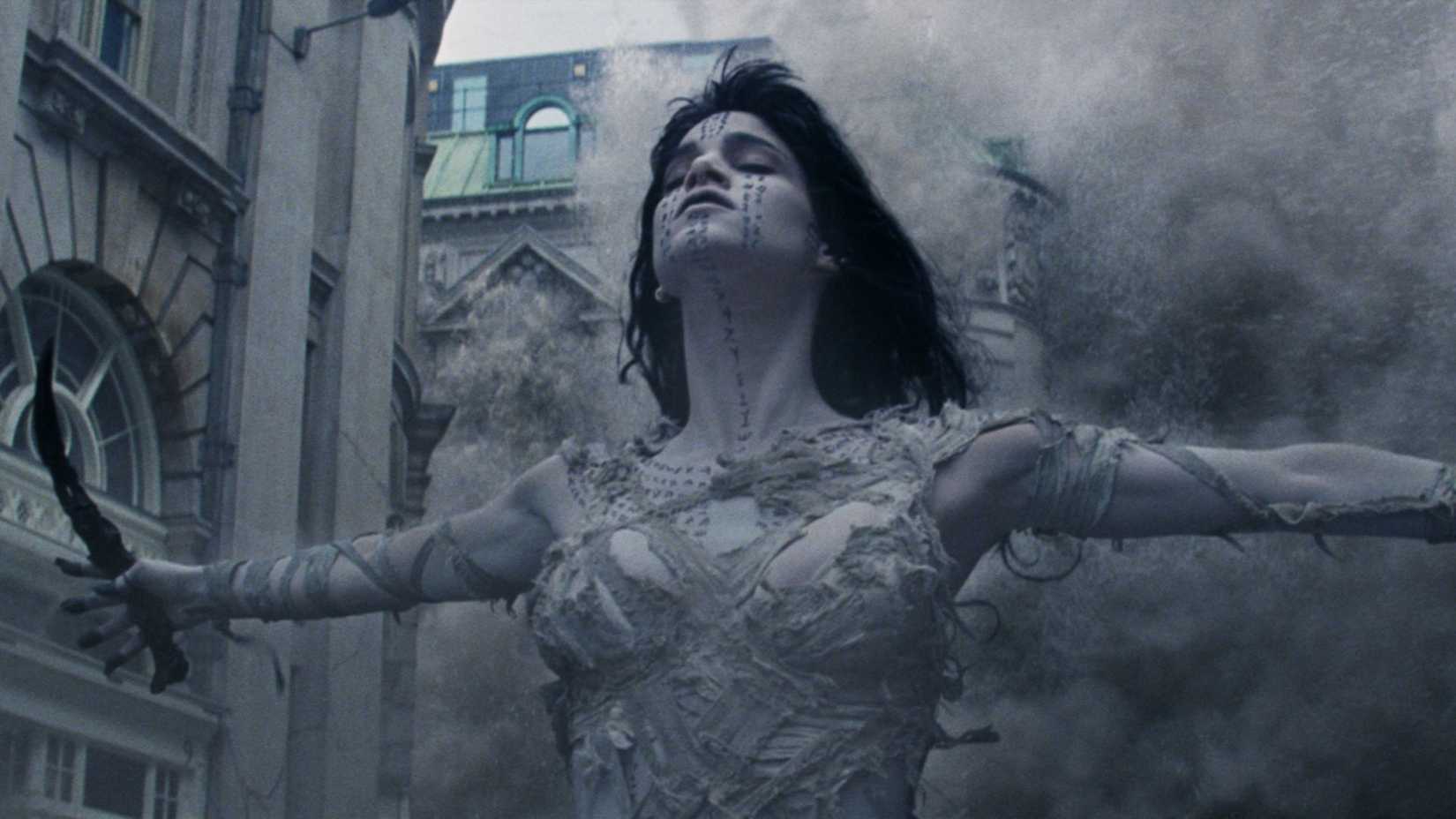
Hoping to create a shared universe of classic monsters like Marvel’s superhero films, Universal cast big names to kick off their “Dark Universe” franchise. Tom Cruise starred as the lead, and Russell Crowe appeared as Dr. Jekyll, hinting at what was to come.
Despite earning $410 million globally, The Mummy was considered a financial failure. High production and marketing costs meant the studio lost money on the film. With very poor reviews – a 15% rating on Rotten Tomatoes and a 35% audience score – Universal decided to abandon its plans for a connected universe of monster movies.
While Princess Ahmanet, played by Sofia Boutella, was a standout performance in The Mummy, the character wasn’t developed enough to truly save the film. Even Brendan Fraser, who previously starred in The Mummy, noted that this new installment missed the playful excitement that fans expect from the series.
The Mummy’s Tomb (1942)
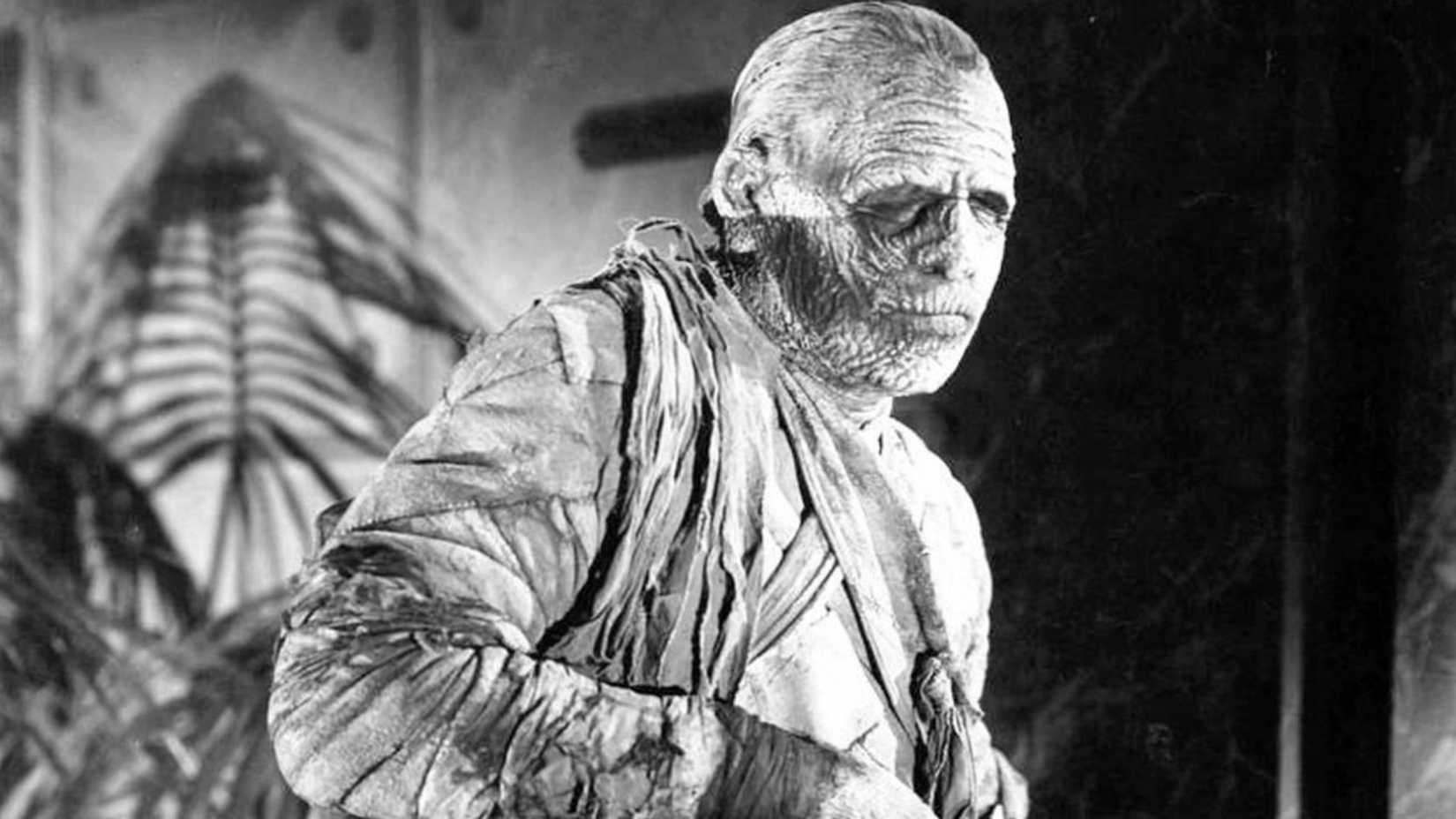
Released in 1942, The Mummy’s Tomb continued the story from the first Mummy film. Lon Chaney Jr. took over the role of the Mummy, replacing Tom Tyler. While Chaney was a talented horror actor, some felt he didn’t have the same strong physical presence as his predecessor.
The main flaw of this movie – and what makes it the weakest in the original Mummy series – is its overuse of footage from The Mummy’s Hand. This was a cost-saving measure, but fans noticed the repeated shots, which felt awkward and redundant.
By this point, the story of the Mummy had become predictable – each film revolved around him searching for his lost love, with little else driving the plot. While it’s still interesting as a continuation of Kharis’s story, it doesn’t quite reach the quality of the earlier movies.
The Mummy: Tomb Of The Dragon Emperor (2008)
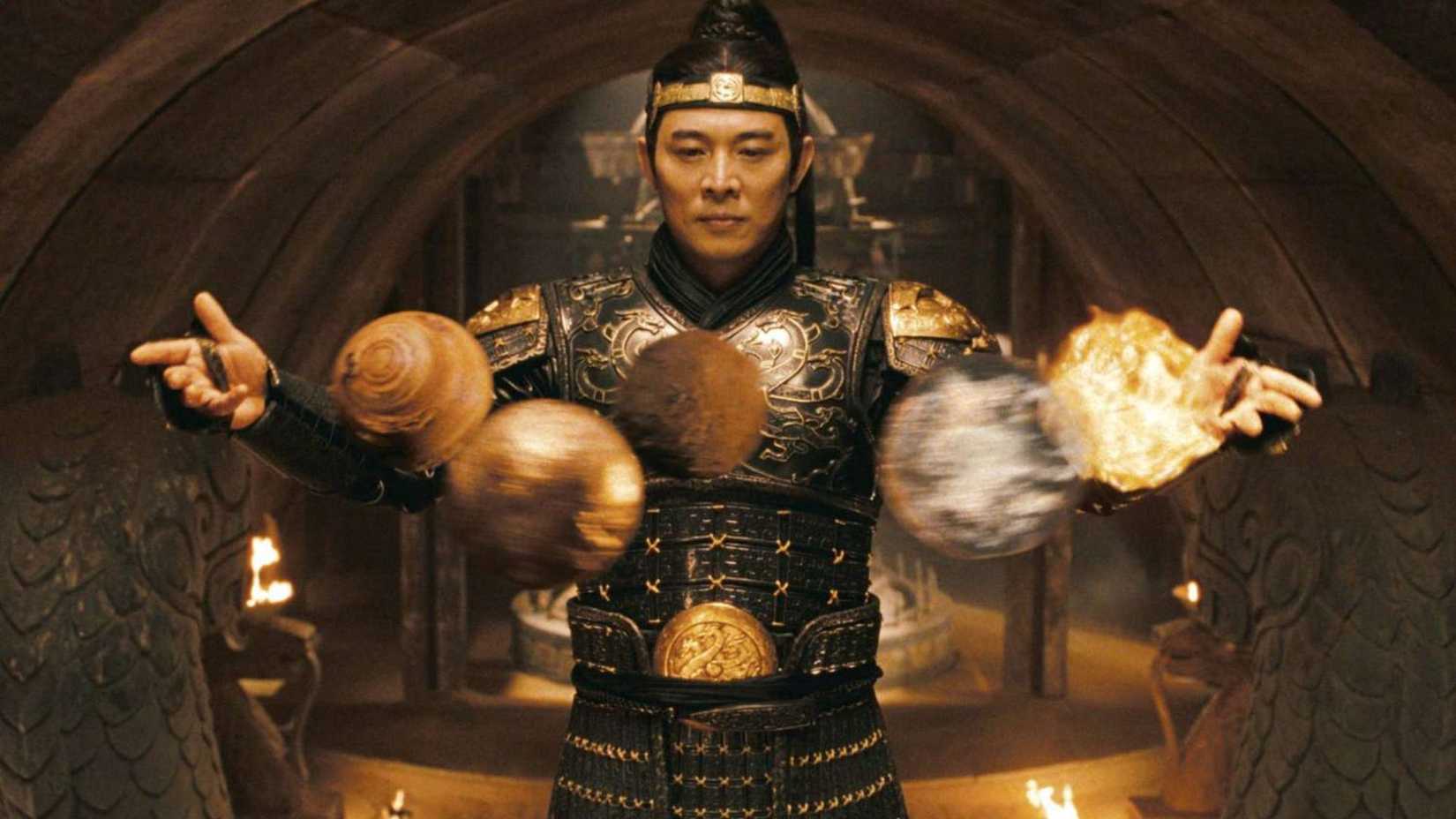
When The Mummy: Tomb of the Dragon Emperor came out in 2008, it faced some challenges. Rachel Weisz, who starred in the first two films, didn’t return, and Maria Bello took her place. Although Bello is a talented actress, the change was noticeable, as her portrayal of the character was quite different from what audiences had seen before.
Besides declining visual effects, a major issue for audiences was the shift in setting from Egypt to China. Replacing the original Egyptian Mummy with a Chinese dragon emperor (Jet Li) felt like a departure from the mythology fans loved.
The movie received a poor 12% rating on Rotten Tomatoes, even scoring lower than Tom Cruise’s The Mummy. While it’s a little better than that film – with Michelle Yeoh and Isabella Leong getting positive attention for their acting, and Brendan Fraser reliably good as Rick O’Connell – it ultimately led to the franchise being put on hold for nearly ten years.
Abbott And Costello Meet The Mummy (1955)
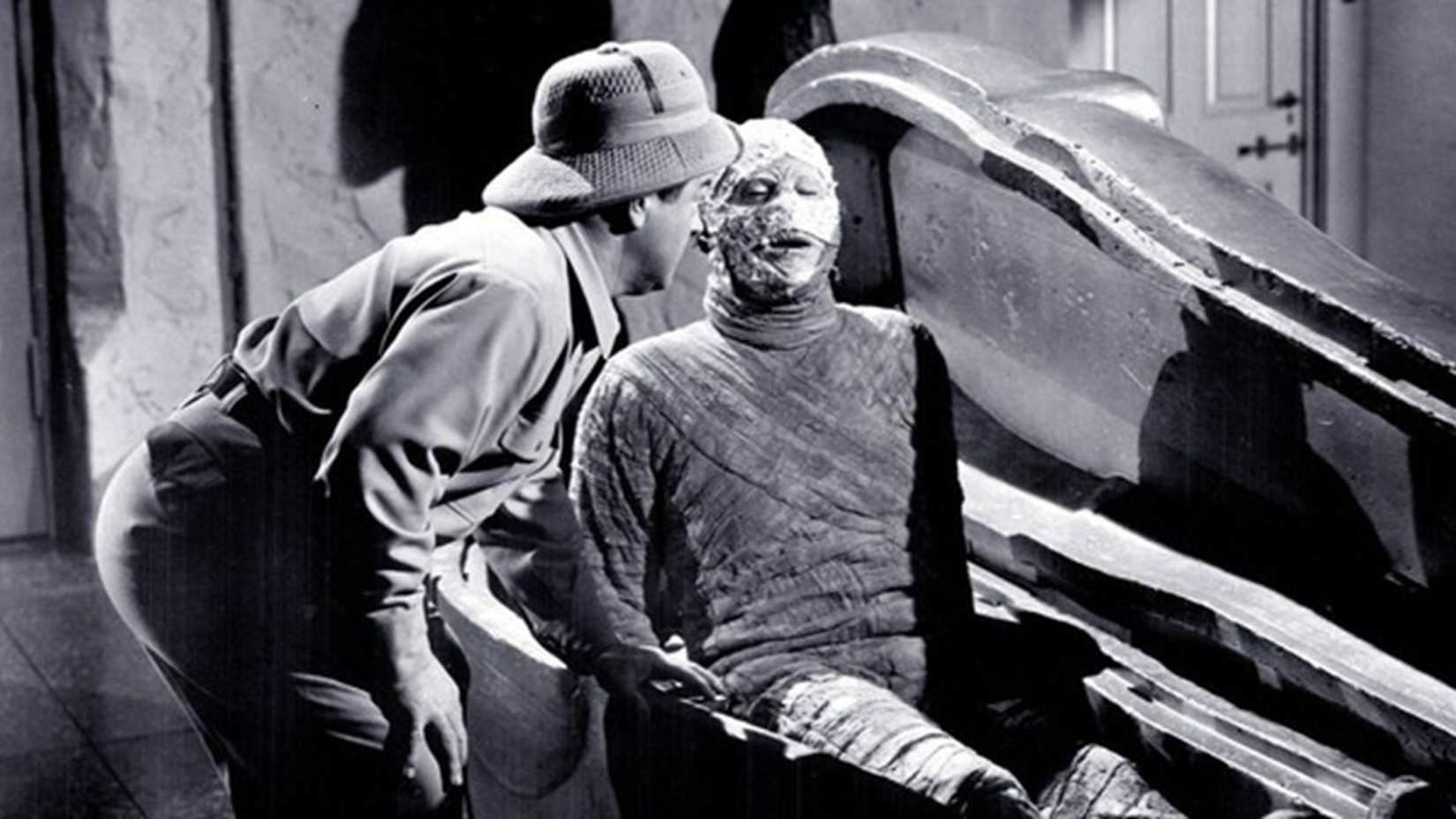
Abbott and Costello Meet Frankenstein was a really fun movie that brilliantly combined comedy and classic horror. Abbott and Costello provided the laughs, while the monsters – Frankenstein, Dracula, and the Wolf-Man – played their roles seriously. It would have been a perfect ending to the popular Universal Monsters series, even though a few more, smaller films were made afterward.
As a classic movie fan, I always find it interesting to look back at where franchises end. For me, Abbott and Costello Meet the Mummy feels like the real end of the line for Universal’s monster movies. Sure, Abbott and Costello were still hilarious, but the spark was gone from those monsters. It’s kind of sad – the Mummy doesn’t even appear until the last 20 minutes of the film! It just wasn’t the same.
While the movie still featured plenty of silly, physical comedy, it lacked almost all of the scary elements. Reviews were mixed: critics liked how the film looked, but found the story and writing weak and unoriginal.
The Mummy’s Curse (1944)
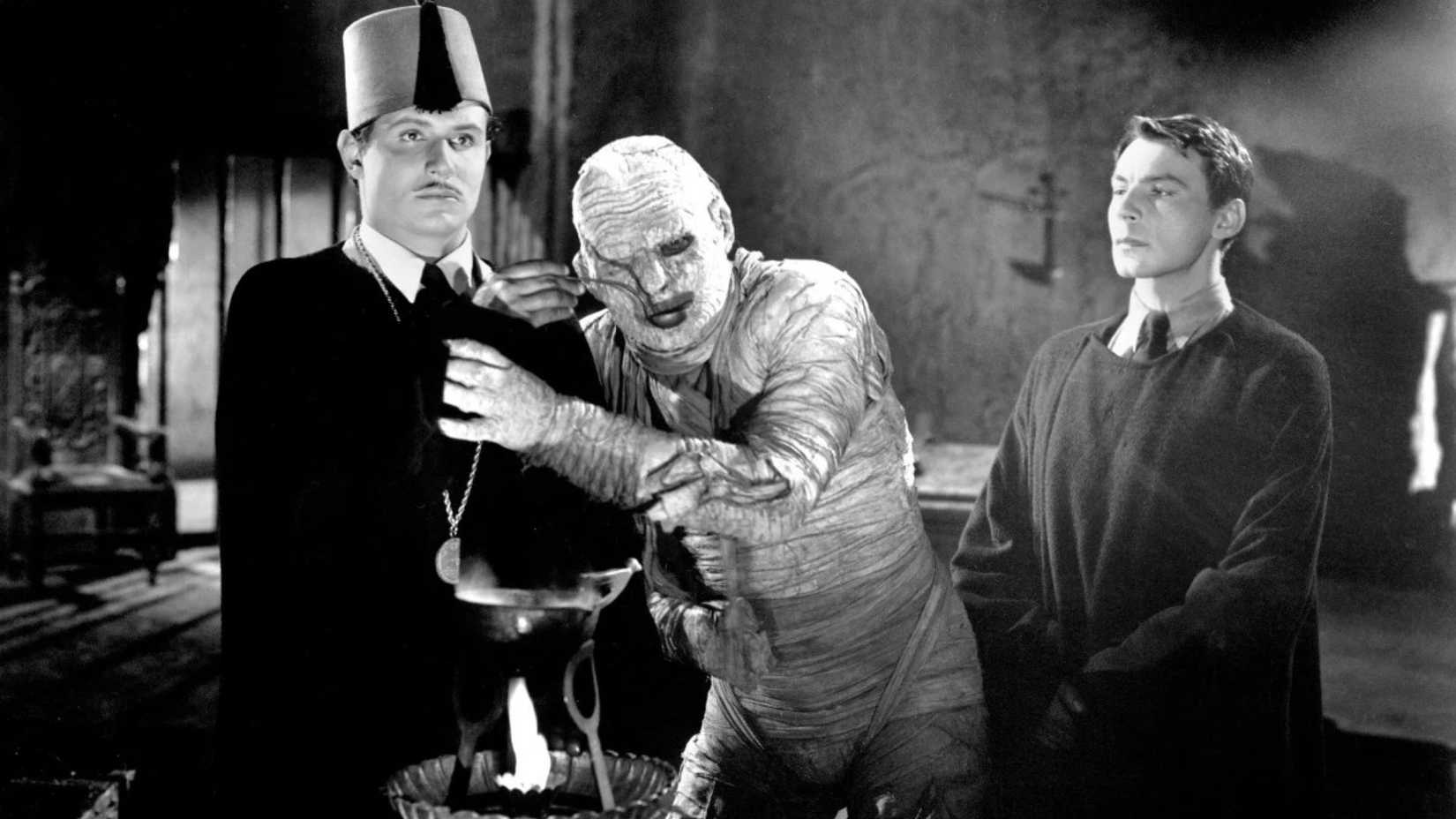
As a horror fan, I have to say The Mummy’s Curse feels like a disappointing end to Universal’s Kharis the Mummy saga. While it’s the fourth and final film featuring this iconic monster, and he still manages to be genuinely creepy, the story itself just doesn’t hold up. It feels needlessly convoluted and, unfortunately, doesn’t offer anything fresh or exciting to the series. It’s a shame to see such a classic character wrapped up in a plot that feels so…lost.
The sequel was intended to be set 25 years later, but the scenery and sets were nearly identical to the original movies. However, the film does deserve praise for portraying Kharis with more empathy than before, focusing on a tragic love story rather than pure evil.
The film’s conclusion was particularly well-received by horror fans and those who had followed the character of Kharis throughout the series. Many consider it to be one of the most satisfying endings in horror from that time period.
Lee Cronin’s Mummy (2026)
The 2017 film The Mummy, directed by Lee Cronin, has been a point of contention for many fans. While branded as a Mummy movie, it doesn’t really connect with the traditional story or mythology of the classic monster. In fact, it feels more like an Evil Dead film than a continuation of The Mummy franchise.
It all clicked for me when I remembered Lee Cronin also directed Evil Dead Rise. It feels like he approached The Mummy less as a reboot of the classic franchise and more as a continuation of that same intense, possession-focused horror. The story centers around a daughter who vanished eight years ago, only to reappear… and it quickly becomes clear something’s taken hold of her.
The movie currently has a 45% rating on Rotten Tomatoes. Though it shares the ‘Mummy’ name, it’s not a traditional entry in the series. Critics have enjoyed its intense gore and striking visuals. Overall, it’s a decent addition to the franchise, largely because its new story and mythology were more successful than the ‘Mummy’ reboot from ten years ago.
The Mummy Returns (2001)
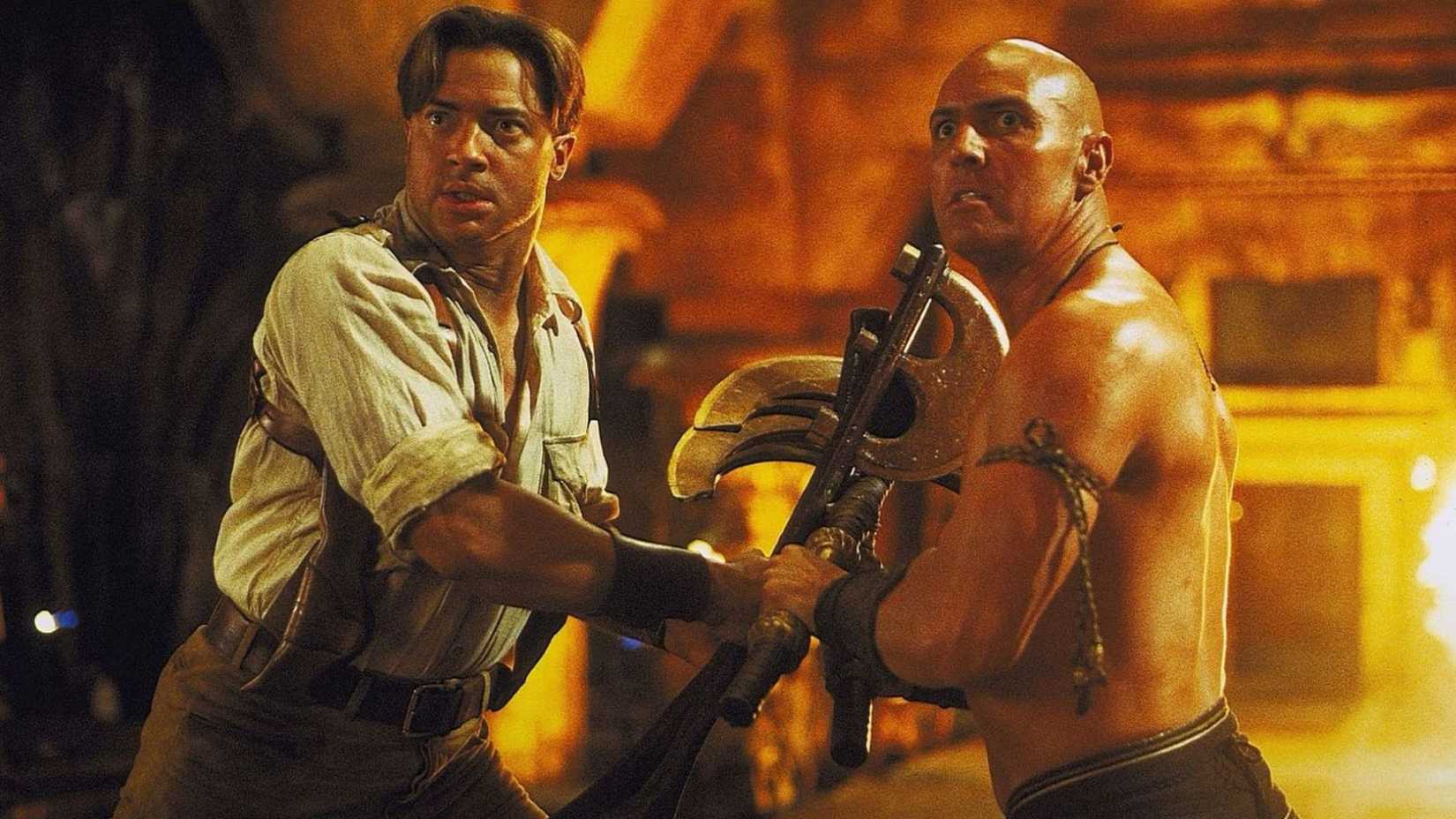
Even today, The Mummy Returns is an enjoyable movie, largely due to Brendan Fraser’s charismatic performance as Rick O’Connell and Arnold Vosloo’s compelling portrayal of the Mummy. It was a hit with audiences and became the most financially successful film in the Mummy franchise, earning $433 million globally – surpassing the box office results of the original movie.
The biggest weakness of the movie is its unimpressive special effects. The filmmakers aimed for a video game aesthetic with the monsters, but it didn’t translate well to the big screen. The Scorpion King, played by Dwayne Johnson, was particularly poorly rendered, and has since become a well-known example of the ‘uncanny valley’ effect in film.
Despite having less impressive special effects, the movie delivered constant action and large-scale battles, making it visually exciting. It prioritized spectacle over character development, which likely contributed to its box office success, but it didn’t quite reach the artistic level of the first film.
The Mummy’s Ghost (1944)

I’ve always thought The Mummy’s Ghost was a really strong entry in the classic Universal Monsters series. What I especially loved was seeing Lon Chaney Jr. return as the Mummy, because he really brought so much more to the role this time around. He wasn’t just a lumbering monster; you could actually feel his anger, frustration, and even sadness. It made him a far more compelling and interesting creature, honestly.
This film boasts one of the most unexpected endings in the classic Mummy series, helping it rise above many other monster movies from that time – even those not about the Mummy. It’s a quick watch, running less than an hour, and generally received positive reviews despite being made with a smaller budget.
While the film retreads familiar ground from earlier installments, it’s still an enjoyable, fast-paced watch with strong performances and a genuinely surprising twist, placing it above many horror sequels from the 1940s. A highlight is John Carradine’s appearance as the high priest Yousef Bey – a perfect casting choice that cult horror fans will appreciate.
The Mummy’s Hand (1940)

Many fans consider The Mummy’s Hand to be the strongest sequel in Universal’s classic monster series. It shifted the focus from the original Mummy, Imhotep, to a new character, Kharis (played by Tom Tyler), who would become the face of the Mummy for the next ten years.
Tyler only played the character Kharis once, with Lon Chaney Jr. taking over in subsequent films. Despite this, many consider Tyler’s portrayal to be the most unsettling version of the Mummy, surpassing even Chaney’s performance. His take also introduced a bit of humor, balancing the horror elements.
Universal was beginning to reduce budgets for its horror films around this time, but this movie still performed well and didn’t suffer much from the cost cuts. Importantly, the Mummy stories were still relatively new and exciting, giving this film an advantage over later installments that simply tried to repeat its success.
The Mummy (1932)

Determining the best Mummy movie often comes down to personal preference – do you enjoy scary horror or thrilling adventures? If you prefer horror, the original 1932 film starring Boris Karloff (famous for Frankenstein) is widely considered the best. With its incredible makeup and Karloff’s performance, it’s a classic that’s hard to beat.
This horror movie draws inspiration from the true story of the 1922 discovery of King Tutankhamen’s tomb and the public’s enduring interest in ancient Egyptian curses. Unlike many other horror films from Universal, it leans more towards a Gothic romance, almost defining the genre itself.
The Mummy is highly regarded by critics, earning a 90% score on Rotten Tomatoes. They especially appreciated its spooky atmosphere, subtle storytelling, and the captivating performance by Boris Karloff. While it wasn’t a huge hit when it first came out, it’s still considered a classic today.
Read More
- 10 Most Powerful Versions of Superman, Ranked
- Gold Rate Forecast
- GBP CNY PREDICTION
- 007 First Light: Release Date, Story, Gameplay, Cast, Editions, and Platforms
- 10 Best Free Games on Steam in 2026, Ranked
- Forza Horizon 6 Car List So Far: Confirmed Highlights, Cover Cars, DLC, and Rewards
- Superman’s 7 Best Power-Ups, Ranked
- 10 Greatest Manga Endings of All Time
- DOGE PREDICTION. DOGE cryptocurrency
- 10 Greatest Wii U Games of All Time, Ranked
2026-04-20 03:24