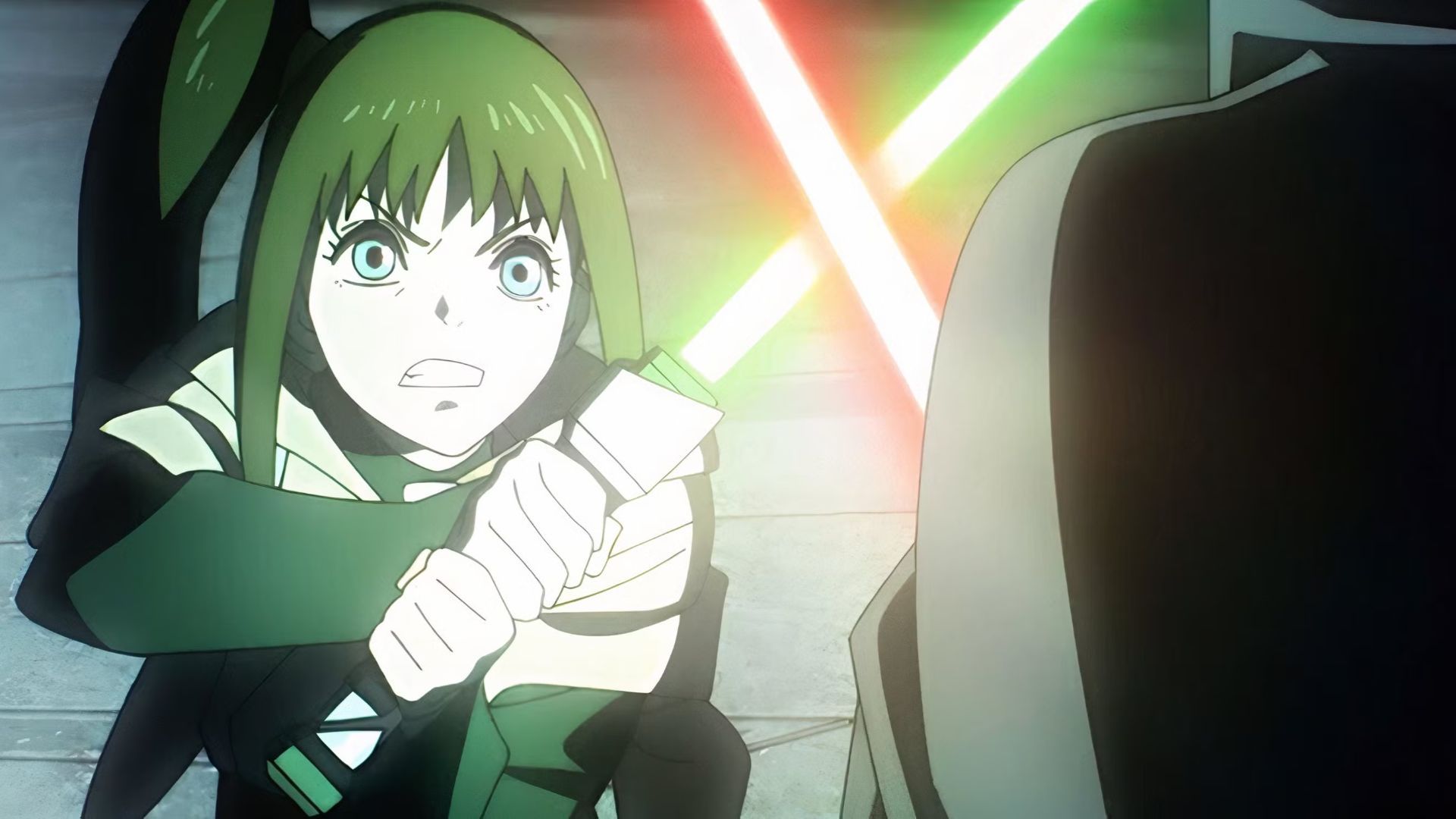
Star Wars is a classic example of space opera, even though its visual style sometimes differs from the genre’s typical look. What truly makes these stories compelling – massive battles, political upheaval, and epic conflicts – is the relatable and emotional core of the characters experiencing them.
Great space opera anime know that impressive visuals aren’t enough – they need compelling stories and characters. Some focus on the excitement of exploring new worlds, while others explore what happens when empires fall apart. Either way, anime consistently delivers some of the best and most ambitious stories set in vast galactic universes.
Legend of the Galactic Heroes is a Political Tragedy Disguised as a Space Opera
The anime Legend of the Galactic Heroes presents two opposing forces: the Free Planets Alliance, a democracy modeled after the United States, and the Galactic Empire, which takes inspiration from Prussia. The series meticulously explores the political maneuvering of those in charge and its consequences for everyone else – from soldiers and business owners to ordinary citizens who are caught in the crossfire and suffer despite having no involvement in the conflict.
Yang Wenli is a libertarian who trusts people and champions freedom, while Reinhard is fueled by his disgust for the empire’s corrupt aristocracy and a desire to rebuild it. Despite their differing beliefs, the two always maintain respect for each other, demonstrating that the most challenging conflicts aren’t between right and wrong, but between different ideas about the future of humanity.
Mobile Suit Gundam Made Giant Robot Warfare Feel Horribly Human
When Amuro Ray first pilots the RX-78-2, he’s essentially a child with incredible reflexes but still emotionally developing. Importantly, Mobile Suit Gundam immediately establishes that the Zeon soldiers he defeats aren’t just nameless enemies – they’re individuals with lives and loved ones who mourn their loss, and the series consistently reinforces this throughout its first episode and beyond.
Both the Federation and Zeon committed terrible acts, and the show doesn’t shy away from depicting them in detail. Ironically, the core idea of ‘Newtypes’ – people who can fully understand each other’s feelings – is used to justify even more destruction, as these individuals are deployed as weapons against one another.
Outlaw Star Captures the Chaotic Energy of a Galaxy Without Rules
Gene Starwind is a lot like Han Solo, but taken to the extreme – imagine if Solo fully embraced the rogue lifestyle without the guiding purpose of the Rebellion. Outlaw Star clearly draws on Western themes, setting its action in a space frontier filled with bounty hunters tracking down targets across the galaxy, and constantly emphasizing the dangers of that world.
Beneath the exciting action of Outlaw Star lies a thoughtful and somewhat sad exploration of what it means to exist. The series contrasts Gene’s daring yet fearful nature with Melfina’s quest to understand her beginnings, ultimately asking whether being created versus being born truly makes a difference, especially when both involve a similar desire for meaning and belonging.
Space Battleship Yamato 2199 Rebuilds Humanity’s Hope Through an Impossible Voyage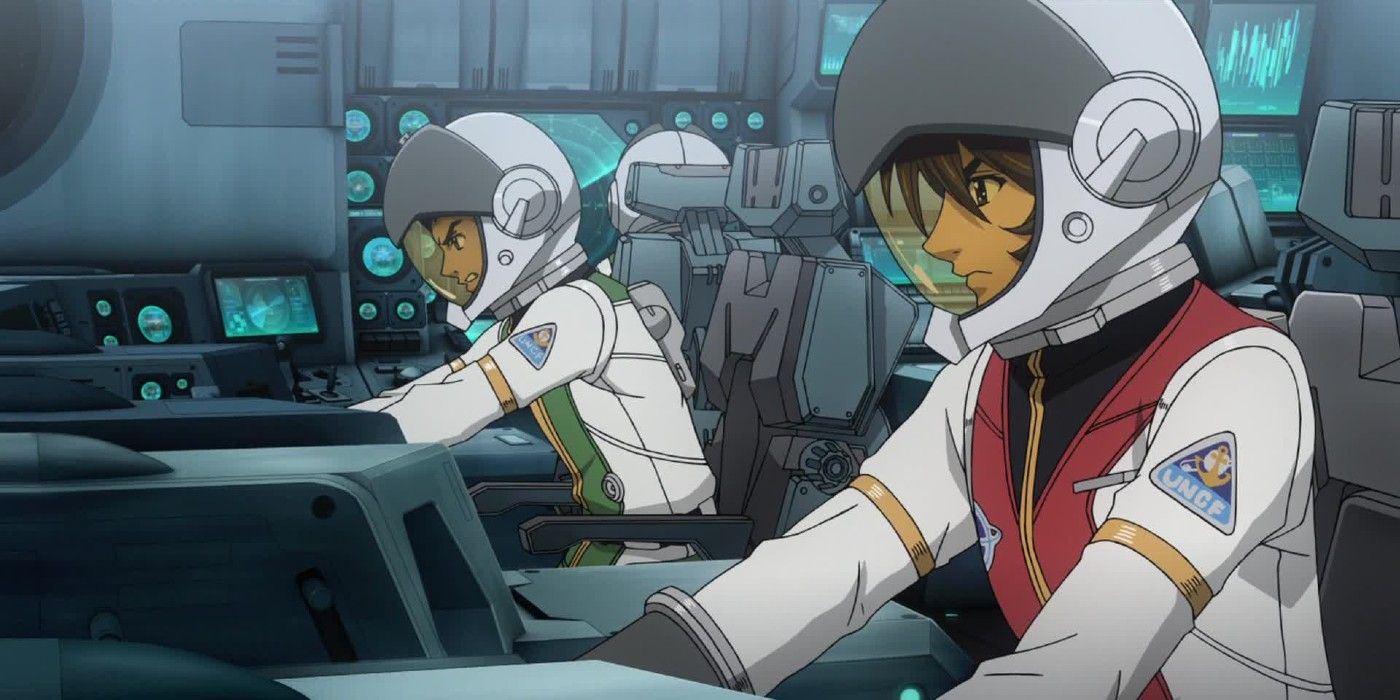
Watching the space battles in Yamato 2199 feels much more urgent than in Legend of the Galactic Heroes – it’s not that slow, strategic game of chess. But at the same time, the scale and detail of these fights are better than almost anything I see in sci-fi anime today. One of the best choices the creators made was basing the Yamato ship on a real Japanese battleship from World War II. It gives the ship a real sense of weight; you genuinely feel its size and power with every turn and movement.
Many people see Space Battleship Yamato 2199 as a key inspiration for Star Wars. Watching it, then, is like experiencing the roots of a franchise you already enjoy. The villains, the Gamilas Empire, aren’t just evil – they’re plagued by internal problems and a warped sense of national pride. This gives them a depth and complexity that Star Wars didn’t fully explore until its later stories.
Cowboy Bebop is About People Running Away From their Pasts
Cowboy Bebop explores the complex political landscape of various planets in space, featuring exciting action sequences – even space dogfights – that are as thrilling as anything you’d see in Star Wars. Set in the year 2071, the story depicts a future where humanity has spread across the stars, but hasn’t overcome its flaws, existing within a rigid and oppressive system.
The characters in Cowboy Bebop – Spike, Faye, and Jet – are all haunted by their pasts: Spike feels lost and adrift, Faye struggles with debt and memory loss, and Jet carries both a physical wound and emotional scars. These personal struggles aren’t random; they’re directly tied to a catastrophic event that reshaped their world. The show demonstrates that the most powerful stories aren’t about saving the galaxy, but about the human cost of living in a chaotic universe.
Super Dimension Fortress Macross’s Most Powerful Weapon in the Galaxy Was a Song
The original Super Dimension Fortress Macross demonstrates how a warrior culture unfamiliar with art, music, or love can be utterly destroyed by experiencing all three at once. Lynn Minmay’s concert, broadcast to the Zentradi fleet, wasn’t just entertainment—it was a powerful force, a creative surge with an impact that no weapon could match and no army could predict.
Every moment of Super Dimension Fortress Macross highlights the dangers of space and the need for both strong military forces and skilled people to survive. The complicated relationship between Hikaru, Minmay, and Misa shows how personal lives and political events are deeply connected during wartime, and how private choices can have major public impacts.
Crest of the Stars Shows Chemistry Between Two People Who Have No Reason to Trust Each Other
Crest of the Stars stands out for its detailed universe and the interesting conflict between an empire and a democracy. The story explores how the Abh maintain control of space travel without directly ruling planets, which creates both independence and tension. We experience this world through the relationship of Jinto and Lafiel, who must learn to depend on each other.
The relationship between Jinto and Lafiel is the most compelling part of the anime, and their conversations are remarkably well-written. What makes Crest of the Stars different from many other space operas is its understanding that those who uphold the empire aren’t simply villains—they’re people with their own values, sense of pride, and flaws.
Towards the Terra Pushes Space Opera Into Philosophical and Evolutionary Horror
The novel Towards the Terra spans roughly fifty years, jumping between different time periods to show how its characters grow, age, and impact the world around them. The Mu aren’t rebels trying to change society; they simply want to return to their ancestral planet, which they previously devastated. The story explores whether this desire gives them a right to do so, and if having a right justifies the potential consequences.
I’m completely captivated by Keith Anyan as a villain! He’s not just evil for the sake of it; he grows so much throughout the story, and his motivations actually make sense. Honestly, he became the emotional heart of the whole series for me. By the time his showdown with Jomy finally happened, it wasn’t just a fight – it was the culmination of decades of both of them becoming the people the war forced them to be. It was incredibly powerful.
Knights of Sidonia Makes the Survival-Horror Premise Last a Thousand Years
Hideo Kojima praised Knights of Sidonia as a truly Japanese anime, believing it showcases Japan’s unique cultural strengths in a way Hollywood couldn’t replicate. The show’s full-CG animation by Polygon Pictures gives the spaceship Sidonia a realistic feel that traditional hand-drawn animation often misses – for example, it realistically depicts practical needs like how a pilot manages bathroom breaks while wearing a spacesuit.
The Gauna are truly unique alien enemies in science fiction. They’re shapeshifters with a frighteningly flexible biology and surprisingly clever strategies, despite seeming simple-minded. Unlike many alien foes, you can’t reason with them, understand their motives, or expect any kind of peaceful resolution or surprising backstory. They are purely hostile and offer no path to understanding or redemption.
Captain Harlock Defines the Romantic Image of the Rebel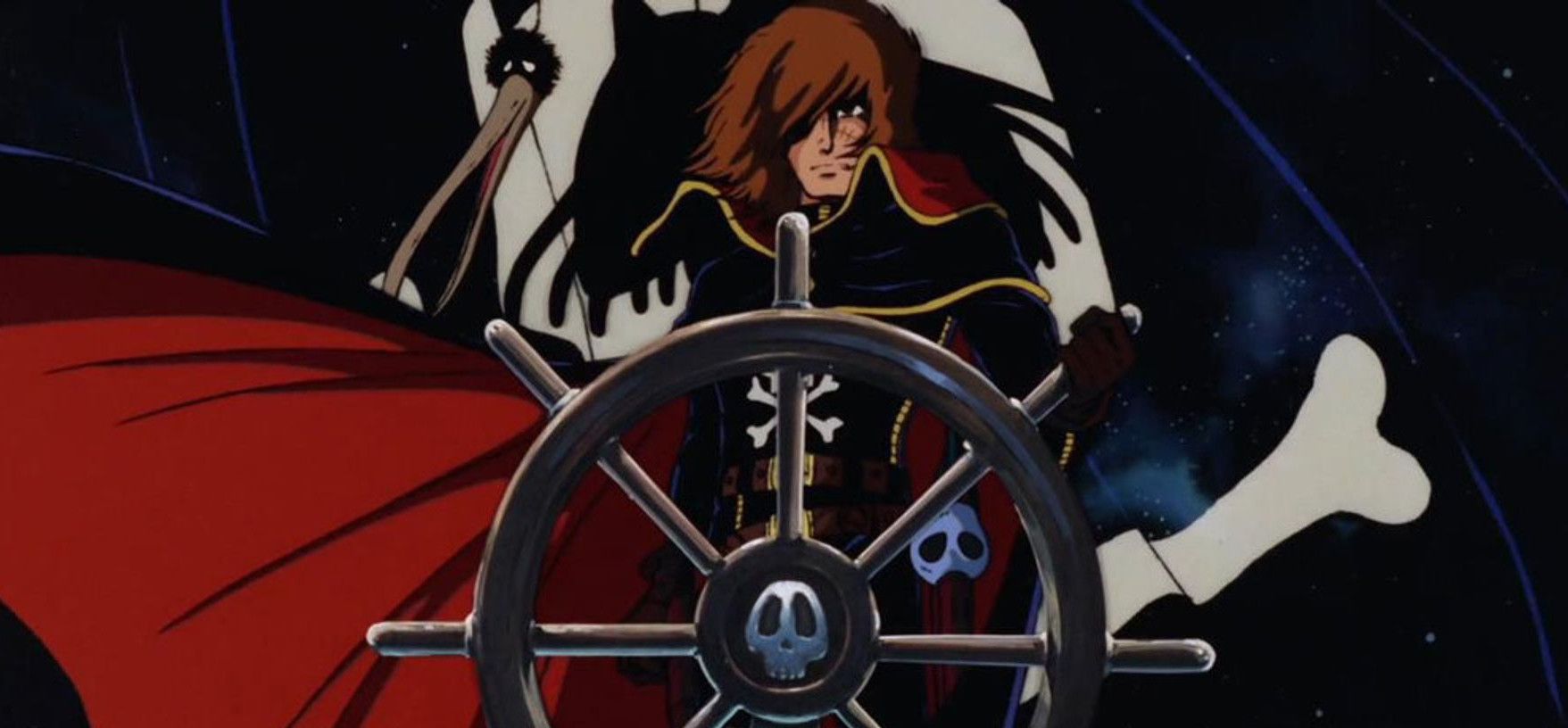
Captain Harlock embodies the classic lone rebel, like Han Solo, but taken to its extreme. He’s a man so dedicated to freedom that he’s seen every worthwhile fight come and go. The crew of the Arcadia aren’t fighting for a specific cause or political change; they’re simply the last individuals who still believe in caring when everyone else has given up.
The Arcadia’s primary strategy is a direct, forceful attack. It defeats enemy ships by ramming them with a massive blade on its front, even when it could use its guns instead. Harlock doesn’t fight to guarantee victory; he commits to a collision course regardless of the odds. His goal isn’t if he can win, but that he won’t hesitate to act before considering the possibility of failure.
Read More
- Best Controller Settings for ARC Raiders
- FRONT MISSION 3: Remake coming to PS5, Xbox Series, PS4, Xbox One, and PC on January 30, 2026
- Mark Zuckerberg & Wife Priscilla Chan Make Surprise Debut at Met Gala
- Meet the cast of Good Omens season 3: All the actors and characters
- Review: Final Fantasy Tactics: The Ivalice Chronicles (PS5) – Still the Benchmark for Turn-Based Tactics
- Nippon Sangoku Is The Best New Post-Apocalyptic Anime of Spring 2026
- 7 Great Marvel Villains Who Are Currently Dead
- Welcome to Demon School! Iruma-kun season 4 release schedule: When are new episodes on Crunchyroll?
- Wistoria: Wand and Sword Season 2 release schedule: When are new episodes out?
- The Boys Season 5 Officially Ends An Era For Jensen Ackles’ Soldier Boy
2026-05-18 18:41