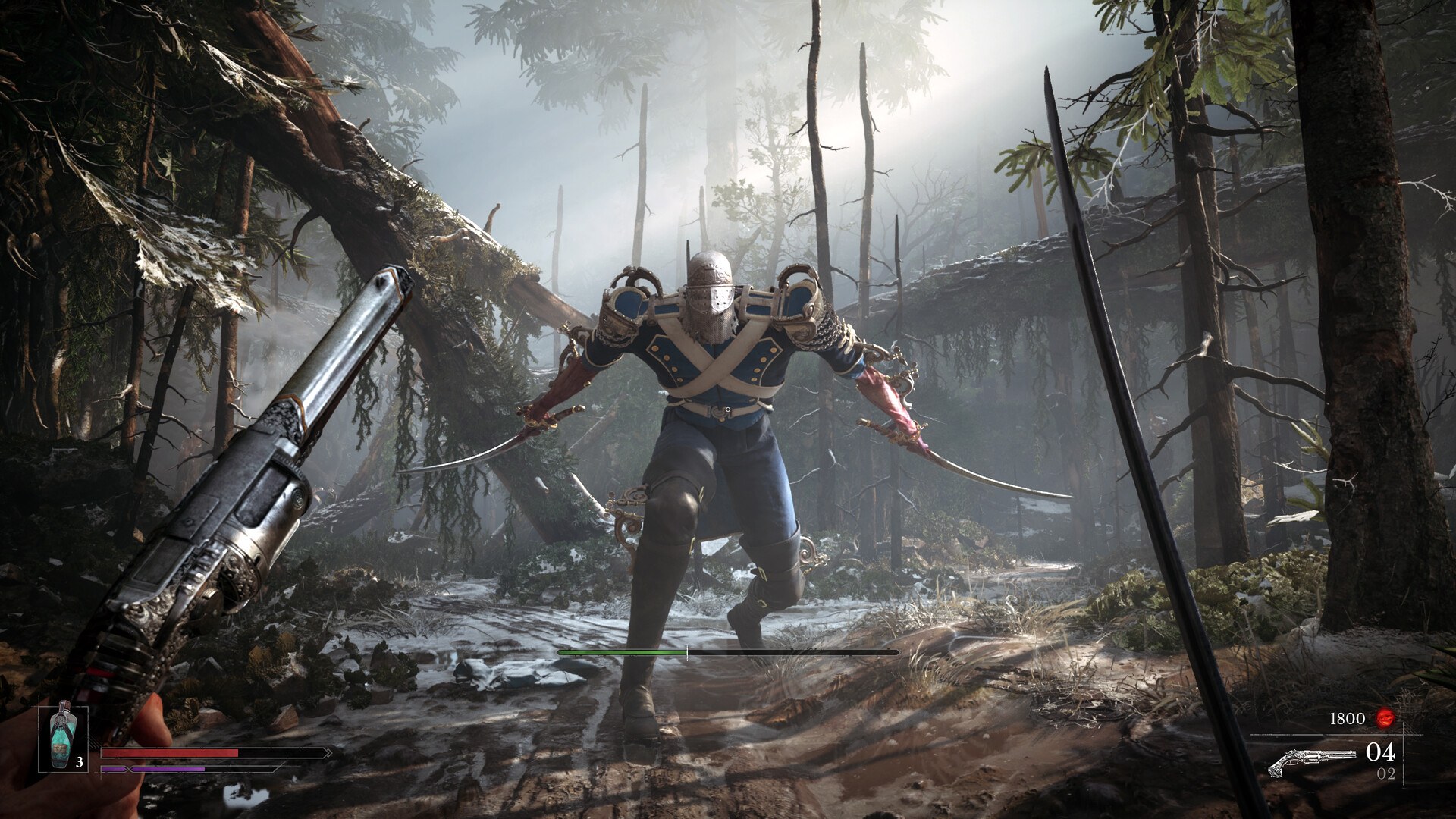
The term ‘Soulslike’ has become a quick way to describe games that are notoriously difficult. If an action-adventure game features punishing death, precise combat, and a complex, mysterious world, it’s often labeled as such, largely due to the influence of FromSoftware’s games. While this label helps players understand what to expect, and many new games are successfully adopting this style, it’s also leading to burnout, as the market becomes saturated with titles claiming the ‘Soulslike’ designation.
Honestly, as a fan, I just feel like this genre really needs something new. We’ve seen so much of the same thing, and it’s starting to get a little stale. A fresh take, something we haven’t really seen before, would be amazing and really breathe some life back into it.
The developers of Ghostrunner, One More Level, are releasing Valor Mortis, a challenging action game inspired by the Soulslike genre, but played from a first-person perspective. The game is set in a dark, fantastical version of the Napoleonic era. While other games have tried to adapt the precise combat of Soulslike games to first-person, Valor Mortis seems to be taking the attempt very seriously. A key challenge will be making the close-quarters melee combat feel responsive and fluid, as first-person perspectives can sometimes make it difficult to judge distance and maintain spatial awareness.
You start the game as a reanimated corpse. In Valor Mortis, you play as William, a soldier brought back to life by the mysterious commands of Napoleon. You awaken face down in the mud on a devastated battlefield, shrouded in fog and unsure of the outcome of the conflict. You’re not the only one walking the aftermath – other undead roam the landscape, brought back by dark, hidden forces. If you’re looking for a dark and depressing game, Valor Mortis delivers.
The game’s historical setting, based on the Napoleonic era, is a brilliant choice. It allows the developers to explore stories from many angles, create a rich world blending history with fantasy, and really play with ‘what if’ scenarios. Napoleon is remembered as much for his failures as his achievements, and the game seems to embrace that, asking questions like: what if he’d had the power to resurrect the dead – would that have changed the outcome of Waterloo?
Despite the Napoleonic Wars being a perfect setting for dramatic stories, Valor Mortis faces a key challenge: is the game easy to see and play? Early gameplay shows battles taking place in dark, muddy, and overcast conditions, dominated by grey and brown colors. This makes enemy figures harder to distinguish than they should be, especially considering the game aims for the difficult, precise combat of the ‘Souls-like’ genre.
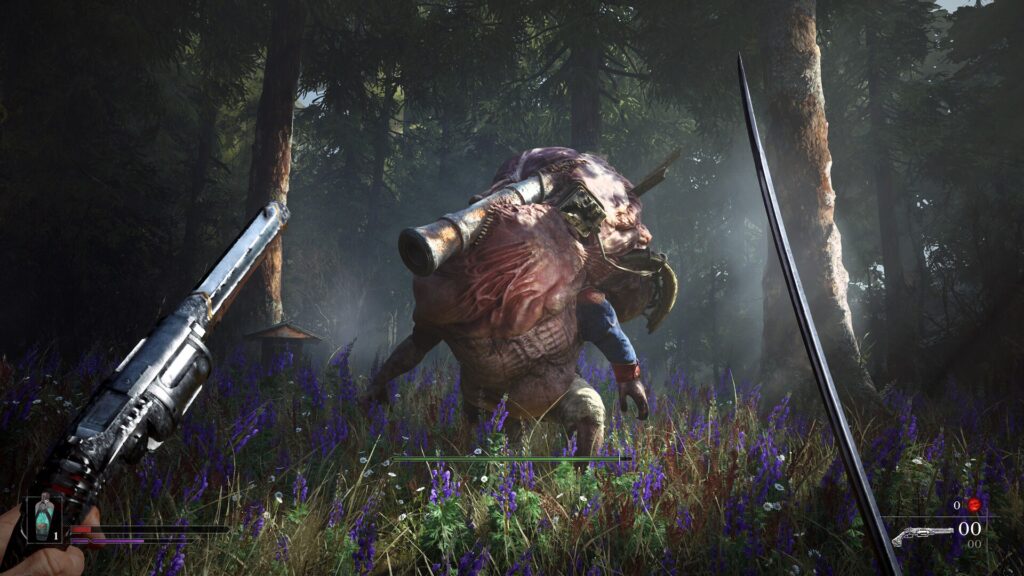
Don’t rush to conclusions – the game also features areas like stone villages, forests, and frozen plains, as shown in trailers and artwork. All these environments are dark and bleak, hinting that the developers want players to approach combat carefully and strategically, rather than relying on a limited view. You’ll need to be patient, think through your actions, and even find new ways to control your space. While the game’s setting creates a certain atmosphere, it’s the design and art style that really prioritize clear, close-up combat.
What makes a great Souls-like game satisfying is clear enemy attacks, precise timing, fair hitboxes, and a strong sense of the environment. Switching to a first-person perspective creates challenges, though: judging distances becomes trickier, it’s harder to see attacks coming from the sides, and your field of view narrows, making it difficult to stay aware of your surroundings. These issues are significantly more difficult to manage when you’re seeing the action from a first-person point of view.
So how does Valor Mortis avoid the common problems found in similar games? It uses the familiar elements of the ‘Souls-like’ genre – light and heavy attacks, limited healing, blocking, dodging, parrying, multiple health bars, stamina, and a stagger meter – but with a key difference. While blocking still leaves you vulnerable to some damage, encouraging precise parries like in Sekiro, the timing for those parries seems a bit more lenient at this early stage of development.
I know some people are talking about the timing windows, but I’m not too worried. FromSoftware said they might get tighter as the game develops, or they could tweak them entirely in future updates. Plus, I think a little extra leniency compared to something like Sekiro might be a good thing with a first-person perspective. We still want it to be challenging, of course, but it needs to feel fair and doable, you know?
Ultimately, it comes down to how the game feels to play. While perfect precision can be rewarding, Valor Mortis doesn’t seem to be focusing on that. It might be a more approachable blend of styles, rather than a relentlessly difficult experience. Whether it captures the essence of Soulslike games or offers something fresh, we’ll just have to wait and find out.
At its core, the game focuses on precise parrying, creating a distinct rhythm that feels similar to Ghostrunner. While it maintains a sense of movement and clarity, it plays differently than expected for a game inspired by the Soulslike genre. Adding to this, the ability to manipulate elements – like shooting fire, reminiscent of System Shock – suggests Valor Mortis* is blending immersive-simulation elements into its gameplay.
Despite having a lot of weapons, abilities, and fast-paced action, One More Level is still refining one crucial element: how much you can see on screen. First-person combat with many enemies is already chaotic, and the game’s large bosses can feel overwhelming because their massive size means parts of them often disappear from view when you’re up close.
Initially, Valor Mortis felt a bit too zoomed in for some players, but the developers have listened to feedback and added a field of view (FOV) slider in the game’s settings. While it’s too early to see much footage of the game with the new setting, increasing the FOV should make the game more playable, though it might slightly impact visual quality or the feeling of being fully immersed.
A wider field of view isn’t just about seeing more; it also changes how you play. You’ll be right in the middle of the action, facing enemies directly, without the distance of a typical third-person view. This means careful attention is key – if a narrower field of view limits your awareness, simply create some space. It’s similar to studying an enemy’s moves in games like Dark Souls – the core idea stays the same, but your sense of being in the fight changes. A narrower field of view doesn’t alter how you play, it just makes the experience more immersive.
If the developers can fix issues with judging distances – where attacks sometimes connect and sometimes miss seemingly at random – and make enemy attacks easier to read without relying on overly dramatic animations, Valor Mortis could become a truly standout first-person Soulslike game, surpassing many of its predecessors.
Many first-person melee games have missed the mark – Elderborn was hard to follow, Witchfire mixed in elements from other genres like shooters and roguelikes, Warhammer 40,000: Darktide had satisfying but unreliable combat feedback, and Kingdom Come: Deliverance, while offering deep sword fighting, doesn’t really follow the typical ‘Soulslike’ formula. If One More Level can fix the camera and viewpoint problems, Valor Mortis has the potential to be the most authentic first-person Soulslike game to date.
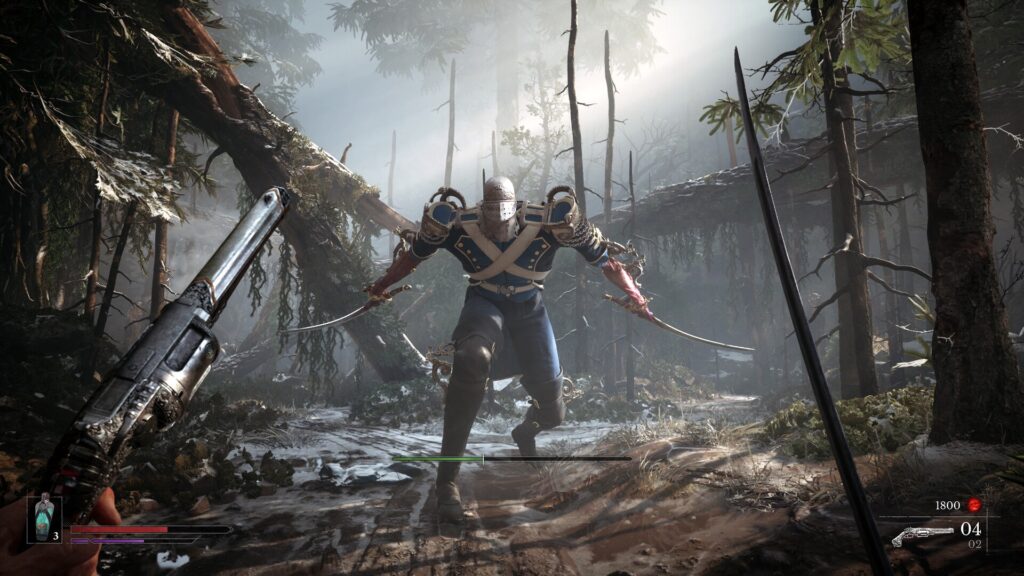
When we talk about what makes a ‘Souls-like’ game, and whether Valor Mortis truly fits that mold – or leans too heavily into immersive sim elements to be original – the most important thing is that this game has a lot of promise. It’s still to be seen if the demanding, precise combat will work well from a first-person perspective, but if anyone can make it happen, it’s One More Level. They’ve already proven their skill with movement and camera control in Ghostrunner.
While still in development, Valor Mortis looks promising, and its trailers and gameplay suggest it could bring fresh ideas to the first-person game genre, even if it doesn’t completely achieve its goals of being similar to the Souls series.
Please be aware that the opinions expressed in this article are solely those of the author and do not reflect the views of GamingBolt.
Read More
- Best Controller Settings for ARC Raiders
- FRONT MISSION 3: Remake coming to PS5, Xbox Series, PS4, Xbox One, and PC on January 30, 2026
- Mark Zuckerberg & Wife Priscilla Chan Make Surprise Debut at Met Gala
- Meet the cast of Good Omens season 3: All the actors and characters
- Nippon Sangoku Is The Best New Post-Apocalyptic Anime of Spring 2026
- Review: Final Fantasy Tactics: The Ivalice Chronicles (PS5) – Still the Benchmark for Turn-Based Tactics
- 7 Great Marvel Villains Who Are Currently Dead
- Welcome to Demon School! Iruma-kun season 4 release schedule: When are new episodes on Crunchyroll?
- Wistoria: Wand and Sword Season 2 release schedule: When are new episodes out?
- The Boys Season 5 Officially Ends An Era For Jensen Ackles’ Soldier Boy
2026-04-27 16:44