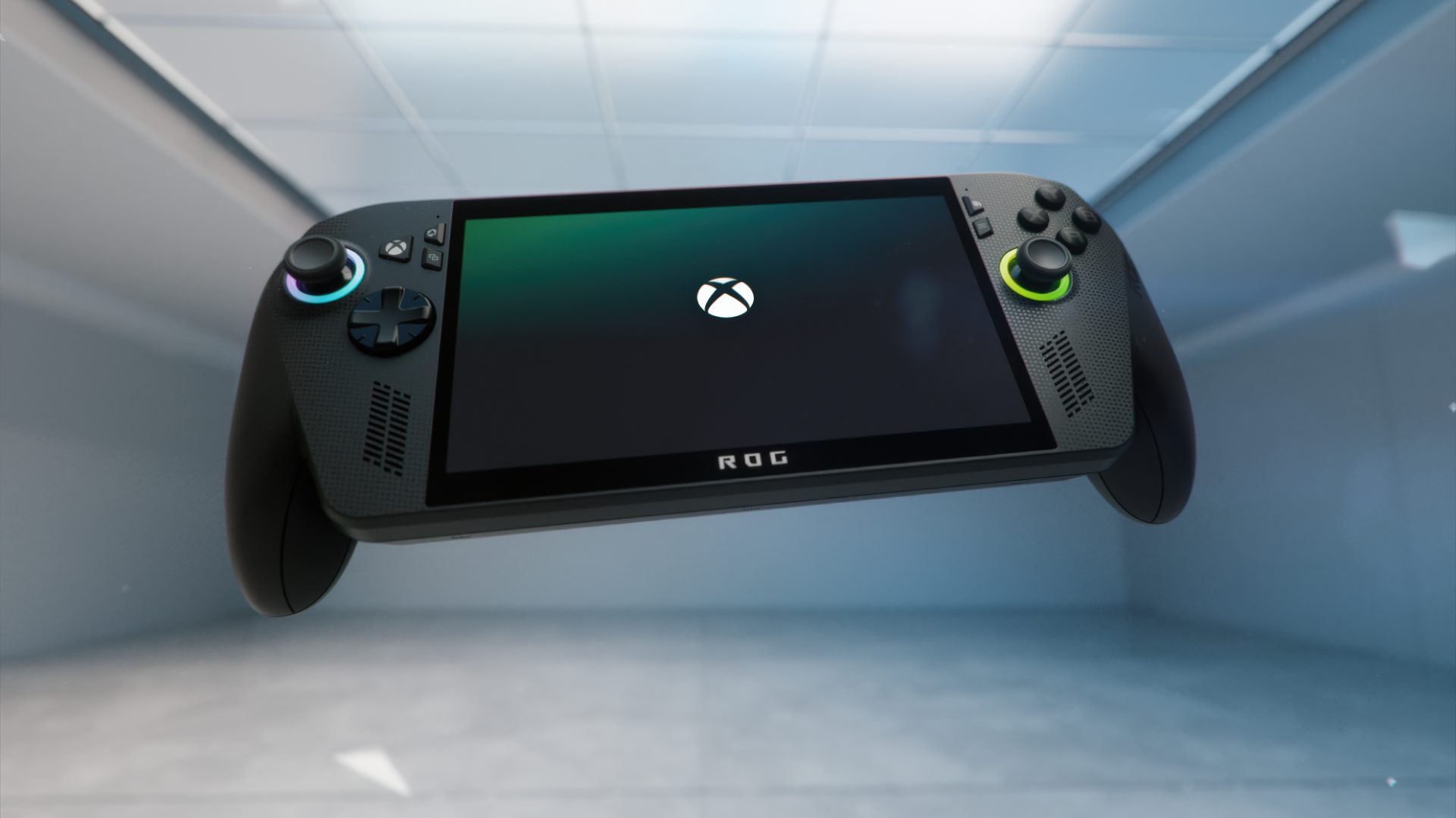
Last year, reports surfaced that Microsoft scrapped plans for its own handheld gaming device, opting instead to collaborate with Asus on the ROG Ally and Ally X. Now, according to YouTuber Moore’s Law is Dead, Microsoft is still committed to handheld gaming by providing developers with enhanced software tools, such as new power-saving features built into the Xbox Game Development Kit (GDK).
A new Microsoft console prototype, internally called Project Green Leaf, is in development. Xbox is using this prototype to explore bringing more Windows features to devices with limited hardware capabilities, such as those running on mobile platforms or with battery life concerns. According to information from Moore’s Law is Dead, the Xbox Game Development Kit (GDK) will include features labeled as “Power Optimized” (PO) and “Power Optimized Plus” (PO+), which are designed to improve efficiency through smart software adjustments.
The document explains that these improvements are intended to reduce power consumption when devices aren’t actively being used, while running in the background, or when switching between screens. While many products should be easy to update with these changes, their effectiveness may differ depending on the type of application.
The document explains that games built to be power-efficient will receive special badges—either (PO) or (PO+)—on their details page in the Marketplace. This will help players easily find games that work well with their device’s battery life when filtering options.
Microsoft hasn’t shared many details about Project Green Leaf’s hardware, and it’s currently unclear if it will ever be available to the public. However, these new features could be very helpful for developers. They can use them to improve how their games run on handheld devices, which typically have less processing power and shorter battery life than desktop computers.
So, it’s still a mystery why Microsoft scrapped their handheld, but a report from late 2025 suggests it all came down to AMD. Apparently, AMD wanted Microsoft to guarantee they’d buy at least 10 million of the chips needed for the device – they needed to be sure their investment in making those chips would pay off. Microsoft, though, was hesitant. They looked at the market, saw things like the Steam Deck selling around 5 million units, and just couldn’t commit to selling that many of their own handhelds. It was a risk they weren’t willing to take, I guess.
Microsoft recently shared more information about its new console, currently known as Project Helix. In an update for game developers, Jason Ronald, VP of Next Generation, explained that it will use advanced texture compression and heavily rely on Zstandard technology. Combined with DirectStorage, the console can stream game data directly from the SSD to the display, bypassing the need to load it into RAM or VRAM first. Microsoft also stated that Project Helix will deliver ray tracing performance significantly – about ten times – better than what’s possible on the Xbox Series X/S.
Read More
- Everything You Need To Know About Nikki Baxter In Stranger Things’ Animated Spinoff
- The Boys Season 5, Episode 5 Ending Explained: Why Homelander Does THAT
- ‘The Bride!’ Review: Jessie Buckley Breathes Life into a Monstrous Mess
- Welcome to Demon School! Iruma-kun season 4 release schedule: When are new episodes on Crunchyroll?
- Miranda Kerr Shares “Quick” Procedure She Got Before Met Gala 2026
- After 11 Years, Black Clover Officially Ends With Final Release (& Crowns a New Wizard King)
- The Mound: Omen of Cthulhu Outlines Tense Co-op Gameplay in New Overview Trailer
- Bitcoin’s Chaotic Ballet: Will $72K Be a Standing Ovation or a Trip to the Mat?
- Boruto: Two Blue Vortex Ends Its Latest Fight With an Unexpected Character Taking the Spotlight
- Crimson Desert Fans Praise New Change as “Huge Win”
2026-05-08 17:11