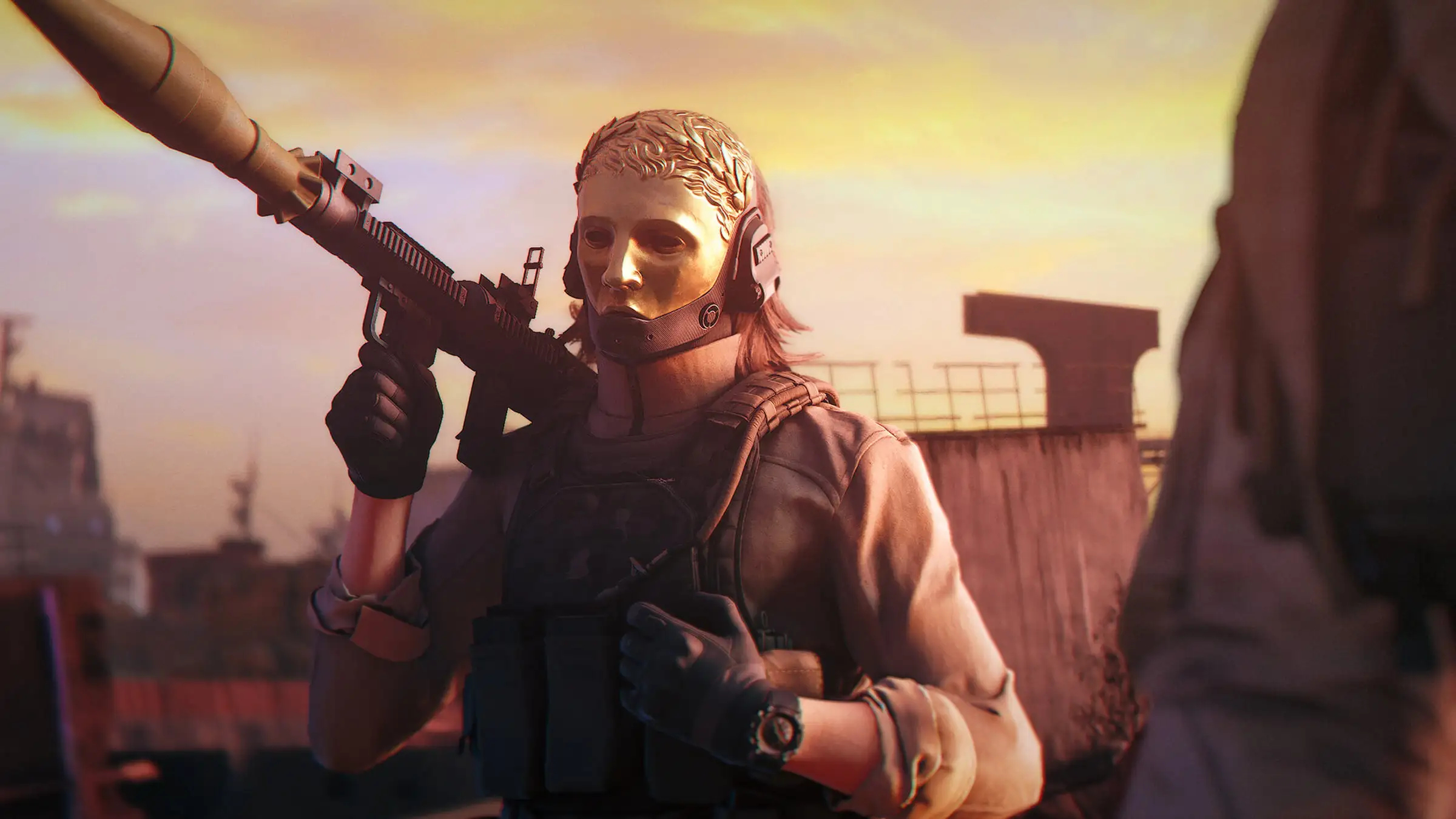
IO Interactive, the creators of the popular Hitman series, recently acquired the rights to make a James Bond game. While it would have been simple to create another Hitman-style game but with a Bond theme, they chose to take a different approach.
In an exclusive interview with egmr.ru, Martin Emborg, Game Director of 007: First Light, and Thesun Smit, Senior Licensing Producer, discussed why an open-world Bond game wouldn‘t have suited the character. They also revealed details about the game’s innovative systems, future updates, and the key casting choice that altered the project’s direction.
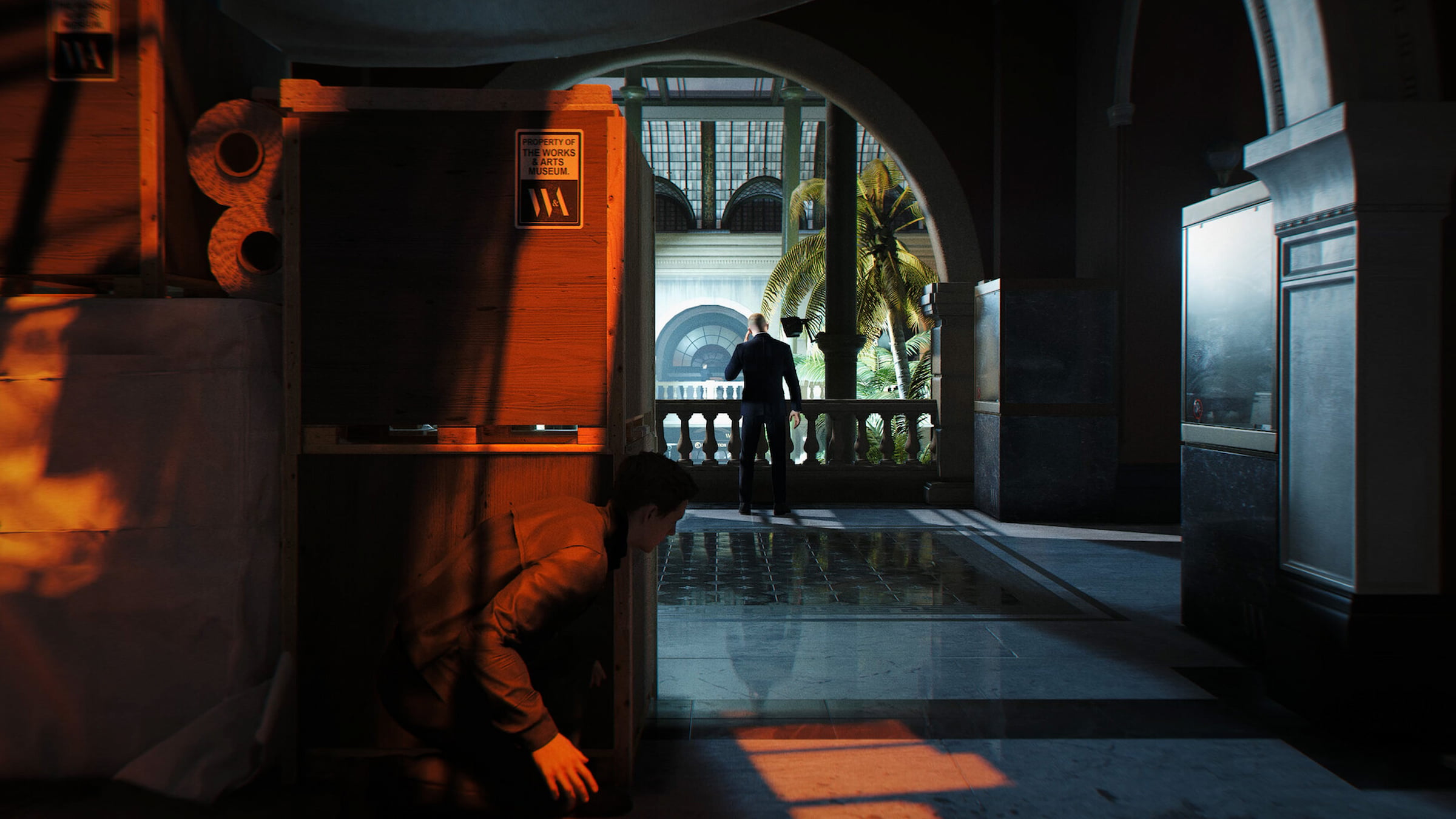
It’s immediately apparent that the new game, 007: First Light, is much more story-driven than the Hitman series. We were curious why you chose to focus so heavily on narrative, especially since a James Bond game could have easily used the open-ended, sandbox-style gameplay of Hitman.
According to Martin Emborg, the core of James Bond’s appeal lies in his constant race against time. He believes an open-world, ‘sandbox’ style Bond game would actually diminish that excitement, as much of the thrill comes from preventing disasters and meeting deadlines. While he thinks the studio and the Bond franchise are a great fit, he cautions that simply copying the Hitman game format wouldn’t work. The team focused on keeping creative freedom in the gameplay, but prioritized a strong, character-focused story to keep players engaged.
According to Thesun Smit, Agent 47 is a ruthless professional focused solely on completing his missions, regardless of the consequences. The Hitman series allows players almost unlimited freedom in how they approach objectives. James Bond, however, is a more developed character with established boundaries – his training, his code, and the expectations of the 007 legacy. Our game presents Bond as a young naval aviator unexpectedly thrust into the world of espionage. Everything he does is driven by a clear purpose: to earn his 007 status. This focus shapes the entire gameplay experience. Players will engage in classic spy activities like eavesdropping and gathering intelligence in social settings. Then, when action is necessary, the game opens up with intense combat, gadgets, and opportunities to truly live up to the ‘License to Kill.’ Ultimately, these two games – Hitman and our Bond game – offer very different experiences, and that was intentional.
How challenging was it to move on from playing Agent 47 and create a performance that truly feels like James Bond?
Let me be clear: we didn’t just update Hitman; we completely restarted from scratch and built a new game. So, this isn’t about tweaking the old game – it’s about creating the best possible experience, using the expertise we gained from making Hitman. We constantly asked ourselves what tools and approaches would best serve the game we were trying to create, and every decision was based on that principle.
Developing the character of Bond wasn’t as challenging as expected, largely because the role is so distinctive. The biggest step forward came when we cast Patrick Gibson. He immediately brought something special to the character – his voice, how he delivered lines, and his overall personality really stood out from the beginning. Unlike some actors who just played Bond, Patrick had a unique quality all his own. He brought a lot of personality to the role, with small comments and mannerisms, which is a big change from the more reserved Agent 47. Bond is much more charming, and the game features well-developed supporting characters because we focused on telling a compelling story. While the gameplay still incorporates stealth, gadgets, and creative problem-solving, this Bond has a completely separate identity.
Read on for the second part of our in-depth conversation with Martin Emborg and Thesun Smit, where we discuss the changes to hand-to-hand combat in the game, the reason you can’t move bodies, how the gadget system works, and the possibility of a sequel.
I was really surprised to find that characters and guards would comment on what I was doing in the game, especially at the third level. Could you talk about why you added that feature where they react to the player’s actions with dialogue?
Our main goal is to create a world that feels real and immersive, like you’re truly living within it. If a game feels too linear or empty, we haven’t succeeded. We start by exploring the environment and asking ourselves what possibilities it holds. We look for details, experiment with interactions, and piece together clues – often relating to characters and their stories. This information is then revealed through conversations. Ultimately, we want the world to feel dynamic and alive, not just like a static background.
The close-quarters combat was surprisingly excellent—it really stood out, especially considering this is a Hitman game. Can you talk about how that system was developed and how important it was to the game’s design?
As a fan, I’m really excited about how they rebuilt the combat system from the ground up! It’s not just mashing the same button over and over. It’s all about building combos – a punch here, a kick there, chaining moves together, and even using gadgets during fights. You really get into a flow and find your own style. One thing that’s always tricky in third-person games is switching targets when you’re surrounded, but they tackled that brilliantly. They made Bond the central focus, and everything else revolves around him. Honestly, it’s what makes First Light feel so unique – not just compared to other Hitman games, but to a lot of action games out there.
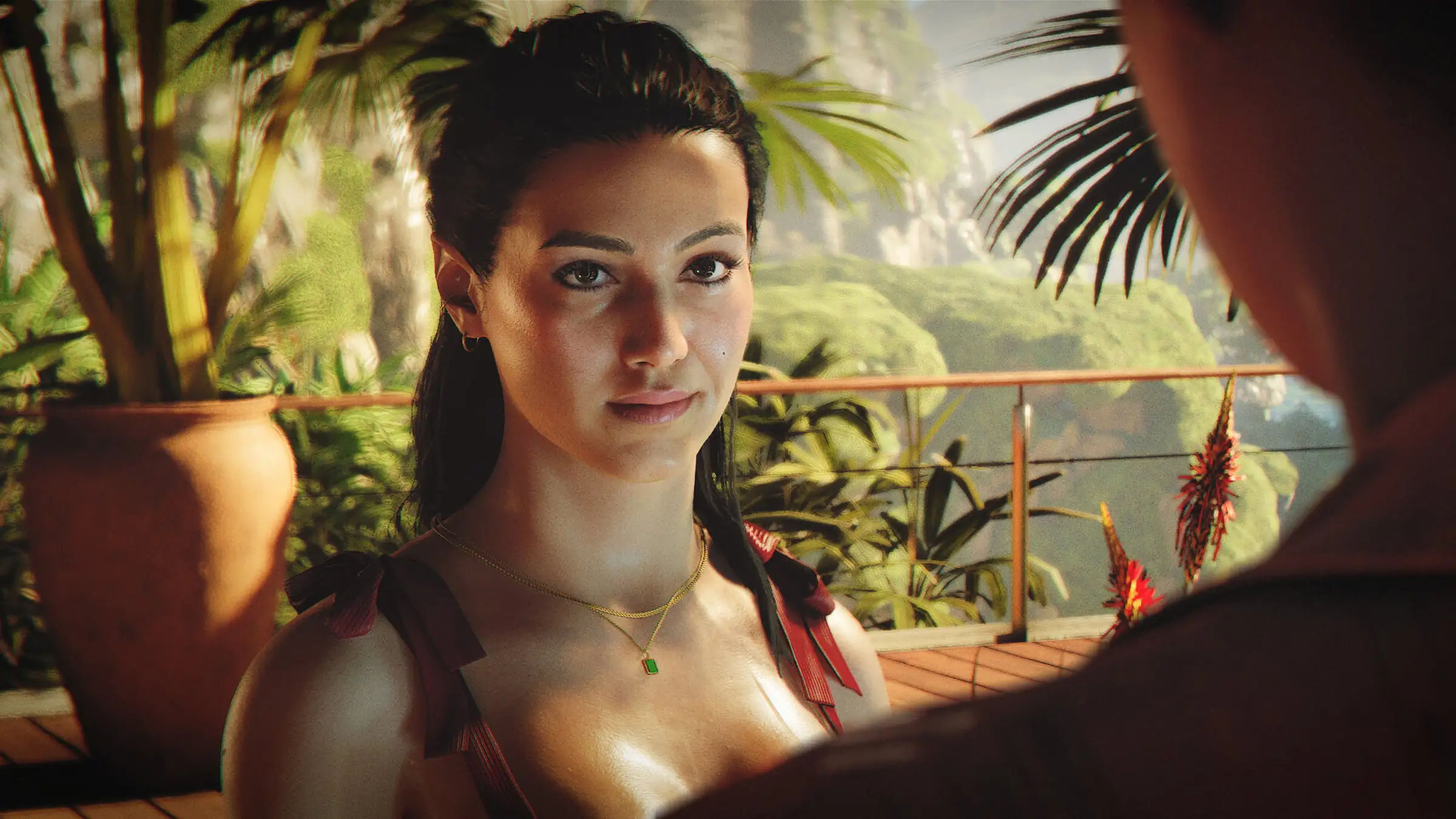
I was playing First Light and noticed something missing – I couldn’t drag bodies around like you can in the Hitman games. I was just curious what the reason for that design choice was?
The core issue is how Bond operates compared to Hitman. Hitman rewards careful planning and taking your time, while Bond is about quick action and keeping the pace up. Adding a feature like dragging bodies would encourage players to slow down and focus on hiding them – a behavior that doesn’t fit Bond’s character. We wanted Bond to be decisive: quickly evaluate a situation, act, and then move forward, not get bogged down in cleanup.
First Light’s gadgets work differently than those in Hitman. Instead of always having them available, you find them scattered throughout the levels. We wanted to know what led the developers to create this system where you have to collect gadgets as you play.
There are a few key reasons for including resource limitations and multiple gadget types. We didn’t want players to simply blast through challenges without thinking. Requiring different resources for gadgets creates interesting decisions: should you use an electrical or chemical solution, based on what you have available? Gadgets are central to James Bond, but in the movies, they’re often introduced, forgotten, and then conveniently remembered when needed. We wanted gadgets to be consistently useful, in any situation and however the player chooses. However, we also didn’t want players to only rely on gadgets. The resource system encourages a mix of approaches – using instincts, following the rules of engagement, and strategically deploying gadgets when appropriate. The game offers a wide range of options, and we want players to experience them all. Plus, it gives players a good reason to thoroughly explore the environment.
So, Hitman really kept going after it launched with tons of extra stuff – Contracts mode was awesome, Elusive Targets kept things fresh, and they even did collaborations. I’m really curious to know what the developers have planned to keep First Light interesting after release – what kind of new content are we looking at?
The Tactical Simulation suite in Q Branch lets you revisit and practice missions. You can replay levels you’ve already finished, interact with characters like Selena Tan, and even modify those levels. We designed it as a training program specifically to ensure replayability doesn’t disrupt the story; it should feel like a natural part of the game world.
As an IO Interactive game, the launch is only the beginning. We have a strong plan for immediately after launch with ‘Tactical Simulations,’ featuring Dr. Sydney Clinton, portrayed by Gemma Chan. This content is releasing with the game, and we’re planning to expand it over the coming months and years with more content, missions, challenges, and unlockable items. We’re building a solid base for players to enjoy, and we’ll share any news about potential collaborations when we have it.
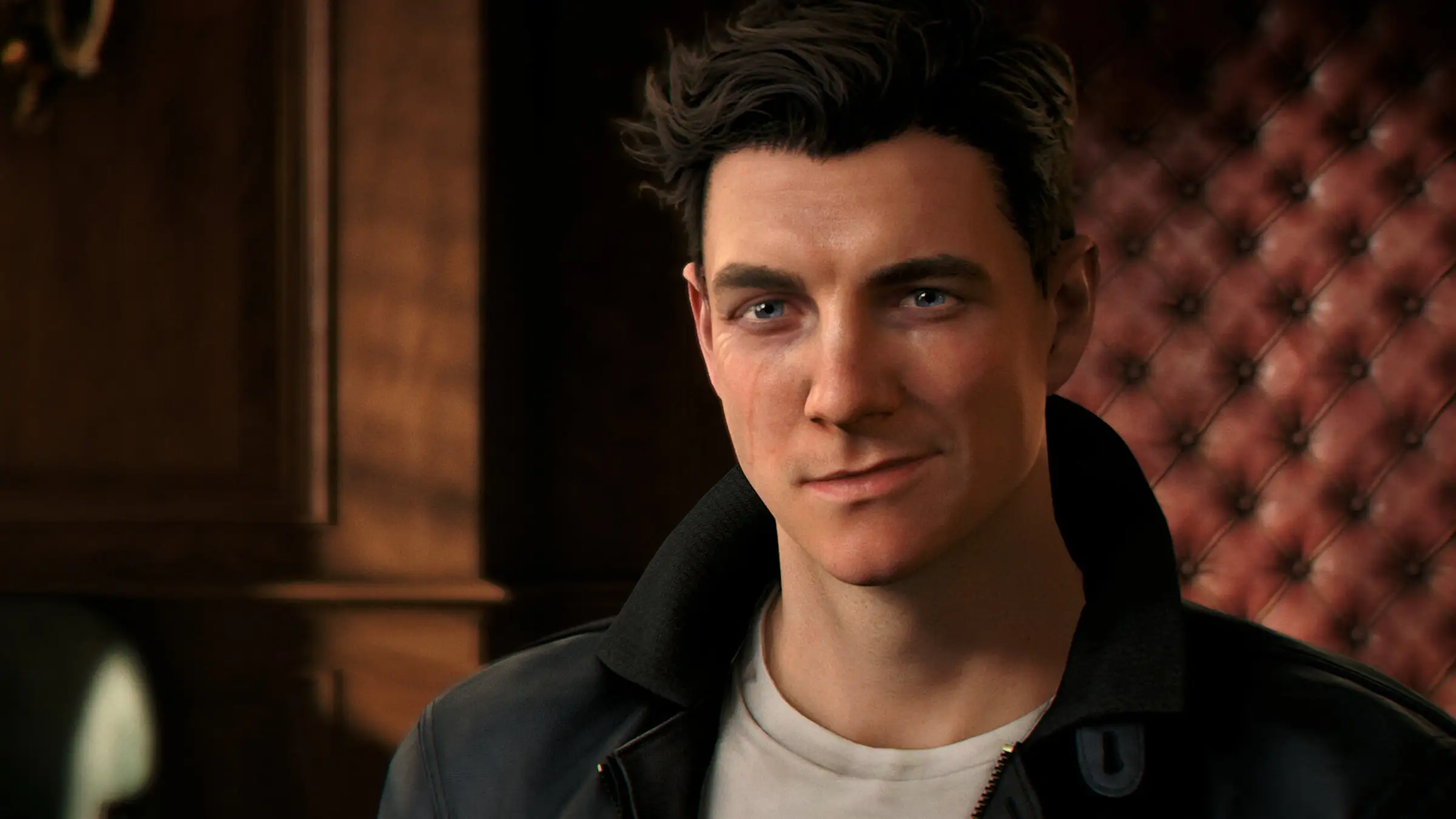
Why did you choose to create a new backstory for James Bond instead of using one of the many stories already established over the past six decades?
For us, a key requirement when considering this project was the ability to create something original. When we had the chance to work with this established world, it was vital that we weren’t simply retelling an old story. We wanted to make it our own, and the fresh take on Bond’s origins allowed us to do just that. We could keep the familiar elements that fans love while still building something genuinely new and surprising. This also meant players would discover Bond’s identity alongside him, experiencing his journey of becoming 007 at the same pace. Creating that strong connection between the player and the character was a major goal, and we believe we’ve successfully achieved it.
The Hitman series has seen many sequels. Is Hitman: First Light meant to be a one-time game, or could we see another installment in the future?
We’re focused on finishing and releasing First Light right now. We want to make it a success and then we’ll consider what to do next. While we’re open to future possibilities, our priority is getting this game into players’ hands and making it great. If things go well with First Light, I think a lot of people will be pleased with what comes next.

At the conclusion of each interview, the interviewers asked us what we found most memorable or impactful about the practical exercise.
I really liked how the characters reacted to my actions. I was wandering around, trying to figure out what to do, and the guards started saying different things about me just aimlessly walking around. It was a funny surprise! It might seem minor, but it really made the game world feel more alive and believable.
I was really impressed with the close-quarters combat. I played a section focusing solely on punching my way through enemies, especially at the beginning, before the ‘License to Kill’ area became available. As someone used to the Hitman games, this style of combat was a surprise. The targeting system was particularly well-done. It’s difficult to make third-person, multi-enemy fights work smoothly, but the way the game centers around Bond, with everything else revolving around him, felt very clever and polished.
007: First Light is developed IO Interactive and is slated to release May 27, 2026.
What do you think? Leave a comment below and join the conversation now in the ComicBook Forum!
Read More
- Review: Final Fantasy Tactics: The Ivalice Chronicles (PS5) – Still the Benchmark for Turn-Based Tactics
- Mark Zuckerberg & Wife Priscilla Chan Make Surprise Debut at Met Gala
- Elon Musk’s Mom Maye Musk Shares Her Parenting Philosophy
- 10 Greatest Manga Endings of All Time
- The WONDERfools ending explained: What happened to the Child of Eternity?
- Miranda Kerr Shares “Quick” Procedure She Got Before Met Gala 2026
- Forza Horizon 6 Car List So Far: Confirmed Highlights, Cover Cars, DLC, and Rewards
- The Witcher 3 Officially Reveals Stunning New Ciri Figure Coming 2026
- Nippon Sangoku Is The Best New Post-Apocalyptic Anime of Spring 2026
- The First 10 Members of the Thunderbolts, Ranked by Power
2026-04-30 22:14