
IO Interactive recently gave me a chance to play an early version of their new game, 007 First Light, in Los Angeles. It wasn’t just a short demo; it felt like watching a live performance. I spent about four to five hours with the game, which was enough time to get a real feel for what they’re aiming for. This wasn’t a carefully crafted segment designed to just look good on its own. I played through three different missions, trying out the game’s features while pretending to be a careful, but maybe slightly reckless, secret agent around valuable equipment.
It quickly became clear that First Light isn’t just a Bond-themed version of IO Interactive’s usual gameplay. It represents a real change in direction, with a stronger focus on storytelling, character development, and a more directed pace. Without revealing any key plot points, the way the experience unfolds is definitely worth discussing. The game has a strong base to build on, even though some aspects are still being refined.
First Light’s Story Puts Bond Front and Center From the Start
From the very start, First Light immediately establishes its focus with bold confidence. Instead of letting players explore freely, the game throws you right into the action as Bond, a navy crewman caught in a fierce attack that leaves his team scattered and seemingly lost at sea. This wasn’t a passive experience; I was actively climbing through debris, struggling across unstable surfaces, and moving forward while simultaneously learning the controls, all while explosions happened around me. Though guided by in-game voice communication, I was still responsible for every hesitant, slightly frantic decision about where to go next.
Throughout the three levels I played, the story remained consistently strong. Each mission clearly advanced Bond’s character, showing his growth instead of treating each assignment as a fresh start. The first level introduced him before he earned the 007 designation, at the very beginning of his career. The second highlighted his skills through rigorous training. The third fully embraced the confident, capable spy that fans know and love. The dialogue, mission briefings, and how characters responded all reflected this development, often in a surprisingly effective way. This approach gave each level a sense of importance, making them feel like connected parts of a larger story even though they were spaced apart in the complete game.
The first part of the game does a great job of establishing this version of Bond by immediately putting him in high-stakes situations, even though he hasn’t had any spy training. It shows how he handles pressure, learns on the fly, and what he’s capable of when things go wrong. He’s not the polished James Bond we know yet—more like a James Bond still in training. This makes his initial choices surprisingly insightful. You experience becoming Bond through simply trying to survive, clumsily navigating environments, and facing unexpected challenges – things no training could have prepared him for. Seeing his early, unrefined beginnings is genuinely enjoyable.
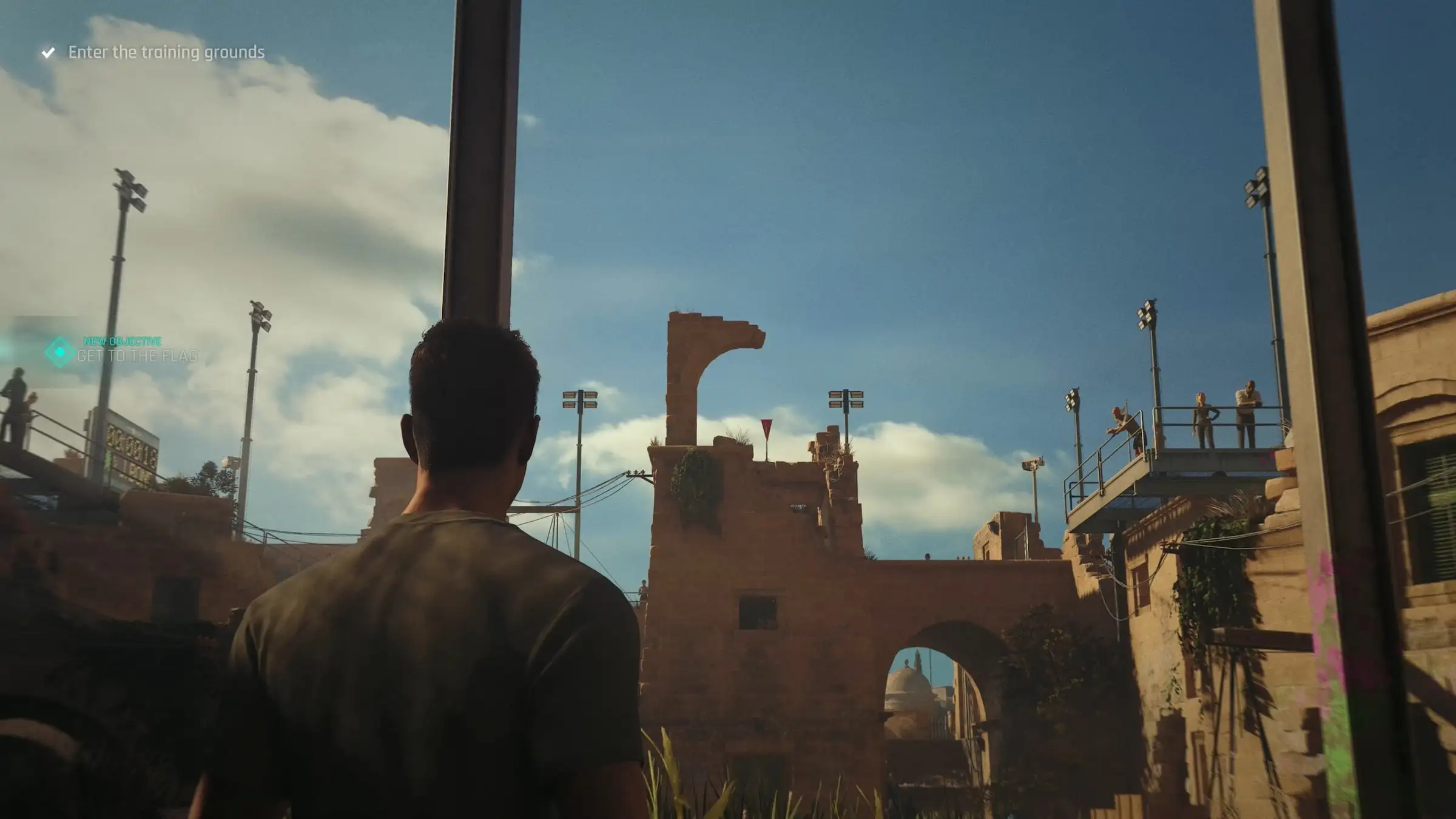
The second mission was like something straight out of spy school, but with a lot more climbing! Imagine being chased while carrying weapons, but the ‘guards’ were being surprisingly polite about trying to stop you. The goal itself was simple – grab a flag in a complex area – but actually doing it was a whole different story. You had to weave through tons of enemies, figuring out when to be smooth and professional, and when to just run for your life! I actually got to replay this mission a bunch of times for IO Interactive, trying out different strategies. It was like a fun experiment for both them and me, and honestly, it was designed to be replayed. Each attempt showed me a new way to tackle the same challenge, sometimes with grace, sometimes with pure, unadulterated panic!
By the third mission, Bond had truly become the character we all know – the suave, sophisticated spy from the movies and books. His demeanor and how he interacted with others were completely different from the first two missions. It was the most iconic version of Bond I experienced, fully embracing the fantasy of expensive suits, cool composure, and high-stakes international crises. It felt like a natural culmination of everything that had come before, and it was incredibly rewarding to witness that transformation unfold in just a few hours of gameplay. It was everything you’d expect from James Bond – complete with moments that practically begged for a slow, deliberate drink.
Gameplay Is Built on IO Interactive’s Hitman DNA With a Clear Bond Twist
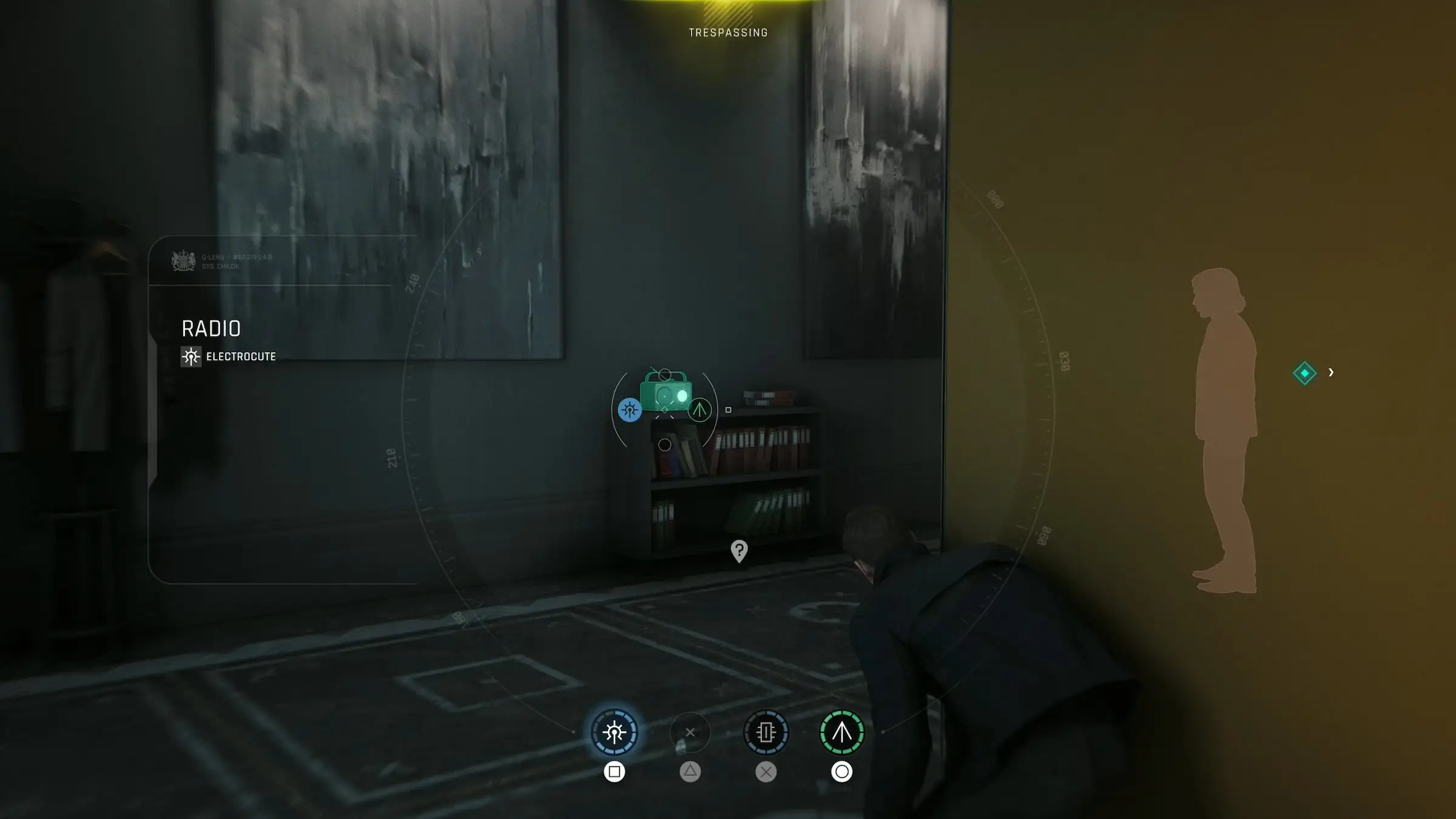
First Light’s gameplay initially feels similar to other games by IO Interactive, but it quickly becomes more complex and nuanced. Instead of allowing complete freedom of movement, the game uses contextual actions – prompts that appear to guide you through gaps, over ledges, and around obstacles. I spent the first mission getting used to these systems, learning how to move and navigate without falling – which happened more often than expected! The game’s structure feels deliberate; it gently encourages you to master the basics before diving into more complicated spy activities.
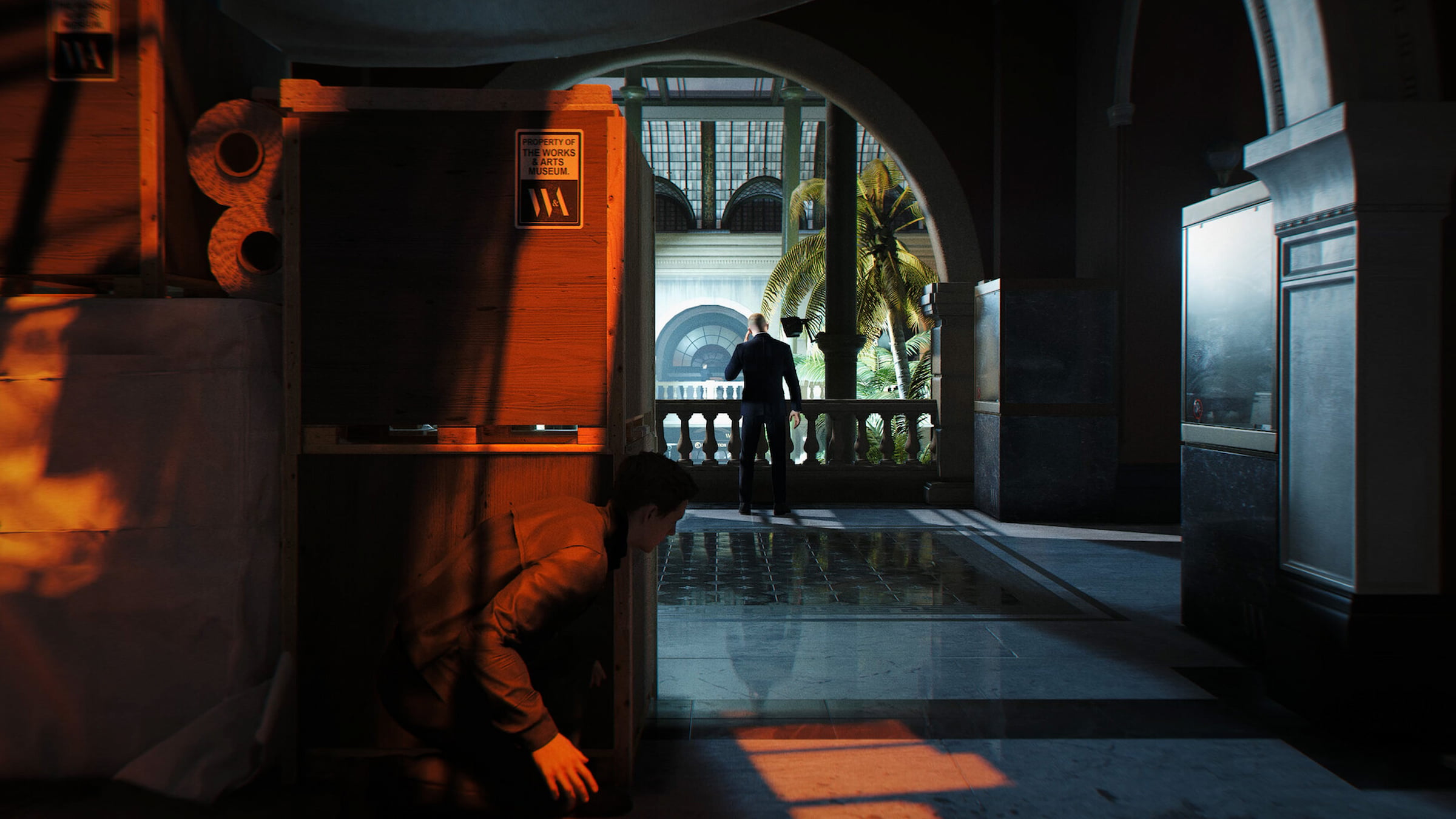
The game’s stealth mechanics work as you’d expect, and they’re surprisingly good. I could see enemies through walls, sneak between hiding spots, and take out unsuspecting opponents to create openings, though my methods weren’t always graceful. The stealth isn’t groundbreaking, but it’s well-designed and consistently works. It wasn’t until the second mission that I really started to understand the possibilities; the first mission felt like a tutorial, encouraging me to try different approaches.
The gadgets are what really make you feel like James Bond, offering both useful tools and opportunities for playful trickery. I had access to things like a smartwatch for hacking, a lens for scanning surroundings, and even a smartphone that could fire darts to subtly incapacitate enemies. These gadgets came in two types – electronic and chemical – and each used up a limited supply of resources. This meant I couldn’t just use them whenever I wanted, and had to carefully consider when and how to deploy them, rather than relying on endless gadgets from MI6.
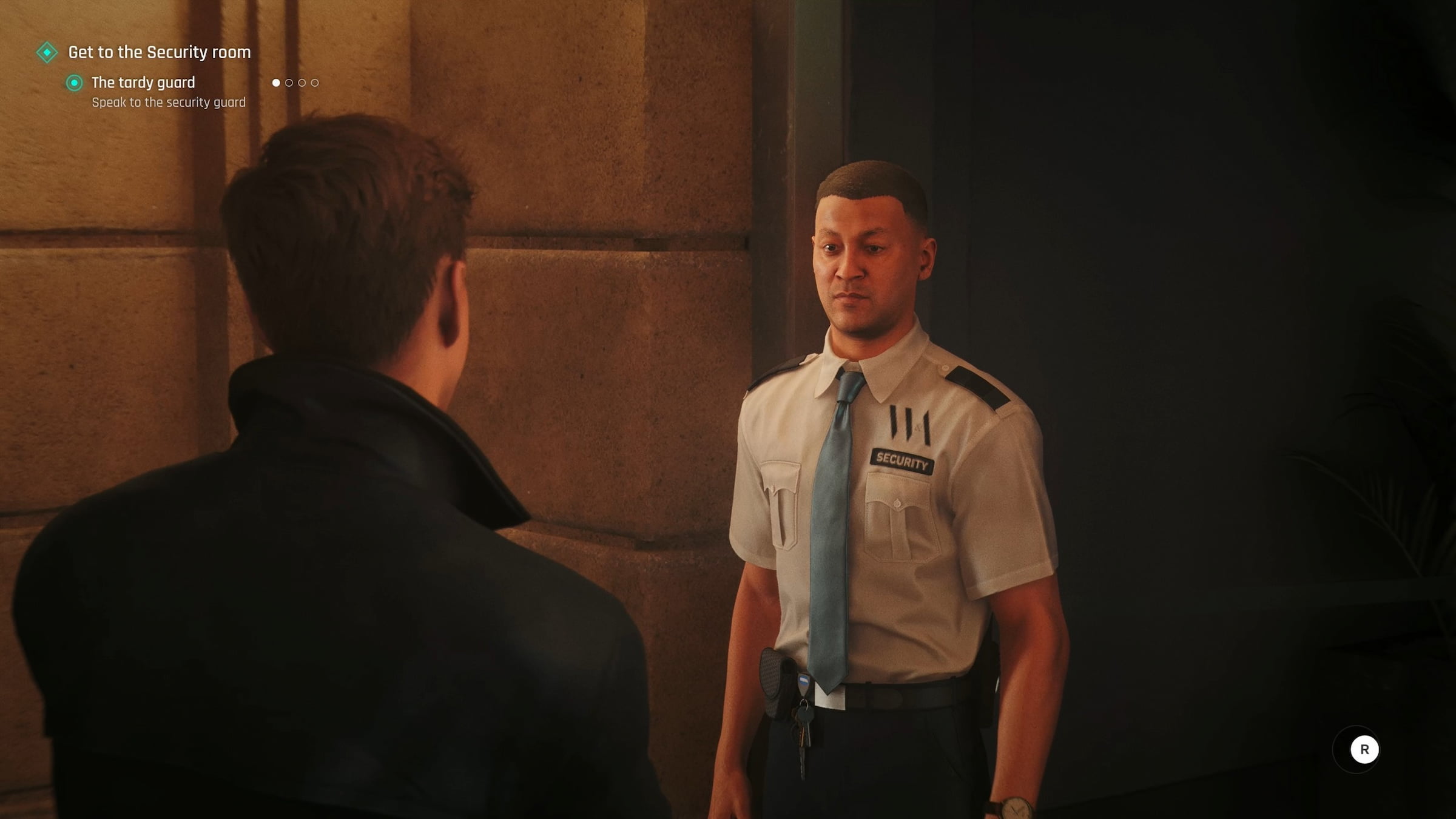
During the third mission, one part perfectly showed how everything worked together. I needed to get into a locked area, but I didn’t have the required security pass. Luckily, a staff member did, though she was under close watch by a very dedicated guard who didn’t seem to move from his position. I used my Q Watch to cause a problem with a museum exhibit, creating a distraction that would definitely pull the guard away. While he investigated, I used my dart smartphone to quickly make the staff member feel unwell, forcing her to leave her post. This allowed me to take the pass and slip inside undetected, completing the task smoothly and quietly, almost like a very polite robbery.
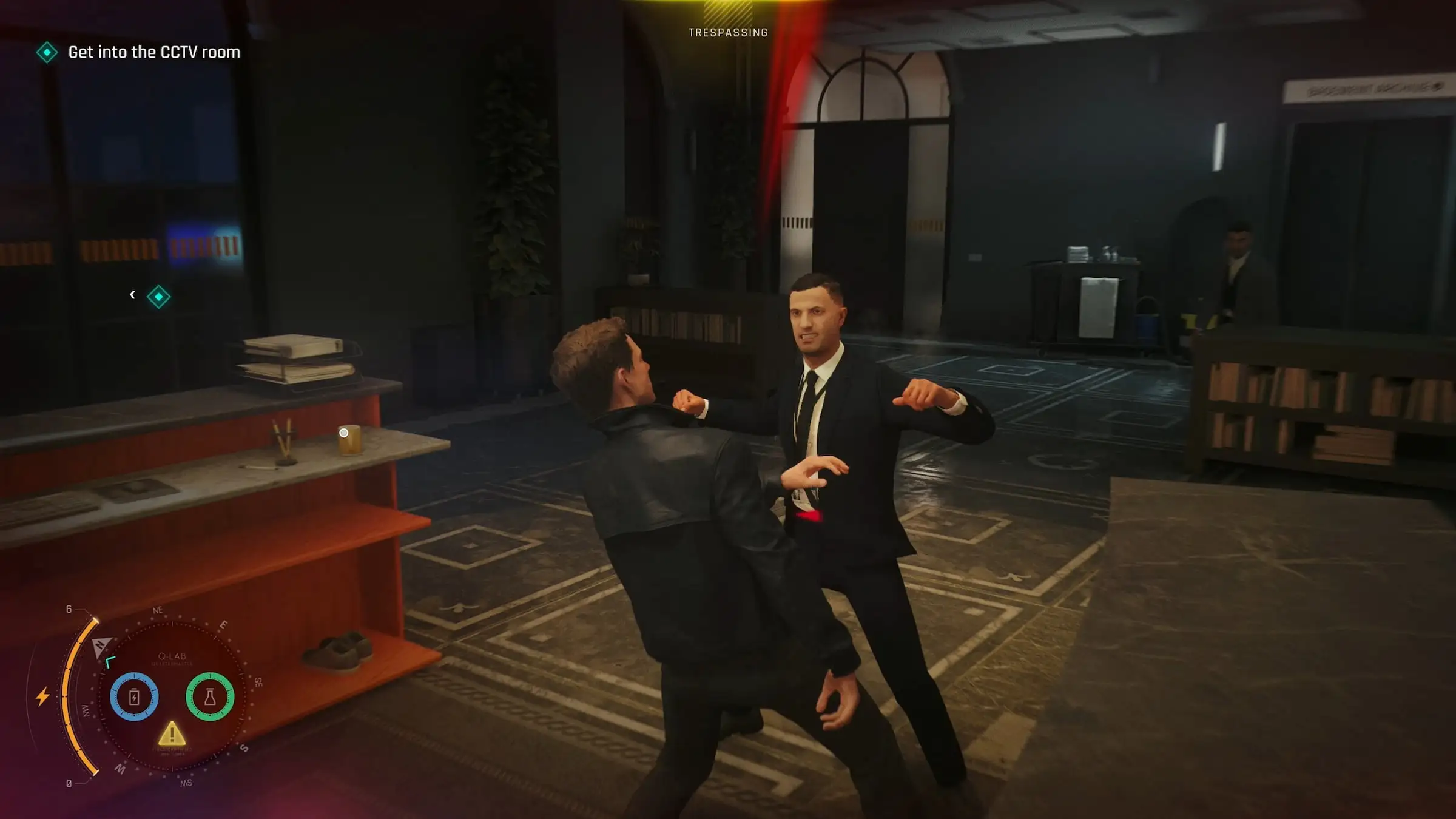
Once stealth failed, the game shifted to close-quarters combat, which quickly became a highlight. Instead of simply locking onto enemies, I had to time dodges, blocks, and parries to react to their attacks. A warning signal appeared before each hit, and I soon learned to pay attention—ignoring it led to swift consequences. Successfully defending opened up opportunities for powerful counterattacks, like grabs and using the environment to my advantage. These grabs could lead to dramatic moves, such as slamming enemies into walls or delivering knee strikes. The higher difficulty levels made sure I understood that, while skilled, Bond isn’t indestructible—he’s just incredibly persistent and doesn’t back down from a fight.
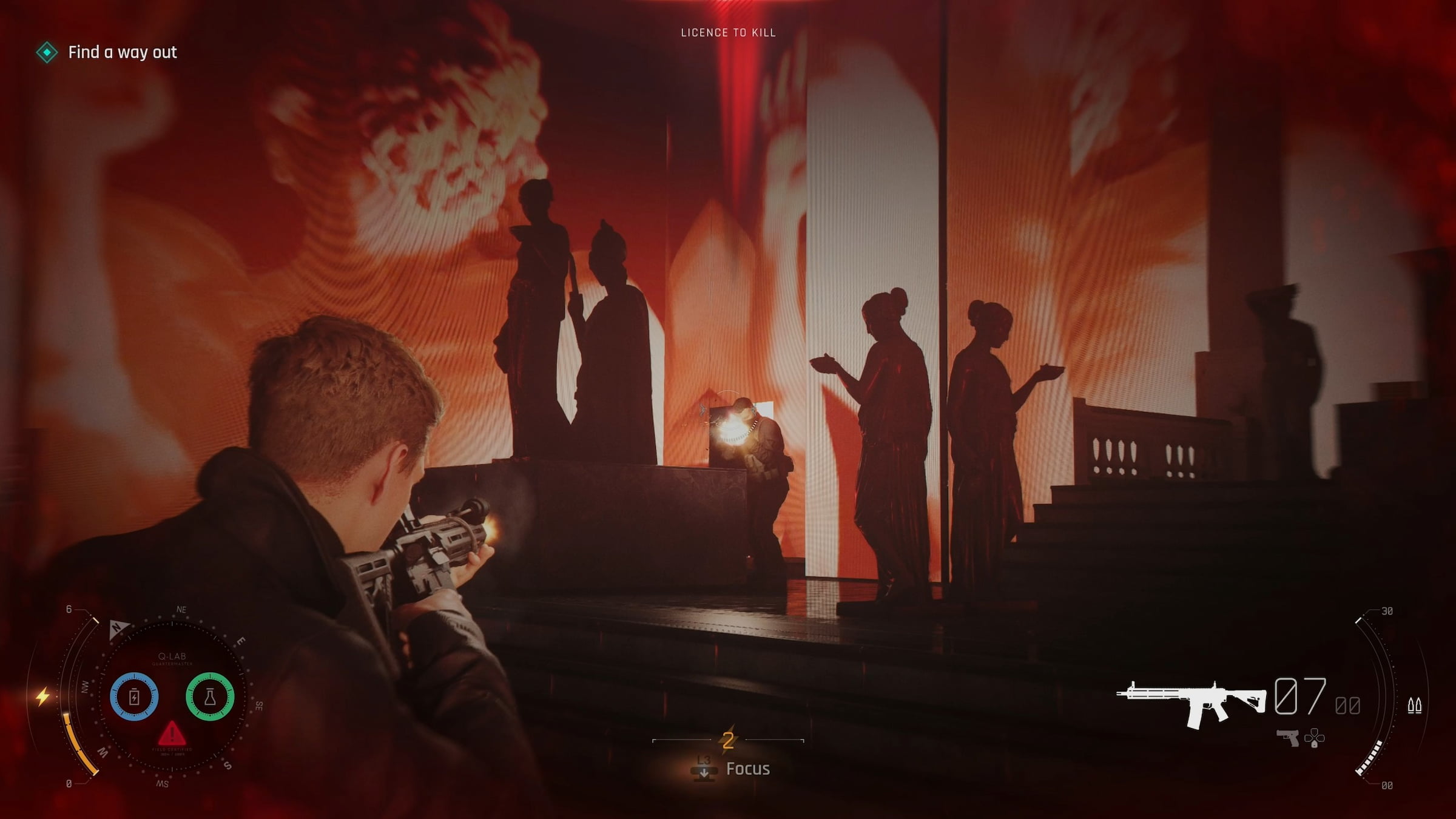
When situations become impossible to resolve without force, Bond’s ‘License to Kill’ kicks in. During my gameplay, I noticed I couldn’t use lethal weapons until things reached a breaking point, which makes sense for a spy operating under strict rules. This shift to full combat changes the game into a more action-packed, third-person shooter, but it doesn’t abandon the core gameplay mechanics. You can still rely on hand-to-hand combat, staying true to IO Interactive’s style, meaning you can even choose to knock someone out with your fists even when guns are blazing. It’s a chaotic, dramatic experience, perfectly fitting for a character like Bond who always seems to thrive in escalating situations.
A Strong First Impression With a Few Gripes
After playing First Light for several hours, it’s evident that IO Interactive is crafting something special, combining their established skills with a fresh approach to storytelling. While not always perfect, the blend of open-ended levels and a more compelling narrative often creates satisfying moments where gameplay and story connect seamlessly. I often found myself pausing to appreciate how naturally situations unfolded, even when they involved a bit of playful rule-bending with gadgets and a disregard for security.
Honestly, the story is a huge highlight for me. Getting to see Bond develop over the course of the three missions really made everything feel connected – it’s more organized than anything IO Interactive has done before, in my opinion. Each level didn’t just feel like a separate thing; it built on what happened before and showed how Bond was changing. It felt like I was reading a secret agent’s file, and as I went through it, it became less about the missions and more about him. That progression really gave the game a surprisingly strong emotional core.
Okay, so I really loved the game, but I did have a couple of small issues with how it played. The way you collect gadgets and resources just felt a little… clunky to me. It worked, sure, and I get why they did it for balance, but it kind of broke the immersion. I mean, you’re supposed to be this super-skilled agent, so constantly scrambling for batteries and stuff felt a bit weird and reminded me I was just playing a video game when I was trying to get lost in the experience.
A significant drawback was not being able to hide bodies after eliminating enemies. This was especially frustrating in a game focused on stealth, as a discovered body could ruin a carefully planned strategy, and there weren’t many ways to fix the situation. It felt odd, considering IO Interactive has included similar features in their previous games.
Despite a few rough edges, my time with the game was very positive. First Light feels like a strong and stylish foundation, with moments of real cleverness, even though it’s still being refined. You can definitely see its Hitman origins, but the game’s focus on a compelling narrative kept things feeling new and exciting. I think fans of both Hitman and James Bond will enjoy what First Light offers, and it has the potential to be truly special when it releases on May 24, 2026.
What are your thoughts on the game 007 First Light? Share your opinion in the comments below and join the discussion on the ComicBook Forum!
Read More
- Review: Final Fantasy Tactics: The Ivalice Chronicles (PS5) – Still the Benchmark for Turn-Based Tactics
- Mark Zuckerberg & Wife Priscilla Chan Make Surprise Debut at Met Gala
- Elon Musk’s Mom Maye Musk Shares Her Parenting Philosophy
- 10 Greatest Manga Endings of All Time
- The WONDERfools ending explained: What happened to the Child of Eternity?
- Forza Horizon 6 Car List So Far: Confirmed Highlights, Cover Cars, DLC, and Rewards
- The Witcher 3 Officially Reveals Stunning New Ciri Figure Coming 2026
- Nippon Sangoku Is The Best New Post-Apocalyptic Anime of Spring 2026
- The First 10 Members of the Thunderbolts, Ranked by Power
- New One Piece Live-Action Rumor Teases Netflix TV Show’s Season 4
2026-04-30 21:27