For many years, television has captivated huge audiences with stories set in space and featuring advanced technology. The United States has been a leader in this type of programming, creating some of the most beloved science fiction stories and characters. Whether it’s adapting books, reviving old favorites, or trying out new animation, American television offers something for every sci-fi fan.
Networks such as CBS, HBO, and Syfy, along with Disney’s channels, are still leading the way in science fiction. The genre has become incredibly popular this century, thanks to advancements in CGI that allow studios to create amazing and imaginative worlds. Now, with streaming services like Prime Video and Paramount+, it’s easier than ever to watch classic American sci-fi shows and movies.
Rick & Morty Is Unrestrained Chaos
Justin Roiland and Dan Harmon created the wildly unpredictable animated series Rick & Morty in 2013. The show centers on Rick Sanchez, a cynical inventor, and his nephew Morty, as they travel through different universes on bizarre and often darkly funny adventures. Each episode delivers a unique and unsettling experience.
Each episode of Rick & Morty balances moments of surprising violence and bizarre situations with a lot of humor, and really pushes the boundaries of science fiction. Because it’s animated, the show can explore things live-action programs can’t. What makes Rick & Morty so successful is its willingness to be bold and embrace dark humor, attracting fans who appreciate that side of comedy, not just science fiction enthusiasts.
Just because it’s a cartoon comedy doesn’t mean we can dismiss this series. It was a major cultural moment, famously using a take on Back to the Future to thoughtfully examine ideas about alternate worlds, right and wrong, and destiny.
Fringe Is a Unique Exploration of Parallel Realities
I’m totally hooked on Fringe! It’s about this FBI agent, Olivia Dunham, and her work with a special team investigating really strange, unexplained events. She partners with Walter Bishop, a brilliant but eccentric scientist, and his engaging son, Peter. They deal with everything you can imagine – crazy scientists, people who look exactly like others, and even threats coming from other universes. It’s a wild ride!
Though some first thought it was just a copy of The X-Files, the show quickly proved itself to be original. It skillfully mixed self-contained stories – often sci-fi or horror – with a larger, season-long plot about alternate realities, keeping viewers engaged from beginning to end.
At first glance, Fringe seemed like a typical crime show, but it quickly became much stranger as the series progressed. Unlike The X-Files, which built its appeal on self-contained weekly cases, Fringe offered a truly mind-bending and innovative experience that ultimately excelled within the science fiction genre.
Severance Is the Weirdest Sci-Fi Series of the 21st Century
As a huge sci-fi fan, I have to say AppleTV+’s Severance really knocked my socks off when it came out in 2022. It’s honestly the most fresh and inventive take on a dystopian world I’ve seen in years! The show centers around the people who work at Lumon Industries, a really strange company that uses a procedure called ‘severance’ on its employees.
The procedure creates a complete separation between employees’ work and personal lives, with no memories crossing between the two. When Mark Scout discovers what’s happened to him, he begins to investigate. Severance is a standout sci-fi series because it avoids typical genre clichés, opting instead for a viewing experience that feels unsettling and fragmented, much like the characters themselves.
The story intentionally keeps viewers in the dark, mirroring the experience of the main character, Mark Scout, as he pieces things together. It’s a clever and original take on dystopian fiction, offering a sharp satire of modern work life, loneliness, and what makes us who we are, proving how adaptable the genre can be.
For All Mankind Is the Pinnacle of Alternate History Science Fiction
The show For All Mankind presents a world where the Soviet Union was first to land on the moon. This victory sparked an even more intense competition between the two superpowers to dominate space exploration.
This series imagines a world where the space race never ended, showcasing how quickly space colonization might have developed. For All Mankind is a brilliantly crafted alternate history that highlights the significance of the original space race, while also offering a compelling look at how ambition and excessive pride can shape our achievements.
As a huge sci-fi fan, this show feels like a dream come true for anyone who’s ever looked up at the stars. What I really loved is that it wasn’t just about space exploration – setting it during the Cold War gave it a really compelling tension. Other shows playing with alternate history, like The Man in the High Castle, sometimes lost their way, but this one nailed the balance perfectly.
Battlestar Galactica Is the Ultimate Sci-Fi Reboot
The 2004 series Battlestar Galactica is a reimagining of a classic show from the 1970s. It’s set in the distant future, where humans have spread throughout the galaxy. After a devastating attack by the Cylons nearly wipes out humanity, the remaining survivors begin a desperate journey aboard the spaceship Battlestar Galactica.
Desperate to escape their pursuers and preserve humanity, they journey across the universe seeking a safe haven. The reimagined Battlestar Galactica initially met with doubt from fans, but quickly proved itself to be a definitive version of the story.
Battlestar Galactica was remarkably versatile, shifting between grand space adventures, intense character studies, thrilling mysteries, and thought-provoking explorations of what it means to be human – and it did all of these things exceptionally well. The show launched Katee Sackhoff to stardom and boldly tackled themes that even Star Trek avoided, cementing its legendary status.
The Prisoner Can’t Be Easily Categorized
Patrick McGoohan crafted a truly puzzling science fiction classic with his 1967 series, The Prisoner. The show centers on an unidentified British spy, referred to only as Number Six, who finds himself held captive in a strange and secretive village.
He’s trapped among people he doesn’t know – some are secretly working for those holding him captive, others are fellow prisoners. He can’t tell who is on his side. Every time he tries to escape, someone betrays him, and strange floating objects seem to stop him. The Prisoner isn’t a typical thriller; it’s more like a thought experiment presented as a spy story, challenging what you expect from television.
For sixty years, this show has been delightfully unexplainable, leaving audiences with a strong emotional connection but unsure of what they just watched. Set during the Cold War, it feels like a fascinating look back at a time when strange science fiction thrived on television, and its unsettling mood is a big part of its appeal.
The Expanse Deserves Praise For Its Scientific Realism
Inspired by the novels of Daniel Abraham and Ty Franck, The Expanse is set in a future where humans have colonized multiple planets. The story focuses on three major groups: those living on Earth, the Moon, Mars, and the asteroid belt.
The show explores the conflicts between different factions while a detective searches for a lost heiress throughout the solar system. What truly sets The Expanse apart is its incredible attention to detail and realistic portrayal of space travel, which has even earned it recognition from scientists.
Many shows rely on solving a new mystery each episode, but this one focuses on creating a detailed world and developing its characters. If you’re interested in exploring how humans might change as we become a spacefaring species, this is the best series to watch.
The X-Files Perfected the Paranormal Investigator Formula
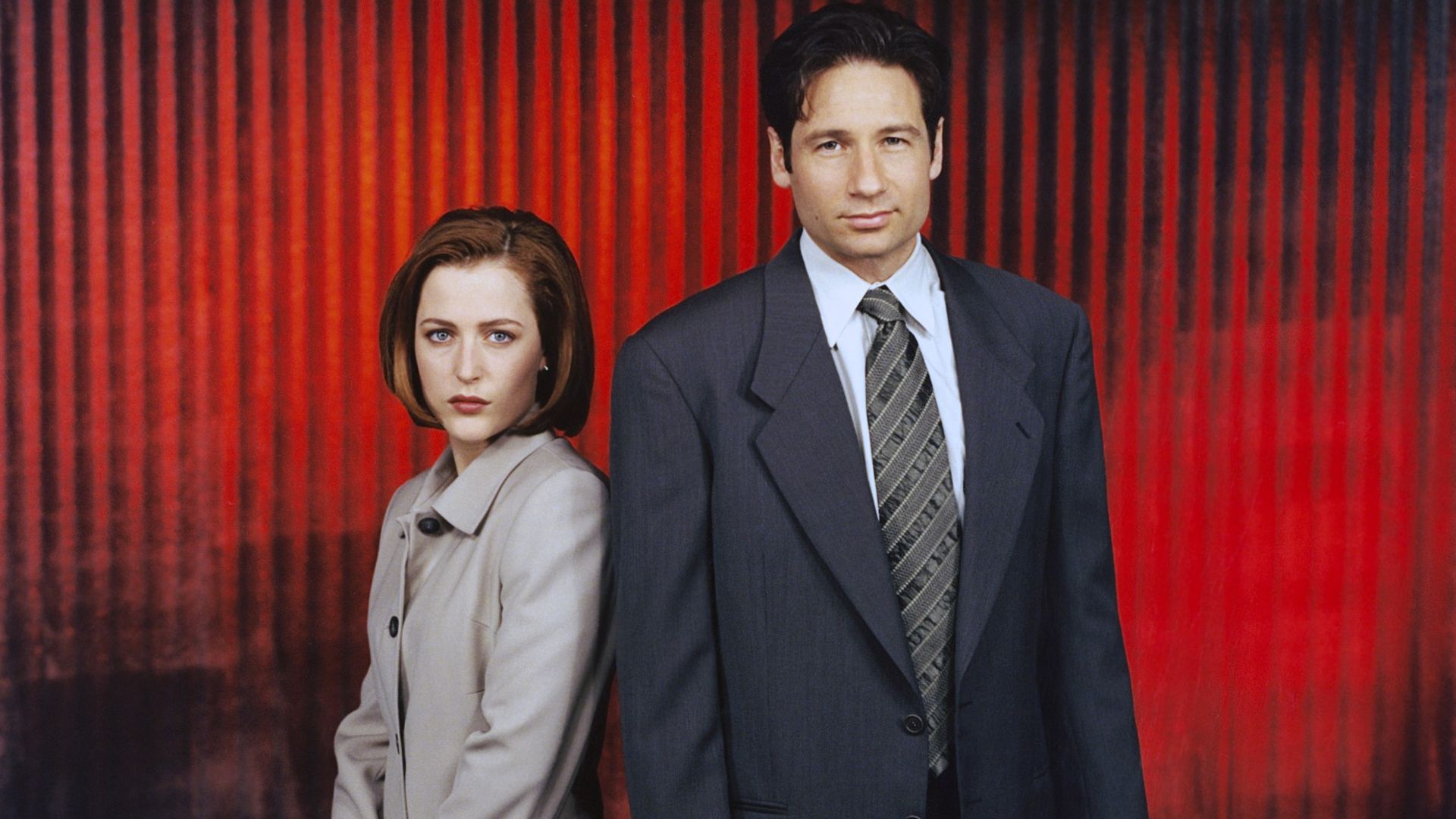
Starting in 1993, Chris Carter created The X-Files, a groundbreaking sci-fi detective show. The series centers on two FBI agents who investigate unexplained phenomena, with one, Fox Mulder, believing in the paranormal while the other, Dana Scully, approaches cases with a skeptical eye.
Every episode of the show sends the two main characters to a new location across the United States, where they explore everything from spooky local myths to a larger mystery involving aliens. Building on the success of the “X-Cops” concept, The X-Files became incredibly influential and shaped a whole generation of TV shows, including Buffy the Vampire Slayer, Supernatural, and Fringe.
Viewers really connected with the dynamic between Mulder and Scully, and the show excelled at standalone monster episodes like no other. It was a dream for anyone interested in conspiracies, throwing all sorts of sci-fi ideas into the mix. While the show declined a bit in later seasons, the first five seasons are considered a truly iconic achievement in television.
The Twilight Zone Remains America’s Best Anthology Series
In 1959, Rod Serling created his most famous work, The Twilight Zone. The show was structured as a series of individual stories, and Serling brought together many of the top science fiction and horror writers of the time. Each episode offered a unique glimpse into topics like alien encounters, space travel, strange scientific experiments, and the potential consequences of new technologies.
Each episode of The Twilight Zone always offered a lesson, often a simple one like “be careful what you wish for.” The show has become known as one of America’s best anthology series, consistently producing important science fiction stories. Even today, writers and directors are still influenced by its focus on social issues, making it a key part of the genre’s thoughtful side.
Most science fiction movies made today seem to borrow something from the style of Rod Serling. Even now, The Twilight Zone remains a show that makes you think deeply, just as it did when it first aired in 1959.
Star Trek: The Next Generation Improved Gene Roddenberry’s Vision
The show returned in 1987 for a second series, this time featuring a new starship, the Enterprise, and its crew. Set decades after the adventures of Captain Kirk, the vessel, now under the command of Jean-Luc Picard, ventured into deep space. During their travels, they met powerful entities, helped resolve conflicts, and faced the terrifying Borg.
Captain Picard consistently proves himself to be the best leader in Star Trek history, thanks to his intelligence, calm demeanor, and insightful judgment. The show also significantly improved after 1987, featuring more impressive special effects and delving deeper into thought-provoking themes.
Captain Picard was a leader audiences admired, and his crew felt genuinely appealing. The show explored the wonders of space in a way that felt truly meaningful. While the original Star Trek was great, some parts haven’t aged as well when you compare it to The Next Generation.
Read More
- Review: Final Fantasy Tactics: The Ivalice Chronicles (PS5) – Still the Benchmark for Turn-Based Tactics
- Mark Zuckerberg & Wife Priscilla Chan Make Surprise Debut at Met Gala
- Elon Musk’s Mom Maye Musk Shares Her Parenting Philosophy
- 10 Greatest Manga Endings of All Time
- The WONDERfools ending explained: What happened to the Child of Eternity?
- The Witcher 3 Officially Reveals Stunning New Ciri Figure Coming 2026
- The Best Action Movie of 2022 Is Finally Streaming Free (Just in Time for the Sequel’s Release)
- FRONT MISSION 3: Remake coming to PS5, Xbox Series, PS4, Xbox One, and PC on January 30, 2026
- 5 Things Jujutsu Kaisen Modulo Failed to Answer
- From Is a Sci-Fi Supernatural Horror Series That Appeals to All
2026-04-30 17:41