We’re seeing a lot of bold, creative TV shows today that viewers and critics both love. But over a decade ago, shows were already pushing those boundaries – the challenge was the industry hadn’t quite figured out how to support them. One show, in particular, gained a devoted fanbase with its huge science fiction idea, attempting to redefine the genre for television. It was expansive, featuring characters and storylines across the globe, and prioritized emotional impact over typical plot structures. If recent shows like Stranger Things have excited people with their ambition, this one paved the way, demonstrating that such a large-scale vision was achievable.
Despite its initial promise, the show was unexpectedly canceled by Netflix after only two seasons. While shocking at the time, it’s now largely forgotten, with few people discussing it today. Though it never found a large audience, it’s gained a small but dedicated following as a streaming favorite. However, considering its actual impact on television, that ‘cult classic’ label is actually quite remarkable.
Sense8 Was One of TV’s First Modern Masterpieces
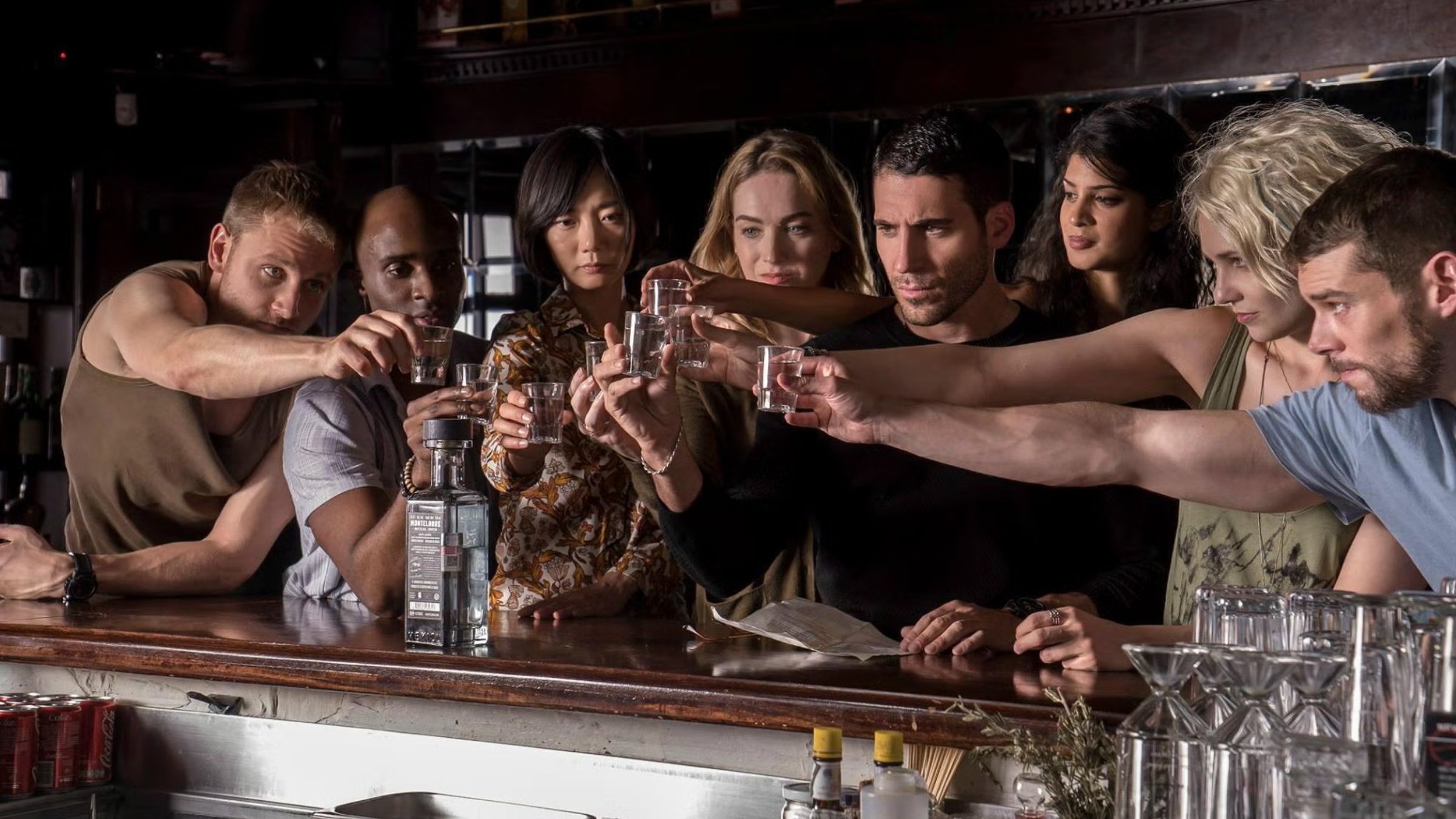
Created in 2015 by Lana and Lilly Wachowski, along with J. Michael Straczynski, Sense8 centers around a fascinating and intricate idea: eight strangers from around the globe suddenly find themselves deeply connected. They share each other’s skills, memories, and feelings, almost as if they’re all part of one mind. While each person continues to live their own life, they frequently experience each other’s perspectives, and can even temporarily inhabit another’s body to overcome challenges, stay safe, or simply be there for important moments.
The show presents a truly original idea, blending science fiction with compelling drama and thriller elements to create something special. Remarkably, its complex structure still feels fresh today. In today’s TV environment, where streaming services often prefer safer options, it’s hard to imagine a project like this getting approved without being simplified or made more conventional. Sense8 boldly avoids those compromises, embracing a truly global story where different locations aren’t just settings, but integral to the experience.
As a fan, what really struck me about Sense8 was how naturally it handled representation. So many shows from that era – and even now – treat diversity as something extra, like it’s tacked on. But Sense8 didn’t do that at all! It wasn’t a separate plotline; it was woven into everything. The characters’ backgrounds and identities weren’t just there; they were central to who they were, how they clashed with others, and how they formed those incredible connections within the cluster. It wasn’t perfect, but it felt so much more real and genuine than a lot of shows that simply show diversity without actually making it matter to the story.
Ultimately, Sense8 isn’t a perfect show, but it’s truly remarkable. It uniquely uses science fiction to delve into themes of identity, love, connection, and understanding in a way that other mediums simply can’t. While other shows might have stronger writing or wider appeal, even years after it first aired, it remains rare to find a series so dedicated to using television to unite people through shared stories. This is precisely why fans passionately fought its cancellation.
The Show Was Canceled, and Its Buzz Disappeared With It
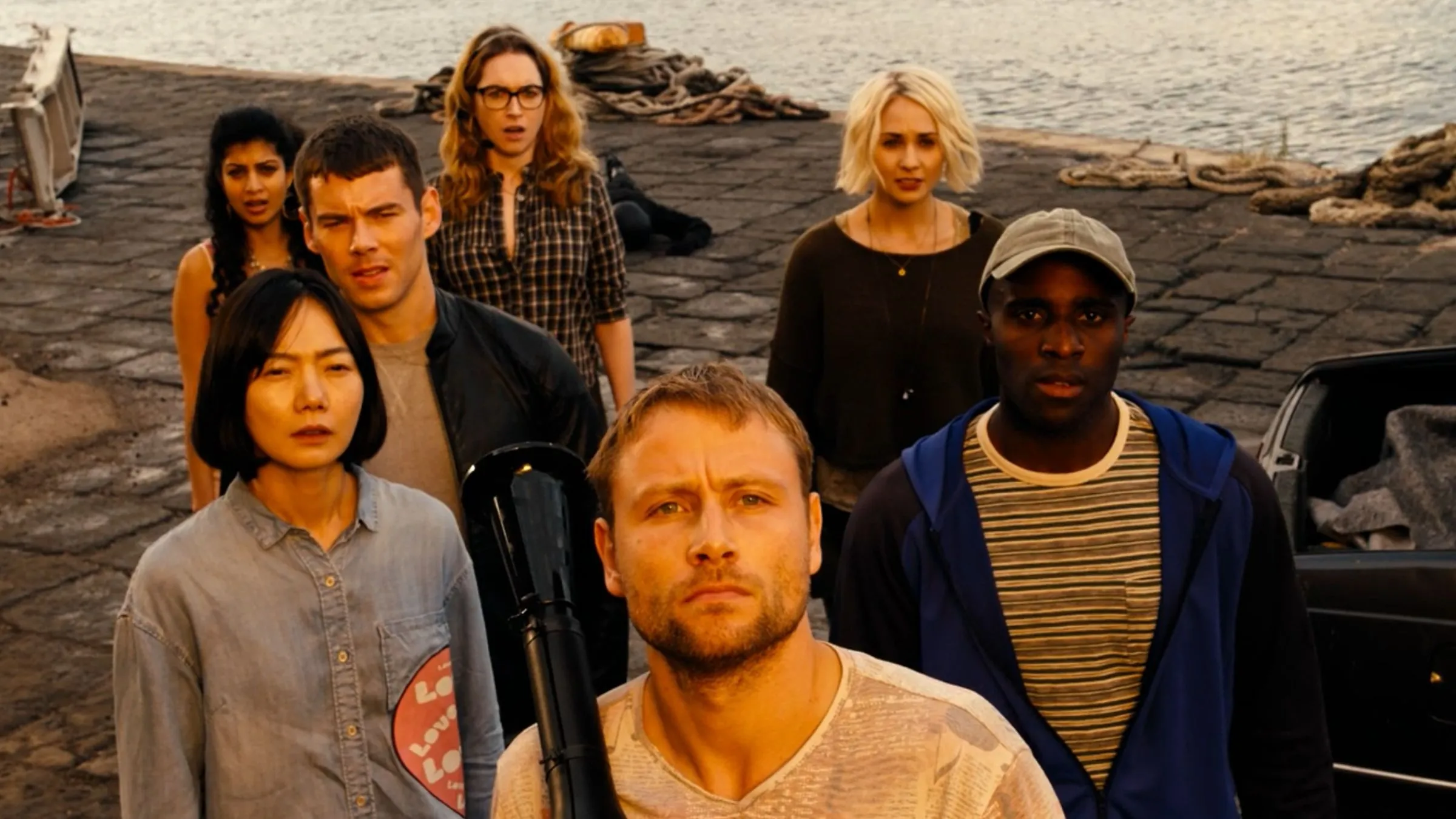
Despite its compelling focus on the human connections between characters, Sense8 was a challenging show to pull off, which is why it proved divisive for both audiences and critics. From the start, it wasn’t designed to be a fast-paced, simple story. Episodes often took their time, delving into the detailed lives and backgrounds of individual characters – exploring things like local politics, culture, identity, beliefs, and family issues – before returning to the central plot. Ironically, this depth – a key element of the show’s vision, given the creators’ style – was seen as unfocused by many viewers.
Consequently, the show’s audience became quite small and specialized. This created a major problem: keeping a complex and ambitious show going is expensive, both in terms of creative effort and money. Filming in multiple countries with a cast spread around the world was costly and difficult to maintain, particularly for a streaming service still learning how to keep international viewers engaged. Ultimately, this led to the show being cancelled suddenly. With high production costs and a shrinking audience, Netflix didn’t see a path forward.
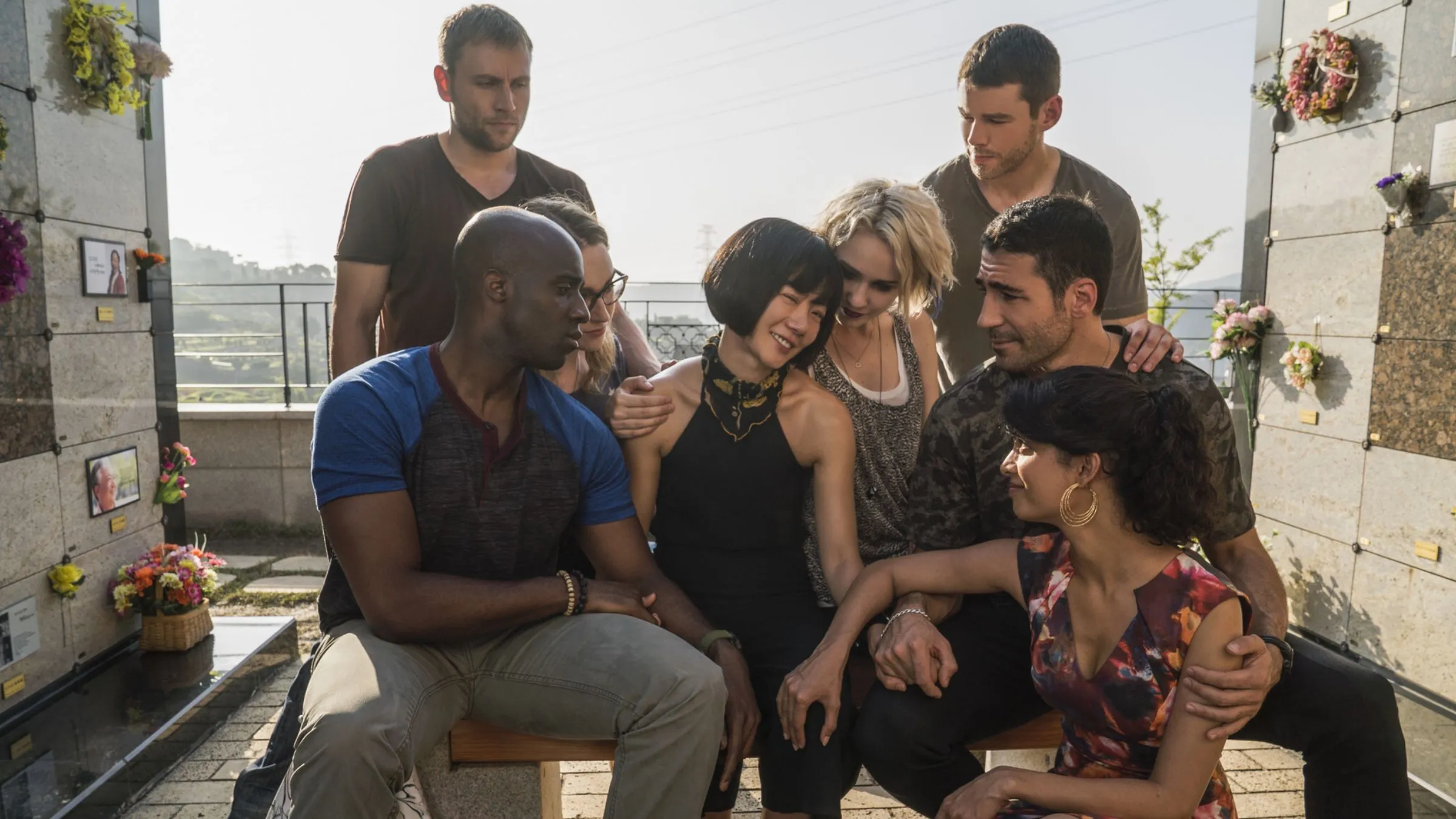
What’s remarkable about the story of Sense8 is that despite not being a hugely popular show, its dedicated fans successfully campaigned for a final episode, titled “Amor Vincit Omnia.” They created petitions, launched global campaigns, and generated so much buzz on social media that the news even reached people outside the fanbase. Many likely remember the uproar when it was canceled. However, that conversation has largely died down, and it’s now unusual to see the show being discussed. While it never achieved mainstream success, the fans’ strong reaction suggests it deserved a wider audience. Like shows such as Stranger Things, Dark, and Westworld—which also faced cancellation but is more frequently remembered (though often for negative reasons)—Sense8 was an ambitious project.
You don’t need to argue that Sense8 is perfect to see it as a truly daring show for Netflix and streaming television. While it occasionally feels over-the-top or disjointed, it’s consistently engaging, and, crucially, incredibly hard to imagine being made in today’s TV landscape. That’s why it remains an underappreciated gem that deserves more recognition, especially from sci-fi fans. Even though it was cancelled, nothing can diminish its unique qualities.
Read More
- USD HKD PREDICTION
- SUI PREDICTION. SUI cryptocurrency
- USD CHF PREDICTION
- USD TRY PREDICTION
- UNI PREDICTION. UNI cryptocurrency
- Savage House review: A devilish Richard E Grant excels in this entertaining period farce
- Star Wars: 5 Things That Still Make No Sense About Yoda, Grogu & Their Species
- Sony’s Latest State of Play is Its Highest Viewed Yet at Over 3 Million Live Viewers
- PI PREDICTION. PI cryptocurrency
- Why Supergirl Isn’t Just DC’s Guardians of the Galaxy Replacement Gets Detailed Explanation
2026-06-07 19:51