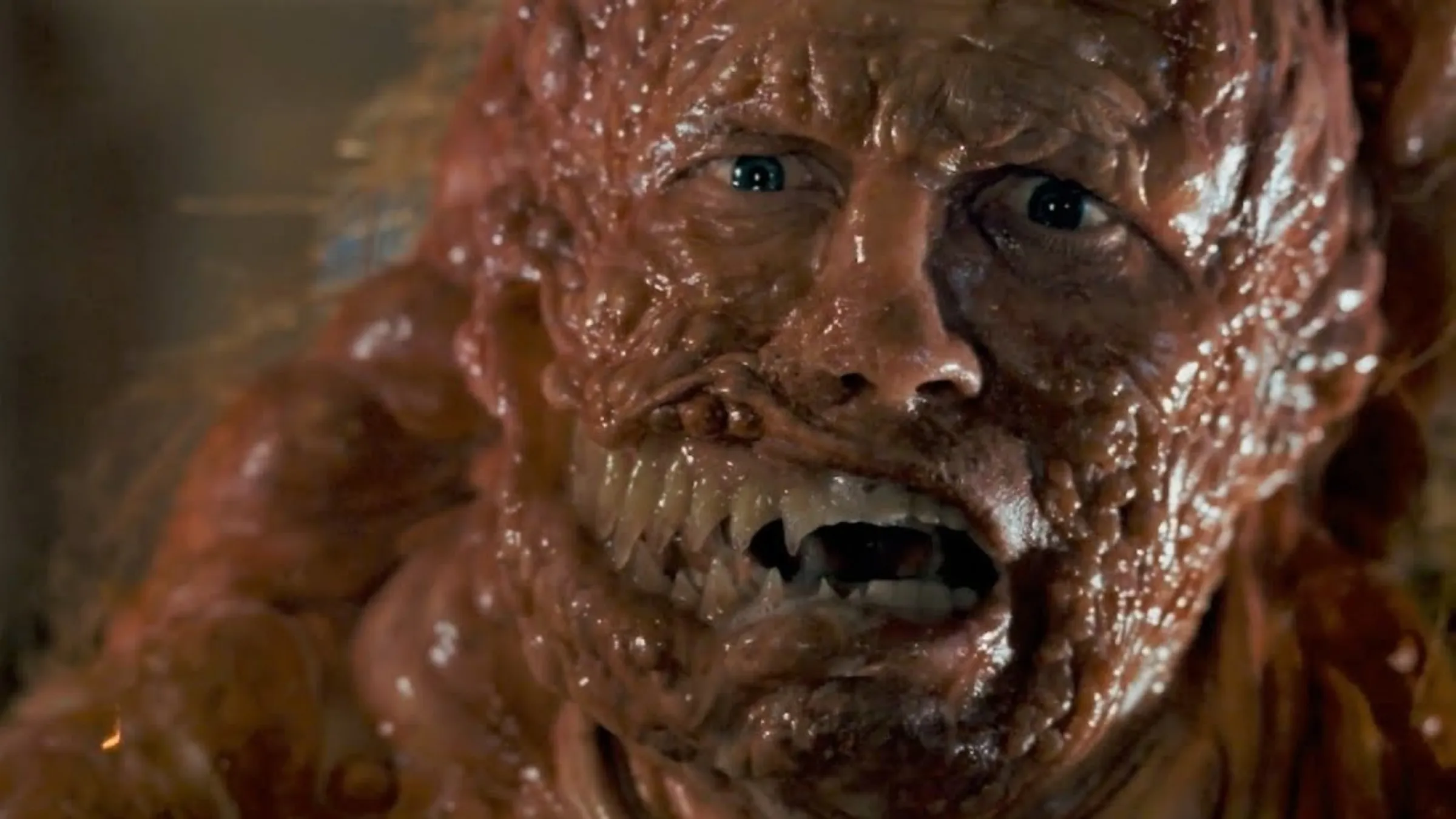
Michael Rooker is known for playing both compelling villains and unexpectedly sympathetic heroes. From Merle in The Walking Dead to Yondu in Guardians of the Galaxy, and going all the way back to his first film role in 1986’s Henry: Portrait of a Serial Killer, Rooker consistently brings a relatable, human quality to all his characters, whether they’re the good guys or the bad. This talent is also on display in Slither, one of his many collaborations with director James Gunn.
In the film, Rooker portrayed Grant Grant, a regular small-town resident who becomes the first person infected during an alien invasion. Even as Grant transforms into a terrifying creature due to an alien parasite, Rooker skillfully maintains a sense of his character’s humanity, showcasing his acting ability. The film itself still feels unique and memorable as a cult horror classic.
CB: What do you consider the defining memory of Slither?
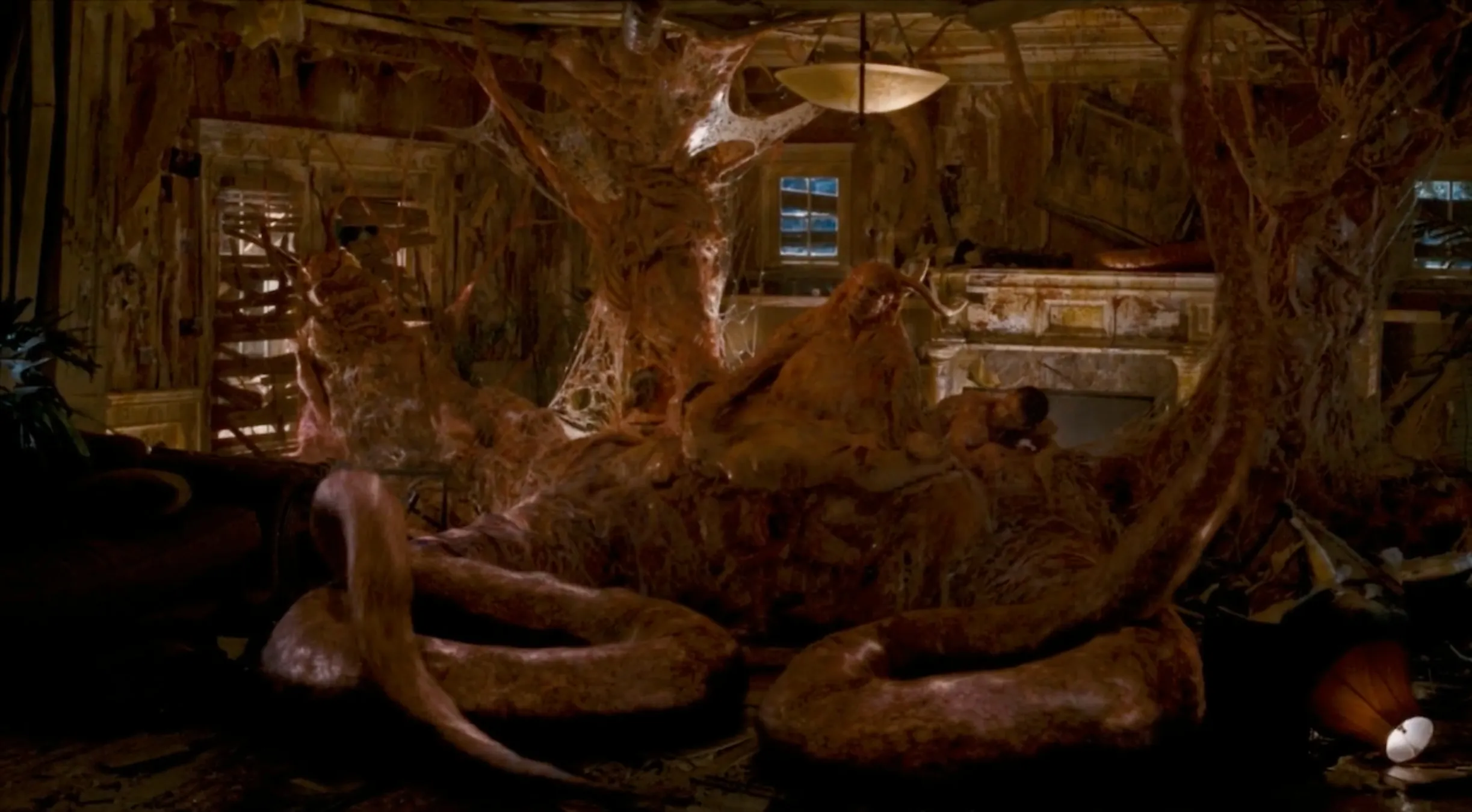
I played two parts in the film: the human character and the alien creature that threatens Earth. Getting into character as the alien – the ‘house monster’ – required a really extensive makeup process that took around seven and a half hours.
Was that the most intense makeup you’ve ever had on for a character?
It’s funny, I often forget I’m even wearing makeup when I’m working. Once filming starts, it’s all about the acting. This particular role was tough, though, because the makeup was really painful and uncomfortable. The antennae were operated with controls, and they immediately hurt my neck. We eventually stopped using the physical antennae altogether. If you see them moving in the movie, it’s almost entirely done with digital effects now.
The makeup also had practical problems. Since I was connected to other performers wearing makeup, if they fell asleep, they’d accidentally pull on it. This would dig into my neck – especially on one side – because I was positioned in the middle. If anyone on either end relaxed, the pressure would pull on me, which was really uncomfortable. It definitely wasn’t a pleasant experience to wear. [Laughter]
Here’s the rest of our conversation with Michael Rooker, where he explains why he prefers not to memorize his co-stars’ lines and what qualities he seeks in a role, no matter the type of movie or show.
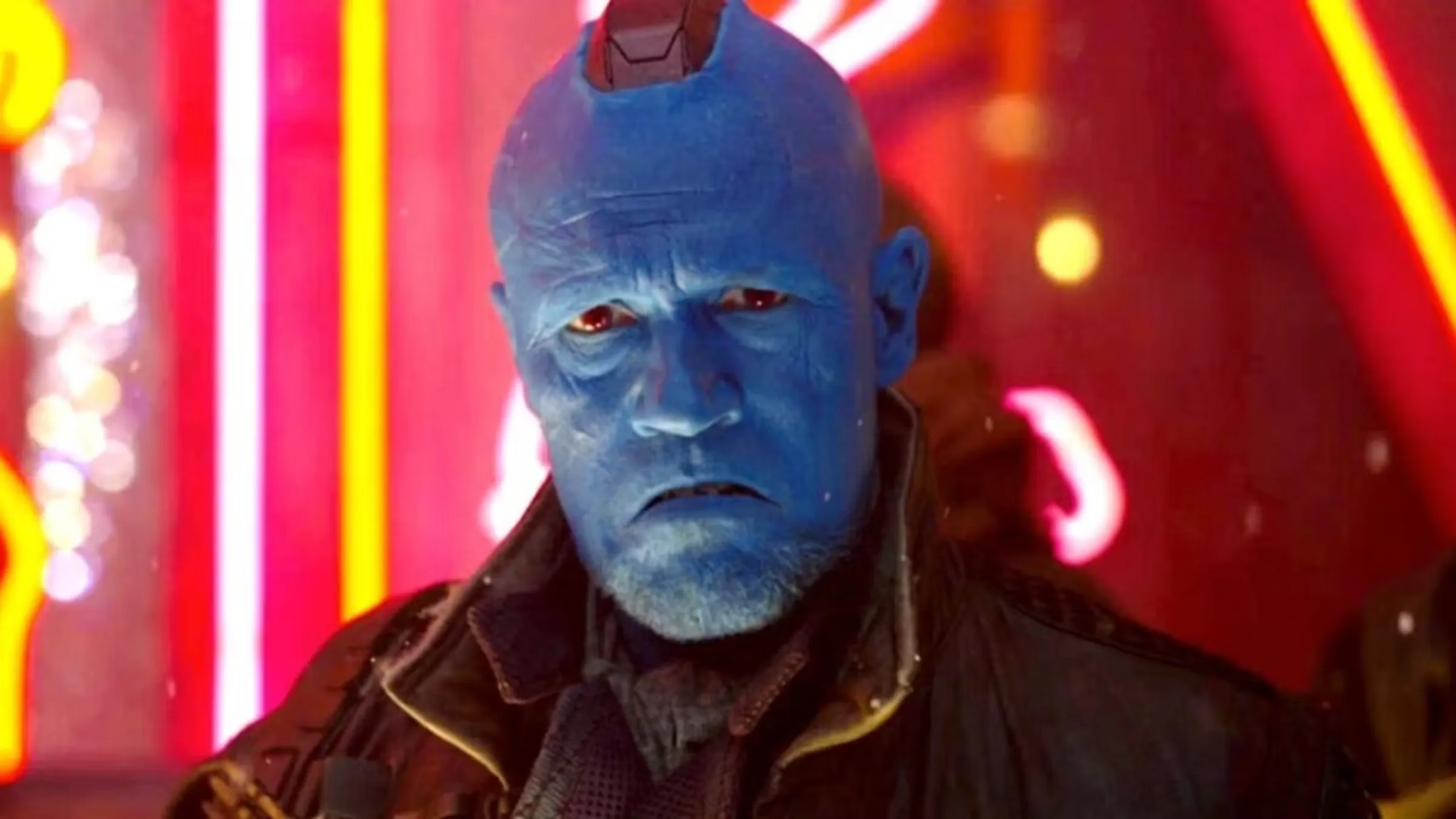
You’ve often played characters with very distinctive looks, like Yondu, who was completely blue. When a character’s appearance is so unusual, is it hard to make them feel relatable and believable?
It’s a pretty simple process, and it generally happens before makeup is applied. It usually occurs while you’re going over the script, as part of your preparation. Anything involving makeup is just a final touch.
How do you define your approach to characters?
I prefer to stay as uninformed as possible – it just feels more natural to me. There’s something exciting about not knowing what’s coming next, it keeps things spontaneous and genuine. Of course, you need to know some things, but not everything. I enjoy the process of discovering things as I go. When I’m acting, I deliberately avoid learning lines or anticipating responses. I really make an effort with this. It’s a different approach, and a lot of people don’t get it, but it helps me stay in character – because the character wouldn’t know the lines either.
I always aim to approach my work with a fresh, honest perspective. It’s challenging, though, because you need to be familiar with the basics. I make a real effort to learn what I need to know, but I deliberately avoid learning what the other actors are doing. I want their performances to be a surprise to me. It’s tough reading a script and not picking up on what everyone else is planning! I don’t want to be prepared for their choices—I want to be genuinely surprised by them.
You know, I don’t get surprised easily, either in real life or when I’m reading a script. What does fascinate me is seeing how a scene actually unfolds when we’re filming it. And sometimes, my own lines will evolve organically – I don’t intentionally try to alter them, but they often take on a life of their own during the process, and that’s always a little unexpected and exciting.
I don’t force any particular approach to my work. It’s more than just memorizing lines; I actually dislike discussing my process with the media. For me, every performance needs to feel new and spontaneous. If you overthink things or prepare too much, it can quickly become stale. Acting is still fascinating to me, even after all this time, and that’s what keeps my work feeling vibrant.
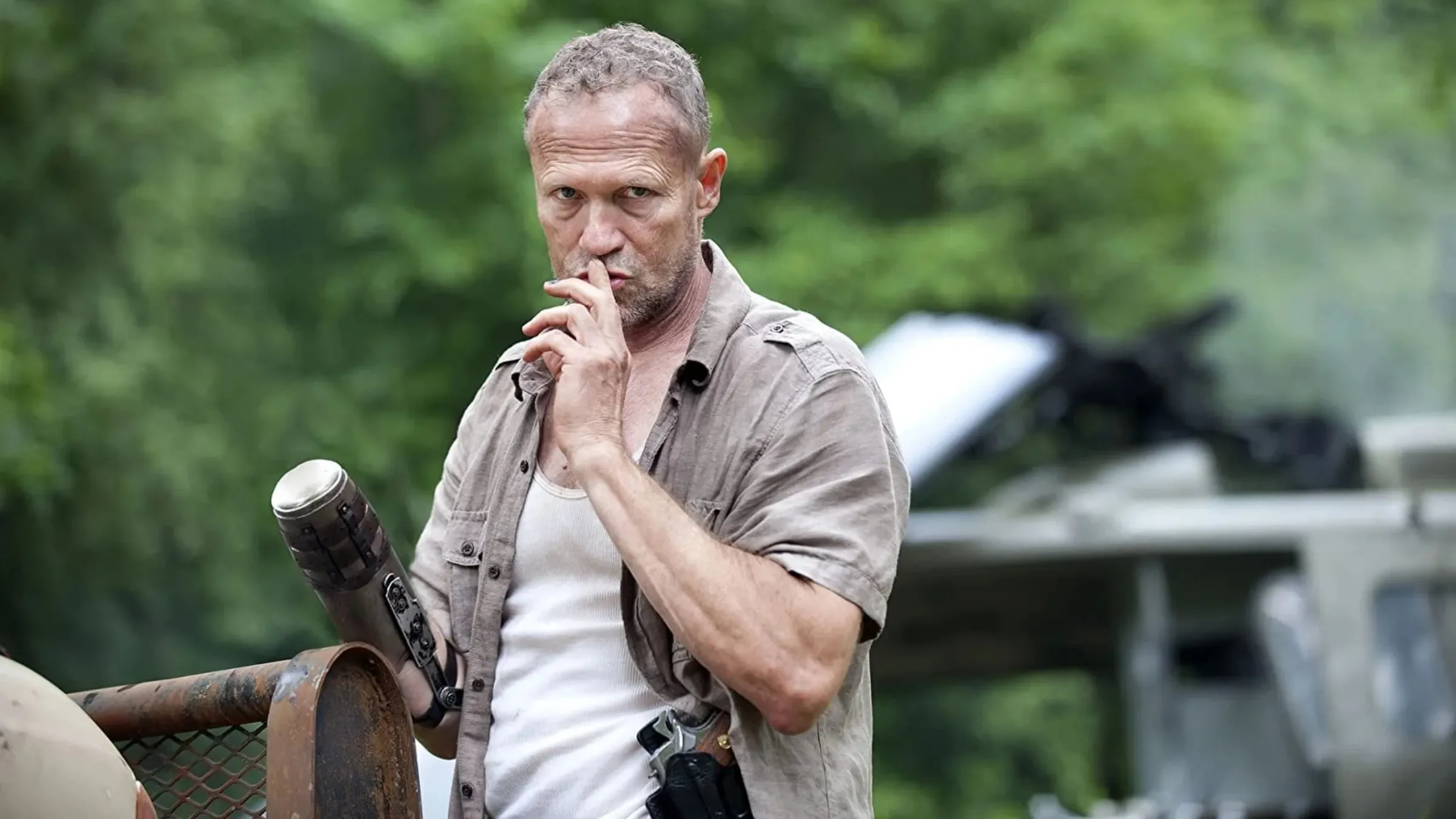
When you start working on a project based on existing stories, like ‘The Walking Dead’ or anything from the DC Universe, how much do you review the original comics or source material beforehand?
I didn’t rely on the comic books when working on The Walking Dead. Everything I needed was already present on set – the other actors, the background performers playing zombies, and the environment itself. Actors are skilled at using their imaginations, and that’s ultimately what we depend on most.
I generally don’t like to revisit past characters. Once a project is finished, I prefer to move on. I avoid watching films or listening to music while I’m working, unless the music is specifically relevant to a character or scene. I know some actors use music to get into character, but that’s not my approach.
As a critic, one of the first things I do when cracking open a new script is search for a character that immediately grabs me. It’s that initial spark, you know? I’m looking for someone with a compelling voice, a unique perspective, or just a hint of mystery that makes me want to know their story. It’s not about perfection, but about potential – a character I feel I could spend a couple of hours with and genuinely care about. That’s the kind of character that signals a potentially great film.
When I’m reading a script, I’m hoping for that spark – that moment when something resonates with me. It could be a single word, a particular phrase, or even a specific situation. From there, I build on that initial feeling. It’s a bit like a spiral – one small thing leads to another, expanding until a complete character emerges. It almost always starts with an internal connection, something that triggers a feeling within me. It’s rarely based on how a character looks or something external. Every film has that key moment, that initial trigger that allows the character to grow and develop.
Read More
- Elon Musk’s Mom Maye Musk Shares Her Parenting Philosophy
- GBP CNY PREDICTION
- Mark Zuckerberg & Wife Priscilla Chan Make Surprise Debut at Met Gala
- Forza Horizon 6 Car List So Far: Confirmed Highlights, Cover Cars, DLC, and Rewards
- 10 Greatest Manga Endings of All Time
- Elon Musk’s Ex Ashley St. Clair Reveals When Romance Became “Weird”
- 10 Best Free Games on Steam in 2026, Ranked
- Hollow Knight: Silksong Guide – All 30 Lost Flea Locations
- 38 Years Later, Murder, She Wrote’s Most Overlooked Episode Still Pulls Off TV’s Greatest Crossover
- 20 K-Dramas That Nailed the Perfect Ending
2026-05-05 02:11