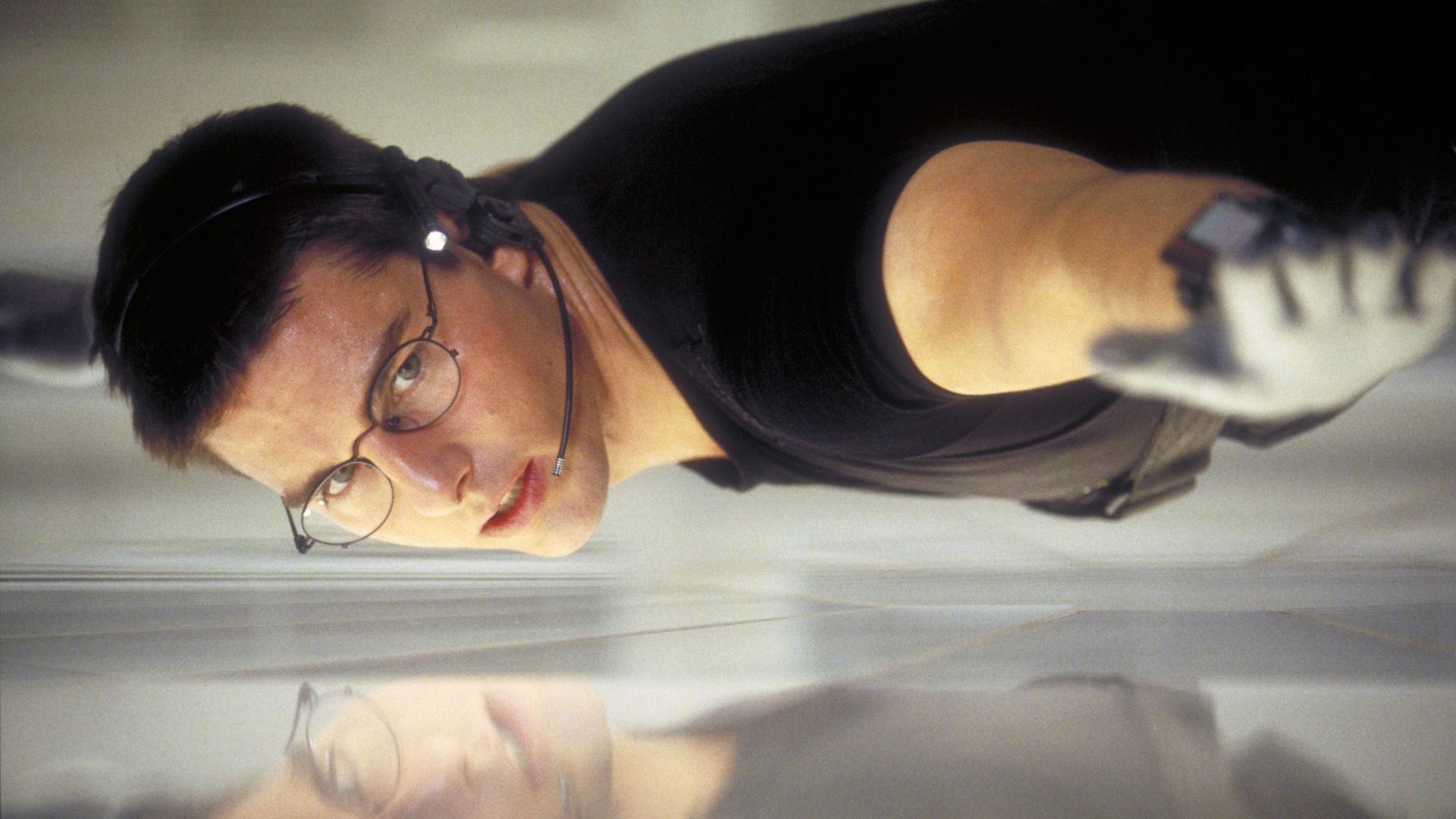
Tom Cruise revived the Mission: Impossible series in 1996 by bringing the popular television show to the big screen. In the film, Cruise stars as Ethan Hunt, a secret agent for the Impossible Missions Force (IMF). Hunt undertakes dangerous, confidential assignments globally, and if he fails, the U.S. government will deny any connection to him.
What sets the Mission: Impossible films apart from other spy stories is that Ethan Hunt and his team aren’t protected by their agency. If they fail, they’re on their own, and when they succeed, the world doesn’t even know they were involved. The original movie, directed by Brian De Palma, centers on Hunt trying to clear his name after being framed for the deaths of his former colleagues. While it was a risky move to eliminate most of the popular characters from the original Mission: Impossible TV series, it ultimately paved the way for the franchise’s future.
The Mission: Impossible series has grown to include eight films, with the latest, Mission: Impossible – The Final Reckoning, scheduled for release in 2025. These movies have collectively earned $4.7 billion worldwide, and the five most recent installments have all received positive reviews from critics (with scores above 80% on Rotten Tomatoes), making it a hugely successful and influential spy franchise.
6. Mission: Impossible Made Spy Movies An Ensemble Affair

Before the Mission: Impossible films, most spy movies centered around a single hero saving the world. Think James Bond – he generally worked alone, even though he had colleagues who assisted him before his missions. Often, anyone who worked with Bond ended up betraying him or not surviving. Mission: Impossible changed this by emphasizing teamwork, just like the original television series did.
The Mission: Impossible movies feature a compelling team alongside Ethan Hunt, and these characters are crucial to the success of each mission. People like Luther Stickell, Ilsa Faust, and Benji Dunn are Hunt’s trusted allies, creating a strong team dynamic. While spy movies sometimes feature ensemble casts, Mission: Impossible really popularized this approach, making it feel like a superspy version of a team like the Avengers.
5. The Change From Shootouts To High-Tech Heists
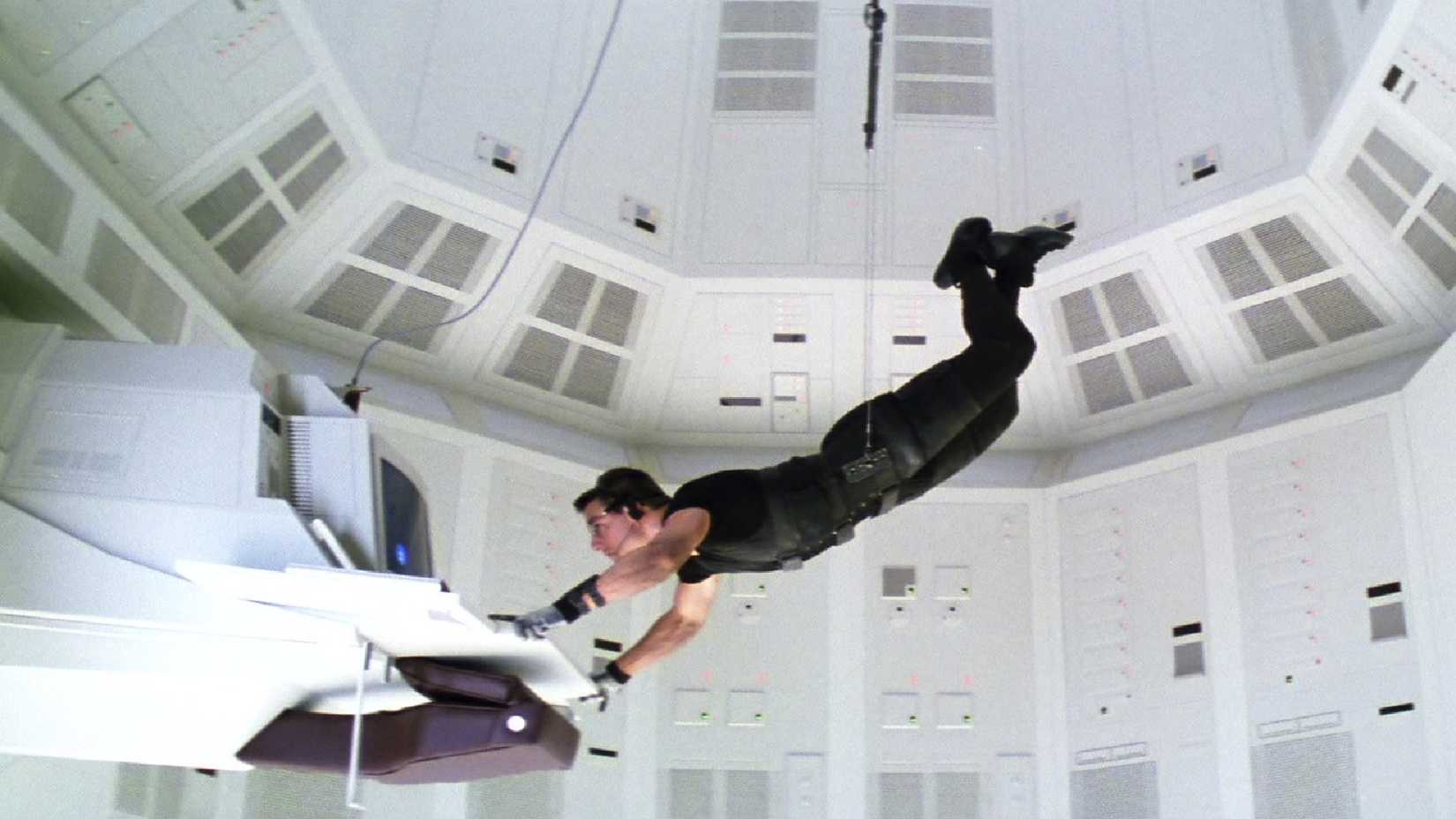
Most James Bond films are known for their action-packed sequences – car chases, boat chases, shootings, and explosions. While Ethan Hunt in the Mission: Impossible series also has action, those movies shifted towards more technologically advanced heists. Bond certainly had spy-style moments, but GoldenEye, released just before the first Mission: Impossible, really emphasized tank battles and gunfights.
The original Mission: Impossible film perfectly established the series’ formula with its iconic heist sequence. Instead of relying on gunfire, the scene focused on suspense as Hunt was lowered into a highly secured vault – monitored by temperature, sound, and pressure sensors – to retrieve a crucial list. This approach created more tension than typical action scenes from James Bond films of that time. Furthermore, the use of realistic latex masks highlighted the franchise’s emphasis on the technological side of espionage.
4. Mission: Impossible Was Serialized Before James Bond Or Jason Bourne

Early James Bond films were self-contained adventures. Each movie starring Sean Connery, Roger Moore, or Timothy Dalton featured the same hero, but the stories didn’t rely on each other – you could watch them in any order. The Mission: Impossible series, however, created a connected universe where each film built upon the events of the previous ones. Having Tom Cruise consistently play the lead character helped tie the whole franchise together.
While films like Jason Bourne, James Bond, and those in the Marvel Cinematic Universe have all successfully used ongoing storylines, Mission: Impossible was the first to demonstrate that this approach could work in action movies. It pioneered the idea of a connected series before any of those other franchises did.
3. Ethan Hunt Was An Anti-Establishment Spy
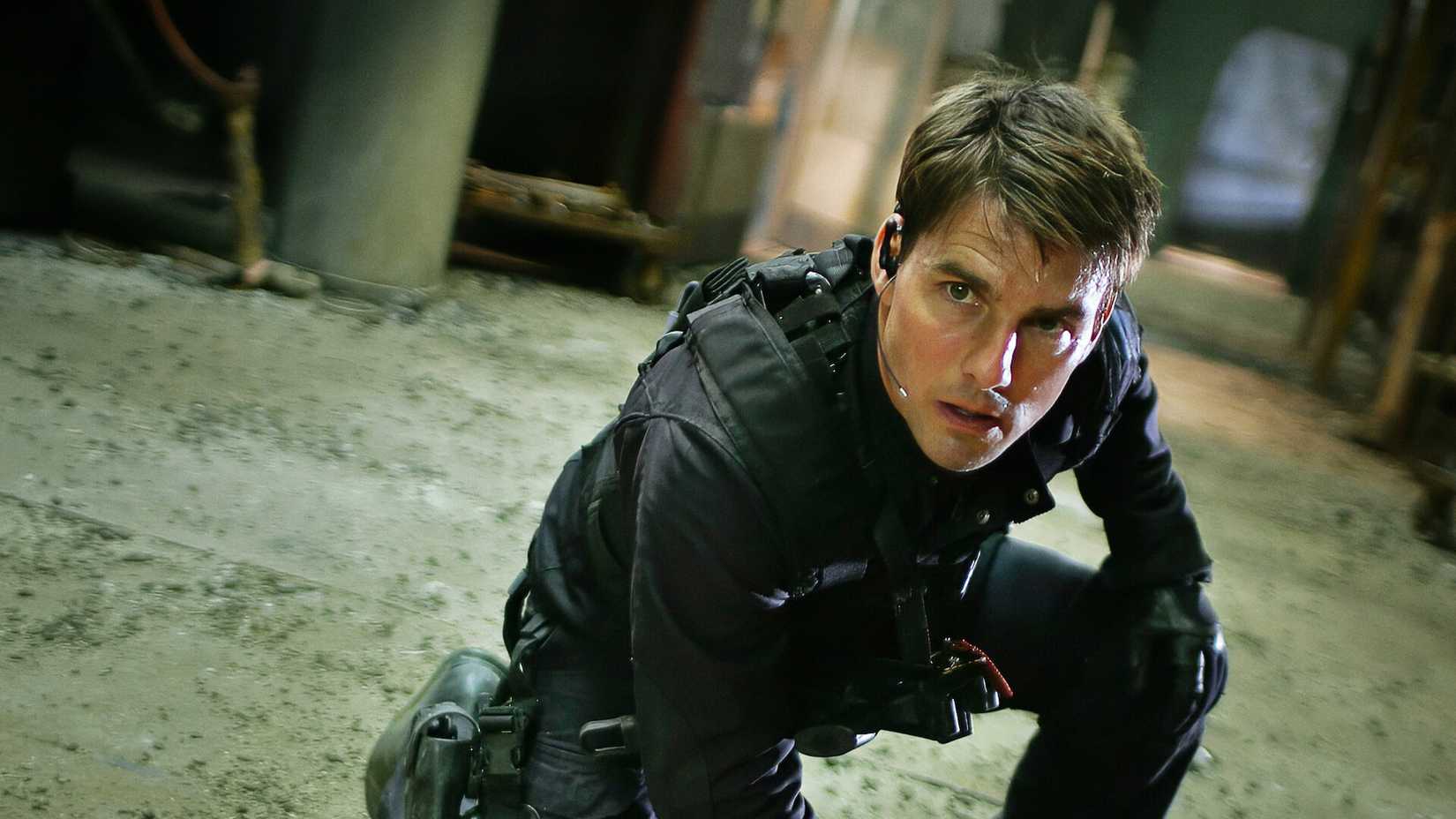
The original Mission: Impossible film puts Ethan Hunt in a desperate situation: his own government believes he’s a traitor and is actively pursuing him. He’s falsely accused of murdering his entire team and must prove his innocence while also uncovering the true culprits. While James Bond sometimes operates outside the rules, Ethan Hunt faces a far more extreme scenario – being branded an enemy by the very agency he works for, which was a unique twist for a big spy movie at the time.
Over the years, the storyline has remained consistent: the team is always betrayed by those in power. In Mission: Impossible – Ghost Protocol, they’re falsely accused of bombing the Kremlin and abandoned by the President. Then, in Rogue Nation, the CIA Director dismantles the team and labels Hunt a renegade. While Jason Bourne used a similar plot, Ethan Hunt really established this ‘disavowed team’ idea as a staple in spy movies.
2. Mission: Impossible Hired Visionary Directors

Most big spy movie series feel very consistent throughout their run, often only changing with new lead actors. The early James Bond films starring Sean Connery, for example, all had a similar style, which helped make them popular. Roger Moore’s Bond films were also quite consistent, though the addition of over-the-top comedy sometimes didn’t work well. But the Mission: Impossible series stood out because each film had a distinct look and feel until Christopher McQuarrie began directing.
The first Mission: Impossible film in 1996 was directed by Brian De Palma, known for classics like Carrie, Scarface, and The Untouchables. He infused the movie with a style reminiscent of Alfred Hitchcock. Each subsequent film brought a distinct vision: John Woo added his signature Hong Kong action flair to the second, J.J. Abrams launched his feature film career with the third, and Brad Bird, a Pixar animation veteran, transitioned to live-action directing with the fourth. This variety ensured each Mission: Impossible movie felt new and exciting.
1. Tom Cruise Personally Doing His Practical Stunts
The Mission: Impossible films are famous for Tom Cruise’s dedication to performing his own stunts, even the most risky ones. Just in the first movie, he did the Langley Heist, blew up an aquarium, completed the Prague heist, hung onto the roof of a train, and filmed a helicopter scene in the Channel Tunnel. And the stunts have only gotten more elaborate since then.
Tom Cruise has been seriously injured performing his own stunts, and many of those injuries would be uninsurable. Unlike actors like Sean Connery, Roger Moore, Timothy Dalton, Daniel Craig, and Matt Damon, Cruise consistently takes extreme risks for his films. This commitment allows for close-up shots of his face during dangerous scenes, creating a uniquely immersive and thrilling experience that sets Mission: Impossible apart from other spy movies.
Read More
- 10 Greatest Manga Endings of All Time
- GBP CNY PREDICTION
- Mark Zuckerberg & Wife Priscilla Chan Make Surprise Debut at Met Gala
- Elon Musk’s Mom Maye Musk Shares Her Parenting Philosophy
- Review: Final Fantasy Tactics: The Ivalice Chronicles (PS5) – Still the Benchmark for Turn-Based Tactics
- Miranda Kerr Shares “Quick” Procedure She Got Before Met Gala 2026
- Forza Horizon 6 Car List So Far: Confirmed Highlights, Cover Cars, DLC, and Rewards
- Ranking the 5 Best Spring 2026 Anime So Far (Mid-Season Update)
- A Major PlayStation Delisting Exposes a Sony Problem
- 10 Best Free Games on Steam in 2026, Ranked
2026-05-23 00:11