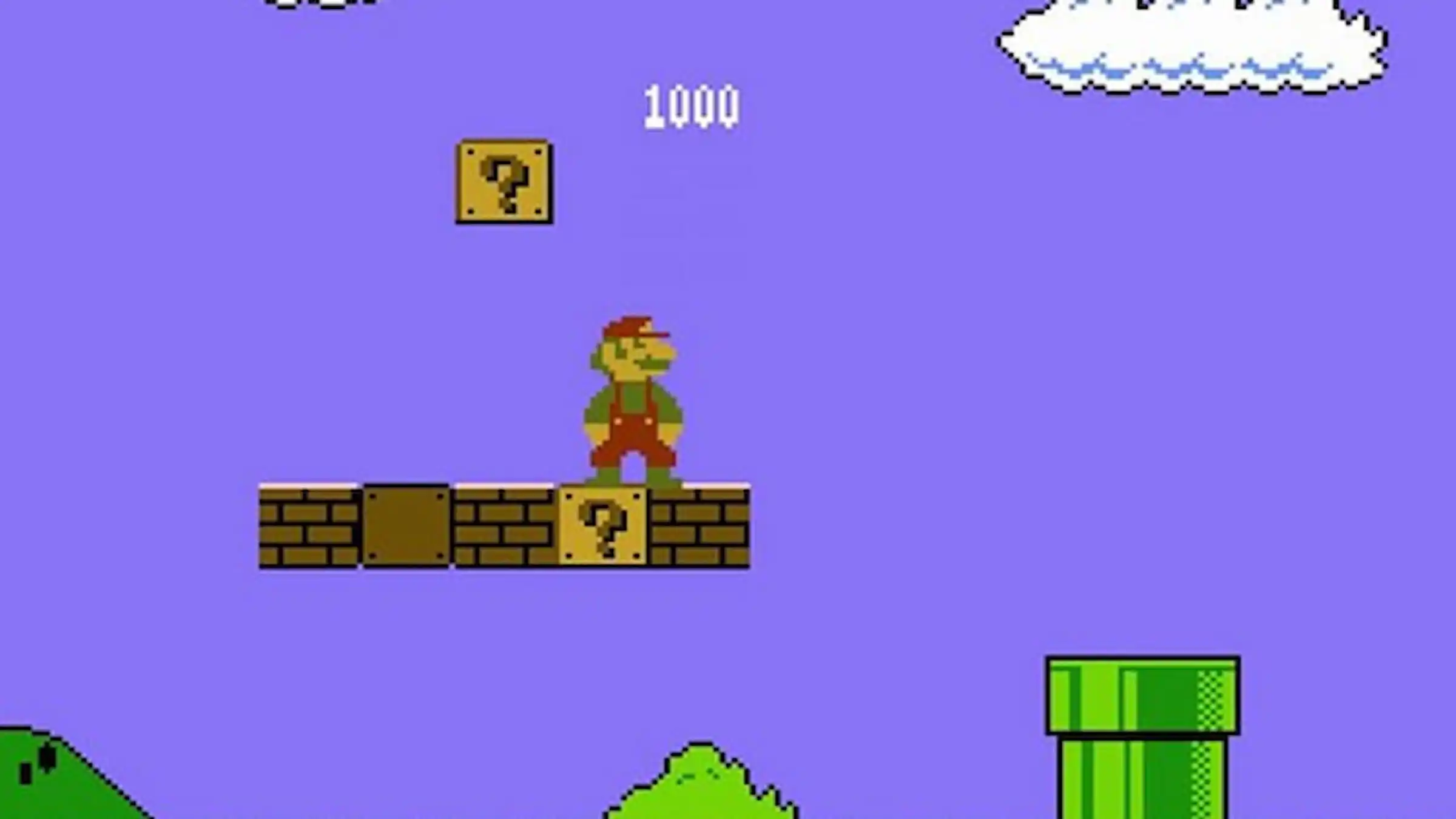
Platformer games were hugely important in the early days of video games, even before we had the large open-world and constantly updated games we see today. They were a great starting point for many gamers, with easy-to-learn controls and fun worlds built around jumping and moving. Over time, platformers have changed a lot, growing from simple 2D games into large 3D adventures with lots to explore, items to collect, battles to fight, and puzzles to solve. Developers still use ideas from these classic platformers because they created many of the basic gameplay elements we still see in games today.
Platforming games have come a long way, but a few key titles really defined the genre. Some created the foundation for how 2D platformers play, while others revolutionized movement and exploration in 3D. These games also heavily influenced how levels are designed and even sparked the creation of entirely new types of platformers that are still popular today. Whether you realize it or not, many modern games still borrow ideas from these influential classics. These five games didn’t just impact platformers—they helped shape the entire gaming landscape.
5) Sonic the Hedgehog
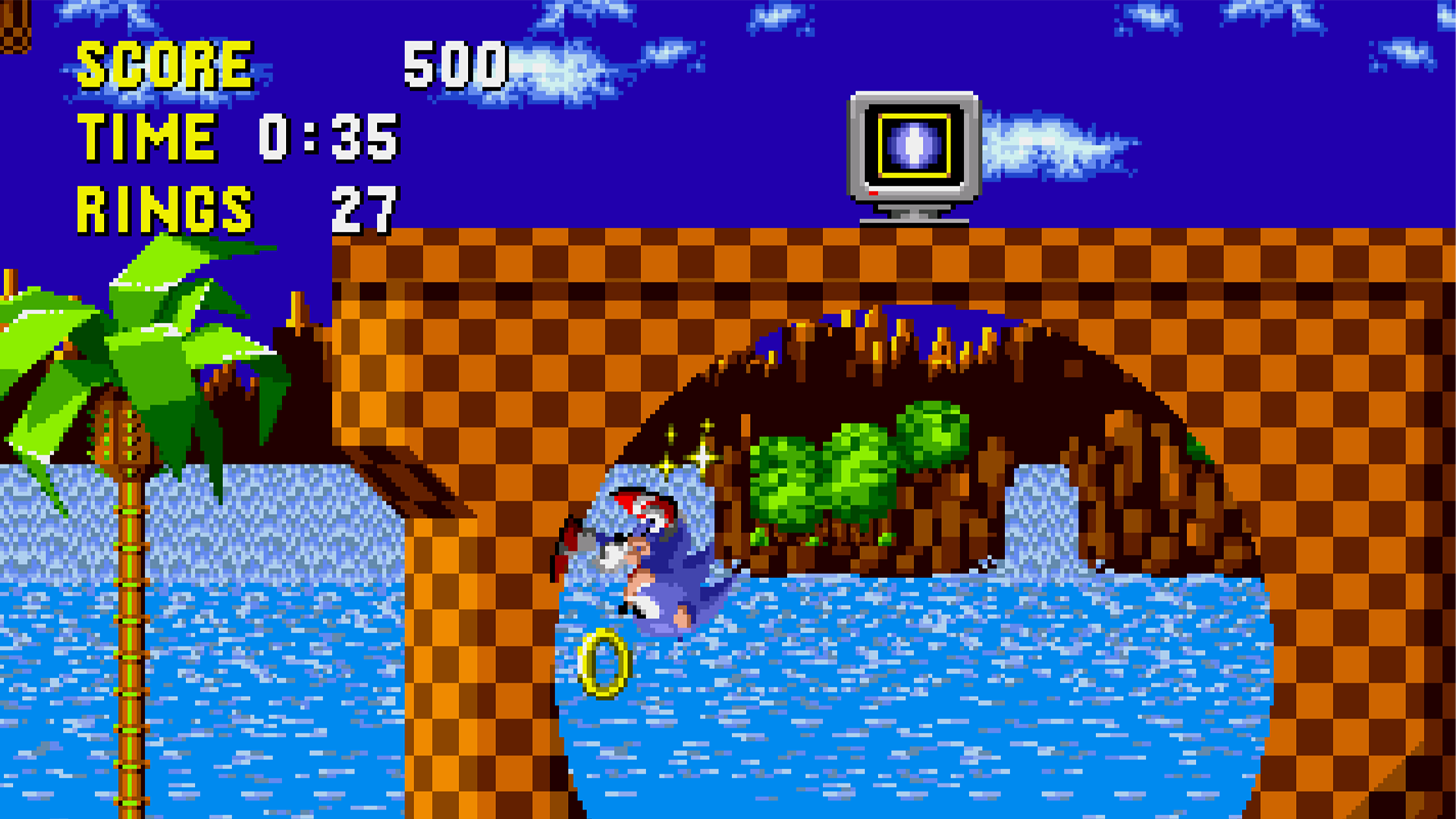
In 1991, Sega created Sonic the Hedgehog to challenge Nintendo’s Mario. Rather than imitate Mario, Sega emphasized speed, which proved to be a key factor in Sonic‘s success and made it a hugely popular game series. The first Sonic the Hedgehog game changed platforming by focusing on building up speed and maintaining momentum. Levels were designed with loops, hills, springs, and multiple paths to keep players moving quickly.
Instead of requiring careful, precise movements, the game focused on fast reactions and maintaining momentum, which quickly set it apart. Sonic’s emphasis on speed became a major influence, inspiring many other game developers to try faster-paced platforming. Sonic proved this style of gameplay could be successful, and by the 1990s, games of all types started prioritizing smooth, flowing movement and a good pace.
The competition between Sega and Nintendo was a major force in improving video games during this period. Many kids remember seeing ads for Sonic the Hedgehog and feeling like it was a faster, more exciting alternative to games like Mario. This clever marketing, combined with Sonic’s speedy gameplay, really shaped a generation of gamers. Like Mario, Sonic is still popular today, constantly trying out new game types and features.
4) Banjo Kazooie
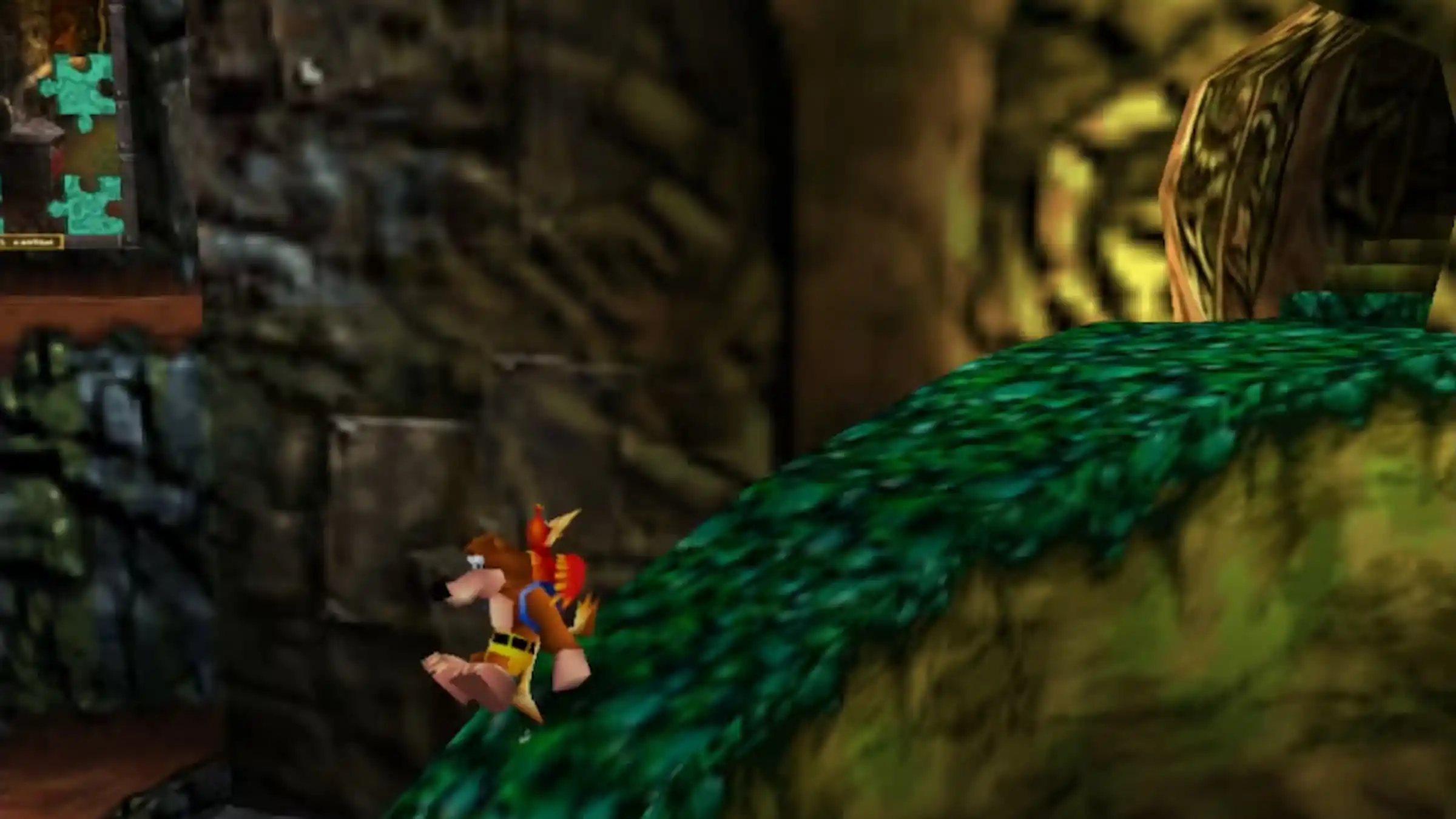
Released in 1998, Rare’s Banjo-Kazooie came along when 3D platform games were becoming hugely popular. Though clearly influenced by Super Mario 64, Banjo-Kazooie quickly stood out thanks to its funny moments, engaging characters, and focus on collecting items as you explored. It was also important in making “partner platformers” a popular idea – the game featured Banjo and Kazooie working together, each with unique skills that helped them get through levels and solve challenges. This teamwork made the gameplay more interesting and gave the characters more personality.
The game perfected the style of collecting items that became popular in platformer games of the late 1990s. Each level was filled with collectibles like Jiggies and musical notes, along with hidden secrets and optional challenges. Discovering everything became just as important as being good at jumping and running. Instead of rushing to the end, players were motivated to thoroughly explore every part of each world, and the fun relationship between Banjo and Kazooie, along with their abilities, made this exploration rewarding.
Replaying Banjo-Kazooie recently really hit me with just how much charm this game has. Rare packed it with funny, memorable conversations, really expressive characters, and worlds that still feel totally unique, even after all these years. It proved that platformers could be more than just jumping – they could be genuinely funny and have a ton of personality, which was pretty rare back then. Honestly, I’m still holding out hope for a proper remake, even though it feels like we’ve been waiting forever!
3) Metroid

Okay, so people argue about whether Metroid is really a platformer, but honestly, it totally changed how games let you explore and move around. It came out way back in 1986 on the NES, and it’s a huge reason why we even have the Metroidvania genre today, alongside Castlevania: Symphony of the Night. What set Metroid apart from most platformers back then was how much it focused on just letting you wander and get stronger by finding new abilities. It wasn’t just about jumping; it was about discovering and upgrading!
Players explored a huge, connected world as Samus Aran, gaining new abilities that let them reach areas previously blocked off. This design cleverly encouraged players to revisit old locations and rewarded them for exploring, something very few games had done at the time. Thanks to the original Metroid, the ‘Metroidvania’ style remains incredibly popular today. Games like Hollow Knight, Ori and the Blind Forest, and Dead Cells all use ideas and systems that were first introduced decades ago.
Beyond its gameplay, Metroid was distinctive for its atmosphere. Its lonely environments, eerie music, and minimal guidance created a powerful feeling of both isolation and exploration. To this day, many independent game developers point to Metroid as a major influence, praising how well it combined action-platforming with immersive world design. The series remains popular, with recent releases like Metroid Dread and the upcoming Metroid Prime 4: Beyond proving its success in both 2D and 3D formats.
2) Super Mario 64
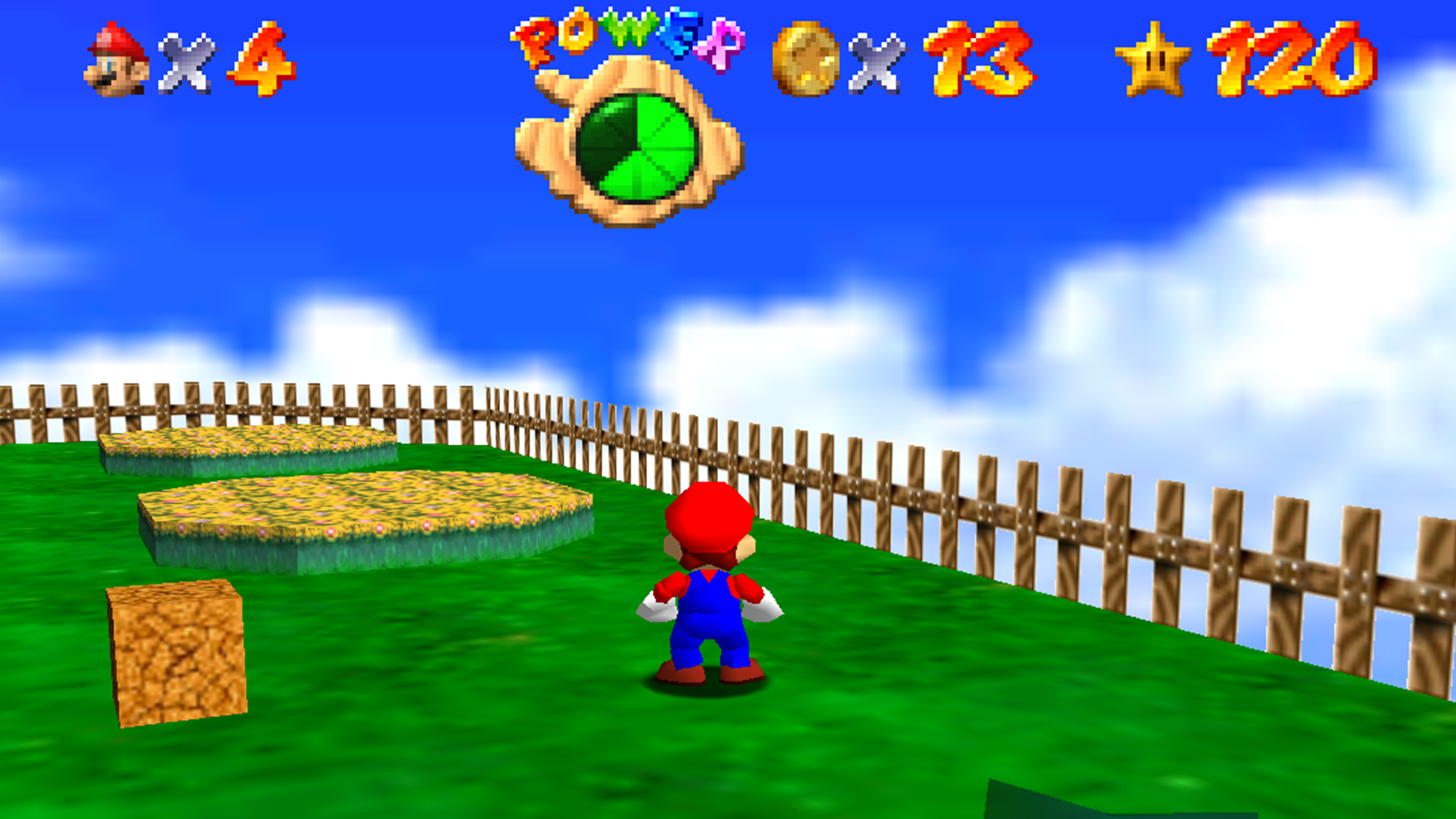
While Super Mario Bros. set the standard for 2D platforming, Super Mario 64 completely changed the game for 3D worlds. When it launched with the Nintendo 64 in 1996, developers were still learning how to make 3D games fun and effective. Super Mario 64 quickly provided answers and became a beloved classic – many fans still consider it the greatest 3D Mario game of all time.
Super Mario 64 gave players smooth, accurate control with its analog stick and a camera system that felt natural for exploring 3D worlds. Instead of forcing players down a single path, the game let you freely explore its levels. It was incredibly influential, and almost every 3D platformer that followed took inspiration from it. These games copied elements like central hub worlds, collecting items to unlock progress, gameplay focused on movement, and the freedom to explore, all of which Nintendo proved could be incredibly effective.
Super Mario 64 didn’t just create a great game, it changed what players wanted from 3D games. Before it came out, people were happy with basic 3D functionality. Afterwards, they expected immersive worlds, lots of freedom, and controls that felt natural. This raised the bar for all game developers and set a new standard for the industry. It’s impossible to talk about important platforming games without recognizing how much Super Mario 64 revolutionized gaming. Even now, many games still borrow ideas and gameplay elements directly from this classic title.
1) Super Mario Bros.
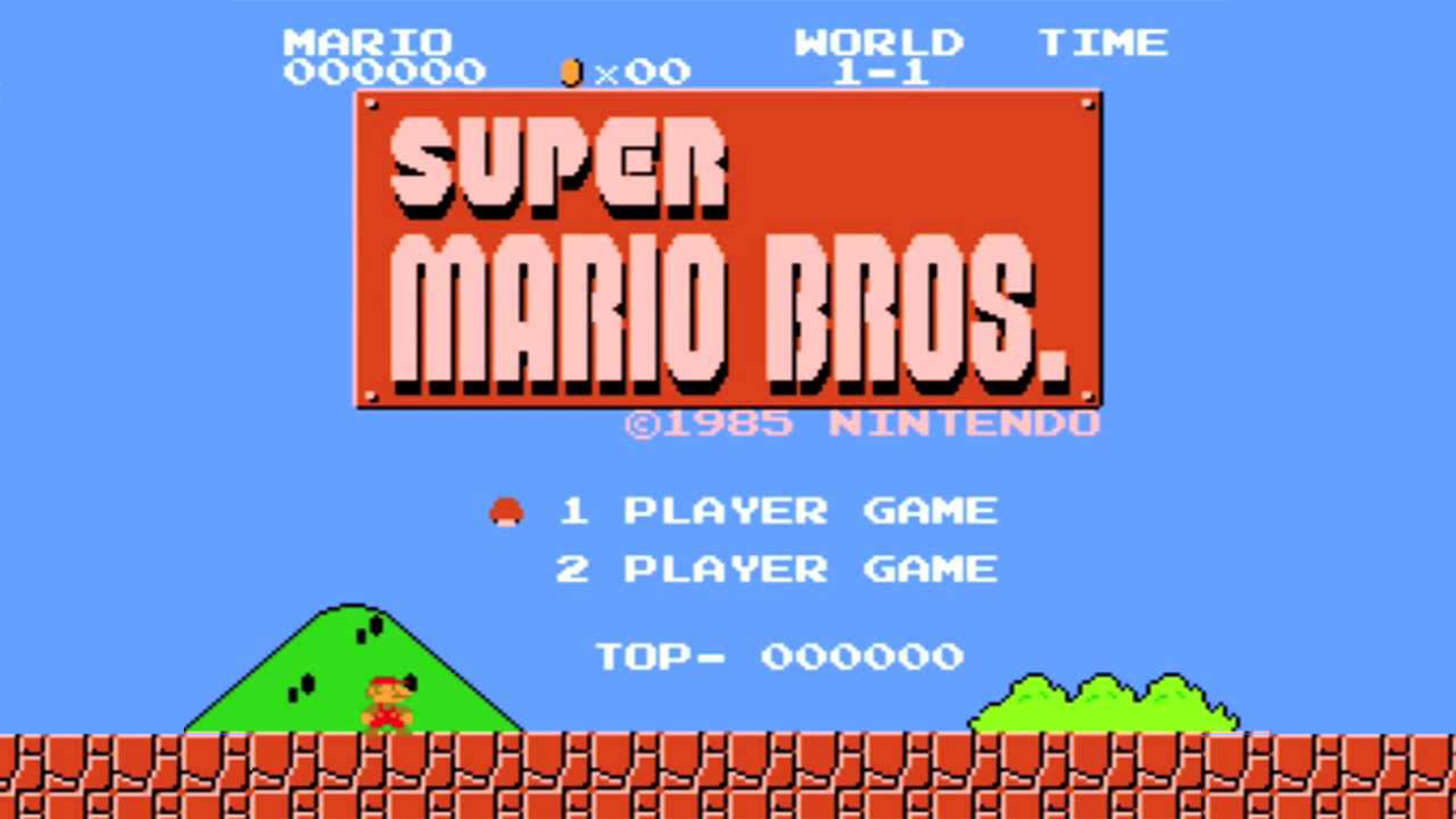
It’s impossible to overstate how much Super Mario Bros. shaped the platformer genre. Released with the NES in 1985, it set the standard for many of the key elements we still see in platformers today. Things like smooth movement, jumping with momentum, hidden areas, power-ups, and well-crafted levels all became common thanks to this game. For years after its release, developers throughout the industry drew inspiration from Super Mario Bros.
One of the key reasons this game is still so well-regarded is how easy it was to pick up and play. Instead of long, complicated instructions, the first level gently guided players through the controls. Game designers today often point to that first level as a perfect example of teaching players how a game works simply by letting them play. Players naturally learned to jump, dodge enemies, and find hidden items. In fact, the very first enemy you encounter, the Goomba, has defeated more players than almost any other, because it effectively teaches you to pay attention to the game’s rules.
It’s amazing how well Super Mario Bros. still plays after all these years. Even today, the controls feel great – which is impressive for a game that’s over forty years old! That kind of lasting appeal comes from a truly excellent design. The original Mario really established the standard for all platforming games that followed, and Nintendo has consistently delivered successful Mario games ever since.
Read More
- FRONT MISSION 3: Remake coming to PS5, Xbox Series, PS4, Xbox One, and PC on January 30, 2026
- Best Controller Settings for ARC Raiders
- Taylor Sheridan’s Gritty 5-Part Crime Show Reveals New Final Season Villain
- The Boys Season 5 Officially Ends An Era For Jensen Ackles’ Soldier Boy
- ‘The Bride!’ Review: Jessie Buckley Breathes Life into a Monstrous Mess
- Invincible Season 4 Episode 4 Post-Credits Unveils a Demonic Return & More
- Welcome to Demon School! Iruma-kun season 4 release schedule: When are new episodes on Crunchyroll?
- From season 4 release schedule: When is episode 2 out on MGM+?
- Mark Zuckerberg & Wife Priscilla Chan Make Surprise Debut at Met Gala
- Meet the cast of Good Omens season 3: All the actors and characters
2026-05-15 00:15