As a sci-fi critic, I’ve always believed the best stories don’t just tell you about a new world, they build one. We’re talking fully realized societies, complete with economies, governments, and everything in between. And honestly, to really lose yourself in these far-off galaxies or future timelines, authors often need to go big – think sprawling sagas instead of quick reads. It gives them the room to explore those fascinating, complex ideas – the tech, the alien biology, all of it. But here’s the thing: crafting a believable universe across multiple books isn’t easy. It requires incredible detail, and sadly, not every sci-fi series pulls it off.
It’s common for book series to have three or four installments, but science fiction series rarely go beyond ten books. Keeping a story engaging for that long is challenging for both the writer and the reader. Plus, it’s hard to avoid readers getting tired of the same story over and over, and even harder to make sure every book remains excellent. Despite these difficulties, a few talented authors have managed to create truly epic, long-running series.
5) Honor Harrington
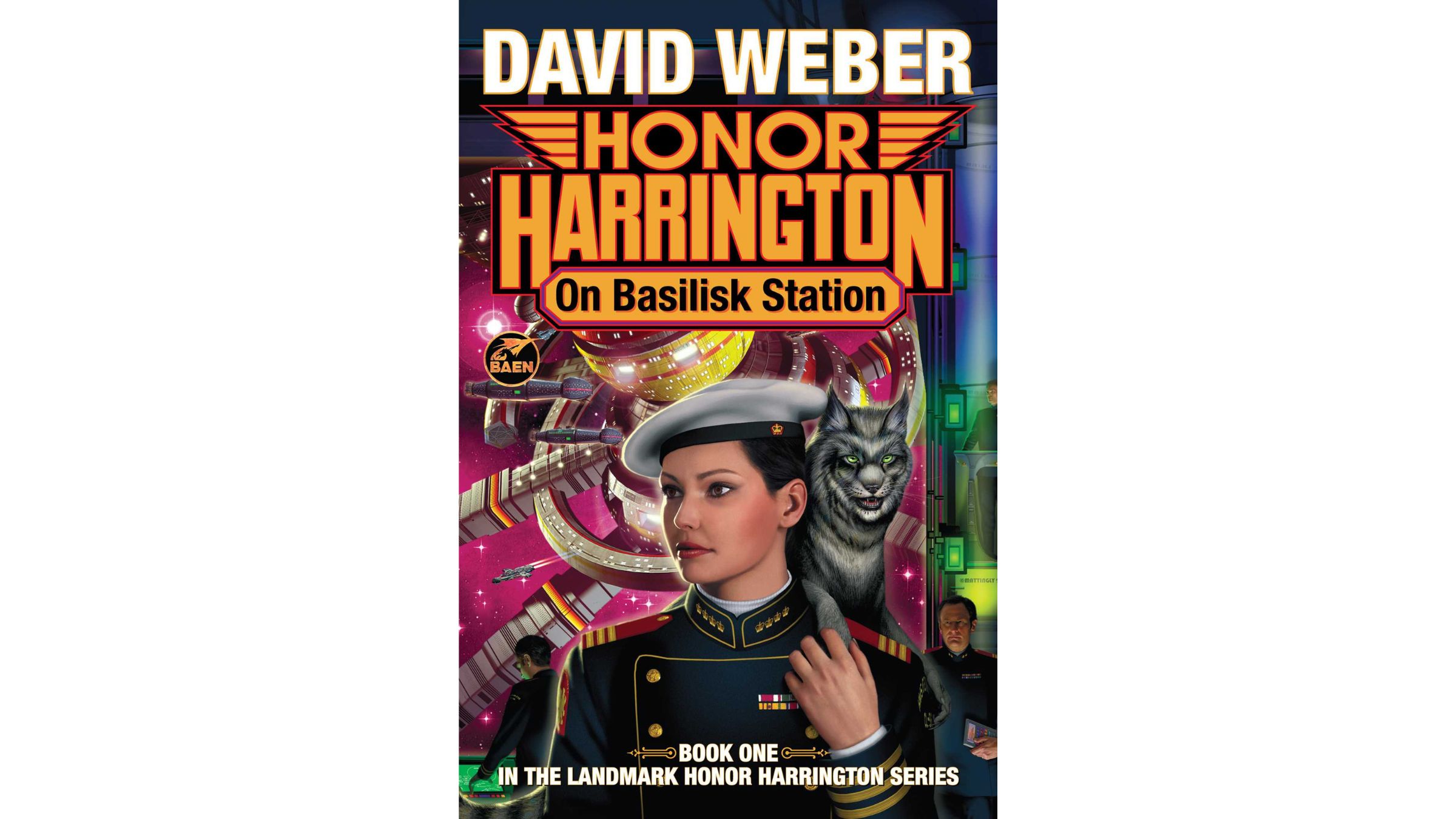
David Weber’s Honor Harrington series has become a huge force in military science fiction, with 14 main books and many additional spin-offs. The stories take the traditions of historical naval warfare and place them in a futuristic space setting, following the career of Honor Harrington as she climbs the ranks of the Royal Manticoran Navy. Weber spends a lot of time explaining the details of space battles, carefully outlining how things like missiles, propulsion systems, and faster-than-light travel work. This attention to technical detail creates a consistent and believable universe where victories are achieved through smart strategy, not just luck or plot convenience. The series’ large scale also allows Weber to explore the changing relationships and economic troubles of many different star nations over a long period of time.
4) Foreigner
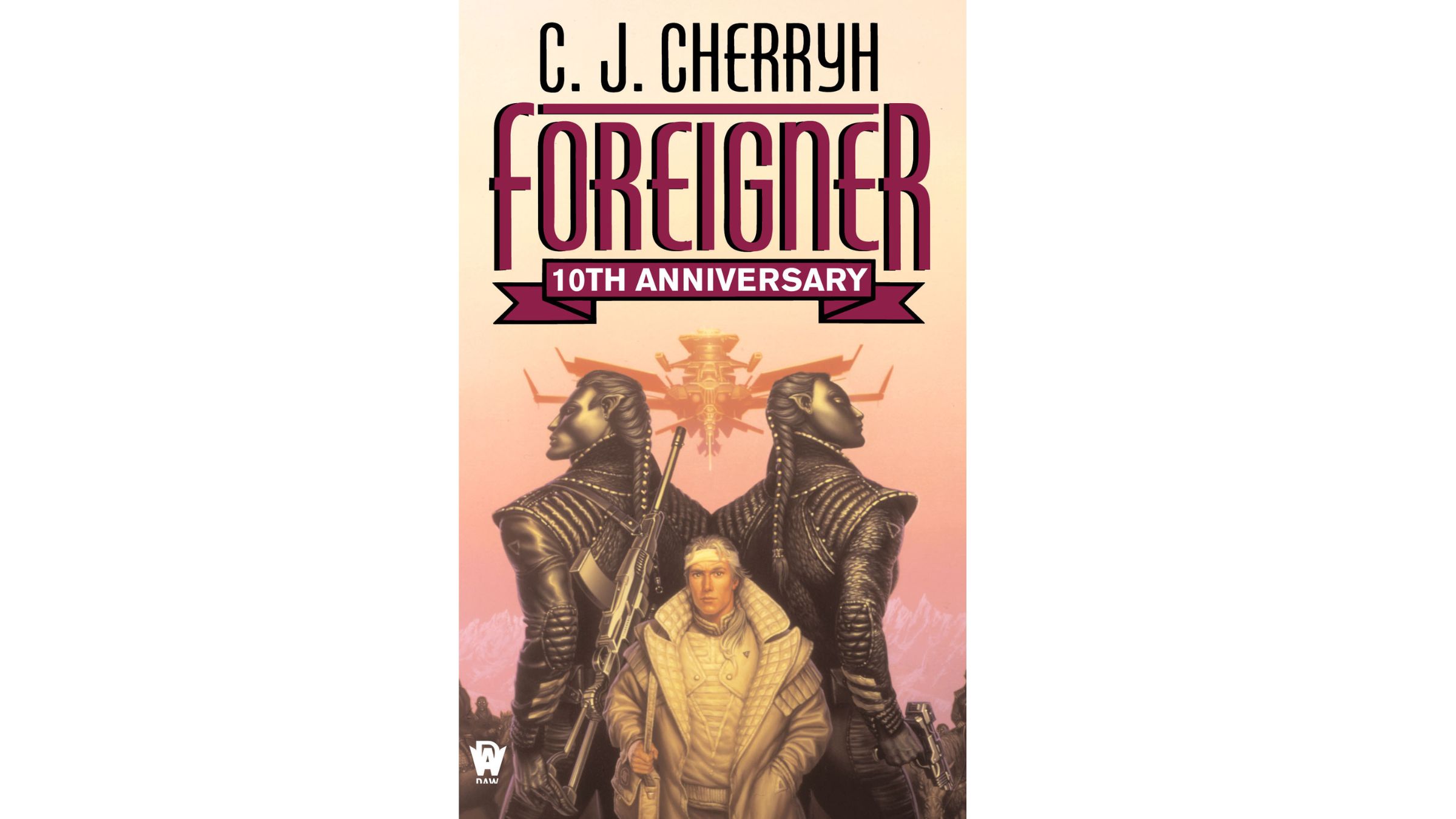
C.J. Cherryh began her Foreigner series in 1994, creating a large and detailed story about language and culture that now includes 22 books, grouped into different story arcs. The main story follows Bren Cameron, the only human who can translate and negotiate with the atevi – a powerful alien race sharing a planet with a group of human colonists. What makes the series so compelling is Cherryh’s careful attention to how the atevi think. They don’t understand concepts like friendship or love, instead relying on deeply ingrained instincts of loyalty. This huge difference in how they think creates constant tension, making even simple conversations feel like a dangerous game. Over the course of many books, the series thoughtfully examines how cultures can blend and become dependent on each other, and how living among the atevi for decades changes Bren himself, showing how alien cultures can reshape who we are.
3) The Vorkosigan Saga

Lois McMaster Bujold’s The Vorkosigan Saga is a complex and thoughtful series—spanning 17 novels, plus many shorter works—that explores themes of fate versus free will and the possibility of societal change. The story mainly centers on Miles Vorkosigan, a gifted but physically challenged nobleman who lives in the rigidly structured, militaristic world of Barrayar. Because the series is so extensive, it has the room to grow and change, starting as military science fiction and evolving into stories of political intrigue and even humor. We see Miles age, overcome serious injuries, and change careers, allowing for a deep and realistic character arc. Importantly, the series often subverts typical science fiction tropes by focusing on solutions like diplomacy, intelligence gathering, and medical progress rather than just brute force, making it a smart and satisfying read.
2) The Culture
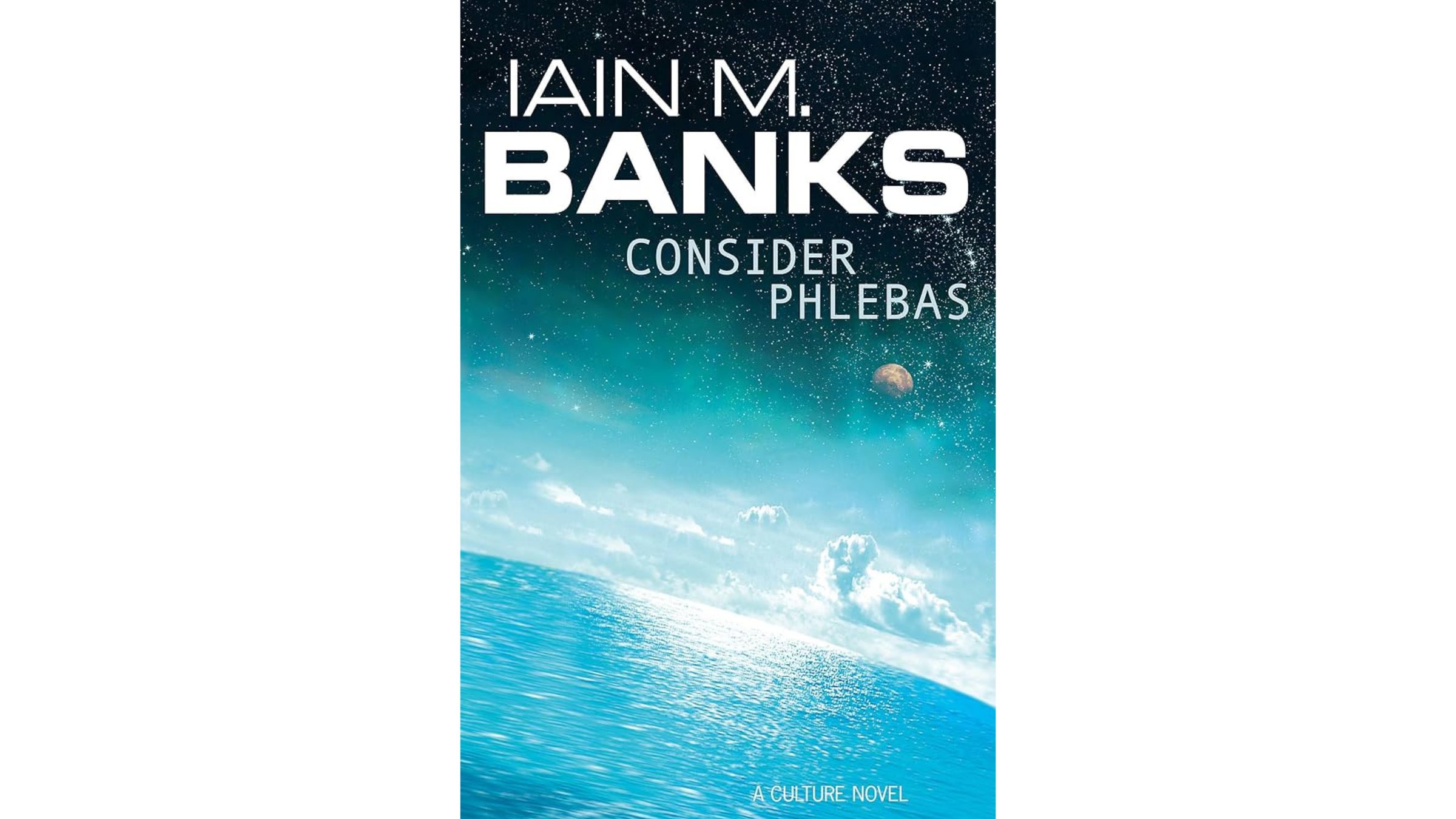
Iain M. Banks’ Culture series imagines a future where advanced artificial intelligences, called Minds, manage a society with limitless resources. The series isn’t told in a single timeline; instead, it’s made up of ten separate novels that all take place within this complex, utopian civilization. This allows Banks to explore the difficult ethical questions that arise when such an advanced society encounters less developed and often hostile alien cultures. Novels like Use of Weapons and The Player of Games delve into the moral sacrifices sometimes necessary to preserve a perfect society, often through the eyes of the Minds’ covert operatives, known as Special Circumstances. The series also examines what it means to be human when powerful, alien intelligences are in control. Taken together, these ten books offer a deep look at the idea of utopia and have established the Culture series as a landmark achievement in science fiction.
1) The Expanse

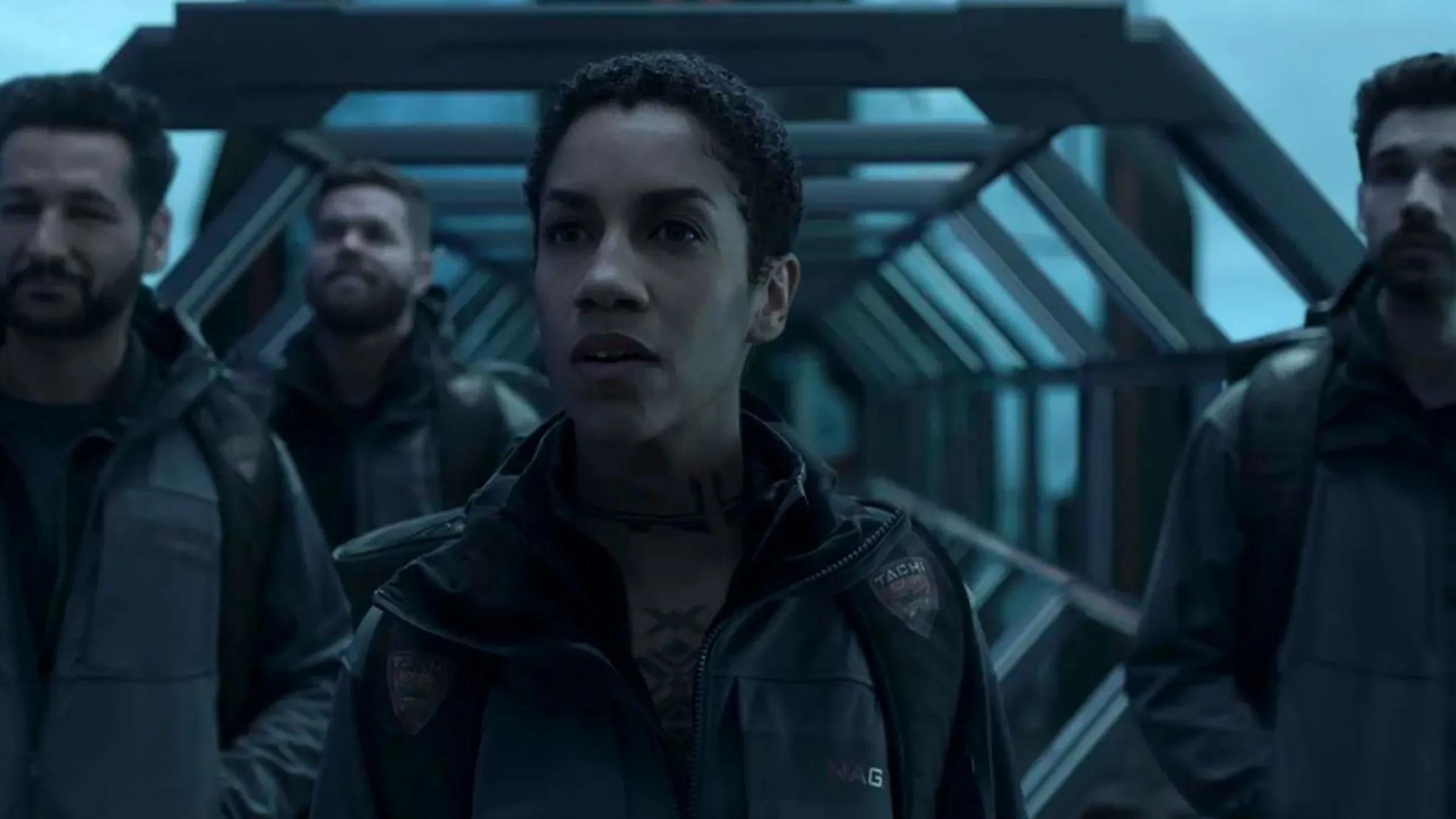
Before it became a popular TV series, The Expanse, written by James S.A. Corey, revitalized the space opera genre with its realistic depiction of space travel and politics. The main story unfolds across nine novels, plus a collection of shorter works in Memory’s Legion, for a total of ten books. It starts as a conflict between Earth, Mars, and the disadvantaged people of the asteroid belt, but quickly expands into a galaxy-wide crisis when ancient alien technology is found. Throughout the series, the journey of James Holden and the crew of the Rocinante provides a personal connection to the large-scale political changes, as the authors carefully explore the economic and social effects of humanity’s expansion through these new “ring gates.” This focus on believable science and complex human relationships means the final book provides a satisfying conclusion to ideas presented throughout the entire series.
What’s your favorite large-scale science fiction universe? Share your thoughts in the comments and join the discussion in the ComicBook Forum!
Read More
- Review: Final Fantasy Tactics: The Ivalice Chronicles (PS5) – Still the Benchmark for Turn-Based Tactics
- Mark Zuckerberg & Wife Priscilla Chan Make Surprise Debut at Met Gala
- Elon Musk’s Mom Maye Musk Shares Her Parenting Philosophy
- 10 Greatest Manga Endings of All Time
- The WONDERfools ending explained: What happened to the Child of Eternity?
- Forza Horizon 6 Car List So Far: Confirmed Highlights, Cover Cars, DLC, and Rewards
- The Witcher 3 Officially Reveals Stunning New Ciri Figure Coming 2026
- Nippon Sangoku Is The Best New Post-Apocalyptic Anime of Spring 2026
- The First 10 Members of the Thunderbolts, Ranked by Power
- New One Piece Live-Action Rumor Teases Netflix TV Show’s Season 4
2026-04-30 21:22