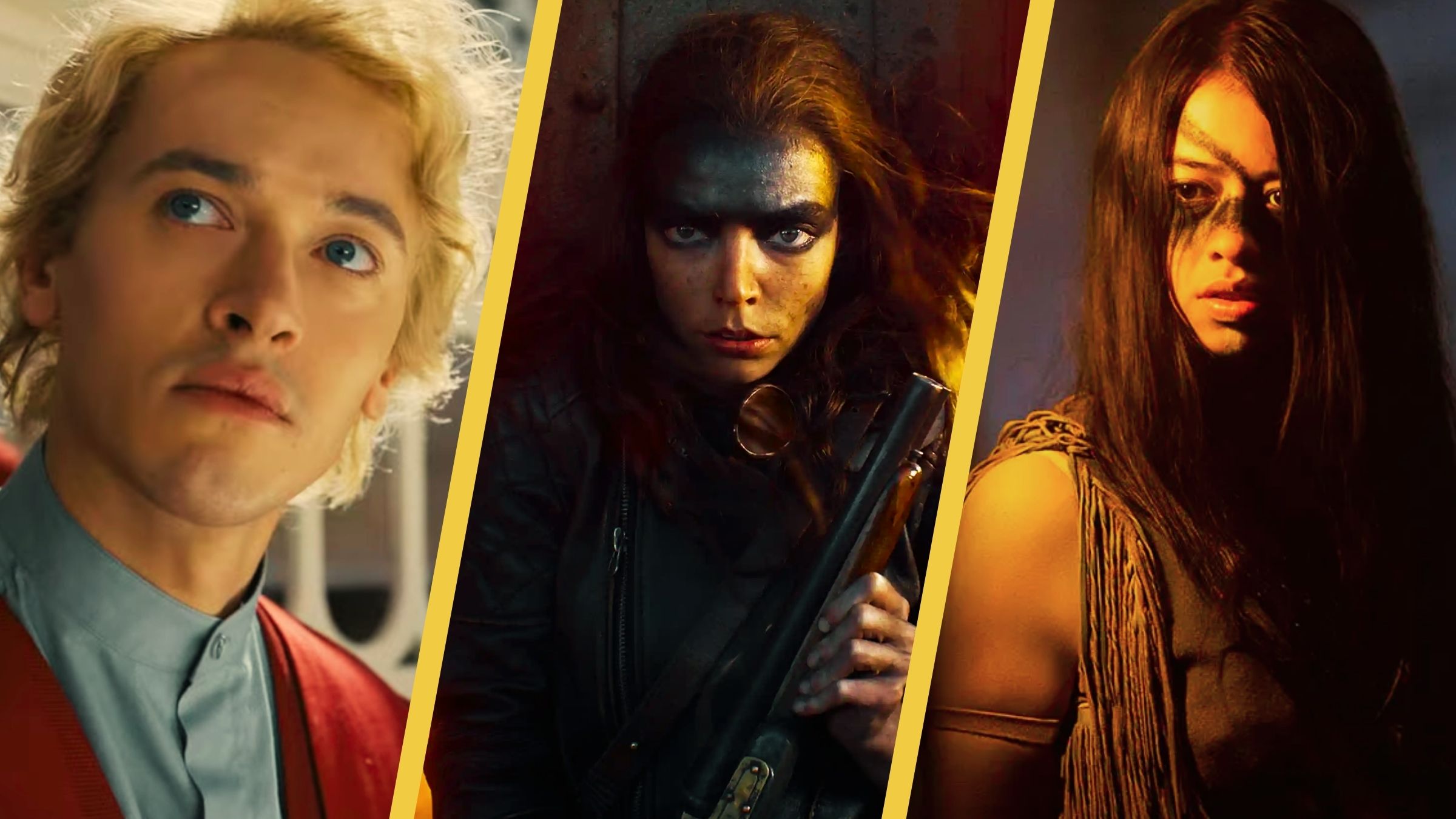
When a prequel is announced, it often brings mixed feelings. It’s not that prequels are always bad, but we’re usually unsure what to anticipate. Many seem to exist simply to answer questions no one was asking, extend a franchise unnecessarily, or provide backstory for characters who didn’t need it. It’s a common attempt to show ‘how it all began,’ but it only works if the story is well-written and executed. Occasionally, though, a prequel comes along that actually enhances the original story instead of just explaining it.
We’re focusing on truly exceptional sequels – the ones that set the standard. They don’t just improve on the original story, they make you want to revisit the first film with a fresh perspective.
7) The Hunger Games: The Ballad of Songbirds and Snakes

What The Hunger Games: The Ballad of Songbirds and Snakes does exceptionally well is avoid simply retelling the story of a rebellion against the Capitol – the series had already covered that ground. Instead, the film offers a fresh perspective by focusing on a young Coriolanus Snow (Tom Blyth) and illustrating how a smart, driven, and struggling individual can gradually become a villain. We see him, as a poor student, mentoring Lucy Gray (Rachel Zegler) in the Hunger Games and learning to use manipulation – initially to get by, but ultimately because he relishes the power it gives him.
This prequel enhances the entire Hunger Games series by providing a richer, more detailed understanding of its world. Previously, President Snow was simply a feared antagonist. Now, we see him as a product of the very system he upholds. The film also reveals the origins of the Hunger Games, emphasizing that Panem was deliberately created, refined, and perfected by figures like Snow. Because of this, revisiting Katniss’s story feels more impactful – you now have a deeper understanding of the motivations and mindset driving the events.
6) Furiosa: A Mad Max Saga
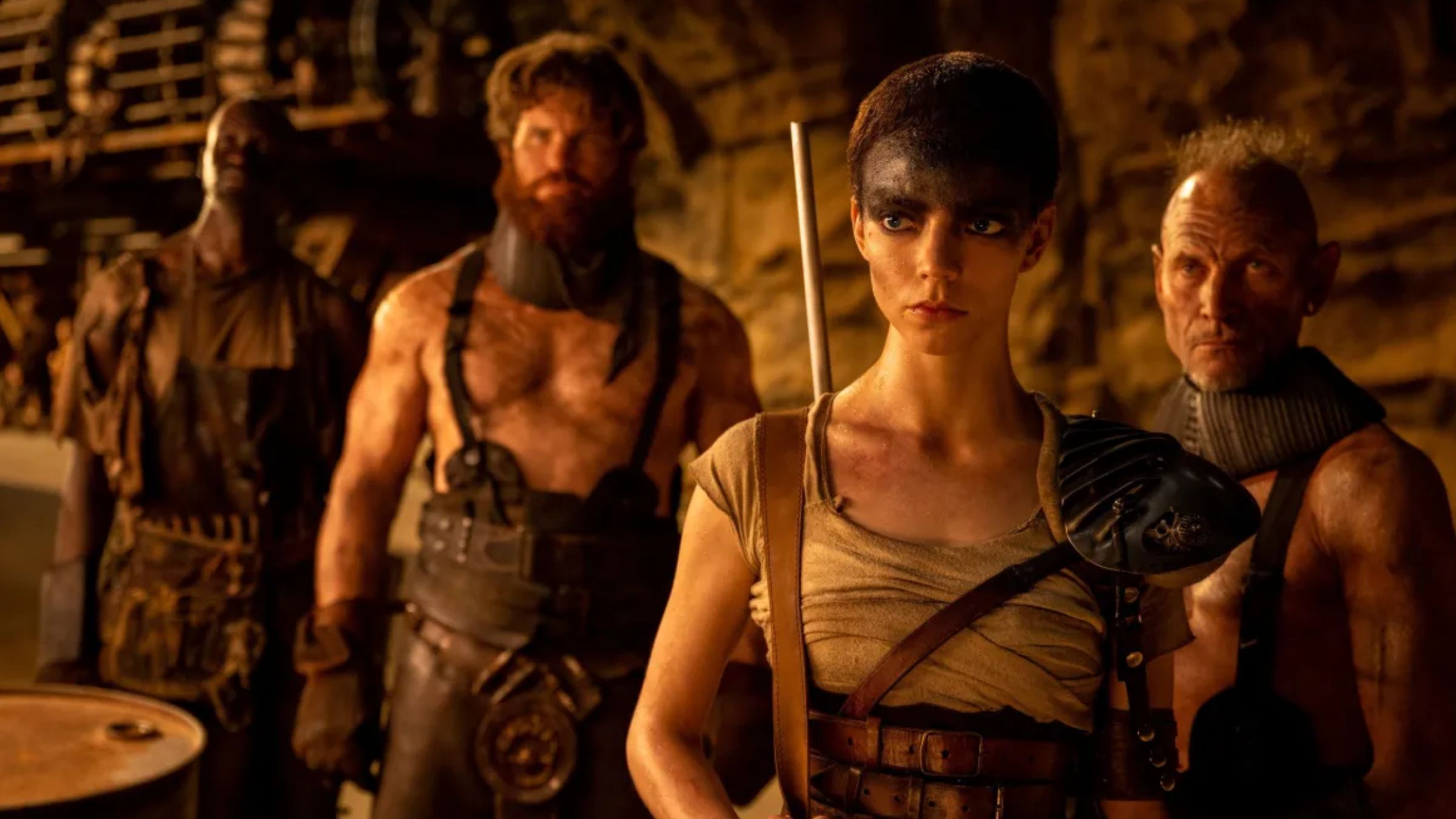
When Furiosa: A Mad Max Saga was announced, there was concern it would simply be a way to capitalize on a popular character from a beloved film. However, the movie delivers a complete and compelling story with a definite start, middle, and end. We see Furiosa (Anya Taylor-Joy) from her childhood, taken from her family and thrust into the brutal world of the Wasteland. The film depicts her upbringing amidst war, hardship, and dangerous people, and while it features the expected action, its core is about how these experiences forged Furiosa into who she becomes.
The new film adds depth to what we already loved about the original. Now, the character feels fully realized, with a past that explains her strength and resilience. While Fury Road was a thrilling, non-stop ride, it didn’t delve into backstory. Furiosa skillfully fills in those gaps without ruining the intrigue, constantly reminding us that life in the wasteland is about enduring hardship and making sacrifices. We see that her strength isn’t just natural talent—it’s forged by loss and trauma, and her determination to keep going. This makes her later actions feel more meaningful and understandable.
5) Pearl
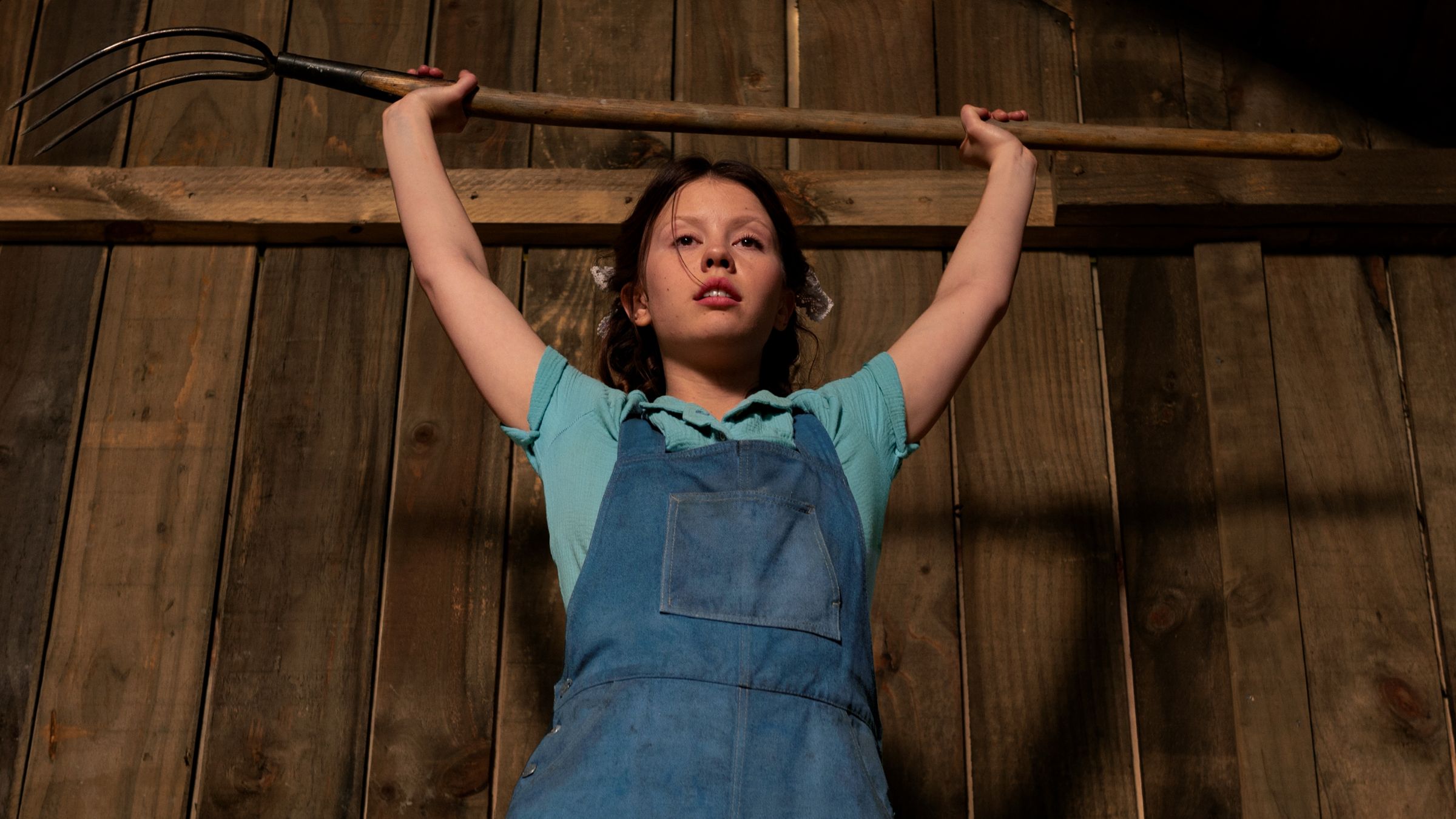
Ti West’s Pearl feels like a direct response to disappointing prequels. Instead of simply explaining a villain’s origin story in a predictable way, it deliberately aims to disturb the audience. The film centers on Pearl (Mia Goth), a young woman trapped on a farm with a domineering mother and ailing father, who desperately longs for stardom. However, the movie suggests Pearl’s problems aren’t solely due to her circumstances – she’s a troubled person at her core. This leads to a descent into delusion and ultimately, violence, all of which feels tragically unavoidable.
In X, Pearl is frightening, but she largely fits the familiar trope of the scary old woman in a horror film. However, Pearl transforms her into something much deeper – a genuinely tragic figure. It’s not about pitying her, but about finally understanding the profound emptiness that consumes her. This understanding makes the violence in X even more disturbing, as it becomes clear it’s an outburst from someone who felt ignored her entire life. When a prequel can completely reshape your understanding of the original movie without feeling contrived, you know it’s exceptionally well done.
4) Prey

At its heart, Prey understands what made the original Predator so effective: the thrill of the hunt. The film follows Naru, a young Comanche woman eager to demonstrate her skills as a hunter, who soon discovers a far more dangerous creature is hunting in the forest – a Predator testing its weapons and hunting for fun. What follows is a gripping fight for survival, where Naru must quickly adapt and outsmart her powerful opponent or become its next victim.
The strength of Prey lies in how well it understands and captures the essence of the original 1987 film – better than any other sequel has managed. It avoids relying on excessive fan references, unnecessary details, or feeling like a manufactured product. The movie is focused, fast-paced, and expertly crafted. Moving the story to a different era was a brilliant decision; it levels the playing field by removing modern technology, forcing the protagonist, Naru, to rely on her wits and skill. This makes the Predator truly frightening once more. Ultimately, Prey succeeds because it’s a straightforward story, powerfully told, with genuine suspense.
3) X-Men: First Class
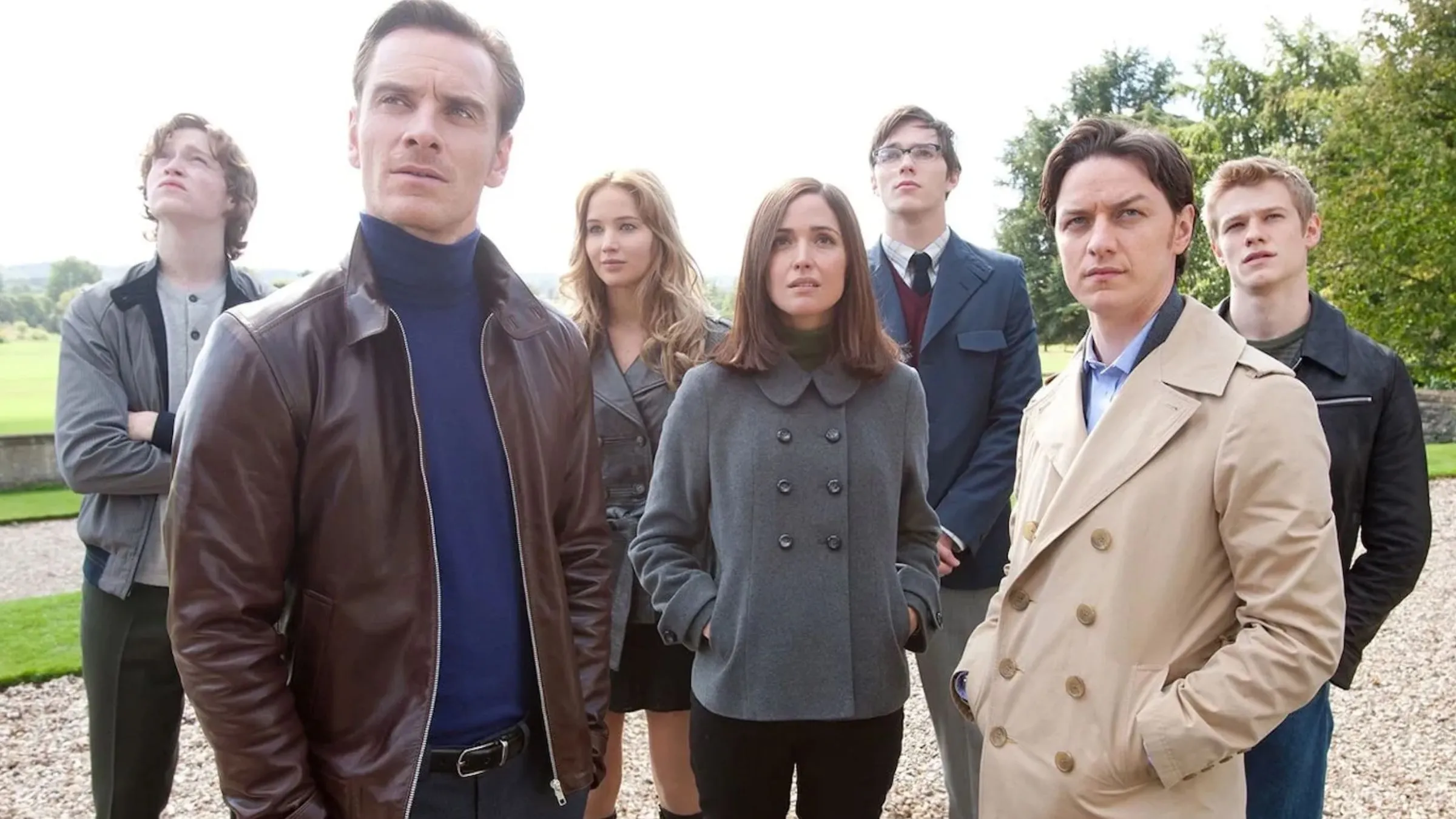
Franchises can sometimes lose their way with too many installments, but the prequel X-Men: First Class helped revitalize things. It cleverly returned to the heart of the story, focusing on the origins of the X-Men. Set in the 1960s, the film shows Charles Xavier (James McAvoy) assembling the first team of mutants while Erik Lehnsherr (Michael Fassbender) seeks out Nazi criminals and becomes entangled in Xavier’s work. What makes this film special isn’t a big battle, but the growing conflict between Xavier and Magneto, two central figures in the X-Men universe, and how their differing ideologies pull them apart. This adds a much deeper emotional layer to their rivalry than the earlier films explored.
Previously, the X-Men films focused on established versions of characters like the noble professor and the dramatic villain. But First Class shows us the development of their friendship, respect, and eventual conflict, building it realistically over time. The film also smartly places the mutants within a believable political landscape, which enhances the X-Men’s core theme of social commentary. This approach makes revisiting the older movies more rewarding, as you now see Xavier and Magneto as complex individuals with shared history, pain, and lingering anger – making the entire series more engaging.
2) Rise of the Planet of the Apes

Many reboots try to update old stories, and Rise of the Planet of the Apes could easily have been one of them. Instead, it cleverly tells the story of how the apes’ rebellion began. The film centers on a scientist’s Alzheimer’s research that unexpectedly creates Caesar, a remarkably intelligent chimpanzee. As Caesar matures, he witnesses humanity’s control and mistreatment of the natural world, leading him to believe that rebellion isn’t just an option – it’s inevitable.
This movie elevates the entire reboot—and even surpasses the 1968 original—because its dystopian world feels earned, not just imagined. The original film is a classic, but it immediately throws you into an established world. Rise of the Planet of the Apes, however, carefully builds the emotional journey that leads to that world, which makes a huge impact. Caesar isn’t simply a leader; he’s a deeply developed character with a history of pain and growing anger, and the film ensures you connect with those feelings. Seeing his story unfold from the beginning makes that future world feel less like fantasy and more like a believable possibility.
1) The Godfather Part II
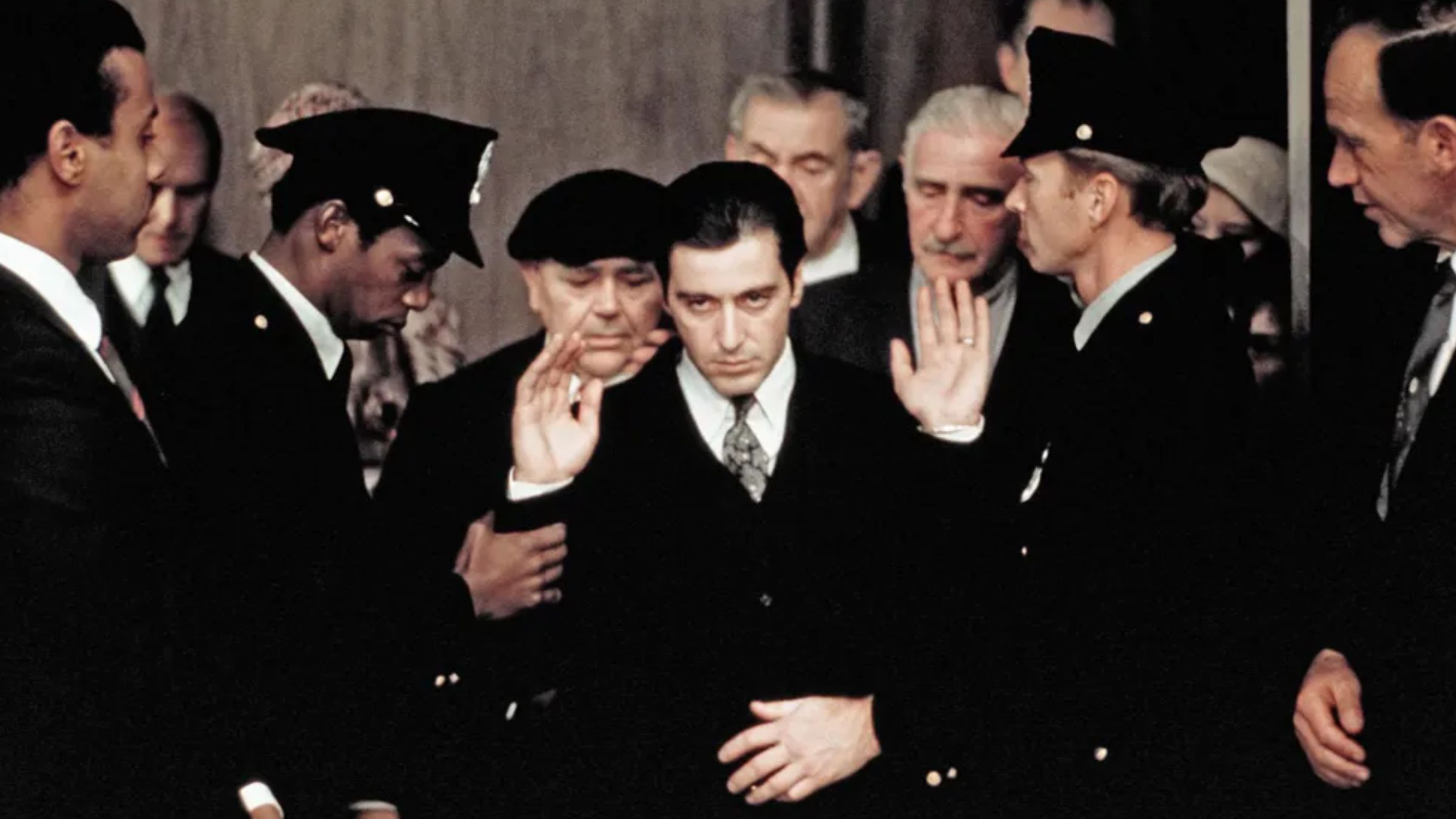
While the original Godfather remains the strongest film in the trilogy, The Godfather Part II really highlights how uninspired most prequels tend to be. Unlike those films, this one doesn’t simply answer questions; it adds layers to the existing tragedy. The movie skillfully weaves together two narratives: young Vito Corleone’s (Robert De Niro) journey from Sicily to establishing his power in New York, and his son Michael’s (Al Pacino) increasingly isolated and paranoid rule as he expands the family business. It’s more than just a story of what came before and after; it’s a powerful comparison between a father and his son.
Seeing the second Godfather film changes how you view the first. While the original showed Michael’s gradual descent into corruption, the sequel reveals this wasn’t simply a change, but a life sentence. Vito achieved success by understanding people, but Michael maintains power through intimidation and eliminating anyone who opposes him. Ironically, the more Michael claims to be protecting his family, the more he destroys what truly matters. Every element of the story foreshadows his ultimate failure – a rare achievement for a prequel, which often just adds background details without deepening the overall meaning.
What are your thoughts on these movie prequels? Share your opinion in the comments and discuss them with other fans in the ComicBook Forum!
https://comicbook.com/movies/list/10-movie-sequels-even-better-than-the-originals/embed/#
Read More
- FRONT MISSION 3: Remake coming to PS5, Xbox Series, PS4, Xbox One, and PC on January 30, 2026
- Best Controller Settings for ARC Raiders
- Taylor Sheridan’s Gritty 5-Part Crime Show Reveals New Final Season Villain
- The Boys Season 5 Officially Ends An Era For Jensen Ackles’ Soldier Boy
- ‘The Bride!’ Review: Jessie Buckley Breathes Life into a Monstrous Mess
- Invincible Season 4 Episode 4 Post-Credits Unveils a Demonic Return & More
- Welcome to Demon School! Iruma-kun season 4 release schedule: When are new episodes on Crunchyroll?
- From season 4 release schedule: When is episode 2 out on MGM+?
- Mark Zuckerberg & Wife Priscilla Chan Make Surprise Debut at Met Gala
- Meet the cast of Good Omens season 3: All the actors and characters
2026-04-23 21:17