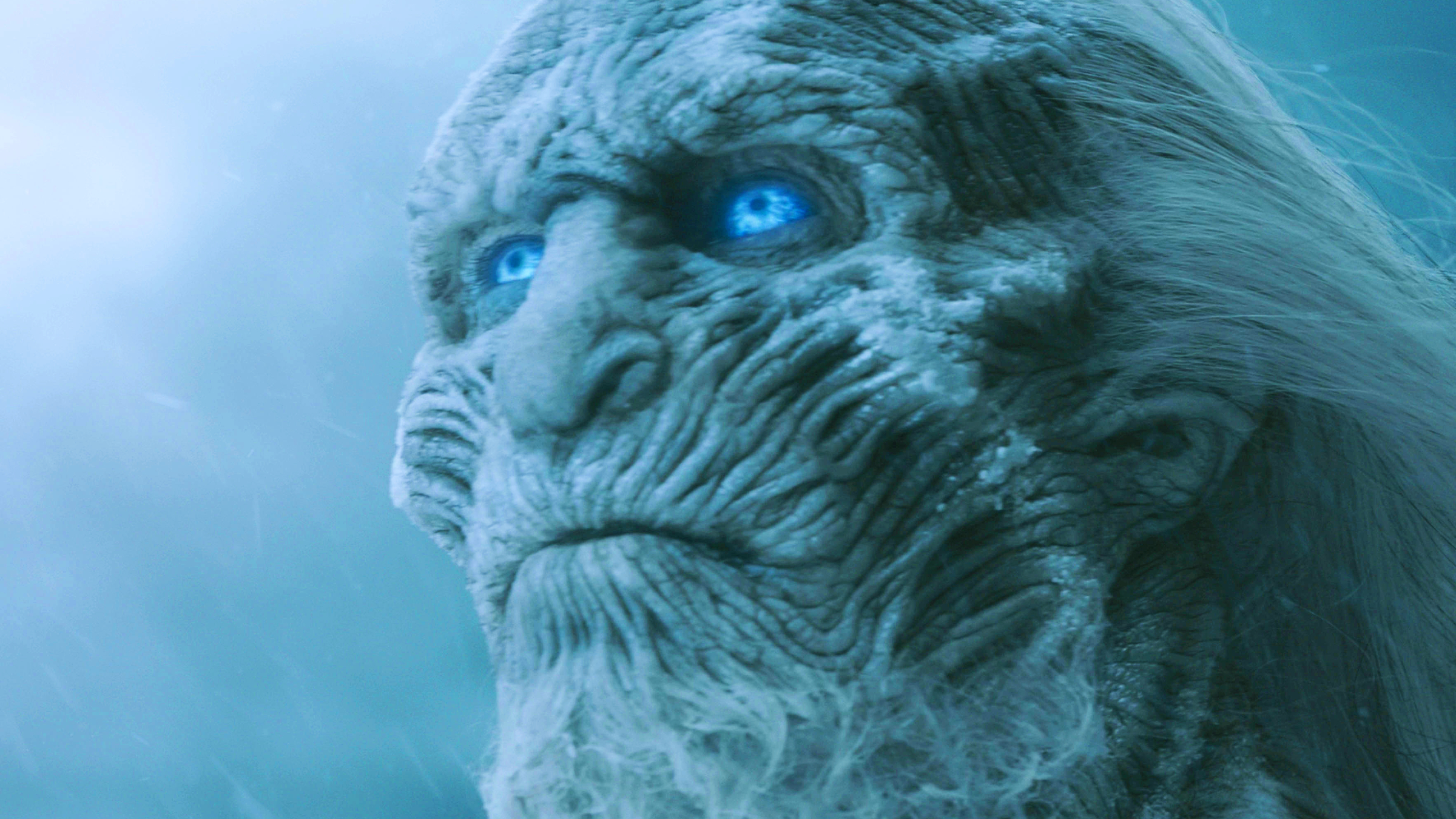
As a huge fan of the Game of Thrones universe, I was really intrigued by A Knight of the Seven Kingdoms. While it doesn’t feature the White Walkers directly, their story is still incredibly relevant. Even though the main threat from the original series was defeated, HBO clearly understands how important that history is to the world they’ve built. We all know about the planned Bloodmoon series, which would have shown the very first Long Night, but unfortunately, it didn’t make it past the pilot. What House of the Dragon did brilliantly was tie everything back to the White Walkers through Aegon the Conqueror’s story – his motivation for conquering Westeros was actually a prophetic dream about them! It was a clever way to remind us of the larger history and stakes.
I was really paying attention to the newest prequel, and while they didn’t talk about Aegon’s dream – even with all the Targaryens – something interesting did happen in the first season finale of A Knight of the Seven Kingdoms. Early in the episode, while Lyonel Baratheon is chatting with his Maester and Dunk, Dunk gets frustrated and blurts out, “The Others fking geld me.” It seems like a random thing to say, but it’s actually a big deal! It’s the first time we’ve heard the characters refer to them as “the Others” on screen – they’ve always called them “White Walkers” before.
Game Of Thrones Made Several Changes To The White Walkers From The Books
In George R.R. Martin’s A Song of Ice and Fire series, the creatures most often called White Walkers are more frequently known as the Others. Throughout Westeros, they’re largely considered mythical figures – scary stories told to children. While the wildlings commonly use the term “white walkers,” so do some of the older characters like Old Nan and Lord Commander Jeor Mormont, who often use both names interchangeably.
The TV series Game of Thrones made a deliberate choice to use the term “White Walker” from the start for a couple of reasons. Firstly, it premiered shortly after the popular show LOST, which featured villains known as “The Others,” and the creators wanted to avoid confusing viewers. Secondly, in written scripts, capitalizing “The Others” clearly distinguished them from just “others” (people in general). This visual cue doesn’t work as well on screen, so using “White Walker” helped prevent any ambiguity.
The show significantly altered the Others from how they’re portrayed in the books. The book version is described as ghostly and even beautiful, a stark contrast to the show’s more frightening, zombie-like design. While dragonglass is confirmed to kill them in both versions, the books only hint at a weakness to Valyrian steel, something the show made more explicit. The show also created a unique language for the Others, a chilling sound like cracking ice called Skroth, which was originally featured in a pilot episode that never aired, but this doesn’t appear in the books.
Perhaps the most significant difference between the books and the show lies in the portrayal of the antagonists. In the novels, the Others are presented as a powerful, almost elemental force of nature. However, the TV series created the Night King – a human transformed into a White Walker by the Children of the Forest – to provide a more defined central villain for the story.
The books feature a character named the Night’s King, a former leader of the Night’s Watch who, according to legend, fell in love with a white walker. However, there isn’t a central Night King or leader of the Others in the novels, and therefore no simple solution – like killing one leader to defeat them all – for when the next Long Night arrives.
The mention of the Others in A Knight of the Seven Kingdoms might not be important for the future of the story, since it seems the show won’t be featuring them (unless there’s a major surprise). However, it shows how dedicated the show is to staying true to George R.R. Martin’s books, even details beyond the Tales of Dunk and Egg stories. It’s a nice tribute and makes sense for Lyonel’s character in that scene.
This also creates an interesting link between Lyonel and Robert Baratheon. The way Lyonel uses a particular phrase, as shown in A Knight of the Seven Kingdoms, is remarkably similar to how King Robert uses it in A Game of Thrones. Robert frequently uses this phrase to express annoyance – even more than other characters – with examples like “The Others take your mild snows,” “The Others take my wife,” and “The Others take your honor.” It now seems this was a common expression within their family.
You can now stream all eight seasons of Game of Thrones and the complete first season of A Knight of the Seven Kingdoms on HBO Max.
What do you think? Leave a comment below and join the conversation now in the ComicBook Forum!
Read More
- Gold Rate Forecast
- Nintendo Switch 2 Reportedly Getting Remake of One of the Best PS3 and Xbox 360 Games
- 10 Movies That Were Banned in Different Countries For Random Reasons
- Welcome to Demon School! Iruma-kun season 4 release schedule: When are new episodes on Crunchyroll?
- Tekken 8 Fans Furious as Tifa Tipped for Street Fighter 6 Instead
- Michael Jackson Biopic’s Record-Breaking Debut Unseats 2026’s Biggest Box Office Hit On U.S. Chart
- See Kaia Gerber & Lewis Pullman’s Vanity Fair Oscars Party Date Night
- Crimson Desert Guide – How To Unlock All Elemental Skills
- Crunchyroll Confirms New Isekai Anime Releases for 2026 and Beyond (With Major Returns)
- Taylor Sheridan’s Gritty 5-Part Crime Show Reveals New Final Season Villain
2026-02-25 19:40