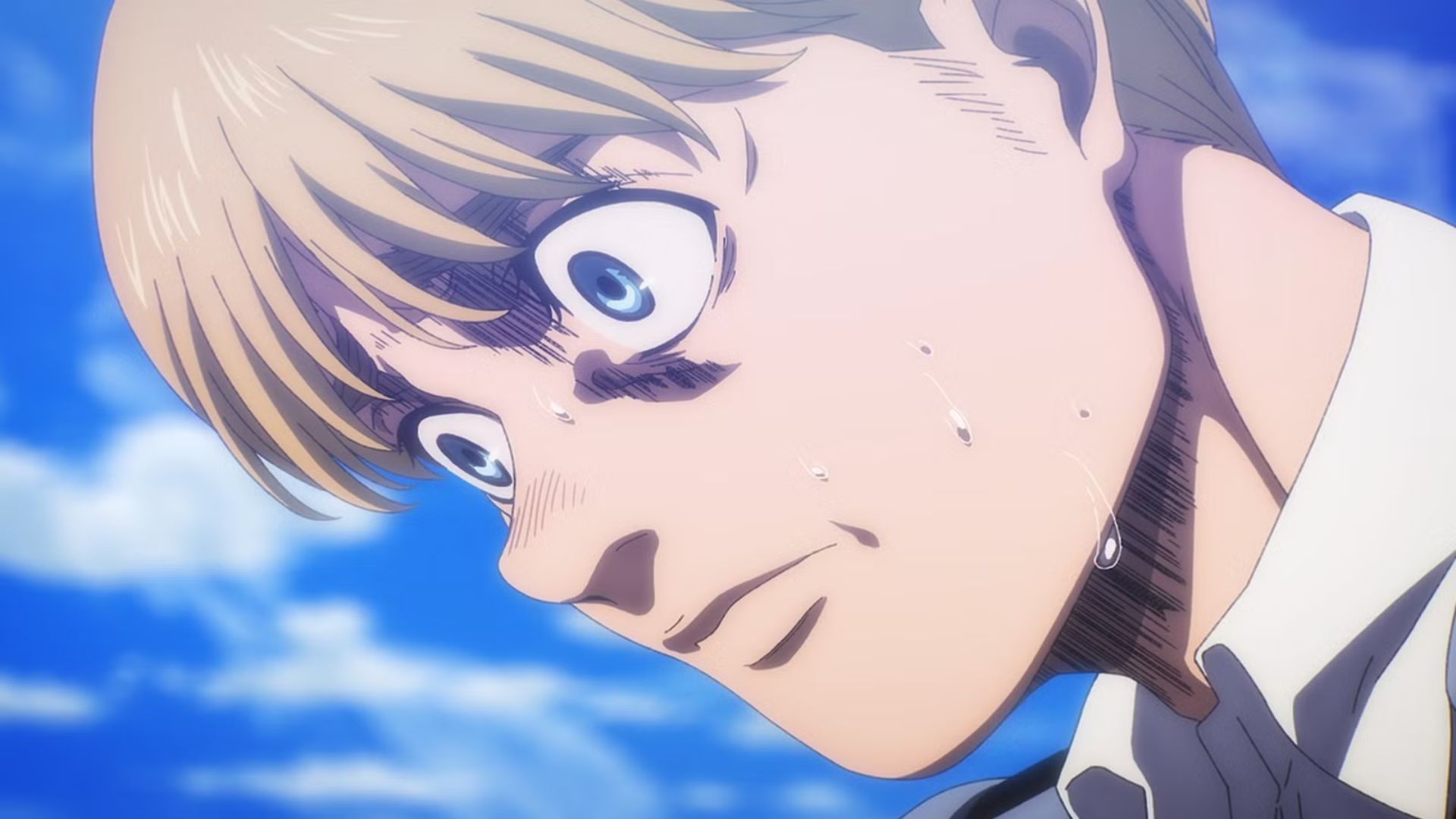
Betrayal feels especially painful in television because shows quickly create strong connections between viewers and characters. Within just a few episodes, a group can feel like family, and even antagonists can gain our sympathy when we see their struggles. That’s why a single act of betrayal can be so devastating, completely altering how we view everything that came before. The most impactful betrayals aren’t sudden or out of character; they’re the result of choices that expose a character’s true nature – either who they always were, or who circumstances have driven them to become.
As an anime fan, I’m always floored by betrayals that really hit hard – the ones that genuinely hurt both the characters and me as a viewer. Some just ruin a friendship, but the best (or worst!) ones can shatter entire nations or teams. For certain series, a betrayal isn’t just a plot point, it’s a complete turning point – a moment where everything changes and the story loses its sense of safety. What makes these betrayals so memorable is how perfectly timed, how shockingly cruel, or how massively impactful they are. And honestly? Even after rewatching them, the sting never really goes away.
Sasuke Chooses Revenge Over Naruto & the People Who Saved Him
In Naruto, Sasuke leaving the Hidden Leaf Village is presented as a quest for strength, but it feels like a deep personal betrayal to those who supported him. He walks away from his teammates in Team 7 – people he shared experiences, built trust with, and genuinely cared for – and instead allies himself with the villainous Orochimaru. This not only gives the enemy valuable information, but also makes the village more vulnerable.
His decision fundamentally alters the course of the entire story. The most painful part is how decisive and complete the separation is. Sasuke willingly ends his connection with the one person who always believed in him, even though it causes them pain. He prioritizes power over relationships, justifying it as fate. Every time they meet again, the memory of that night resurfaces, remaining a permanent wound.
Madoka Magica’s Kyubey Sells Hope, Then Collects Despair
In Puella Magi Madoka Magica, Kyubey appears as an adorable helper who grants wishes, but it deliberately hides the full truth. Becoming a magical girl seems like a straightforward bargain, however, the system actually drains each girl’s hopes to power an unending process. What makes Kyubey so unsettling is its emotionless approach – it views suffering as numbers, not as something tragic.
Looking back, even pleasant chats seem like attempts to control others. The girls weren’t equals, but rather tools used by someone else. This shocking reveal flips the typical story where courage leads to happiness, suggesting instead that being kind can be taken advantage of. Kyubey appears friendly, but secretly destroys lives with unfair conditions. Once you understand the true price of success, even winning feels hollow.
Gendo Ikari Makes Fatherhood Feel Like a Lie in Evangelion
You know, Gendo Ikari is a really fascinating character. He’s not your typical ‘bad guy’ at all. He’s cold and distant right from the beginning, but that’s what makes his betrayal so painful – Shinji just desperately wants a father who cares. Throughout Neon Genesis Evangelion, it’s heartbreaking to watch Shinji constantly try to earn Gendo’s approval by piloting the Eva, only to have his efforts completely dismissed. It’s just… tough to watch, honestly. Gendo consistently proves he doesn’t offer that kind of love.
Gendo exploits Shinji, remaining emotionally unavailable even when his son is struggling. This behavior reinforces a pattern where Shinji feels valued only when he obeys. Gendo’s actions have significant global repercussions, and he views people as disposable components. The series Evangelion heightens the tragedy by illustrating Shinji’s continued desire for Gendo’s affection despite everything.
Fullmetal Alchemist: Brotherhood’s Shou Tucker Betrayed His Daughter’s Love
In Fullmetal Alchemist: Brotherhood, Shou Tucker appears to be a well-regarded State Alchemist and a loving father. His house feels secure and welcoming, complete with books, and his daughter, Nina, is trusting and innocent. This makes his eventual actions all the more shocking. Tucker doesn’t accidentally or in the heat of battle combine his daughter Nina with her dog; it’s a deliberate choice.
This was a calculated choice, made to safeguard his career, and he coldly used those he was closest to in order to achieve it. The truly disturbing part isn’t just the harm done to a child or the misuse of science, but how Tucker justifies his actions. This moment destroys the initially hopeful, adventurous tone of the anime, revealing that alchemy can be used for deeply personal and evil purposes.
Reiner & Bertholdt’s Confession Hits Like a Bomb in AOT
Attack on Titan initially establishes Reiner and Bertholdt as dependable allies, soldiers you could count on when things got tough. Then, Reiner unexpectedly reveals that he and Bertholdt are… the way he delivers the news is almost as shocking as the news itself. It’s not a grand, dramatic announcement, just a matter-of-fact confession that makes a huge secret seem ordinary. Suddenly, everything they fought alongside everyone else in feels like a lie.
The deaths of familiar characters are starting to look less like tragic losses in battle and more like a deliberate betrayal from within. This discovery complicates the story’s clear sense of good versus evil, revealing the enemy as individuals with their own motivations. Reiner’s internal struggle adds another layer of complexity, as he appears to genuinely believe in the lies he’s telling. It’s a heartbreaking turn of events that shifts the focus from a physical fight to a deeply personal tragedy.
Rachel Proves the Tower of God Has No Mercy
In Tower of God, Bam’s feelings for Rachel are portrayed as deeply loving and unwavering. She essentially gave him a life – teaching him how to live, communicate, and find meaning – making his dedication to her feel incredibly profound. That’s why her betrayal is so devastating. The story highlights the painful simplicity of her actions: just as Bam is about to reach her, she takes the easy way out and abandons him to face hardship alone.
Watching Rachel betray Bam was chilling – she did it so deliberately, without a flicker of hesitation. What made it so painful wasn’t just the betrayal itself, but that she attacked the one genuinely good thing in Bam’s life. She essentially used his feelings for her to get ahead. It’s strange, because you can almost understand why she did it – she’s clearly insecure – but that doesn’t make her actions any less damaging. After seeing what she did, every nice thing she’d ever said just felt… tainted, like it wasn’t genuine at all.
Devilman Crybaby’s Ryo Asuka Hides the Cruel Truth Until It’s Too Late
Ryo begins in Devilman Crybaby as Akira’s best friend, appearing to be a supportive and insightful companion who trusts in Akira’s kindness. However, this friendship is a deception. Ryo’s true identity and purpose are eventually revealed, showing that he was manipulating Akira all along to start a war, leave him vulnerable, and destroy any hope for empathy in humanity. This betrayal is especially painful because of when it happens.
Ryo expertly builds relationships, only to shatter trust when people rely on him the most. He presents his destructive plan as if it’s a reasonable solution, making the resulting devastation feel like a deeply personal betrayal on a massive scale. Ultimately, Akira finds himself fighting for the acceptance of those who fear him, while battling a former friend who has no regard for human life.
Berserk’s Griffith Trades the Band of the Hawk for a Dream
The manga Berserk portrays the Band of the Hawk as a close-knit group, bound together by shared hardship and unwavering loyalty. At its heart is Griffith, a charismatic and ambitious leader who inspires dreams of greatness. However, everything changes with the Eclipse, a horrific event where Griffith betrays and sacrifices his companions to achieve godhood. This act transforms their years of struggle and camaraderie into a mere payment for his ascension. It’s a deeply painful moment because it destroys the emotional core of the entire story.
Every relationship feels like it has a hidden price, and everything the Hawks did for Griffith now feels like a waste. Guts’s complicated feelings for Griffith – a mix of respect, competition, and genuine affection – only make things harder. That affection is twisted and used to inflict pain. Unlike most villains who appear as monsters, Griffith starts as a hero, proving that a charming personality can mask a terrifying emptiness. This betrayal feels utterly complete.
Kirei Kotomine’s Smile Comes With a Knife in Fate/Zero
Fate/Zero portrays Kirei Kotomine as a controlled priest tasked with preventing the Holy Grail War from descending into complete chaos. The shock comes when he murders Tokiomi Tōsaka, a man who considered Kirei both an ally and mentor. Essentially, Kirei is exploring his own inner void by dismantling someone else’s potential.
It was a painful scene to witness, largely because of how personal it felt. Tokiomi was vulnerable, desperately trying to appeal to a sense of fairness and honor, but it didn’t matter. Kirei responded with cold, calculated force, and then immediately took what Tokiomi had, essentially stepping into his shoes and changing the course of the war. I could see how that single act would have huge consequences for Rin, and for everything that followed in the Fate timeline. It really drove home the point that evil doesn’t always shout – sometimes, it’s quiet and even…polite.
Aizen Reveals the Kind Bleach Captain Was an Act From the Start
Soul Society sees Sōsuke Aizen as a reliable and respected captain, a leader who maintains order without resorting to threats. He’s known for his gentle demeanor, positive reinforcement, and ability to earn respect naturally. However, it’s eventually revealed that this seemingly benevolent leader was orchestrating the chaos and fear all along. Aizen wasn’t simply joining the enemy; he was the one pulling the strings from the beginning.
Those who trusted Aizen discover they were merely experiments to him. His cruelty is most evident when he casually attacks Momo, someone who genuinely believed in him. Aizen’s true strength lies in his unwavering conviction; he speaks with the authority of someone explaining how the world works, making opposition seem futile. Following this, Bleach shifts its focus, and the illusion of safety is shattered.
Read More
- Marvel Officially Confirms Deadpool’s Most Brutal Redesign
- Nintendo Switch 2 Reportedly Getting Remake of One of the Best PS3 and Xbox 360 Games
- Welcome to Demon School! Iruma-kun season 4 release schedule: When are new episodes on Crunchyroll?
- Crunchyroll Confirms New Isekai Anime Releases for 2026 and Beyond (With Major Returns)
- Michael Jackson Biopic’s Record-Breaking Debut Unseats 2026’s Biggest Box Office Hit On U.S. Chart
- The Boys Season 5, Episode 2’s Soldier Boy Ending Twist Changes Everything for Homelander & Butcher
- 5 Best Open-World Games You Can Beat In A Weekend
- Gold Rate Forecast
- All 61 Episodes 90s Cult Classic Sci-Fi TV Show That Was Famously Canceled Twice Were Just Added to Tubi
- 10 Movies That Were Banned in Different Countries For Random Reasons
2026-02-26 17:42