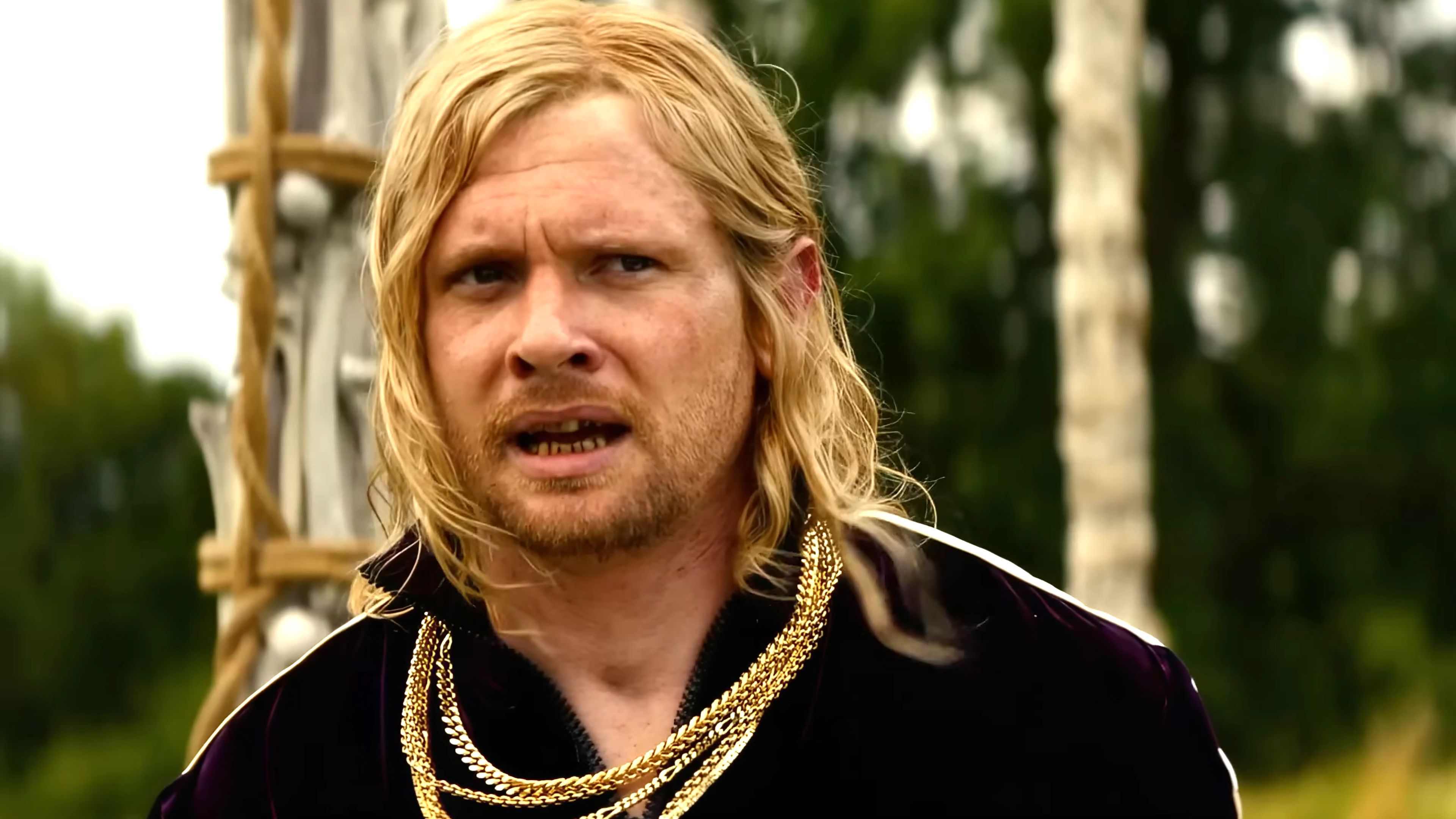
In 2025, horror films truly stood out, largely thanks to successful revivals of classic franchises. While sequels can sometimes feel uninspired, simply relying on viewers’ nostalgia, both Final Destination: Bloodlines and 28 Years Later: The Bone Temple offered something new and exciting.
The horror genre is currently experiencing a surge in recognition, as evidenced by the 2026 Oscar nominations, despite the fact that neither of the latest franchise installments received a nomination. The return of director Danny Boyle to the franchise with 28 Years Later – 23 years after the first film – has significantly renewed interest in the series.
The new film, 28 Years Later, shows a real commitment to the spirit of the original. The beautiful visuals, compelling story, and expanded backstory prove that the filmmakers put a lot of care into bringing this franchise back. As a big fan of the first movie, I was thrilled to see 28 Years Later: The Bone Temple successfully build upon the world Danny Boyle created.
28 Years Later Changed The Rules Of The Rage Virus

A key feature of the rage virus in 28 Days Later is that, while causing intense pain, it ultimately leads to death by starvation. Infected individuals relentlessly hunt humans for food, but they can’t survive by consuming the flesh of others who are infected. This means that, eventually, isolation and lack of sustenance will kill them.
The zombies in the 28 Days Later series are generally weak and easy to fight individually because the virus rapidly deteriorates their bodies, leaving them constantly hungry. However, this weakness becomes less significant in 28 Years Later with the introduction of the Alpha infected – a much stronger type of zombie that isn’t driven by hunger.
This new development adds an interesting twist to the story of the rage virus, but it unfortunately negates the best part of the sequel, 28 Weeks Later – a film that doesn’t get enough credit. That movie hinted at a potential cure, but with the introduction of the Alpha variant, that possibility is removed, which explains why it’s not mentioned in 28 Years Later.
28 Years Later: The Bone Temple Humanizes The Alpha Infected

In Nia DaCosta’s 28 Years Later: The Bone Temple, the filmmakers cleverly discover a weakness in the seemingly unstoppable Alpha infected. While those infected with the rage virus are typically driven only by violent impulses, Samson, a key Alpha character in the film, displays unexpected emotions – something never before seen in the infected.
Dr. Ian Kelson regularly spends time with Samson after giving him a mix of drugs that calms him down and surprisingly seems to make him think more clearly. After Samson became addicted, he stopped trying to harm Dr. Kelson, even when the effects of the drugs wore off. Storylines like this are a major reason why The Bone Temple has received such good reviews.
28 Years Later: The Bone Temple Revives The Antidote Arc

Beyond showing Samson’s journey towards becoming more human and his commitment to non-violence, 28 Years Later: The Bone Temple also examines what it’s like inside his mind while infected with the virus. At one point, Samson even speaks while under the effects of the drugs, and this causes Kelson to hesitate before ending his suffering.
Reviews for 28 Years Later: The Bone Temple consistently highlight how well the movie combines a bleak outlook with hopeful moments. This balance is achieved through the development of both the human characters and the infected creatures. The film concludes with a clear confirmation that Dr. Kelson has successfully created a cure for the virus.
The Bone Temple Is Also Not A Typical Zombie Movie

As a movie fan, I always thought the genius of Danny Boyle’s 28 Days Later wasn’t just the fast zombies, but why he used a virus outbreak in the first place. It’s not really about the apocalypse itself; it uses that setup to really dig into what people are like when pushed to the limit. That’s what makes it stand out – and honestly, what makes it one of the scariest zombie films ever made. The outbreak is just a way to show us who these characters really are.
As a real cinema fan, I was really intrigued by 28 Days Later: The Bone Temple. It’s not your typical zombie movie focused on the attacks themselves. What really stood out was how it portrayed a strange new normal in this broken world. Instead of zombies being the biggest threat, the film dives into the disturbing, violent behavior of a surviving human cult – they’re just as terrifying as the infected, and it really makes you think about what we’re capable of.
Cillian Murphy’s Cameo Isn’t The Only 28 Days Later Callback

The film explores Samson’s growth as a person and his eventual recovery, while also following the cult’s travels – both of which ground the story in relatable human themes, bringing the series back to its original focus. A highlight for fans is seeing Cillian Murphy return as Jim in the final scene of 28 Years Later: The Bone Temple, a character he originally played in 28 Days Later.
The film’s violent cult, known for extreme brutality and satanic rituals, strongly resembles the aggressive military group from 28 Days Later. Both groups illustrate how primal evil takes over when society breaks down. Unfortunately, these similarities, combined with unresolved plot points, are hurting the franchise’s box office performance.
Read More
- Marvel Officially Confirms Deadpool’s Most Brutal Redesign
- Nintendo Switch 2 Reportedly Getting Remake of One of the Best PS3 and Xbox 360 Games
- The Boys Season 5, Episode 5 Ending Explained: Why Homelander Does THAT
- Crunchyroll Confirms New Isekai Anime Releases for 2026 and Beyond (With Major Returns)
- The Boys Season 5, Episode 2’s Soldier Boy Ending Twist Changes Everything for Homelander & Butcher
- Gold Rate Forecast
- Invincible Creators Offer Promising Update on Season 5 Release Date
- 9 Great Supernatural Characters Everyone Forgot About
- 5 Best Open-World Games You Can Beat In A Weekend
- Welcome to Demon School! Iruma-kun season 4 release schedule: When are new episodes on Crunchyroll?
2026-03-01 05:49