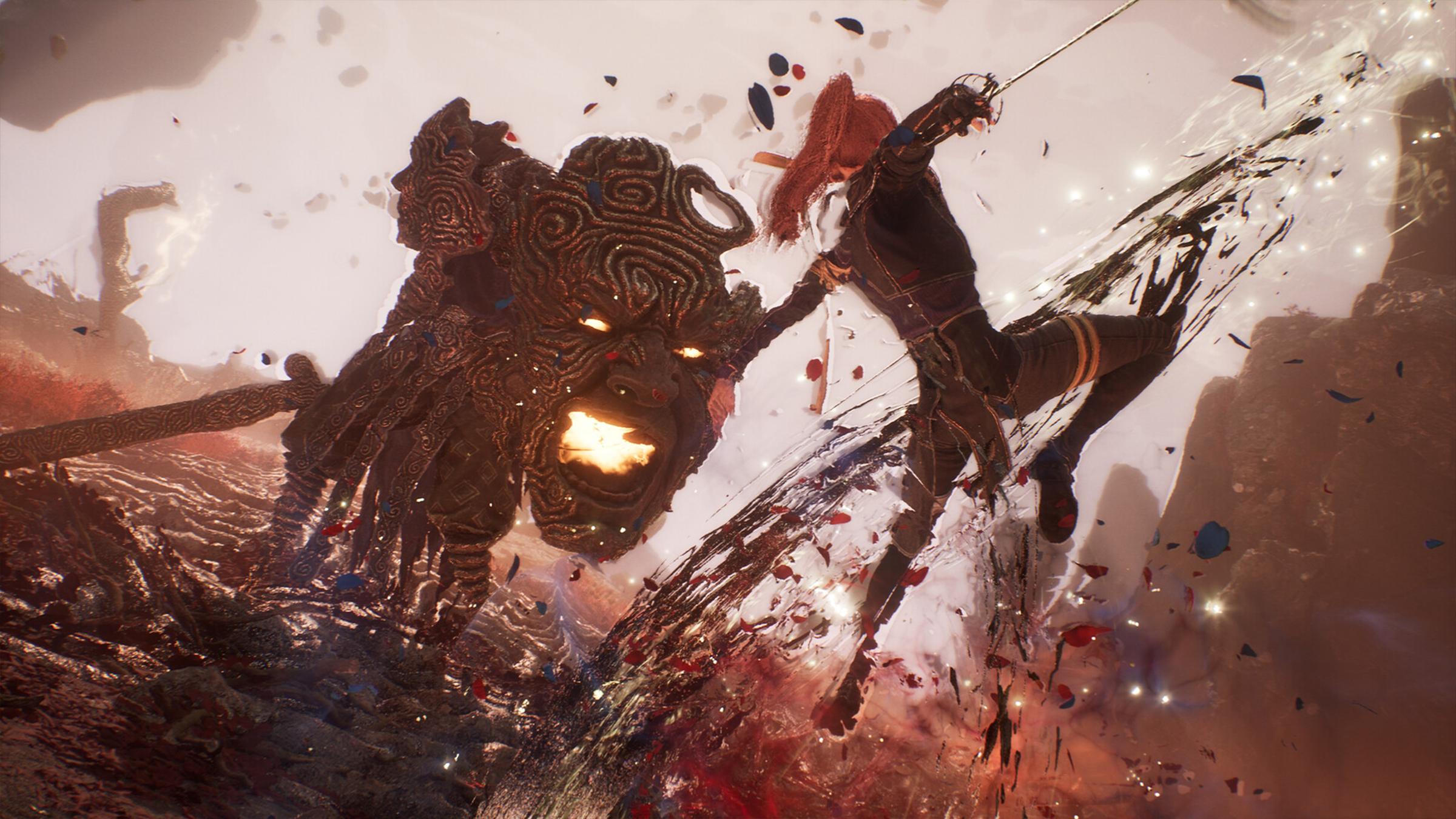
It’s crazy to think back to when you could just look at a game and instantly get a feel for who made it. You could tell what kind of budget they had, and the scope of the game was pretty clear. Now? It feels like everything’s been mixed up. The line between indie games and huge AAA titles is so blurry, it’s hard to even tell the difference anymore. It’s like someone just threw a bunch of paint over everything and made it all messy.
It’s becoming increasingly difficult to tell the difference between independent (indie) and large-budget (AAA) games, and that’s by design. Games originally funded by fans are now being made by surprisingly large teams, and many ‘indie’ games are actually published by major companies. This has led to the re-emergence of the term ‘AA’ to describe games that fall somewhere in between, and it feels like a more accurate description. When these labels are used for marketing rather than to clearly define a game, it makes you question what they really mean.
When “Indie” Has a Publisher and a 200-Person Team
The term ‘indie’ used to mean developers worked independently, often with small teams and tight budgets, which actually sparked a lot of innovation. While that’s still true for some, it doesn’t represent the entire indie game landscape anymore.
It’s now common to see independent, or “indie,” games funded by fans through platforms like crowdfunding, sometimes raising millions of dollars before the game is even made. These projects can grow into large teams – even hundreds of people – with high-quality trailers and worldwide marketing campaigns. While the original creative vision might remain, the size and scope of these games can now be comparable to those made by traditional game studios.
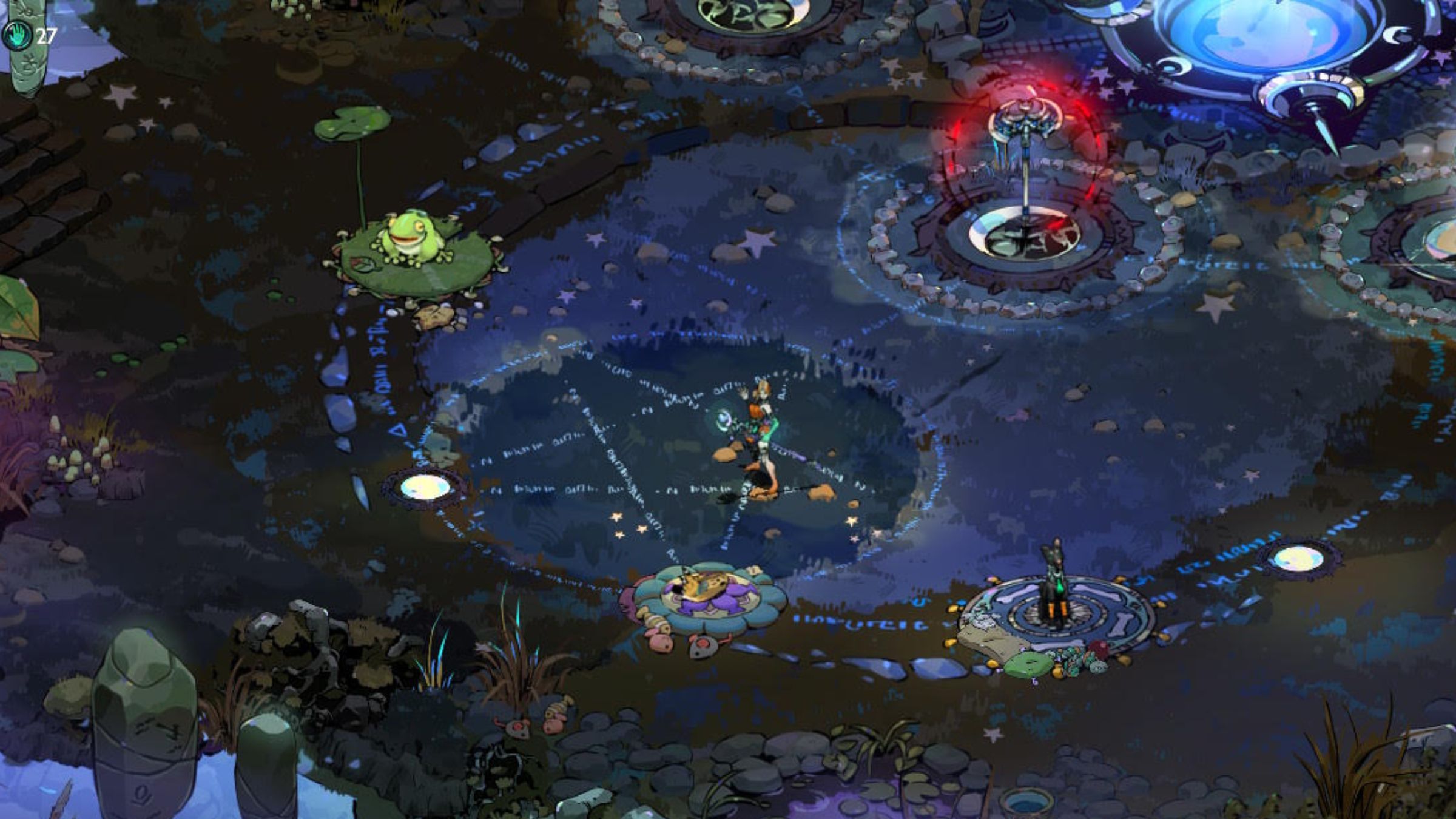
Many games are labeled “indie” even though they’re published by large companies. With significant funding, distribution networks, and platform deals, the line between independent and mainstream has become very blurry. This raises the question: what actually makes a game indie? Is it who owns the studio, how much creative freedom the developers have, the size of the team, or just the game’s overall look and feel? The term “indie” has become so broad that it now describes a feeling or style more than a clear category.
You might expect a big-budget, polished game, but instead find a smaller, experimental one. Or you might anticipate a blockbuster experience, only to discover a game with a tight, personal focus. This difference between what we expect and what we get shows how game development has changed, and how traditional categories are struggling to keep up.
The Rise of AA and Why Budget No Longer Defines Scope
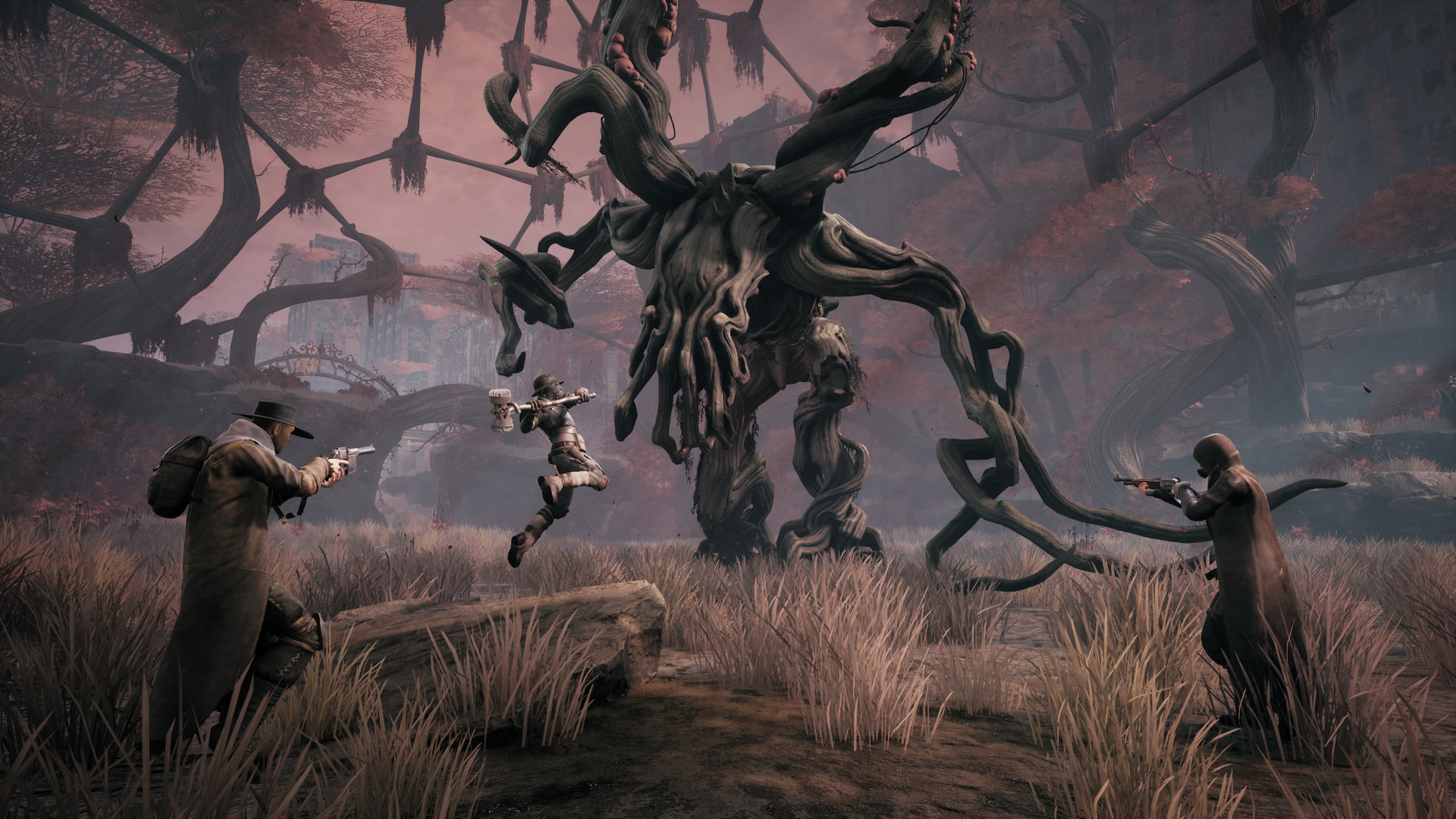
You know, I’ve been thinking about those games that aren’t quite the biggest AAA titles, but are still really solid. For a long time, they felt like they got overlooked, stuck in the middle. But honestly, I’m starting to think that’s where the most genuine experiences are now. These games don’t try to be everything for everyone. They’re focused, ambitious in their own way, but they don’t feel bloated like some of the massive blockbusters. It’s funny, because they often fly under the radar, and that’s probably why you don’t hear anyone talking about these ‘AA’ games – but they’re definitely worth checking out!
As a gamer, it’s wild how much things have changed. Back in the day, a game’s budget pretty much told you how big and ambitious it would be. Now? That’s totally thrown out the window. Smaller teams can create incredible games using powerful tools and easily hire help for things they can’t do themselves, then sell it to players worldwide. But it’s also weird seeing huge studios make smaller, more focused games – stuff that would’ve been considered too simple for them years ago. It just proves that budget doesn’t always equal scope anymore.
As a gamer, it’s honestly wild to see how things are changing. It’s not always what it seems anymore! You can watch a trailer for a game that looks like a massive, big-budget title, but then find out it was made by a smaller team with a really smart, efficient approach. And on the flip side, you’ve got indie games that are clearly getting a lot of support and looking incredible. It feels like the old ways of judging a game’s size or budget just don’t really work anymore. It all depends on how the game was funded and what the developers prioritized, and it’s a really interesting mix these days.
It’s important to remember that this range of different approaches isn’t necessarily negative – in fact, it often shows a healthy variety. However, there’s a feeling that the industry relies too much on jargon that’s lost its meaning. As the lines between indie, AA, and AAA games become blurred, marketing often obscures the real differences. The distinction between indie and AAA might not become clear again, and that could actually be a good thing, suggesting that a game’s unique qualities are becoming more important than simply how it’s categorized.
What do you think? Leave a comment below and join the conversation now in the ComicBook Forum!
Read More
- Trails in the Sky 2nd Chapter launches September 17
- HBO Max Just Added the Final Episodes of a Modern Adult Swim Classic
- Paradox codes (April 2026): Full list of codes and how to redeem them
- PRAGMATA ‘Eight’ trailer
- Crimson Desert’s Momentum Continues With 10 Incredible New Changes
- Pragmata Shows Off Even More Gorgeous RTX Path Tracing Ahead of Launch
- Solo Leveling’s New Character Gets a New Story Amid Season 3 Delay
- Hulu Just Added One of the Most Quotable Movies Ever Made (But It’s Sequel Is Impossible To Stream)
- Dragon Quest Smash/Grow launches April 21
- How Could We Forget About SOL Shogunate, the PS5 Action RPG About Samurai on the Moon?
2026-03-03 23:14