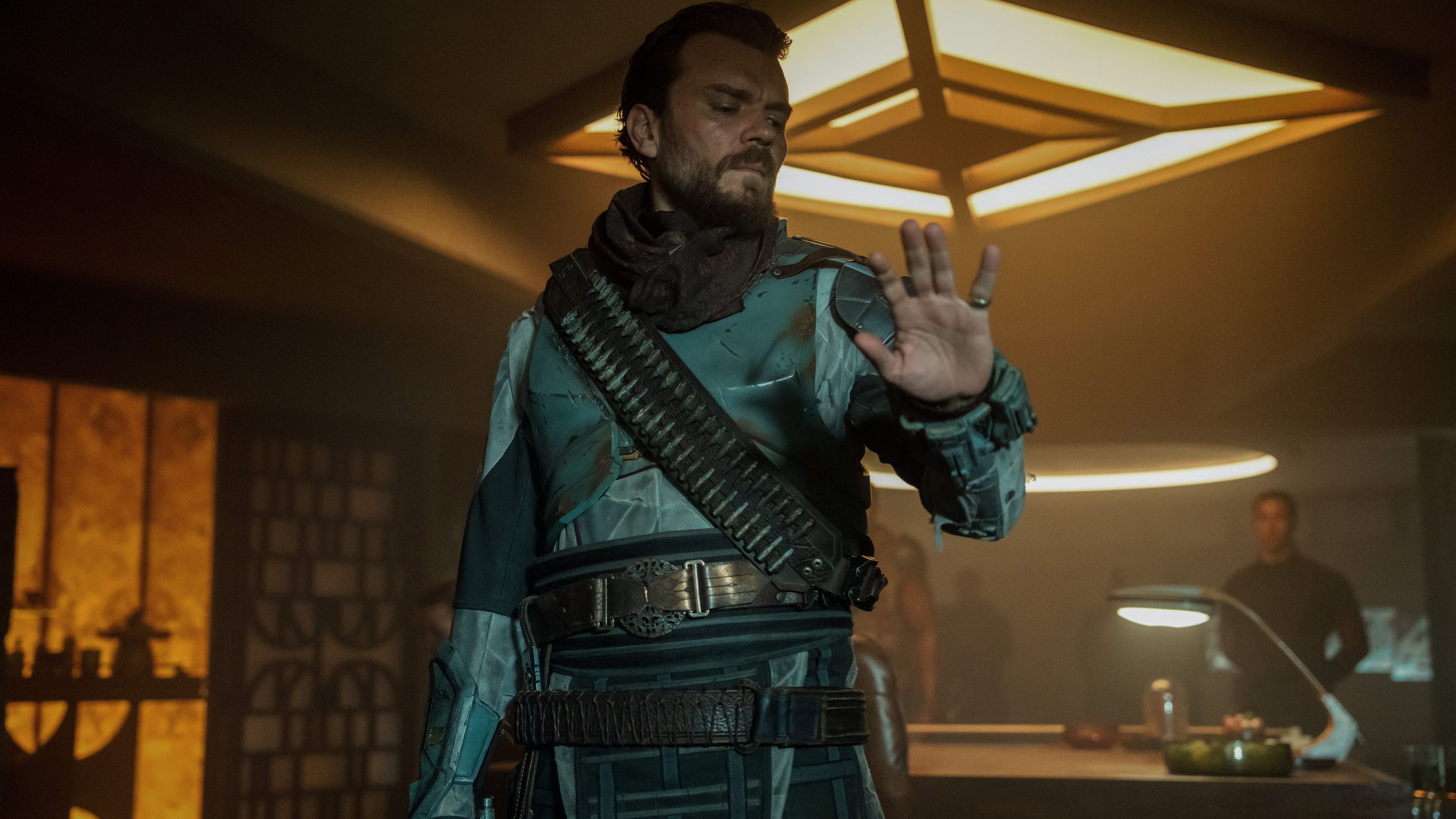
Apple TV+ has become a surprising powerhouse of science fiction, offering shows like the dystopian Silo and the historical drama For All Mankind. Now, with Foundation, they’ve confidently tackled space opera, delivering a visually stunning and ambitious series that showcases their mastery of the genre.
After three seasons, the TV series Foundation brings Isaac Asimov’s famous novels to life – a feat many thought impossible. Instead of a safe, simplified version, the show is surprisingly daring and confident. Apple didn’t just create a good adaptation; it produced one of the most visually stunning and ambitious science fiction epics ever made for television.
Beyond being a great space opera, Foundation truly pushes the boundaries of the genre. It’s innovative, telling its story in a non-traditional way and trusting viewers to follow along. This approach raises the bar for all space operas, making many others seem cautious in comparison. Foundation doesn’t just fit into the genre—it redefines it.
Foundation Crafts Its Own Space Opera Aesthetic
Apple’s Sci-Fi Epic Refuses To Look Like Anything Else
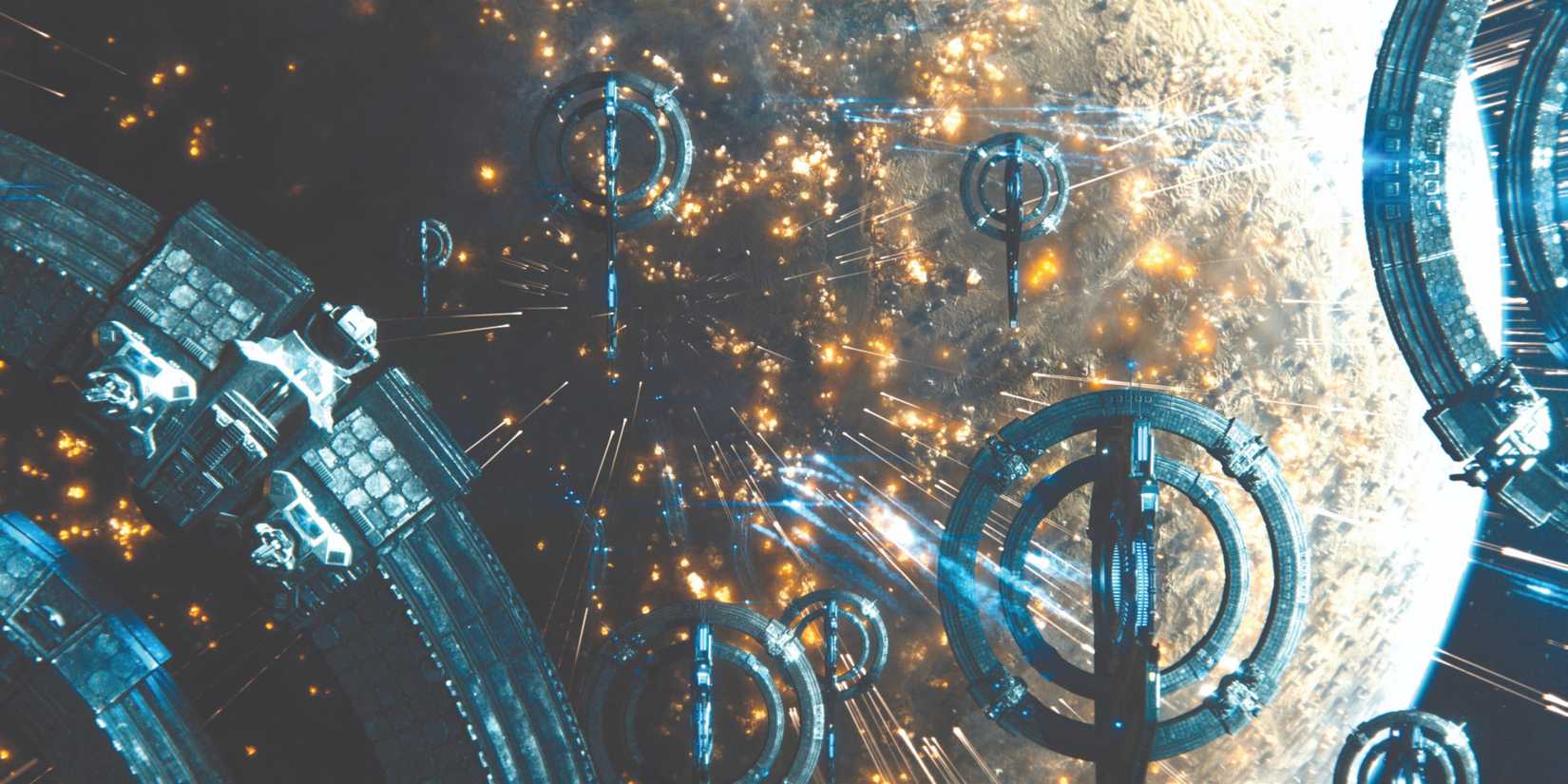
Compared to other science fiction shows like Star Trek, Star Wars, and Firefly, Foundation immediately impresses with its unique look. While those shows all have their own feel, their technology often looks similar. You could easily switch a spaceship between them without it seeming out of place. Foundation breaks that mold with a completely different visual style.
The same is true of The Expanse, another TV show that’s subtly redefining space operas. Its spaceships feel realistic and industrial, and would fit right in with most other shows and movies in the genre. The show shares a common visual language with others – think metallic hallways, flashing control panels, and practical, functional cockpits – which is typical of the genre.
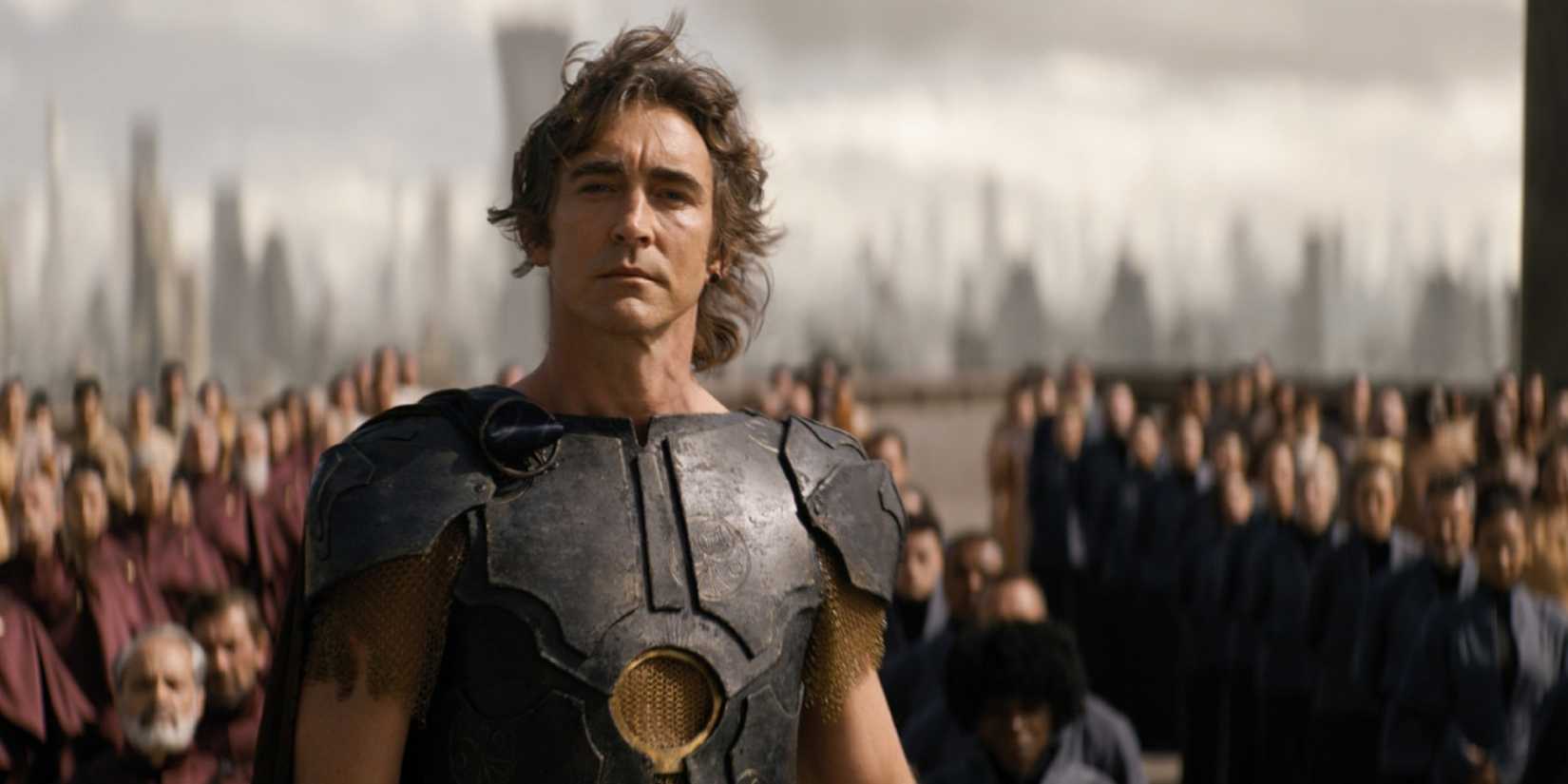
The new series ‘Foundation’ has a unique visual style. Its spaceships, buildings, and costumes are impressively grand, almost like something from an opera. In contrast, the Galactic Empire’s capital city, Trantor – overseen by Lee Pace’s character – is strikingly modern, massive, and almost unsettlingly clean. It doesn’t feel worn or used like many other sci-fi worlds; instead, it evokes a sense of both immense history and advanced technology.
Even the cloned emperors – Brother Dawn, Brother Day, and Brother Dusk – all look strikingly similar, intentionally highlighting the story’s ideas about being stuck in the past and the importance of control. This consistent visual style is purposeful and ties everything together thematically.
Apple TV’s Foundation isn’t a typical sci-fi show. Instead of the usual look of gritty spaceships and industrial settings, the show features a unique and impressive visual style. However, this doesn’t feel strange or disconnected; every detail enhances the story’s grand scope and underlying ideas.
It’s unusual to find such a perfect blend. Foundation establishes its own distinct style while still feeling like classic science fiction and grand space opera. The series presents a believable vision of humanity’s future in the stars, but one that feels entirely original.
Few Space Operas Trust The Audience Like Foundation
The Series Embraces Complexity Instead Of Explaining It Away

Most space operas, with the possible exception of The Expanse, rely too much on explaining things. Characters often stop the action to carefully describe political structures, technologies, and the overall importance of events, walking the audience through every detail.
Foundation doesn’t hold your hand. Right from the start, the series throws you into a complex world with ideas like psychohistory and a crumbling galaxy, without getting bogged down in lengthy explanations. Hari Seldon (Jared Harris) introduces his core theory, but the show trusts you to follow along as the story quickly unfolds.
This could have easily failed. Even just psychohistory – the idea of predicting the future using math and the behavior of huge populations – is a complicated concept for a show. Throw in cloning and time jumps, and it’s no surprise that Foundation is confusing for viewers who aren’t already familiar with the story.
Instead of lengthy explanations, Foundation lets its complex world reveal itself through events. We see the results of political conflicts and technological advancements, not detailed descriptions of how they work. The show respects the viewer’s intelligence, allowing us to piece together the story ourselves.
The show’s confidence makes watching it a truly engaging experience. Instead of dumbing down its big ideas, Foundation lets them unfold naturally, creating a sense of immersion rather than feeling like a lecture. By avoiding unnecessary explanations, the show uses its complexity to its benefit. It trusts its audience is following along, and in return, offers a more detailed and rewarding story.
Foundation Pushes Space Opera Storytelling Boundaries
It Turns Grand Sci-Fi Concepts Into The Core Of Its Drama
What truly sets Foundation apart from other space operas like The Expanse is the breadth of its concepts. It’s not a typical story about a hero saving the day in space. Instead, it’s a thoughtful exploration of history, fate, and power, deeply inspired by the complex ideas in Isaac Asimov’s original work.
Spanning many generations, the story of the Genetic Dynasty—cloned emperors—challenges viewers to think about who we are and what we’re responsible for. The character of Brother Day, being both a unique person and a copy, creates disturbing questions about free will and whether progress is even possible.
Instead of centering on a single hero, the series uses “psychohistory” – a concept that suggests the future is shaped by predictable patterns of large groups of people. However, the character Salvor Hardin questions whether individuals truly don’t matter when looking at broad historical trends.
Most science fiction adventures focus on characters’ feelings and then explore big ideas. But Foundation sometimes flips that around, building entire plots around complex discussions of destiny, how societies are ruled, and the nature of power.
Despite its complex ideas, the show always keeps you emotionally invested. Gaal Dornick (Lou Llobell) makes the scientific concepts relatable by struggling with her own doubts and challenges. The story seamlessly blends these big ideas with personal experiences, rather than pitting them against each other.
For years, many thought Isaac Asimov’s novels were unfilmable. But the series Foundation successfully brought their intricate stories to life without simplifying them. In doing so, it has raised the bar for science fiction television, proving that space operas can be grand in scope, intellectually stimulating, and boldly ambitious.
Read More
- Everything You Need To Know About Nikki Baxter In Stranger Things’ Animated Spinoff
- ‘The Bride!’ Review: Jessie Buckley Breathes Life into a Monstrous Mess
- Miranda Kerr Shares “Quick” Procedure She Got Before Met Gala 2026
- The Boys Season 5, Episode 5 Ending Explained: Why Homelander Does THAT
- USD JPY PREDICTION
- Jujutsu Kaisen Creator Confirms the Story is Over: “It Won’t Continue!”
- Anna Wintour Reacts to Rumors She Approves All Met Gala Looks
- After 11 Years, Black Clover Officially Ends With Final Release (& Crowns a New Wizard King)
- Mark Zuckerberg & Wife Priscilla Chan Make Surprise Debut at Met Gala
- Out of Nowhere, 4-Year-Old King of Fighters 15 Gets Surprise 2026 Patch
2026-03-05 18:30