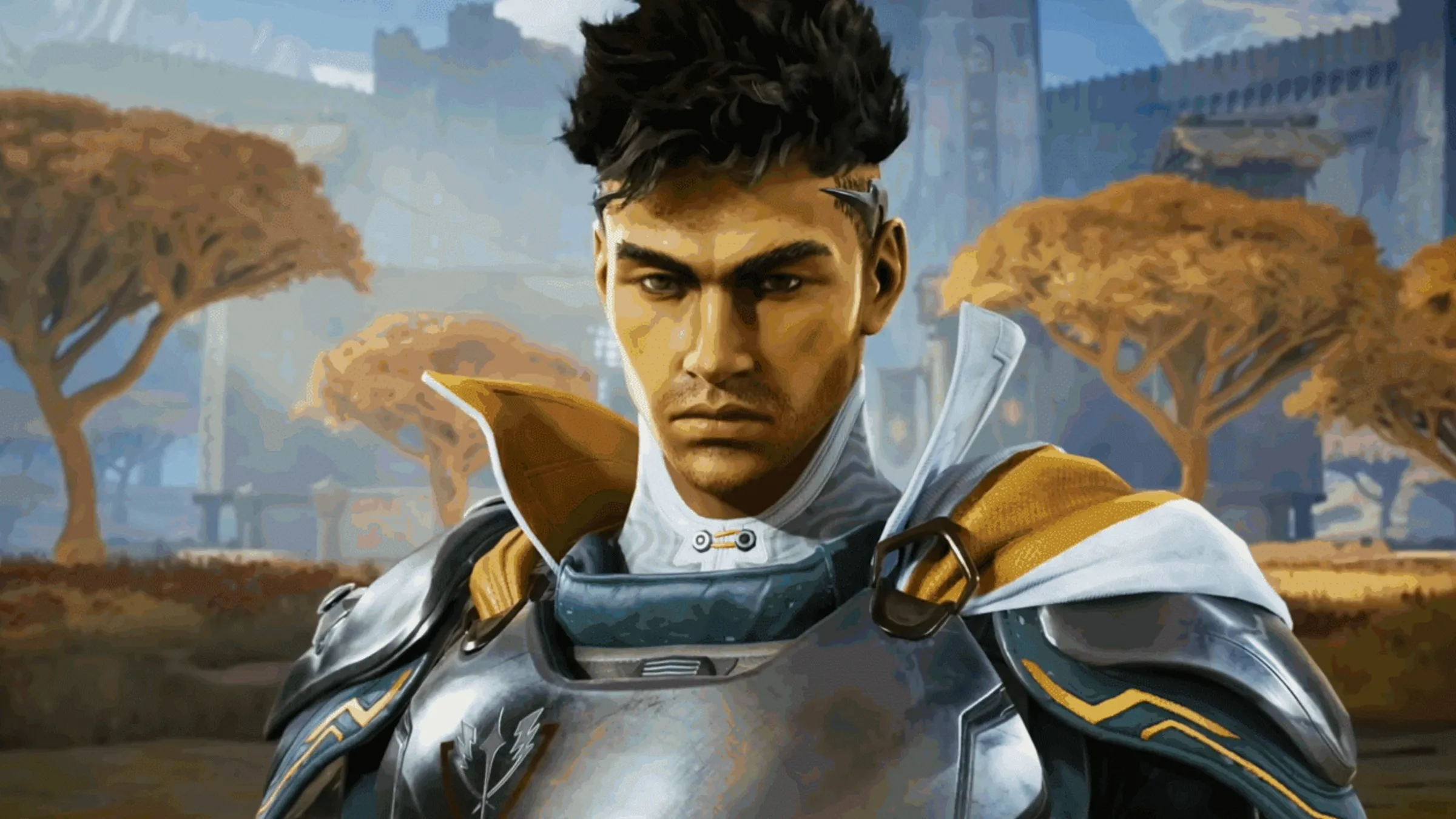
The hero shooter Highguard is unexpectedly shutting down after just under 50 days, ending all development and support. The game will no longer be available after March 12, 2026, despite updates and feedback received since its launch earlier this year. While a lack of players is cited as the reason, the shutdown is actually part of a broader issue affecting other online games.
Highguard was unveiled at the 2025 Game Awards and released in January 2026 to a good number of players. However, the game, a hero shooter, received significant criticism for trying to combine too many different ideas that didn’t quite work together, and it was clear the game needed substantial improvements. As a result, Highguard quickly lost players, dropping from an initial 2 million to just 10% of that audience within its first week.
Highguard’s Launch Tried To Gamble On Booming Numbers Rather Than Engaging Content
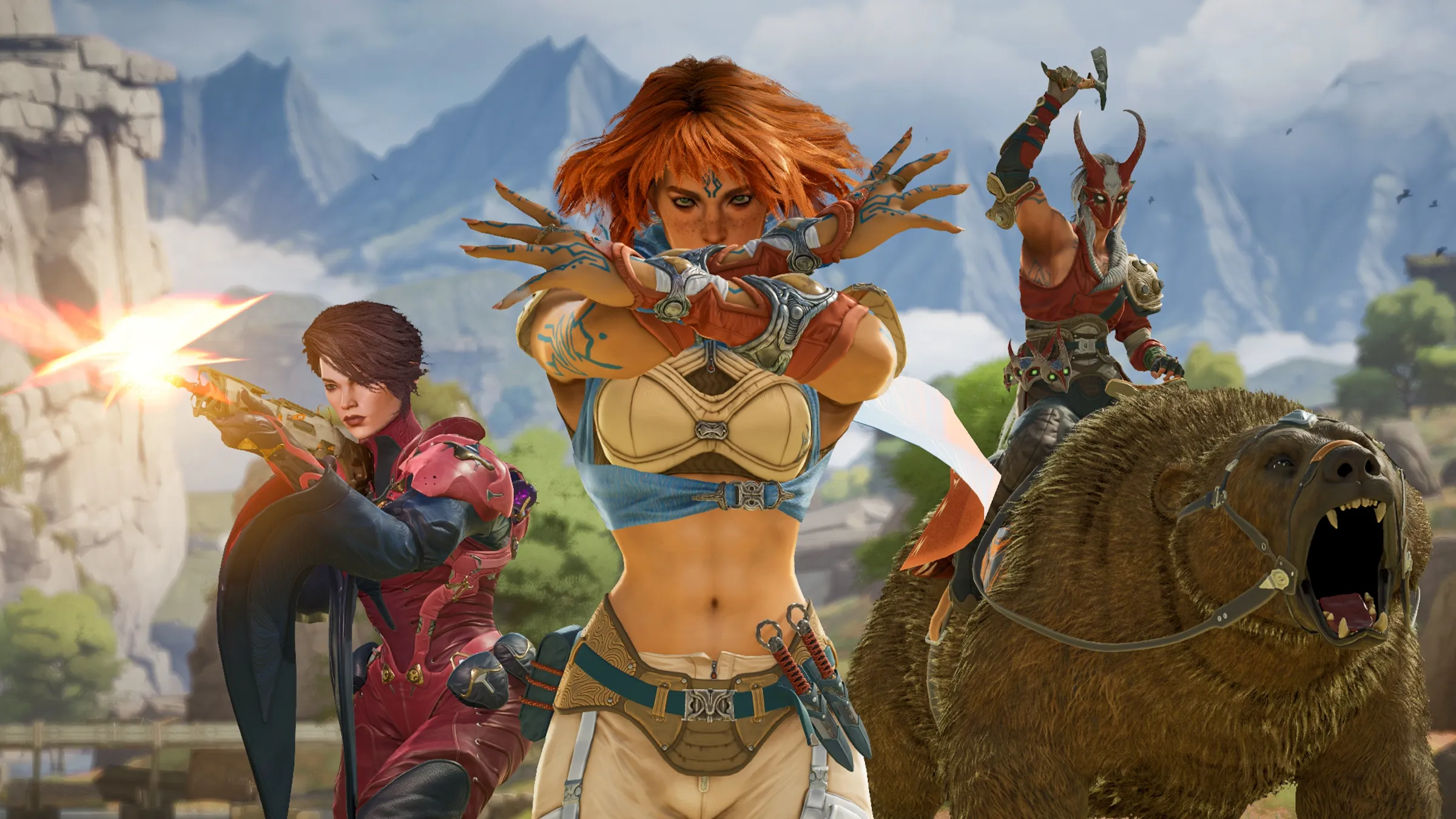
There’s been a lot of discussion about why the game Highguard is shutting down, but some trends are becoming clear. The developers stated the main reason was a lack of a consistent player base, rather than technical issues or other problems. Considering recent game launches, Highguard actually attracted a strong initial player count – enough to be considered a success for many indie titles and other new releases.
Despite attracting 2 million players at launch, Highguard struggled to maintain a consistent player base. This suggests the developers were aiming for an exceptionally successful launch, perhaps even exceeding already ambitious goals. They may have promised publishers numbers like 5, 10, or 20 million players to secure funding, creating unrealistic expectations for a game that players hadn’t fully embraced yet. This could explain the unusual marketing campaign, which culminated in a Game Awards trailer that received more negative feedback than positive attention.
The game Highguard seems to have borrowed ideas from many sources, including Apex Legends and Elden Ring Nightreign. However, these elements weren’t developed enough to become truly engaging for players. Instead, it felt like the developers were trying to appeal to everyone by including a little bit of everything. Ultimately, Highguard aimed for broad appeal without establishing its own unique identity through original gameplay, compelling characters, or memorable features – key ingredients for a truly successful game.
“All Or Nothing” Approaches To Live Service Titles Is Happening More Often Than You Think
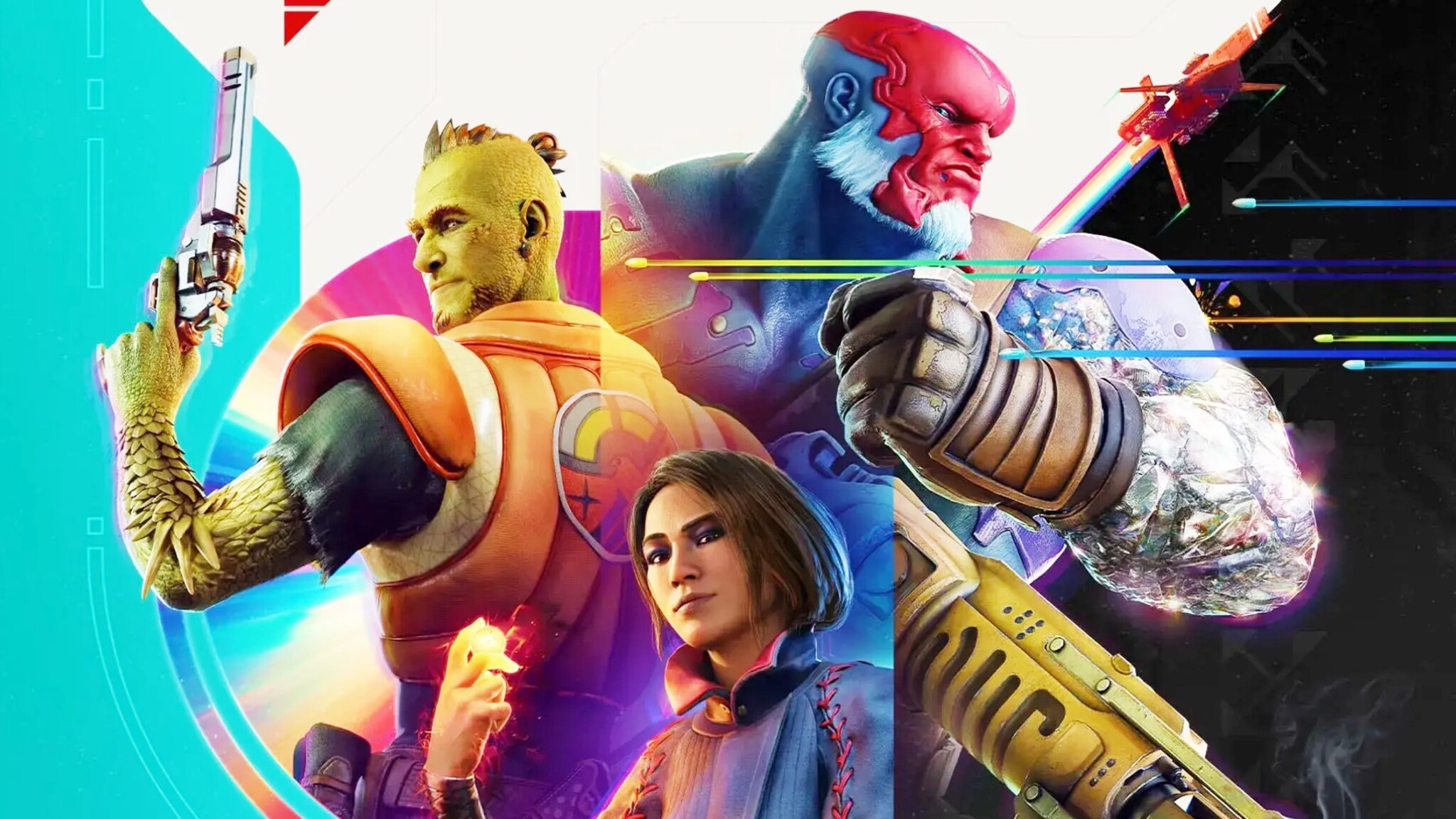
Unfortunately, Highguard isn’t alone in trying to achieve instant success with a large-scale launch. Concord, another team-based shooter, also received a massive marketing campaign to attract as many players as possible. The game was promoted so heavily that a significant portion of an episode of Amazon’s Secret Level series focused on Concord, highlighting where the developers were concentrating their efforts.
Similar to Highguard, this game also failed quickly due to a lack of fresh ideas and low player interest. Both games took over five years to create, suggesting the developers struggled to agree on a clear vision. These ambitious attempts to create successful games ultimately resulted in disappointing experiences that players didn’t embrace, mirroring the struggles of other live service games like Suicide Squad: Kill the Justice League, Skull and Bones, and Anthem.
Missed Swings Don’t Typically Lead To Improvements, But Shutdowns & Losses For Everyone
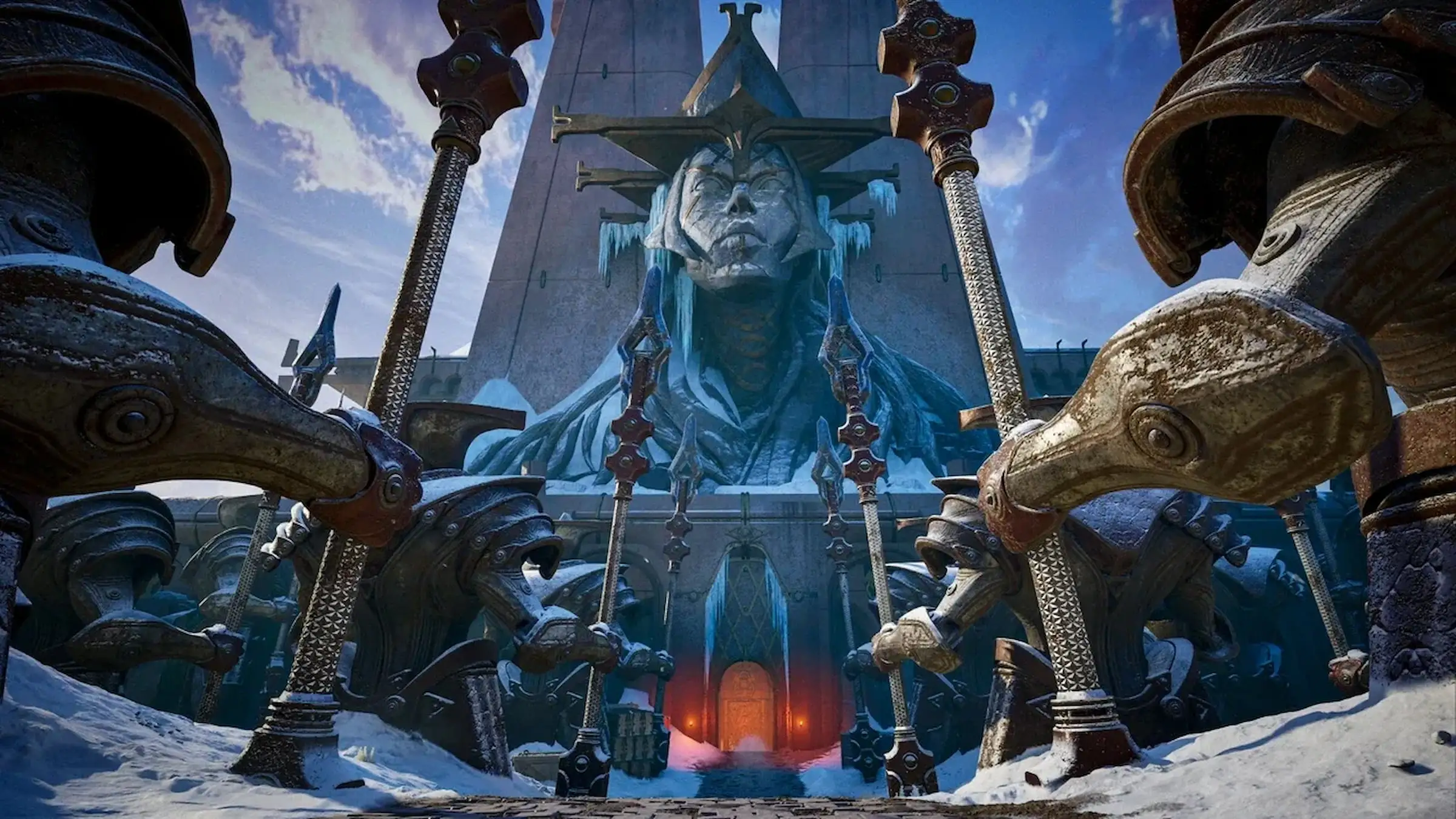
Many games have stumbled at launch, not just Highguard or recent ‘live service’ titles. No Man’s Sky, Cyberpunk 2077, Sea of Thieves, and Dead by Daylight all had rocky starts. However, through consistent updates, listening to player feedback, and dedicated developer support, they eventually improved significantly and found their audience.
However, games like Highguard and Concord weren’t able to fix their problems and ultimately closed down. It’s risky to spend years developing a game and then rely on a huge launch to succeed, but many online games depend on this approach. The hope of attracting a large player base and consistent engagement is often the only way developers can secure funding from publishers or investors.
When live service games don’t succeed, the consequences can be severe, potentially leading to studio closures and job losses. This pattern – where games are heavily hyped, involve significant financial risk, and face intense competition – makes stories like the one surrounding Highguard likely to repeat with other new live service titles in the future.
With the recent announcement that Highguard is shutting down, what are your thoughts on the current state of live service games? Share your opinions in the comments below or discuss it with other fans on the ComicBook Forum!
Read More
- Everything You Need To Know About Nikki Baxter In Stranger Things’ Animated Spinoff
- ‘The Bride!’ Review: Jessie Buckley Breathes Life into a Monstrous Mess
- The Boys Season 5, Episode 5 Ending Explained: Why Homelander Does THAT
- Miranda Kerr Shares “Quick” Procedure She Got Before Met Gala 2026
- Mark Zuckerberg & Wife Priscilla Chan Make Surprise Debut at Met Gala
- After 11 Years, Black Clover Officially Ends With Final Release (& Crowns a New Wizard King)
- From season 4 release schedule: When is episode 2 out on MGM+?
- Out of Nowhere, 4-Year-Old King of Fighters 15 Gets Surprise 2026 Patch
- USD JPY PREDICTION
- Jujutsu Kaisen Creator Confirms the Story is Over: “It Won’t Continue!”
2026-03-06 19:10