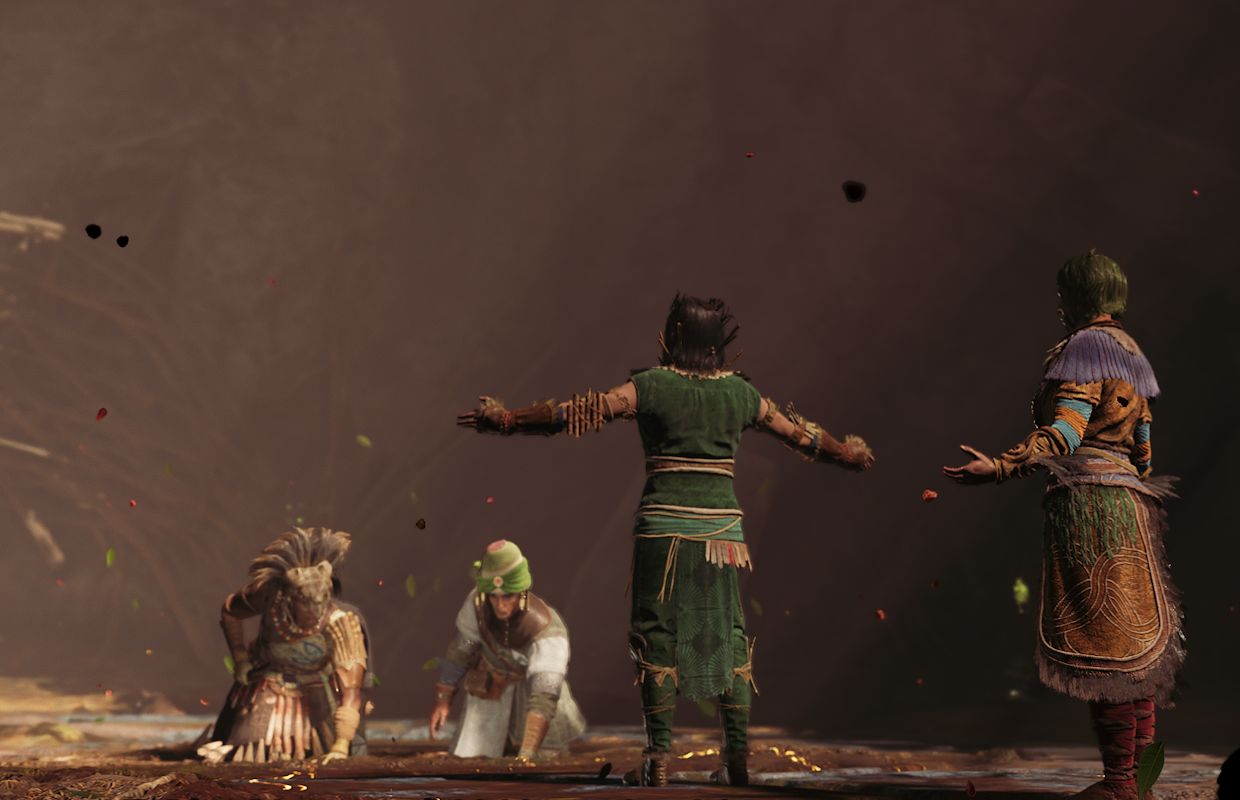
I first played GreedFall on a whim in 2019 and was pleasantly surprised by how much I enjoyed it. It was a solid action RPG with a unique setting, compelling story, and memorable characters. It felt like a welcome throwback to the RPGs that many western developers had stopped making. While the combat and overall presentation weren’t perfect, it felt like a breakthrough for Spiders, the studio behind the game, and I’ve been eager to see what they do next with that world.
I didn’t finish GreedFall: The Dying World feeling as positive as I did with the original game. While it occasionally brought back good memories from seven years ago, it often felt like the game’s direction wasn’t fully realized, especially considering it’s not a direct sequel.

Before diving into the review, it’s important to understand the circumstances surrounding the development of GreedFall: The Dying World. In 2019, the game’s developer, Spiders, was bought by Bigben Interactive, which now operates as Nacon. Previously, Spiders had primarily partnered with Focus Entertainment, who published the original GreedFall.
Nacon is known for a significant legal battle with Frogwares over the game The Sinking City. The dispute involved missed payments and who owned the game’s intellectual property, leading Frogwares to ask fans not to buy it on Steam, where Nacon had listed it without their permission. More recently, in 2024, the French video game workers union, Le Syndicat des Travailleureuses du Jeu Vidéo (STJV), published an open letter from employees of Spiders studio, addressing concerns to both the studio and Nacon. This occurred around the time GreedFall 2: The Dying World launched in early access and received a generally unenthusiastic response, and the ‘2’ has since been removed from the game’s title.
The letter details worsening conditions at the studio, citing poor management, high employee turnover, and a lack of openness from the new owners, as well as a refusal to work with employees to find solutions. A 2025 report also showed both layoffs and positions left vacant were not being filled. Just before the full release of GreedFall: The Dying World, Nacon faced financial difficulties and had to cancel their planned digital event with only a day’s notice.
A representative from Spiders, the game developer, told RPG Site that working conditions haven’t gotten much better, and about 25% of their staff have left the company since the start of 2025, either by quitting or being let go. They also confirmed that they currently have no new projects in development after the release of their game, The Dying World.
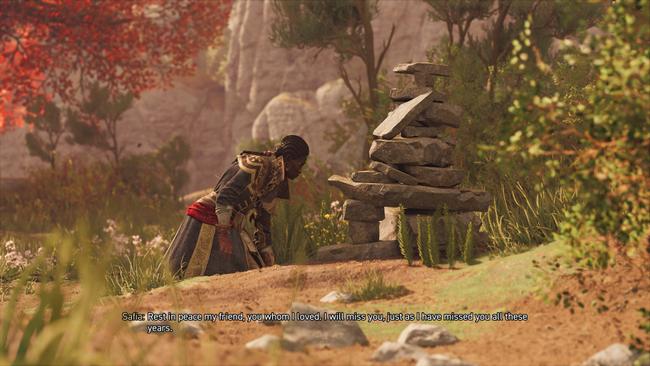
Despite hoping to say GreedFall: The Dying World is a success, especially considering the difficult circumstances surrounding its release, it unfortunately doesn’t live up to expectations. While the game has some good ideas, they’re hampered by weak implementation, and it feels rushed and incomplete – likely due to the publisher’s financial constraints.
When the early version of the game was released, one of the most noticeable changes was how combat worked. The original GreedFall had action-based combat where you could pause to choose items or give commands, while your companions fought on their own. GreedFall: The Dying World switched to a more classic RPG combat style, similar to “Real-Time-With-Pause” systems found in games like Knights of the Old Republic and Dragon Age: Origins.
Battles happen automatically at set times, but you choose powerful special moves from a bar at the bottom of the screen. You can even plan attacks and movement while paused, so they happen as soon as the battle resumes. The system feels a lot like the core combat found in most Xenoblade games – you build up resources for regular attacks, and special moves use those resources while also having a cooldown. Plus, you directly control each character in your party during fights.

How players react to the new combat system will likely vary a lot. Personally, I loved it – it felt very familiar and comfortable, especially as someone who enjoys real-time with pause combat. I didn’t see it as better or worse than the original game’s system, just different. Some features from the first game are still present, like the shield icons showing armor and abilities that can break through defenses. However, it’s a bit more complex now, as you can directly control and position each of the four characters individually.
I played the game on its standard “Tactical” difficulty, which is designed to be a full-featured combat experience where you control every member of your team. This made the game quite challenging, and I spent a lot of time carefully positioning my characters to avoid traps and enemy attacks. The game also offers easier options, like a mode where you only control one character and an auto-battle setting. You can even customize how much damage your characters take and deal, and there’s a toggle to make them invincible if you want.
The biggest problem with the game’s fighting is that it gets repetitive. After playing for over 50 hours, I found the combat didn’t change enough, and there weren’t enough different types of enemies to keep things engaging throughout the whole game. Most fights are against human groups who fight similarly to your own team. A few creatures like monkeys, raptors, and big cats appear, along with about five boss battles. While the battle arenas and environments offer some variety, it feels like the game could have done more – something like a fight on a moving ship would have been a great addition.
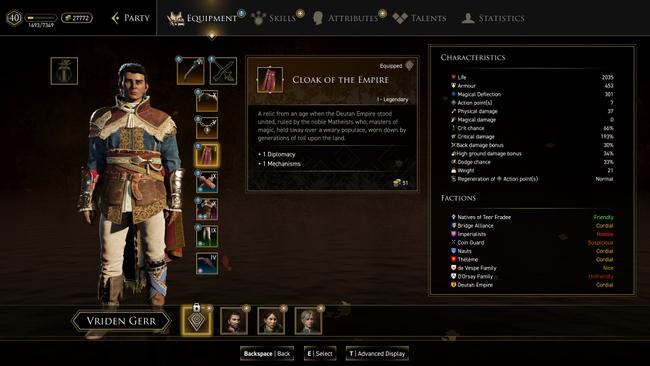
GreedFall: The Dying World features a solid RPG progression and gear system. Gear comes in different qualities (like Uncommon, Epic, and Legendary) which affect how many bonuses it provides, and tiers (I to XIII) that indicate its overall strength. You can also modify gear using the Craftsmanship skill to further improve its stats. This skill is particularly useful, as it significantly boosts armor values – something often overlooked in other games where crafting feels weak. Overall, the system is well-designed for players who enjoy carefully examining new gear, dismantling old equipment for upgrades, and optimizing stats for each character.
Like most games of this type, you improve your characters with stats and skills. However, I appreciated the variety of stats to choose from and the high level cap, which meant my choices about how to develop each character felt important throughout the game. Picking skills worked similarly, although your companions had fewer options than your main character.
My biggest issue with the game is how skills are locked to certain weapons or combat styles, which heavily favors the traditional tank, damage-dealer, and support roles. Once I decided on a specific playstyle – a fast-attacking, damage-focused character with a saber – many skills felt immediately useless because they required investing in other weapon types or support/tank abilities, which didn’t fit my build. While you can re-specialize and there are probably ways to create mixed builds, I wish the skill system was more flexible and didn’t force you to commit to a specific gear setup or playstyle so early on.
As a big fan of the original, I’m really happy to see talents back in The Dying World! They work just like I remember – you need them to open certain doors, follow trails, or unlock special conversations. It makes building your party a lot more strategic, because each character excels at different talents. If you’re playing someone who isn’t great at talking, bringing Sybille along can be a lifesaver! The characters really feel like they represent their factions, and honestly, the voice acting is fantastic. My one complaint? They really dropped the ball with Till. He joins your party, but doesn’t get any follow-up quests or a proper storyline like the other companions, who all have three. It makes him feel a bit like an afterthought, which is a shame.
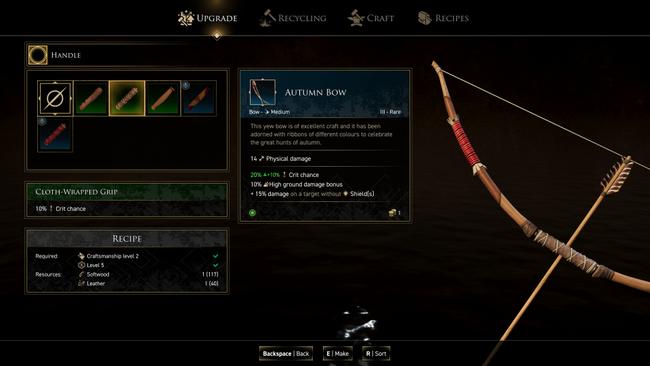
GreedFall: The Dying World takes place before the original game, and features some familiar faces. The first GreedFall game put you in the shoes of an envoy from a trading company, sent to the island of Teer Fradee to investigate and help cure a deadly plague. It’s important to understand that story because The Dying World flips the script: you play as a native islander who is taken from their home to the mainland after the island is discovered.
In my review of GreedFall, I pointed out that the game’s world strongly resembles the colonial history of North America, particularly the displacement and loss of life experienced by Native Americans. The game doesn’t just focus on conflict caused by colonizers; it also explores how the spread of disease contributed to the suffering of the native population. While I’m no historian, I felt the story was thoughtfully crafted, with a clear effort to highlight the disadvantages faced by the indigenous people – exemplified by important characters like Siora, who plays a key role in the narrative.
GreedFall: The Dying World still tries to tell a complex story, but it doesn’t always succeed, and many elements feel underdeveloped. While the game is set on the mainland, most of the important conflicts happen away from the player’s view, only being talked about. The different groups – like the Bridge Alliance, Theleme, and the Nauts – return, but they don’t feel as influential as before. We hear about a war between these factions, but rarely see it. Because much of the game takes place in areas controlled by the Merchant Congregation or Bridge Alliance, other important regions like Theleme and Deutan are mostly represented by just a single representative or character.
The story doesn’t usually grab your attention. Many characters are quickly established as villains through exaggerated prejudice against the player’s background, and a lot of the gameplay involves investigating past misdeeds or having lengthy conversations about what to do next. The main villain, Kurnaz, felt similar to Vayne from Final Fantasy XII – he often disappears from the story, so by the time the plot returns to him, it’s hard to feel strongly about him. The game also introduces an ancient civilization, but it feels disconnected and only impacts a few quests.
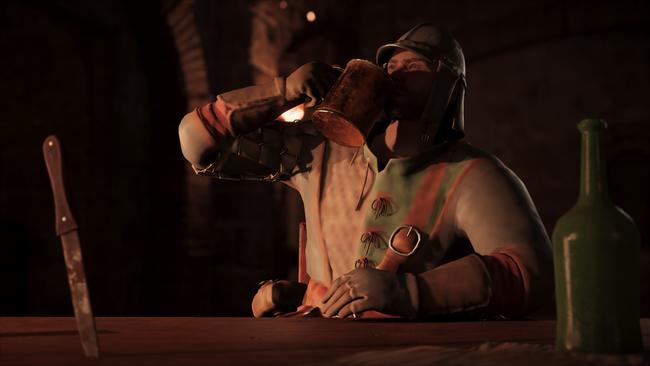
While reviewing the game, I was surprised by how many small but frustrating issues detracted from my enjoyment of The Dying World. For example, comparing items in my inventory to what a shop sold was clunky, and selling materials in bulk, or marking them as favorites or junk, wasn’t possible. The game also frequently reset my item sort preferences when I opened the inventory. Conversations lacked a history feature, making it hard to remember what had already been discussed, and tooltips were limited unless the game was paused. Only one custom map marker was available. None of these issues are game-breaking on their own, but together they create the impression that the game felt rushed to release.
GreedFall’s biggest weaknesses are definitely technical. Even on a powerful computer, I experienced fairly consistent performance with only minor stuttering, but that’s where the positives stop. The main problem is that high-quality textures frequently failed to load correctly, appearing blurry or not showing up at all. While these issues sometimes resolved themselves after playing for a while, they would often reappear when loading a saved game. This made the game, which already had a somewhat dull color scheme, look even more washed out when the textures weren’t displaying as intended.
Honestly, there were times when character armor just wouldn’t load properly, which was super jarring – I’m talking floating arms or even heads completely missing! It seems like it might depend on your graphics card, and I’m hoping the developers can fix it, but it definitely pulled me out of the experience. On top of that, the game crashed on me four or five times during my 50-hour playthrough, and I don’t usually have that many issues with games.

GreedFall: The Dying World still offers a strong world, solid RPG character development, and plenty for existing fans to enjoy. However, the story isn’t as original as the first game, the updated combat might appeal to a smaller group of players, and various bugs and gameplay issues significantly detract from the overall experience. While post-launch support from the developers could fix many of these problems, the game’s current condition leaves a lot to be desired.
6
We tested Greedfall: The Dying World on PC (via Steam). It’s also playable on PlayStation 5 and Xbox Series X|S.
Read More
- FRONT MISSION 3: Remake coming to PS5, Xbox Series, PS4, Xbox One, and PC on January 30, 2026
- Best Controller Settings for ARC Raiders
- Welcome to Demon School! Iruma-kun season 4 release schedule: When are new episodes on Crunchyroll?
- Taylor Sheridan’s Gritty 5-Part Crime Show Reveals New Final Season Villain
- From season 4 release schedule: When is episode 2 out on MGM+?
- Mark Zuckerberg & Wife Priscilla Chan Make Surprise Debut at Met Gala
- The Boys Season 5 Officially Ends An Era For Jensen Ackles’ Soldier Boy
- ‘The Bride!’ Review: Jessie Buckley Breathes Life into a Monstrous Mess
- Invincible Season 4 Episode 4 Post-Credits Unveils a Demonic Return & More
- Meet the cast of Good Omens season 3: All the actors and characters
2026-03-13 02:28