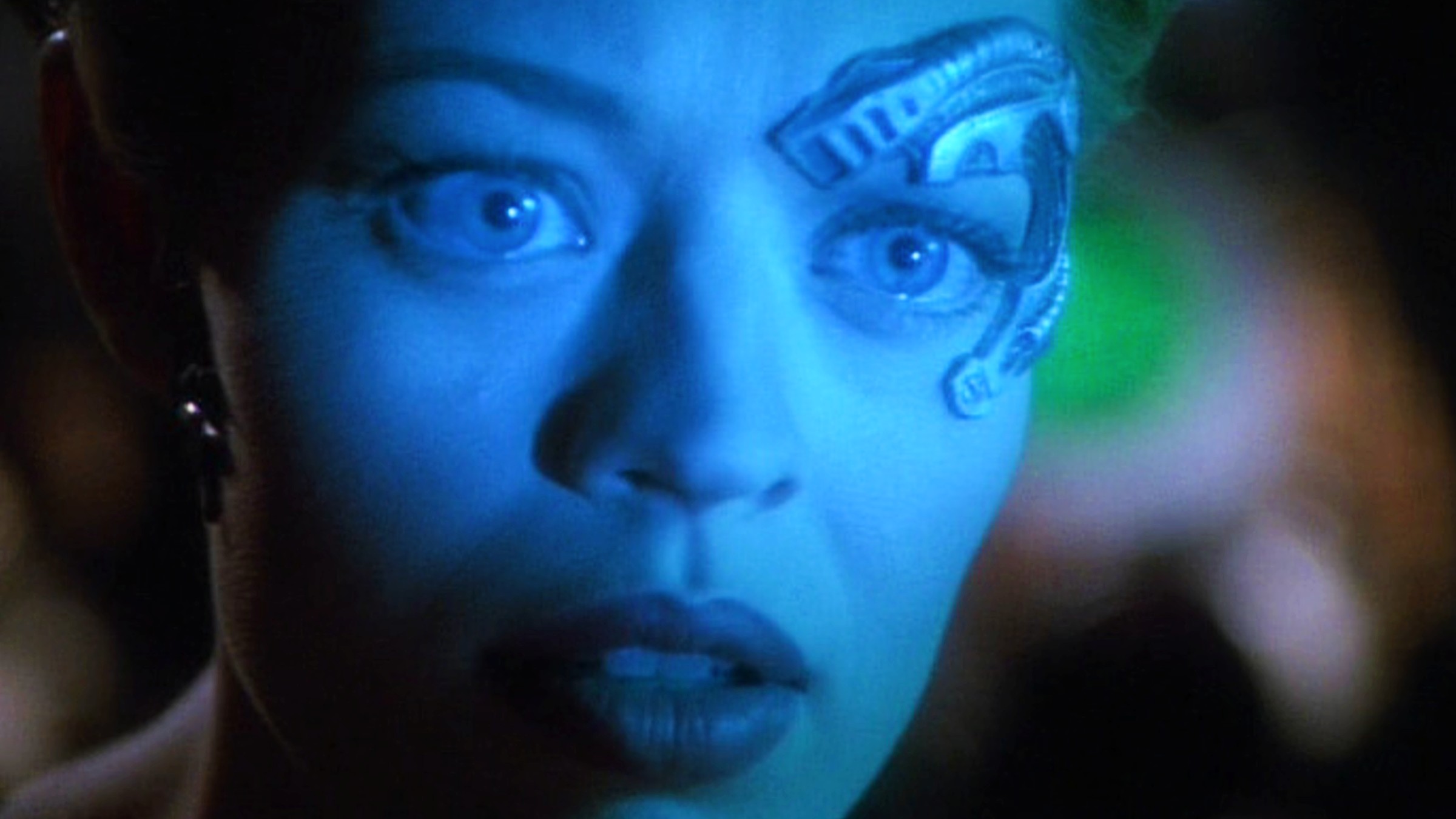
The 1990s dramatically changed science fiction on television. Improvements in visual effects made it possible to create believable space battles, alien landscapes, and time travel even with limited budgets. At the same time, a sense of unease after the Cold War led writers to explore themes of government control, potential alien dangers, and what it truly means to be human—with a depth rarely seen in the genre before. Shows also began to tell longer, connected stories instead of relying on self-contained episodes, encouraging viewers to follow complex narratives over multiple seasons. This resulted in groundbreaking shows and new approaches that expanded the possibilities of science fiction on TV.
The difference between TV shows that have truly lasted and those that simply evoke fond memories comes down to strong themes and solid storytelling. Lasting shows connected fantastical ideas to realistic human behavior, creating characters who made choices based on their personalities, not just what the plot needed. This careful approach, maintained throughout the entire series, is why these shows still feel exciting and engaging even today.
7) The Outer Limits
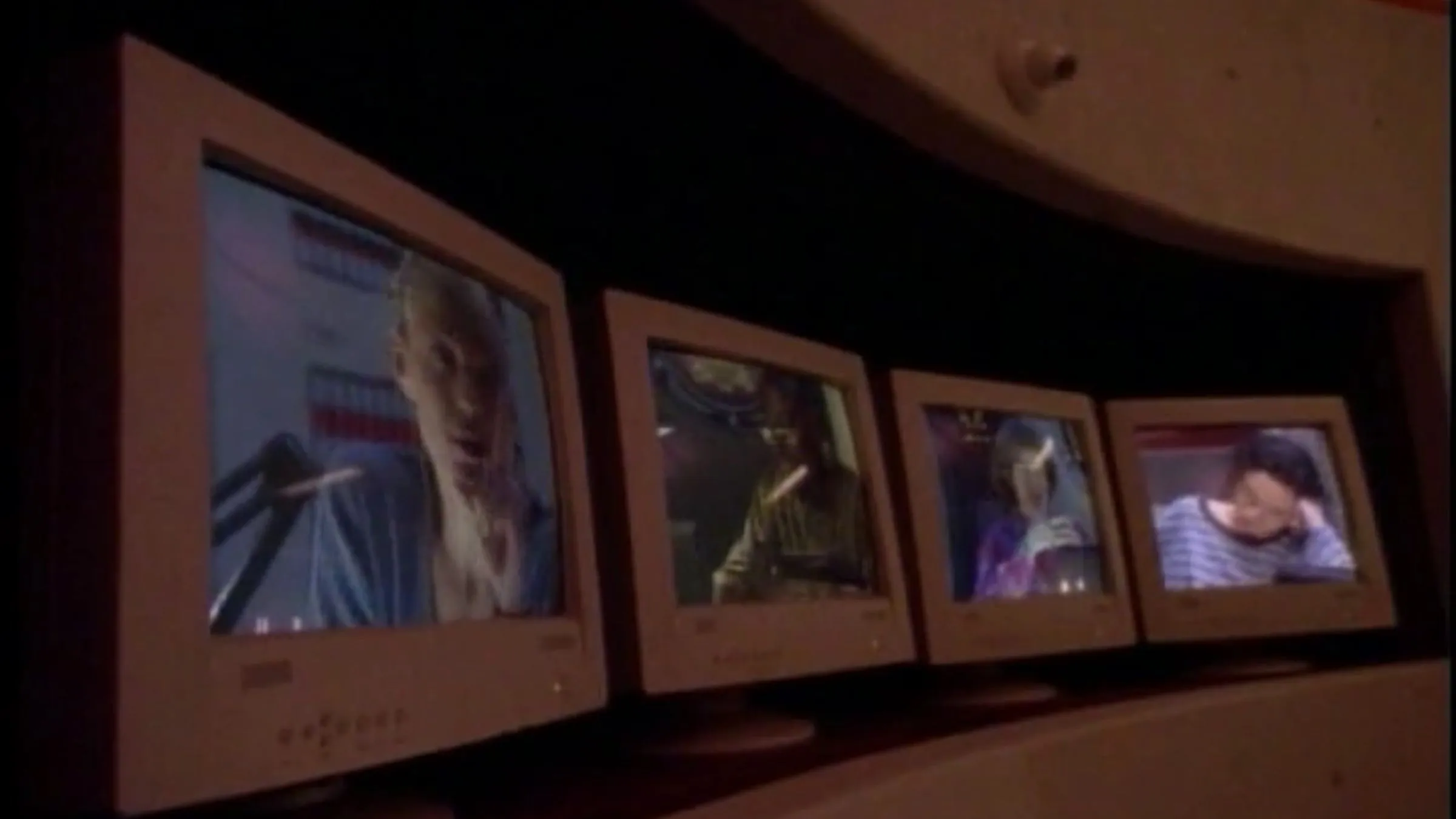
The 1995 version of The Outer Limits was unique for its time. It presented stand-alone science fiction stories – a format that wasn’t very popular commercially then – over seven seasons on Showtime and the Sci-Fi Channel. Because it wasn’t a continuing story, the show could freely adapt work by well-known authors, create original scripts, and explore different moods and themes. Each episode could range from frightening science fiction to thought-provoking ethical dilemmas and sharp social commentary.
Because each episode of the anthology series stood on its own, the overall quality varied – a strong script and good teamwork were essential for success. When episodes did work, they excelled at using fantastical situations to reveal very real human flaws, a technique that still feels fresh and impactful after thirty years. In fact, the show’s format and focus on thought-provoking themes paved the way for series like Black Mirror, which remains a standout in modern science fiction.
6) Star Trek: Voyager
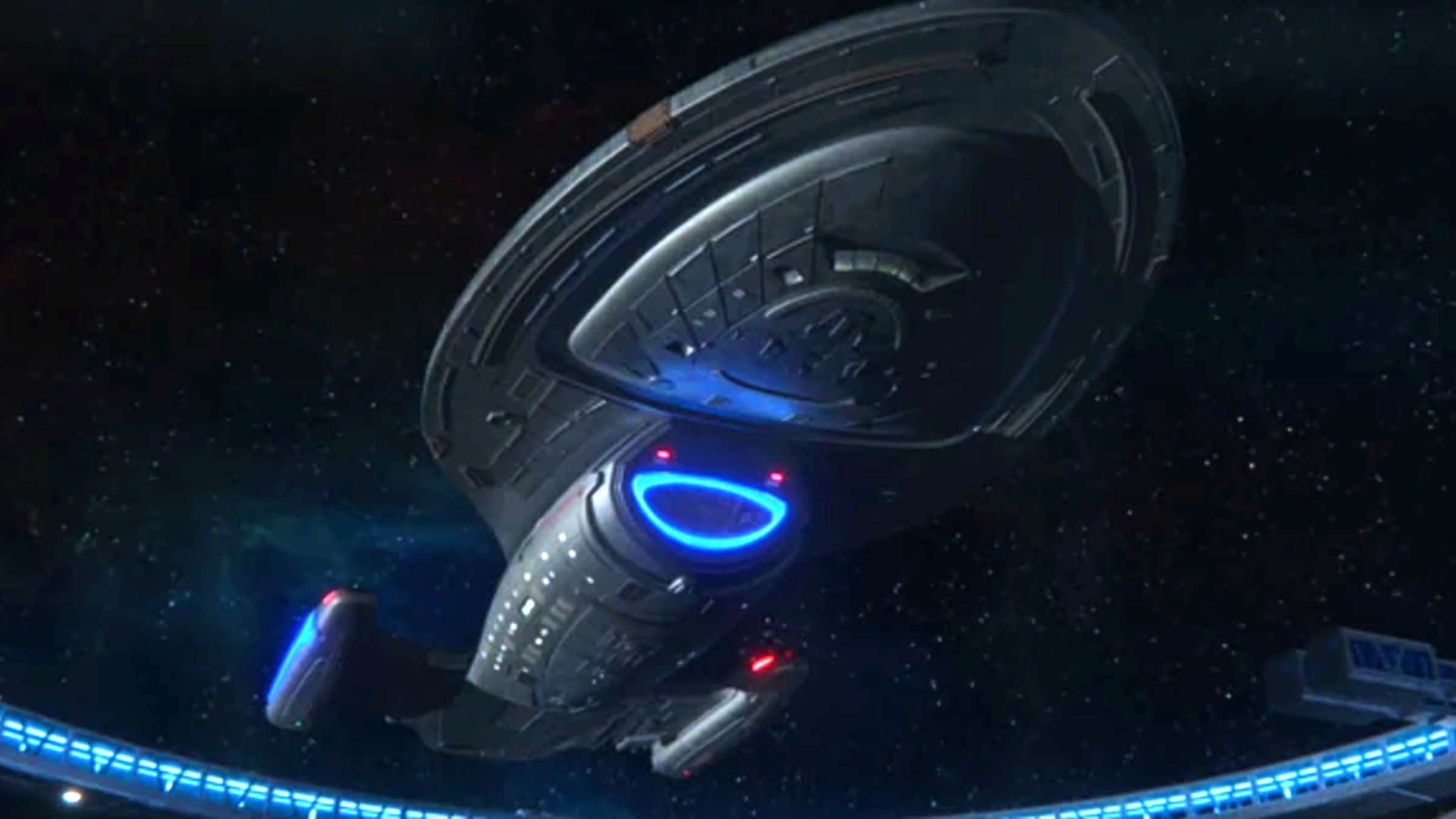
Premiering in 1995, Star Trek: Voyager was a flagship show for the UPN network and the fourth live-action series in the Star Trek universe. The show’s main storyline centered on a Federation starship, the USS Voyager, stranded 70,000 light-years from Earth. Unlike The Next Generation, which often focused on diplomacy, Voyager created tension by focusing on the crew’s struggle to survive, cut off from help and forced to explore a completely unknown region of the galaxy.
As a huge sci-fi fan, I’ve always admired Captain Kathryn Janeway from Voyager. Kate Mulgrew really brought a smart, thoughtful weight to the role – Janeway wasn’t just giving orders, she was thinking through incredibly complex problems with no easy answers. The show did stumble a bit in the middle, honestly, sometimes ignoring things that had happened before to make each episode self-contained. But thankfully, bringing the Borg back into the mix later on really revitalized things. Even today, they feel like a genuinely terrifying and believable threat, and that helped Voyager regain its momentum.
5) Farscape
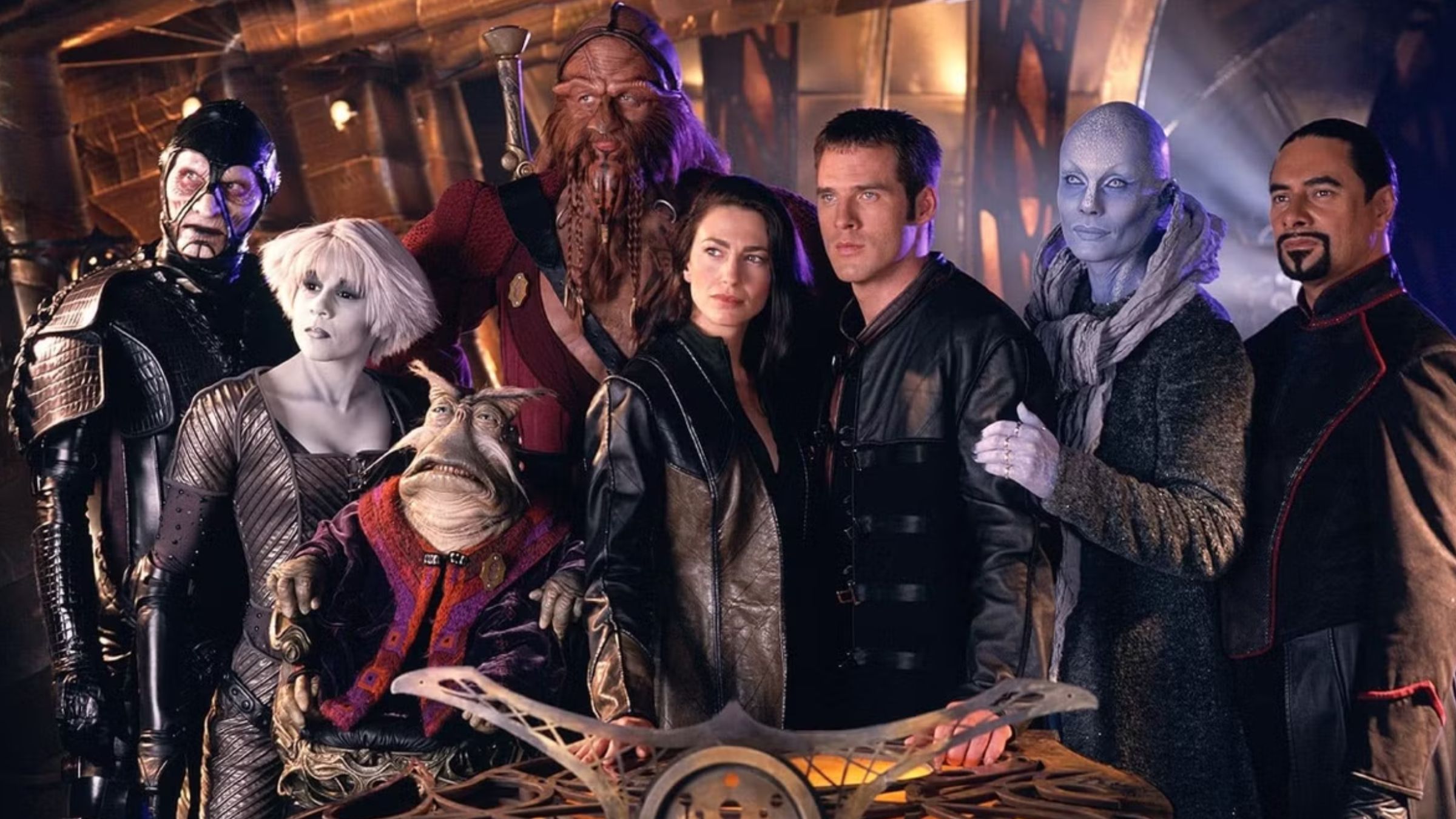
The sci-fi series Farscape premiered on the Sci-Fi Channel in 1999. It told the story of an American astronaut unexpectedly thrown across the universe and stuck on a living spaceship with a crew of alien criminals. Despite a potentially silly concept, Farscape became known for its surprising and innovative storytelling. A key to its success was the involvement of the Henson Company, who used impressive puppetry and practical effects to bring the alien characters to life. These effects have held up remarkably well compared to the CGI of that era, giving Farscape a unique and visually compelling look.
Beyond its imaginative setting, Farscape distinguished itself through its deeply developed characters and relationships. The connection between astronaut John Crichton and Peacekeeper Aeryn Sun was particularly complex, avoiding typical sci-fi tropes by letting their romantic tension unfold gradually over the show’s four seasons and the Peacekeeper Wars miniseries, which kept the drama consistently engaging. The series also gave real meaning to its overarching story, making sure that significant events, like character deaths or plot twists, had lasting consequences.
4) Stargate SG-1

Premiering in 1997, Stargate SG-1 was a television series based on the 1994 film and became the longest-running North American science fiction show of its time, lasting ten seasons. The show centered around a military team using an ancient network of portals to explore planets inhabited by humans, originally seeded by aliens who were mistaken for Egyptian gods. This setup provided the writers with a vast source of mythology, letting them introduce different enemies like the Goa’uld, Asgard, and Ori without running out of ideas.
Richard Dean Anderson’s performance as Colonel Jack O’Neill in Stargate SG-1 helped keep the show relatable, even when the storylines got wild. His character brought a practical, American military sensibility that prevented the show from taking itself too seriously – a problem that sometimes hurt other sci-fi series. Plus, Stargate SG-1 created a remarkably consistent and detailed storyline over ten seasons, rewarding loyal viewers while still being easy for new fans to enjoy. With a Stargate reboot in the works, now is a great time to revisit the original series.
3) Futurama
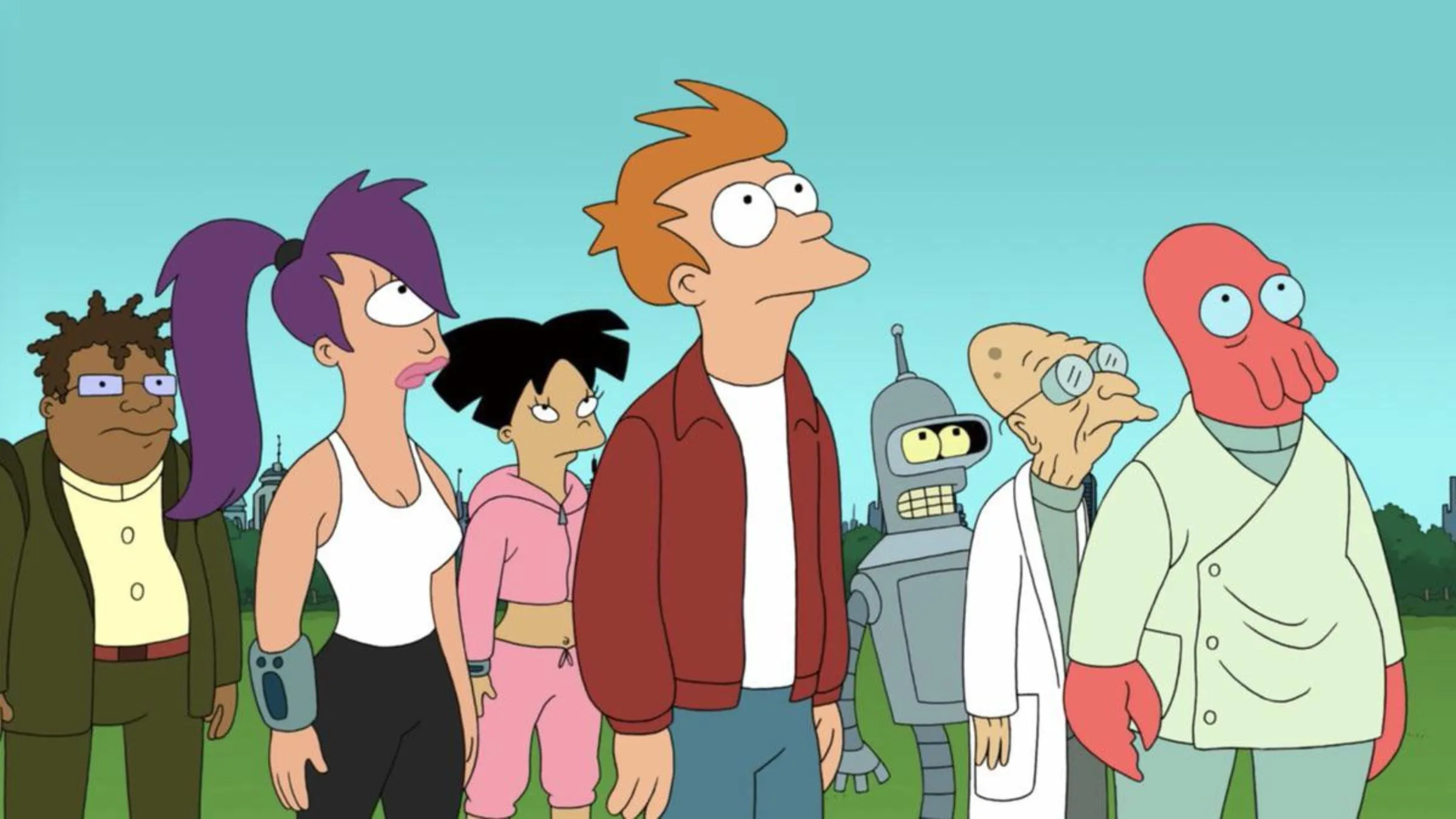
Futurama first aired on Fox in 1999. Created by Matt Groening and David X. Cohen, it’s an animated comedy set in the year 3099. The show follows the adventures of Philip J. Fry, a pizza delivery boy who’s been frozen and woken up in a future New York filled with robots and aliens (voiced by Billy West). What set Futurama apart from other animated shows at the time was its writers’ strong understanding of science, math, and computers. This allowed them to create jokes that were both funny and cleverly based in real-world principles.
Beyond its humor, Futurama tackled surprisingly deep themes like grief, addiction, and loneliness within its episodes. The show has been revived multiple times, including a recent season on Hulu, proving that its critiques of things like big business, uncaring institutions, and our reliance on technology are still very relevant today.
2) Babylon 5
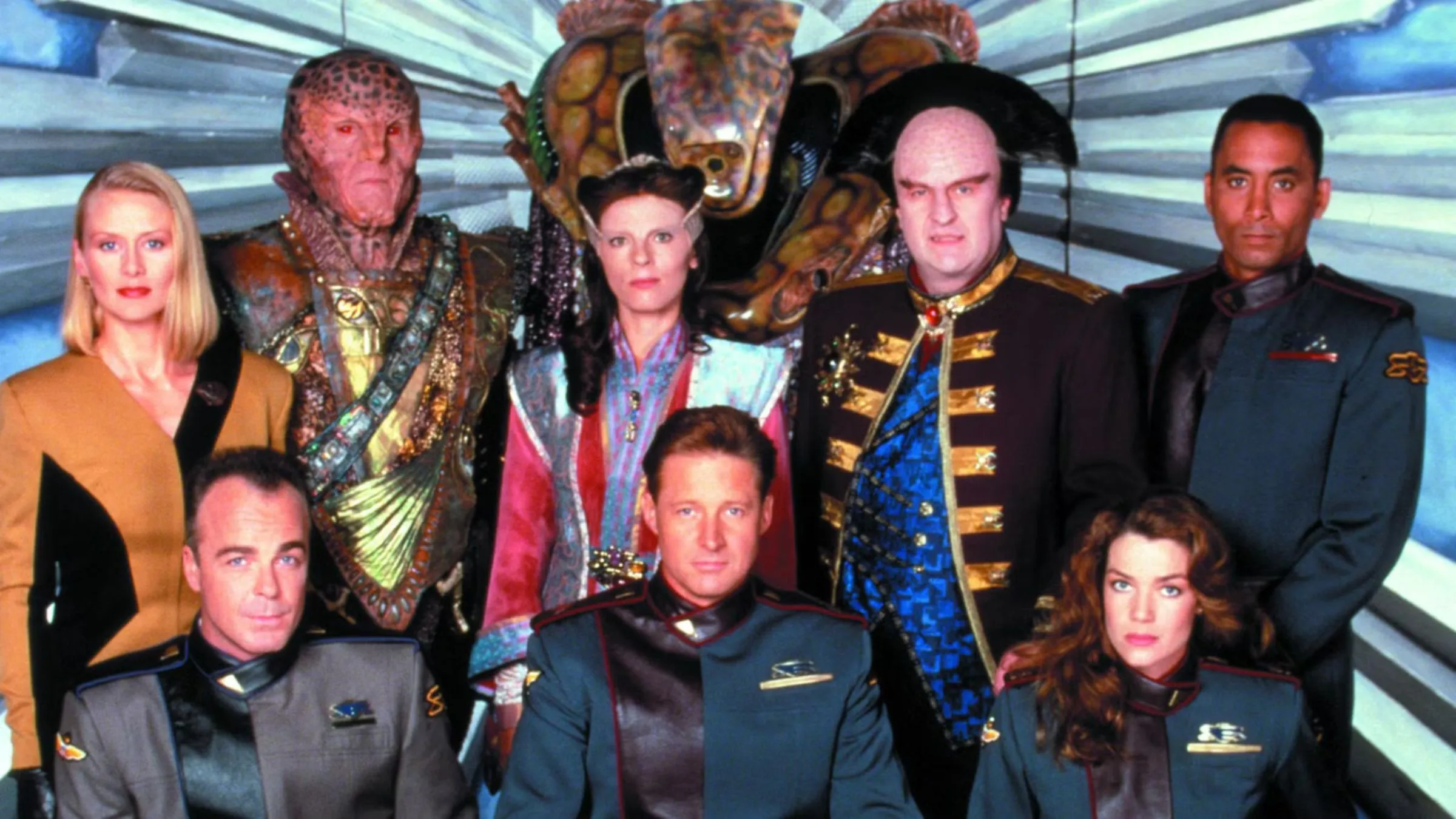
Premiering in 1993 on the Prime Time Entertainment Network, Babylon 5 was groundbreaking as the first American science fiction show designed from the start with a complete five-year story arc. This innovative approach heavily influenced the structure of many critically acclaimed dramas that came after. Creator J. Michael Straczynski wrote most of the episodes himself, ensuring a consistent theme throughout the series, which explored topics like interstellar war, political wrongdoing, and the re-emergence of ancient evils in the galaxy.
Both Commander John Sheridan (Bruce Boxleitner) and his predecessor, Jeffrey Sinclair (Michael O’Hare), were characters with hidden pasts that were key to the show’s overall story. Revealing details about their lives also advanced the plot, which was very rewarding for dedicated viewers. While the show’s special effects now look a bit old due to budget constraints, the strong writing more than makes up for it. Babylon 5 proved that science fiction could tell complex, long-running stories with the same depth and ambition as a novel.
1) The X-Files

Premiering on Fox in 1993, The X-Files took the anxieties of the Cold War and turned them into one of the most innovative and complex science fiction shows ever made for network television. Created by Chris Carter, the show centered on the contrasting approaches of FBI agents Fox Mulder (David Duchovny) and Dana Scully (Gillian Anderson). Mulder believed and investigated the unexplained, while Scully relied on scientific proof. This core difference allowed The X-Files to successfully balance standalone episodes featuring strange creatures with a larger, season-long story about a hidden government conspiracy that spanned all nine seasons.
The overarching conspiracy storyline in The X-Files explored themes of government lies, constant monitoring, and manipulating public understanding. These ideas have become even more meaningful over time, far beyond what the show’s creator originally imagined. This makes the series feel less like a product of its time and more like a prescient warning about what was to come. Agent Scully’s commitment to scientific reasoning is particularly relevant today, offering a strong example of critical thinking at a time when it’s increasingly challenged. This combination of entertainment and insightful social commentary explains why The X-Files continues to resonate with audiences and why a revival was inevitable.
I’m a huge fan of 90s sci-fi, and I’m dying to know – what was your favorite show? Let’s talk about it! Come share your pick and join the discussion over at the ComicBook Forum – I’ll be there!
https://comicbook.com/movies/list/7-great-sci-fi-movies-that-defined-the-1990s/embed/#
Read More
- Review: Final Fantasy Tactics: The Ivalice Chronicles (PS5) – Still the Benchmark for Turn-Based Tactics
- Mark Zuckerberg & Wife Priscilla Chan Make Surprise Debut at Met Gala
- Elon Musk’s Mom Maye Musk Shares Her Parenting Philosophy
- 10 Greatest Manga Endings of All Time
- The WONDERfools ending explained: What happened to the Child of Eternity?
- The Witcher 3 Officially Reveals Stunning New Ciri Figure Coming 2026
- Nippon Sangoku Is The Best New Post-Apocalyptic Anime of Spring 2026
- New One Piece Live-Action Rumor Teases Netflix TV Show’s Season 4
- The Best Action Movie of 2022 Is Finally Streaming Free (Just in Time for the Sequel’s Release)
- FRONT MISSION 3: Remake coming to PS5, Xbox Series, PS4, Xbox One, and PC on January 30, 2026
2026-03-18 00:15