Marvel Comics is known for consistently delivering incredible storylines. Throughout its history, the publisher has been home to some of the most talented creators in the industry, shaping Marvel into the powerhouse it is today. Marvel was a pioneer in promoting its artists and writers, famously creating the “Marvel Bullpen” concept and launching many careers. Dedicated fans can easily recall legendary runs like those by Stan Lee and Jack Kirby, Chris Claremont’s work on X-Men, Brian Bendis’s Avengers, Kurt Busiek and Carlos Perez’s Avengers, and Roger Stern’s Amazing Spider-Man, among others. But some truly great creative periods haven’t received the recognition they deserve.
Marvel has a history of bringing together incredibly talented creators, resulting in some truly iconic and influential superhero stories. Many fantastic, but older, storylines remain undiscovered by today’s fans. Here are ten Marvel runs you should definitely check out.
10) Alan Davis’s Excalibur
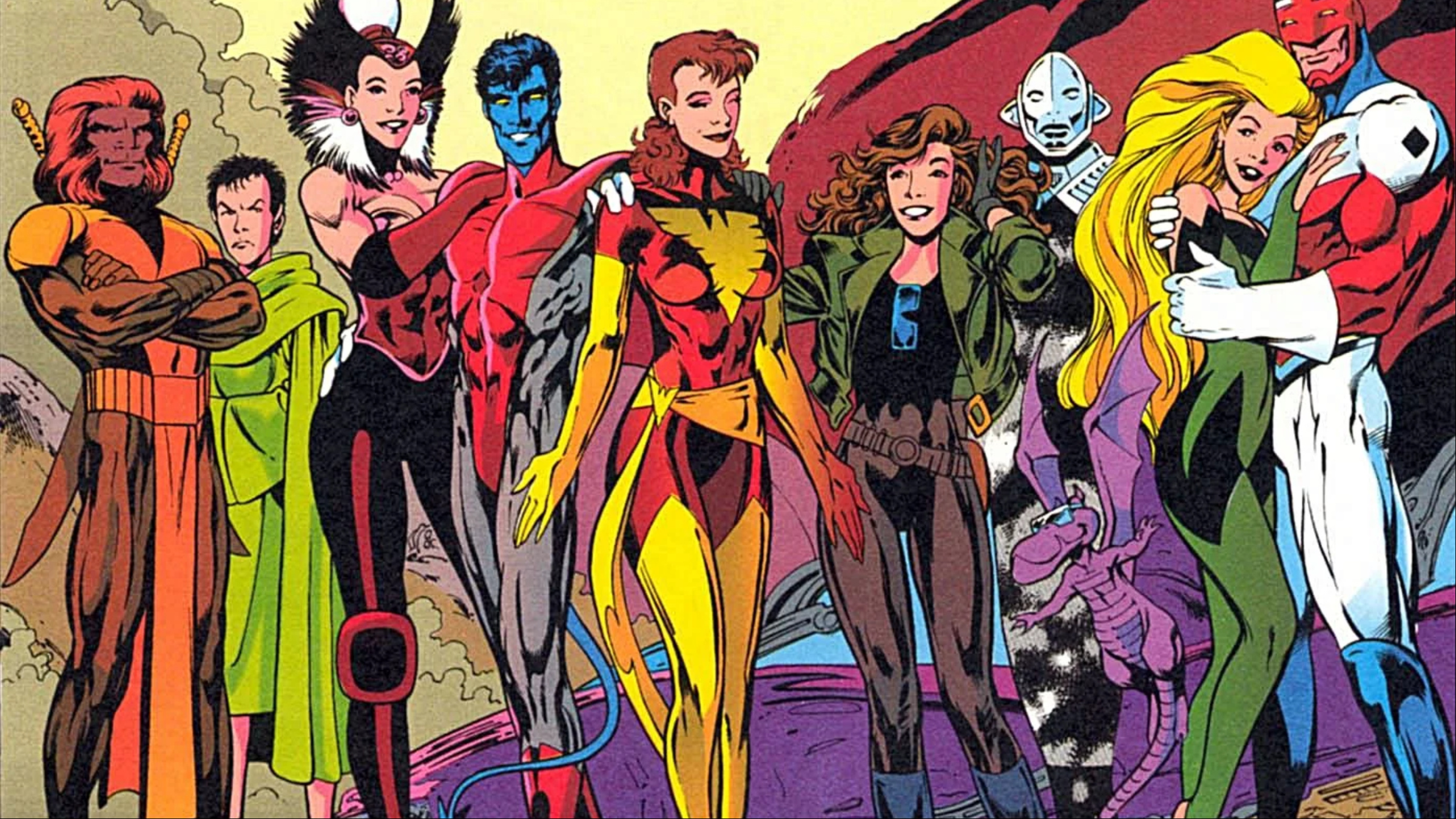
Excalibur is a fantastic X-Men team that often gets overlooked. The original lineup, created by Chris Claremont and Alan Davis, was particularly strong – later versions haven’t quite lived up to it. While both Claremont and Davis eventually moved on, Davis returned in 1991 to work on issues #42-52, 54-58, and 61-67. During this run, he greatly developed the mythology of Otherworld, introduced new team members, and perfectly captured the team’s fun and unique spirit. This period is a truly underrated gem among X-Men comics, and more fans should check it out.
9) John Ney Reiber/John Cassaday Captain America
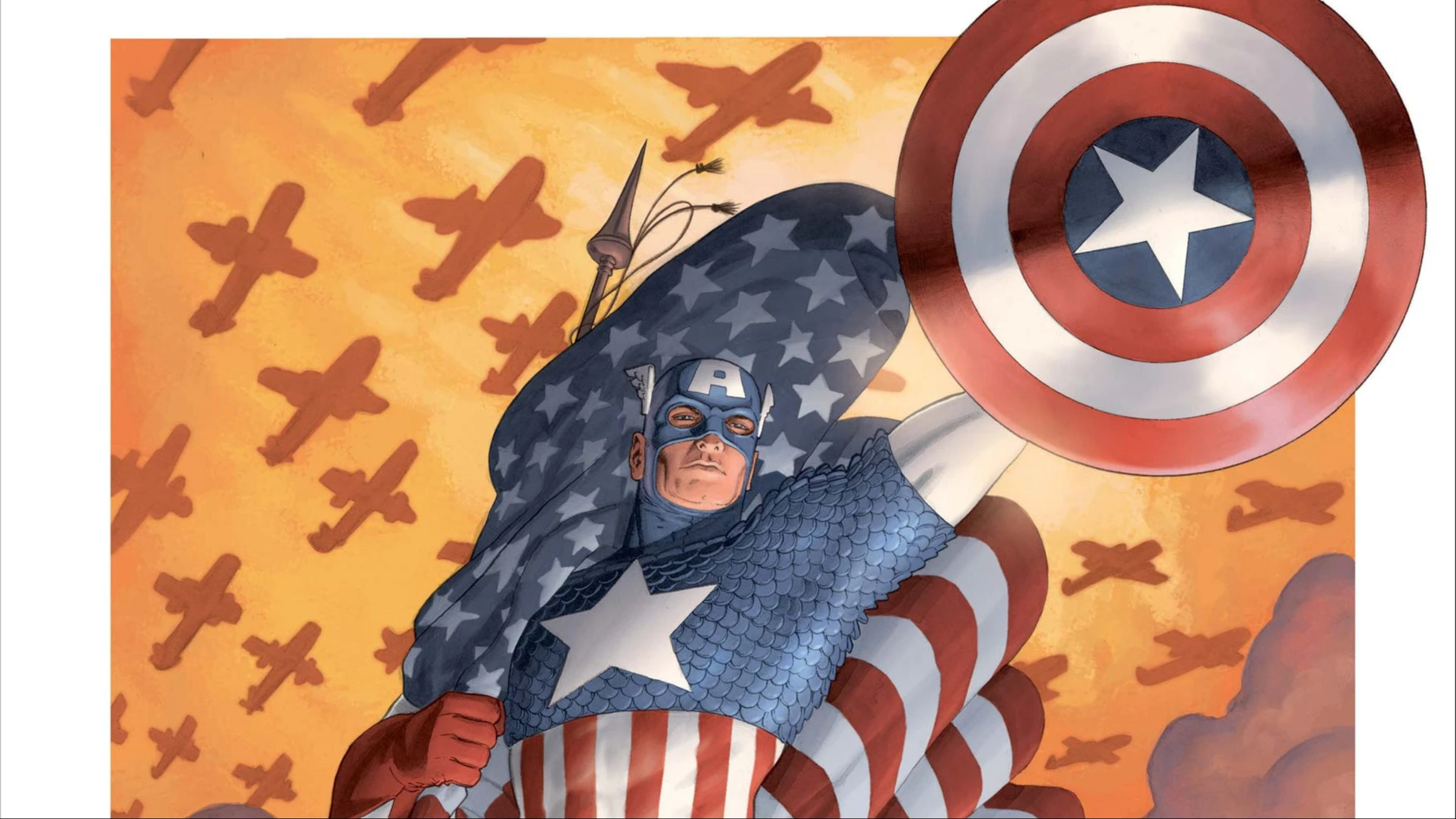
Captain America has a long and impressive history in Marvel comics. Following the events of 9/11 in 2002, Marvel decided to revitalize the character with a new series. They chose writer John Ney Reiber, known for his work on Books of Magic, and artist John Cassaday, who was gaining recognition for Planetary. Though they only worked on six issues of Captain America (Volume 4) – a story about Cap pursuing a terrorist and its consequences – their run is considered exceptional. Reiber perfectly captured the essence of the character, and Cassaday’s artwork was stunning. After six issues, Cassaday moved on, and Chuck Austen took over as writer, ending the creative team’s time on the series. Despite its brief length, their collaboration remains highly regarded.
8) Tom DeFalco Spider-Girl
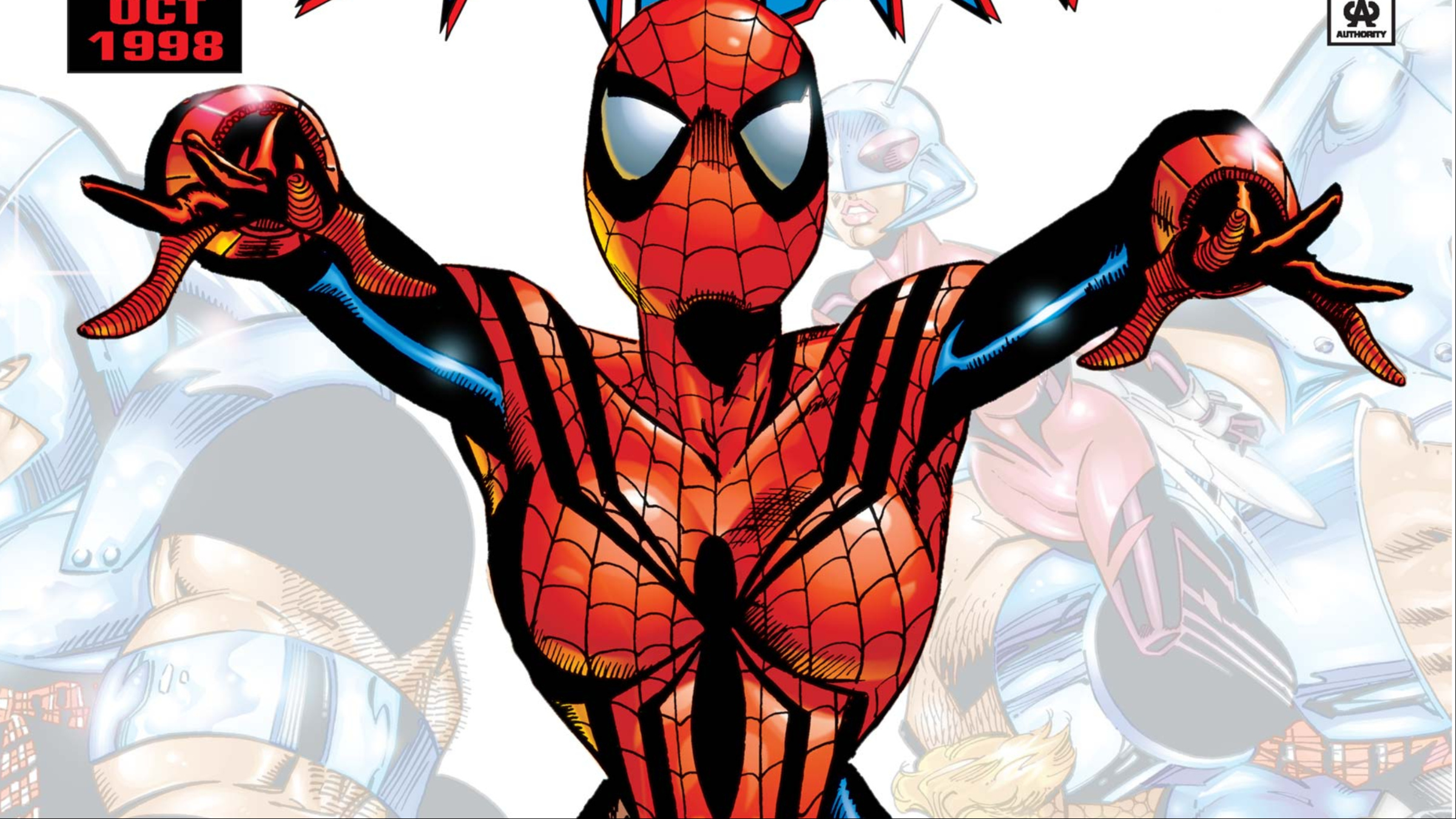
Spider-Girl debuted in the ‘What If…?’ series and quickly became a fan favorite, leading to her own comic book. Written by co-creator Tom DeFalco for an impressive 100 issues, the series showcased his deep understanding of superheroes – he was a former editor-in-chief at Marvel and had worked on many iconic characters. Set in the future, the story followed May Parker as she balanced being a second-generation hero with the challenges of everyday life, leading a new team of heroes. The comic is a classic example of straightforward, enjoyable superhero storytelling, enhanced by artwork from talented artists like Pat Oliffe and Ron Frenz. Despite facing potential cancellation several times, the series persevered and became a beloved classic.
7) Tom DeFalco/Ron Frenz Thunderstrike
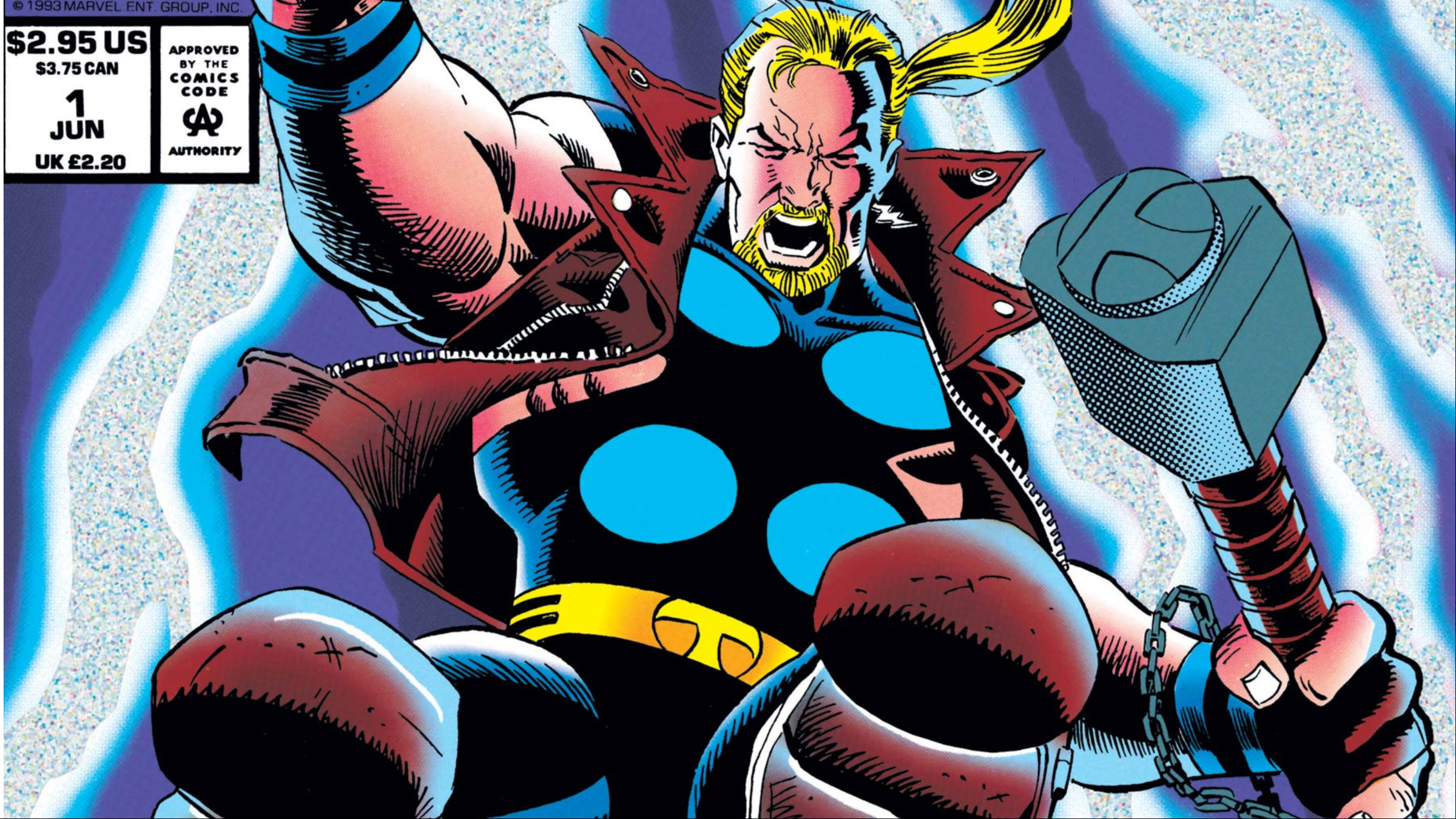
Tom DeFalco and Ron Frenz were a fantastic creative team, notably collaborating on both The Mighty Thor and Fantastic Four. They co-created a unique take on Thor, focusing on Eric Masterson wielding the hammer instead of the traditional Thor—a storyline popular with fans at the time. When the original Thor returned, Eric Masterson was given a magical mace and a new superhero identity, leading to the Thunderstrike series. DeFalco and Frenz worked on issues #1-10 and #12-24 of Thunderstrike, delivering classic Marvel-style superhero action with plenty of large-scale battles and dramatic storylines.
6) Fabian Nicieza/Mark Bagley New Warriors
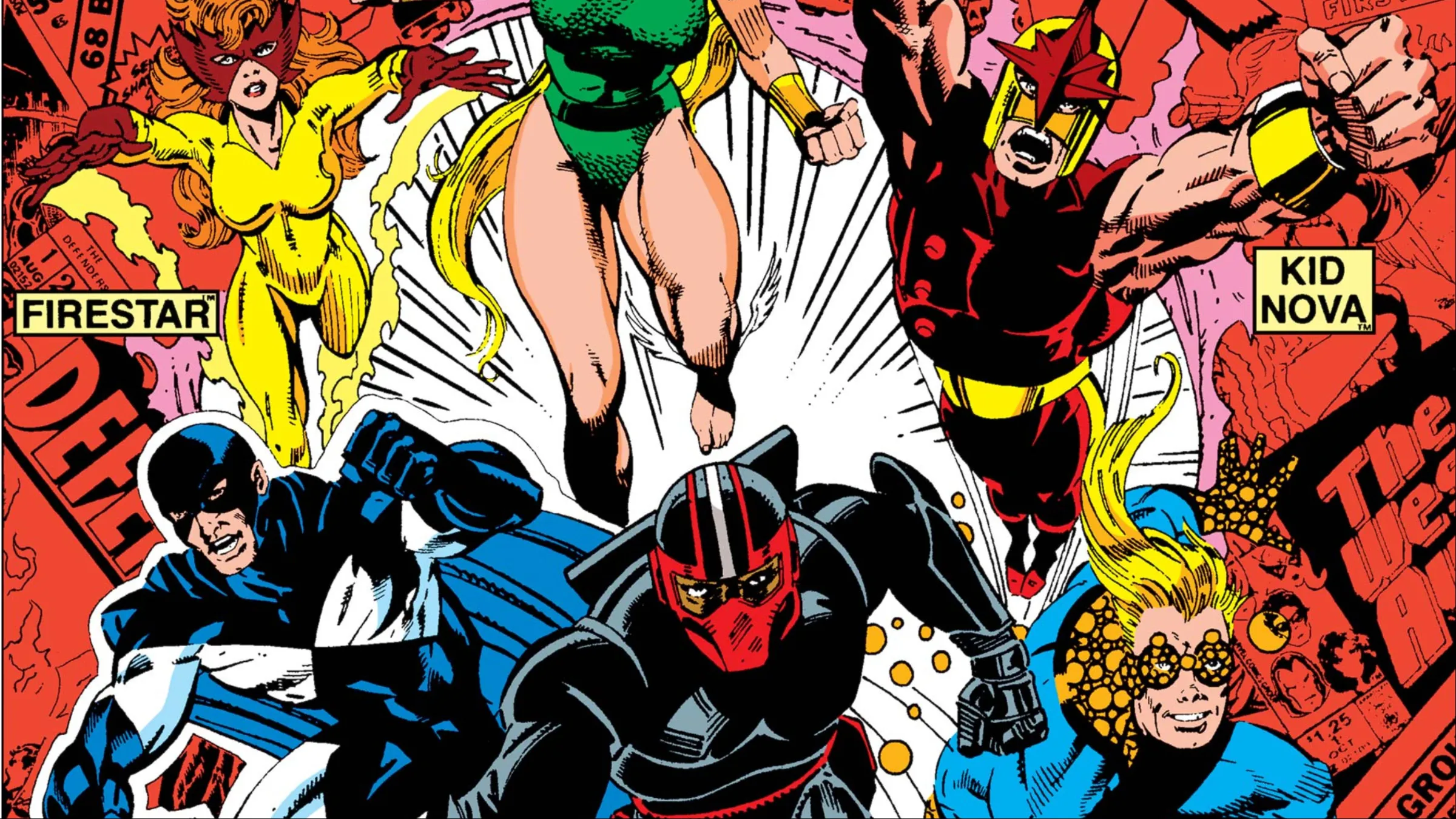
The New Warriors had all the potential to be a huge hit in the 1990s, and the first volume of the comic really showcases that. It started strong with a fantastic run by Fabian Nicieza and Mark Bagley, both of whom were on their way to becoming major names in the industry. Their work on the first 25 issues was incredibly well-received by readers. Marvel hadn’t often found success with non-mutant teen heroes, but Nicieza and Bagley created something special with this team. Their success led to even bigger opportunities – Nicieza went on to write the popular X-Men (Vol. 2) and became one of Marvel’s bestselling writers, while Bagley took over The Amazing Spider-Man. Marvel clearly recognized their talent after those first 25 issues, and it paid off for everyone involved.
5) Jeph Loeb/Adam Pollina X-Force
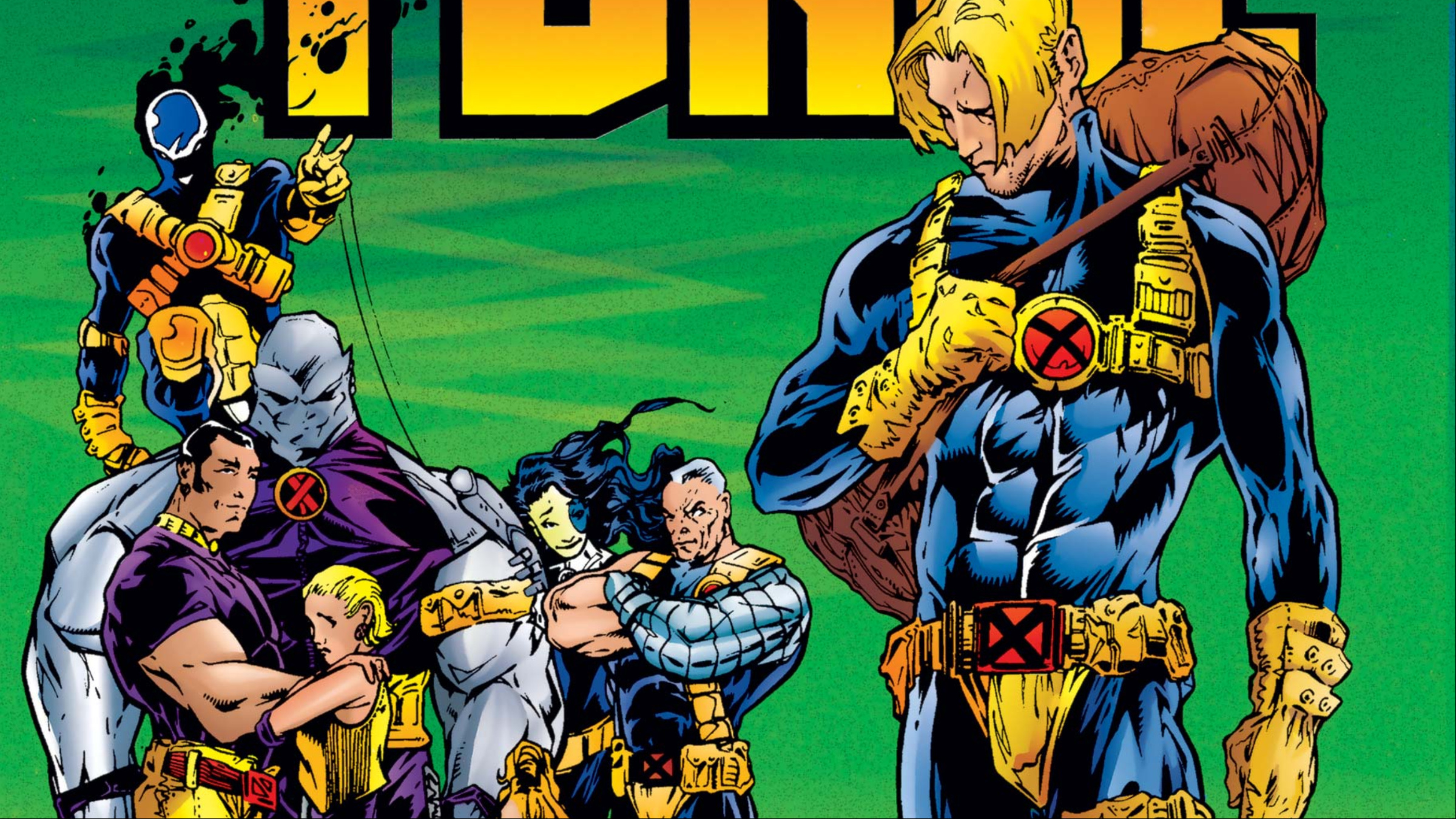
The 1990s run of X-Force is often seen as a mixed bag. While it was commercially successful and featured excellent artwork (particularly from Greg Capullo and Tony S. Daniel, not Liefeld), the writing wasn’t always innovative. Things really improved after Age of Apocalypse when Jeph Loeb and Adam Pollina took over with issue #44. They collaborated on issues #44-48, #50, and #52-56, after which Loeb moved on but Pollina continued to work on the title – and it remained strong. Together, they shifted the team’s focus from a gritty, teenage squad to a more traditional superhero group aligned with the X-Men. Loeb excelled at portraying the characters, but Adam Pollina was the true standout. His distinctive art style was phenomenal, and he’s considered one of the best artists to ever work on X-Force.
4) Erik Larsen Wolverine
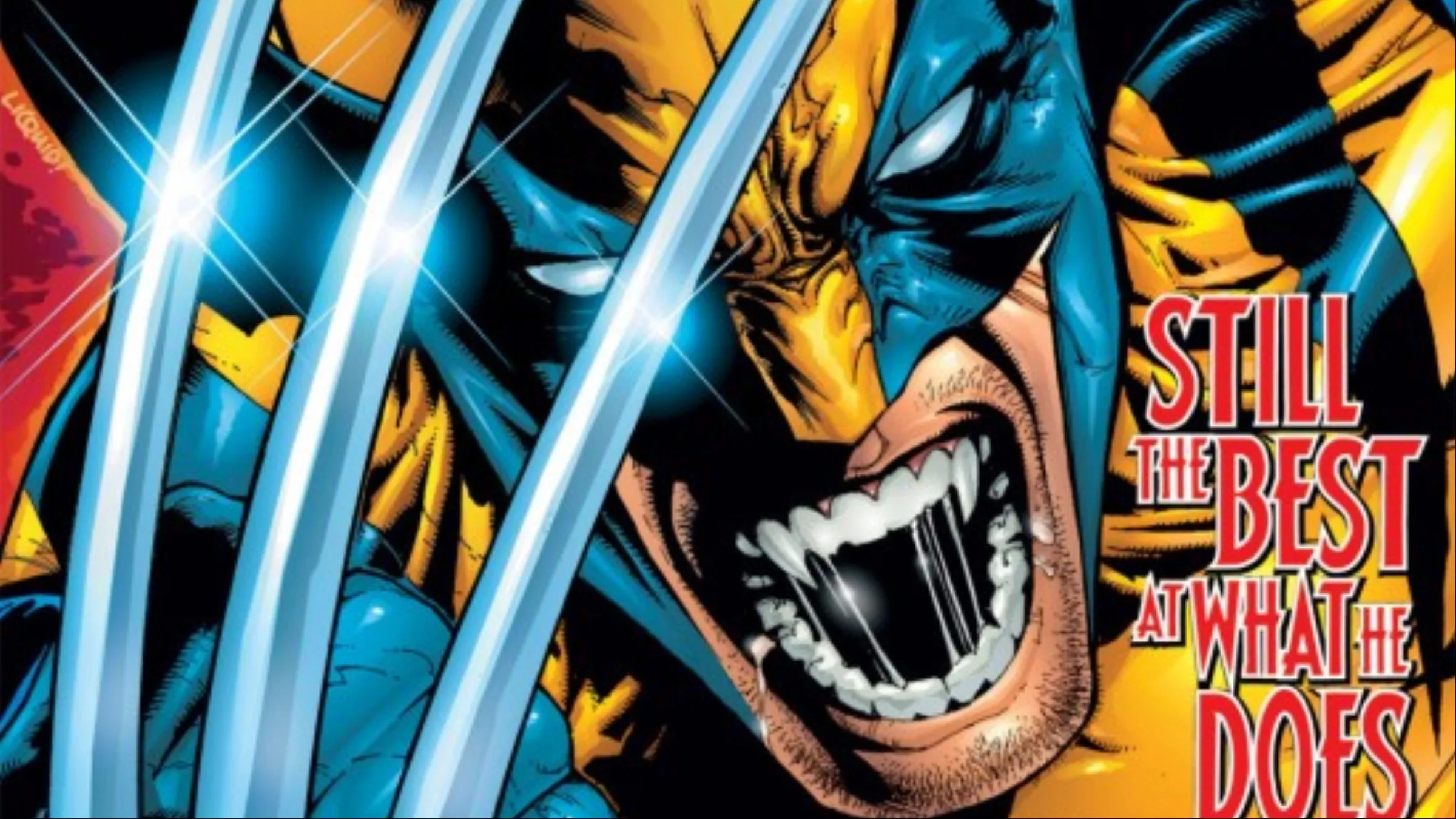
The second volume of Wolverine was a huge hit in the 1990s, featuring work from many talented writers. After Larry Hama’s departure, several writers filled in until issue #132, when Erik Larsen took over. Larsen wrote the series from issues #133 to #149, collaborating with artists like Jeff Matsuda and Leinil Yu, along with other contributors. His run started with a fantastic space-based story and culminated in the return of Wolverine’s adamantium and the epic “The Twelve,” a major event for the X-Men in the ’90s. Larsen perfectly captured the essence of Wolverine, and this run deserves more recognition.
3) Mark Waid/Ron Garney Captain America
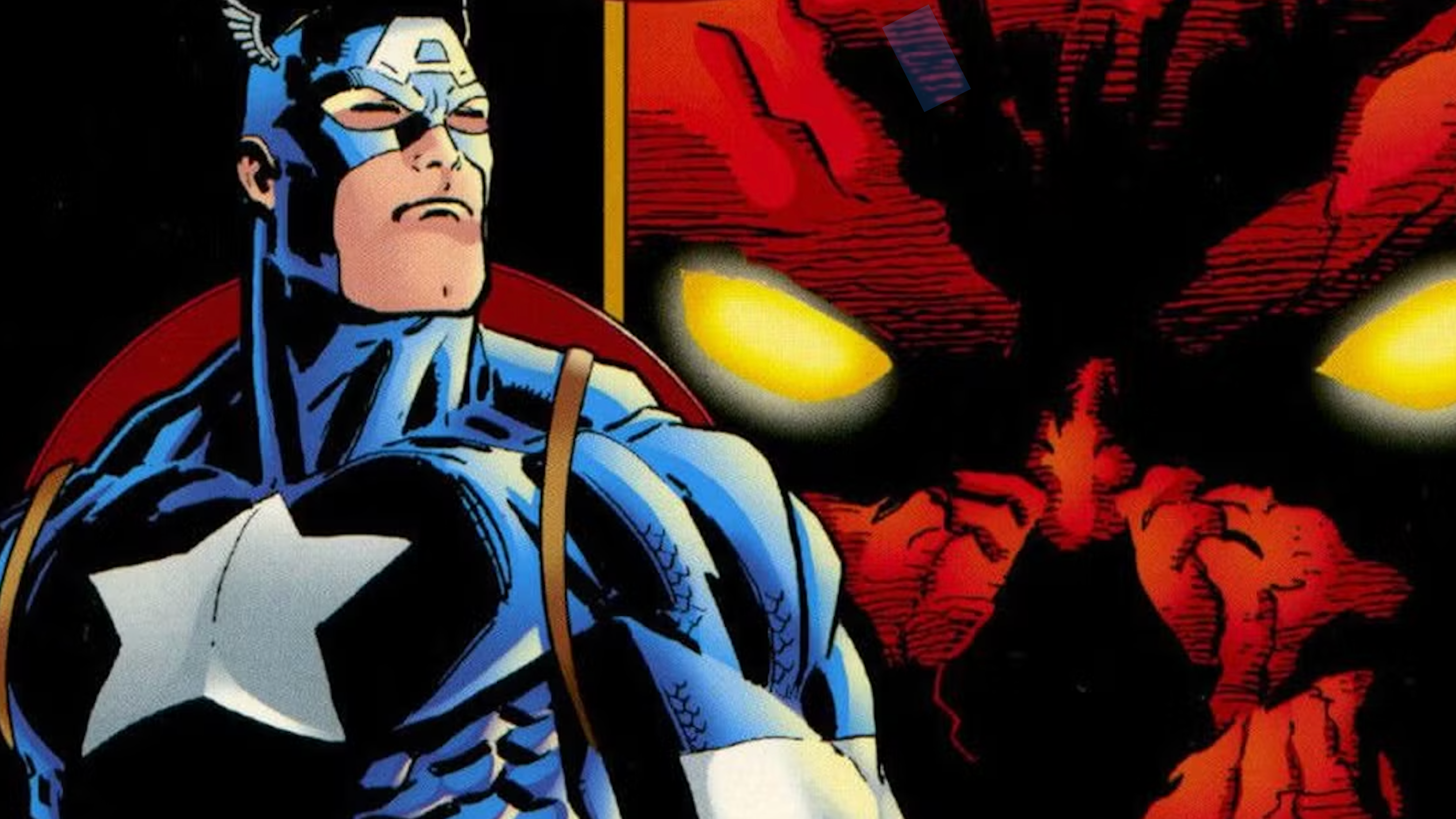
When Mark Waid and Ron Garney began their run on Captain America (Vol. 1) with issue #444, it was an instant hit with readers. They quickly made Captain America one of Marvel’s most popular titles, even during the peak popularity of the X-Men and Spider-Man. Their ten-issue run (#444-454) was considered some of the best Captain America ever published, praised for its excellent writing and dynamic artwork. Though the series was cut short by the “Heroes Reborn” event, Waid and Garney later collaborated on Captain America (Vol. 3) for the first five issues and #12. Garney then joined Waid on Captain America: Sentinel of Liberty #1-6. Many fans consider them the best creative team to work on Captain America in recent years, yet Marvel rarely reprints their work, which is a shame for newer readers.
2) Joe Kelly/Steve Seagle X-Men/Uncanny X-Men

The X-Men comics were incredibly popular throughout the 1990s, consistently topping the sales charts. In 1997, after years with the series, writer Scott Lobdell moved on, and Joe Kelly and Steve Seagle took over writing duties for X-Men and Uncanny X-Men, respectively. Kelly penned issues #70-85 of X-Men (Vol. 2), while Seagle wrote issues #350-365 of Uncanny X-Men. Both writers were developing compelling storylines and featuring a wide range of X-Men characters, but Marvel unexpectedly limited the team size to eight members. This forced them to abandon several developing plots, and they left the series just five issues after the roster change, which began with the “Children of the Atom” storyline in Uncanny X-Men #360 and X-Men #80. This brought an end to a promising creative run.
1) J.M. DeMatteis/Sal Buscema The Spectacular Spider-Man
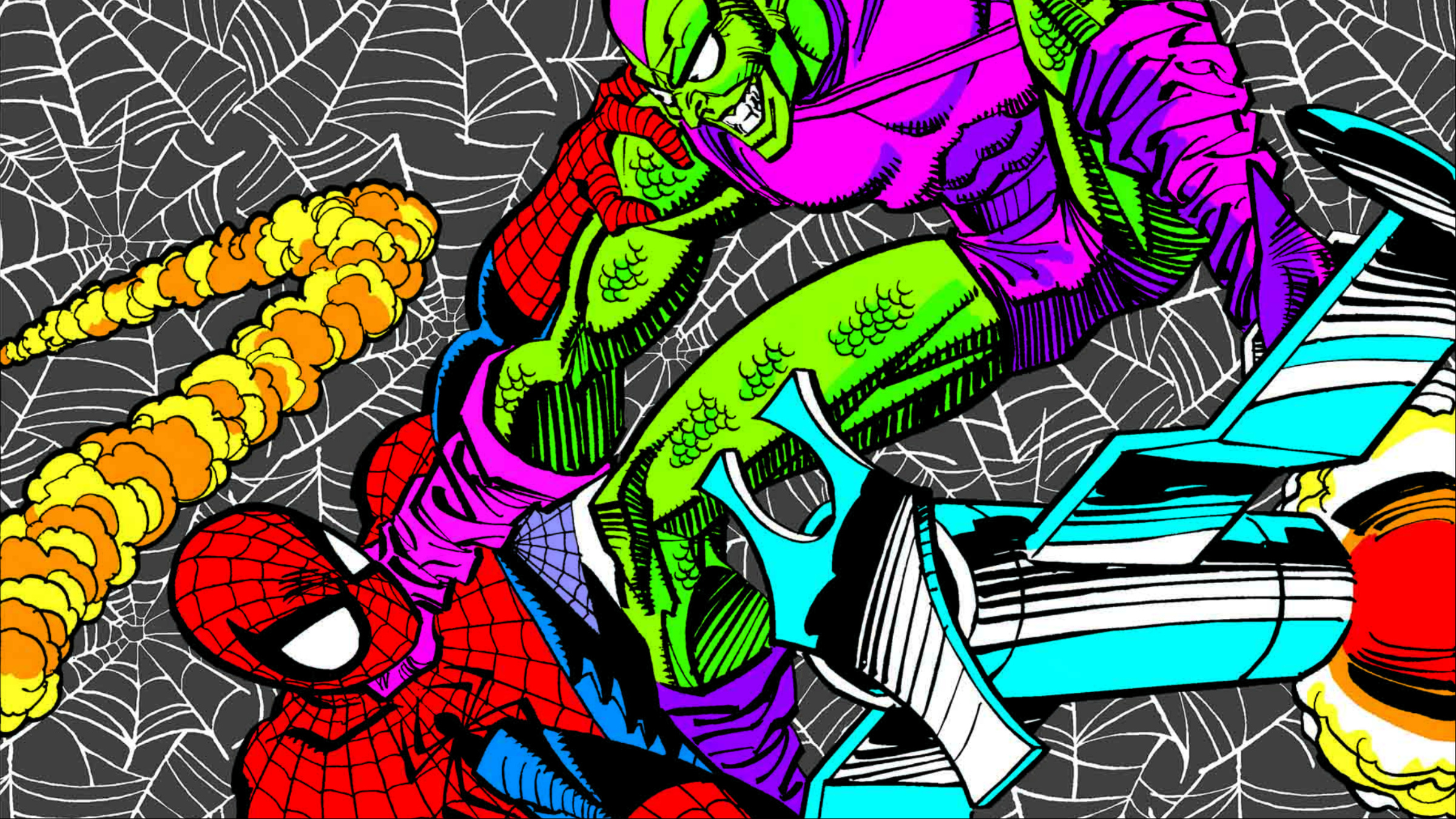
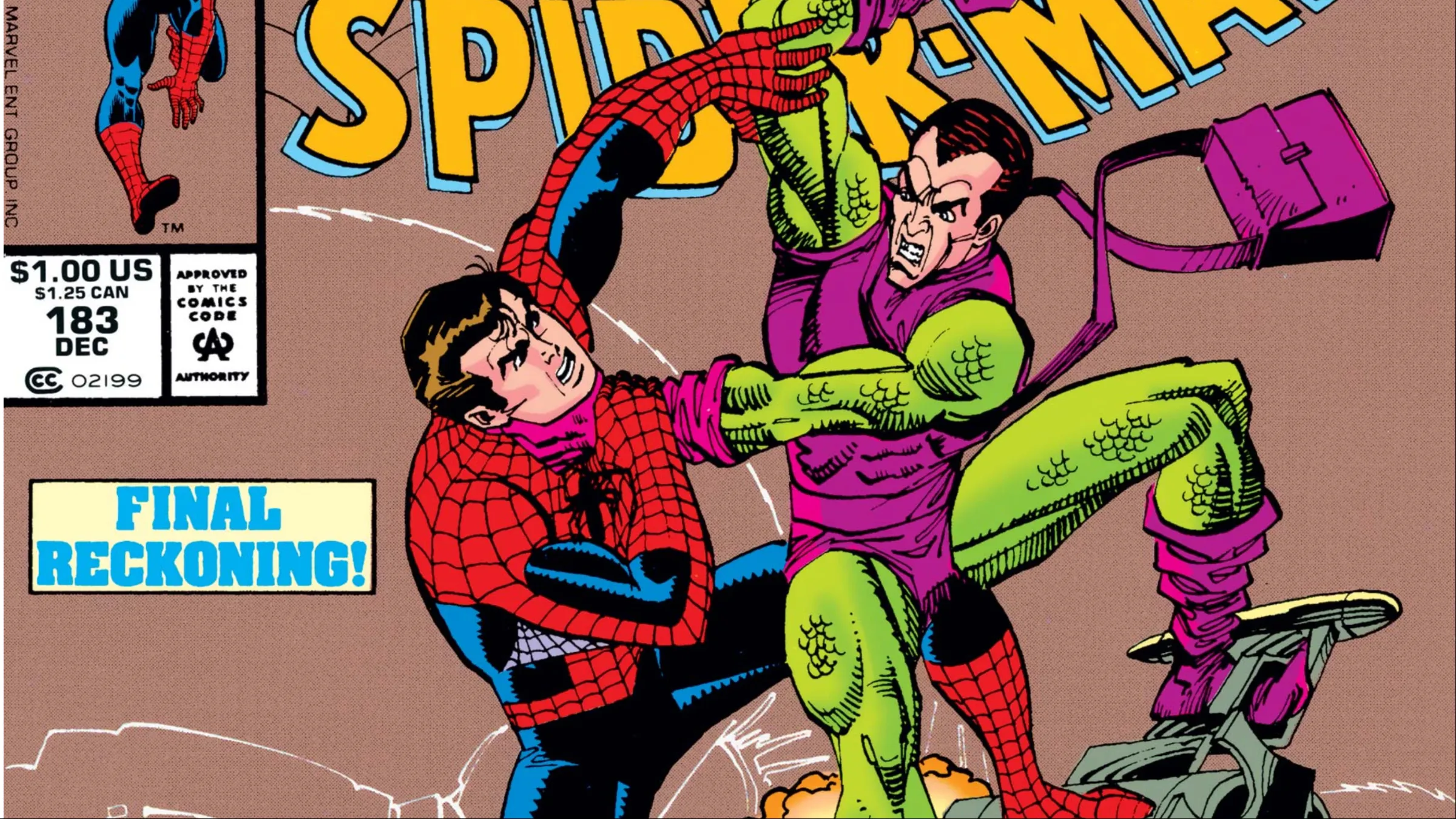
While not the most popular Spider-Man comic of the 1990s, The Spectacular Spider-Man boasted an incredible creative team. Writer J.M. DeMatteis, known for the classic “Kraven’s Last Hunt,” teamed up with legendary artist Sal Buscema starting with issue #178. Their run, lasting through issue #238, is considered a golden age for the character, delivering fantastic stories – including the iconic Harry Osborn as Green Goblin arc – and navigating the trends of the decade exceptionally well. When Bill Scienkiewicz joined as inker with issue #219, the artwork reached new heights. This period represents the absolute best of Spider-Man, and it’s well worth reading if you haven’t already.
https://comicbook.com/comics/list/10-marvel-heroes-who-never-had-a-bad-costume/embed/#
Read More
- Everything You Need To Know About Nikki Baxter In Stranger Things’ Animated Spinoff
- Miranda Kerr Shares “Quick” Procedure She Got Before Met Gala 2026
- ‘The Bride!’ Review: Jessie Buckley Breathes Life into a Monstrous Mess
- Welcome to Demon School! Iruma-kun season 4 release schedule: When are new episodes on Crunchyroll?
- After 11 Years, Black Clover Officially Ends With Final Release (& Crowns a New Wizard King)
- Kim Kardashian Almost Broke Met Gala Look Before Carpet
- HBO’s Harry Potter Set Increases Security After Criminal Threat Revealed
- VVV/USD
- Before Legend of Aang: The Last Airbender, Avatar Fans Can Stream the Adaptation That Got It All Wrong on Peacock
- OCC Yield Ban Could Cripple Stablecoin Distribution, Consensys Warns
2026-03-23 16:14