
The 2000s saw a major change in the way science fiction films approached their themes. The decade began with the lasting influence of The Matrix on Hollywood’s visual style, and subsequent films built upon this foundation, often with a sense of urgency. Films like Minority Report explored the dangers of predictive policing, Children of Men depicted societal breakdown with a realistic approach, and War of the Worlds framed alien invasion as a refugee crisis. Blockbuster filmmaking also shifted towards creating long-running franchises, as seen with the conclusion of the Star Wars prequels and the success of X-Men, which proved that science fiction-based superhero stories could attract significant studio investment. Furthermore, the genre keenly reflected the cultural anxieties following 9/11, using themes of surveillance, distrust of institutions, and a sense of displacement as central dramatic elements.
Television quickly adapted to changing tastes. The early 2000s saw a surge in science fiction dramas with complex themes, pushing the boundaries of what the genre could achieve on TV. These shows were built around long, intricate storylines, inviting the same kind of detailed analysis previously reserved for high-quality dramas. This new format allowed television to fully utilize its strengths—like longer episodes—to create deeper characters and explore complex political ideas in ways that traditional science fiction movies couldn’t. Even today, the best of these shows remain powerful and engaging.
7) Eureka

Premiering on Syfy in July 2006, Eureka began as a quirky comedy. The story centers around US Marshal Jack Carter (Colin Ferguson) who unexpectedly finds himself in a top-secret town in the Pacific Northwest – a place inhabited solely by brilliant scientists funded by the government. He’s immediately made sheriff! Unlike many sci-fi shows, Eureka is consistently lighthearted, focusing on clever weekly solutions to problems and the warm relationships between characters, rather than a complex, ongoing storyline. The show cleverly balances humor with genuine emotion, recognizing that audiences need to connect with the characters, especially when dealing with fantastical sci-fi concepts. Carter’s relatable, ordinary-guy perspective helps viewers easily enter a world where advanced physics and robotic mishaps are commonplace. Over five seasons, the cast developed strong chemistry, proving that science fiction doesn’t always need to be grim, and that a confident, comedic approach can make a show truly memorable.
6) The 4400

The most interesting part of USA Network’s The 4400 wasn’t the story of 4,400 people returning after decades of disappearance without having aged. Instead, the show focused on how the government responds when faced with a group it doesn’t understand. Over four seasons, federal agents Tom Baldwin and Diana Skouris navigated that complex system. This setup allowed the show to explore themes of post-9/11 surveillance and social movements with a deliberate, long-term approach uncommon for procedural dramas at the time. The show’s political insights weren’t just added to the sci-fi plot—they were central to it, which is what sets The 4400 apart from other shows about people with special abilities. Unfortunately, the original series was cancelled by USA Network in 2007 on a cliffhanger, and a 2021 reboot on The CW only lasted one season, proving just how well-made the original show was.
5) Terminator: The Sarah Connor Chronicles
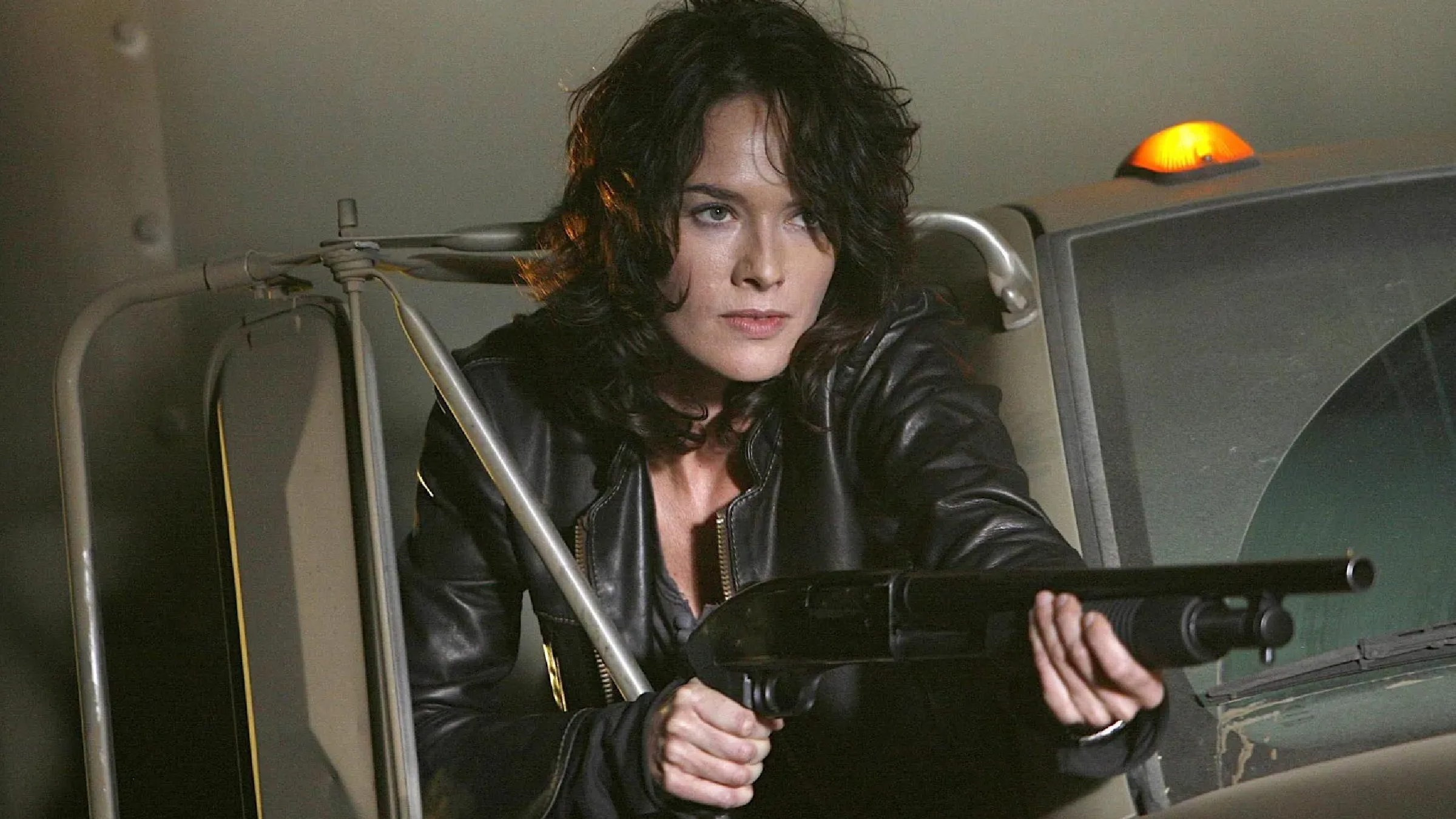
As a huge fan of the Terminator movies, I always found their strength was in their relentless pace. That’s why I was so surprised when The Sarah Connor Chronicles premiered in 2008 – it actually slowed things down. The show picked up right after Terminator 2, following Sarah and John Connor as they navigated life in 2007, protected by Cameron, a reprogrammed Terminator. Over two seasons, Lena Headey gave an incredible performance as Sarah, portraying a woman completely weighed down by the future she was desperately trying to change. Her exhaustion was brilliantly balanced by Summer Glau’s portrayal of Cameron – a Terminator who was precise and almost…human. What I really appreciated was that the show delved into the origins of Skynet with a level of detail the movies never bothered with, treating the whole mythology as something genuinely important. It’s a shame Fox cancelled it on a cliffhanger in 2009. Honestly, every Terminator movie since then has proven just how difficult this story is to get right, and how much more we could have explored with that series. It really deserved to continue.
4) Firefly
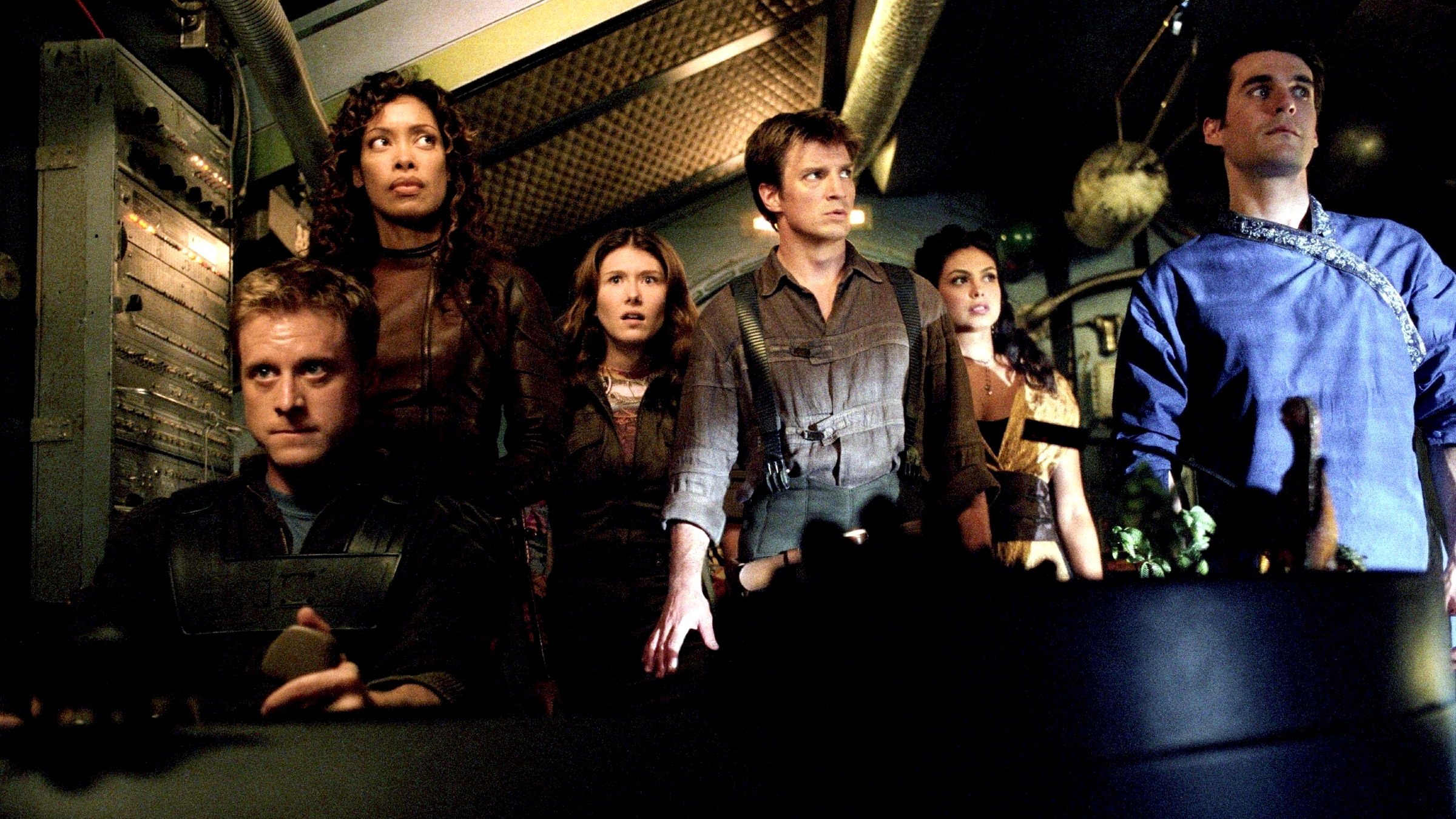
Joss Whedon’s Firefly quickly became a beloved and often-discussed sci-fi series, despite being cancelled by Fox after just one season and 11 episodes. The show, a unique blend of space adventure and western themes, followed Malcolm Reynolds (Nathan Fillion), a former soldier in a lost civil war, as he captained a transport ship on the edges of a system ruled by a controlling government. Firefly distinguished itself by focusing on social and economic issues and a distrust of institutions, rather than a purely futuristic, technologically advanced world. This strong foundation, combined with its ability to shift seamlessly between political commentary, humor, and heartfelt emotion, is why fans felt so strongly about its cancellation. Thankfully, a new animated revival of Firefly was recently announced at Awesome Con, with showrunners Marc Guggenheim and Tara Butters leading the project alongside Nathan Fillion’s production company and 20th Television Animation. The original actors are all returning, though we’re holding our breath until a network to air the show is confirmed, as that will determine the franchise’s future.
3) Fringe

During its first season, Fringe followed a case-of-the-week format on Fox, with FBI agent Olivia Dunham and scientist Walter Bishop investigating unusual, technology-related incidents. The show then dramatically shifted in its second season, embracing a complex parallel universe storyline that went beyond simple investigations. Walter Bishop, brilliantly portrayed by John Noble, became the heart of the series – a compelling character grappling with memory loss and regret. His emotional depth elevated Fringe beyond typical science fiction and grounded even the most surprising plot twists. In its final season, the show boldly reinvented itself with a dystopian future setting instead of relying on familiar tropes, demonstrating the writers’ confidence. Fringe aired until 2013 and, while it hasn’t always received the recognition it deserves, its impact on subsequent high-quality science fiction dramas is clear.
2) Lost
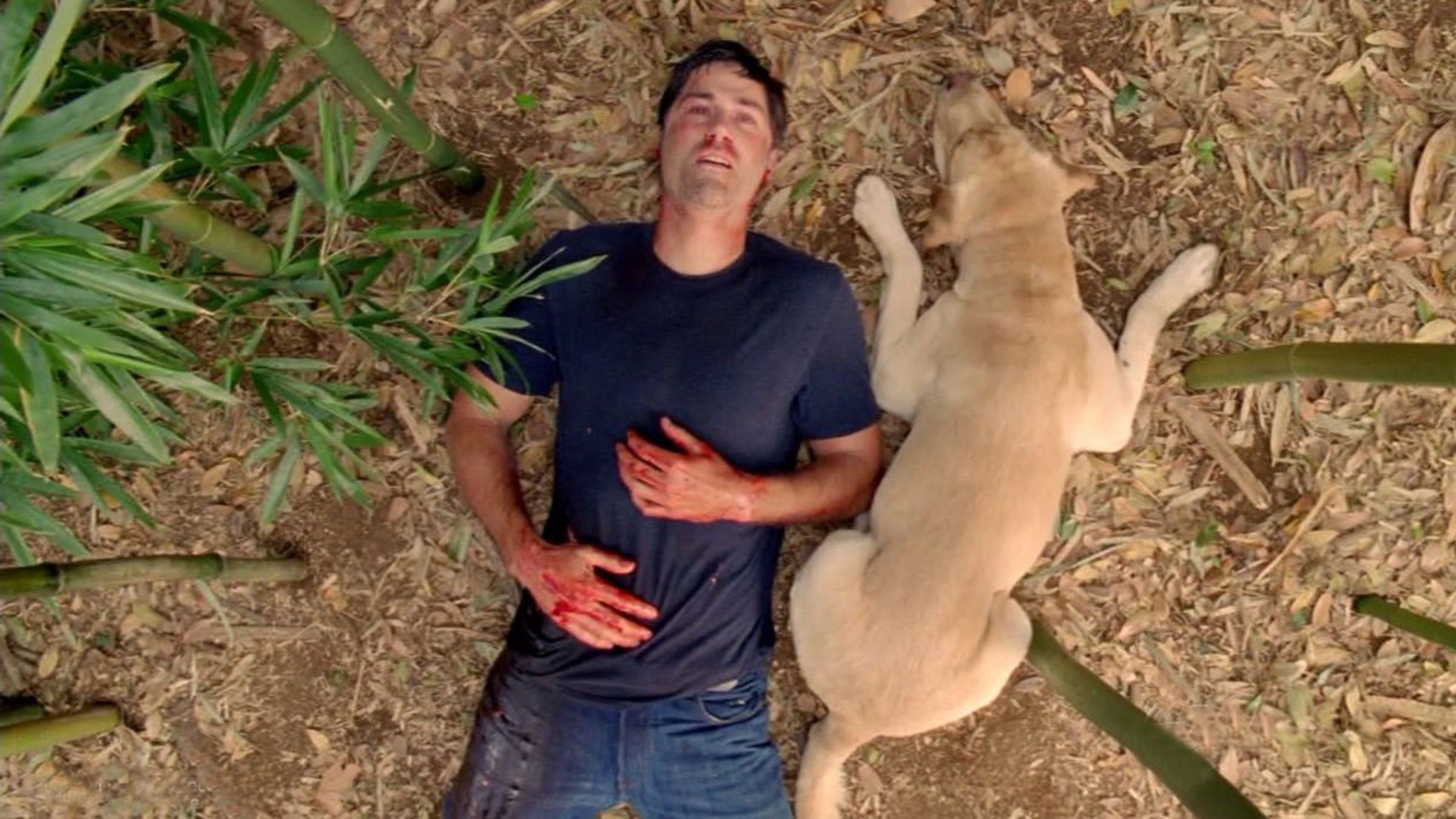
Before Lost premiered in September 2004, no science fiction series on a major network had captivated audiences quite like it. The show centered on the survivors of a plane crash who found themselves on a mysterious island with a long and complex past. Lost deliberately kept many questions unanswered, relying on viewers to stay invested in characters whose stories became increasingly intricate. John Locke and Benjamin Linus, played by Terry O’Quinn and Michael Emerson respectively, became two of TV’s most fascinating and complex characters, representing opposing forces of faith and reason. The show sparked an unprecedented level of discussion and analysis each week. Though its finale remains a subject of debate, Lost‘s quality and its influence on subsequent serialized dramas – in the sci-fi genre and beyond – remain undeniable.
1) Battlestar Galactica

As a sci-fi fan, I always say Ronald D. Moore’s Battlestar Galactica reboot completely changed the game when it hit TV in 2004. The original was fun, a classic space romp, but Moore’s version was something else entirely. It kicked off with a devastating attack by the Cylons wiping out most of humanity, leaving the survivors scrambling to escape in a broken-down fleet led by Commander Adama and President Roslin. That setup allowed him to really dig into tough questions about democracy when everything’s on the line, the morality of torture, and just how far people will go to survive – stuff you rarely saw on TV at that time. Plus, the characters! Katee Sackhoff as Starbuck and James Callis as Baltar were incredible – so flawed and complex, both wrestling with their own demons and the messed-up systems around them. The finale from 2009 still sparks debate, and honestly, that’s okay – it’s a bold ending. But overall, Battlestar Galactica is one of the greatest sci-fi stories ever told, and it absolutely holds up today. I highly recommend checking it out or revisiting it if it’s been a while.
What sci-fi series from the 2000s do you think everyone should rewatch? Share your thoughts in the comments and join the discussion on the ComicBook Forum!
Read More
- Best Controller Settings for ARC Raiders
- Review: Final Fantasy Tactics: The Ivalice Chronicles (PS5) – Still the Benchmark for Turn-Based Tactics
- Nippon Sangoku Is The Best New Post-Apocalyptic Anime of Spring 2026
- Mark Zuckerberg & Wife Priscilla Chan Make Surprise Debut at Met Gala
- Elon Musk’s Mom Maye Musk Shares Her Parenting Philosophy
- 10 Greatest Manga Endings of All Time
- The Witcher 3 Officially Reveals Stunning New Ciri Figure Coming 2026
- The WONDERfools ending explained: What happened to the Child of Eternity?
- 7 Great Marvel Villains Who Are Currently Dead
- FRONT MISSION 3: Remake coming to PS5, Xbox Series, PS4, Xbox One, and PC on January 30, 2026
2026-04-03 22:11