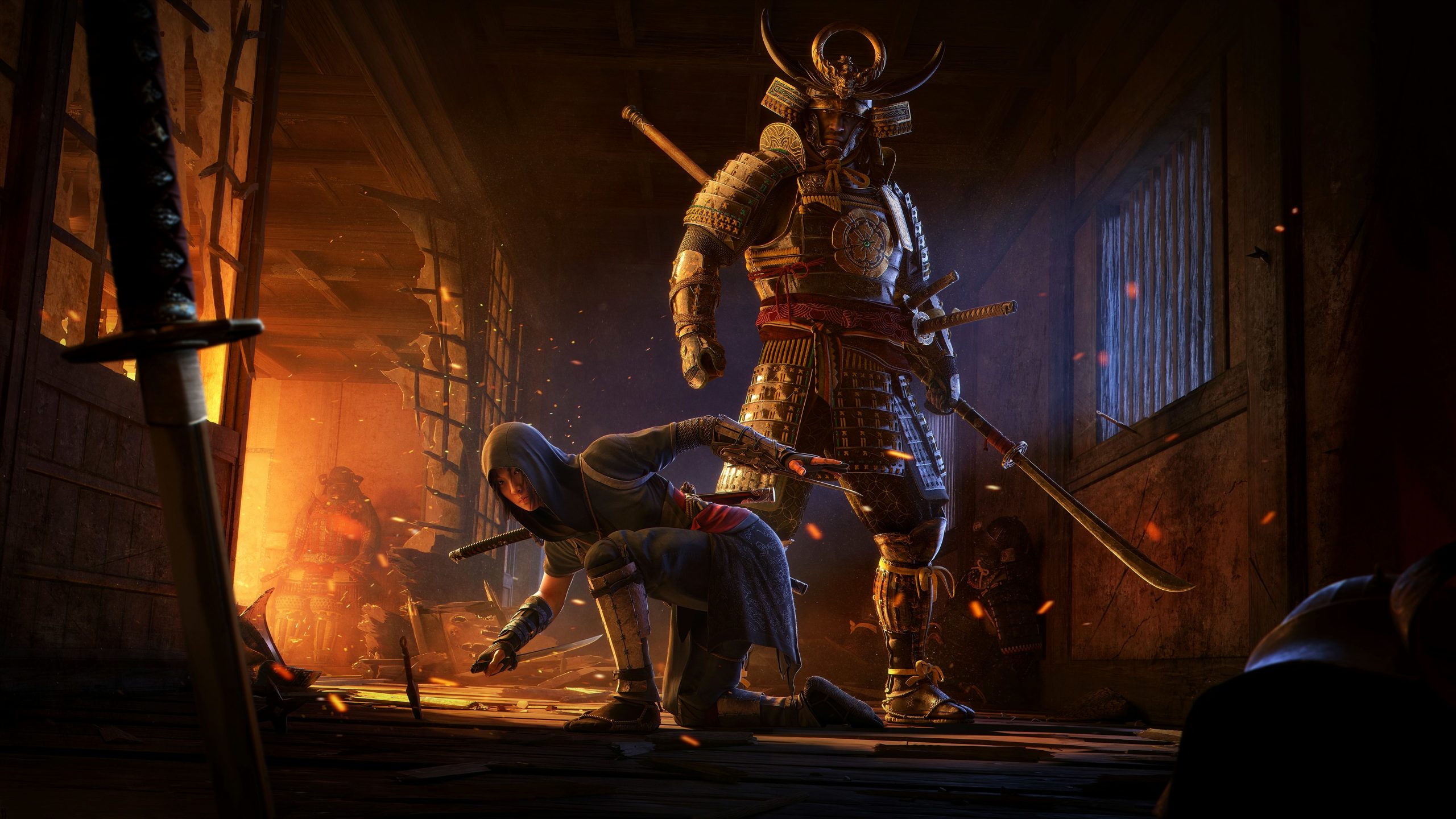
The quote, ‘Tomorrow is a mountain built with the rocks of today,’ is surprisingly from the game Assassin’s Creed Shadows. It reminded me of a similar saying, ‘Even the tallest mountain started as a pebble,’ but that’s not important right now. What is interesting is how much Assassin’s Creed Shadows has changed since it was first announced – it looks quite different in many ways, and strangely similar in others, thanks to recent updates.
It’s strange how quickly things changed. Just after celebrating its first year, Vantage Studios, the team now leading the game, announced that support for Assassin’s Creed Shadows is winding down. It’s hard to understand how the game went from being considered a success to being seemingly abandoned, but that’s the nature of the industry. The big question is: even in 2026, is Assassin’s Creed Shadows worth playing for both longtime fans and newcomers? The answer is yes, but your enjoyment will depend on what you’re looking for in the game – just don’t expect a great story.
Okay, so the game kicks off in the late Sengoku period of Japan, with Oda Nobunaga calling the shots – pretty standard fare. I’m playing as Naoe, and honestly, taking on Diogo, who becomes Yasuke, seems to actually help Nobunaga with his battles, especially when we head into the Iga Province. But this isn’t about me going toe-to-toe with Nobunaga directly. It quickly spirals into a revenge story, which, let’s be real, is totally on brand for an Assassin’s Creed game.
I’m leaving out many details to avoid spoiling the beginning of Shadows, as it’s a particularly strong part of the story. Eventually, the plot leads to Yasuke, and the two characters decide to team up. While there’s some interesting conflict stemming from Naoe and Yasuke’s different backgrounds as they search for a shared purpose, the overall storyline isn’t one of the most compelling in the series.
It’s not terrible, but don’t go in expecting a masterpiece. What really sets Shadows apart and feels like a fresh take on Assassin’s Creed is its focus on vertical movement, parkour, and new stealth features, all within a world that’s both magical and incredibly detailed.
The game boasts a stunning and immersive world, being the first in the main series to take place in Japan. From grand castles and vibrant landscapes to small touches like fruit falling from stalls and realistic swordplay, the setting truly comes alive. While it does include some familiar open-world tasks, you can easily lose yourself in exploration, discovering hidden gems and enjoying the scenery at your own pace.
The game offers a variety of activities. You can investigate members of the Shinbakufu, or take on side quests that expand the game’s world and tell interesting stories. You might explore ancient tombs filled with puzzles, or practice Kuji-kiri. There are also masters to learn from, and huge castles to infiltrate, where you can battle powerful bosses for amazing rewards. A particularly impressive feature is that these castles are based on historical designs, offer both stealth and direct combat options, and each feel distinct from one another.
The game’s strategy also changes with the seasons. Winter, for example, brings snowstorms that can hide your movements, making it easier to sneak around at night. This encourages you to be observant and use Naoe’s speed to your advantage. While you could rush through areas with Yasuke, it’s often not the best approach, and he’s not necessary for most of the game unless a specific story mission requires him.
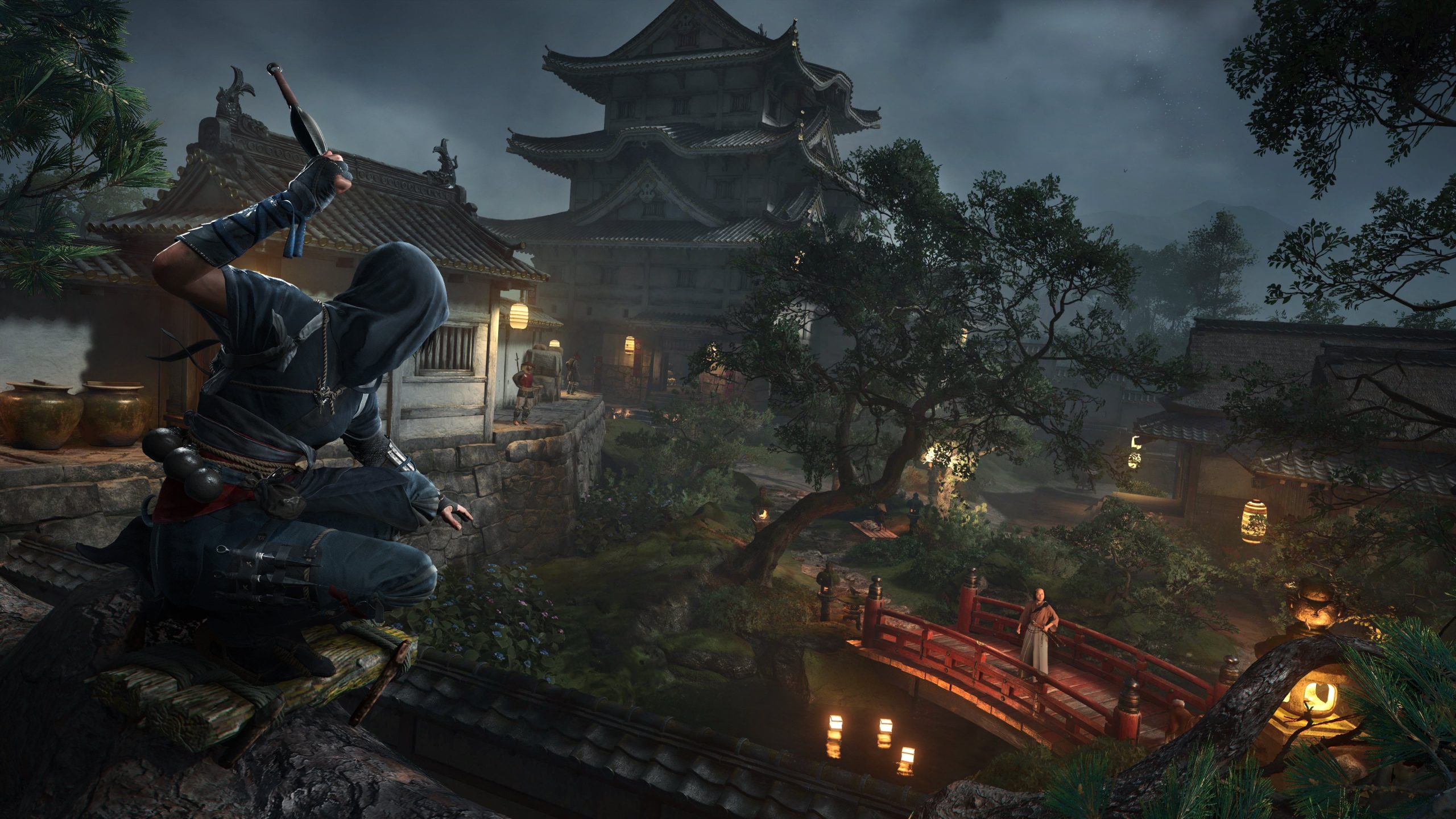
Switching between different tasks and storylines helps the game feel more cohesive, even though the connections aren’t as strong as in a focused hunt like the Yotei Six. The developers have also expanded the game with new quests, including ‘The Works of Luis Frois’ and ‘A Critical Encounter,’ which introduces a new character to help you. They’ve also revamped the alert system. Before, setting off an alarm only attracted enemies within a castle. Now, causing trouble in the open world can give you a ‘Wanted’ status across the entire province – a real problem for a stealthy assassin! And to make matters worse, you’ll be relentlessly pursued by powerful enemies called Guardians.
Corrupted Castles add a new challenge by transforming previously completed castles into harder levels filled with stronger enemies. These become available at level 30, but only after you’ve already finished three regular castles. Five castles will randomly become “Corrupted,” giving you the choice to learn the layout in normal mode first, or jump right into the more difficult versions.
Like previous games in the series, this one emphasizes fluid movement, and Naoe excels in that area. While her story isn’t particularly deep, controlling her is incredibly fun. Her movement and stealth work together seamlessly, introducing innovative gameplay mechanics that haven’t been seen in earlier titles.
It makes perfect sense that this ninja can move like one – hanging from ceilings to avoid guards, crawling through grass, and even swimming underwater with a breathing device to ambush enemies. She’s incredibly agile, and not just fast. She’ll perform flips while dodging, and can quickly turn a backflip off a ledge into a deadly attack. She effortlessly overcomes obstacles by wall-running, sprinting, and flipping out of grapple points. It might sound exaggerated, but mastering her movement, combined with tools like kunai, smoke bombs, and shurikens, unlocks a completely new style of acrobatic assassination.
The development team quickly built on the character’s movement skills. They started with a new Vertical Jump, which made it simpler for all characters to grab onto ledges and other objects. They also refined the ejects, making them higher and more likely to result in landings on the feet. Importantly, sprinting no longer interrupted Parkour Up and Parkour Down moves. All of this culminated in what became known as Advanced Parkour. The most significant addition was Manual Jump, which dramatically improved movement options – though some players joked it was a feature seen in games decades earlier.
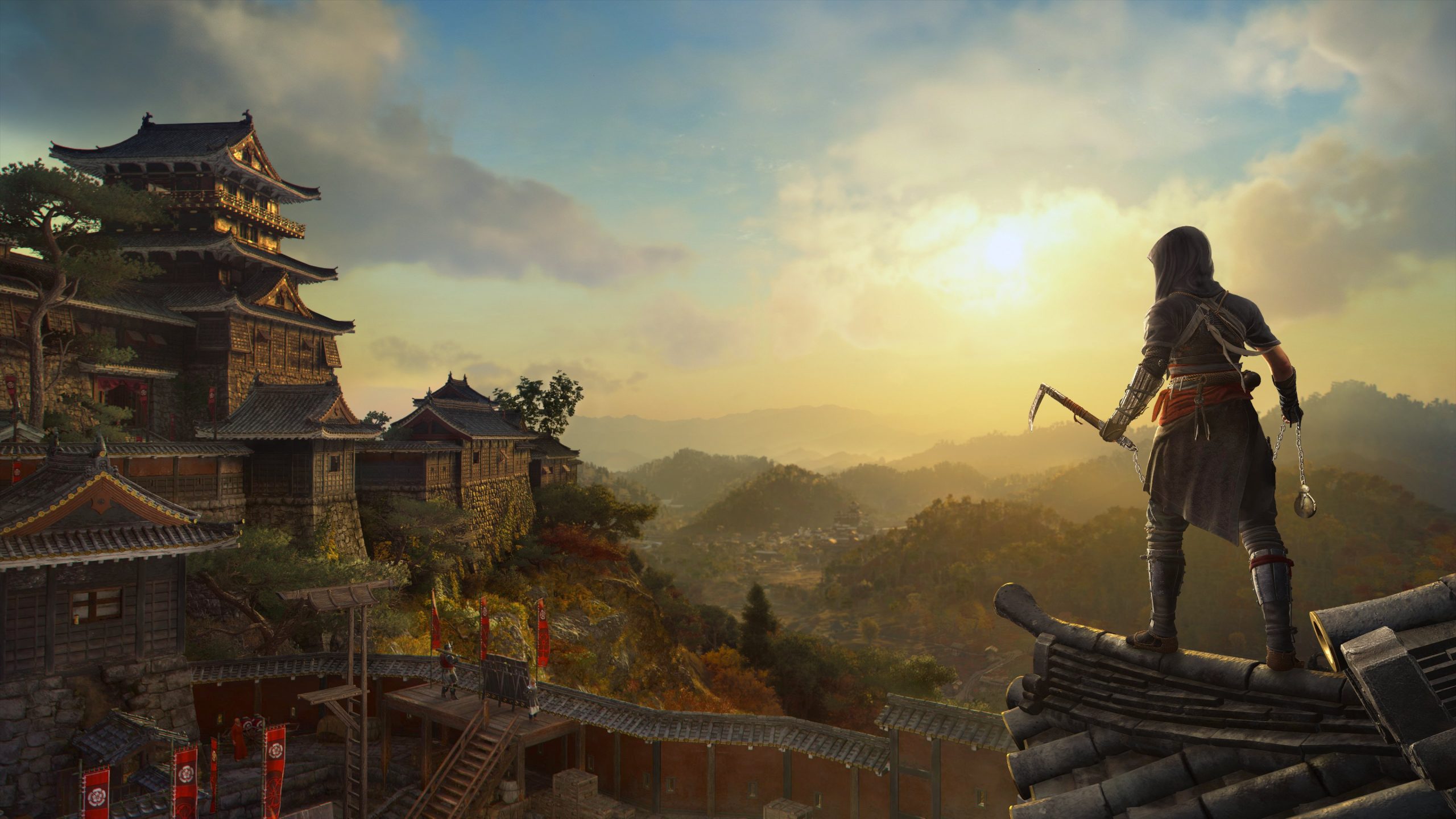
The game’s Parkour Up and Parkour Down moves are now even better thanks to the addition of ejects, giving players more control over their movements. You can now side eject upwards or downwards, grab onto ledges even while not standing on solid ground – a welcome improvement that makes navigating the world much smoother – and quickly catch ledges to save yourself from falls. For example, you can jump from a building and grab a ledge just in time, avoiding certain death. This system is incredibly satisfying and really delivers on the feeling of being a skilled assassin or ninja, something few other games do so well.
Combat forms the other side of this game, and where Naoe uses detailed weather and lighting to create a haunting, stealthy experience, Yasuke is all about raw power. He charges through enemies, deflects attacks, and eliminates foes from a distance with a rifle or up close with a club or polearm – it’s a thrilling, unrestrained experience. While it’s true that Yasuke’s gameplay is more straightforward than Naoe’s, that’s okay, because Shadows doesn’t make you play as him constantly.
The combat is also well-done. Yasuke focuses on absorbing damage and using katana attacks to parry and counter, while Naoe is designed to be quicker and fight smaller groups instead of large armies. Both characters can charge up their attacks to break an enemy’s defenses or inflict extra damage.
When Yasuke launched, the gameplay emphasized combat for Yasuke and stealth for Naoe, and that’s still true. However, the developers added a lot more variety to their abilities. Yasuke can now perform silent assassinations, and Naoe has a powerful new attack – a devastating dropkick. A key part of the game is also recruiting allies to build a base called the League. These allies offer unique skills and abilities in combat, and their strength improves as you upgrade the Dojo, and they also have their own separate stories and quests.
Yaya has attacks that push enemies away, and upgrading your Dojo to level 1 adds a knock-down effect when she enters battle. Oni-Yuri controls crowds differently, either putting enemies to sleep with a dart or creating a deadly poison cloud with her first ability. These features are a great addition, making your team feel more active in fights instead of just staying back at base.
Naoe has gained a new weapon called the Bo. Interestingly, even if you don’t own the Claws of Awaji DLC, you can still get it through a quest. What makes the Bo unique is its three different stances – High, Medium, and Low – which change the types of attacks available. It also has its own dedicated skill tree, and many players find it really enjoyable to play with.
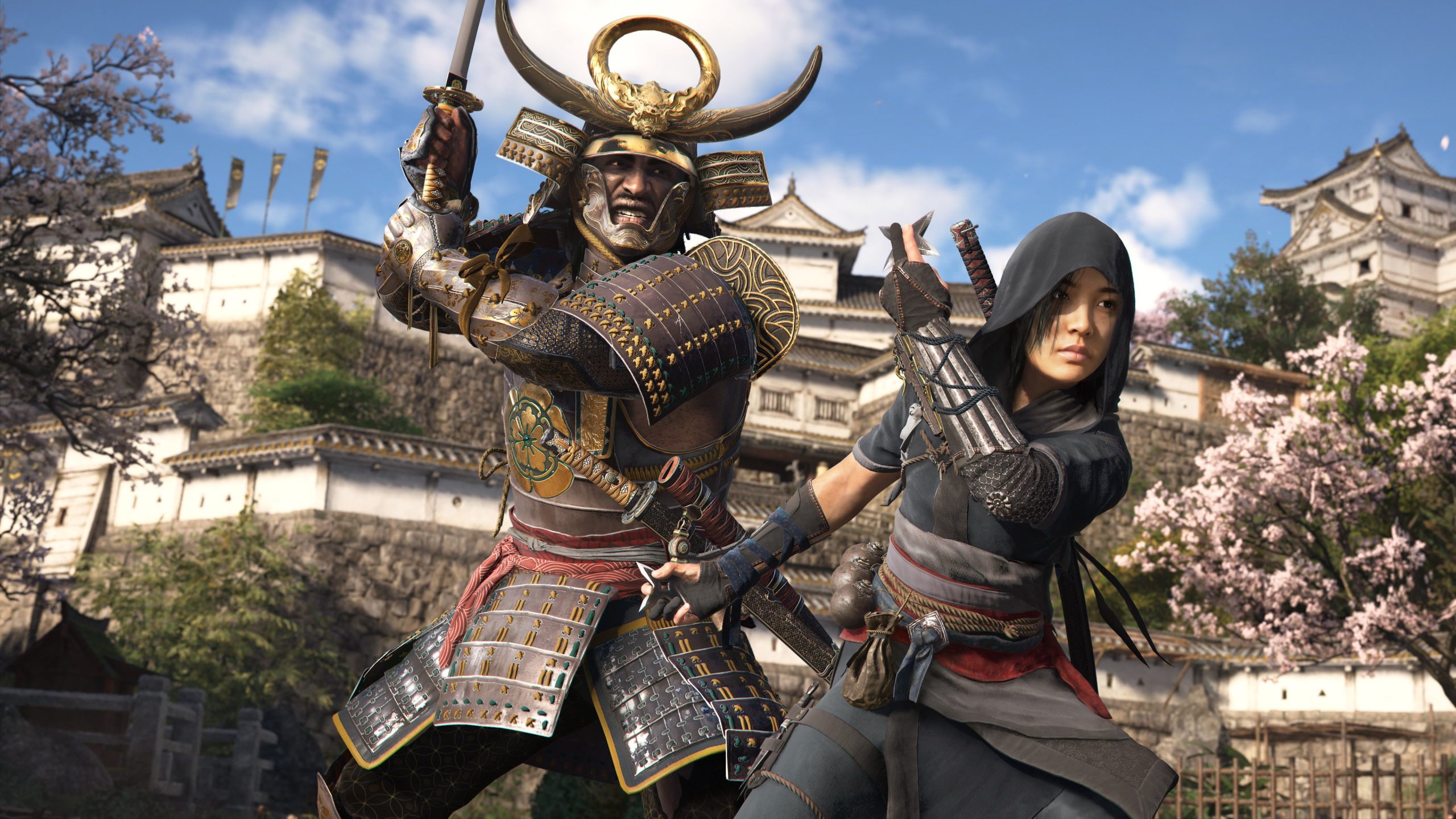
As a huge fan, I really appreciated the updates they added after the game came out! Adding character bios to the Codex was a lifesaver – it helped me keep track of everyone. And Nightmare difficulty? Wow, that’s a serious challenge! Enemies hit hard, and you really have to master those perfect parries. Even playing stealthily is harder – you can actually hear Naoe’s footsteps even when she’s trying to be quiet, which adds to the tension!
The update introduced New Game+, featuring powerful new Legendary weapons with special abilities. Players can now reach level 80 and reset their Knowledge Rank to 0, opening up more options for character skills and playstyles. The Hideout also received upgrades, including the ability to change the time of day, allowing players to avoid nighttime encounters if they prefer.
The game’s level cap will be raised to 100, and the Scout system—which helps you find important clues—now reveals locations of Viewpoints and Safehouses. Discovering all Viewpoints in a province will fully reveal the entire map! For players who love optimizing their gear, Epic items can be upgraded to Mythics, and Legendaries can become even more powerful Artifacts. Plus, there’s a detailed stats sheet so you can see exactly how much damage your weapons and abilities deal, along with information on Legendary perks and more.
Beyond these changes, the update includes numerous bug fixes and improvements. PC players will now enjoy cutscenes at higher frame rates, and a new Ultra Low Spec mode has been added for those with less powerful computers. However, not everything is perfect, particularly the in-game collaborations. The Dead by Daylight event was enjoyable enough, but the Attack on Titan collaboration felt rushed and basic, seeming to exist primarily to sell cosmetic items. The Balatro items were a welcome exception – they were free and actually offered some useful gameplay benefits, like a 20% chance to trigger a random effect when ending a combo.
It’s surprising to think Assassin’s Creed Shadows has only been released for a little over a year. While it might not be the very best action RPG in the series – each game has its strengths – it’s a really solid entry and worth playing, particularly if you like climbing and sneaking around. It’s possible future games like Assassin’s Creed Black Flag Resynced or Codename Hexe will overshadow it, but even when it seemed like it wouldn’t last, the characters Naoe and Yasuke showed that, like all Assassins throughout history, they answer to no one.
Read More
- Surprise Isekai Anime Confirms Season 2 With New Crunchyroll Streaming Release
- The Super Mario Galaxy Movie: 50 Easter Eggs, References & Major Cameos Explained
- HBO Max Just Added the Final Episodes of a Modern Adult Swim Classic
- Crimson Desert’s Momentum Continues With 10 Incredible New Changes
- Frieren: Beyond Journey’s End Gets a New Release After Season 2 Finale
- 10 Best Free Games on Steam in 2026, Ranked
- All 7 New Supes In The Boys Season 5 & Their Powers Explained
- ‘Project Hail Mary’: The Biggest Differences From the Book, Explained
- Solo Leveling’s New Character Gets a New Story Amid Season 3 Delay
- Preview: Sword Art Online Returns to PS5 as a Darker Open World Action RPG This Summer
2026-04-14 15:44